
The History of Pho: How It Became Vietnam’s National Dish
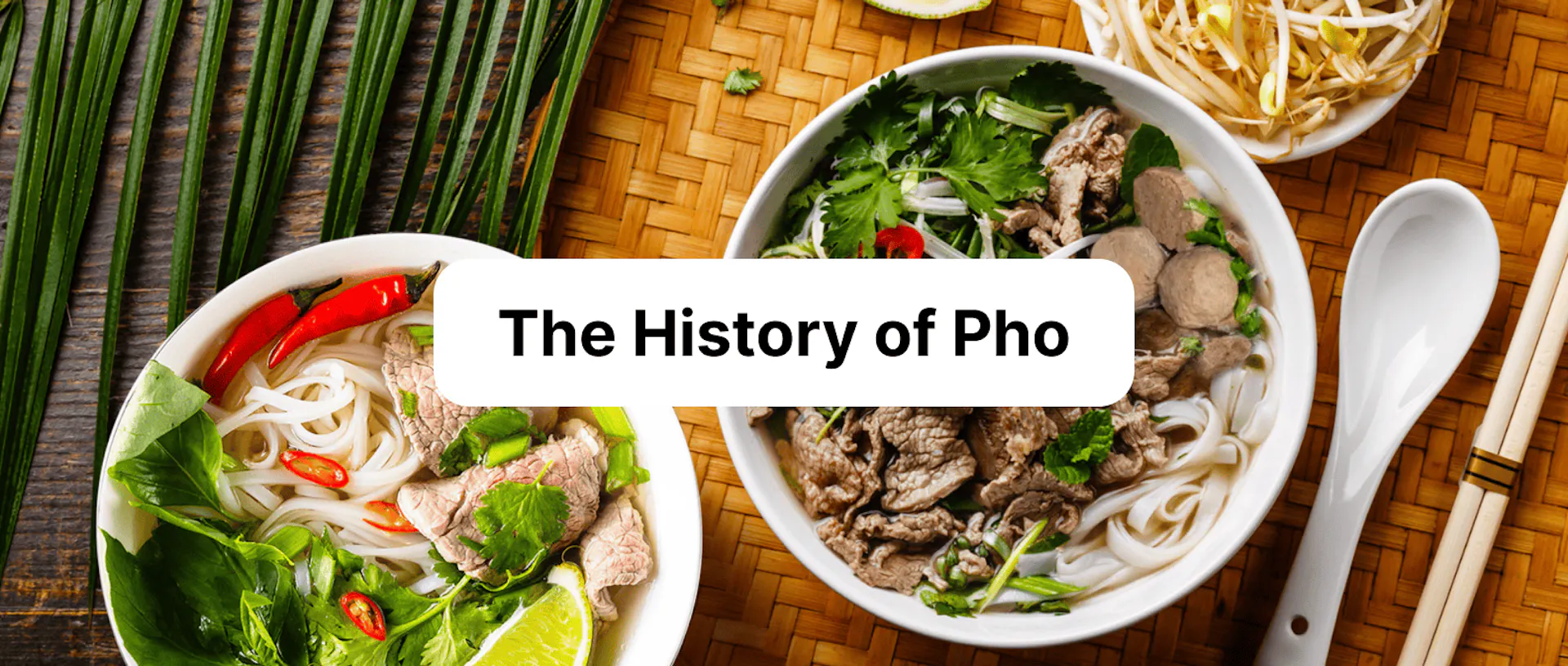
Pho is more than Vietnam's most famous noodle soup—it is a symbol of the nation's culture, history, and identity. Originating in northern Vietnam in the early 20th century, Pho evolved through local traditions, French influence, and regional adaptations before becoming an internationally recognized culinary icon. This guide explores the fascinating history of Pho, its humble beginnings, how it spread across Vietnam, and why it remains one of the country's most beloved dishes today.
On this page
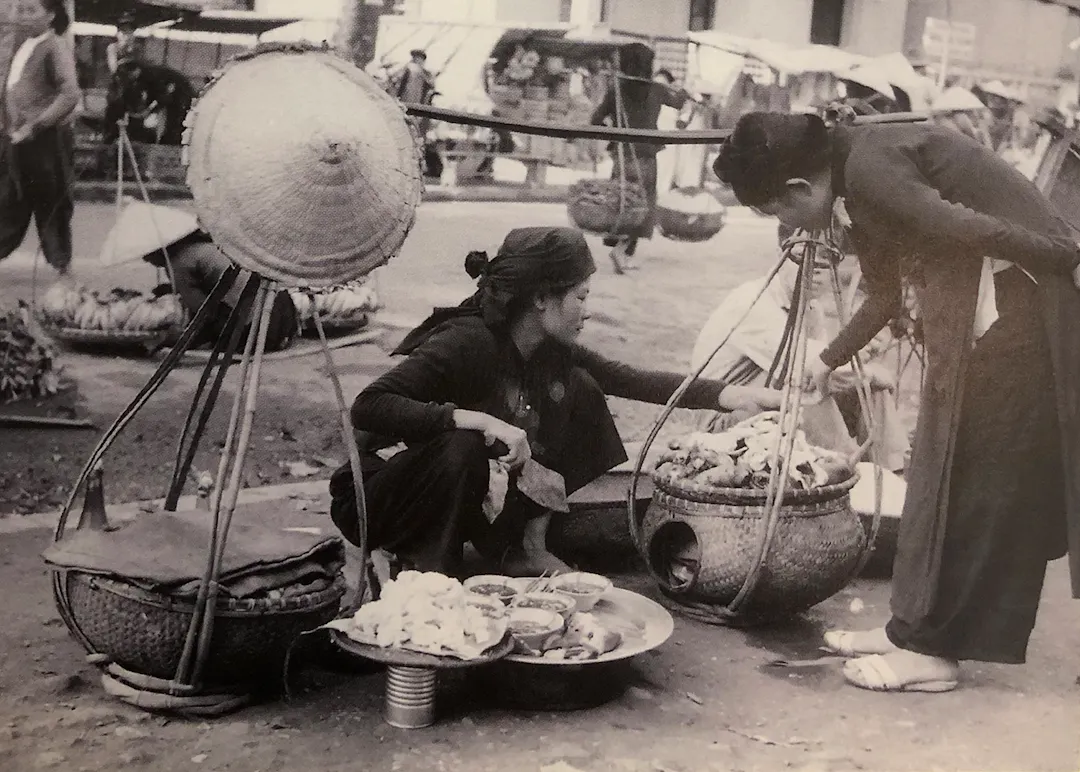
To walk through the early twentieth-century landscape of Northern Vietnam was to experience an atmosphere heavy with the aromatic steam of simmering beef bones and the rhythmic calls of street vendors carrying yoke and bamboo baskets. Within this sensory tableau, a monumental culinary evolution was quietly unfolding. This fragrant vapor signaled the beginning of the History of Pho, a narrative deeply intertwined with the nation’s colonial era and agrarian roots. To understand the origins of Vietnamese Pho is to recognize that it is not merely a soup, but a profound historical document. It meticulously records the complex, unprecedented encounter between French colonial infrastructure, established Chinese culinary heritage, and the absolute indigenous ingenuity of the Vietnamese people. This dish emerged from a turbulent era of cultural stratification and agraro-urban integration, transforming disparate influences into a singular, unified gastronomic masterpiece. By examining this delicate fusion of foreign ingredients and local methodologies, we uncover a remarkable story of adaptation. The resulting broth, noodles, and meats reflect a resilient society that masterfully synthesized external forces into a uniquely Vietnamese identity, setting the stage for a global culinary phenomenon.
The Pre-Modern Era: Tracing the Early History of Pho
Nam Dinh and the Northern Genesis
To pinpoint the precise genesis of this iconic noodle soup, one must look to the textile-producing province of Nam Dinh, located southeast of the capital. During the late nineteenth and early twentieth centuries, this region served as the crucial nursery for the Nam Dinh and Hanoi Pho history. The socioeconomic conditions of the era heavily favored the development of mobile, nutrient-dense street food. As French colonial industrialization expanded, a growing class of factory workers and laborers required affordable, sustaining meals. Nam Dinh provided the perfect agraro-urban integration, where rural agricultural practices met burgeoning industrial demands. Local cooks, seeking to maximize caloric output for laborers, began experimenting with beef broths, a significant departure from traditional pork and chicken-based diets. This early iteration was a pragmatic, rustic sustenance, far removed from the refined bowls consumed today, yet it laid the foundational architecture for the evolution of Pho. The working-class appetite for robust, affordable sustenance drove the initial spread of the dish, establishing it as a vital, mobile feast carried on the shoulders of itinerant vendors navigating the muddy industrial corridors.
The French Influence: Pot-au-Feu and the Butcher's Legacy
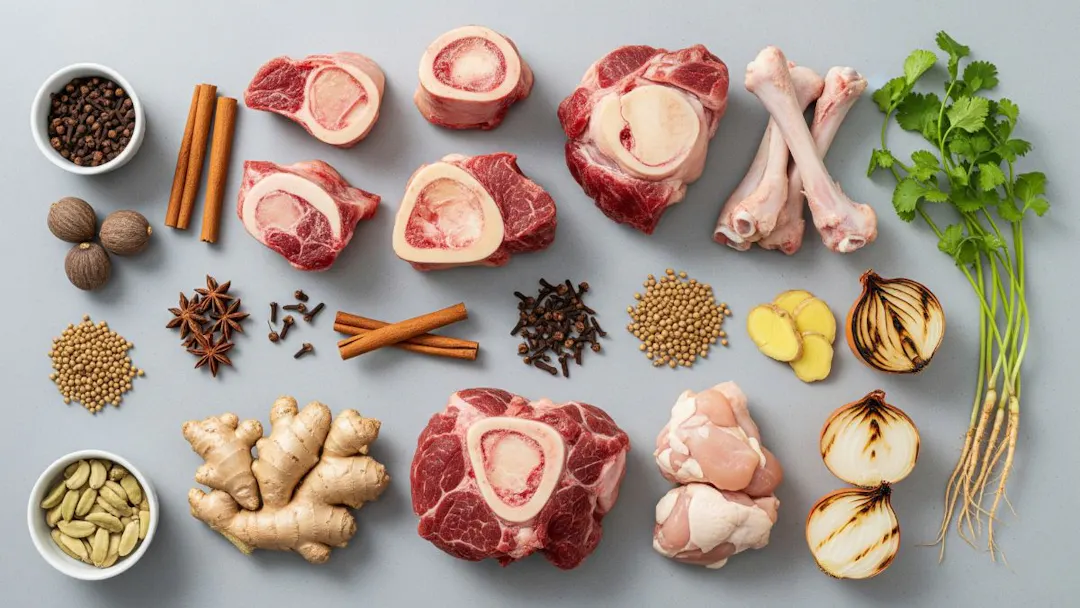
The widespread integration of beef into the Vietnamese diet is inextricably linked to the French colonial presence. Before this period, cattle and water buffalo were strictly revered as indispensable beasts of burden in wet-rice agriculture, practically never utilized as a primary protein source. The French regime, however, demanded the familiar comforts of European cuisine, leading to the establishment of slaughterhouses and the proliferation of the classic pot-au-feu. This slow-simmered beef stew introduced a new culinary paradigm. Yet, the colonial elite consumed only the prime cuts, discarding the cartilaginous joints, marrow-rich bones, and tough flank cuts. The indigenous Vietnamese cooks, displaying immense gastronomic synthesis, seized these discarded xương bò (beef bones). Recognizing the profound flavor potential trapped within the marrow, local vendors slow-boiled these neglected remnants to extract their rich gelatin and fat, inadvertently mimicking the pot-au-feu technique but adapting it to the local palate. This pragmatic utilization of butcher scraps transformed colonial waste into a highly valuable, deeply savory culinary asset, fundamentally altering the trajectory of Vietnamese street food.
The Chinese Spice Architecture
While the French introduced the widespread consumption of beef, the complex, perfumed soul of the broth owes its existence to Chinese culinary heritage. The significant population of Chinese merchants and laborers in Northern Vietnam brought with them an advanced understanding of aromatic spice architecture. To mask the intense, sometimes gamey odor of the boiling beef bones, Vietnamese cooks adopted the Chinese practice of using charred aromatics and potent dried spices. The deliberate incorporation of star anise, black cardamom, cinnamon, and deeply charred ginger and shallots transformed the utilitarian meat stock into a sophisticated, multi-layered broth. This specific combination of spices, rooted in traditional Chinese medicine and flavoring principles, balanced the heavy lipid profile of the beef marrow with sharp, woody, and sweet undertones. The marriage of French bone-boiling techniques with this Chinese spice matrix created an entirely unprecedented flavor profile. It was this precise, cross-cultural gastronomic synthesis that elevated the dish from a simple peasant broth into a deeply complex, aromatic masterpiece, forging a permanent, unmistakable identity that would come to define the modern bowl.
Culinary Evolution: The Hanoi Refinement and the History of Pho
The Rise of the Hanoi Street Vending Culture
As the dish migrated northward from the industrial centers into the cultural heart of Hanoi, it underwent a rigorous period of culinary refinement. The History of Pho in the early twentieth century is vividly illustrated by the rise of the itinerant street vending culture in the capital. The vendors, carrying their mobile kitchens suspended from bamboo yokes, became iconic fixtures of the morning mist in the Old Quarter. These early masters cultivated an immense level of expertise, dedicating their lives to achieving a perfect equilibrium between clarity and flavor. In Hanoi, the broth was elevated to an art form; it demanded transparency, free from the cloudy impurities of rushed boiling, yet possessing a profound, echoing depth of beef flavor. The competitive nature of the street food economy forced vendors to meticulously calibrate their spice ratios and simmering times. This era saw the emergence of the classic beef soup as a morning staple, a restorative, steaming bowl consumed rapidly by scholars, merchants, and laborers alike before the city fully awakened. The meticulous, disciplined approach of the Hanoi vendors solidified the dish's reputation, transforming it from a pragmatic industrial meal into a sophisticated, highly respected urban tradition.
The Invention of the Rice Noodle
Equally crucial to this gastronomic evolution was the technological adaptation of the noodle itself. Early iterations of the soup often featured different types of vermicelli, but the definitive texture was achieved through the brilliant adaptation of traditional bánh cuốn. Artisans engaged in a laborious, stone-grinding process to transform aged, non-glutinous rice into a perfectly smooth, fermented batter. This batter was steamed into micro-thin sheets and carefully sliced into the flat, pliant strands known today as bánh phở. This specific noodle architecture was paramount; the flat surface area and porous, slightly fermented texture of the rice noodle absorbed the rich beef broth impeccably without instantly disintegrating into mush. The creation of the noodle represented a high level of indigenous craftsmanship, requiring precise hydration levels and steaming times to ensure the noodle maintained a delicate chewiness. The seamless integration of these custom-crafted rice noodles with the complex, cross-cultural broth finalized the anatomy of the dish. It was this perfect trinity of French-inspired beef extraction, Chinese aromatic layering, and Vietnamese rice noodle craftsmanship that cemented the dish’s status as a culinary triumph. The relentless dedication to refining the noodle guaranteed that every single bowl delivered a flawless textural interplay. Furthermore, this era birthed the intense regional rivalries, sometimes playfully referred to as the đại chiến phở, as different neighborhoods aggressively debated the merits of specific vendor techniques, forever embedding the soup into the daily, passionate discourse of the capital's expanding urban populace.
Diaspora and Globalization: The Modern History of Pho After 1975
The Great Migration
The trajectory of this iconic soup experienced a dramatic, global fracture following the political upheaval in 1975. The subsequent exodus of millions of Vietnamese refugees initiated an unprecedented era of diasporic cultural preservation. As families fled across the Pacific on crowded boats and established new communities in North America, Europe, and Australia, they carried the deeply guarded secrets of their regional broths with them. In these unfamiliar, often isolating foreign landscapes, the soup acted as a vital cultural anchor. The establishment of small, family-run noodle shops in places like Little Saigon in California or the banlieues of Paris represented more than mere economic survival; it was an act of profound cultural defiance and memory preservation. The global journey of Pho began in these modest kitchens, where the familiar aroma of star anise and simmering beef bones provided a tangible, sensory connection to the homeland they had lost. The broth became a liquid repository of history, binding the fragmented diaspora together through a shared, daily ritual of consumption.
Adaptation and Identity
As the dish integrated into the Western food landscape, it faced immense challenges regarding ingredient availability and cultural translation. The History of Pho in the diaspora is characterized by a fascinating tension between maintaining traditional authenticity and adapting to local agricultural realities. Early immigrants struggled to source the precise herbs, specific beef cuts, and quality rice noodles readily available in Southeast Asia. Consequently, the soup evolved once again. The integration of high-quality American beef resulted in richer, more heavily marbled broths, while the abundance of Californian agriculture led to the massive, overflowing plates of Thai basil, culantro, and bean sprouts that define the Southern-style bowl internationally today. This global expansion transformed the Pho culinary heritage from a localized street food into a highly recognizable, international culinary ambassador. The dish’s remarkable ability to absorb the terroir of its new environments while steadfastly retaining its core aromatic identity stands as a testament to its brilliant, adaptable design, securing its permanent place in the modern global gastronomic consciousness. This ongoing evolution illustrates that the soup is never entirely static. Whether served in a bustling commercial strip mall in Texas or a quiet avenue in Melbourne, each steaming bowl reflects the relentless adaptability and enduring entrepreneurial spirit of the vibrant Vietnamese diaspora.
Preserving the Heritage Within the History of Pho
The Custodians of Taste
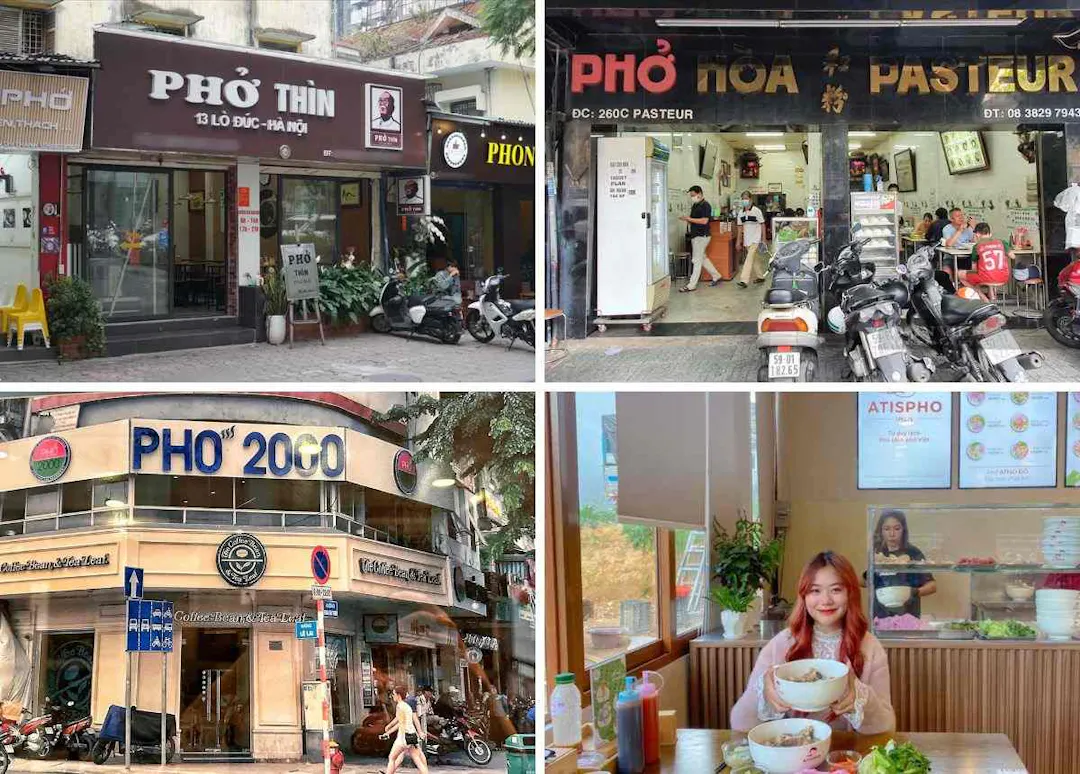
In the contemporary era of hyper-commercialization, the integrity of this masterpiece faces existential threats. The proliferation of powdered bouillon cubes, synthetic flavor enhancers, and rapid, industrial pressure-cooking methodologies threatens to dilute the profound, slow-simmered complexity that defines genuine Pho culinary heritage. Preserving the traditional, craft-based cooking methods is absolutely essential. Specifically, the overnight extraction of marrow and the meticulous open-flame charring of aromatics simply cannot be bypassed without losing the fundamental soul of the broth that captivated the twentieth century. We must recognize multi-generational street vendors and uncompromising domestic chefs as the true custodians of taste. Their refusal to abandon labor-intensive, ancestral techniques ensures the dish remains a vibrant, living artifact of culinary evolution rather than a hollow, mass-produced commodity designed for rapid consumption.
The Pho Legacy in Modern Gastronomy
The sweeping History of Pho serves as a brilliant testament to the resilience, adaptability, and ultimate triumph of Vietnamese culture. It is a dish born from colonial subjugation that successfully conquered the global palate. Modern consumers, culinary historians, and international chefs globally hold a shared, vital responsibility to act as active custodians of this profound heritage today. By directly demanding transparency in preparation and supporting establishments that fully honor the laborious, traditional spice architecture, we guarantee that the deep historical echoes of the early twentieth century continue to resonate today. Every single thoughtfully prepared bowl stands as an edible monument to those early vendors who walked the misty streets, carrying the heavy burden of survival while unknowingly crafting a truly legendary, world-renowned culinary phenomenon for future generations.
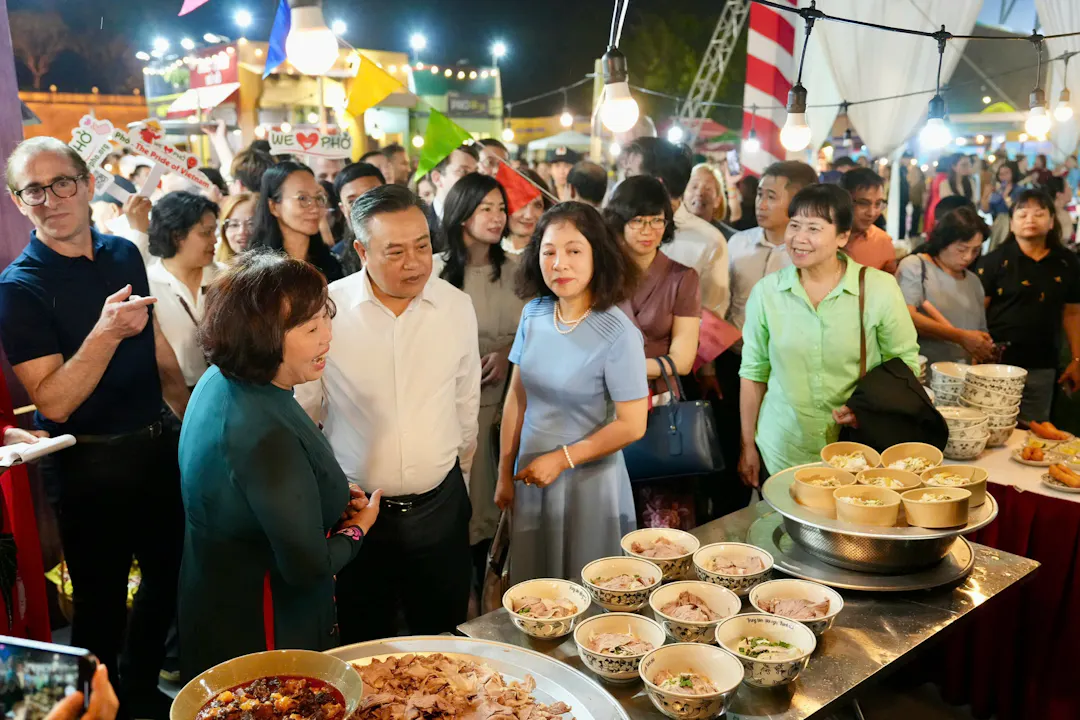
The remarkable, multi-layered journey from the muddy, industrial alleyways of Nam Dinh to the dining capitals cements this noodle soup as a triumph of gastronomic synthesis. The History of Pho is a compelling narrative of survival, illustrating how the Vietnamese people transformed the discarded remnants of an oppressive colonial regime into a globally revered symbol of their cultural identity. It embodies a nation's ability to absorb influences while maintaining its indigenous soul. As you savor your next steaming bowl, pause to deeply respect the centuries of hardship, migration, and profound culinary innovation suspended in the amber broth. Will you consume a meal, or will you taste the living history?
> Read more: Pho Vietnam
Frequently Asked Questions About the History of Pho
Where did Pho originate?
Pho originated in northern Vietnam, particularly around Nam Dinh Province and Hanoi, during the early 20th century. It gradually became a popular breakfast dish before spreading throughout the country.
Did French cuisine influence the creation of Pho?
Many food historians believe so. The increased use of beef after French colonial influence, along with similarities between the word pho and the French dish pot-au-feu, suggest that Pho was shaped by both Vietnamese tradition and French culinary practices.
Why is Pho considered Vietnam's national dish?
Pho represents Vietnam's culinary identity through its balance of flavors, simple yet refined preparation, and widespread popularity. It is enjoyed daily by millions of Vietnamese people and has become one of the country's most recognized dishes worldwide.
How did Pho spread to southern Vietnam?
Following the mid-20th century migration from northern to southern Vietnam, Pho evolved to suit local tastes. Southern Pho became sweeter and incorporated more fresh herbs, bean sprouts, and condiments while preserving its traditional essence.
Why is Pho famous around the world today?
Pho gained international recognition through Vietnamese communities abroad and the growing popularity of Vietnamese cuisine. Today it is served in restaurants across the globe and is widely regarded as one of the world's great noodle soups.
Advertising box
More Pho Stories & Vietnamese Food Guides
Discover more about Vietnam's iconic Pho through in-depth articles covering its history, regional styles, authentic recipes, nutrition, dining etiquette, and the best places to enjoy it. Explore the culture, traditions, and flavors that have made Pho one of the world's most beloved noodle dishes.

Northern Pho vs Southern Pho: What’s the Real Difference?
Pho is Vietnam's most famous dish, but not all bowls are the same. Northern Pho from Hanoi emphasizes a clear, delicate broth and minimal garnishes, while Southern Pho from Ho Chi Minh City is richer, sweeter, and served with an abundance of fresh herbs and condiments. From cooking techniques and ingredients to serving traditions and regional flavors, this guide explores the real differences between Northern and Southern Pho, helping you appreciate the unique character of each iconic Vietnamese noodle soup.
How to Order and Eat Pho Like a Local in Vietnam
Ordering Pho in Vietnam is about more than choosing a bowl of noodles—it's part of experiencing the country's food culture. From understanding menu terms and selecting your preferred cuts of meat to knowing when to add herbs, lime, or chili, local customs can make your meal even more enjoyable. This guide explains how Vietnamese people order and eat Pho, common restaurant etiquette, regional differences, and practical tips to help you enjoy Vietnam's most iconic dish like a local.
Is Pho Healthy? Calories, Nutrition, and Gluten-Free Facts
Pho is widely regarded as one of Vietnam's healthiest traditional dishes thanks to its nourishing broth, lean protein, fresh herbs, and rice noodles. However, its nutritional value can vary depending on the ingredients and portion size. This guide explores Pho's calories, protein, carbohydrates, vitamins, sodium content, and whether it is gluten-free. You'll also discover practical tips for enjoying this iconic Vietnamese noodle soup as part of a healthy, balanced lifestyle.

Beyond Soup: 5 Incredible Varieties of Pho You Must Try
Most travelers know Pho as Vietnam's iconic noodle soup, but the story doesn't end there. Across the country, talented cooks have transformed Pho into an impressive variety of dishes, including stir-fried Pho, rolled Pho, dry Pho, and regional specialties with unique flavors and textures. This guide introduces five incredible Pho varieties that showcase the versatility of Vietnam's most famous noodles and prove there's much more to Pho than a comforting bowl of soup.