
Is Pho Healthy? Calories, Nutrition, and Gluten-Free Facts
Pho is widely regarded as one of Vietnam's healthiest traditional dishes thanks to its nourishing broth, lean protein, fresh herbs, and rice noodles. However, its nutritional value can vary depending on the ingredients and portion size. This guide explores Pho's calories, protein, carbohydrates, vitamins, sodium content, and whether it is gluten-free. You'll also discover practical tips for enjoying this iconic Vietnamese noodle soup as part of a healthy, balanced lifestyle.
On this page
The global emergence of Vietnamese cuisine into the mainstream has fundamentally altered how modern diners perceive comfort food, particularly regarding the sophisticated integration of bone broth into daily nutrition. As health-conscious individuals increasingly pivot toward whole-food, ancestral-based dietary paradigms, the humble yet deeply complex bowl of Pho has moved to the center of the wellness conversation. For those asking Is Pho healthy, the answer is found in its structural integrity: this is a meticulously balanced meal built on a foundation of long-simmered, nutrient-dense broth, high-quality proteins, and naturally sourced carbohydrates. Unlike the hyper-processed offerings typical of the modern fast-food landscape, this traditional soup aligns with contemporary paradigms of bio-available nutrition. By analyzing the structural components—from the mineral-rich stock to the naturally gluten-free rice noodles—we can objectively assess how this Vietnamese staple supports gut health, reduces systemic inflammation, and provides sustained metabolic efficiency. This guide offers a comprehensive, science-backed exploration of Pho as a functional, whole-food meal that is as nutritionally robust as it is culturally significant.
The Nutritional Powerhouse: The Architecture of the Broth
Collagen and Joint Health
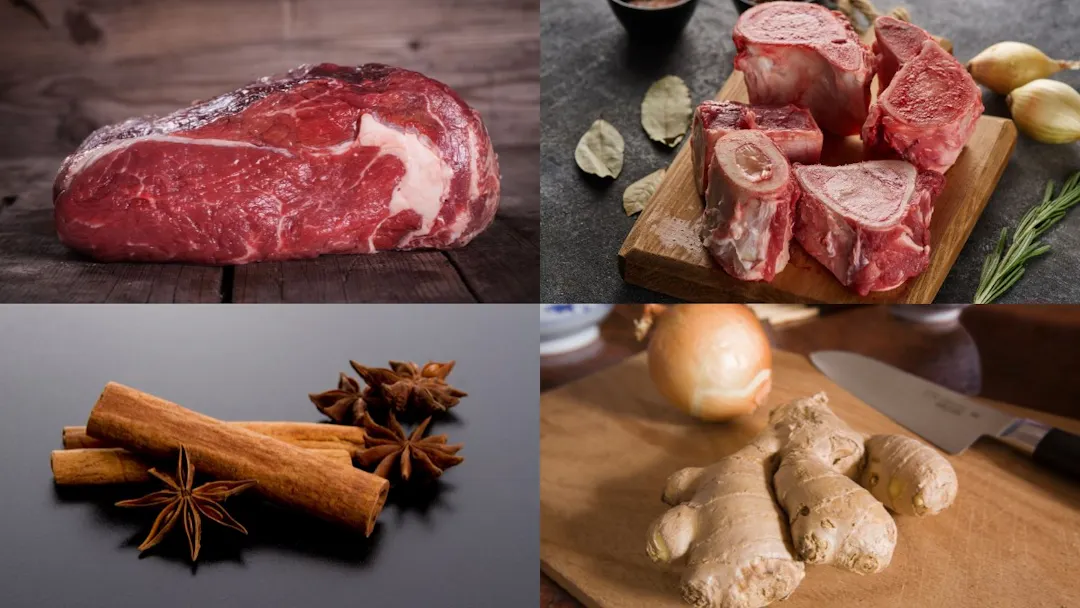
The authoritative quality of a properly executed Pho broth is measured by its collagen synthesis potential, which is the direct result of a traditional, twelve-to-twenty-four-hour extraction process. By simmering high-quality beef or chicken bones at a low, consistent temperature, the chef facilitates the breakdown of structural proteins into a highly bio-available form of gelatin. This process extracts critical amino acids, most notably glycine and proline, which are foundational to the maintenance of the body’s connective tissues. Glycine is particularly recognized for its role in supporting gut lining integrity, effectively reducing intestinal permeability by strengthening the tight junctions of the mucosal barrier. Furthermore, the presence of these amino acids in their concentrated, liquid form provides the human body with the necessary precursors to support joint function and skin elasticity. Unlike processed protein powders that require significant digestive energy to break down, the collagen-rich gelatin in a traditional broth is absorbed rapidly, providing immediate, structural support to the joints, ligaments, and tendons, thereby positioning the soup as a potent tool for functional recovery and structural longevity.
The Digestive Architecture of Spices
Beyond the primary macronutrient profile of the bones, the traditional aromatic spice architecture provides an essential secondary layer of digestive synergy. A master broth is defined by the infusion of star anise, cinnamon, ginger, and cloves, ingredients that function as potent carminatives. Ginger, in particular, contains gingerol, an active compound that significantly aids in gastric emptying and reduces systemic inflammation within the gastrointestinal tract. Star anise and cinnamon work in tandem to regulate insulin sensitivity and normalize blood glucose responses after a meal. These aromatics do not merely contribute a complex sensory profile; they act as digestive catalysts that ensure the soup is not just filling, but actively supportive of metabolic function. By stimulating the production of digestive enzymes, these spices ensure that the nutrients present in the broth and protein are effectively assimilated. The integration of these elements transforms the bowl into an anti-inflammatory, digestive-supporting ritual, effectively mitigating the stress that modern diets often place on the alimentary canal and establishing a foundation for long-term gut health.
The Gluten-Free Advantage and Macronutrient Balance
The Purity of Rice Noodles
A primary, highly significant advantage of this traditional dish is its status as a naturally gluten-free staple. The authentic bánh phở—the flat, silky rice noodles used in every bowl—are composed exclusively of high-quality rice flour and pure water. This stands in stark, favorable contrast to the modern reliance on wheat-based pasta, which is frequently associated with gluten-induced systemic inflammation and digestive distress in sensitive populations. For individuals diagnosed with Celiac disease or those managing non-celiac gluten sensitivity, the rice noodle offers a safe, clean source of complex carbohydrates that does not trigger the autoimmune responses or the inflammatory cascade linked to refined wheat products. Because rice is a hypoallergenic, easily digestible carbohydrate, it allows for a broad demographic of diners to consume a substantial, satisfying meal without the physiological consequences typical of processed grain staples. Positioning rice as the primary starch source allows the diner to benefit from the sustained energy release of complex carbs, which effectively fuels metabolic processes without the systemic load of gluten-based proteins.
Macronutrient Balance
A meticulously prepared bowl offers a remarkably stable macronutrient efficiency, striking an effective balance between high-quality protein and energy-sustaining carbohydrates. A standard serving incorporates lean protein—typically flank, brisket, or chicken breast—which provides a significant quantity of complete, high-biological-value protein necessary for muscle preservation and endocrine health. When the proportion of refined noodles is managed, the carbohydrate content serves as a reliable fuel source, while the minimal saturated fat content (provided the broth is skimmed correctly) ensures that the meal remains heart-healthy. This ratio stands in direct opposition to Western "fast-casual" meals that are frequently overloaded with refined fats and inflammatory seed oils. By focusing on the whole-food components of lean, slow-cooked meat and mineral-rich broth, the diner achieves a sense of satiety that is biologically rooted in actual nutrient intake rather than temporary, caloric-dense fullness. This balance makes the soup an ideal candidate for a post-workout recovery meal or a nutrient-dense lunch that prevents the afternoon "crash" commonly associated with refined, sugar-laden dietary choices.

Calorie Transparency and Smart Consumption Strategies
Caloric Breakdown
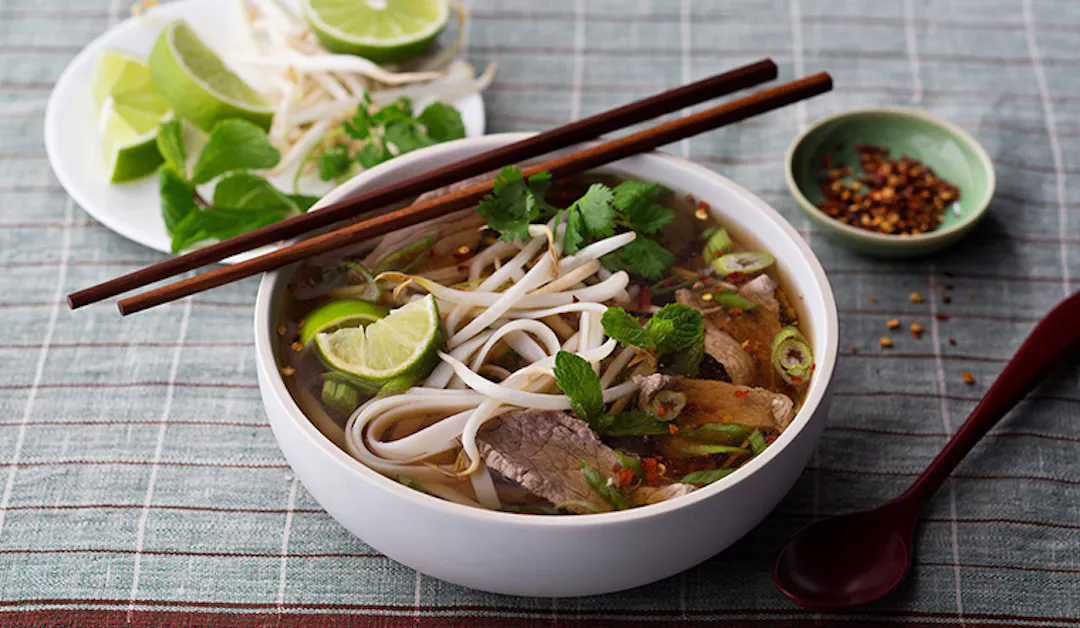
For the health-conscious consumer, calories in Pho generally fall into a transparent, easily manageable range of 350 to 500 kcal per lean bowl, assuming standard portion sizes of noodles and protein. This relatively low caloric density makes it a versatile tool for those aiming for weight maintenance or metabolic support. However, it is imperative to acknowledge that caloric inflation often occurs through non-traditional additions. The sheer volume of noodles in a large-portion restaurant bowl can double the carbohydrate intake, while the heavy-handed use of fatty cuts like brisket with substantial marbling or the addition of extra lard can rapidly escalate the caloric profile to over 800 kcal. Understanding that the broth itself is the most calorie-efficient component allows the diner to prioritize volume consumption of the stock and protein, effectively regulating their total energy intake. By practicing portion control over the noodle foundation and prioritizing the broth’s satiety-inducing properties, the diner retains complete control over the total energy value of the meal, demonstrating that this traditional staple can be calibrated to fit almost any specific caloric budget without sacrificing its inherent nutritional benefits.
The "Healthy" Customization
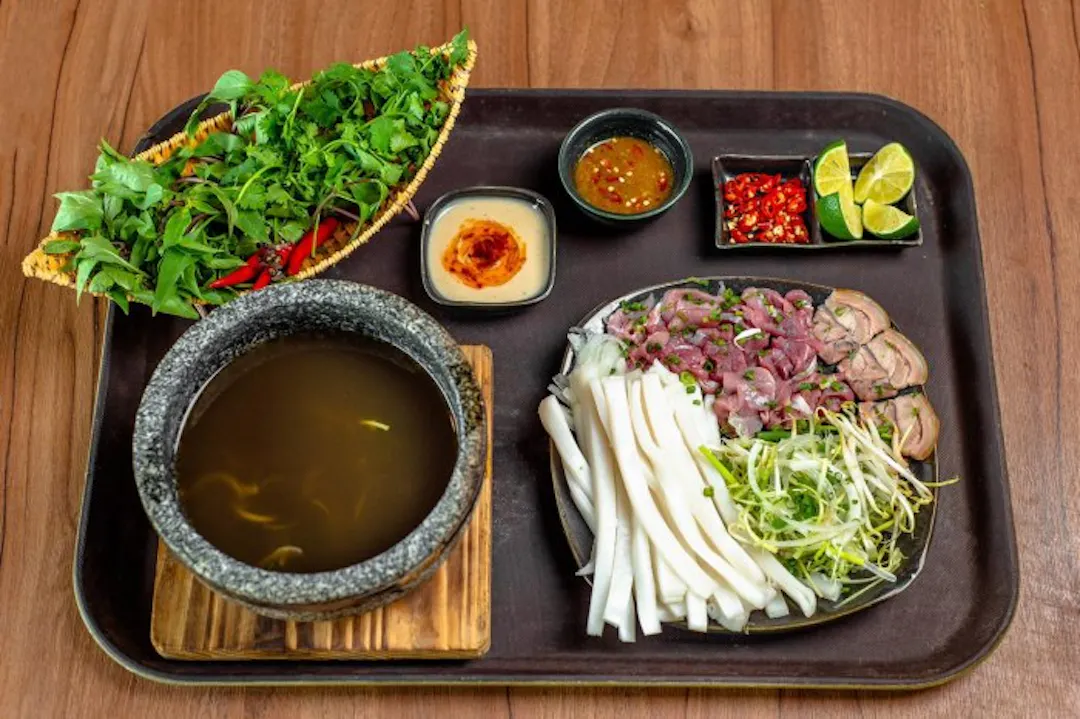
Achieving an optimized, health-focused version of this meal in a restaurant environment requires a proactive approach to ingredient selection. The most effective way to maximize the health benefits of Pho is to insist on specific modifications. Diners should prioritize "lean cuts" (thịt chín or thịt tái), which are naturally lower in adiposity compared to fatty briskets or flanks. Furthermore, the mandatory inclusion of the rau sống plate—the abundant, fresh, raw herb basket featuring basil, cilantro, culantro, and bean sprouts—should not be considered optional. Increasing the volume of these fibrous, phytonutrient-dense elements ensures that the bowl becomes a vehicle for essential plant-based enzymes. Finally, the strategic management of added condiments is vital. Many restaurant-grade hoisin sauces and chili pastes contain significant hidden sugars and excessive sodium. By limiting these dense additives and relying instead on fresh lime juice and raw, sliced bird's eye chilies for flavor, the diner successfully preserves the low-glycemic integrity of the meal, avoiding the metabolic disruption that high-sugar garnishes inevitably impose upon the blood glucose response.
Pho vs. Modern Diet Trends
A Whole-Food Solution
When evaluated against the strict parameters of current popular wellness paradigms, such as the Paleo diet or anti-inflammatory protocols, this traditional soup emerges as a remarkably well-aligned, whole-food solution. Paleo proponents, for instance, favor diets based on meat, bone-extracted collagen, and seasonal vegetables, which effectively mirrors the historical foundation of the broth. The anti-inflammatory focus on high-quality bone gelatin and diverse fresh herbs further validates the meal as a cornerstone of functional health. Unlike Western diets that are chronically deficient in diverse phytonutrients and enzymes, the specific inclusion of diverse fresh herbs—such as perilla, spearmint, and culantro—provides a dense concentration of essential micronutrients and bioactive enzymes that are consistently missing from modern, standardized American diets. Integrating this bowl into a routine allows for the consistent intake of these diverse plant compounds, which play an essential, scientifically recognized role in neutralising systemic oxidative stress and optimizing long-term health outcomes.
Identifying Authentic Pho
Establishing the Trustworthiness of a dining choice is the final step in ensuring the health benefits are fully realized. Diners must actively prioritize establishments that demonstrate the expertise of house-made broth over those relying on industrial, MSG-laden soup bases. Authenticity is frequently indicated by the presence of a specific, narrow menu that focuses on craft preparation rather than volume output. Authentic kitchens will prioritize slow-simmered stocks that demonstrate natural clarity and a complex, layered aromatic profile, rather than a flat, monochromatic flavor that signals artificial flavor enhancement. By identifying and patronizing shops that prioritize the integrity of the bone-extracted marrow and fresh, whole-food herbs, the health-conscious consumer ensures that the meal provides the collagen, mineral, and amino acid profiles they seek. This commitment to finding authentic sources is the ultimate act of self-care, confirming that the nutrition they receive is fundamentally rooted in traditional craftsmanship rather than convenient, mass-produced chemical processing.
In summary, the traditional bowl is a benchmark for functional, whole-food nutrition, effectively merging ancestral knowledge with the physiological requirements of the modern body. The synergy between the collagen-dense, amino-acid-rich broth, the naturally gluten-free rice noodles, and the diverse spectrum of fresh, antioxidant-heavy herbs creates a uniquely powerful nutritional profile that is difficult to replicate in other casual dining formats. By prioritizing lean protein cuts, moderating the noodle portion, and embracing the fibrous, enzyme-rich herb basket, diners can successfully optimize this Vietnamese classic to support long-term metabolic and joint health. It is time to view Pho not as a simple comfort food or an occasional indulgence, but as a reliable, nutrient-dense ritual that actively supports your journey toward long-term wellness and structural vitality. Embrace the broth, appreciate the craftsmanship, and allow the nutritional synergy of this timeless dish to become a cornerstone of your vibrant, health-focused life.
Frequently Asked Questions About Pho Nutrition
Is Pho considered a healthy meal?
Yes. Pho can be a nutritious meal because it combines lean protein, rice noodles, aromatic herbs, and a flavorful broth. When enjoyed in moderation with plenty of fresh herbs and vegetables, it fits well into a balanced diet.
How many calories are in a bowl of Pho?
A typical bowl of beef or chicken Pho contains approximately 350–600 calories, depending on the portion size, type of meat, and any additional toppings or sauces.
Is Pho gluten-free?
Pho noodles are traditionally made from rice and are naturally gluten-free. However, some seasonings, sauces, or broth ingredients may contain gluten, so people with celiac disease or gluten sensitivity should always confirm with the restaurant.
Is Pho high in protein?
Yes. Pho provides a good source of protein from beef or chicken, with an average serving containing 20–30 grams of protein, making it a filling and satisfying meal.
Is Pho high in sodium?
Pho broth can be relatively high in sodium because it is simmered with seasonings for many hours. If you're watching your sodium intake, consider limiting added sauces and balancing your meal with fresh vegetables and plenty of water.
Advertising box
More Pho Stories & Vietnamese Food Guides
Discover more about Vietnam's iconic Pho through in-depth articles covering its history, regional styles, authentic recipes, nutrition, dining etiquette, and the best places to enjoy it. Explore the culture, traditions, and flavors that have made Pho one of the world's most beloved noodle dishes.
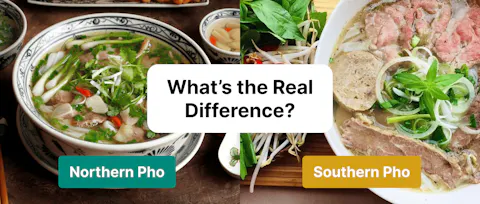
Northern Pho vs Southern Pho: What’s the Real Difference?
Pho is Vietnam's most famous dish, but not all bowls are the same. Northern Pho from Hanoi emphasizes a clear, delicate broth and minimal garnishes, while Southern Pho from Ho Chi Minh City is richer, sweeter, and served with an abundance of fresh herbs and condiments. From cooking techniques and ingredients to serving traditions and regional flavors, this guide explores the real differences between Northern and Southern Pho, helping you appreciate the unique character of each iconic Vietnamese noodle soup.

The History of Pho: How It Became Vietnam’s National Dish
Pho is more than Vietnam's most famous noodle soup—it is a symbol of the nation's culture, history, and identity. Originating in northern Vietnam in the early 20th century, Pho evolved through local traditions, French influence, and regional adaptations before becoming an internationally recognized culinary icon. This guide explores the fascinating history of Pho, its humble beginnings, how it spread across Vietnam, and why it remains one of the country's most beloved dishes today.
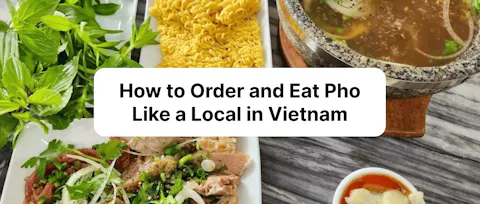
How to Order and Eat Pho Like a Local in Vietnam
Ordering Pho in Vietnam is about more than choosing a bowl of noodles—it's part of experiencing the country's food culture. From understanding menu terms and selecting your preferred cuts of meat to knowing when to add herbs, lime, or chili, local customs can make your meal even more enjoyable. This guide explains how Vietnamese people order and eat Pho, common restaurant etiquette, regional differences, and practical tips to help you enjoy Vietnam's most iconic dish like a local.
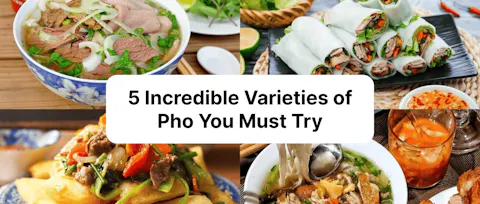
Beyond Soup: 5 Incredible Varieties of Pho You Must Try
Most travelers know Pho as Vietnam's iconic noodle soup, but the story doesn't end there. Across the country, talented cooks have transformed Pho into an impressive variety of dishes, including stir-fried Pho, rolled Pho, dry Pho, and regional specialties with unique flavors and textures. This guide introduces five incredible Pho varieties that showcase the versatility of Vietnam's most famous noodles and prove there's much more to Pho than a comforting bowl of soup.