
- Destinations
Northern Vietnam
Central Vietnam
- Attractions
Categories
World Heritage
Historical & Cultural
- Things To Do
Categories
Outdoor Adventures
- Food & Drink
Categories
Vietnamese Dishes
- Travel & Planning
Categories
- Inspiration
Categories

Plan your trip to Vietnam with practical guides covering the key decisions every traveler needs to make, from choosing destinations and the best time to visit to planning your itinerary, budget, transportation, and accommodation. Explore Vietnam by region, trip length, travel style, and interests, with helpful advice for first-time visitors and independent travelers. Whether you are planning a short city break or a longer journey from north to south, these guides help you build a more organized, enjoyable, and rewarding Vietnam adventure.

Planning a trip to Vietnam is easier when you understand how the country’s geography, climate, transportation, and travel experiences fit together. Stretching from the mountains and historic cities of the north to the beaches of central Vietnam and the tropical landscapes of the south, Vietnam offers a wide range of destinations within one country. However, its long north-to-south shape also means that choosing where to go, how long to stay, and how to move between destinations can have a major impact on your trip.
Our Vietnam Planning Guides are designed to help you make those decisions step by step. Start by choosing the best time to visit based on the regions you want to explore, as weather conditions can vary considerably between northern, central, and southern Vietnam. Next, decide how many days you have and build an itinerary that matches your available time rather than trying to visit too many places at once.
Budget is another important part of planning. Consider your expected spending on accommodation, transportation, food, attractions, and activities before finalizing your route. Vietnam can suit different travel styles, from budget backpacking and local guesthouses to comfortable hotels and luxury experiences.
Transportation should also be considered when connecting destinations. Domestic flights are useful for longer distances, while trains, buses, private transfers, and ride-hailing services can be practical for shorter journeys. Choosing the right combination can help you spend less time traveling and more time exploring.
Beyond logistics, planning your trip around your interests can make the experience more rewarding. Whether you are interested in food, beaches, culture, nature, adventure, history, or local experiences, Vietnam has destinations and activities to match different travel styles.
Explore our planning guides to compare destinations, itineraries, budgets, travel seasons, transportation options, and practical preparation tips. With the right plan, you can create a Vietnam itinerary that fits your time, budget, and interests while leaving enough flexibility to enjoy the unexpected moments along the way.
Explore expert travel guides, practical tips, and step-by-step advice to help you plan the perfect trip to Vietnam. From visas and transportation to budgeting, itineraries, packing lists, and seasonal travel recommendations, these articles make preparing for your Vietnam adventure simple, stress-free, and unforgettable.

How much does a trip to Vietnam cost in 2026? Vietnam remains an affordable destination, with daily expenses varying by travel style. Budget travelers can spend around $35–60 per day, while mid-range trips typically cost $90–180 per person. Luxury travel can exceed $300 daily. This guide breaks down Vietnam travel costs for accommodation, food, transportation, activities, and different trip lengths, including 5, 7, 10, 14, and 21 days. Use these practical estimates to build a realistic Vietnam travel budget before your trip.

How many days do you need in Vietnam? For a short trip, 5–7 days is best spent exploring one region, while 10 days allows you to experience Vietnam’s major highlights. Two weeks is ideal for a first north-to-south journey, and 21 days or more gives you time for mountain adventures, national parks, beaches, and slower travel. This guide compares 5, 7, 10, 14, and 21-day Vietnam itineraries, explains what you can realistically see, and helps you choose the right trip length for your travel style.

Planning a trip to Vietnam is easier when you understand the country’s regional climate, transportation, entry requirements, and diverse destinations. This complete Vietnam travel guide walks you through everything you need to organize your journey, from choosing the best time to visit and creating a realistic itinerary to booking accommodation, getting around, managing money, and understanding local customs. Whether you have one week, two weeks, or longer, these practical Vietnam travel tips will help you build a smoother and more rewarding trip.
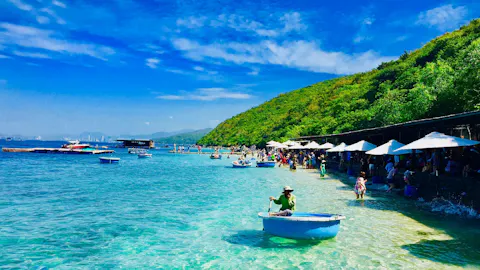
Is Nha Trang worth visiting? For travelers seeking a mix of beaches, island adventures, seafood, culture, and nightlife, this coastal city is one of Vietnam’s most versatile destinations. Swim along Tran Phu Beach, explore the Cham towers at Po Nagar, snorkel around nearby islands, sample local specialties, or enjoy the city's lively evenings. This guide explores the best reasons to visit Nha Trang, its advantages and drawbacks, who it suits best, and how to plan your trip.
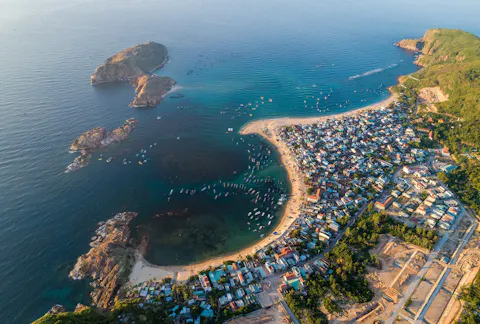
Is Quy Nhon worth visiting? Absolutely. This peaceful coastal city in central Vietnam combines beautiful beaches, dramatic cliffs, ancient Cham towers, fresh seafood, and an authentic local atmosphere. From swimming at Kỳ Co Beach and exploring Eo Gió to discovering Bình Định cuisine and relaxing along Quy Nhon’s quiet coastline, there is plenty to experience beyond the typical tourist trail. Whether you want a relaxing beach escape, cultural discoveries, outdoor adventures, or a slower way to experience Vietnam, Quy Nhon deserves a place on your itinerary.

Two weeks is the ideal amount of time to experience Vietnam's incredible diversity. From the vibrant streets of Hanoi and the stunning limestone landscapes of Ha Long Bay to the historic charm of Hoi An, the beaches of Da Nang, and the lively energy of Ho Chi Minh City, this guide presents the best 14-day Vietnam itineraries for every type of traveler. Discover practical planning tips, transportation advice, budgeting suggestions, and flexible routes to create your perfect Vietnam adventure.

Visiting Vietnam for the first time can be exciting and overwhelming. This complete travel guide covers everything you need to know before you go, including visa requirements, transportation, local customs, weather, budgeting, safety tips, regional highlights, and must-try Vietnamese food. Whether you're planning a one-week vacation or a month-long adventure, this guide will help you travel with confidence, avoid common mistakes, and make the most of your unforgettable journey through one of Southeast Asia's most fascinating destinations.

Planning your first trip to Vietnam? This complete travel guide covers everything you need to know before you go, including visa requirements, the best time to visit, transportation, currency, local customs, safety tips, food, accommodation, and suggested itineraries. Whether you want to explore vibrant cities, breathtaking landscapes, tropical beaches, or cultural heritage sites, this guide helps you prepare for a smooth and unforgettable journey. Go Visit Vietnam provides practical advice and travel inspiration for first-time visitors exploring Vietnam.
Start by deciding when you want to visit, how many days you have, and which regions or destinations interest you most. Then create a realistic route, estimate your budget, arrange transportation and accommodation, and check entry requirements before departure.
A trip of 7 to 10 days is suitable for exploring one or two regions, while 14 days or more allows you to combine destinations across northern, central, and southern Vietnam. Shorter trips are usually better focused on one area rather than trying to see the entire country.
It depends on your interests. Northern Vietnam is ideal for history, mountain landscapes, cultural experiences, and destinations such as Hanoi and Ha Long Bay. Central Vietnam combines beaches, heritage, and historic cities. Southern Vietnam is known for Ho Chi Minh City, the Mekong Delta, tropical landscapes, and a lively food scene.
Build your itinerary around geography and travel time. Group nearby destinations together and avoid changing hotels every day. Start with your priority destinations, then add secondary stops that fit naturally along the route.
Yes. A north-to-south journey is possible and can be completed in roughly two to three weeks for a comfortable itinerary. Longer trips allow more time in each destination, while shorter trips should focus on fewer stops and use domestic flights to save travel time.
Vietnam has different climate patterns across its three main regions. Northern, central, and southern Vietnam can experience different weather at the same time, so the best travel period depends on your itinerary. Travelers visiting multiple regions should check the seasonal conditions for each destination before booking.
The cost depends on your travel style, destination, accommodation, transportation, and activities. Vietnam can accommodate budget, mid-range, and luxury travelers. Planning daily expenses for hotels, meals, transportation, attractions, and shopping can help you establish a realistic trip budget.
Yes. Vietnam offers many affordable options for accommodation, local food, public transportation, and activities. Travelers can reduce costs by staying in local guesthouses or mid-range hotels, eating at local restaurants, using public transportation, and choosing experiences that do not require expensive tours.
Choose transportation according to distance, travel time, comfort, and budget. Domestic flights are useful for long distances, while trains, buses, private transfers, and ride-hailing services can work well for shorter journeys. Avoid creating an itinerary that requires unnecessarily long transfers between destinations.
Booking accommodation in advance is recommended for popular destinations, major holidays, and peak travel periods. For a flexible trip, you may leave some nights open, but reserving accommodation for your first destination can make arrival easier and less stressful.
Advertising box