
The Ultimate First-Timer's Guide to Vietnam: Everything You Need to Know
Visiting Vietnam for the first time can be exciting and overwhelming. This complete travel guide covers everything you need to know before you go, including visa requirements, transportation, local customs, weather, budgeting, safety tips, regional highlights, and must-try Vietnamese food. Whether you're planning a one-week vacation or a month-long adventure, this guide will help you travel with confidence, avoid common mistakes, and make the most of your unforgettable journey through one of Southeast Asia's most fascinating destinations.
On this page
Stepping onto the bustling streets of Vietnam for the very first time is an immediate, full-body sensory immersion into a world where ancient history and hyper-modern ambition collide. The warm tropical air carries the rich, comforting scent of simmering star anise, charred lemongrass, and fish sauce drifting through French colonial alleyways, all set against a relentless, hypnotic soundtrack of buzzing xe máy (motorbikes) weaving through a dynamic urban tapestry. For the uninitiated, this vibrant energy and stark contrast can easily induce a sense of sensory overload. Yet, embarking on a first-time traveler's guide to Vietnam reveals that mastering the country's historical rhythms, regional nuances, and practical logistics transforms an intimidating expedition into a seamless, deeply transformative journey. Vietnam is not merely a destination to be checked off a list; it is a sprawling, elongated nation of profound geographical stratification and immense cultural warmth. By understanding the foundational mechanics of entry, currency, climate, and etiquette, you unlock an effortless passage from the rugged northern karst frontiers down to the tranquil emerald channels of the Mekong Delta, laying the groundwork for an unforgettable exploration of Southeast Asia's most captivating cultural landscape.
Navigating Logistics – Visas, Currency, and Connectivity in Your First-Timer's Guide to Vietnam
Mastering the E-Visa and Entry Requirements
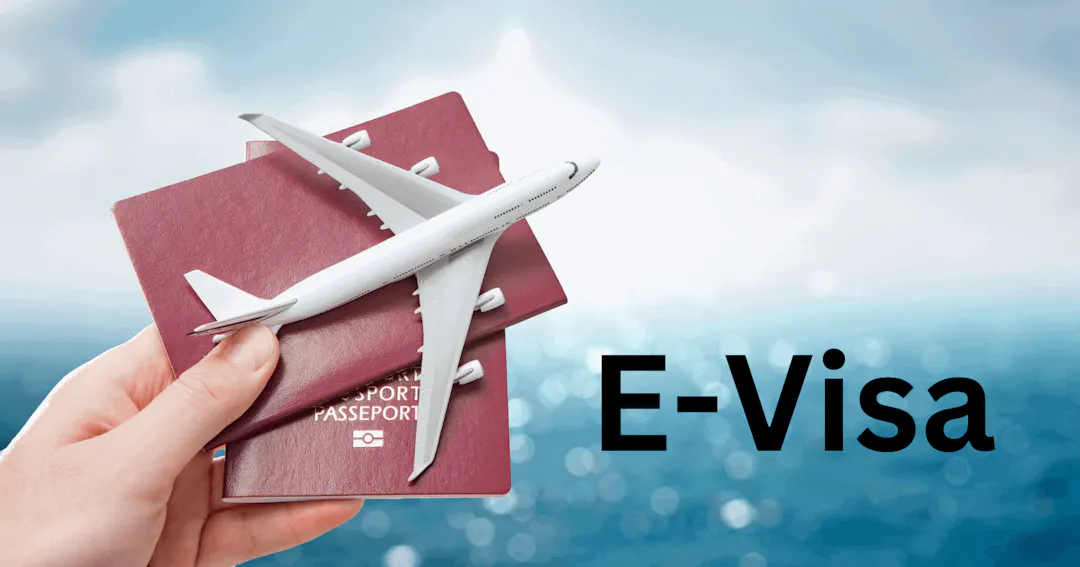
Establishing a solid, stress-free logistical framework is the mandatory first step when learning how to plan a trip to Vietnam, ensuring your physical transition into the country is entirely frictionless. For the vast majority of international visitors, the gateway begins with Vietnam’s streamlined electronic visa system, which permits stays of up to ninety days with options for single or multiple entries. Navigating this electronic visa process requires meticulous attention to detail; your passport must maintain a minimum validity of six months beyond your planned date of entry, and the personal information entered into the application portal must match your passport data with absolute precision. Securing this digital travel document well in advance of your departure date eliminates unnecessary airport anxiety. Furthermore, when crossing international borders or checking into local accommodations, always keep physical printed copies of your e-approval alongside digital backups, as local border authorities and regional hotels frequently require physical documentation to process your legal registration swiftly and maintain compliance with local municipal laws.
Financial Management and the Dong Reality
Managing your finances effectively within Vietnam requires adapting swiftly to a predominantly cash-based economy where large sums of the national currency, the đồng, dominate everyday transactions. Because the exchange rate yields massive numerical figures—where a modest meal or taxi ride easily spans hundreds of thousands of đồng—first-time visitors must exercise extreme care when examining bank notes to avoid confusing zeros, particularly when distinguishing between twenty-thousand and five-hundred-thousand notes. While major metropolitan hubs like Hanoi and Saigon have rapidly embraced digital payments, credit cards, and mobile QR applications in upscale restaurants, boutique hotels, and modern retail chains, holding physical cash remains an absolute operational necessity when venturing into rural provinces, traditional morning markets, or family-run street food stalls. Securing official currency exchanges through authorized banks or licensed gold shops generally yields the most favorable conversion rates, while utilizing widespread international ATMs allows you to replenish your physical reserves safely as you traverse the length of the country.
Crafting the Ideal North-to-South Itinerary
The Mystical North: Hanoi and Highland Frontiers
When designing the best itinerary for Vietnam first timers, a classic north-to-south traverse remains the undisputed gold standard, offering a breathtaking narrative arc across the nation's diverse landscapes. The journey invariably commences in the thousand-year-old capital of Hanoi, a sensory-rich labyrinth where narrow guild streets of the Old Quarter echo with centuries of mercantile heritage. From this urban anchor, travelers venture eastward to the legendary emerald waters and towering limestone pillars of Ha Long Bay, before pushing deep into the rugged, mist-shrouded northern highlands. Exploring the remote frontiers of Ha Giang and Lao Cai immerses the visitor in a dramatic mountainous domain where terraced rice fields cascade down steep valley walls and vibrant ethnic minority communities—including the Hmong and Dao—maintain ancestral traditions that have remained resilient against the pressures of rapid modernization for generations.
The Central Heritage Corridor: Hue, Da Nang, and Hoi An
Transitioning southward down the narrow waist of the country leads directly into the Central Heritage Corridor, a region steeped in the complex political and architectural history of the nation. Here, the former imperial capital of Hue presents a solemn, sprawling architectural monument through its majestic walled Citadel and royal tombs, offering a poignant look at the remnants of the Nguyen Dynasty. Just a short journey south across the dramatic, engineering marvel of the Hai Van Pass lies Da Nang, a rapidly modernizing coastal metropolis bridging historical preservation with contemporary beachside development. Adjacent to Da Nang sits the enchanting, lantern-lit merchant port of Hoi An ancient town. Wandering through the pedestrianized alleyways of Hoi An reveals a remarkably preserved architectural fusion of Japanese, Chinese, and European trading houses, where the gentle glow of silk lanterns illuminates bespoke tailoring shops and riverside dining rooms, creating one of the most romantic and culturally immersive stops on the entire continental route.
The Southern Pulse: Saigon and the Mekong Delta
Concluding the classic continental traverse requires plunging headfirst into the hyper-modern economic powerhouse of Ho Chi Minh City, historically and colloquially known as Saigon. This sprawling southern metropolis operates at a dizzying, relentless velocity, characterized by towering glass skyscrapers rising directly beside French colonial landmarks like the Notre Dame Cathedral and the Central Post Office, alongside deeply moving historical institutions such as the War Remnants Museum. Just beyond the pulsating urban energy of the city lies the tranquil, watery labyrinth of the Mekong Delta. Exploring this vast agricultural breadbasket involves navigating winding distributaries on traditional wooden sampans, witnessing cottage industries producing coconut candy and rice paper, and drifting past floating markets where local farmers trade their vibrant harvests directly from boat to boat, perfectly completing the comprehensive geographic and cultural arc of the nation.
Decoding the Climate and Seasonal Rhythms
Understanding Vietnam’s Microclimates
Comprehending the extreme meteorological diversity of the country is vital for avoiding torrential downpours and unpleasant weather extremes during your holiday, functioning as an essential component of any comprehensive Vietnam travel tips for beginners. Because Vietnam stretches over fifteen degrees of latitude and encompasses dramatic variations in elevation, it does not possess a single, unified weather pattern; instead, it is defined by distinct regional microclimates. While the Southern provinces experience a classic tropical rhythm divided strictly into distinct wet and dry seasons, the Northern regions endure four distinct seasons, featuring chilly, damp winters and scorching, humid summers. Meanwhile, the Central coast operates on an entirely independent meteorological schedule, experiencing severe monsoon rains and typhoons late in the calendar year when the rest of the country may be enjoying clear skies. Studying these regional disparities meticulously ensures you pack appropriate technical gear and align your travel corridors with favorable atmospheric conditions.
Timing Your Journey Around Cultural Events
Beyond physical meteorology, the annual calendar is profoundly influenced by national cultural celebrations, most notably Tết Nguyên Đán (the Lunar New Year). Falling typically between late January and February, Tết represents the most significant family holiday of the entire year, prompting massive internal migration as millions of urban workers return to their ancestral provincial villages. For the first-time traveler, navigating this sacred festive period requires extreme logistical foresight; domestic transport lines, domestic flights, and regional hotel accommodations book out months in advance, while countless traditional businesses, street food stalls, and markets shut down entirely for several days as families gather to honor their ancestors and welcome the spring. Conversely, experiencing the vibrant floral markets and festive preparations in the weeks leading up to Tết offers an unparalleled window into the spiritual soul of the nation, provided travel bookings are secured with immense advance preparation.
Mastering Cultural Etiquette and Local Interactions
Respecting Traditions, Temples, and Elders
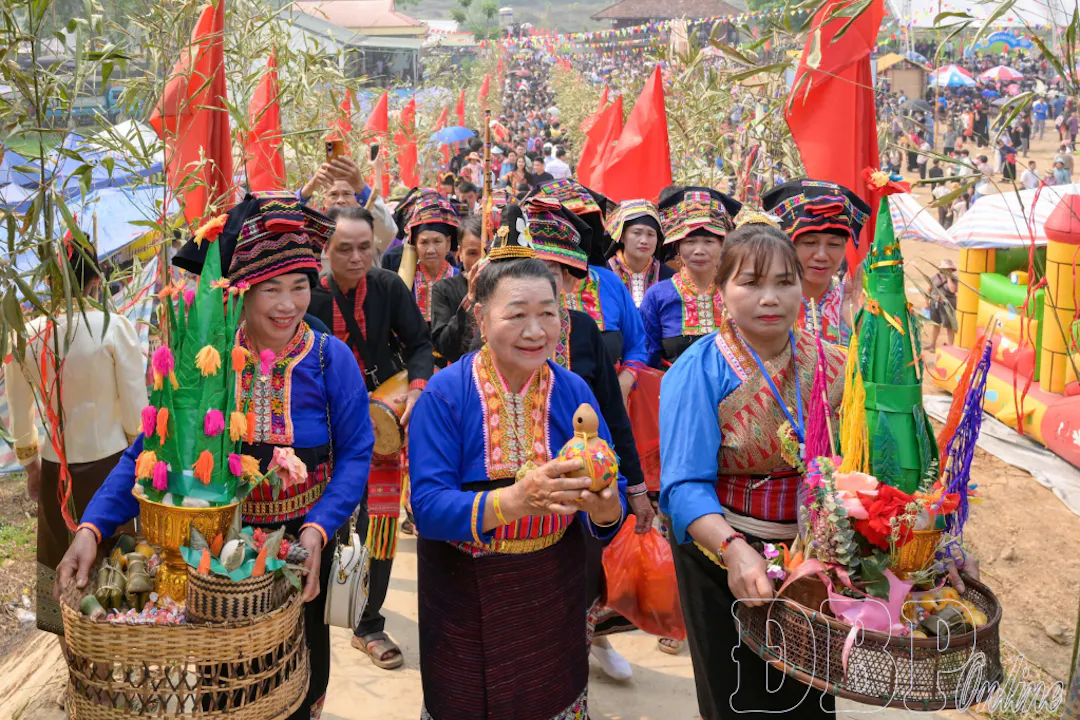
Cultivating a deep, respectful understanding of local social norms and cultural etiquette in Vietnam is the hallmark of an exceptional, highly conscious traveler, ensuring your interactions with residents remain harmonious and memorable. When visiting sacred spaces, Buddhist pagodas, or ancestral temples, modest attire is an absolute prerequisite; both men and women must ensure their shoulders and knees are covered before crossing the threshold, and footwear must be promptly removed when entering inner sanctums or traditional residential homes. Social hierarchy and respect for seniority are deeply ingrained pillars of Vietnamese society; greeting elders first, receiving business cards or gifts with both hands, and maintaining a calm, polite tone during any minor negotiation or disagreement prevents loss of face and demonstrates high emotional intelligence. Loud, aggressive behavior or public displays of frustration are universally frowned upon, as maintaining gentle social equilibrium and grace under pressure is foundational to local cultural interactions.
Street Smart Safety and Scam Prevention
While Vietnam is statistically one of the safest destinations in Southeast Asia for international tourists, developing a practical, street-smart awareness remains essential for ensuring a completely trouble-free expedition. Minor urban nuisances—such as opportunistic pickpocketing in crowded markets, overcharging by unmetered cyclo drivers, or inflated tourist pricing—can occasionally occur if basic precautions are ignored. When utilizing motorbike taxis or traditional cabs, insist firmly on utilizing reliable ride-hailing applications or reputable corporate fleets with running meters to guarantee transparent pricing. Furthermore, mastering the art of crossing bustling city streets amidst an unyielding, seemingly chaotic sea of motorbikes requires adopting a steady, predictable pace; rather than hesitating or running, you must maintain eye contact with riders and walk forward smoothly, allowing the disciplined swarm of bikes to naturally flow around your trajectory.
The Gastronomic Landscape Beyond Pho
Exploring Regional Culinary Diversity
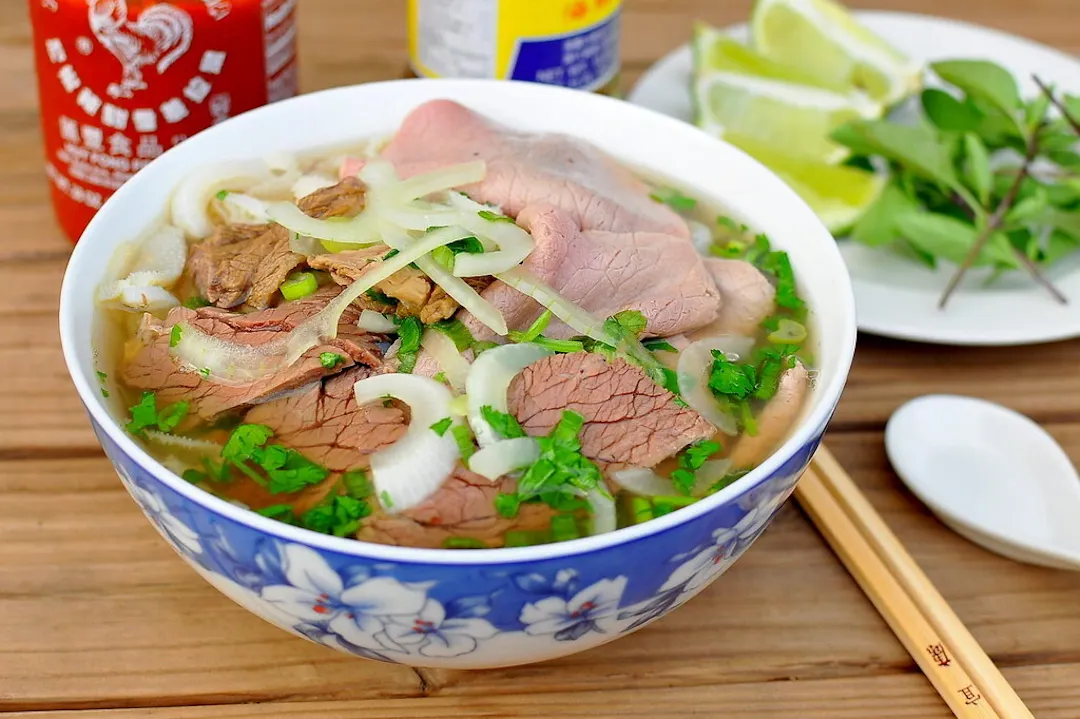
No foundational exploration of the country is complete without acknowledging that Vietnamese cuisine extends infinitely further than the globally exported bowl of beef phở. The nation's culinary geography shifts dramatically as you cross regional boundaries, driven entirely by local access to distinct agricultural terroirs and historical influences. In the cooler northern climate, cooking traditions prioritize delicate, subtle seasoning profiles where clear broths and black pepper reign supreme, exemplified by the smoky, charcoal-grilled pork of Hanoi's legendary bún chả. Moving into the central territories, the palate transforms to embrace bold, fiery, and deeply complex spice combinations, best experienced through the intensely aromatic, lemongrass-infused broth of bún bò Huế. Finally, the sun-drenched southern expanse champions an unapologetic sweetness and vibrant herbaceous freshness, utilizing an abundance of fresh coconut milk, wild herbs, and palm sugar in dishes like savory crispy pancakes and rich clay-pot fish, providing a magnificent, multi-dimensional culinary education.
Conclusion
Ultimately, preparing thoughtfully for a journey through this captivating nation unlocks a remarkably deep, highly rewarding encounter with one of Southeast Asia's most resilient and culturally rich societies. By mastering the fundamental logistics of electronic visas, managing local currency, aligning your travel itinerary with regional microclimates, and approaching cultural traditions with profound respect, you lay the absolute best foundation for a triumphant adventure. I strongly encourage you to finalize your travel plans, embrace the energetic hum of the streets, and dive headfirst into the extraordinary journey of a lifetime across Vietnam.

By Roy Trinh
Editor
Roy Trinh is a travel writer and destination expert at Go Visit Vietnam, dedicated to helping travelers discover the beauty, culture, and diversity of Vietnam. Through well-researched travel guides, practical itineraries, local insights, and authentic recommendations, Roy shares valuable information to inspire memorable journeys across the country. From vibrant cities and breathtaking landscapes to regional cuisine and cultural heritage, every guide is created to help visitors experience Vietnam with confidence and curiosity.
Frequently Asked Questions for First-Time Visitors to Vietnam
Do I need a visa to visit Vietnam?
It depends on your nationality. Many travelers can enter Vietnam visa-free for a limited period, while others need to apply for an e-visa before arrival. Always check the latest visa requirements based on your passport before booking your trip.
How many days should I spend in Vietnam?
A 10–14 day itinerary is ideal for first-time visitors, allowing enough time to experience northern, central, and southern Vietnam. If you have only one week, it's best to focus on one or two regions instead of rushing across the country.
Is Vietnam safe for tourists?
Yes. Vietnam is considered one of the safest countries in Southeast Asia for travelers. As with any destination, keep an eye on your belongings in crowded areas, use licensed transportation, and follow basic travel safety precautions.
What is the best way to travel around Vietnam?
Domestic flights are the fastest option for long distances between major cities. Overnight trains offer a scenic experience, while buses are an affordable choice. In cities, ride-hailing apps, taxis, and walking are the most convenient ways to get around.
What should I know before trying Vietnamese street food?
Street food is one of Vietnam's greatest travel experiences. Choose busy stalls with high customer turnover, eat freshly cooked dishes, carry cash for small purchases, and don't hesitate to ask locals or your accommodation for trusted recommendations.
Advertising box
Vietnam Planning Guide Articles
Explore expert travel guides, practical tips, and step-by-step advice to help you plan the perfect trip to Vietnam. From visas and transportation to budgeting, itineraries, packing lists, and seasonal travel recommendations, these articles make preparing for your Vietnam adventure simple, stress-free, and unforgettable.
Complete Vietnam Travel Guide: Everything First-Timers Need to Know
Planning your first trip to Vietnam? This complete travel guide covers everything you need to know before you go, including visa requirements, the best time to visit, transportation, currency, local customs, safety tips, food, accommodation, and suggested itineraries. Whether you want to explore vibrant cities, breathtaking landscapes, tropical beaches, or cultural heritage sites, this guide helps you prepare for a smooth and unforgettable journey. Go Visit Vietnam provides practical advice and travel inspiration for first-time visitors exploring Vietnam.

How Much Does a Trip to Vietnam Cost in 2026?
How much does a trip to Vietnam cost in 2026? Vietnam remains an affordable destination, with daily expenses varying by travel style. Budget travelers can spend around $35–60 per day, while mid-range trips typically cost $90–180 per person. Luxury travel can exceed $300 daily. This guide breaks down Vietnam travel costs for accommodation, food, transportation, activities, and different trip lengths, including 5, 7, 10, 14, and 21 days. Use these practical estimates to build a realistic Vietnam travel budget before your trip.

How Many Days Do You Need in Vietnam?
How many days do you need in Vietnam? For a short trip, 5–7 days is best spent exploring one region, while 10 days allows you to experience Vietnam’s major highlights. Two weeks is ideal for a first north-to-south journey, and 21 days or more gives you time for mountain adventures, national parks, beaches, and slower travel. This guide compares 5, 7, 10, 14, and 21-day Vietnam itineraries, explains what you can realistically see, and helps you choose the right trip length for your travel style.

How to Plan a Trip to Vietnam: Complete Travel Guide
Planning a trip to Vietnam is easier when you understand the country’s regional climate, transportation, entry requirements, and diverse destinations. This complete Vietnam travel guide walks you through everything you need to organize your journey, from choosing the best time to visit and creating a realistic itinerary to booking accommodation, getting around, managing money, and understanding local customs. Whether you have one week, two weeks, or longer, these practical Vietnam travel tips will help you build a smoother and more rewarding trip.