
How to Plan a Trip to Vietnam: Complete Travel Guide
Planning a trip to Vietnam is easier when you understand the country’s regional climate, transportation, entry requirements, and diverse destinations. This complete Vietnam travel guide walks you through everything you need to organize your journey, from choosing the best time to visit and creating a realistic itinerary to booking accommodation, getting around, managing money, and understanding local customs. Whether you have one week, two weeks, or longer, these practical Vietnam travel tips will help you build a smoother and more rewarding trip.

On this page
- 1. Decide When to Visit Vietnam
- 2. Choose Where to Go in Vietnam
- 3. Build a Realistic Vietnam Itinerary
- 4. Check Vietnam Visa and Entry Requirements
- 5. Plan How You Will Travel Around Vietnam
- 6. Choose the Right Accommodation
- 7. Create a Vietnam Travel Budget
- 8. Decide How to Handle Money
- 9. Get a SIM Card or eSIM
- 10. Experience Vietnamese Food
- 11. Understand Local Cultural Etiquette
- 12. Stay Safe During Your Trip
- 13. Plan Your Daily Schedule With Flexibility
- 14. Essential Vietnam Trip Planning Checklist
- Sample 14-Day Vietnam Itinerary
- Final Thoughts
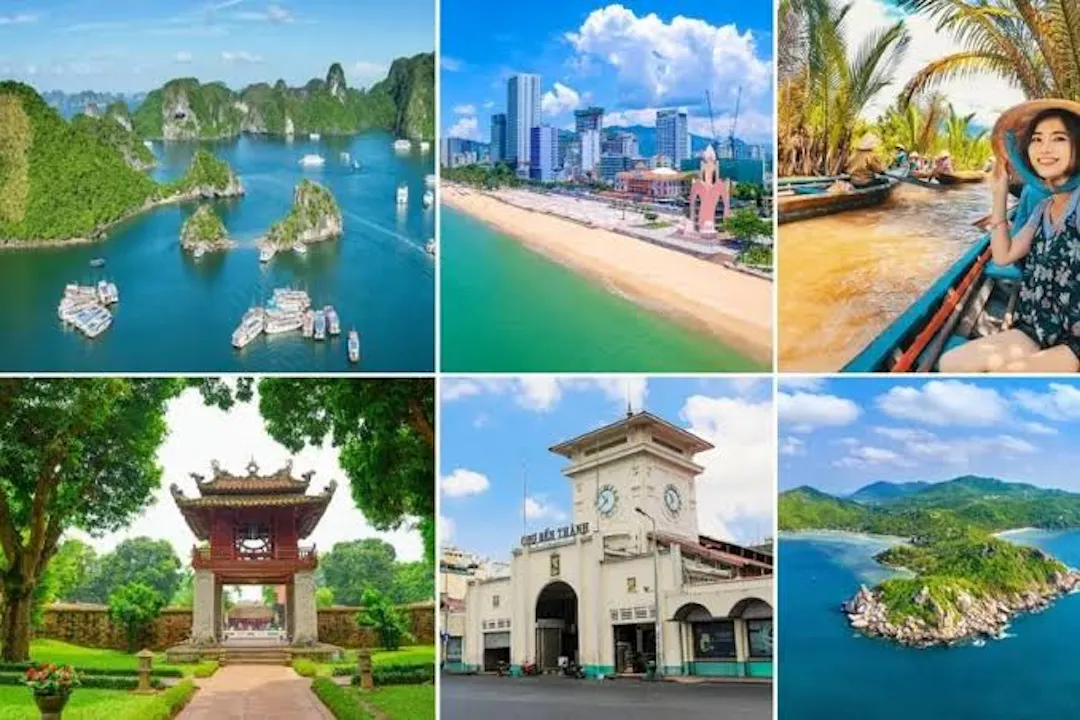
Planning a trip to Vietnam can be incredibly rewarding, but the country’s long geography, regional weather patterns, and wide range of travel experiences mean that a little preparation goes a long way. From the historic streets of Hanoi and limestone landscapes of Ninh Binh to the beaches of Central Vietnam and the waterways of the Mekong Delta, Vietnam offers enough variety to fill anything from a one-week getaway to a month-long adventure.
If you are wondering how to plan a trip to Vietnam, the best approach is to start with the basics: decide when to go, choose the regions you want to visit, check your entry requirements, build a realistic itinerary, and then organize transportation and accommodation.
This guide covers the essential steps for planning a trip to Vietnam, with practical advice for first-time visitors and independent travelers.
1. Decide When to Visit Vietnam
One of the most important parts of Vietnam trip planning is choosing the right travel period. Vietnam stretches more than 1,600 km from north to south, so weather can vary considerably between regions.
Northern Vietnam
Northern destinations such as Hanoi, Ninh Binh, Ha Long Bay, Sapa, and Ha Giang experience cooler winters and hot, humid summers.
October to April generally offers more comfortable conditions for exploring Hanoi and the northern countryside, although December through February can be cool and cloudy.
For mountain scenery, September and October are particularly attractive because rice terraces around northern highland destinations turn golden during harvest season.
Central Vietnam
Central destinations including Hue, Da Nang, Hoi An, Quy Nhon, and Nha Trang have their own weather patterns.
The generally drier period from February to August is suitable for sightseeing and beach holidays, while parts of Central Vietnam can experience heavy rain and storms later in the year.
If beaches are a major priority, check the local forecast for your specific destination rather than relying on nationwide weather averages.
Southern Vietnam
Ho Chi Minh City, the Mekong Delta, and Phu Quoc have a tropical climate.
The December to April dry season is usually popular with travelers looking for sunny conditions. The wet season can bring frequent showers, but these are often short and do not necessarily prevent sightseeing.
Best Time for a Vietnam Trip
There is no single perfect month for the entire country.
For a north-to-south Vietnam itinerary, the shoulder periods around March–April and October–November can offer a useful balance, but conditions still vary by destination.
The best travel dates ultimately depend on whether your priority is trekking, beaches, cultural sightseeing, food, or a combination of experiences.

2. Choose Where to Go in Vietnam
Vietnam has several major travel regions, and trying to visit everything during a short trip can make your itinerary unnecessarily rushed.
A better approach is to select two or three regions based on your interests.
Northern Vietnam
Northern Vietnam is ideal for travelers interested in history, dramatic landscapes, mountains, and traditional culture.
Popular destinations include:
- Hanoi
- Ninh Binh
- Ha Long Bay
- Ha Giang
- Sapa
- Cao Bang
- Mai Chau
Hanoi is a natural starting point because it combines historic architecture, Vietnamese food, museums, markets, and easy connections to northern destinations.
Central Vietnam
Central Vietnam is particularly attractive for travelers who want a combination of history, beaches, food, and charming old towns.
Consider:
- Hue
- Da Nang
- Hoi An
- Quy Nhon
- Phong Nha
- Nha Trang
Hoi An is especially popular for its preserved historic architecture, lantern-lit streets, local cuisine, tailor shops, and nearby beaches.
Southern Vietnam
Southern Vietnam provides a different atmosphere, with a faster urban rhythm and tropical landscapes.
Key destinations include:
- Ho Chi Minh City
- Mekong Delta
- Can Tho
- Ben Tre
- Phu Quoc
Ho Chi Minh City works well as a base for exploring southern Vietnam and is also a major international gateway.

3. Build a Realistic Vietnam Itinerary
A common mistake when planning a trip to Vietnam is trying to cover too much territory.
Vietnam looks relatively narrow on a map, but traveling between regions can take several hours. Instead of adding destinations simply to your list, consider how much time you want to spend actually experiencing each place.
One Week in Vietnam
With seven days, focus on one or two regions.
For example:
Option 1: Northern Vietnam
- Days 1–3: Hanoi
- Days 4–5: Ninh Binh
- Days 6–7: Ha Long Bay
Option 2: Central Vietnam
- Days 1–3: Hoi An
- Days 4–5: Da Nang
- Days 6–7: Hue
Option 3: Southern Vietnam
- Days 1–4: Ho Chi Minh City
- Days 5–7: Mekong Delta
Two Weeks in Vietnam
Two weeks gives you enough time to create a classic multi-region journey.
A possible itinerary is:
- Days 1–3: Hanoi
- Days 4–5: Ninh Binh or Ha Long Bay
- Days 6–7: Hue
- Days 8–9: Hoi An
- Days 10–12: Ho Chi Minh City
- Days 13–14: Mekong Delta
You can fly between major regions rather than spending too much of your vacation on long-distance ground transportation.
Three Weeks or More
With three weeks or longer, you can travel at a slower pace and add destinations such as Ha Giang, Phong Nha, Quy Nhon, the Mekong Delta, or Phu Quoc.
The extra time also makes it easier to include countryside experiences, cooking classes, hiking, cycling, and local homestays.
4. Check Vietnam Visa and Entry Requirements
Entry requirements should be handled before booking the rest of your trip.
Vietnam offers an electronic visa system for eligible international travelers, but requirements and procedures can change. Always verify the latest information through the official Vietnamese immigration authorities before departure.
When preparing your application, carefully check:
- Passport details
- Full name spelling
- Date of birth
- Passport number
- Intended entry date
- Entry point
- Number of entries
- Passport validity
Even a small discrepancy in travel documentation can create unnecessary problems.
It is also sensible to apply well ahead of your departure date rather than relying on the minimum processing timeframe.
5. Plan How You Will Travel Around Vietnam
Vietnam has a broad transportation network, making it possible to combine flights, trains, buses, boats, taxis, and ride-hailing services.
Domestic Flights
Flying is usually the most efficient option for long distances.
For example, flights can save substantial time when traveling between:
- Hanoi and Da Nang
- Hanoi and Ho Chi Minh City
- Da Nang and Ho Chi Minh City
- Ho Chi Minh City and Phu Quoc
For a short vacation, domestic flights can help you spend more time exploring rather than traveling.
Trains
Vietnam's north-south railway provides an alternative for travelers who prefer slower journeys.
Train travel can be particularly appealing along sections of the Central Coast, where routes offer views of countryside, coastline, and mountain scenery.
For long overnight journeys, consider booking a comfortable sleeping berth rather than a basic seat.
Buses and Limousine Vans
Sleeper buses and modern limousine vans connect many tourist destinations.
They are useful for shorter regional journeys such as:
- Hanoi → Ninh Binh
- Hanoi → Ha Long Bay
- Da Nang → Hoi An
- Hue → Hoi An
- Ho Chi Minh City → Mekong Delta destinations
Travel times can vary significantly depending on traffic and road conditions.
Getting Around Cities
In major Vietnamese cities, ride-hailing apps can make short-distance transportation easier.
Walking is also one of the best ways to experience compact historic areas such as Hanoi's Old Quarter and Hoi An Ancient Town.

6. Choose the Right Accommodation
Vietnam offers accommodation for almost every travel style and budget.
Hotels in Major Cities
Hotels are convenient for first-time visitors who want easy access to restaurants, attractions, and transportation.
In Hanoi, staying around the Old Quarter or Hoan Kiem area makes it easy to explore many attractions on foot.
In Ho Chi Minh City, central districts provide convenient access to restaurants, museums, markets, and nightlife.
Beach Resorts
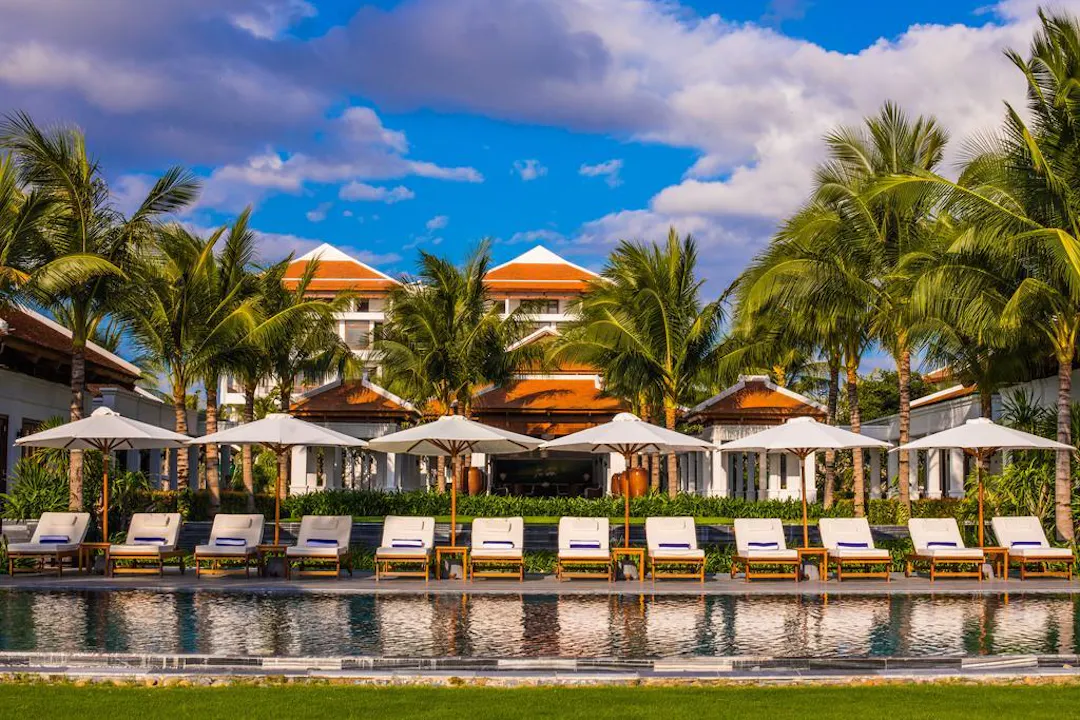
Destinations such as Da Nang, Nha Trang, Quy Nhon, and Phu Quoc offer everything from affordable beachfront hotels to luxury resorts.
For a longer itinerary, adding a beach stay can provide a relaxing break between city sightseeing and transportation-heavy travel days.
Homestays and Eco-Lodges
Mountain and rural destinations often offer family-run homestays and eco-lodges.
These can provide a more personal way to experience local food, farming communities, traditional architecture, and rural landscapes.
When choosing accommodation, prioritize location and recent guest reviews rather than simply selecting the cheapest option.
7. Create a Vietnam Travel Budget
Vietnam can accommodate different travel budgets, from inexpensive backpacking trips to high-end luxury vacations.
Your biggest expenses will generally include:
- International flights
- Domestic transportation
- Accommodation
- Food and drinks
- Tours and activities
- Entrance fees
- Travel insurance
- Visa or entry-related costs
Street food and local restaurants can make meals relatively affordable, while international restaurants and resort dining will naturally cost more.
A useful strategy is to divide your budget into three categories:
Essential costs: accommodation, transportation, food, visa, insurance.
Experience costs: cruises, guided tours, cooking classes, entrance fees, activities.
Flexible spending: shopping, nightlife, upgraded rooms, private transfers, and souvenirs.
This makes it easier to control your spending without sacrificing experiences that matter to you.

8. Decide How to Handle Money
Vietnam uses the Vietnamese đồng (VND).
Cards are increasingly accepted at hotels, modern restaurants, shopping centers, and larger businesses. However, cash remains useful for many everyday transactions.
You may need cash for:
- Street food
- Local markets
- Small cafés
- Family-run accommodation
- Small shops
- Local transportation
- Rural destinations
Carry smaller denominations because vendors may not always have enough change for large notes.
ATMs are widely available in major cities, although availability becomes less predictable in remote mountain and rural areas.

9. Get a SIM Card or eSIM
Reliable mobile data makes Vietnam travel planning much easier once you arrive.
You can purchase a local SIM or arrange an eSIM before your trip, depending on your phone and travel preferences.
Mobile data is particularly useful for:
- Navigation
- Translation
- Ride-hailing
- Restaurant searches
- Online bookings
- Digital payments
- Checking weather
- Staying in contact with accommodation providers
If you plan to travel into remote mountain areas, download offline maps before leaving major cities.

10. Experience Vietnamese Food
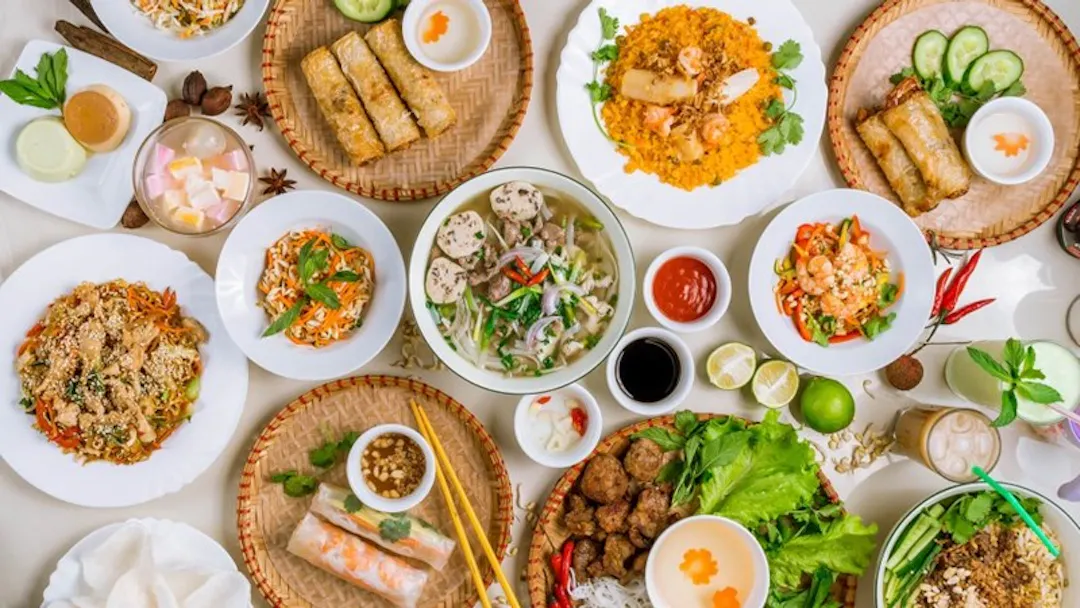
Food should be part of your Vietnam itinerary rather than an afterthought.
Every region has its own culinary identity.
In the north, try dishes such as:
- Pho
- Bun cha
- Banh cuon
- Xoi
- Egg coffee
Central Vietnam is known for dishes including:
- Mi Quang
- Bun bo Hue
- Cao lau
- Banh xeo
- Banh beo
Southern Vietnam offers specialties such as:
- Com tam
- Hu tieu
- Banh mi
- Southern-style noodle dishes
- Fresh tropical fruits
Street food is one of the most accessible ways to experience Vietnamese food culture. Look for busy stalls with high customer turnover and freshly prepared ingredients.
11. Understand Local Cultural Etiquette
Vietnamese culture places considerable importance on politeness and respect.
When visiting temples and pagodas, wear clothing that covers your shoulders and knees. Follow signs regarding photography and avoid disturbing people who are praying.
At someone's home, restaurant, or small business, a friendly greeting and respectful attitude go a long way.
Vietnamese communication can also involve indirect expressions, particularly in situations where maintaining harmony is important. Patience is therefore often more useful than confrontation when dealing with misunderstandings.

12. Stay Safe During Your Trip
Vietnam is generally an accessible destination for international travelers, but basic precautions are still important.
Keep valuables secure in crowded markets and tourist areas, particularly around busy streets and transportation hubs.
When crossing roads in large cities, move slowly and predictably rather than suddenly changing direction. Motorbike traffic can look chaotic, but drivers are generally accustomed to navigating around pedestrians.
For outdoor activities, pay attention to weather conditions, especially when visiting mountainous regions, caves, rivers, or coastal areas.
Travel insurance is also worth considering for international trips, particularly if your itinerary includes adventure activities.

13. Plan Your Daily Schedule With Flexibility
Avoid filling every hour of your trip.
Vietnam is a destination where some of the most memorable experiences can happen between major attractions: drinking coffee on a small sidewalk, discovering a neighborhood market, stopping at a roadside food stall, or taking an unplanned walk through an old town.
A good itinerary should include:
- Major attractions
- Food experiences
- Free time
- Transportation buffers
- Rest periods
For example, after a long overnight train or bus journey, schedule a lighter day rather than immediately booking a full-day tour.
14. Essential Vietnam Trip Planning Checklist
Before leaving home, make sure you have covered the major essentials.
Before Booking
- Decide which regions you want to visit
- Check seasonal weather
- Estimate your budget
- Choose trip length
- Research entry requirements
Before Departure
- Check passport validity
- Complete visa requirements if applicable
- Book international flights
- Arrange important domestic transportation
- Reserve accommodation
- Purchase travel insurance
- Prepare an eSIM or SIM plan
- Download offline maps
- Save copies of important documents
During Your Trip
- Carry some Vietnamese cash
- Keep valuables secure
- Respect local customs
- Allow extra time for transportation
- Stay hydrated
- Be flexible with your itinerary
- Try regional Vietnamese food
- Explore beyond the main tourist attractions
Sample 14-Day Vietnam Itinerary
For first-time visitors, a balanced two-week itinerary could look like this:
Days 1–3: Hanoi
Explore Hoan Kiem Lake, the Old Quarter, local markets, museums, cafés, and traditional Vietnamese food.
Days 4–5: Ninh Binh or Ha Long Bay
Choose Ninh Binh for countryside landscapes, limestone mountains, temples, cycling, and river excursions.
Choose Ha Long Bay for a cruise through the famous limestone islands.
Days 6–7: Hue
Explore the Imperial City, royal tombs, pagodas, and Central Vietnamese cuisine.
Days 8–9: Hoi An
Walk through the Ancient Town, take a cooking class, cycle through the countryside, and visit nearby beaches.
Days 10–12: Ho Chi Minh City
Explore historic landmarks, museums, markets, cafés, and the city's vibrant food scene.
Days 13–14: Mekong Delta
Take a slower journey into the Mekong Delta to experience waterways, tropical gardens, local villages, and regional food before returning to Ho Chi Minh City.
This itinerary provides a broad introduction without requiring travelers to change hotels every night.
Final Thoughts
Knowing how to plan a trip to Vietnam is ultimately about finding the right balance between destinations, travel time, weather, budget, and personal interests.
Vietnam is too geographically diverse to experience everything in a single vacation. Instead, choose the regions that best match your interests and give yourself enough time to appreciate each one.
Whether you are exploring Hanoi's historic streets, cruising through limestone landscapes, tasting Central Vietnamese specialties, relaxing on a tropical beach, or navigating the waterways of the Mekong Delta, thoughtful Vietnam trip planning will make the journey considerably easier.
Start with your travel dates, select your priority destinations, check the latest entry requirements, build a realistic itinerary, and leave room for spontaneous discoveries. That's often the best way to turn a first trip to Vietnam into a memorable experience.

By Roy Trinh
Editor
Roy Trinh is a travel writer and destination expert at Go Visit Vietnam, dedicated to helping travelers discover the beauty, culture, and diversity of Vietnam. Through well-researched travel guides, practical itineraries, local insights, and authentic recommendations, Roy shares valuable information to inspire memorable journeys across the country. From vibrant cities and breathtaking landscapes to regional cuisine and cultural heritage, every guide is created to help visitors experience Vietnam with confidence and curiosity.
Frequently Asked Questions About Planning a Trip to Vietnam
How far in advance should I plan a trip to Vietnam?
For most international travelers, planning 2–4 months in advance is a good starting point. Popular periods such as Christmas, New Year, Lunar New Year (Tet), and major holidays may require earlier bookings for flights and accommodation.
How many days do I need for a trip to Vietnam?
A 10–14 day Vietnam itinerary is a good length for first-time visitors. With one week, focus on one region. With two to three weeks, you can combine Northern, Central, and Southern Vietnam without rushing too much.
What is the best time to visit Vietnam?
There is no single best time for the entire country because Vietnam has different regional climates. March–April and October–November can be good periods for a multi-region trip, while the ideal months depend on your destinations and activities.
What are the best places to visit in Vietnam for first-time travelers?
Popular choices include Hanoi, Ninh Binh, Ha Long Bay, Hoi An, Hue, Da Nang, Ho Chi Minh City, and the Mekong Delta. A first-time itinerary can combine several of these destinations depending on the length of your trip.
Is two weeks enough to visit Vietnam?
Yes. Two weeks is enough to experience several major destinations, but you should avoid trying to see the entire country in detail. A carefully planned north-to-south itinerary can provide a good introduction to Vietnam's culture, landscapes, food, and cities.
How do I travel around Vietnam?
Travelers can combine domestic flights, trains, sleeper buses, limousine vans, taxis, and ride-hailing services. Flights are usually practical for long distances, while trains and buses are useful for shorter or more scenic journeys.
Should I travel from north to south or south to north in Vietnam?
Both directions work well. Hanoi to Ho Chi Minh City is a popular route because it naturally connects many major destinations. Starting in Ho Chi Minh City and traveling north can work equally well, depending on your international flights and preferred weather.
Do I need a visa to visit Vietnam?
Visa requirements depend on your nationality and current Vietnamese entry regulations. Many travelers can apply for a Vietnam e-visa, but you should check the latest requirements and approved entry points before booking your trip.
How much does a trip to Vietnam cost?
The cost varies considerably depending on your travel style. Budget travelers can use local accommodation, street food, and public transportation, while mid-range and luxury travelers can choose boutique hotels, private transfers, cruises, and premium resorts.
What currency is used in Vietnam?
Vietnam uses the Vietnamese đồng (VND). Credit and debit cards are increasingly accepted at hotels, larger restaurants, and modern businesses, but carrying some cash is recommended for markets, street food, small shops, and rural areas.
Is Vietnam easy to travel around for first-time visitors?
Yes. Vietnam has an extensive tourism infrastructure and many destinations are well connected. English is commonly used in hotels and tourist businesses, while translation apps, maps, and ride-hailing services can make independent travel easier.
What should I pack for a trip to Vietnam?
Pack according to the regions and season you will visit. Lightweight clothing is useful for warm destinations, while a jacket and warmer layers may be necessary for Northern Vietnam during winter or for mountain areas. Comfortable walking shoes, sunscreen, insect repellent, and rain protection are also useful.
What should I know about Vietnamese cultural etiquette?
Dress modestly when visiting temples and pagodas, follow local photography rules, and avoid disturbing people during religious ceremonies. A respectful attitude, patience, and polite communication are appreciated throughout Vietnam.
Is street food safe to eat in Vietnam?
Street food is an important part of Vietnamese culture. Choose busy stalls with a high turnover of food, observe basic food hygiene, and prefer dishes that are cooked fresh and served hot. Travelers should also drink safe, treated, or bottled water.
Can I visit Vietnam on a one-week trip?
Yes, but it is better to concentrate on one region rather than attempting to travel from Hanoi to Ho Chi Minh City. For example, you could spend a week exploring Hanoi and Northern Vietnam, Hoi An and Central Vietnam, or Ho Chi Minh City and the Mekong Delta.
Advertising box
Vietnam Planning Guide Articles
Explore expert travel guides, practical tips, and step-by-step advice to help you plan the perfect trip to Vietnam. From visas and transportation to budgeting, itineraries, packing lists, and seasonal travel recommendations, these articles make preparing for your Vietnam adventure simple, stress-free, and unforgettable.

How to Plan a 2-Week Trip to Vietnam: The Best Itineraries for Every Traveler
Two weeks is the ideal amount of time to experience Vietnam's incredible diversity. From the vibrant streets of Hanoi and the stunning limestone landscapes of Ha Long Bay to the historic charm of Hoi An, the beaches of Da Nang, and the lively energy of Ho Chi Minh City, this guide presents the best 14-day Vietnam itineraries for every type of traveler. Discover practical planning tips, transportation advice, budgeting suggestions, and flexible routes to create your perfect Vietnam adventure.

The Ultimate First-Timer's Guide to Vietnam: Everything You Need to Know
Visiting Vietnam for the first time can be exciting and overwhelming. This complete travel guide covers everything you need to know before you go, including visa requirements, transportation, local customs, weather, budgeting, safety tips, regional highlights, and must-try Vietnamese food. Whether you're planning a one-week vacation or a month-long adventure, this guide will help you travel with confidence, avoid common mistakes, and make the most of your unforgettable journey through one of Southeast Asia's most fascinating destinations.
Complete Vietnam Travel Guide: Everything First-Timers Need to Know
Planning your first trip to Vietnam? This complete travel guide covers everything you need to know before you go, including visa requirements, the best time to visit, transportation, currency, local customs, safety tips, food, accommodation, and suggested itineraries. Whether you want to explore vibrant cities, breathtaking landscapes, tropical beaches, or cultural heritage sites, this guide helps you prepare for a smooth and unforgettable journey. Go Visit Vietnam provides practical advice and travel inspiration for first-time visitors exploring Vietnam.

How Much Does a Trip to Vietnam Cost in 2026?
How much does a trip to Vietnam cost in 2026? Vietnam remains an affordable destination, with daily expenses varying by travel style. Budget travelers can spend around $35–60 per day, while mid-range trips typically cost $90–180 per person. Luxury travel can exceed $300 daily. This guide breaks down Vietnam travel costs for accommodation, food, transportation, activities, and different trip lengths, including 5, 7, 10, 14, and 21 days. Use these practical estimates to build a realistic Vietnam travel budget before your trip.