
How to Plan a 2-Week Trip to Vietnam: The Best Itineraries for Every Traveler
Two weeks is the ideal amount of time to experience Vietnam's incredible diversity. From the vibrant streets of Hanoi and the stunning limestone landscapes of Ha Long Bay to the historic charm of Hoi An, the beaches of Da Nang, and the lively energy of Ho Chi Minh City, this guide presents the best 14-day Vietnam itineraries for every type of traveler. Discover practical planning tips, transportation advice, budgeting suggestions, and flexible routes to create your perfect Vietnam adventure.

On this page
Stretching over sixteen hundred kilometers of vibrant coastline, mist-veiled northern peaks, and fertile southern deltas, Vietnam presents an awe-inspiring geographical scale that can easily overwhelm the uninitiated traveler. Crafting a seamless 2-week trip to Vietnam itinerary requires a disciplined exercise in logistical optimization and geographical pacing, ensuring that visitors avoid transit burnout while deeply experiencing the distinct cultural heartbeat of each region. Attempting to see the entire nation in fourteen days without a clear strategic plan often results in an exhausting blur of airports, sleeper buses, and superficial sightseeing. By approaching your travel architecture with precision, you can unlock a profoundly rewarding journey tailored precisely to your personal travel style. Whether your ambitions lean toward exploring ancient imperial capitals, scaling remote northern mountain passes, or navigating aquatic mazes, mastering the nuances of a 2-week trip to Vietnam itinerary transforms a complicated vacation into a masterclass in global exploration.
The Logistics of a 14-Day Traverse – Pacing and Domestic Transit
Mastering North-to-South vs. South-to-North Routes
Designing an efficient 2-week trip to Vietnam itinerary begins with making the most crucial macro-logistical decision of your entire journey: selecting your directional flow and flight architecture. To maximize your precious vacation time and completely eliminate the dead-weight inefficiency of backtracking, veteran travel architects universally recommend booking an open-jaw or multi-city ticket. Landing in the northern capital of Hanoi and departing from the southern economic powerhouse of Ho Chi Minh City—or executing the exact reverse trajectory—allows for a clean, linear, and logical progression across the country. This linear movement ensures that every single day yields forward momentum, transitioning you naturally from the historical, cultural cradle of the North through the central heritage corridor and down into the tropical, fast-paced rhythm of the South. Understanding this foundational routing principle prevents the common amateur mistake of trying to loop back to your original entry point, saving you hours of wasted transit time and preserving your energy for the actual cultural immersion.
Navigating Domestic Aviation and Rail Networks
Once your overarching geographical arc is established, you must master the operational realities of Vietnam’s diverse and highly efficient domestic transport networks. Given the vast distances separating the primary tourism hubs, short-haul domestic flights operated by regional carriers serve as the essential backbone for a tight fourteen-day schedule, whisking you from Hanoi down to Da Nang or Saigon in under two hours. However, true cultural immersion often happens at ground level, making the historic railway system an invaluable asset. Booking a berth on the overnight tàu hỏa (reunification express train) or securing a comfortable seat on a luxury limousine van allows you to witness the shifting rural topography firsthand. When booking these transit segments, experienced travelers always build strategic buffer windows into their schedules, factoring in minor transport delays and luggage limitations to ensure that moving between destinations remains a smooth, stress-free endeavor rather than a source of acute anxiety.

Itinerary Option One – The Classic Cultural and Heritage Route
Immersing in the Northern Soul: Hanoi and Ha Long
For the cultural enthusiast embarking on a 2-week trip to Vietnam itinerary, the journey must anchor itself firmly in the thousand-year-old soul of Hanoi and the marine majesty of the northern bays. Dedicate your first four days to exploring the labyrinthine guild streets of Hanoi's historic Old Quarter, sampling authentic morning bowls of phở, and absorbing the French colonial architecture surrounding Hoan Kiem Lake. From the capital, seamlessly transition to an overnight cruise through the dramatic, towering limestone karst labyrinths of Ha Long Bay or its quieter, equally stunning neighbor, Lan Ha Bay. Gliding across emerald waters past thousands of uninhabited limestone pillars offers a tranquil, visually breathtaking introduction to the country's legendary topography, grounding your expedition in an atmosphere of timeless, natural wonder.
The Central Heartland: Hue and Hoi An
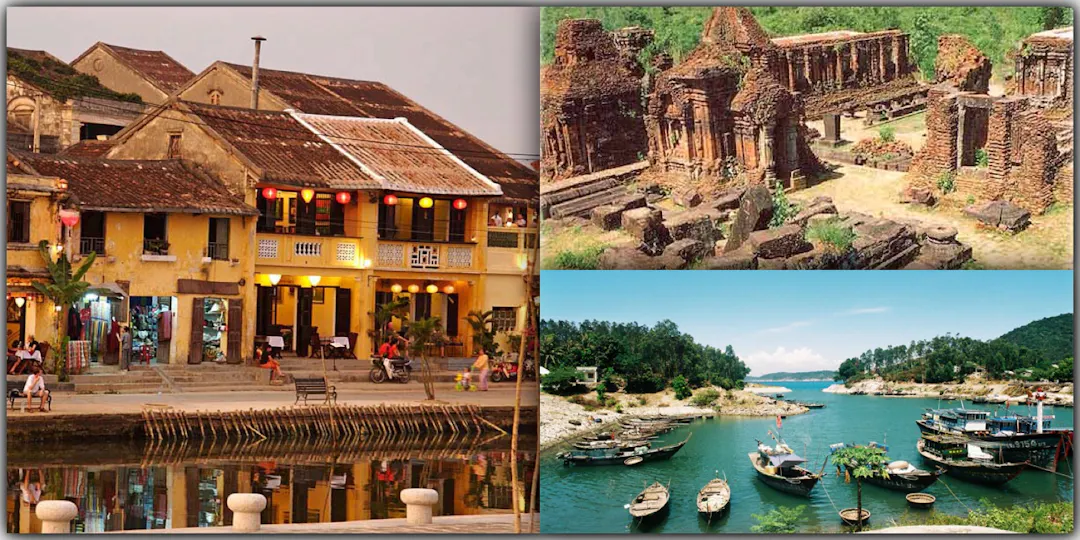
Following your northern immersion, catch a brief domestic flight down to the central coast to begin the second major phase of your historical traverse. Divide your time between the solemn, walled grandeur of the imperial citadel of Hue—where the remnants of the Nguyen Dynasty whisper stories of dynastic power—and the enchanting, lantern-lit merchant port of Hoi An ancient town. Hoi An invites a slower, more contemplative pace, encouraging travelers to wander through pedestrianized alleys lined with centuries-old Japanese trading houses, bespoke tailoring workshops, and vibrant silk lantern displays. This central segment acts as a vital historical bridge, contextualizing Vietnam’s complex feudal past and maritime trade heritage before you plunge headfirst into the hyper-modern energy of the south.
The Southern Crescendo: Saigon and the Mekong Delta
The grand finale of this classic cultural route unfolds in the electric, relentless atmosphere of Ho Chi Minh City, historically known as Saigon. Here, towering glass skyscrapers tower directly beside poignant historical institutions like the War Remnants Museum and the French-built Notre Dame Cathedral, showcasing a city aggressively racing toward the future while honoring its resilient past. To complete your fourteen-day cultural arc, escape the urban density for a day or two to explore the tranquil aquatic labyrinth of the Mekong Delta. Gliding along narrow distributaries on traditional wooden sampans, watching local artisans craft coconut candies, and observing the lively commerce of rural waterways provides an authentic, grounding conclusion to your classic traverse.
Itinerary Option Two – The High-Altitude Adventure and Nature Trail
Conquering the Northern Karst Frontiers
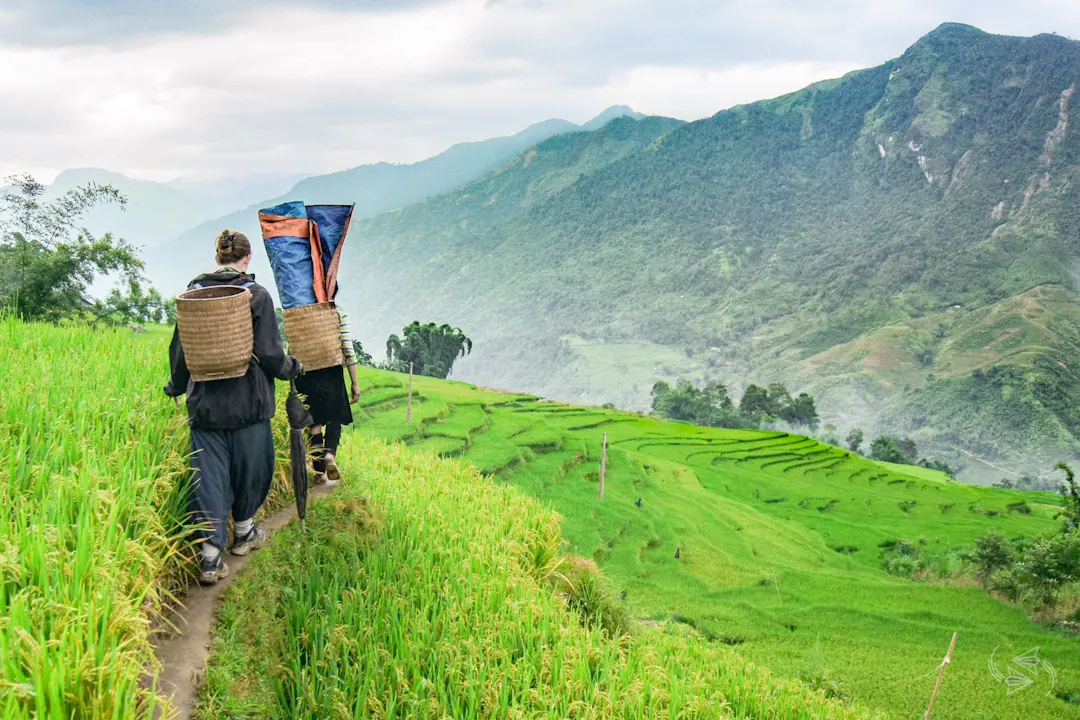
For adrenaline seekers and rugged outdoor enthusiasts, a specialized 2-week trip to Vietnam itinerary can bypass the standard coastal cities to focus entirely on the untamed, vertical wilderness of the northern borderlands. Allocate your first week to conquering the legendary mountain loops of Ha Giang or trekking through the steep, terraced valleys of Sapa. Navigating these remote highland passes—either on the back of a trusted local motorbike or via specialized 4WD transport—places you face-to-face with sheer limestone cliffs, plunging canyon depths, and remote ethnic minority villages where ancient traditions remain utterly untouched by mass tourism. This high-altitude expedition demands physical stamina and mental resilience, rewarding the adventurous traveler with raw, unvarnished landscapes that few standard tourists ever witness.
Subterranean Exploration in Phong Nha-Kẻ Bàng
From the northern mountain passes, journey southward to the subterranean wonderland of the Phong Nha-Kẻ Bàng UNESCO World Heritage site, the undisputed caving capital of Southeast Asia. Dedicate three intensive days to discovering colossal subterranean voids, ancient river systems, and dramatic sinkholes by trekking into remote outposts like Hang Én or exploring the accessible cathedral-like chambers of Paradise Cave. Balancing this intense physical exertion with the quiet, misty beauty of the surrounding primary jungle creates an unforgettable adventure sequence. This rugged nature trail proves that a fourteen-day journey can transcend traditional sightseeing, evolving instead into a thrilling, physically demanding expedition through some of the most dynamic geological formations on the planet.
Insider Tips for Flawless Execution
Seasonal Timing and Microclimate Adjustments
Executing a flawless fourteen-day expedition requires meticulous attention to Vietnam’s complex meteorological diversity, as the country’s elongated geography creates dramatic regional microclimates. If you are traveling during the northern winter months, expect chilly, damp mountain conditions that demand heavy technical layers, whereas the southern sector remains consistently tropical and sun-drenched. Conversely, keeping a watchful eye on the central coast’s heavy rainy season ensures you do not inadvertently schedule your coastal explorations during torrential downpours or typhoon windows. Tailoring your route to leverage favorable weather conditions in each specific latitude guarantees maximum visual clarity and physical comfort throughout your travels.
Budgeting, Packing, and Cultural Mindfulness
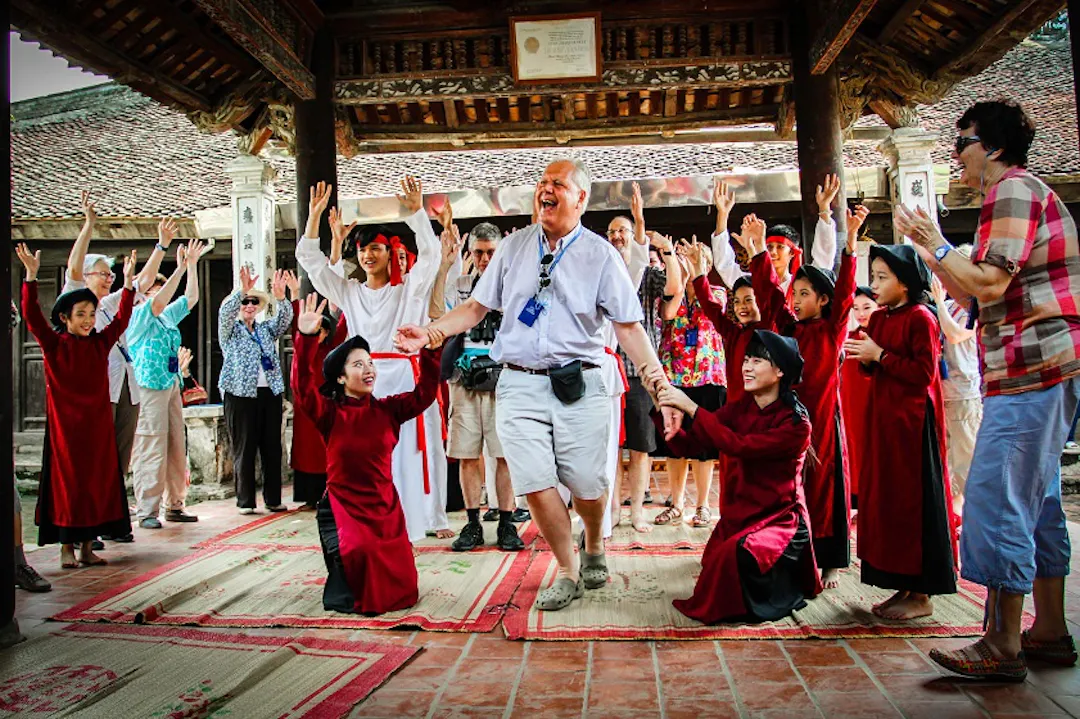
A successful journey relies equally on practical preparation and cultural mindfulness. Ensure your financial reserves include a healthy mix of digital access and physical Vietnamese Dong for rural excursions, and always pack modest, respectful attire for visiting sacred Buddhist pagodas and historical temples. Embracing sustainable tourism practices—such as supporting local, family-run homestays and minimizing single-use plastics—preserves the pristine integrity of the destinations you visit. By combining meticulous transit planning with deep cultural respect, you elevate your trip from a simple holiday into a deeply transformative international experience.
Conclusion
Ultimately, designing a thoughtful, well-structured fourteen-day travel plan transforms a potentially chaotic vacation into a deeply rewarding, highly organized exploration of Non nước Việt Nam. By carefully balancing your transit logistics, selecting the ideal route tailored to your personal passions, and respecting local regional rhythms, you set the absolute best foundation for a triumphant adventure. I strongly encourage you to select your preferred expedition route, finalize your domestic transport logistics, and begin mapping out your dream journey across this captivating nation today.
Read more:

By Roy Trinh
Editor
Roy Trinh is a travel writer and destination expert at Go Visit Vietnam, dedicated to helping travelers discover the beauty, culture, and diversity of Vietnam. Through well-researched travel guides, practical itineraries, local insights, and authentic recommendations, Roy shares valuable information to inspire memorable journeys across the country. From vibrant cities and breathtaking landscapes to regional cuisine and cultural heritage, every guide is created to help visitors experience Vietnam with confidence and curiosity.
Frequently Asked Questions About Planning a 2-Week Trip to Vietnam
Is two weeks enough to visit Vietnam?
Yes. Two weeks is an excellent amount of time to explore Vietnam's highlights. You can comfortably visit destinations in the north, central region, and south without feeling overly rushed, especially if you combine domestic flights with trains or buses.
Should I visit North, Central, and South Vietnam in one trip?
For a 14-day itinerary, many travelers successfully visit all three regions. However, if you prefer slower travel and deeper cultural experiences, consider focusing on two regions instead of trying to see everything.
What is the fastest way to travel between destinations?
Domestic flights are the quickest option for long distances such as Hanoi to Da Nang or Da Nang to Ho Chi Minh City. Overnight trains are a scenic alternative, while buses are the most budget-friendly choice for shorter routes.
How much should I budget for a two-week trip to Vietnam?
Budgets vary depending on your travel style. Backpackers can travel comfortably on around US$35–60 per day, while mid-range travelers typically spend US$70–150 per day, including accommodation, food, transportation, and sightseeing.
When is the best time for a 2-week trip to Vietnam?
Spring (March–April) and autumn (September–November) are generally considered the best seasons because many parts of Vietnam enjoy pleasant temperatures and relatively stable weather. However, regional climates differ, so it's always worth checking forecasts for your planned destinations.
Advertising box
Vietnam Planning Guide Articles
Explore expert travel guides, practical tips, and step-by-step advice to help you plan the perfect trip to Vietnam. From visas and transportation to budgeting, itineraries, packing lists, and seasonal travel recommendations, these articles make preparing for your Vietnam adventure simple, stress-free, and unforgettable.

The Ultimate First-Timer's Guide to Vietnam: Everything You Need to Know
Visiting Vietnam for the first time can be exciting and overwhelming. This complete travel guide covers everything you need to know before you go, including visa requirements, transportation, local customs, weather, budgeting, safety tips, regional highlights, and must-try Vietnamese food. Whether you're planning a one-week vacation or a month-long adventure, this guide will help you travel with confidence, avoid common mistakes, and make the most of your unforgettable journey through one of Southeast Asia's most fascinating destinations.

Complete Vietnam Travel Guide: Everything First-Timers Need to Know
Planning your first trip to Vietnam? This complete travel guide covers everything you need to know before you go, including visa requirements, the best time to visit, transportation, currency, local customs, safety tips, food, accommodation, and suggested itineraries. Whether you want to explore vibrant cities, breathtaking landscapes, tropical beaches, or cultural heritage sites, this guide helps you prepare for a smooth and unforgettable journey. Go Visit Vietnam provides practical advice and travel inspiration for first-time visitors exploring Vietnam.

How Much Does a Trip to Vietnam Cost in 2026?
How much does a trip to Vietnam cost in 2026? Vietnam remains an affordable destination, with daily expenses varying by travel style. Budget travelers can spend around $35–60 per day, while mid-range trips typically cost $90–180 per person. Luxury travel can exceed $300 daily. This guide breaks down Vietnam travel costs for accommodation, food, transportation, activities, and different trip lengths, including 5, 7, 10, 14, and 21 days. Use these practical estimates to build a realistic Vietnam travel budget before your trip.

How Many Days Do You Need in Vietnam?
How many days do you need in Vietnam? For a short trip, 5–7 days is best spent exploring one region, while 10 days allows you to experience Vietnam’s major highlights. Two weeks is ideal for a first north-to-south journey, and 21 days or more gives you time for mountain adventures, national parks, beaches, and slower travel. This guide compares 5, 7, 10, 14, and 21-day Vietnam itineraries, explains what you can realistically see, and helps you choose the right trip length for your travel style.