

Ha Long Bay
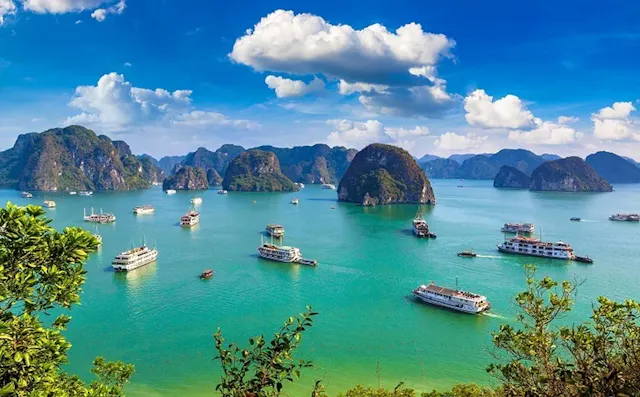
Ha Long Bay is one of Vietnam's most iconic destinations and a UNESCO World Heritage Site celebrated for its thousands of limestone islands rising dramatically from emerald waters. Visitors can enjoy unforgettable cruises, kayaking adventures, hidden caves, floating fishing villages, beautiful beaches, and spectacular sunsets. Beyond its natural beauty, the bay also offers fresh seafood, luxury cruises, and authentic cultural experiences. This Ha Long Bay Travel Guide provides everything you need to plan an unforgettable journey through one of the world's most remarkable seascapes.
About Ha Long Bay
Ha Long Bay is one of the most iconic natural destinations in Vietnam, famous for its emerald waters, towering limestone islands, hidden caves, and dramatic coastal landscapes. Located in Quang Ninh Province in northeastern Vietnam, the bay attracts travelers from around the world and is one of the most popular highlights of a trip to northern Vietnam.
The landscape is characterized by thousands of limestone karsts and small islands rising from the sea. Over millions of years, erosion and geological processes have shaped these formations into distinctive cliffs, arches, caves, and rocky peaks. Exploring the bay by boat provides the best opportunity to appreciate the scale and beauty of this extraordinary environment.
What Is Ha Long Bay Known For?
Ha Long Bay is best known for its limestone karst islands, emerald waters, caves, scenic cruises, floating communities, and spectacular coastal scenery.
The bay covers a large area of the Gulf of Tonkin and contains numerous islands and islets. Some have dense vegetation, while others feature enormous caves and steep limestone cliffs.
Its unique combination of geological formations and marine landscapes has made Ha Long Bay one of Vietnam's most recognizable natural attractions.
Ha Long Bay Cruises
Taking a boat cruise is the classic way to experience Ha Long Bay.
Travelers can choose from short day cruises or overnight journeys aboard traditional-style cruise boats and modern vessels.
An overnight cruise allows visitors to spend more time among the islands and experience the changing scenery at sunrise and sunset. Many cruises include meals, kayaking, cave visits, swimming, and other activities.
Limestone Islands and Islets
The limestone formations are the defining feature of Ha Long Bay.
Many islands have unusual shapes and have been given names based on objects, animals, or legendary figures they are thought to resemble.
The formations create narrow channels, sheltered coves, and panoramic viewpoints that make the bay particularly impressive from the water.
Sung Sot Cave
Sung Sot Cave, also known as Surprise Cave, is one of the most famous caves in Ha Long Bay.
Located on Bo Hon Island, the cave contains large chambers filled with stalactites and stalagmites.
A short climb leads from the shoreline to the cave entrance, after which visitors follow a walkway through the illuminated chambers.
The scale of the interior provides a striking contrast with the narrow entrance visible from the sea.
Ti Top Island
Ti Top Island is known for its small sandy beach and elevated viewpoint.
Visitors can climb a staircase to the top of the island for panoramic views over the surrounding limestone formations and water.
The beach below is also a popular stop for swimming during suitable weather conditions.
Kayaking in Ha Long Bay
Kayaking is one of the best ways to experience the quieter side of the bay.
Paddling between limestone formations allows travelers to explore narrow waterways, lagoons, caves, and secluded areas that larger boats cannot easily reach.
Many cruise itineraries include kayaking as an optional activity, although conditions depend on weather and sea conditions.
Floating Fishing Communities
Fishing has traditionally been an important part of life in Ha Long Bay.
Historically, communities lived in floating villages and relied heavily on fishing and aquaculture.
Modern tourism and changes in local policies have transformed many aspects of this lifestyle, but visitors can still encounter floating homes, fish farms, and evidence of the bay's maritime traditions.
Bai Tu Long Bay
Bai Tu Long Bay lies northeast of Ha Long Bay and offers similar limestone scenery with fewer visitors in many areas.
Some cruises combine Ha Long Bay with Bai Tu Long Bay, providing travelers with a quieter experience among islands, beaches, and fishing communities.
For visitors looking for a more peaceful alternative to the busiest cruise routes, Bai Tu Long Bay is worth considering.
Cat Ba and the Bay Region
The broader bay region is also connected with Cat Ba Island, which offers beaches, forests, hiking trails, and viewpoints.
Cat Ba provides a different way to experience the limestone landscape, allowing visitors to explore the region from land as well as from the water.
Travelers can combine Cat Ba with a longer northern Vietnam itinerary or a multi-day bay cruise.
Best Time to Visit Ha Long Bay
The best time to visit depends on your priorities.
October to April generally provides cooler and more comfortable conditions for sightseeing and cruising, although winter months can sometimes bring foggy weather.
The warmer months are attractive for swimming and water activities, but tropical storms can affect cruise schedules during the summer and early autumn.
Because cruises operate according to marine weather conditions, checking the forecast before traveling is important.
How to Get to Ha Long Bay
Ha Long Bay is easily accessible from Hanoi.
Travelers can reach Ha Long City by bus, shuttle transfer, private car, or organized tour. The journey generally takes several hours depending on traffic and transportation.
Van Don International Airport also provides access to Quang Ninh Province for travelers arriving by air.
Most visitors begin their bay experience from a cruise port near Ha Long City or another designated departure point.
Why Visit Ha Long Bay?
Ha Long Bay offers an unforgettable combination of limestone mountains, emerald waters, caves, islands, and Vietnamese coastal culture.
Whether you spend a few hours on a day cruise or several days exploring the bay by boat, the scenery provides a memorable introduction to northeastern Vietnam.
For first-time visitors to Vietnam, Ha Long Bay is an essential destination. Its extraordinary geological landscape, peaceful waters, traditional maritime culture, and range of activities make it one of the country's most remarkable natural experiences.
Ha Long Bay Photo Gallery
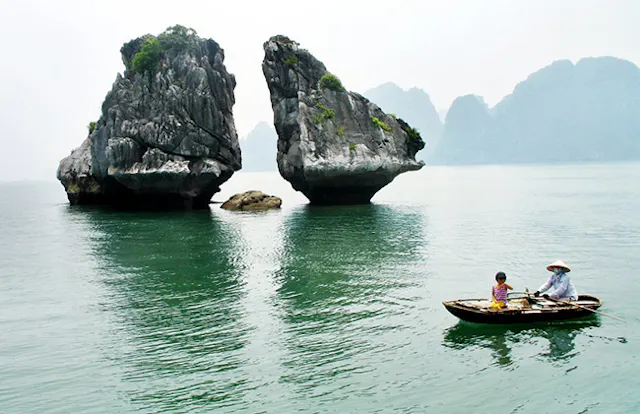
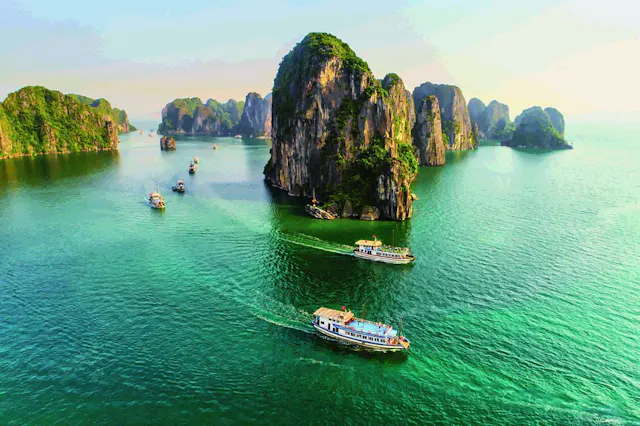
Browse stunning photos of Ha Long Bay, Vietnam's renowned UNESCO World Heritage Site. Discover limestone islands, emerald waters, spectacular caves, cruise experiences, and breathtaking scenery that make Ha Long Bay one of the world's most iconic natural attractions.


How to Get to and Around Ha Long Bay
Bus and coach
Regular buses, luxury coaches, and shuttle services operate between Hanoi and Ha Long Bay. The journey typically takes around 2.5 to 3.5 hours via modern expressways, making it one of the most popular ways to reach the destination.
Train
Travelers can take a train from Hanoi to Quang Ninh Province and continue to Ha Long City by local transportation. While slower than road travel, train journeys provide scenic views of northern Vietnam's countryside.
Driving
Driving to Ha Long Bay is convenient thanks to the Hanoi–Hai Phong–Ha Long Expressway. Private cars, rental vehicles, and chauffeur services offer flexibility for travelers exploring multiple destinations in Northern Vietnam.
Flying
Van Don International Airport serves the Ha Long Bay region and offers domestic flights from selected cities. Visitors can also fly into Noi Bai International Airport in Hanoi and continue to Ha Long Bay by road transfer.
Frequently Asked Questions About Ha Long Bay
Why is Ha Long Bay famous?
Ha Long Bay is famous for its breathtaking seascape of nearly 2,000 limestone islands and islets rising from emerald waters. Its exceptional natural beauty and geological significance earned it recognition as a UNESCO World Heritage Site and one of Vietnam's most iconic destinations.
What are the best things to do in Ha Long Bay?
Popular activities include taking a cruise, kayaking through limestone formations, exploring caves, swimming at scenic beaches, visiting floating fishing villages, hiking on islands, and enjoying panoramic viewpoints across the bay.
When is the best time to visit Ha Long Bay?
The best time to visit Ha Long Bay is generally from October to April, when temperatures are pleasant and conditions are ideal for sightseeing, cruises, and outdoor activities. The bay can be visited year-round, with each season offering unique scenery.
How many days should I spend in Ha Long Bay?
Most visitors spend one to two days exploring Ha Long Bay. An overnight cruise is highly recommended, allowing travelers to experience sunrise and sunset on the bay while visiting multiple attractions and enjoying onboard activities.
Is Ha Long Bay worth visiting?
Absolutely. Ha Long Bay is considered one of the most spectacular natural attractions in Asia. Its dramatic limestone landscapes, unique cultural heritage, outdoor adventures, and world-class cruise experiences make it a must-visit destination in Vietnam.
Advertising box
Explore More UNESCO World Heritage Sites
Continue your journey through Vietnam's remarkable UNESCO World Heritage Sites. Discover ancient cities, breathtaking natural wonders, archaeological treasures, and cultural landmarks that showcase the country's rich history, diverse traditions, and extraordinary landscapes. Each destination offers a unique perspective on Vietnam's heritage and is well worth adding to your travel itinerary.
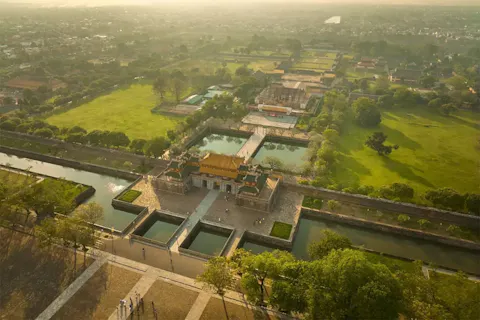
Complex of Hue Monuments
Discover the Complex of Hue Monuments, the former imperial capital of Vietnam and a UNESCO World Heritage Site. Explore ancient citadels, royal palaces, tombs, and temples that reflect the grandeur of the Nguyen Dynasty along the Perfume River.
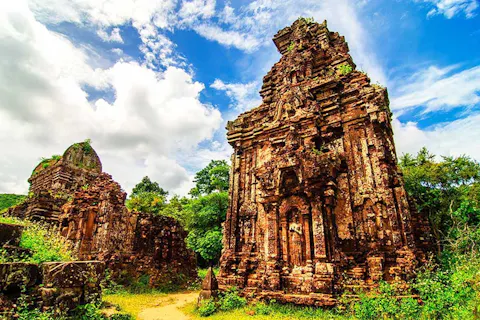
My Son Sanctuary
Discover My Son Sanctuary, one of Southeast Asia's most important archaeological sites and a UNESCO World Heritage Site. Explore ancient Cham temples, Hindu influences, centuries of history, and the remarkable cultural legacy of the Champa Kingdom in central Vietnam.
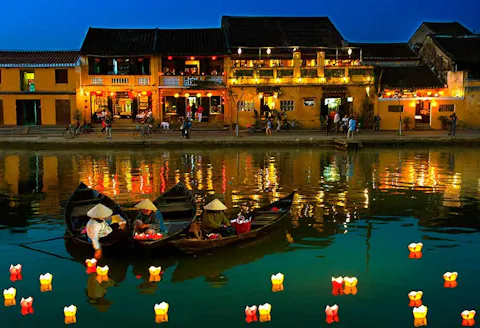
Hoi An Ancient Town
Discover Hoi An Ancient Town, one of Vietnam's most charming UNESCO World Heritage Sites. Wander through lantern-lined streets, explore centuries-old architecture, experience rich cultural traditions, and uncover the history of one of Southeast Asia's most important trading ports.

Imperial Citadel of Thang Long
The Imperial Citadel of Thang Long is one of Vietnam's most significant historical landmarks and a UNESCO World Heritage Site located in the heart of Ha Noi. Once the political center of successive Vietnamese dynasties for over thirteen centuries, the citadel preserves ancient palaces, archaeological remains, ceremonial gates, and royal architecture. Visitors can explore centuries of Vietnamese history while discovering remarkable cultural treasures that reflect the country's royal heritage. This guide covers everything you need to know before visiting the Imperial Citadel of Thang Long.
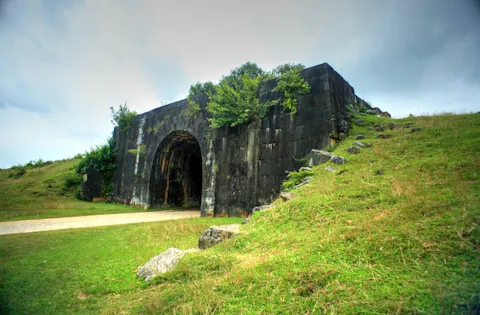
The Citadel of the Hồ Dynasty
Discover the Citadel of the Hồ Dynasty, one of Vietnam’s most remarkable UNESCO World Heritage Sites. Built in the late 14th century, this extraordinary stone fortress showcases innovative engineering, unique architecture, and the historical legacy of the short-lived but influential Hồ Dynasty.

Trang An Scenic Landscape Complex
Trang An Scenic Landscape Complex is one of Vietnam’s most spectacular destinations, featuring dramatic limestone mountains, peaceful rivers, mysterious caves, and cultural landmarks surrounded by the natural beauty of Ninh Binh.

Phong Nha - Ke Bang National Park
Phong Nha - Ke Bang National Park is one of Vietnam’s most spectacular natural destinations, featuring ancient limestone mountains, world-famous caves, underground rivers, and unforgettable adventure experiences in a UNESCO World Heritage landscape.