
Bun Rieu vs Bun Bo Hue: What Is the Difference?
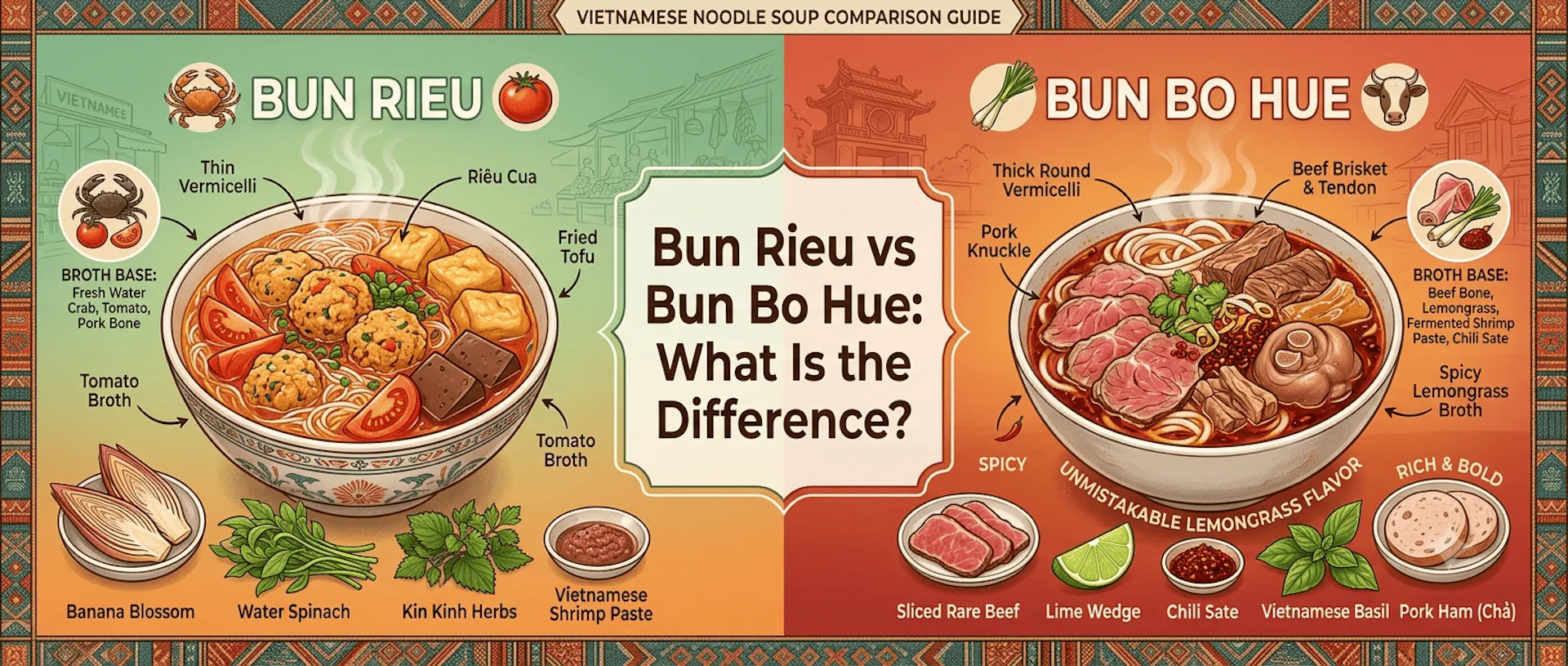
Bun Rieu and Bun Bo Hue are two of Vietnam's most beloved noodle soups, but they offer completely different flavors and dining experiences. Bun Rieu features a light tomato and crab-based broth with freshwater crab paste, while Bun Bo Hue is famous for its rich, spicy beef broth infused with lemongrass and chili. This guide compares their ingredients, taste, regional origins, toppings, and cooking styles to help you understand what makes each dish unique and decide which one to try first.
On this page
To enter a traditional Vietnamese kitchen is to encounter a profound sensory contrast defining the nation's culinary stratification. On one side, the delicate, tangy aroma of a Northern-influenced crab broth wafts through the air, carrying bright notes of freshwater crustaceans and ripened fruit. On the other, the aggressive, aromatic intensity of a Central Vietnamese spicy beef soup commands the room, heavily perfumed with crushed aromatics and deeply fermented seafood pastes. This dynamic sets the stage for analyzing Bun Rieu vs Bun Bo Hue, two of the most iconic yet frequently misunderstood pillars of Vietnam's complex noodle culture. For many American diners embarking on a comprehensive Vietnamese cuisine guide, these distinct soups are often mistakenly conflated under the broad umbrella of rice noodle dishes. However, identifying the true difference between Bun Rieu and Bun Bo Hue requires looking far beyond the bowl. To truly understand these culinary masterpieces, one must explore the regional history, terroir, and agricultural identity that necessitated their creation, ultimately revealing how geography shapes the very soul of Vietnamese gastronomy.
The Soul of the Broth: Bun Rieu vs Bun Bo Hue
Bun Rieu: The Art of the Tang
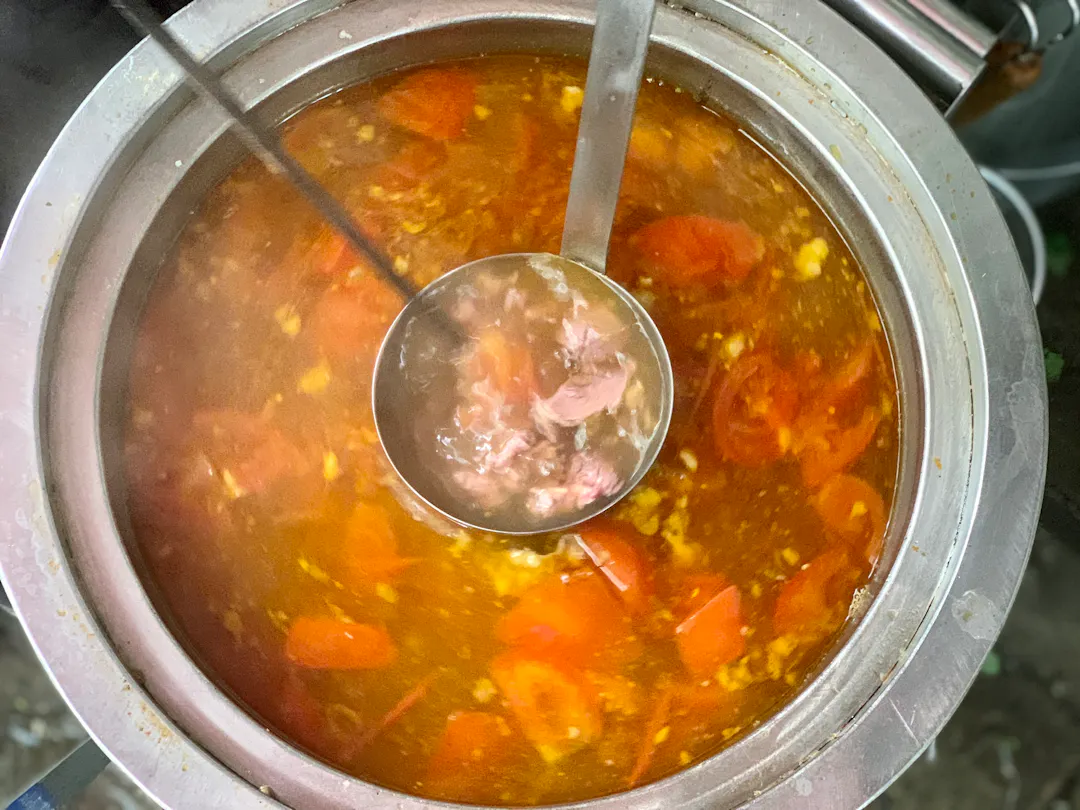
The foundation of any authoritative Vietnamese noodle soup comparison begins with the broth, and here, the divergence is absolute. Bun Rieu is fundamentally defined by its mastery of the tang, an elegant balancing act of acidity, sweetness, and oceanic depth. The broth achieves its signature carmine hue and subtle sweetness through the slow simmering of cà chua (tomatoes) and the careful incorporation of annatto seed oil. However, the true secret element that elevates the liquid from a simple vegetable soup to a complex culinary triumph is giấm bỗng (fermented rice vinegar) or, depending on regional variations, sour tamarind. This specific fermentation methodology imparts a bright, cooling acidity that cuts through the richness of the pork bone base. Furthermore, the expertise required to craft authentic Bun Rieu ingredients into a cohesive broth is immense; a master cook must gently emulsify the riêu cua (freshwater crab roe and pounded crab meat) with egg and protein without causing the delicate mixture to curdle or disintegrate into the boiling liquid. The resulting broth is visually stunning, offering a light, refreshing flavor profile convergence speaking to the elegance of its northern heritage. The surface of the soup shimmers with a delicate, natural red tint, inviting the diner into a bowl that feels remarkably restorative rather than heavy.
Bun Bo Hue: The Spicy Complexity of the Central Coast
In stark contrast to the bright elegance of its northern counterpart, Bun Bo Hue presents an aggressive, deeply savory aromatic spice architecture that immediately commands the palate. If one asks exactly what is Bun Bo Hue, the answer lies in its unapologetically bold depth, forged through the liberal use of mắm ruốc (fermented shrimp paste) and heavily bruised sả (lemongrass). The shrimp paste, a staple of the central coastline, provides a pungent, umami-rich undercurrent that is masterfully balanced by the citrusy, woody notes of the smashed lemongrass stalks. This broth is an authoritative expression of Hue’s dual culinary history, seamlessly merging the refined, complex spice layering of the former imperial court with the rustic, robust ingredients of the central Vietnamese working class. Achieving this assertive, multi-layered spicy profile requires hours of rigorous simmering, utilizing beef and pork bones to extract a gelatinous mouthfeel that coats the tongue. Where the tomato-infused crab broth seeks to refresh and cool the diner, this lemongrass and chili-laden concoction is designed to ignite the senses, offering a profound, warming intensity that reflects the harsh, demanding climate of the central provinces. The visual presentation of this broth is equally commanding, characterized by a fiery red layer of chili and annatto oil that floats menacingly upon the surface of the dark, murky liquid. This oil barrier traps the intense heat and the volatile aromatics of the lemongrass, ensuring that every single spoonful delivers a consistent, potent wave of flavor. The divergence in these broth preparation methods, contrasting bright acidity with deep, fermented heat, perfectly encapsulates the fundamental difference between Bun Rieu and Bun Bo Hue.

The Anatomy of the Bowl: Toppings and Texture in Bun Rieu vs Bun Bo Hue
Proteins and Textures
Beyond the liquid foundation, a rigorous Vietnamese noodle soup comparison must examine the bowl's structural anatomy, specifically the stark contrast in proteins and textures. Bun Rieu champions a delicate, highly porous composition. The undisputed star of the bowl is the riêu cua, a fragile, soufflé-like patty formed from pounded rice paddy crabs, minced pork, and egg. This delicate crab paste acts as a sponge, soaking up the tangy tomato broth while offering a soft, yielding bite. Complementing the crab are cubes of deep-fried tofu, their incredibly porous, spongy interiors designed specifically to absorb the acidic liquid, alongside tender slices of pork and occasionally, congealed pig's blood for a slight metallic contrast. Conversely, the anatomy of Bun Bo Hue is robust, meaty, and heavily structured. This is a bowl designed for endurance, featuring thick, gelatinous cuts of beef shank, slow-braised pig trotters, and dense, peppery slices of chả lụa (pork sausage) or chả cua (crab cakes). The textures here are challenging and rewarding, demanding the diner negotiate the chewy, collagen-rich connective tissue of the trotters and the firm, muscular bite of the beef shank, providing a satisfying, heavy gastronomic experience.

The Noodle Science
The structural foundation of these two iconic dishes is further differentiated by the noodle science applied to each bowl. The difference between Bun Rieu and Bun Bo Hue is vividly apparent in the precise selection of the rice vermicelli. For the northern-born crab soup, cooks utilize "bún nhỏ," an exceptionally fine, delicate rice noodle. These thin strands possess a large surface area relative to their volume, allowing them to effectively carry the light, refreshing tomato broth without overwhelming the subtle flavors of the freshwater crab. In direct opposition, the central coastal beef soup requires "bún to," a thick, cylindrical rice noodle that bears a striking resemblance to spaghetti. This robust noodle architecture is an absolute necessity; a thinner strand would immediately disintegrate under the intense, heavy weight of the lemongrass and shrimp paste broth. The thick noodles possess the necessary structural integrity to withstand the aggressive heat and provide a substantial, chewy counterpoint to the dense cuts of beef and pork. This deliberate pairing of broth viscosity with specific noodle geometry demonstrates the profound, calculated sophistication inherent in Vietnamese culinary traditions. By understanding these precise textual engineering choices, the discerning diner gains a much deeper appreciation for how the physical construction of each bowl is meticulously designed to amplify its specific flavor profile convergence. The fine noodles whisper delicate notes of the crab, while the thick cylinders confidently shout the bold assertions of the central coast.

The Regional Identity: Geography and Bun Rieu vs Bun Bo Hue
Northern Roots and the Crab Harvest
To fully comprehend the essence of authentic Bun Rieu ingredients, one must trace the dish back to its humble, agrarian roots in the northern river deltas. This region is historically defined by its vast, flooded rice paddies, which provided an abundant, highly accessible supply of freshwater paddy crabs. Long before it became a celebrated urban street food, this dish was a rustic, pragmatic creation of the northern farming class, designed to utilize the daily crab harvest. The inclusion of cà chua and fermented rice vinegar reflects the agricultural bounty of the northern plains, where preserving the bright, clean flavors of the harvest was paramount. The dish is a direct culinary translation of the northern geography: subtle, resourceful, and reliant on the natural sweetness of the freshwater ecosystem. It embodies a culinary philosophy that favors delicate balance and the elevation of humble, locally sourced ingredients into a refined, restorative meal that provided vital nourishment for the working class during the sweltering summer months.
The Hue Heritage and Imperial Influence
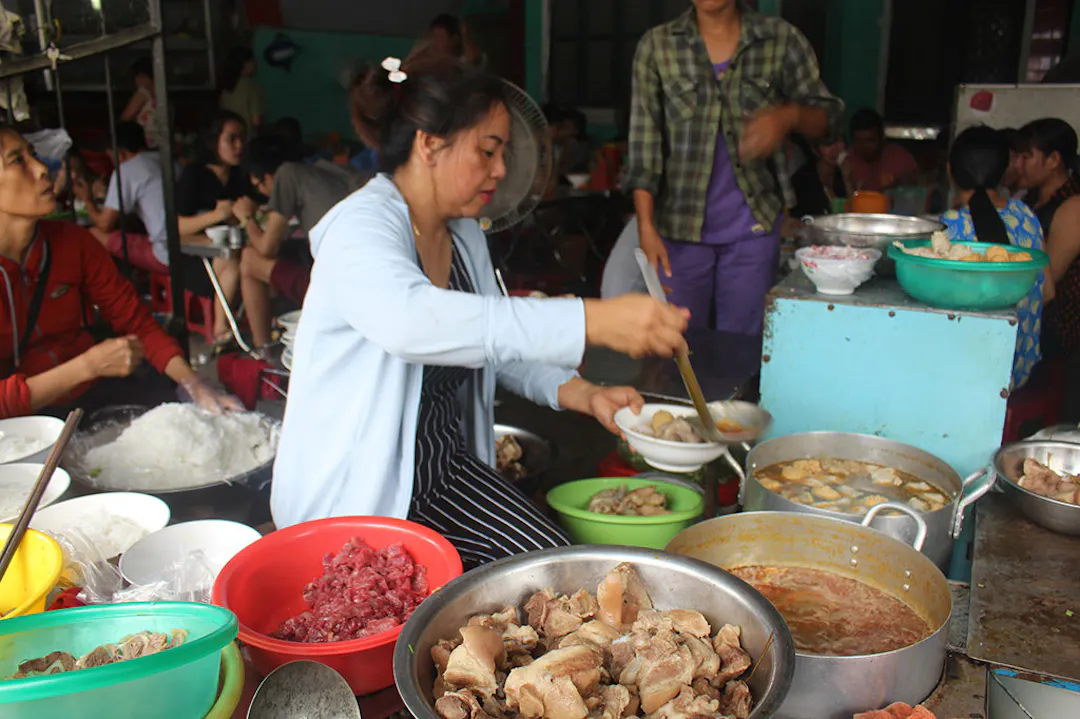
Conversely, examining what is Bun Bo Hue requires a journey to the central coastal city of Hue, the former imperial capital of the Nguyen Dynasty. This region’s culinary identity is a fascinating paradox, simultaneously shaped by the exacting, sophisticated demands of the royal court and the harsh, unforgiving climate of the central provinces. The heavy reliance on mắm ruốc and aggressive chili heat was historically a preservation methodology and a necessary adaptation to combat the cold, damp winters and intense summer monsoons. However, the meticulous layering of flavors—the careful bruising of the sả, the precise simmering of the bones—reflects the refined aromatic spice architecture demanded by the imperial palate. As the dish migrated from the royal kitchens into the bustling street markets, it retained its aristocratic complexity while embracing the robust, hearty cuts of meat favored by the working class. Thus, this central Vietnamese masterpiece is a perfect geographical and historical mirror of Hue itself: a city where profound imperial elegance and rugged, coastal resilience are permanently intertwined in a single, fiercely spicy bowl. Understanding this geographical divide is critical for any comprehensive Vietnamese cuisine guide, as it illustrates how the calm, flooded paddies of the north birthed a dish of elegant acidity, while the storm-battered, historically regal central coast demanded a soup of uncompromising, fiery intensity. The terroir fundamentally dictates the bowl.
Culinary Etiquette: Experiencing Bun Rieu vs Bun Bo Hue
How to Eat Like a Local
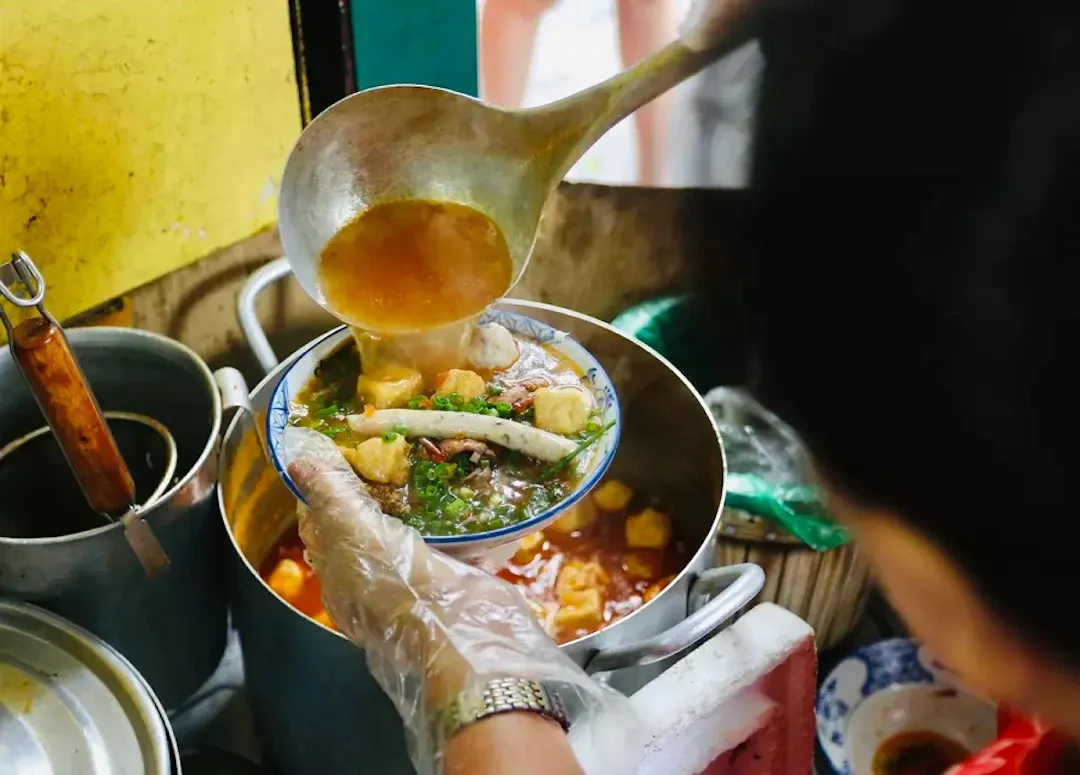
Mastering the consumption of these dishes requires an understanding of precise culinary etiquette and the ritual of table-side seasoning. For the tomato-laced crab broth, the ritual demands the introduction of finely shredded banana blossom, crisp water spinach stems, and a generous squeeze of fresh lime to amplify the soup's inherent tang. A tiny touch of fermented shrimp paste is often added directly to the bowl by the diner to deepen the oceanic profile. When confronting the spicy beef noodle soup, the approach shifts. The diner must fold in heaps of robust herbs, including mint and sawtooth coriander, alongside a mandatory spoonful of blistering chili oil and thinly sliced raw onions. The trustworthiness of your culinary experience often relies on seeking out highly specialized, generational vendors. True local connoisseurs know to patronize tiny, dedicated shops that focus exclusively on a single soup, as the rigorous, time-consuming preparation methods for each broth are mutually exclusive and demand undivided attention.
Navigating the Experience
For readers exploring these dishes in modern dining establishments, identifying the markers of authenticity is paramount. A superior crab and tomato soup will feature a brilliantly clear, ruby-tinted broth that remains light on the palate, completely devoid of any heavy, murky grease. The crab patty must be fluffy and yielding, never dense or rubbery. Conversely, a masterful bowl from the central coast will announce itself immediately through a thick, intoxicating cloud of lemongrass vapor. The surface must carry a dangerous, glistening layer of chili-infused oil, and the pork trotters should yield instantly to the chopsticks. Recognizing these elements ensures you are consuming a dish that honors its ancestral roots.
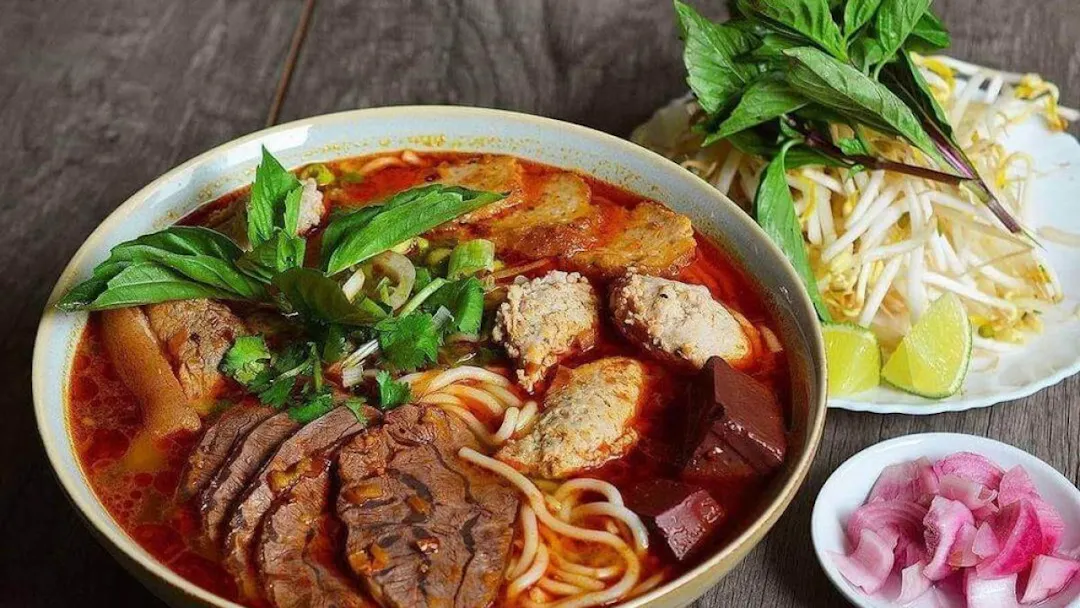
While both of these magnificent creations utilize rice noodles and rich broths, Bun Rieu vs Bun Bo Hue represents a study in profound culinary contrast. One offers the delicate, cooling acidity of the northern rice paddies, masterfully balancing freshwater crab with tangy tomatoes. The other delivers the fierce, aristocratic heat of the central coast, layering fermented shrimp paste and lemongrass into a devastatingly robust beef soup. Together, they perfectly illustrate the incredible geographical and historical diversity of Vietnam's vast culinary landscape. By examining their distinct ingredients, meticulous preparations, and cultural significance, we uncover the vibrant soul of a nation deeply connected to its rich land and history. The profound contrast is a testament to culinary ingenuity. Which distinct flavor profile—the tangy, refreshing lightness of the northern crab harvest or the uncompromising, fiery warmth of the central imperial court—are you most drawn to experience next?

By Roy Trinh
Editor
Roy Trinh is a travel writer and destination expert at Go Visit Vietnam, dedicated to helping travelers discover the beauty, culture, and diversity of Vietnam. Through well-researched travel guides, practical itineraries, local insights, and authentic recommendations, Roy shares valuable information to inspire memorable journeys across the country. From vibrant cities and breathtaking landscapes to regional cuisine and cultural heritage, every guide is created to help visitors experience Vietnam with confidence and curiosity.
Frequently Asked Questions About Bun Rieu vs Bun Bo Hue
What is the main difference between Bun Rieu and Bun Bo Hue?
The biggest difference is the broth. Bun Rieu has a light, slightly tangy tomato-based broth flavored with freshwater crab, while Bun Bo Hue features a rich, spicy beef broth infused with lemongrass, shrimp paste, and chili.
Which dish is spicier: Bun Rieu or Bun Bo Hue?
Bun Bo Hue is significantly spicier. It is known for its bold chili and lemongrass flavors, whereas Bun Rieu has a milder, sweeter, and slightly sour taste that appeals to a wider range of diners.
What proteins are used in Bun Rieu and Bun Bo Hue?
Bun Rieu typically contains freshwater crab paste, tofu, tomatoes, pork, and sometimes snails or seafood. Bun Bo Hue usually includes beef shank, beef slices, pork hock, Vietnamese sausage, and occasionally cubes of congealed pig's blood.
Where do Bun Rieu and Bun Bo Hue originate?
Bun Rieu originated in northern Vietnam and later became popular nationwide with regional variations. Bun Bo Hue comes from Hue in central Vietnam and is considered one of the country's signature regional dishes.
Which noodle soup should I try first?
If you prefer light, fresh, and slightly tangy flavors, start with Bun Rieu. If you enjoy rich, spicy, and aromatic broths with beef, Bun Bo Hue is an excellent choice. Both are iconic Vietnamese dishes worth experiencing.
Advertising box
More Bun Rieu Stories & Vietnamese Food Guides
Dive deeper into the world of Bun Rieu with expert guides, regional food stories, cooking traditions, nutrition facts, and comparisons with other famous Vietnamese noodle dishes. Explore the rich flavors, cultural heritage, and local dining experiences that make Vietnam's cuisine one of the most celebrated in the world.
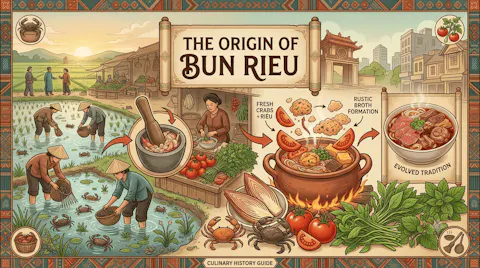
The Origin of Bun Rieu
Bun Rieu is one of Vietnam's oldest and most beloved noodle soups, celebrated for its delicate crab-based broth, fresh tomatoes, and fragrant herbs. Originating in northern Vietnam, the dish was created using simple local ingredients gathered from rice fields and rivers. Over generations, Bun Rieu evolved into numerous regional variations while preserving its traditional character. This guide explores the fascinating history of Bun Rieu, its cultural significance, and how this humble noodle soup became a staple of Vietnamese cuisine.
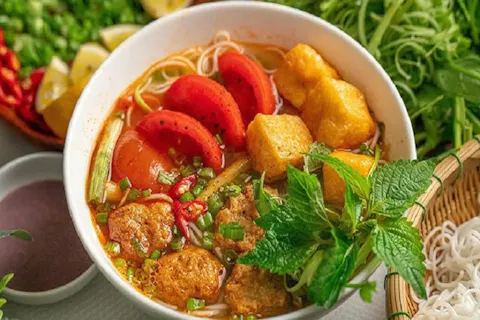
Is Bun Rieu Healthy? Calories and Nutrition Facts You Should Know
Bun Rieu is more than a delicious Vietnamese crab noodle soup—it can also be a nutritious meal when enjoyed in moderation. Made with freshwater crab, rice noodles, tomatoes, tofu, herbs, and fresh vegetables, it provides a balance of protein, carbohydrates, vitamins, and minerals. This guide explores Bun Rieu's calorie content, nutritional value, health benefits, and simple tips for making it an even healthier choice while enjoying one of Vietnam's most iconic comfort foods.