
Cat Ba National Park
Cat Ba National Park is a stunning natural destination located on Cat Ba Island, Hai Phong, Vietnam, known for tropical forests, limestone mountains, rich biodiversity, and unique island ecosystems. As a UNESCO Biosphere Reserve, the park offers unforgettable experiences through hiking trails, wildlife exploration, and breathtaking viewpoints. Visitors can discover rare species, peaceful landscapes, and the natural beauty surrounding Lan Ha Bay. Go Visit Vietnam introduces the attractions, activities, and eco-tourism experiences of Cat Ba National Park for nature lovers and adventurers.
About Cat Ba National Park
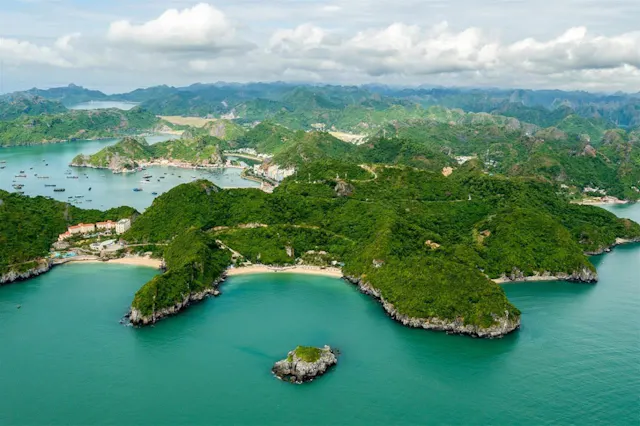
Cat Ba National Park is a spectacular nature destination on Cat Ba Island, Hai Phong, northern Vietnam. Located within the Cat Ba Archipelago, the park is known for its limestone mountains, tropical forests, coastal waters, mangrove wetlands, and rich biodiversity.
The park offers travelers an opportunity to experience a combination of mountain and marine landscapes in one destination. Its proximity to Lan Ha Bay and Ha Long Bay also makes Cat Ba an excellent base for travelers interested in hiking, kayaking, boat trips, wildlife, and island exploration.
What Is Cat Ba National Park?
Cat Ba National Park is a protected natural area covering forests, limestone mountains, wetlands, and coastal ecosystems on Cat Ba Island.
The park forms an important part of the Cat Ba Archipelago's natural environment.
Its diverse habitats support many species of plants and animals, while the surrounding sea provides additional marine ecosystems.
The combination of forest and limestone landscapes gives Cat Ba a character that is very different from Vietnam's mainland national parks.
Limestone Mountains and Forests
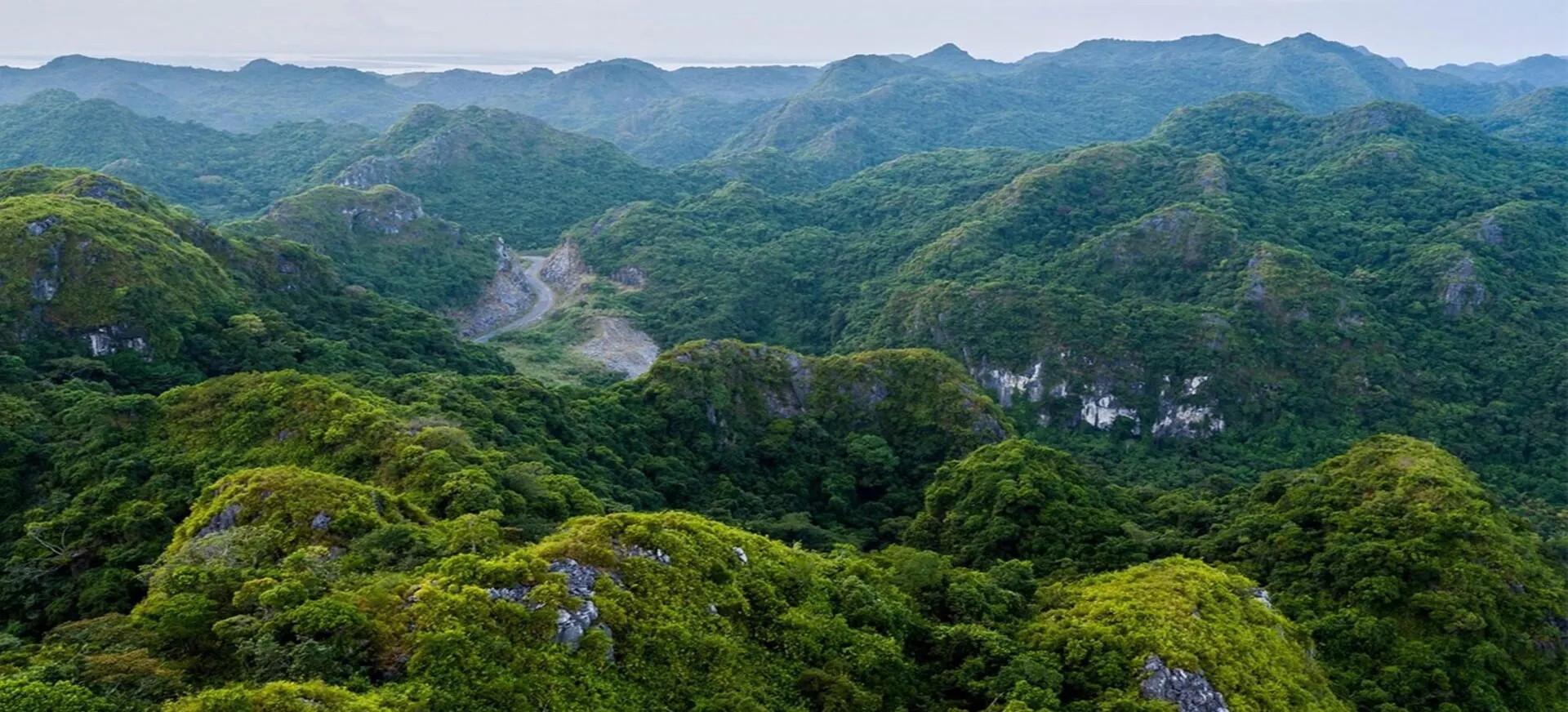
The park is characterized by rugged limestone karst mountains covered in dense vegetation.
Narrow valleys, cliffs, caves, and forested hills create a dramatic landscape.
Some areas are covered by tropical evergreen forests, while other parts contain coastal and limestone-adapted vegetation.
The contrast between green mountains and blue water is one of Cat Ba's most memorable visual features.
Cat Ba Langur
One of the park's most important conservation achievements is the protection of the Cat Ba langur, a critically endangered primate found only in the Cat Ba Archipelago.
The species has faced serious population pressures and is now the focus of dedicated conservation efforts.
Seeing a Cat Ba langur in the wild is extremely rare, and visitors should never expect a guaranteed sighting.
Travelers can contribute to conservation by respecting wildlife regulations and supporting responsible tourism initiatives.
Hiking in Cat Ba National Park
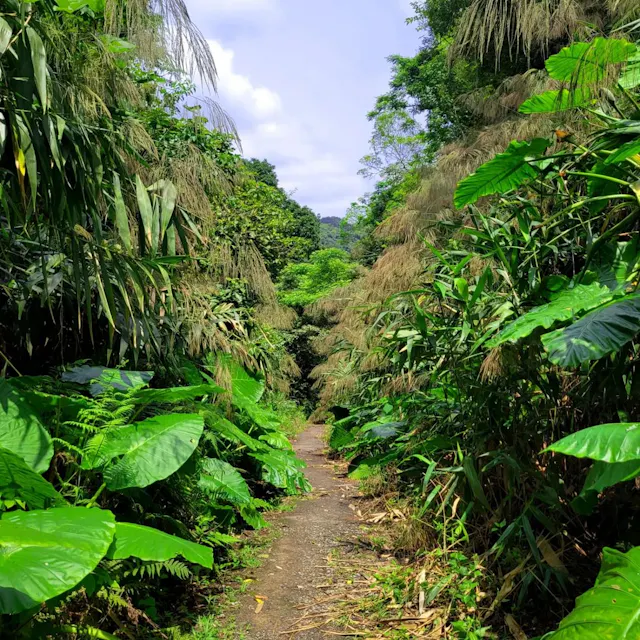
Hiking is one of the best ways to explore the park's forests and limestone landscapes.
Several trails lead through the mountains and forest, with routes ranging from relatively easy walks to more demanding hikes.
Some trails lead to elevated viewpoints where visitors can enjoy panoramic views over the island and surrounding sea.
Comfortable hiking shoes, water, sun protection, and suitable clothing are recommended.
Ngu Lam Peak
Ngu Lam Peak is one of the most popular viewpoints in Cat Ba National Park.
The trail to the viewpoint passes through forest before reaching an elevated area overlooking the surrounding limestone mountains.
From the top, travelers can enjoy panoramic views of the island's distinctive karst landscape.
The viewpoint is particularly attractive in clear weather, although mist and clouds can create a different atmospheric experience.
Trung Trang Cave
Trung Trang Cave is one of the notable natural attractions near the national park.
The cave extends through the island's limestone landscape and contains unusual rock formations shaped by geological processes over long periods.
Visitors can explore designated sections of the cave and learn more about the island's karst geology.
Combining a cave visit with hiking through the surrounding forest provides a varied nature experience.
Wildlife and Biodiversity
Cat Ba National Park supports a diverse range of wildlife.
In addition to the Cat Ba langur, the park provides habitat for birds, reptiles, amphibians, insects, and numerous plant species.
The surrounding marine environment adds another layer of biodiversity, including coral communities, seagrass, fish, and other coastal species.
The close relationship between terrestrial and marine habitats is one of the park's most important ecological characteristics.
Mangroves and Coastal Ecosystems
Parts of the Cat Ba landscape include mangrove wetlands and coastal habitats.
Mangroves provide important nursery areas for marine life while helping protect shorelines from erosion.
The island's coastal environment also supports fishing communities and contributes to the wider ecosystem of the Cat Ba Archipelago.
Visitors exploring the park can therefore experience several different natural environments within a relatively small area.
Kayaking and Boat Trips
Although hiking is the main activity inside the national park, travelers can easily combine a park visit with kayaking and boat trips around the island.
Nearby Lan Ha Bay is famous for its calm waters, limestone islands, floating communities, and secluded beaches.
Kayaking provides an excellent way to explore areas that cannot be reached by road.
Travelers can combine a morning hike with an afternoon on the water.
Best Time to Visit Cat Ba National Park
The best time for hiking and outdoor activities is generally March to May and September to November, when temperatures can be more comfortable.
Summer from June to August is popular for beach activities but can be hot, humid, and affected by tropical storms.
Winter can bring cooler temperatures and cloudy conditions.
Travelers should check weather and sea conditions before planning boat or kayaking activities.
How to Get to Cat Ba National Park
Cat Ba Island is accessible from mainland northern Vietnam by ferry, speedboat, or other transport connections.
Travelers can reach Cat Ba from Hai Phong or through routes connecting with the Ha Long Bay area.
Once on the island, taxis, motorcycles, private vehicles, and local tours can be used to reach the national park.
Responsible Travel
Cat Ba National Park is a sensitive conservation area, so responsible tourism is essential.
Visitors should stay on designated trails, avoid feeding or approaching wildlife, take rubbish away, and follow park regulations.
Particular care should be taken around endangered species and sensitive habitats.
When kayaking or taking boat trips, travelers should avoid damaging coral, disturbing marine wildlife, or leaving plastic waste behind.
Why Visit Cat Ba National Park?
Cat Ba National Park offers a rare combination of limestone mountains, tropical forests, coastal wetlands, marine ecosystems, hiking trails, caves, and endangered wildlife.
Its proximity to Lan Ha Bay makes it easy to combine a forest adventure with kayaking, beaches, and island exploration.
For travelers seeking nature and outdoor activities in northern Vietnam, Cat Ba National Park provides an excellent way to experience the ecological diversity of Cat Ba Island beyond its famous bays and beaches.
Cat Ba National Park in Frames – Island Forests, Limestone Mountains & Coastal Nature
Explore the natural beauty of Cat Ba National Park through a curated collection of images showcasing lush tropical forests, dramatic limestone karsts, scenic hiking trails, and rich island biodiversity. From panoramic viewpoints at Ngu Lam Peak and dense jungle landscapes to rare wildlife habitats and the nearby emerald waters of Lan Ha Bay, the gallery captures the unique harmony between land and sea. Discover the stunning ecosystem, peaceful atmosphere, and eco-tourism experiences that make Cat Ba National Park a UNESCO Biosphere Reserve and one of Vietnam’s most beautiful island nature destinations.



How To Get There – Cat Ba National Park
Bus and coach
Travelers can take buses or limousine vans from Hanoi, Ninh Binh, or other northern cities to Hai Phong City or directly to Cat Ba Island via ferry connections. Most combined bus packages include transfer to Got Pier, followed by a ferry or speedboat to Cat Ba Island.
Train
The nearest railway station is Hai Phong Railway Station. From Hanoi or other cities, visitors can take a train to Hai Phong, then continue by taxi or bus to Got Pier. From there, ferries and cable car routes (in some areas) connect to Cat Ba Island and the national park.
Driving
Driving is a convenient option. Visitors can travel by car or motorbike from Hanoi to Got Pier (Hai Phong) via expressways in about 2–2.5 hours. After parking at the pier, travelers take a ferry or speedboat to Cat Ba Island, then continue to the national park.
Flying
The nearest airport is Cat Bi International Airport (Hai Phong). From the airport, travelers can take a taxi or shuttle to Got Pier, then continue by ferry or speedboat to Cat Ba Island and the national park area.
Frequently Asked Questions About Cat Ba National Park
What is Cat Ba National Park famous for?
Cat Ba National Park is famous for its tropical forests, limestone mountains, rich biodiversity, rare wildlife such as the Cat Ba langur, and its unique combination of island and marine ecosystems within Lan Ha Bay.
Where is Cat Ba National Park located?
Cat Ba National Park is located on Cat Ba Island, Hai Phong City, Vietnam. It is part of the larger Cat Ba Archipelago and is recognized as a UNESCO Biosphere Reserve.
What is the best time to visit Cat Ba National Park?
The best time to visit Cat Ba National Park is from April to October when the weather is warm and suitable for hiking, trekking, and outdoor exploration. Spring and early summer are especially popular for nature activities.
How do you get to Cat Ba National Park?
Travelers can reach Cat Ba National Park by going to Hai Phong City from Hanoi or other northern areas, then continuing to Got Pier and taking a ferry or speedboat to Cat Ba Island. From there, transport is available to the park.
What activities can visitors enjoy at Cat Ba National Park?
Visitors can enjoy trekking through tropical forests, hiking to Ngu Lam Peak, exploring limestone landscapes, bird watching, visiting caves, cycling around the island, and combining the trip with boat tours in Lan Ha Bay.
Advertising box