
Vietnam Public Transport Guide: Buses, Trains, Metro & Local Travel
Vietnam's public transportation network provides affordable and practical ways to explore the country's cities and regions. From long-distance trains and intercity buses to urban buses, metro systems, ferries, and local transport, visitors have numerous options for traveling efficiently. Whether you're navigating Hanoi, Ho Chi Minh City, or planning cross-country adventures, this guide explains how Vietnam's public transport works, compares different services, and offers practical tips to help tourists travel safely, comfortably, and economically.
On this page
- Navigating Municipal Bus Networks in Major Metropolises: A Core Chapter of the Vietnam Public Transport Guide
- The Dawn of Urban Rail – Metro Lines in Hanoi and Ho Chi Minh City as Highlighted in this Vietnam Public Transport Guide
- The National Railway Grid – Public Rail Transport Across Provinces in our Vietnam Public Transport Guide
- Waterways and Coastal Ferries – Public Passenger Ferries in this Vietnam Public Transport Guide
- Essential Strategies for Seamless Public Transit Execution Across the Vietnam Public Transport Guide
- Conclusion: Embracing the Future of Travel with this Vietnam Public Transport Guide
Stepping into the pulsating urban heart of Vietnam introduces travelers and residents to a society undergoing a remarkable mobility revolution. From the historic boulevards of Hanoi to the modern economic sprawl of Ho Chi Minh City, daily commuting is no longer defined solely by endless rivers of motorbikes. Rapid urbanization and civic investment have created a multi-layered, interconnected public mobility matrix that spans municipal bus lines, elevated urban railways, state-run inter-provincial train tracks, and scenic water ferries. Mastering this comprehensive Vietnam public transport guide unlocks a radically authentic, financially economical, and environmentally sustainable layer of Southeast Asian travel. Engaging directly with civic transit options allows visitors to move beyond insulated tourist taxis, experiencing how local citizens navigate their cities each day. Navigating the Vietnam transit network for travelers transforms what might initially appear as an intimidating logistical puzzle into an empowering, deeply rewarding component of your cultural journey in Vietnam.
Navigating Municipal Bus Networks in Major Metropolises: A Core Chapter of the Vietnam Public Transport Guide
Urban Bus Infrastructure in Hanoi and Ho Chi Minh City
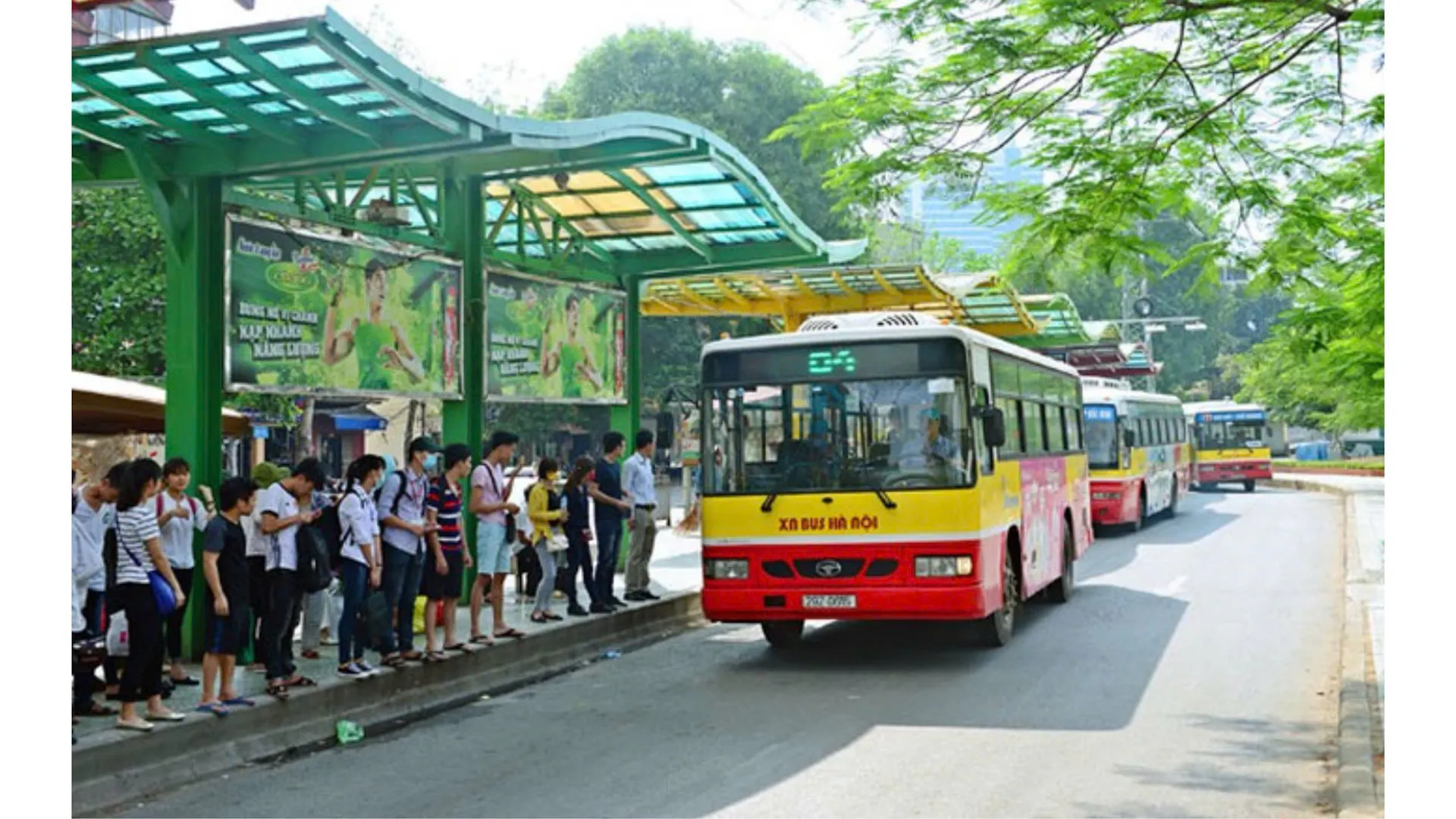
Municipal bus systems (xe buýt) serve as the foundational, high-density backbone of urban transit across Vietnam's primary economic metropolises. In Hanoi, the state-operated Transerco network manages hundreds of interconnected municipal bus routes that thread through the dense guild streets of the historic Old Quarter, sprawling suburban residential quarters, and outer administrative districts. Meanwhile, Ho Chi Minh City’s extensive Saigon Bus network deploys thousands of modern, air-conditioned green and blue vehicles that seamlessly link central commercial District 1 to outlying industrial zones, university campuses, and suburban residential communities. Understanding how to use public transport in Vietnam begins with recognizing how these civic bus corridors are systematically structured. Primary urban trunk routes operate on high-frequency schedules, arriving every five to ten minutes during morning and evening commuting hours, while local feeder routes connect suburban neighborhood terminals to major avenue arteries. Dedicated bus lanes along key urban boulevards allow public coaches to bypass motor vehicle congestion. For international visitors landing at major airport gateways, express municipal airport bus services, such as Hanoi’s Route 86 or Ho Chi Minh City’s Route 152, provide direct, highly affordable, and air-conditioned connectivity between passenger terminals and central hotel district centers, offering an exceptionally reliable, safe, and transparent alternative to unverified private taxi drivers operating outside airport arrival halls.
Practical Ticketing, Apps, and Riding Etiquette
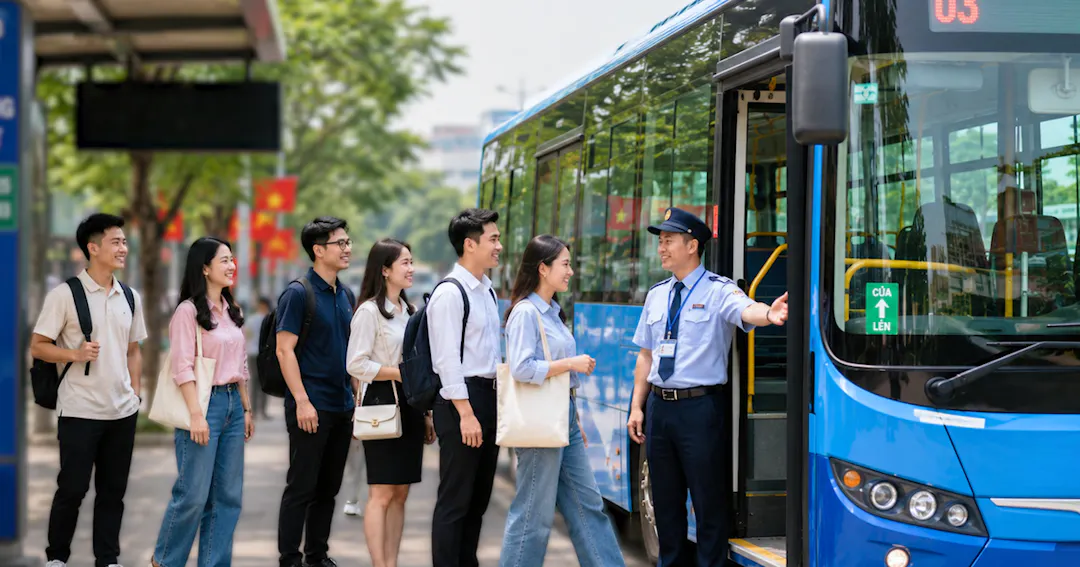
Navigating Vietnam bus and metro systems at street level requires understanding local boarding protocols and leveraging modern digital transit applications. Fare collection across municipal bus networks remains extraordinarily economical, typically costing between seven thousand and fifteen thousand Vietnamese Dong per ride depending on the overall travel distance. Upon stepping through the front doors of a municipal coach, passengers are greeted by a uniformed transit conductor who collects cash fares and issues physical paper receipts. Travelers should maintain small cash denominations, such as ten-thousand or twenty-thousand Dong notes, as conductors cannot easily break large currency bills during peak commuter surges. To eliminate routing ambiguity, urban commuters rely heavily on digital navigation applications like BusMap, an essential mobile tool providing real-time GPS vehicle tracking, accurate arrival countdowns, detailed route maps, and step-by-step transfer instructions for major metropolitan cities. Boarding etiquette dictates allowing elderly citizens, pregnant women, and young children to enter first and occupy designated priority seating located near the front entrance. Passengers should stand ready near the rear exit doors as their destination approaches, signaling the bus driver by pressing the red stop button located on overhead handrails to ensure a prompt, safe, and completely stress-free departure at the upcoming station curb. This simple, respectful riding etiquette fosters immediate goodwill among fellow commuters.
The Dawn of Urban Rail – Metro Lines in Hanoi and Ho Chi Minh City as Highlighted in this Vietnam Public Transport Guide
Modernizing Commuter Corridors with Elevated Metros
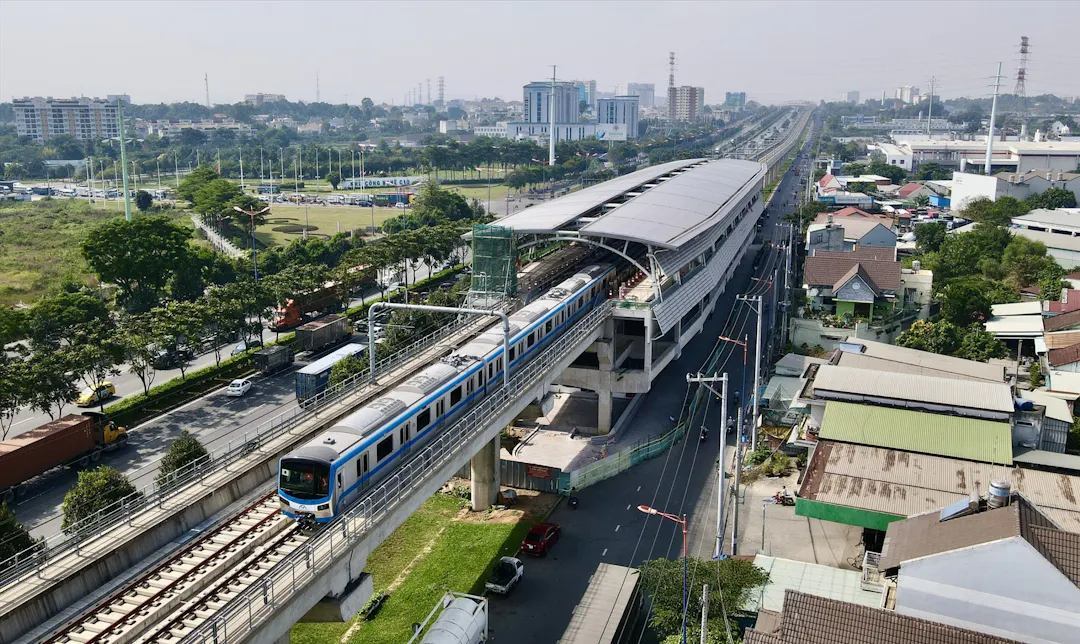
The arrival of modern urban rail systems marks a transformative milestone in Vietnam's urban transportation history, fundamentally altering how residents and travelers experience city transit. In Hanoi, the elevated Line 2A (Cat Linh to Ha Dong) and the elevated section of Line 3 (Nhon to Hanoi Station) represent the vanguard of the capital's rapid transit master plan, sweeping high above congested traffic bottlenecks and slashing commute times between Western suburban districts and the central core. Meanwhile, Ho Chi Minh City achieved a historic civil engineering landmark with the commercial launch of Metro Line 1 (Ben Thanh to Suoi Tien), connecting the iconic Ben Thanh Market in District 1 across the Saigon River to Thu Duc City. These state-of-the-art electric urban trains run quietly along dedicated elevated viaducts and subterranean tunnels, unaffected by surface traffic congestion or weather disruptions. Operating at speeds up to eighty kilometers per hour with departures every five to eight minutes during peak operational windows, urban rail has dramatically compressed travel times, turning what was once a grueling forty-five-minute commute into a smooth, climate-controlled, twelve-minute transit ride. This rapid rail transit infrastructure provides a clean, zero-emission transportation alternative that actively reduces urban carbon footprints while delivering unprecedented daily punctuality for thousands of daily urban commuters.
Station Accessibility, Token Systems, and Integration
Mastering navigating public transit Vietnam cities via elevated and underground metro lines is exceptionally intuitive for international travelers due to standardized, multilingual civic engineering. Modern stations feature expansive concourses equipped with clear English and Vietnamese directional signage, tactile paving for visually impaired commuters, wide escalators, and accessible elevators. To access boarding platforms, passengers interact with automated turnstile gates using single-journey contactless smart tokens or reloadable transit smart cards. Single-ride tokens can be easily purchased from automated multi-lingual touchscreen vending machines using cash or digital QR payment applications. Fares are distance-based, remaining remarkably economical for both short inner-city hops and full-line suburban journeys. Furthermore, civic transit planners have prioritized multi-modal integration, surrounding major metro stations with organized feeder bus bays, secure bicycle parking facilities, and dedicated pedestrian walkways. As municipal transit authorities continue expanding urban rail networks across both major metropolises, these modern transit corridors are rapidly emerging as the preferred choice for exploring historic landmarks, commercial centers, and residential neighborhoods. This thoughtful multi-modal connectivity allows passengers to transition effortlessly between elevated train cars, municipal buses, and pedestrian walking paths without experiencing logistical friction or unnecessary delays.
The National Railway Grid – Public Rail Transport Across Provinces in our Vietnam Public Transport Guide
The State-Run Railway System and the Reunification Express
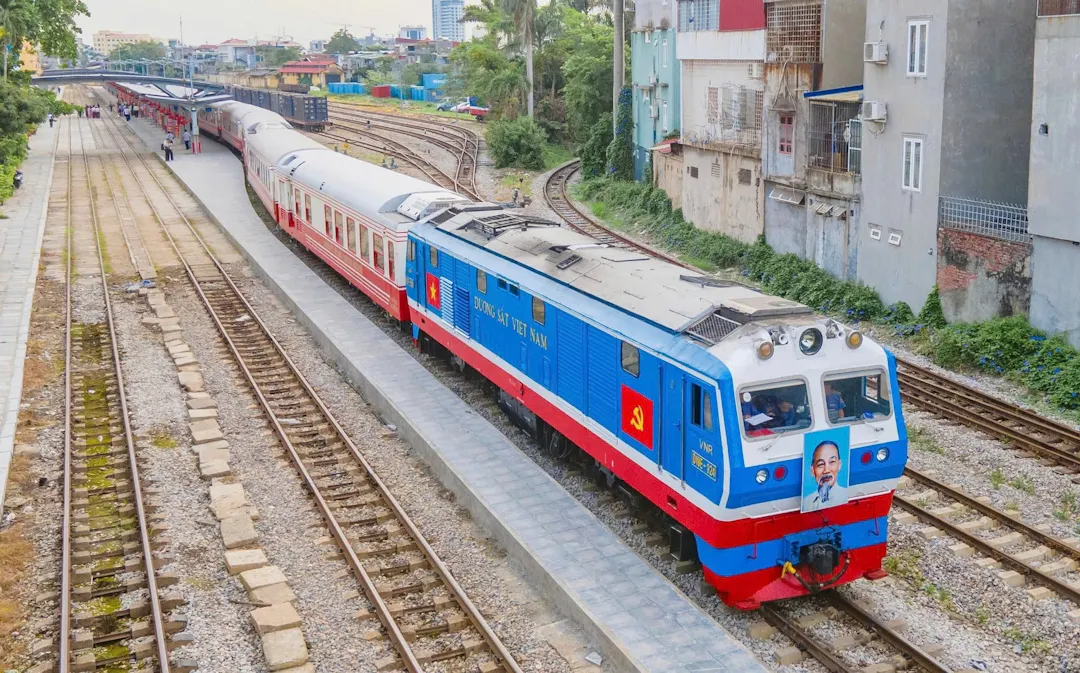
Beyond metropolitan boundaries, the national railway network, operated by state-owned Vietnam Railways (Đường sắt Việt Nam), provides an extensive, highly scenic, and culturally rich public transit framework connecting major provinces from the northern Sino-Vietnamese border down to the southern economic center. The crown jewel of this national grid is the legendary North-South Railway, popularly known as the Reunification Express, which travels over seventeen hundred kilometers between Hanoi and Ho Chi Minh City. Utilizing public trains in Vietnam offers travelers a reflective, comfortable, and visually stunning alternative to highway travel or regional domestic flights. Long-distance passenger trains offer a variety of carriage classes tailored to diverse budgets and travel preferences, ranging from economical hard and soft air-conditioned seats to four-berth soft sleeper cabins equipped with comfortable bedding, private reading lights, and secure lockable doors. The railway line traces a majestic path along the edge of the Annamite Mountain Range and the South China Sea, offering passengers front-row views of emerald rice paddies, rural agrarian villages, and dramatic coastal cliffs that remain completely hidden from major national motorways. This historic coastal railway route remains a testament to national unity and architectural resilience, offering an unhurried, soul-stirring travel experience.
Ticketing Protocols, Station Logistics, and Schedule Management
Securing passage aboard the national rail network requires following established digital and physical ticketing protocols. International travelers should purchase official tickets well in advance, particularly during peak holiday periods like the Lunar New Year, by utilizing the official state railway e-ticketing portal or authorized digital transport aggregators. Official electronic tickets feature a scannable QR code sent directly to your smartphone, allowing passengers to bypass physical station ticket windows and proceed directly through platform boarding gates. Historic urban terminals, such as Hanoi Railway Station or Saigon Railway Station, are equipped with waiting lounges, luggage assistance, and basic food kiosks. Onboard dining cars serve hot meals, instant noodle bowls, traditional Vietnamese coffee, and cold beverages throughout the journey. Because long-distance rail schedules can occasionally experience minor delays due to single-track railway operations and weather maintenance, smart travelers build flexible buffer time into their itineraries, treating the rail journey not merely as a rapid transit connection, but as an immersive, slow-travel cultural experience. This relaxed, contemplative approach to inter-provincial travel reveals authentic glimpses of rural domestic life that high-speed aerial transit simply cannot capture.
Waterways and Coastal Ferries – Public Passenger Ferries in this Vietnam Public Transport Guide
Connecting River Deltas and Island Communities
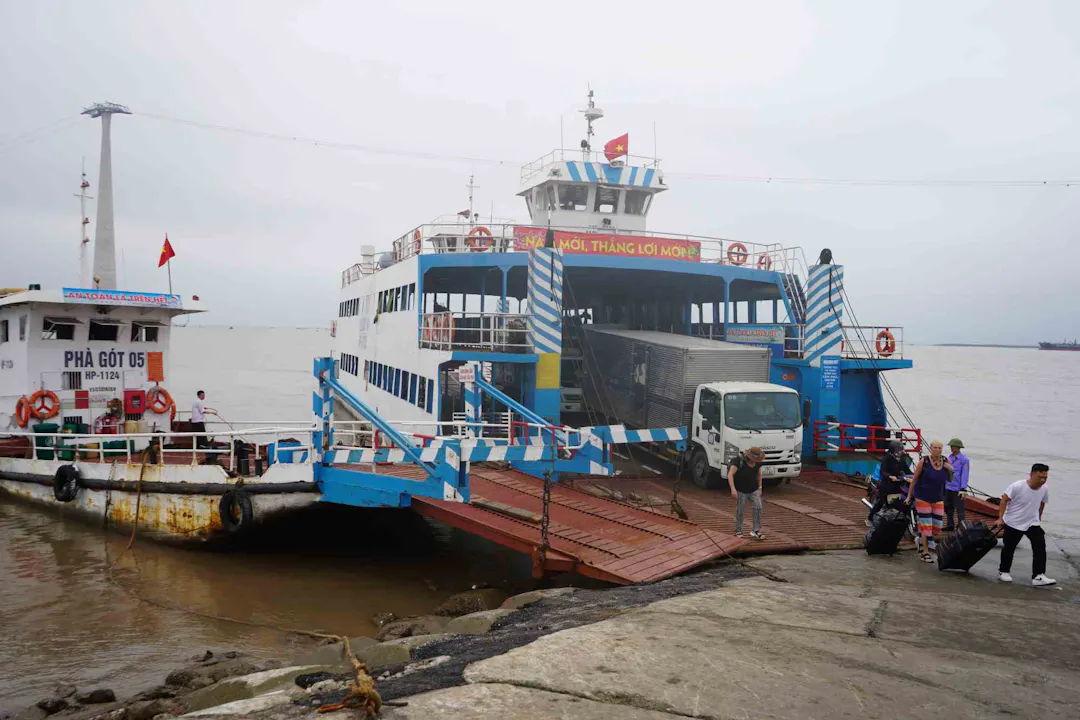
Vietnam's extensive river networks, sprawling coastal estuaries, and offshore archipelagos are bound together by an indispensable public maritime infrastructure composed of passenger ferries (phà), high-speed hydrofoils, and public riverboats. In the fertile expanse of the Mekong Delta, public car and passenger ferries operate continuously across wide distributaries of the Mekong River, connecting isolated agricultural hamlets and provincial market towns where bridge infrastructure is still developing. In major urban centers, public water transit plays an equally vital role; the Ho Chi Minh City Waterbus offers a scenic, highly economical public commuter route along the Saigon River, connecting central District 1 to Thu Duc City. Furthermore, essential public passenger ferries link mainland coastal ports to popular offshore island destinations, such as the high-speed ferry services connecting Ha Tien and Rach Gia to Phu Quoc Island, or the public passenger vessels operating between Hai Phong and Cat Ba Island in Halong Bay.
Safety Measures, Ticketing, and Maritime Infrastructure
Navigating public water transit safely and efficiently requires understanding maritime pier logistics and weather-dependent scheduling realities. Public ferry terminals are organized with dedicated boarding lanes that separate foot passengers from motorbikes and commercial cargo vehicles. Tickets for short river crossings are purchased directly at terminal booths for nominal cash fees, while tickets for long-distance island hydrofoils should be booked in advance through authorized maritime company portals. State maritime safety regulations mandate that all public passenger vessels maintain certified life jackets, secondary emergency rafts, and modern GPS navigation arrays. Because coastal ferry operations in open waters are strictly regulated by maritime authorities, operations can be temporarily suspended during summer tropical storms or rough sea conditions. Travelers incorporating island ferries into their regional travel routes should monitor local weather forecasts closely and maintain flexible travel schedules to accommodate potential weather delays seamlessly.
Essential Strategies for Seamless Public Transit Execution Across the Vietnam Public Transport Guide
Overcoming Language Barriers and Digital Connectivity
Executing a flawless public transit itinerary across Vietnam’s diverse urban and regional networks requires establishing reliable mobile digital connectivity and deploying smart translation tools upon arrival. Securing a local SIM card or digital eSIM with high-speed data enables real-time GPS tracking on transit applications like BusMap or Google Maps, confirms online railway e-tickets, and allows instant navigation through multi-modal transfer terminals. When interacting with transit conductors, station attendants, or ferry pier staff where English proficiency may be limited, utilizing mobile translation applications with voice and camera translation features bridges communication gaps effortlessly. Furthermore, downloading offline map layers and keeping physical destination addresses written in Vietnamese ensures you remain completely oriented, even when passing through temporary network dead zones in rural mountain tunnels or coastal waterways. By pairing modern digital navigation applications with basic local transit etiquette, you transform public transportation into an accessible, empowering, and deeply rewarding method of discovering Southeast Asia.
Conclusion: Embracing the Future of Travel with this Vietnam Public Transport Guide
Ultimately, engaging directly with Vietnam's rich, rapidly evolving public transit ecosystem offers far more than simple point-to-point transportation; it provides an authentic, immersive, and sustainable connection to the everyday rhythms of Southeast Asian life. Whether riding elevated urban metro trains high above bustling city streets, gliding past coastal cliffs aboard the historic Reunification Express, commuting alongside local residents on municipal city buses, or crossing wide delta rivers on public passenger ferries, choosing public transportation elevates your travel experience. By planning your routes thoughtfully, embracing digital ticketing tools, and respecting local commuter etiquette, you unlock the country with complete independence and confidence. Map out your multi-modal transit strategy today and embark on an extraordinary, authentic Vietnamese adventure.
Frequently Asked Questions About Vietnam Public Transport
What types of public transportation are available in Vietnam?
Vietnam offers a wide range of public transportation, including city buses, long-distance coaches, passenger trains, domestic ferries, metro systems in selected cities, and airport shuttle services. These options connect major cities, tourist attractions, and many rural destinations.
Is Vietnam's public transport affordable for tourists?
Yes. Public transportation in Vietnam is generally inexpensive compared to many other countries. City buses and trains offer excellent value, while long-distance buses remain one of the most budget-friendly ways to travel between provinces.
Can tourists use public transportation without speaking Vietnamese?
In most popular tourist destinations, it is possible. Many train stations, airports, and transportation booking platforms provide English information, while navigation apps can help identify routes and stops. Learning a few basic Vietnamese phrases can also be helpful.
Are metro systems available in Vietnam?
Yes. Metro services are gradually expanding in Vietnam's largest cities. Travelers should check the latest operating routes and schedules before their trip, as additional lines may open over time.
What is the most convenient public transport for traveling between cities?
For long-distance journeys, trains and sleeper buses are the most popular public transportation options. Domestic flights are also widely available for travelers who want to reduce travel time when visiting destinations across different regions of Vietnam.
Advertising box
Read More Vietnam Transportation Guides
Explore more expert guides on getting around Vietnam, including flights, trains, buses, ferries, taxis, ride-hailing services, travel costs, transportation safety, route planning, and practical travel tips. Discover everything you need to navigate Vietnam efficiently, comfortably, and confidently from your arrival to your final destination.
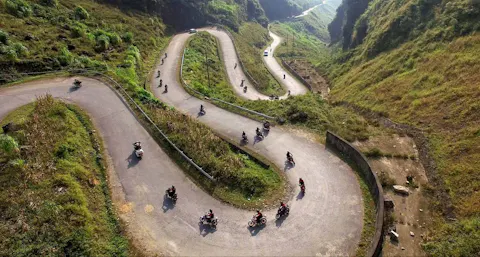
Transportation in Vietnam for Tourists
Vietnam offers a wide range of transportation options that make traveling across the country convenient, affordable, and enjoyable. From domestic flights and scenic train journeys to sleeper buses, ferries, taxis, ride-hailing services, and motorbike rentals, visitors can easily reach every major destination. This guide explains how tourists can navigate Vietnam efficiently, compare transportation choices, understand local travel customs, and select the best option for every itinerary, budget, and travel style.
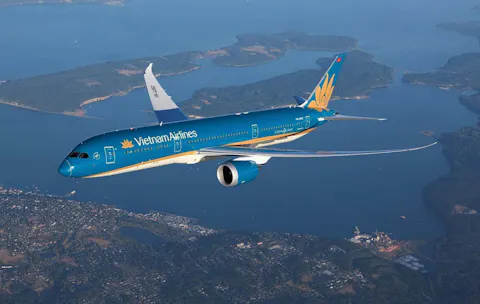
Best Ways to Travel Around Vietnam
Traveling around Vietnam is convenient thanks to its diverse transportation network connecting major cities, remote mountain regions, coastal destinations, and tropical islands. Whether you're planning a budget backpacking adventure or a comfortable family holiday, understanding the advantages of flights, trains, buses, ferries, ride-hailing services, and private transport helps you travel more efficiently. This guide compares Vietnam's transportation options, travel times, costs, and practical advice to help you choose the best way to explore the country.

How to Travel Around Vietnam: Trains, Sleeper Buses, and Domestic Flights
Discover the best ways to travel around Vietnam with this complete transportation guide. From moving between major cities and regions to exploring local destinations, learn about flights, trains, buses, taxis, motorbikes, and private transfers. Vietnam offers flexible travel options for every type of traveler, whether you prefer budget-friendly journeys, scenic routes, or convenient transportation. Go Visit Vietnam provides practical tips to help you plan your routes, choose the right transport, and explore the country comfortably from North to South.
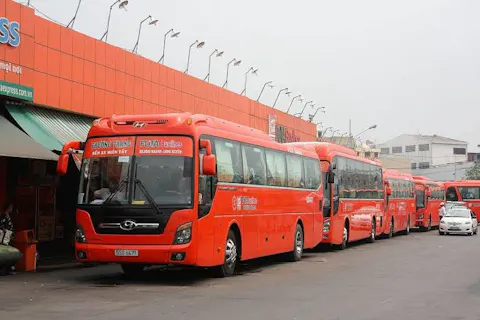
Vietnam Travel Transportation Tips: Smart Ways to Get Around Vietnam
Traveling around Vietnam is simple once you understand the country's transportation options. From choosing the fastest domestic flights and scenic train routes to using ride-hailing apps, sleeper buses, ferries, and motorbike rentals, smart planning can save both time and money. This guide shares practical transportation tips, safety advice, booking recommendations, and local travel insights to help every visitor move confidently between Vietnam's cities, beaches, mountains, islands, and cultural destinations.