
Vietnam Transportation for First-Time Visitors
Traveling around Vietnam for the first time is easier than you might think. With affordable domestic flights, scenic train routes, comfortable sleeper buses, reliable taxis, ride-hailing apps, ferries, and growing public transportation networks, visitors have plenty of convenient options. This beginner-friendly guide explains how transportation works in Vietnam, what to expect, how to choose the right travel method, and practical tips to help first-time travelers move confidently between cities, beaches, mountains, and islands.
On this page
- Conquering Urban Chaos – Ride-Hailing Apps and Safe Taxis for First-Time Visitors
- Long-Distance Road Travel – Sleeper Buses and Private Transfers
- Iron Rails and Scenic Vistas – The National Railway Network
- Navigating the Skies – Domestic Aviation Essentials
- Essential Safety Protocols and Digital Connectivity
- Conclusion
Stepping out of the air-conditioned arrival terminal of an international gateway into the vibrant, sensory-saturated atmosphere of Vietnam is an unforgettable milestone for any global traveler. Your senses are immediately greeted by the warm tropical air, the distant aroma of simmering broth, and, most prominently, the hypnotic, river-like flow of thousands of motorbikes moving in fluid harmony through urban thoroughfares. For novice travelers, the sheer volume and kinetic pace of the country’s multi-modal transit landscape can initially trigger acute logistical anxiety. However, beneath what appears to be chaotic urban movement lies a deeply logical, highly functional, and remarkably efficient transportation web. Mastering Vietnam transportation for first-time visitors does not require years of local experience; it simply demands a clear understanding of fundamental operational rules, the right digital applications on your smartphone, and strategic route planning. By transforming what seems like an intimidating infrastructure puzzle into an empowering, step-by-step blueprint, you unlock an effortless journey across Non nước Việt Nam, navigating smoothly from ancient northern mountains down to the emerald distributaries of the southern delta.
Conquering Urban Chaos – Ride-Hailing Apps and Safe Taxis for First-Time Visitors
Eliminating Negotiation Stress with Digital Apps
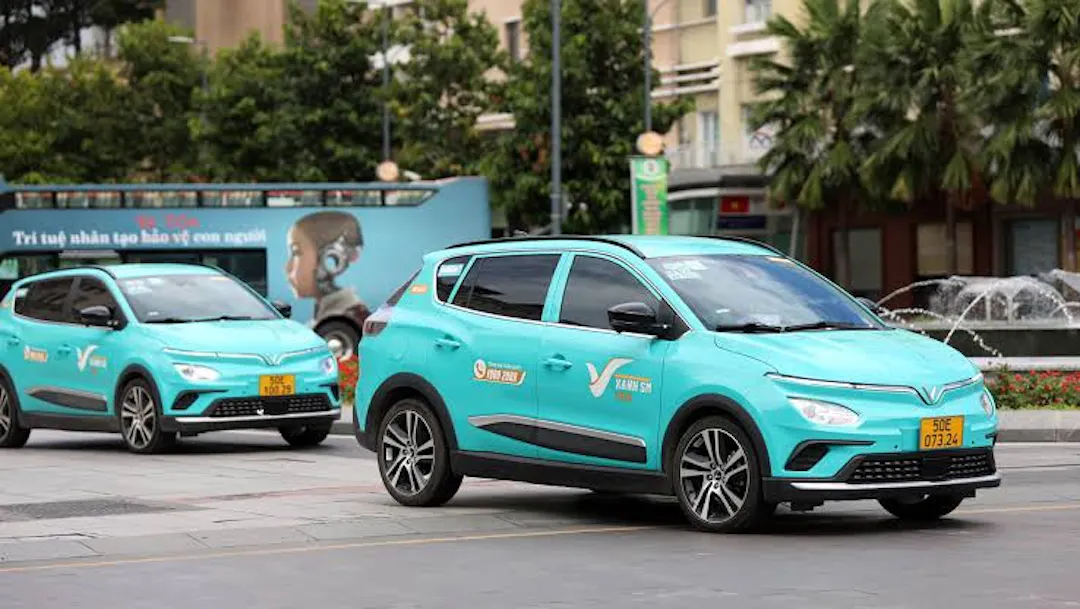
For international novices arriving in major urban hubs like Hanoi, Ho Chi Minh City, or Da Nang, urban transit was historically characterized by language barriers, price negotiations, and currency confusion. Today, mobile technology has completely eliminated these pain points through dominant, user-friendly ride-hailing platforms. The absolute gold standard for urban mobility is Grab, supplemented by popular regional alternatives such as Be and the electric-vehicle provider Xanh SM. Downloading and setting up these applications prior to departure—linking an international credit card to facilitate seamless digital payments—is the single most impactful preparation step a beginner can take. These platforms display exact upfront fares in local currency before you confirm a booking, track your driver's real-time trajectory via GPS, and automatically handle location translation. Whether you request an air-conditioned car for airport transfers or choose a nimble motorbike taxi (xe xe máy) to glide past peak-hour traffic jams, ride-hailing apps guarantee absolute pricing transparency and robust driver accountability.
Navigating Traditional Taxis and Airport Transfer Etiquette
While ride-hailing applications provide maximum peace of mind, traditional metered taxis remain a visible, readily available component of the urban transportation grid outside major international airport arrival halls and railway terminals. For first-time visitors who choose to step into a traditional taxi, distinguishing between legitimate corporate fleets and unauthorized street operators is essential for personal security and financial protection. In the southern and central regions, the green vehicles of Mai Linh Taxi and the white-and-red cars of Vinasun Taxi represent the benchmark for ethical meter operation. In Hanoi and the northern provinces, G7 Taxi offers reliable, standardized service. Beginners should explicitly reject unsolicited offers from independent drivers soliciting inside airport arrival halls, walking instead to the designated, official taxi ranks outside. Always verify that the driver's corporate identification badge is displayed on the dashboard and explicitly confirm that the electronic meter is engaged before the vehicle pulls away from the curb. For airport departures, expecting to pay a small, standardized airport toll added to the final meter total prevents unnecessary fare disputes upon arrival at the departure terminal.
Long-Distance Road Travel – Sleeper Buses and Private Transfers
The Realities of Multi-Tier Sleeper Buses for Beginners
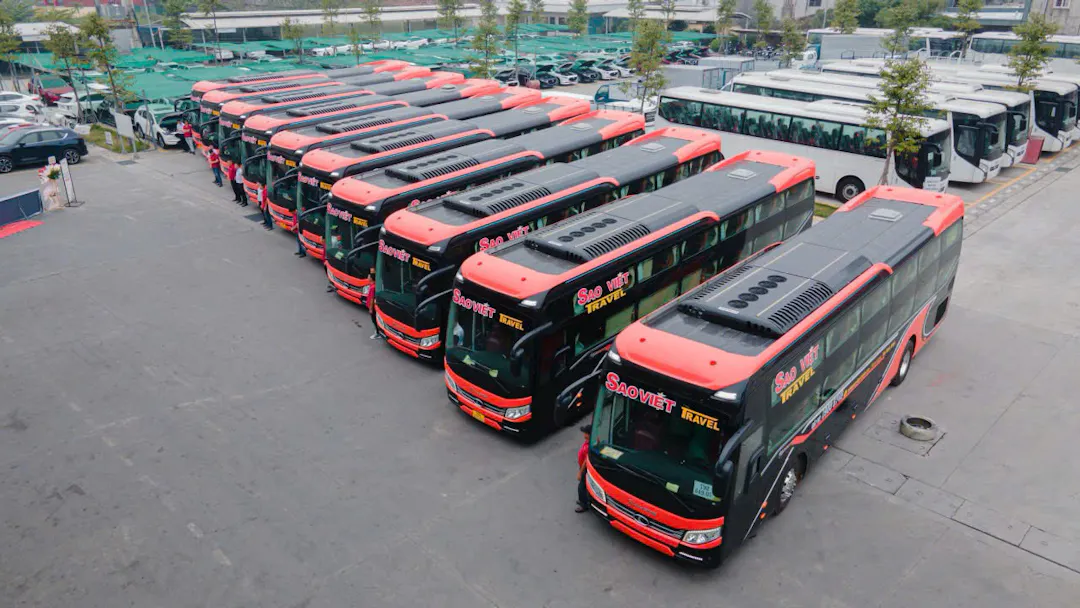
When traveling between regional tourist centers where railway tracks do not reach—such as the mountain passes of Sapa or the coastal enclaves of Mui Ne—long-distance motor coaches provide a flexible, highly economical transit option. The iconic Southeast Asian iteration of this transport is the xe giường nằm (sleeper bus), a specialized long-distance vehicle fitted with stacked, reclining bunk beds arranged in three parallel rows. For first-time travelers, boarding a sleeper bus requires adapting to unique cultural and physical protocols. Upon crossing the vehicle threshold, passengers are required to remove their shoes, placing them into a plastic bag provided by the bus attendant before walking down the carpeted aisle. When booking seats through trusted digital aggregators, novices should opt for lower-deck berths near the middle of the bus; this placement minimizes lateral sway on winding mountain roads and reduces exposure to bright oncoming headlights. Additionally, packing a small daypack containing warm layers to combat aggressive air conditioning, noise-canceling earplugs, and essential electronic devices ensures a comfortable overnight journey while your primary luggage remains locked in the lower cargo hold.
Luxury Limousine Vans and Private Car Comforts
For beginners who feel apprehensive about navigating public sleeper bus terminals or who find standard bunk dimensions restrictive, the modern VIP limousine van represents the ultimate overland upgrade. These heavily modified, 9-to-11-seat transit vans operate heavily trafficked corridors across the country, bridging the gap between public buses and private hires. Outfitted with plush leather captain's chairs that recline deeply, dedicated USB charging ports, personal reading lights, and smooth air suspension systems, VIP limousine vans offer a superior level of physical comfort and personal space. Furthermore, many limousine operators offer convenient hotel-to-hotel pickup and drop-off services, completely eliminating the stress of navigating chaotic inter-provincial bus stations. For small families, couples, or multi-generational groups traveling together, chartering a private car with an experienced local driver stands as the gold standard of stress-free travel, granting total authority over departure schedules, roadside photo stops, and meal breaks throughout the day.
Iron Rails and Scenic Vistas – The National Railway Network
Demystifying the Reunification Express for Novice Travelers
For travelers who prefer a romantic, grounded, and deeply atmospheric journey through the countryside, the national railway network operated by state-run Vietnam Railways offers a classic transit experience. The central artery of this iron network is the single-gauge track known historically as the Reunification Express, which runs continuously over seventeen hundred kilometers between Hanoi and Ho Chi Minh City. Demystifying train travel (tàu hỏa) for first-timers begins with selecting the correct carriage class. For daytime regional journeys under four hours, padded soft seats (ghế mềm) offer an affordable, panoramic perspective. For overnight journeys, booking a berth in a four-berth soft sleeper cabin (giường nằm mềm) provides a comfortable, private compartment complete with air conditioning, clean bedding, and a lockable door. Novice travelers should purchase official railway tickets well in advance directly through the official state railway e-ticketing portal or through established, transparent booking aggregators, receiving a digital electronic ticket with a scannable QR code that allows direct passage through platform boarding gates.
Capitalizing on Coastal Rail Scenery
Beyond serving as a practical transit connection between provinces, taking the train offers first-time visitors a front-row seat to some of the most spectacular coastal and agricultural scenery in Southeast Asia. The undisputed crown jewel of the national rail network is the three-hour coastal segment connecting the imperial city of Hue to the coastal metropolis of Da Nang. Along this legendary stretch of track, the train painstakingly ascends the steep curves of the Hai Van Pass, clinging precariously to the jungle-clad slopes of the Annamite Mountain Range. From observation windows, passengers gaze directly down at deserted crescent-shaped beaches, pristine coves, and the crashing waves of the sea far below. Integrating this specific daytime rail segment into your inaugural itinerary allows you to pause the high-speed rhythm of air travel, offering a contemplative, visually stunning window into the rural topography that remains entirely invisible from major high-speed motorways.

Navigating the Skies – Domestic Aviation Essentials
Choosing Regional Carriers and Managing Luggage Limits
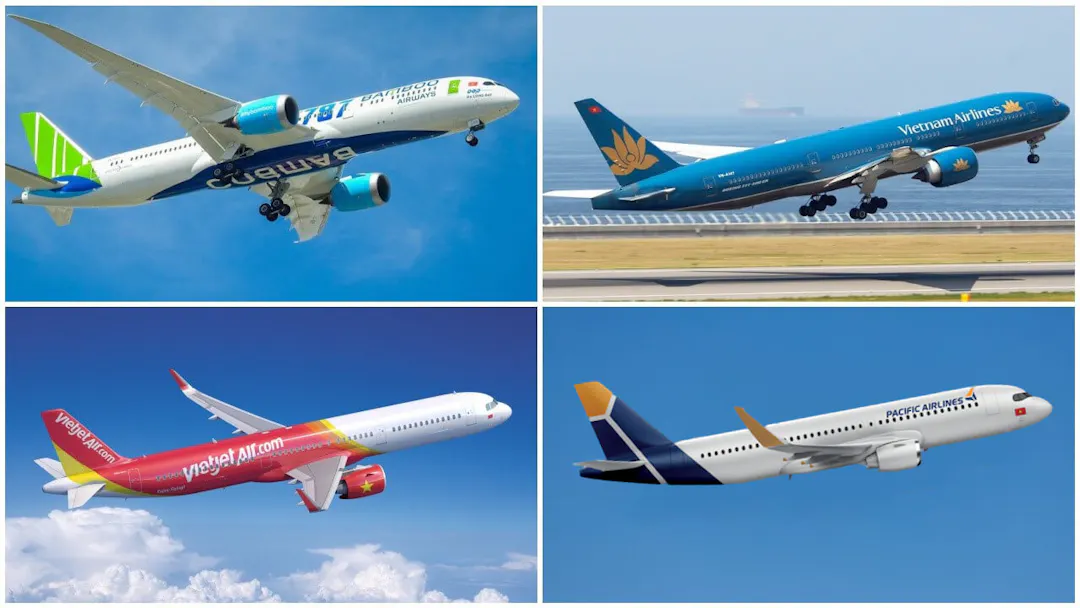
When your itinerary requires covering vast latitudinal distances—such as jumping directly from the northern capital of Hanoi down to the central beaches of Da Nang or the southern metropolis of Saigon—domestic air travel is an efficient choice. The domestic aviation ecosystem is anchored by the full-service national flag carrier, Vietnam Airlines, alongside low-cost operators including Vietjet Air and Bamboo Airways. For first-time travelers, navigating domestic air travel requires paying strict attention to carrier-specific baggage weight limits and fare structures. Full-service tickets on Vietnam Airlines generally include checked luggage allowances (typically 23kg) and standard carry-on limits in the base ticket price. Conversely, low-cost carriers like Vietjet enforce a strict 7kg carry-on weight limit that includes small personal items, assessing hefty baggage penalties at check-in counters if additional weight is not pre-purchased online in advance. Purchasing checked baggage allowances online during the initial ticket reservation process prevents costly airport delays and ensures a seamless transition through regional airport terminals.
Balancing Time Efficiency with Ground Immersion
While the chronological efficiency of flying is undeniable—compressing a thirty-hour overland journey into a swift, seventy-five-minute flight—elite travel logistics strategists caution beginners against relying exclusively on domestic air travel. Overusing air transit fragments the geographical narrative of your trip, whisking you between climate-controlled airport concourses while completely bypassing the subtle cultural, culinary, and landscape transitions of the countryside. The ultimate flight planning strategy for first-time visitors involves creating a hybrid multi-modal itinerary. Utilize domestic flights strategically for major cross-country leaps across vast distances, but reserve scenic rail journeys, VIP limousine vans, or private cars for regional exploration between neighboring provinces. This balanced approach preserves precious vacation hours while guaranteeing deep, grounded engagement with the authentic local environment.
Essential Safety Protocols and Digital Connectivity
Securing Mobile Data and Real-Time Navigation
The absolute bedrock of safety, personal confidence, and operational control when navigating an unfamiliar foreign transport system is maintaining continuous, high-speed mobile internet connectivity. Upon touching down at your entry airport, securing a local SIM card or pre-installing a digital eSIM with unlimited or high-volume data provides instant access to crucial navigation tools. Persistent mobile data enables real-time location tracking via GPS on Google Maps or BusMap, allowing you to independently verify your taxi's route, track train approaches, and communicate instantly with ride-hailing drivers via built-in translation tools. Furthermore, maintaining uninterrupted digital access allows you to store electronic boarding passes, retrieve digital hotel reservations, and monitor real-time schedule updates across all your transit providers. By pairing robust mobile connectivity with basic situational awareness—such as keeping personal daypacks secure on public transport and confirming prices through digital apps—you eliminate the uncertainty of foreign transit entirely. This technological preparedness transforms an intimidating logistical puzzle into a highly secure, fluid, and empowering international adventure.
Conclusion
Ultimately, mastering Vietnam transportation for first-time visitors is the master key that transforms an ambitious international trip into a seamless, deeply rewarding travel achievement. By embracing the digital transparency of ride-hailing apps, selecting reputable metered taxis, utilizing comfortable VIP limousine vans, and balancing scenic railway routes with strategic domestic flights, you completely eliminate logistical friction. Vietnam’s transportation network is not an obstacle to be endured, but a dynamic, captivating element of the culture itself. Step forward with absolute confidence, set up your digital tools, secure your mobile connectivity, and map out your extraordinary inaugural adventure across Vietnam today.
Frequently Asked Questions About Vietnam Transportation for First-Time Visitors
What is the easiest way for first-time visitors to travel around Vietnam?
For most first-time travelers, a combination of domestic flights for long distances and taxis or ride-hailing services within cities is the most convenient option. Trains and sleeper buses are excellent alternatives for travelers who prefer slower, more scenic journeys.
Do I need to book transportation before arriving in Vietnam?
It's recommended to book flights, trains, and long-distance buses in advance, especially during weekends, holidays, and peak travel seasons. Local transportation such as taxis and ride-hailing services can usually be arranged whenever needed.
Are transportation services in Vietnam tourist-friendly?
Yes. Major transportation providers, airports, railway stations, and online booking platforms often provide English-language information. Ride-hailing apps also make it easy for international visitors to travel without language barriers.
Is it easy to travel between Vietnam's major tourist destinations?
Absolutely. Popular destinations such as Hanoi, Ha Long Bay, Ninh Binh, Da Nang, Hoi An, Hue, Ho Chi Minh City, Nha Trang, and Phu Quoc are well connected by flights, trains, buses, and highways, making multi-city itineraries simple to plan.
What transportation tips should first-time visitors know?
Allow extra travel time during holidays, use licensed transportation providers, compare prices before booking, keep some Vietnamese Dong for smaller transport services, download offline maps, and choose transportation based on distance rather than price alone to make your journey more comfortable.
Advertising box
Read More Vietnam Transportation Guides
Explore more expert guides on getting around Vietnam, including flights, trains, buses, ferries, taxis, ride-hailing services, travel costs, transportation safety, route planning, and practical travel tips. Discover everything you need to navigate Vietnam efficiently, comfortably, and confidently from your arrival to your final destination.
Vietnam Transport Costs: Budget Guide for Getting Around Vietnam
Understanding transportation costs helps travelers plan a realistic budget for exploring Vietnam. Whether you're taking domestic flights, scenic train journeys, sleeper buses, ferries, taxis, ride-hailing services, or renting a motorbike, travel expenses can vary depending on distance, season, and destination. This guide explains typical transportation costs across Vietnam, compares different travel options, and shares practical tips for saving money while traveling comfortably throughout the country.
Vietnam Travel Transportation Tips: Smart Ways to Get Around Vietnam
Traveling around Vietnam is simple once you understand the country's transportation options. From choosing the fastest domestic flights and scenic train routes to using ride-hailing apps, sleeper buses, ferries, and motorbike rentals, smart planning can save both time and money. This guide shares practical transportation tips, safety advice, booking recommendations, and local travel insights to help every visitor move confidently between Vietnam's cities, beaches, mountains, islands, and cultural destinations.
Vietnam Public Transport Guide: Buses, Trains, Metro & Local Travel
Vietnam's public transportation network provides affordable and practical ways to explore the country's cities and regions. From long-distance trains and intercity buses to urban buses, metro systems, ferries, and local transport, visitors have numerous options for traveling efficiently. Whether you're navigating Hanoi, Ho Chi Minh City, or planning cross-country adventures, this guide explains how Vietnam's public transport works, compares different services, and offers practical tips to help tourists travel safely, comfortably, and economically.
Transportation in Vietnam for Tourists
Vietnam offers a wide range of transportation options that make traveling across the country convenient, affordable, and enjoyable. From domestic flights and scenic train journeys to sleeper buses, ferries, taxis, ride-hailing services, and motorbike rentals, visitors can easily reach every major destination. This guide explains how tourists can navigate Vietnam efficiently, compare transportation choices, understand local travel customs, and select the best option for every itinerary, budget, and travel style.