
Vietnam Transport Safety Guide
Vietnam is a safe and welcoming destination, but understanding local transportation practices can make your journey even smoother. Whether you're taking domestic flights, riding trains, using sleeper buses, booking taxis, catching ferries, or renting a motorbike, a few simple precautions can help you travel with confidence. This guide shares practical transportation safety advice, common travel tips, and useful recommendations so first-time visitors can explore Vietnam comfortably, responsibly, and safely throughout their trip.
On this page
- Decoding Urban Traffic Dynamics and Pedestrian Safety
- The Two-Wheel Dilemma – Motorcycle Safety and Risk Mitigation
- Long-Distance Road Travel – Buses, Limousines, and Highway Security
- Rails, Skies, and Waterways – Aviation and Maritime Safety
- Emergency Preparedness and Travel Insurance Essentials
- Conclusion
Stepping into the vibrant, high-energy environment of Vietnam exposes travelers to one of the most exhilarating yet logistically demanding transport landscapes in Southeast Asia. From the dense, river-like swarms of motorbikes threading through the historic avenues of Hanoi and Ho Chi Minh City to the winding, high-altitude mountain passes of the far north, moving through this nation is an intensely kinetic experience. This authoritative Vietnam transport safety guide provides a rigorous, professional framework designed to identify infrastructural hazards, evaluate operator reliability, and implement proactive risk mitigation strategies across every mode of travel in Non nước Việt Nam. While traversing the country offers profound cultural and geographical rewards, understanding how to travel safely in Vietnam requires moving beyond passive tourist assumptions. By adopting a disciplined approach to road safety, vehicle selection, digital tracking, and emergency preparedness, you transform potential transit vulnerabilities into a highly secure, empowering, and stress-free journey.
Decoding Urban Traffic Dynamics and Pedestrian Safety
Mastering the Art of Crossing Vietnamese City Streets
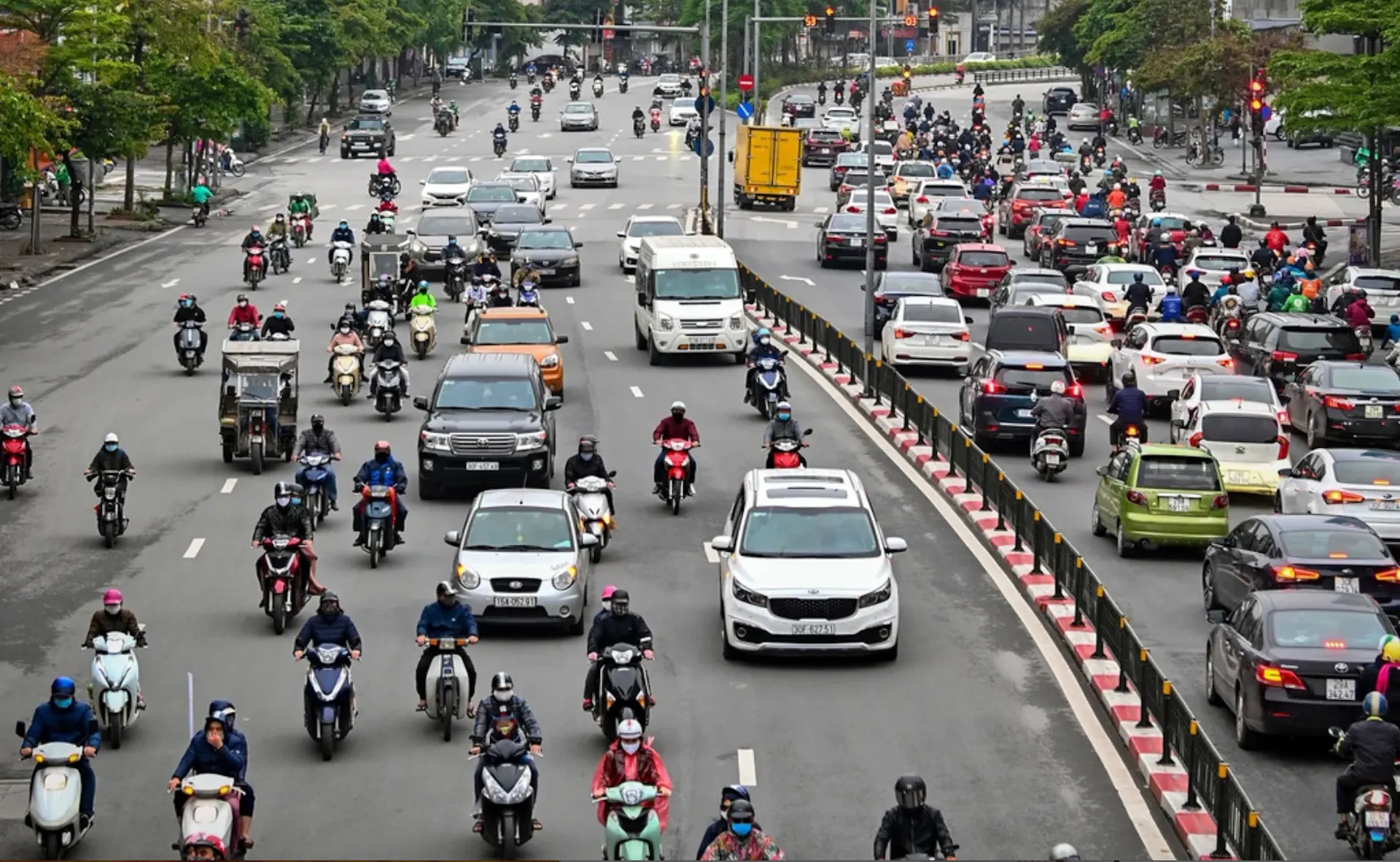
Navigating urban traffic dynamics in major metropolises presents an immediate psychological and physical challenge for international visitors. The sheer density of two-wheeled traffic creates a continuous, highly fluid stream of motion where traditional traffic signals and pedestrian right-of-way rules are often interpreted with extreme flexibility. Understanding road safety and transport hazards Vietnam begins at street level with the physics and psychology of pedestrian road crossing. The golden rule for pedestrians in cities like Hanoi or Saigon is to maintain a slow, steady, and entirely predictable forward momentum. When stepping off the curb, you must never make sudden, erratic backward movements or unpredictable pauses. Local riders calculate their evasive trajectories based on your forward movement; remaining predictable allows the surrounding sea of motorbikes (xe máy) to naturally flow around you like water around a river stone. Making calm eye contact with oncoming riders while crossing at a measured pace ensures safe passage across even the most daunting urban thoroughfares.
Leveraging Ride-Hailing Apps for Urban Security
The digital revolution in urban transport has significantly enhanced personal security and reduced street-level vulnerabilities for international travelers. Utilizing verified ride-hailing applications like Grab, Be, or Xanh SM represents a fundamental layer of transport security and scams Vietnam mitigation. These digital platforms eliminate the security risks historically associated with unmetered street taxis, such as manipulated meters, deliberate route lengthening, or verbal fare extortion in entertainment districts. Ride-hailing applications enforce strict driver verification, display transparent upfront pricing, and integrate real-time GPS trajectory tracking that can be shared instantly with trusted emergency contacts. Furthermore, if you choose to utilize motorcycle taxi services through these applications, the platform mandates that drivers provide passenger helmets, ensuring baseline physical protection during short city commutes while maintaining a complete digital audit trail of your journey.
The Two-Wheel Dilemma – Motorcycle Safety and Risk Mitigation
Assessing the Realities of Scooter Rental and Independent Riding
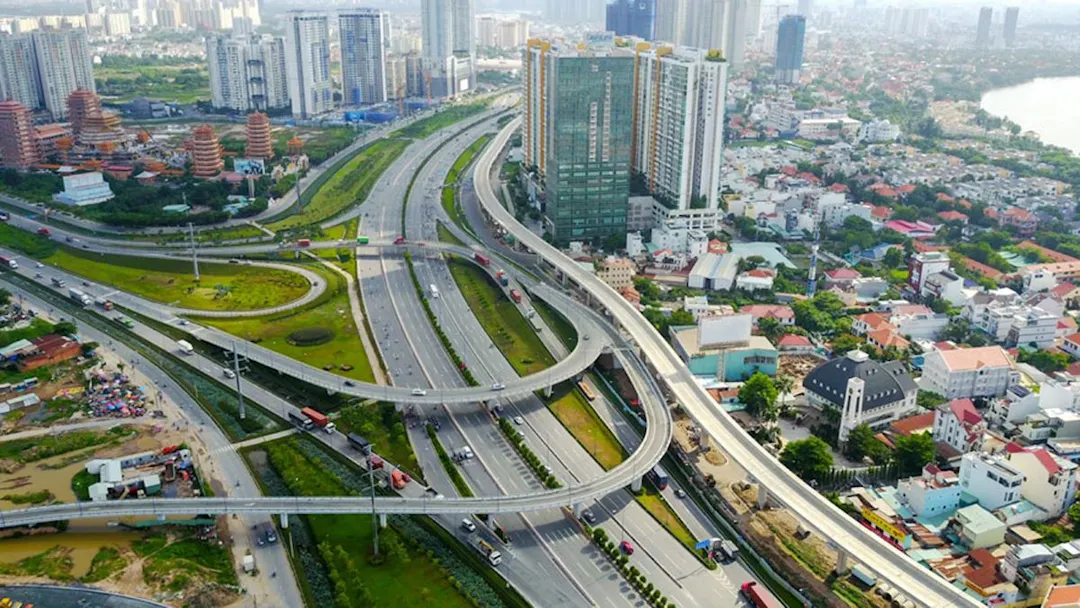
The romantic image of riding a scooter across Vietnam's countryside attracts thousands of adventurers annually, yet it remains statistically the single greatest source of severe injury and medical evacuation for foreign travelers. A professional risk assessment of independent riding reveals significant legal and physical hazards. Operating a motorbike without a valid International Driving Permit (IDP) endorsed specifically for motorcycles under the 1968 Vienna Convention violates domestic Vietnamese law, automatically invalidating most international travel insurance policies in the event of an accident. Furthermore, novice riders operating rental scooters encounter unpredictable road hazards, including unannounced road construction, loose gravel on mountain bends, agricultural livestock crossings, and heavy commercial trucks executing aggressive overtaking maneuvers on narrow two-lane highways. Renting a vehicle without prior multi-gear motorcycle experience or an understanding of local traffic habits introduces unacceptable physical vulnerabilities.
Essential Protocols for Choosing Safer Two-Wheel Travel
For travelers who choose to experience two-wheeled travel, implementing strict motorcycle safety travel tips Vietnam is mandatory to mitigate physical risk. First, always inspect rental vehicles for mechanical integrity, prioritizing functioning front and rear brakes, clear mirrors, working headlights, and adequate tire tread depth before leaving the rental depot. Second, reject basic lightweight plastic novelty helmets, insisting instead on certified, full-face or three-quarter coverage helmets that conform to international safety standards (such as ECE or DOT) or Vietnamese national standard QCVN 2. Third, avoid riding after dark along rural mountain passes, where road illumination is non-existent and heavy long-distance freight trucks dominate the lanes. Finally, if you desire to experience legendary routes like the Ha Giang Loop or the Hai Van Pass without the severe risks of self-driving, hire a licensed, professional local driver ("Easy Rider") through a reputable, safety-audited tour operator, allowing an experienced professional to navigate the hazardous terrain while you remain securely seated as a passenger.
Long-Distance Road Travel – Buses, Limousines, and Highway Security
Navigating Sleeper Bus Safety Standards and Bunk Logistics
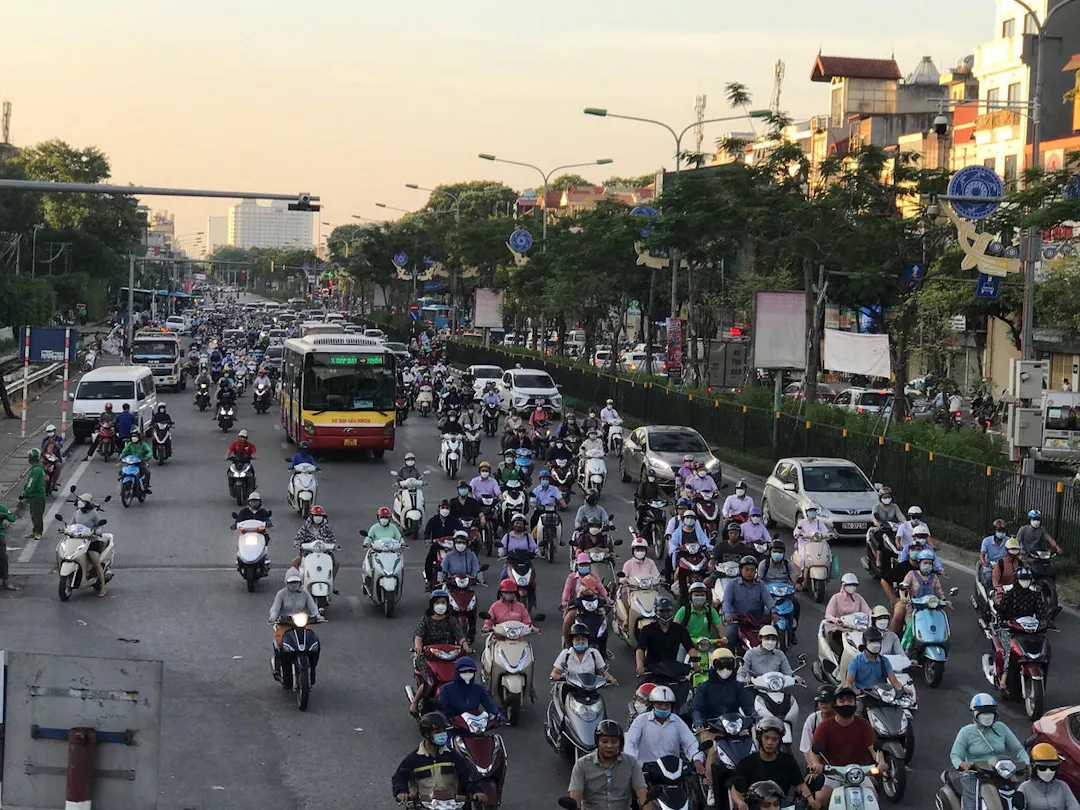
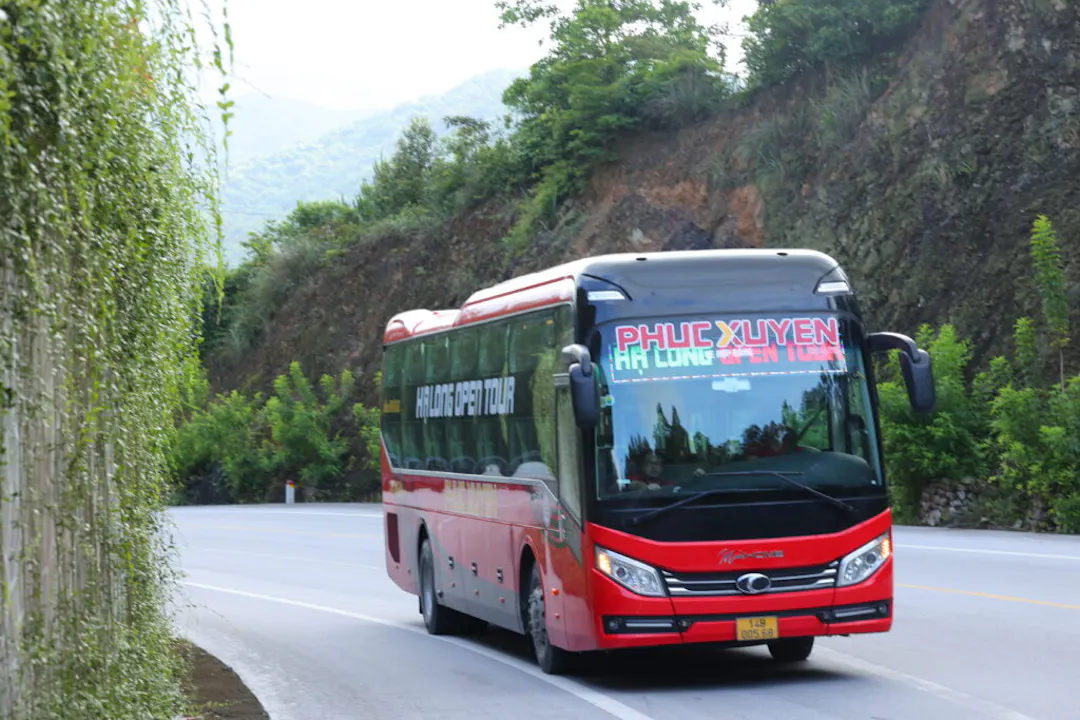
Inter-provincial road travel frequently relies on long-distance multi-tier sleeper buses (xe giường nằm), which carry unique safety considerations that demand careful management. A rigorous safety audit of sleeper bus safety Vietnam reveals that vehicle maintenance standards and driver fatigue management vary dramatically between operators. When booking an overnight sleeper coach, select a lower-deck bunk located toward the middle of the bus chassis. Upper-deck bunks experience significantly greater lateral sway and vibration during sudden highway maneuvers, while rear-row bunks place passengers directly over the rear axle, maximizing impact force over rough road terrain. Additionally, ensure that your individual bunk is equipped with a fully functional three-point seatbelt, and keep it buckled throughout the night. Keep your primary valuables, passports, and medication inside a small daypack secured directly within your bunk space rather than placing them in overhead bins or lower cargo holds, protecting your essentials against opportunistic theft during nighttime rest stops.
Evaluating Highway Infrastructure and Operator Reliability
Highway safety is heavily dictated by your choice of transport provider and route selection. Major national arteries, such as National Highway 1A, carry high volumes of mixed traffic, including heavy freight vehicles, long-distance coaches, and local motorbikes, creating a complex high-speed environment. To maximize personal security during long-distance overland transfers, avoid cut-rate, unverified budget bus operators that frequently exceed capacity limits, make dangerous unscheduled roadside pickups, or enforce grueling, unbroken driving shifts on their personnel. Instead, select established, highly rated transport companies such as Futa Buslines (Phuong Trang) or premium VIP Limousine van services that utilize modern, speed-governed fleets and enforce strict driver rotation schedules. Premium operators maintain their vehicles to rigorous mechanical standards, equip buses with active GPS speed monitoring, and prioritize passenger safety over aggressive arrival schedules.
Rails, Skies, and Waterways – Aviation and Maritime Safety
International Aviation Standards and State Railway Security
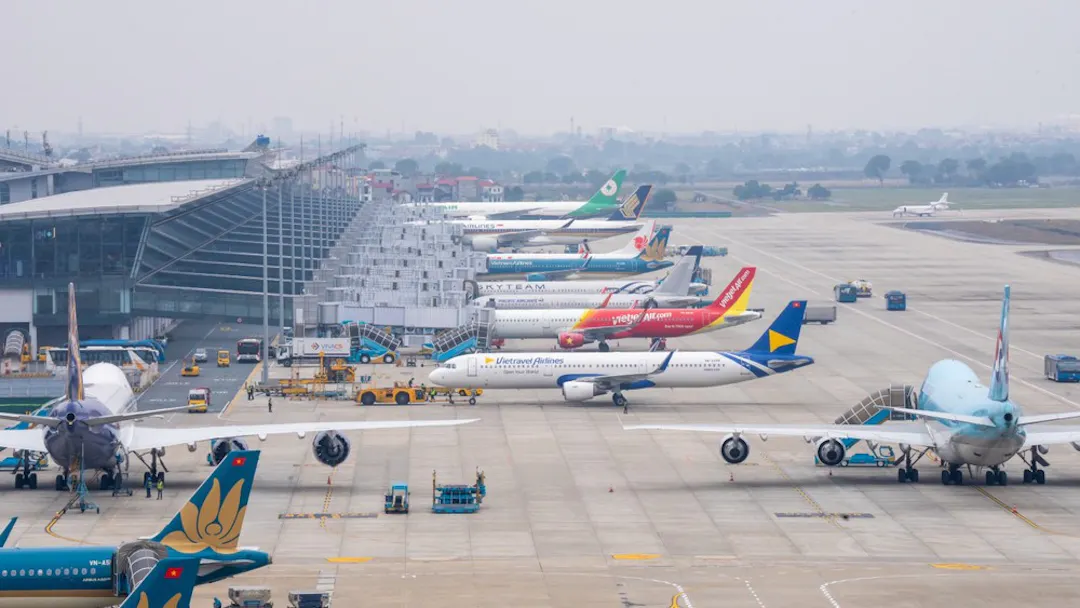
From an empirical transport safety perspective, domestic aviation and the state-run railway network represent statistically the absolute safest modes of long-distance transit across Vietnam. The domestic aviation sector, overseen by the Civil Aviation Authority of Vietnam (CAAV), maintains an exemplary modern safety record, with primary carriers such as Vietnam Airlines, Bamboo Airways, and Vietjet Air operating young fleets of modern Airbus and Boeing aircraft that adhere to strict International Air Transport Association (IATA) operational safety audits. Similarly, the national railway grid (tàu hỏa), operated by state-run Vietnam Railways, offers an exceptionally secure, low-risk overland option. While coastal trains move at a modest, contemplative pace, passenger carriages are structurally robust, and track infrastructure is continuously monitored, making rail travel the premier risk-averse choice for families, elderly travelers, and safety-conscious explorers moving between provinces.
Maritime Navigation and Ferry Safety Protocols
Exploring Vietnam’s coastal archipelagos and river systems—such as Halong Bay, Cat Ba Island, or the Mekong Delta—requires navigating public passenger ferries (phà), high-speed hydrofoils, and overnight cruise vessels. Maritime transit security relies heavily on weather monitoring and personal safety compliance. Before embarking on any maritime excursion or overnight bay cruise, verify that the vessel is officially licensed, equipped with visible, easily accessible personal flotation devices (life jackets) for all passengers, and carries functional emergency life rafts and marine communication arrays. During the summer monsoon season (July through September), sudden tropical depressions can create severe sea conditions in open waters; always respect official coast guard sailing bans and avoid boarding small, unverified wooden passenger craft during heavy weather warnings. Wearing a life jacket during open-water transfers and remaining aware of emergency exit locations aboard passenger ferries ensures a high baseline of maritime security.
Emergency Preparedness and Travel Insurance Essentials
Preparing for Medical Emergencies and Evacuation Logistics
The ultimate foundation of any comprehensive transport safety strategy is establishing a robust emergency response and financial protection plan before setting out. In the event of a road accident or medical emergency in rural provinces, local medical facilities may lack the advanced surgical equipment or trauma care infrastructure required for critical injuries. Therefore, securing comprehensive international travel insurance that explicitly covers medical treatment, hospitalization, and high-cost emergency medical evacuation is an absolute, non-negotiable requirement for responsible travel. Ensure your policy documentation is saved offline on your smartphone alongside emergency 24/7 hotline numbers. Additionally, maintain access to digital copies of your passport, medical history, and blood type, while keeping a basic first-aid kit containing sterile dressings, antiseptic wipes, and essential medications in your primary daypack for immediate access during remote travel transitions.
Conclusion
Ultimately, cultivating an authoritative, proactive approach to safety empowers you to explore Vietnam’s captivating landscapes, historic cities, and vibrant river deltas with absolute peace of mind and total confidence. By implementing steady pedestrian crossing techniques, utilizing verified ride-hailing applications, selecting high-tier transport operators, prioritizing certified helmet standards, and securing comprehensive travel insurance, you effectively eliminate unnecessary travel vulnerabilities. Respect local transit hazards, prioritize mechanical integrity over low costs, and apply this Vietnam transport safety guide to ensure an extraordinary, deeply rewarding, and completely secure adventure across Southeast Asia today.
Frequently Asked Questions About Vietnam Transport Safety
Is public transportation in Vietnam safe for tourists?
Yes. Public transportation in Vietnam is generally safe for visitors. Domestic flights, trains, licensed buses, and ferries are widely used by both locals and international travelers. As with any destination, it's best to use reputable operators and keep an eye on your personal belongings.
How can I avoid taxi scams in Vietnam?
Choose licensed taxi companies or use trusted ride-hailing apps that display the fare before your trip. Avoid unofficial drivers approaching you at airports or tourist attractions, and confirm your destination before starting the journey.
Is renting a motorbike recommended for first-time visitors?
Motorbike rentals are popular, but they are best suited to experienced riders. Vietnam's traffic can be busy in large cities, so first-time visitors may find taxis, ride-hailing services, or private transfers to be safer and more comfortable.
What should I do to keep my belongings safe while traveling?
Keep valuables close to you, avoid leaving luggage unattended, use hotel safes when available, and secure bags during bus or train journeys. Carry only what you need for the day and keep digital copies of important travel documents.
What are the most important transportation safety tips in Vietnam?
Wear a helmet if riding a motorbike, follow local safety instructions, book transportation through reputable providers, arrive early for departures, check weather conditions before ferry trips, and always carry travel insurance for additional peace of mind.
Advertising box
Read More Vietnam Transportation Guides
Explore more expert guides on getting around Vietnam, including flights, trains, buses, ferries, taxis, ride-hailing services, travel costs, transportation safety, route planning, and practical travel tips. Discover everything you need to navigate Vietnam efficiently, comfortably, and confidently from your arrival to your final destination.
Vietnam Transportation for First-Time Visitors
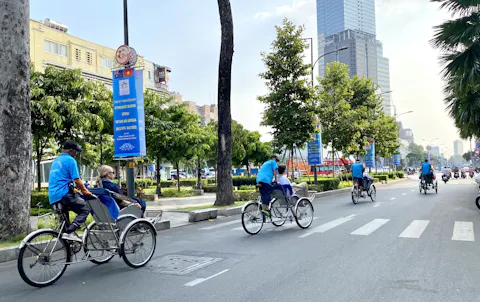
Traveling around Vietnam for the first time is easier than you might think. With affordable domestic flights, scenic train routes, comfortable sleeper buses, reliable taxis, ride-hailing apps, ferries, and growing public transportation networks, visitors have plenty of convenient options. This beginner-friendly guide explains how transportation works in Vietnam, what to expect, how to choose the right travel method, and practical tips to help first-time travelers move confidently between cities, beaches, mountains, and islands.
Vietnam Transport Costs: Budget Guide for Getting Around Vietnam
Understanding transportation costs helps travelers plan a realistic budget for exploring Vietnam. Whether you're taking domestic flights, scenic train journeys, sleeper buses, ferries, taxis, ride-hailing services, or renting a motorbike, travel expenses can vary depending on distance, season, and destination. This guide explains typical transportation costs across Vietnam, compares different travel options, and shares practical tips for saving money while traveling comfortably throughout the country.
Vietnam Travel Transportation Tips: Smart Ways to Get Around Vietnam
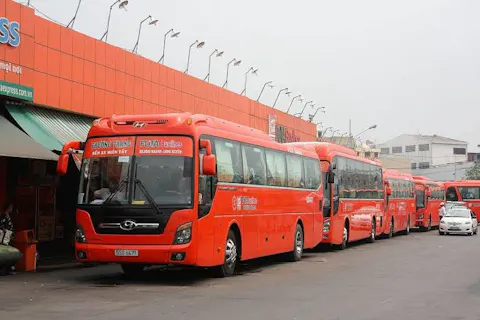
Traveling around Vietnam is simple once you understand the country's transportation options. From choosing the fastest domestic flights and scenic train routes to using ride-hailing apps, sleeper buses, ferries, and motorbike rentals, smart planning can save both time and money. This guide shares practical transportation tips, safety advice, booking recommendations, and local travel insights to help every visitor move confidently between Vietnam's cities, beaches, mountains, islands, and cultural destinations.
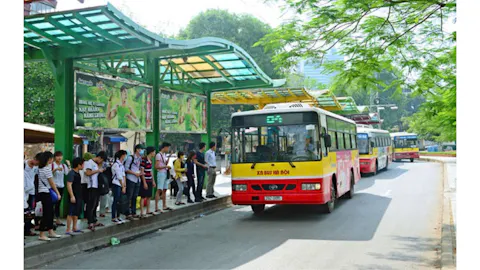
Vietnam Public Transport Guide: Buses, Trains, Metro & Local Travel
Vietnam's public transportation network provides affordable and practical ways to explore the country's cities and regions. From long-distance trains and intercity buses to urban buses, metro systems, ferries, and local transport, visitors have numerous options for traveling efficiently. Whether you're navigating Hanoi, Ho Chi Minh City, or planning cross-country adventures, this guide explains how Vietnam's public transport works, compares different services, and offers practical tips to help tourists travel safely, comfortably, and economically.