
Best Airlines in Vietnam
Choosing the right airline can make a significant difference when traveling around Vietnam. From full-service carriers and budget airlines to regional flight options, Vietnam offers several airlines that cater to different budgets, travel styles, and itineraries. This guide compares the country's leading airlines, including their routes, service quality, baggage policies, pricing, and overall travel experience, helping you select the best airline for your Vietnam adventure and travel needs.
On this page
Stepping into the commercial aviation ecosystem of Southeast Asia reveals a region defined by dramatic growth, relentless modernization, and intense market competition. Stretching over sixteen hundred kilometers along the eastern rim of the Indochinese Peninsula, Vietnam is an elongated, geographically complex nation where domestic and international air travel serves as the vital economic bridge connecting thriving metropolises, coastal heritage corridors, and remote provincial frontiers. For international travelers, business executives, and regional commuters, evaluating the best airlines in Vietnam is far more than a simple exercise in price comparison. It requires an authoritative, unvarnished analysis of fleet composition, operational reliability, baggage policies, network density, and safety compliance frameworks. Whether you are seeking the full-service luxury of a global alliance flag carrier, the aggressive cost efficiency of a low-cost innovator, or the specialized point-to-point routing of regional operators, understanding the distinct operational signatures of these commercial airlines transforms how you navigate the skies of Non nước Việt Nam. Evaluating market leaders requires analyzing how each carrier manages passenger throughput across primary hubs like Sân bay Quốc tế Nội Bài in Hanoi and Sân bay Tân Sơn Nhất in Ho Chi Minh City, ensuring your chosen flight aligns perfectly with your itinerary demands.
The Flagship Standard – Vietnam Airlines
The Comprehensive Service Framework of the National Carrier
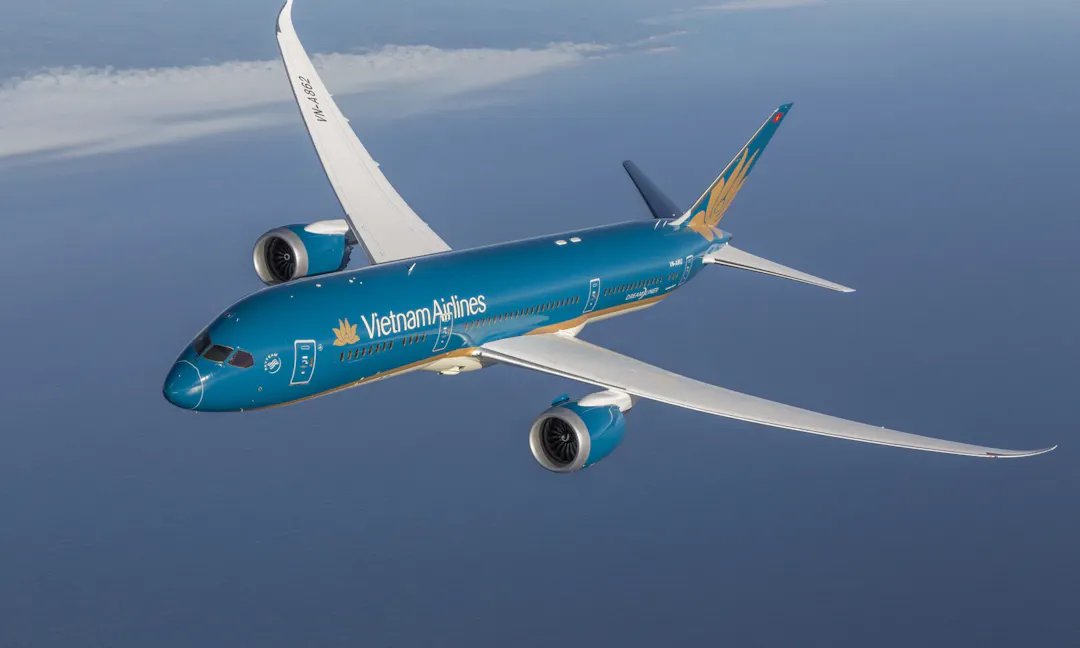
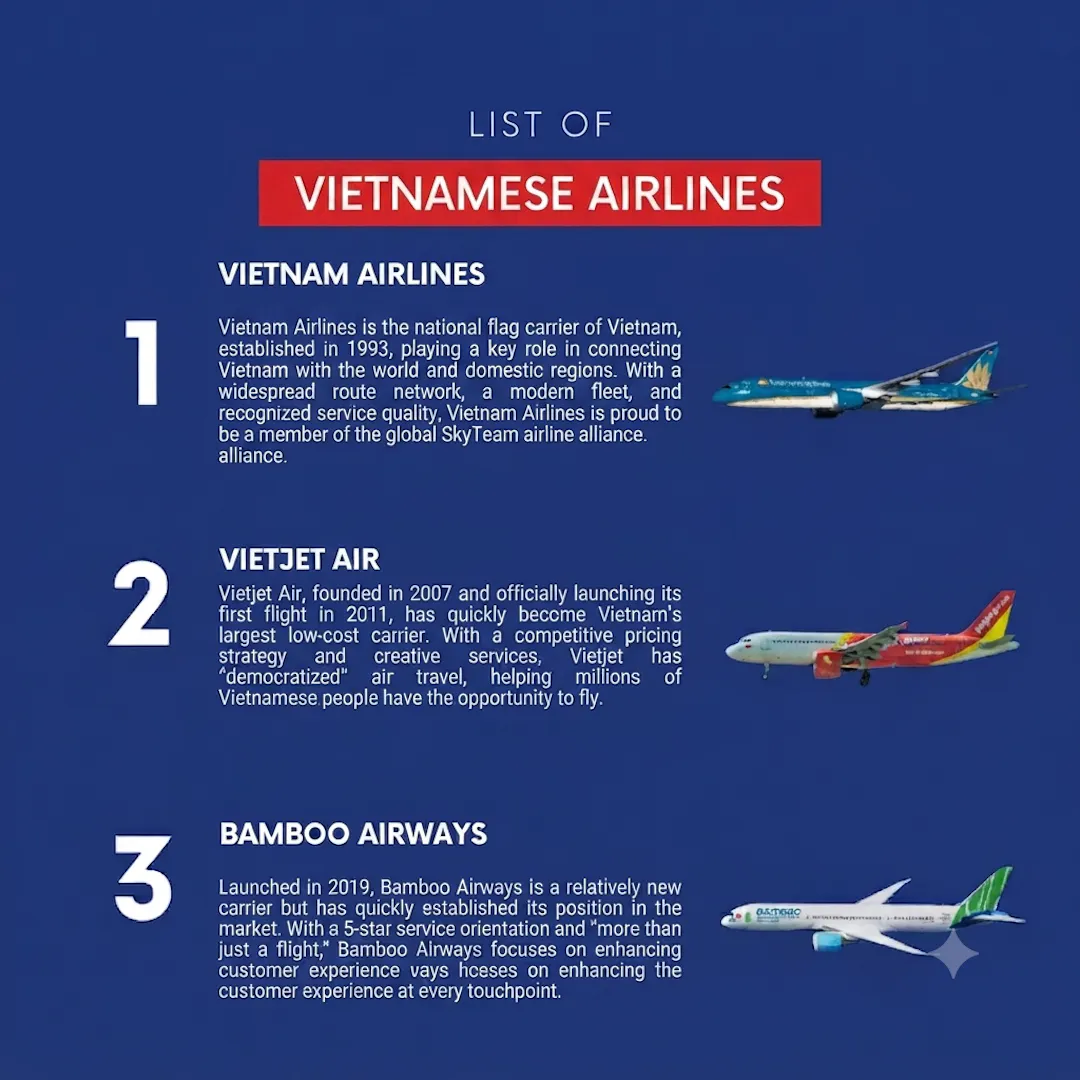
When analyzing the premier tier of commercial aviation across the region, state-owned flag carrier Vietnam Airlines stands as the undisputed benchmark for operational maturity and broad network reach. As a proud member of the SkyTeam alliance, the national carrier operates a sophisticated, multi-tiered fleet composed of modern wide-body aircraft—including state-of-the-art Boeing 787-9/10 Dreamliners and Airbus A350-900s—alongside a dense narrow-body backbone of Airbus A321s. This fleet strategy allows the airline to maintain high-frequency trunk operations between major cities while serving an expansive international route map spanning Asia, Europe, Australia, and North America. From an operational perspective, Vietnam Airlines consistently achieves superior flight schedule reliability and dispatch rates compared to its domestic low-cost rivals. For long-haul travelers connecting through major gateways, the carrier’s interline agreements, seamless luggage transfer protocols, and dedicated terminal ground infrastructure ensure a smooth passenger experience that minimizes connection anxiety during tight transit windows.
Premium Economy, Business Class, and Baggage Generosity
Beyond raw operational metrics, the value proposition of flying with the country’s flag carrier is deeply rooted in its full-service passenger experience. In an era where regional aviation is increasingly dominated by unbundled fares and aggressive ancillary fees, Vietnam Airlines retains a generous baseline service tier. Standard economy tickets automatically include complimentary checked baggage allowances—typically 23 kilograms—alongside a generous 12-kilogram carry-on allowance, effectively insulating passengers from unexpected check-in counter surcharges. Onboard, passengers receive complimentary hot meals, beverages, and access to personal seatback entertainment units on wide-body routes. For discerning travelers evaluating the best airline to fly in Vietnam, the carrier's upper service tiers excel. Business Class cabins on the Boeing 787 and Airbus A350 feature reverse-herringbone 1-2-1 seating configurations that offer direct aisle access, fully flat beds, lotus-themed gourmet dining, and priority access to Lotus Lounges at major domestic air terminals. This high baseline of comfort justifies the premium fare structure for travelers prioritizing schedule predictability, physical space, and comprehensive passenger care.
The Low-Cost Disruptor – Vietjet Air
Unpacking the Economic Model of Vietjet Air
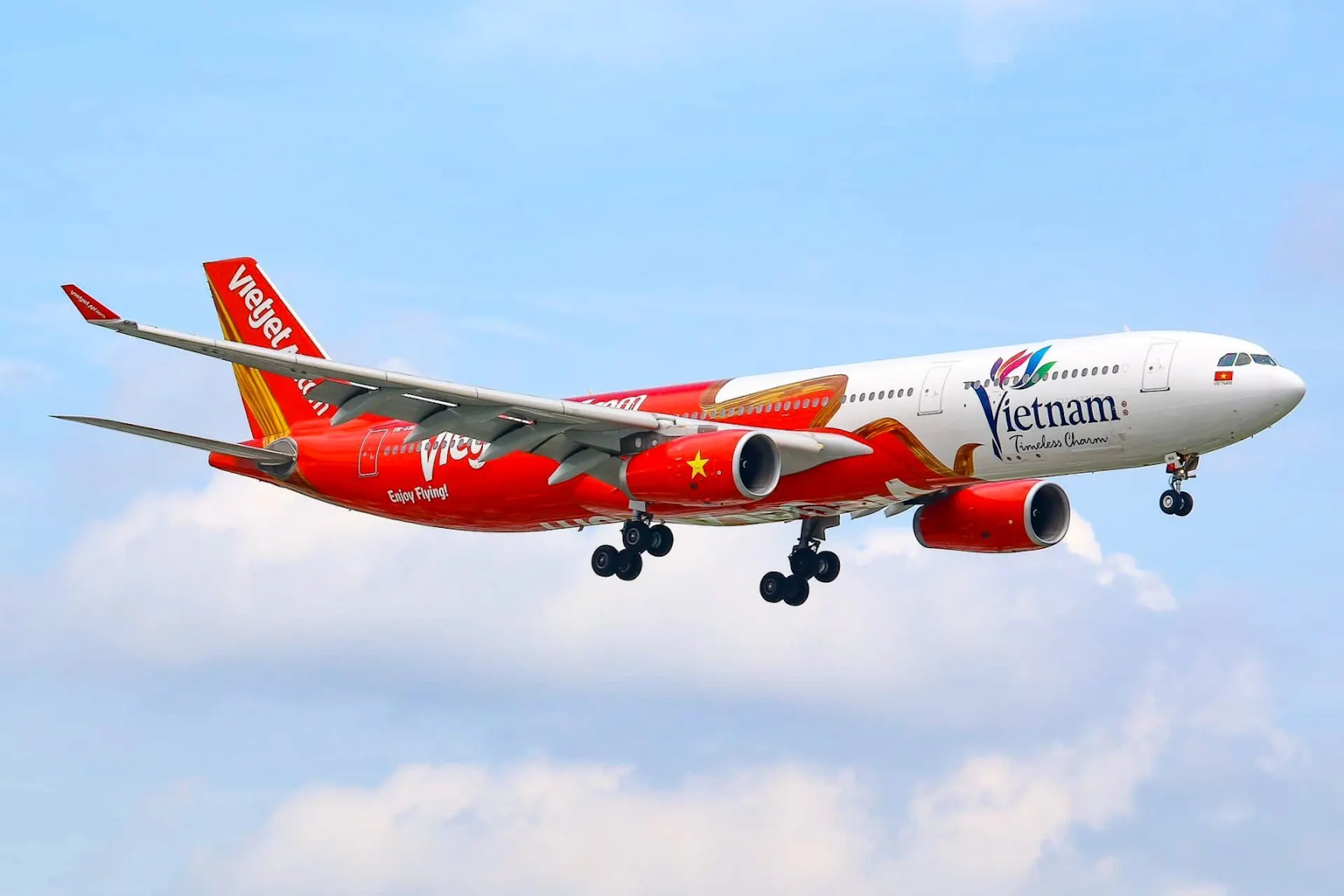
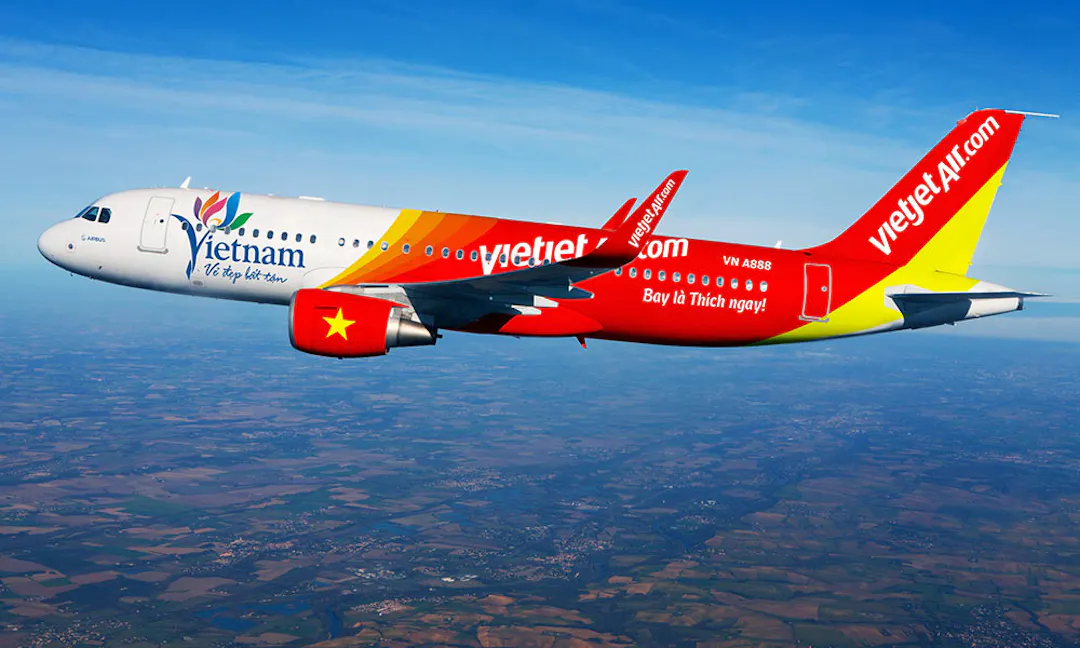
Occupying the largest share of domestic passenger capacity, Vietjet Air has radically transformed Southeast Asian aviation through its aggressive, ultra-low-cost business model. Operating an expansive, single-family fleet of modern Airbus A320 and A321 narrow-body aircraft—supplemented by wide-body Airbus A330s for high-volume long-haul regional routes—Vietjet operates on high fleet utilization rates and dense cabin seating layouts. A thorough Vietnam Airlines review invariably contrasts the flag carrier's full-service luxury against Vietjet’s unbundled, ultra-lean pricing mechanics. By offering baseline fares that occasionally start at raw promotional rates of zero đồng (excluding mandatory government taxes, fuel surcharges, and airport fees), Vietjet has democratized air travel for millions of local citizens and budget-conscious international backpackers alike. Its point-to-point domestic and international network connects secondary provincial cities that traditional carriers often bypass, creating unparalleled direct access to emerging tourism enclaves across the country.
Navigating Ancillary Fees, Luggage Limits, and Scheduling Realities
However, maximizing the low-cost efficiency of Vietjet Air requires strict operational discipline and a thorough understanding of Vietjet Air baggage and service regulations. The airline operates on a pure ancillary revenue model; initial base fare quotes exclude checked baggage entirely, charge extra for advance seat selection, and enforce strict fees for onboard food and beverage service. Check-in agents at major airport hubs strictly enforce a non-negotiable 7-kilogram total carry-on limit, routinely weighing both primary overhead bags and small personal items at departure gates. Furthermore, because Vietjet maintains exceptionally tight aircraft turnaround times to maximize daily flight legs, morning operational delays can occasionally cascade into significant afternoon and evening schedule disruptions. To ensure a seamless experience when flying with Vietjet Air, savvy travelers must proactively pre-purchase exact checked baggage weight tiers online during initial ticket reservations, maintain flexible transfer buffers in their schedules, and treat the airline as a high-efficiency, point-to-point transit shuttle rather than a luxury long-haul carrier.
Navigating Boutique and Regional Competitors
The Market Evolution of Bamboo Airways and Regional Operators
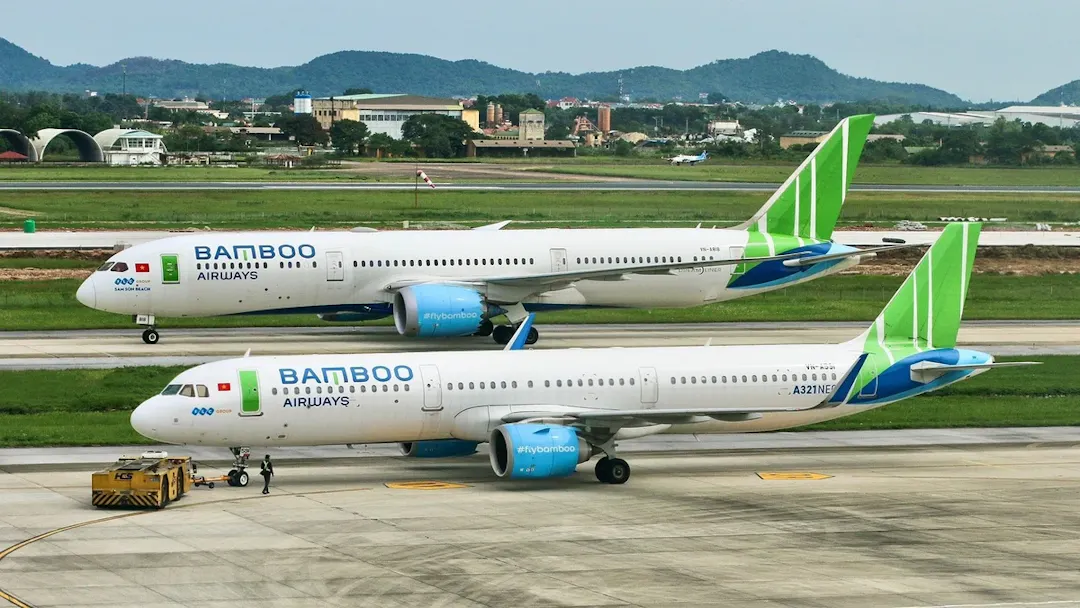
The commercial aviation landscape has been further enriched by boutique and specialized regional operators seeking to carve out unique market niches between full-service luxury and low-cost utility. A notable chapter in this market evolution is the operational trajectory of Bamboo Airways. Originally launched as a hybrid, "five-star" boutique airline with ambitious wide-body international aspirations, Bamboo Airways underwent a comprehensive corporate restructuring that saw the carrier streamline its operational footprint. Evaluating current Bamboo Airways status reveals a refocused regional airline operating a streamlined narrow-body fleet centered on high-demand domestic trunk routes. By operating out of modern facilities—such as dedicated check-in infrastructure at Tan Son Nhat's Terminal 3—Bamboo Airways continues to maintain a loyal following among business travelers who appreciate its high punctuality rates, polite cabin service, and competitive hybrid pricing structures that bundle essential baggage options with warm hospitality.
Similarly, Vietravel Airlines—the aviation arm of the nation's premier tour operator—operates a boutique fleet of Airbus A321 aircraft focused on linking primary commercial centers with key leisure destinations like Nha Trang, Quy Nhon, and Phu Quoc. By integrating charter capabilities with scheduled commercial operations, Vietravel Airlines provides specialized flight options tailored to holiday travelers.
Turboprop Connectivity to Remote Destinations
While major jetliners dominate high-volume trunks, specialized regional turboprop aircraft play a vital, irreplaceable role in maintaining national connectivity. Secondary provincial airports featuring shorter runways or specialized terrain constraints—such as Con Dao Island or Dien Bien Phu—cannot accommodate narrow-body Airbus or Boeing jets. To service these delicate ecological and historical frontiers, operators deploy regional turboprop aircraft like the ATR 72. Navigating these specialized regional sectors requires understanding that flight schedules are uniquely subject to weather disruptions, low-cloud ceilings, and strict weight-and-balance limitations. Booking regional turboprop connections through established carriers allows intrepid travelers to bypass grueling multi-day overland transfers, landing directly in remote island sanctuaries or high-altitude mountain valleys within an hour of leaving the metropolitan centers.
Comparative Matrix – Choosing the Right Airline for Your Itinerary
Matching Airline Class to Traveler Profiles
Determining the top domestic airlines Vietnam offers for your specific journey depends entirely on aligning your travel priorities, budget flexibility, and luggage requirements with the right operational model. For international travelers arriving on long-haul flights with heavy checked luggage, tightly scheduled multi-city itineraries, or a preference for guaranteed cabin comfort, Vietnam Airlines remains the undisputed premier choice. The higher initial ticket cost of the flag carrier is frequently offset by included checked baggage, complimentary amenities, and robust passenger protection protocols during schedule changes. Conversely, for light-packing backpackers, solo digital nomads, or flexible travelers seeking maximum cost savings on short point-to-point hops—such as jumping from Hanoi to Da Nang or Ho Chi Minh City to Nha Trang—Vietjet Air offers unmatched fare efficiency and flight frequency. Mid-tier leisure travelers and business commuters who desire a balance of high punctuality, comfortable seating, and included baggage without paying full flag-carrier premiums will find Bamboo Airways and Vietravel Airlines highly compelling regional alternatives.
Managing Airport Hub Congestion and Transit Delays
Regardless of which carrier you select, navigating Vietnam’s primary aviation gateways—Sân bay Quốc tế Nội Bài (HAN) in Hanoi and Sân bay Tân Sơn Nhất (SGN) in Ho Chi Minh City—demands strategic ground planning. Both mega-hubs handle high passenger volumes, particularly during morning peak departure windows and national holiday rushes. When booking domestic-to-international or inter-airline connections, safety-conscious travelers should maintain a minimum layover buffer of three hours at major hubs. This operational buffer accounts for potential baggage reclaim delays, terminal transfers, and security screening queues. Furthermore, completing online check-in via the operating airline’s mobile application twenty-four hours prior to departure allows travelers flying without checked luggage to bypass main ticket hall counters entirely, proceeding directly through security checkpoints to their departure gates with complete ease.
Conclusion and Booking Advice
Ultimately, evaluating the best airlines in Vietnam reveals a dynamic, highly sophisticated commercial aviation market that caters to every conceivable traveler profile. By objectively analyzing the distinct operational trade-offs—weighing the full-service luxury, generous baggage policies, and global alliance connectivity of Vietnam Airlines against the ultra-low-cost efficiency and expansive point-to-point network of Vietjet Air, alongside the refined regional focus of Bamboo Airways—you empower yourself to make informed, value-driven decisions. Air travel across this elongated nation is not merely a rapid transit method; it is an integral, captivating component of the broader travel experience. We strongly encourage you to review your specific route requirements, evaluate your luggage needs, select the carrier that perfectly matches your travel style, and book your flights through official airline portals with total confidence today.
Frequently Asked Questions About the Best Airlines in Vietnam
Which is the best airline in Vietnam?
The best airline depends on your priorities. Full-service carriers are often preferred for comfort, baggage allowance, and onboard services, while low-cost airlines are ideal for travelers looking for affordable fares on domestic routes.
Are budget airlines in Vietnam reliable?
Yes. Vietnam's low-cost airlines operate extensive domestic networks and are widely used by both locals and international visitors. While basic fares may not include checked baggage or additional services, they provide an economical way to travel across the country.
How can I find cheaper flight tickets in Vietnam?
Booking several weeks in advance, traveling on weekdays, avoiding major public holidays, and comparing fares across airline websites and travel platforms can help you secure better prices.
Do Vietnamese airlines include checked baggage?
It depends on the airline and ticket type. Premium or flexible fares often include checked baggage, while many budget fares include only cabin baggage. Always review baggage policies before confirming your booking.
Are domestic flights in Vietnam suitable for first-time visitors?
Absolutely. Vietnam's domestic airline network is extensive and connects most major tourist destinations quickly. Flying is one of the easiest ways for first-time visitors to maximize their travel time, especially when visiting multiple regions during one trip.
Advertising box
Read More Vietnam Transportation Guides
Explore more expert guides on getting around Vietnam, including flights, trains, buses, ferries, taxis, ride-hailing services, travel costs, transportation safety, route planning, and practical travel tips. Discover everything you need to navigate Vietnam efficiently, comfortably, and confidently from your arrival to your final destination.
Vietnam Domestic Flights Guide
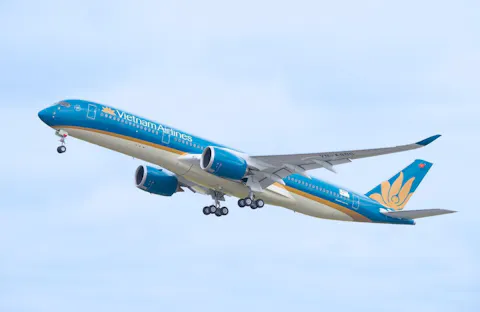
Domestic flights are the fastest and most convenient way to travel across Vietnam, connecting major cities, coastal destinations, mountain regions, and tropical islands in just a few hours. Whether you're flying between Hanoi, Da Nang, Ho Chi Minh City, Phu Quoc, Hue, or Nha Trang, understanding Vietnam's airline network helps you save time and plan a more efficient itinerary. This guide covers airlines, popular routes, airport information, booking advice, baggage tips, and practical travel recommendations.
Vietnam Transport Travel Checklist
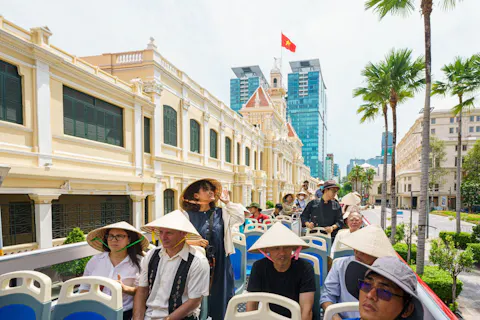
A well-prepared transportation plan can make your Vietnam journey smoother, safer, and more enjoyable. Before traveling, it's helpful to understand how to book flights, trains, buses, ferries, taxis, and other transportation services while preparing essential travel documents, payment methods, luggage, and local navigation tools. This practical checklist helps first-time visitors organize every aspect of transportation in Vietnam so they can travel confidently, avoid common mistakes, and enjoy a hassle-free adventure across the country.
Vietnam Transport Safety Guide
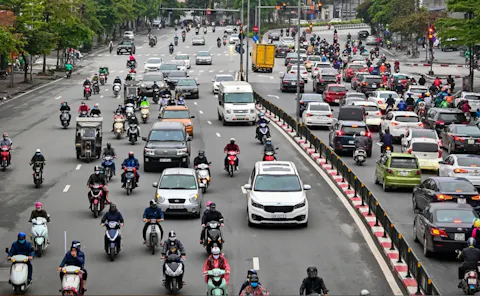
Vietnam is a safe and welcoming destination, but understanding local transportation practices can make your journey even smoother. Whether you're taking domestic flights, riding trains, using sleeper buses, booking taxis, catching ferries, or renting a motorbike, a few simple precautions can help you travel with confidence. This guide shares practical transportation safety advice, common travel tips, and useful recommendations so first-time visitors can explore Vietnam comfortably, responsibly, and safely throughout their trip.
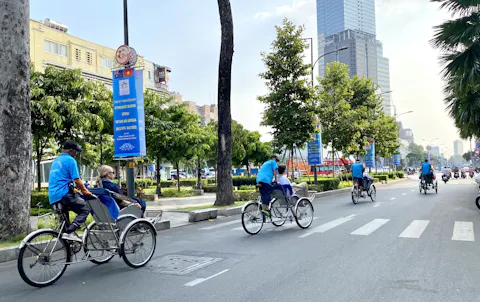
Vietnam Transportation for First-Time Visitors
Traveling around Vietnam for the first time is easier than you might think. With affordable domestic flights, scenic train routes, comfortable sleeper buses, reliable taxis, ride-hailing apps, ferries, and growing public transportation networks, visitors have plenty of convenient options. This beginner-friendly guide explains how transportation works in Vietnam, what to expect, how to choose the right travel method, and practical tips to help first-time travelers move confidently between cities, beaches, mountains, and islands.