
Vietnam Domestic Flights Guide
Domestic flights are the fastest and most convenient way to travel across Vietnam, connecting major cities, coastal destinations, mountain regions, and tropical islands in just a few hours. Whether you're flying between Hanoi, Da Nang, Ho Chi Minh City, Phu Quoc, Hue, or Nha Trang, understanding Vietnam's airline network helps you save time and plan a more efficient itinerary. This guide covers airlines, popular routes, airport information, booking advice, baggage tips, and practical travel recommendations.
On this page
Stepping onto the tarmac at any of Vietnam’s major commercial airports introduces travelers to the beating heart of Southeast Asian mobility. Stretching over sixteen hundred kilometers along the eastern rim of the Indochinese Peninsula, Vietnam is a geographically narrow, ribbon-like nation defined by dramatic topographical divides. The logistical challenge of moving between the mist-veiled northern karst mountains, the central UNESCO heritage corridors, and the sun-drenched, tropical expanses of the southern delta makes ground travel time-consuming for visitors operating under tight vacation schedules. In this unique geographical environment, domestic aviation serves as the indispensable operational engine of the country. A journey between Hanoi and Ho Chi Minh City that consumes over thirty hours by rail or road is effortlessly compressed into a sleek, two-hour flight. However, navigating this aerial ecosystem requires more than simply purchasing a ticket. Integrating an authoritative Vietnam domestic flights guide into your itinerary planning equips you to master complex carrier selection matrices, strict baggage weight enforcement, terminal navigation, and seasonal price surges. Mastering the air routes across Non nước Việt Nam transforms a cross-country trek into an efficient, stress-free travel experience.
Decoding the Airline Landscape – Full-Service Versus Low-Cost Carriers
The Operational Role of Flag Carrier Vietnam Airlines
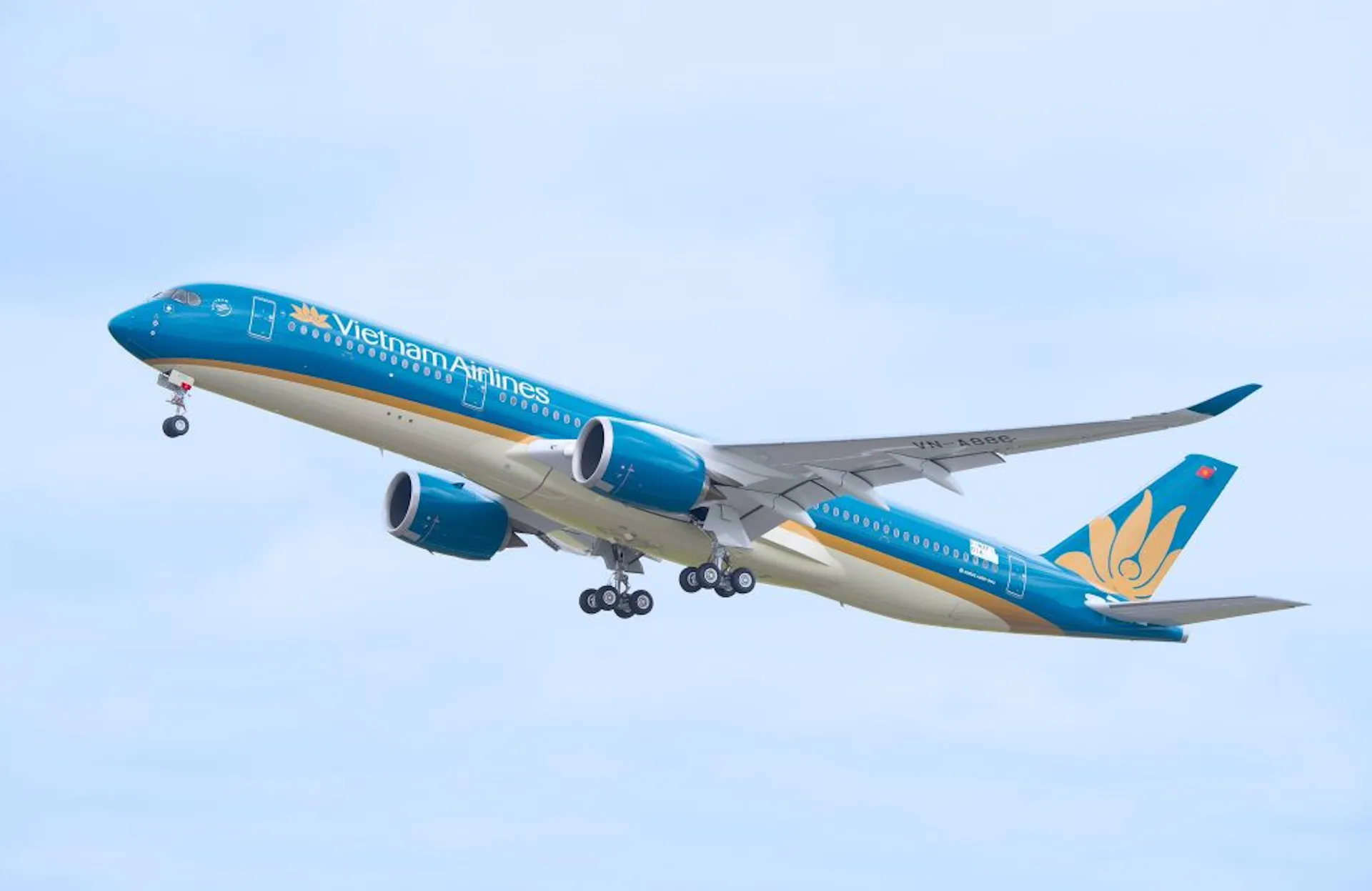
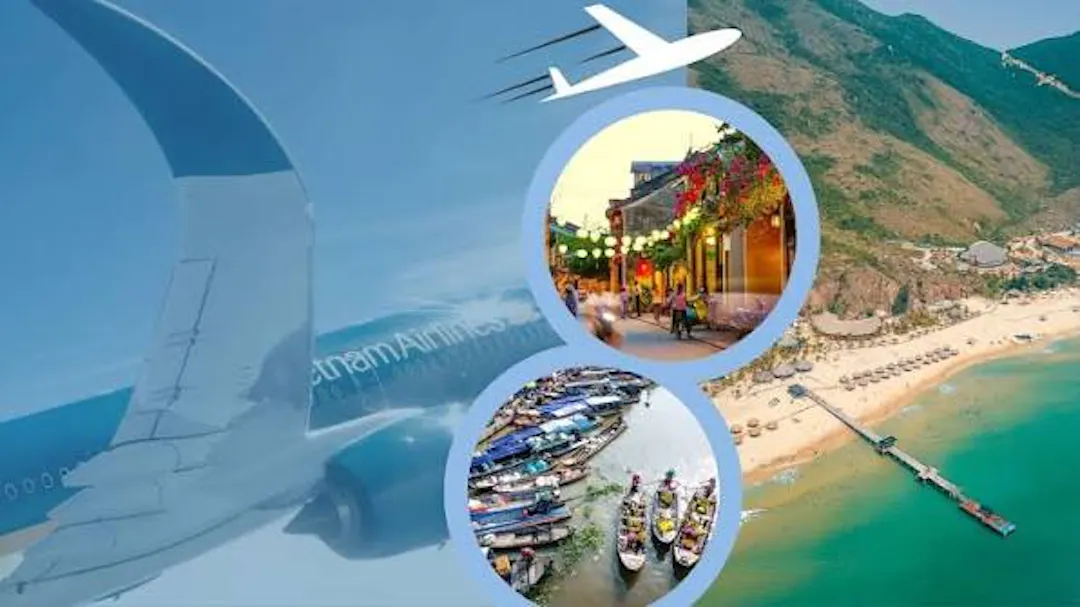
The cornerstone of the national aviation ecosystem is the full-service flag carrier, Vietnam Airlines, a SkyTeam alliance member renowned for operational maturity and broad route coverage. Operating a modern fleet dominated by wide-body Boeing 787 Dreamliners, Airbus A350s, and narrow-body A321s, the state carrier commands the highest flight frequencies along primary commercial trunks. For international travelers, selecting Vietnam Airlines provides a distinct operational advantage through comprehensive ticket flexibility, superior schedule reliability, and integrated baggage check-through capabilities when connecting from long-haul international flights. Base fare classes automatically include a generous 23-kilogram checked baggage allowance alongside a 12-kilogram carry-on allowance, effectively insulating passengers from the aggressive ancillary fee structures typical of low-cost competitors. Furthermore, in the event of severe weather disruptions or technical delays, Vietnam Airlines possesses the fleet capacity and interline agreements necessary to re-route passengers swiftly, making it the premier choice for risk-averse travelers, business executives, and multi-generational family groups.
Navigating Budget Carriers: Vietjet Air and Regional Competitors
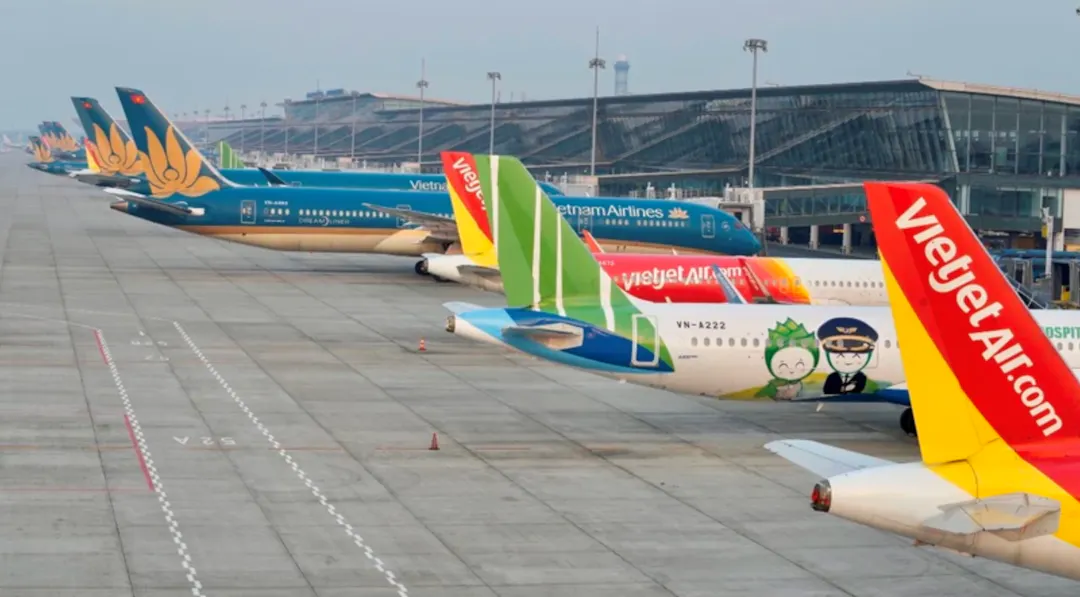
Occupying the opposite end of the operational spectrum is Vietjet Air, the ultra-low-cost carrier that democratized air travel across the nation. Vietjet operates an extensive, high-density network servicing both primary metropolitan trunks and secondary regional runways, often offering base ticket prices that appear astonishingly cheap. However, international travelers must analyze these baseline quotes through an unvarnished economic lens. Vietjet’s business model relies heavily on ancillary revenue generation; initial ticket quotes exclude checked baggage entirely, charge extra for advance seat selection, and enforce strict, non-negotiable fees for onboard food and beverage service. Furthermore, Vietjet’s high fleet utilization rates mean that a minor morning delay can cascade into severe afternoon and evening schedule disruptions. Secondary players like Vietravel Airlines—the aviation arm of the nation's premier tour operator—and Bamboo Airways (which operates a restructured, boutique domestic fleet) offer alternative hybrid models. Maximizing value on budget carriers requires approaching the transaction with strict operational discipline: pre-purchasing exact baggage weight tiers online during the initial reservation, maintaining flexible transfer buffers, and carefully evaluating whether the final price—after adding necessary ancillary fees—remains competitive against full-service alternatives.
Essential Booking Strategies and Advance Timing
Optimal Booking Windows and Seasonal Price Surges
Unlocking optimal airfares across Vietnam’s domestic airline network requires a precise understanding of seasonal demand cycles and advance procurement windows. For standard travel periods, the pricing sweet spot for domestic flight procurement falls between three to six weeks prior to departure. Booking too far in advance can expose travelers to static, un-promoted baseline fares, while waiting until the final two weeks leads to steep price increases as corporate and last-minute leisure demand fills remaining seat inventory. However, these baseline booking rules are completely superseded during peak national holiday surges. The most dramatic price escalation occurs surrounding Tết Nguyên Đán (the Lunar New Year), which typically falls between late January and mid-February. During this period, millions of citizens travel between major economic hubs and home provinces, causing domestic airfares to surge to statutory price ceilings and forcing popular routes to sell out months in advance. Similarly, the summer domestic travel surge spanning June through August demands reserving tickets at least two months ahead to secure favorable flight times and avoid exorbitant holiday surcharges.
Navigating Third-Party Aggregators Versus Official Portals
When evaluating how to book domestic flights in Vietnam, foreign travelers are confronted with an overwhelming array of online travel agencies (OTAs) and fare aggregators. While third-party platforms excel at initial flight schedule comparisons, elite aviation strategists strongly advise executing final ticket purchases directly through official airline portals or verified mobile applications. Direct procurement establishes an unmediated contractual relationship with the operating carrier, which proves vital if flight schedules are altered, delayed, or canceled. Passengers who book through third-party aggregators frequently find themselves trapped in complex customer service loops during disruptions, as airlines refuse to alter tickets issued by external agents. Furthermore, direct airline portals guarantee transparent access to add-on ancillary management—such as pre-booking oversized baggage allowances, selecting specific seat rows, or specifying dietary meal requests—while ensuring you receive direct, real-time SMS and email operational alerts regarding flight status changes.
Baggage Rules, Check-In Logistics, and Airport Terminal Navigation
Managing Strict Weight Limits and Carry-On Realities
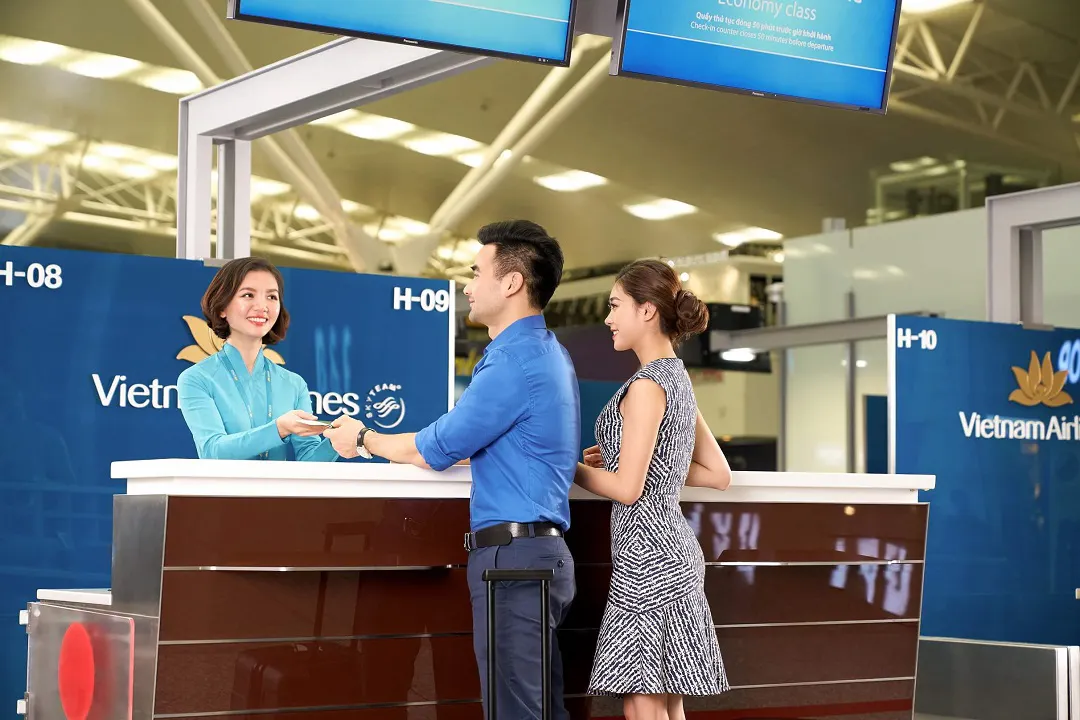
A primary source of friction for international visitors navigating domestic terminals is the uncompromising enforcement of Vietnam domestic flight baggage rules. Low-cost carriers, particularly Vietjet Air, enforce a strict 7-kilogram total carry-on limit that encompasses both your primary overhead bag and any secondary personal items, such as laptop bags or small backpacks. At major departure hubs, check-in agents and gate personnel routinely weigh carry-on luggage before issuing boarding passes or allowing passengers onto the jet bridge. Passengers caught exceeding the 7-kilogram threshold at the departure gate are subjected to steep, non-negotiable excess baggage penalties that far exceed online pre-purchase rates. To insulate yourself against these friction points, invest in a portable luggage scale, consolidate personal belongings into a single carry-on bag, and proactively pre-purchase a 20-kilogram or 30-kilogram checked baggage allowance online at least twenty-four hours prior to departure if your gear exceeds baseline limits.
Navigating Major Hubs and Inter-Terminal Transfers
Mastering the physical infrastructure of Vietnam’s primary aviation gateways—specifically Sân bay Quốc tế Nội Bài (HAN) in Hanoi and Sân bay Tân Sơn Nhất (SGN) in Ho Chi Minh City—is essential for seamless transfers. At Ho Chi Minh City’s Tan Son Nhat Airport, the international terminal (T2) and domestic terminal (T1) are situated in separate, adjacent buildings connected by a covered outdoor pedestrian walkway requiring a five-to-ten-minute walk. Conversely, Hanoi’s Noi Bai International Airport features physically separated terminals located nearly two kilometers apart; passengers connecting from international arrivals (T2) to domestic departures (T1) must exit the terminal and board a free, official airport shuttle bus that operates every ten to fifteen minutes. For domestic departures, arriving at the terminal at least two hours prior to scheduled departure is strongly advised. This buffer accounts for lengthy queue times at security screening checkpoints, where all passengers must remove footwear, belts, and large electronic devices for X-ray inspection.
Balancing Air Travel with Ground Exploration
Strategic Time-Saving Versus Missing the Landscape
While domestic aviation excels at compressing long latitudinal distances, elite travel planners caution against over-indexing on air travel for every leg of an itinerary. The famous trunk route flying between Hanoi and Saigon represents a textbook application for aviation; covering a distance of over eleven hundred kilometers in two hours saves a full day of travel compared to thirty hours on the rails. However, for shorter regional hops—such as traveling between Hanoi and Ninh Binh, or between Da Nang and Hue—flying is inefficient. When you factor in the time required to travel to the airport, process check-in, clear security, endure boarding delays, and take ground transport from the destination airport to the city center, short domestic flights often consume more time than direct overland transfers. Utilizing scenic coastal trains (tàu hỏa) or private limousine vans for short regional connections preserves geographical continuity, allows you to observe the shifting countryside, and provides a far richer cultural connection to the landscape.
Managing Flight Delays and Passenger Rights
Navigating domestic air travel effectively requires a pragmatic approach to operational delays, particularly during the summer monsoon season (July through September) when severe tropical downpours frequently trigger air traffic control holds. Under regulations established by the Civil Aviation Authority of Vietnam (CAAV), passengers possess statutory rights in the event of carrier-induced delays. For delays exceeding two hours, airlines are legally obligated to provide soft drinks and light refreshments; delays exceeding three hours require the provision of full hot meals; and overnight delays exceeding six hours mandate that the carrier secure complimentary hotel accommodations and ground transfers for affected passengers. When disruptions occur, remaining calm, maintaining a courteous demeanor with gate agents, and immediately presenting your digital booking reference at the airline’s customer service desk ensures you receive priority rebooking on the next available departure.
Final Pre-Flight Execution and Readiness
The Pre-Departure Aviation Checklist
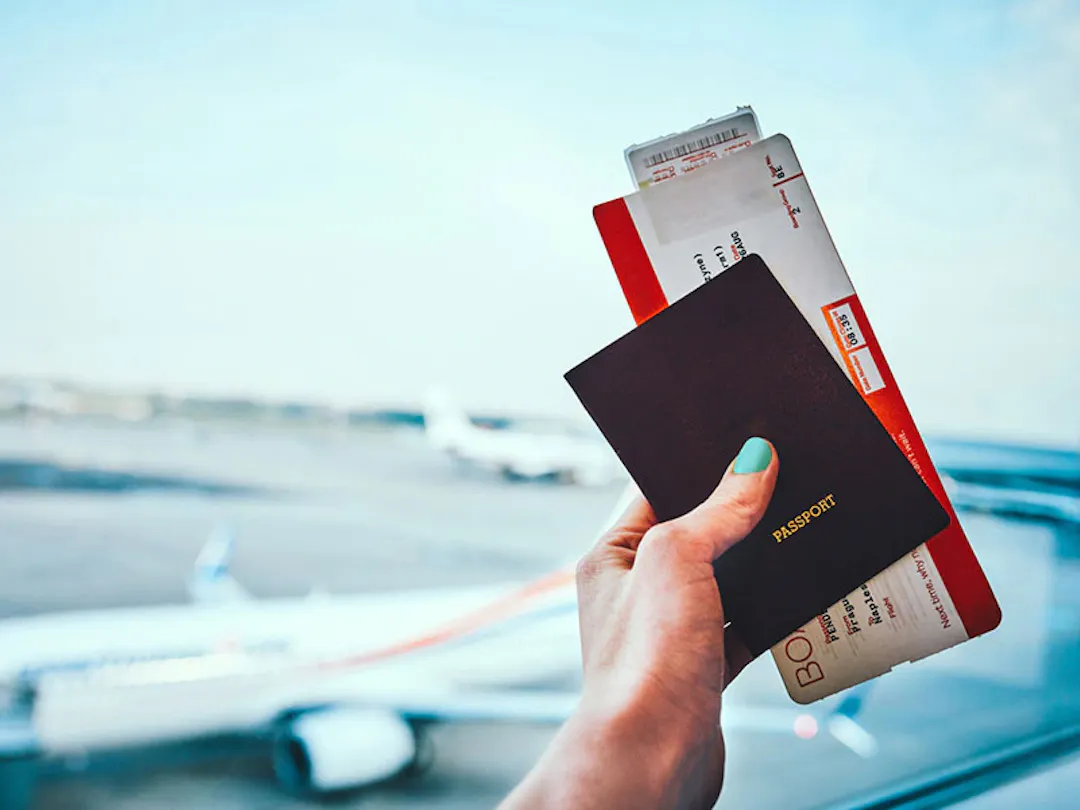
Achieving total operational readiness prior to departing for the airport requires completing a methodical pre-flight checklist. Exactly twenty-four hours before departure, access the operating airline’s mobile application to complete online check-in, select your seat, and generate a digital boarding pass, which allows passengers traveling without checked luggage to bypass main check-in hall queues at select airports. Verify that your passport possesses at least six months of remaining validity beyond your planned travel dates, as domestic check-in agents inspect international passports for valid identity verification and visa status. Ensure all external power banks, lithium-ion batteries, and e-cigarettes are packed exclusively inside your carry-on daypack, as international civil aviation safety rules strictly forbid these items inside checked cargo holds. Finally, re-confirm your departure terminal details on official airport flight information screens, step through security, and enjoy a stress-free transition onto your flight.
Conclusion
Ultimately, integrating these expert Vietnam aviation tips for travelers into your pre-departure planning ensures that you navigate Southeast Asia’s most dynamic domestic airline network with complete authority, independence, and peace of mind. By evaluating carrier models objectively, respecting advance booking windows, managing baggage limits proactively, and navigating physical airport hubs efficiently, you eliminate unnecessary logistical friction. Domestic aviation is not merely a convenience; it is a powerful strategic tool that unlocks the immense geographical diversity of the nation. Review your travel timeline, secure your tickets directly through official airline channels, and embark on an extraordinary, perfectly planned aerial journey across Vietnam today.

By Roy Trinh
Editor
Roy Trinh is a travel writer and destination expert at Go Visit Vietnam, dedicated to helping travelers discover the beauty, culture, and diversity of Vietnam. Through well-researched travel guides, practical itineraries, local insights, and authentic recommendations, Roy shares valuable information to inspire memorable journeys across the country. From vibrant cities and breathtaking landscapes to regional cuisine and cultural heritage, every guide is created to help visitors experience Vietnam with confidence and curiosity.
Frequently Asked Questions About Vietnam Domestic Flights
Are domestic flights the fastest way to travel in Vietnam?
Yes. Vietnam is a long and narrow country, making domestic flights the quickest option for traveling between major destinations such as Hanoi, Da Nang, Ho Chi Minh City, Phu Quoc, Nha Trang, Hue, and Da Lat.
When should I book domestic flights in Vietnam?
Booking several weeks in advance usually provides the best fares, particularly during holidays, weekends, and peak travel seasons. Last-minute prices may be significantly higher on popular routes.
How early should I arrive at the airport?
For domestic flights, arriving at least 1.5 to 2 hours before departure is recommended. This allows enough time for check-in, baggage drop, and airport security procedures.
Do domestic airlines in Vietnam include checked baggage?
Baggage policies vary depending on the airline and ticket type. Some fares include checked baggage, while budget fares may only include cabin baggage. Always check your baggage allowance before booking.
Which destinations are best connected by domestic flights?
Vietnam's busiest domestic air routes connect Hanoi, Ho Chi Minh City, Da Nang, Nha Trang, Hue, Phu Quoc, Da Lat, Can Tho, Quy Nhon, and several other regional airports, making it easy to explore different parts of the country.
Advertising box
Read More Vietnam Transportation Guides
Explore more expert guides on getting around Vietnam, including flights, trains, buses, ferries, taxis, ride-hailing services, travel costs, transportation safety, route planning, and practical travel tips. Discover everything you need to navigate Vietnam efficiently, comfortably, and confidently from your arrival to your final destination.
Vietnam Transport Travel Checklist
A well-prepared transportation plan can make your Vietnam journey smoother, safer, and more enjoyable. Before traveling, it's helpful to understand how to book flights, trains, buses, ferries, taxis, and other transportation services while preparing essential travel documents, payment methods, luggage, and local navigation tools. This practical checklist helps first-time visitors organize every aspect of transportation in Vietnam so they can travel confidently, avoid common mistakes, and enjoy a hassle-free adventure across the country.
Vietnam Transport Safety Guide
Vietnam is a safe and welcoming destination, but understanding local transportation practices can make your journey even smoother. Whether you're taking domestic flights, riding trains, using sleeper buses, booking taxis, catching ferries, or renting a motorbike, a few simple precautions can help you travel with confidence. This guide shares practical transportation safety advice, common travel tips, and useful recommendations so first-time visitors can explore Vietnam comfortably, responsibly, and safely throughout their trip.
Vietnam Transportation for First-Time Visitors
Traveling around Vietnam for the first time is easier than you might think. With affordable domestic flights, scenic train routes, comfortable sleeper buses, reliable taxis, ride-hailing apps, ferries, and growing public transportation networks, visitors have plenty of convenient options. This beginner-friendly guide explains how transportation works in Vietnam, what to expect, how to choose the right travel method, and practical tips to help first-time travelers move confidently between cities, beaches, mountains, and islands.

Vietnam Transport Costs: Budget Guide for Getting Around Vietnam
Understanding transportation costs helps travelers plan a realistic budget for exploring Vietnam. Whether you're taking domestic flights, scenic train journeys, sleeper buses, ferries, taxis, ride-hailing services, or renting a motorbike, travel expenses can vary depending on distance, season, and destination. This guide explains typical transportation costs across Vietnam, compares different travel options, and shares practical tips for saving money while traveling comfortably throughout the country.