
Vietnam Visa for Chinese Citizens: 2026 Requirements & Application Guide
Chinese citizens traveling to Vietnam need to understand the latest visa requirements before departure. This guide explains how to apply for a Vietnam e-visa, passport requirements, application information, visa fees, processing times, eligible entry points, and arrival procedures. Whether you are visiting Vietnam for tourism, business, or a longer trip, learn what Chinese passport holders need to prepare and how to avoid common application mistakes for a smoother journey.

On this page
- Do Chinese Citizens Need a Visa for Vietnam?
- What Is a Vietnam E-Visa?
- Vietnam E-Visa Requirements for Chinese Citizens
- Chinese Passport Requirements
- What Information Is Needed for the Vietnam E-Visa Application?
- Name and Pinyin Information
- Passport Photo and Portrait Requirements
- How to Apply for a Vietnam E-Visa from China
- Vietnam Visa Fee for Chinese Citizens
- How Long Does a Vietnam E-Visa Take?
- Can Chinese Citizens Enter Vietnam by Land?
- Can Chinese Citizens Enter Vietnam by Air?
- What Should You Bring When Entering Vietnam?
- What Happens at Vietnam Immigration?
- Common Vietnam Visa Mistakes to Avoid
- Do Chinese Citizens Need a Visa for Transit in Vietnam?
- Can Chinese Citizens Stay in Vietnam for More Than 30 Days?
- Vietnam Visa for Chinese Citizens: Quick Checklist
- Final Tips for Chinese Travelers Visiting Vietnam
Planning a trip from China to Vietnam? Before booking your flights, hotels, or tours, make sure you understand the visa requirements that apply to your passport.
For most Chinese travelers, a Vietnam e-visa is the most convenient way to obtain permission to enter Vietnam. The application can be completed online before departure, and travelers can choose the entry type and duration that match their itinerary.
This guide explains the key Vietnam visa requirements for Chinese citizens, how the e-visa application works, what documents you need, how much it costs, how long processing can take, and what to check before entering Vietnam.
Do Chinese Citizens Need a Visa for Vietnam?
Chinese citizens traveling on an ordinary Chinese passport generally need a valid visa to enter Vietnam.
For eligible travelers, the Vietnam e-visa provides a convenient option because the application can be submitted online before traveling. Depending on the approved visa, travelers may be able to enter Vietnam once or make multiple entries during the visa's validity period.
Your visa should be obtained before traveling, and the information on the approved e-visa should match your passport and travel documents.
Because Vietnamese immigration regulations can change, travelers should always check the latest information from the official Vietnamese immigration authorities before submitting an application.
What Is a Vietnam E-Visa?
A Vietnam e-visa is an electronic visa issued by Vietnamese immigration authorities to eligible foreign travelers.
Instead of applying for a traditional visa through a Vietnamese embassy or consulate for every trip, eligible travelers can submit their application online and receive their visa electronically.
The e-visa can be useful for Chinese citizens traveling to Vietnam for purposes such as:
- Tourism
- Visiting friends or relatives
- Short business trips
- Other permitted purposes under Vietnamese immigration regulations
The approved e-visa specifies important information such as the traveler's name, passport number, visa validity period, and permitted entries.
Always check the approved document carefully before traveling.
Vietnam E-Visa Requirements for Chinese Citizens
Before starting your Vietnam visa application, prepare the required information and digital documents.
Chinese applicants should generally have:
- A valid Chinese passport
- A digital copy or image of the passport biographical page
- A recent passport-style photograph
- Personal information matching the passport
- Intended arrival and departure information
- A temporary address in Vietnam, such as a hotel
- A valid payment method for the visa fee
Your passport information should be entered exactly as it appears in your passport.
Even a small mistake in the passport number, date of birth, name, or other identifying information can cause problems with your application.
Chinese Passport Requirements
Your passport is one of the most important parts of the application.
Before applying, check:
Passport validity
Make sure your Chinese passport meets the validity requirement for entry into Vietnam. Travelers should have sufficient remaining validity beyond their planned arrival date.
If your passport is close to expiry, consider renewing it before applying for a Vietnam e-visa.
Passport condition
The passport should be undamaged and readable. The biographical page should be clear enough for immigration authorities to verify your information.
Passport information
Use the same passport that you used when submitting the e-visa application.
If you receive a new passport after applying, your existing visa may not automatically transfer to the new document.
What Information Is Needed for the Vietnam E-Visa Application?
The online application requires personal and travel information.
You may need to provide:
- Full name
- Date of birth
- Place of birth
- Nationality
- Gender
- Passport number
- Passport issue date
- Passport expiry date
- Intended date of entry
- Intended date of exit
- Intended entry point
- Temporary residential address in Vietnam
- Other information requested by the immigration system
Take your time when completing the form.
Do not rely on memory for passport information. Keep your passport beside you and check every field before submitting the application.
Name and Pinyin Information
Chinese passport holders should pay particular attention to their name.
Enter your name according to the format and information shown on your passport and the application system. Do not independently translate or modify your name into Chinese characters if the application requires Roman-letter information.
Check the spelling, order, and spacing carefully.
A difference between the information on your e-visa and your passport can create problems when your documents are checked.
Passport Photo and Portrait Requirements
The e-visa application requires digital images.
You should prepare:
- A clear image of the passport biographical page
- A recent portrait photograph that meets the application's requirements
For the portrait, use a clear image with your face fully visible and a plain background.
Avoid:
- Blurry photographs
- Heavy shadows
- Sunglasses
- Images with the face partially covered
- Low-resolution images
- Heavily edited photographs
The passport image should also be clear, with all important information visible.
Before uploading your files, check the current technical requirements shown on the official application system because file specifications can change.
How to Apply for a Vietnam E-Visa from China
The general application process is straightforward.
Step 1: Prepare your documents
Have your Chinese passport, portrait photograph, passport image, travel details, and payment method ready.
Step 2: Use the official application system
Complete your application through the official Vietnamese immigration e-visa system.
Be careful when searching online because private visa agencies may appear alongside government websites. Some agencies charge additional service fees for submitting applications on behalf of travelers.
If you prefer to apply independently, make sure you are using the official government system.
Step 3: Enter your information
Complete the application using information from your passport.
Check your:
- Name
- Passport number
- Date of birth
- Passport expiry date
- Nationality
- Entry date
- Exit date
- Entry point
Step 4: Upload the required images
Upload the passport page and portrait photograph according to the current system requirements.
Step 5: Pay the visa fee
Pay the applicable government processing fee through the available payment method.
Check the amount displayed by the official application system before making payment.
Step 6: Save your application information
Keep your application or registration information so you can check the status of your application later.
Step 7: Check the approved e-visa
Once your application has been processed, carefully review the approved e-visa.
Check that your:
- Name
- Passport number
- Date of birth
- Entry date
- Exit date
- Entry type
are correct.
If something is incorrect, contact the relevant Vietnamese immigration authority for guidance rather than assuming the error can be ignored.
Vietnam Visa Fee for Chinese Citizens
The Vietnam visa fee depends on the type of e-visa requested.
The commonly published government fees for Vietnam e-visas are:
- Single-entry e-visa: US$25
- Multiple-entry e-visa: US$50
These are government processing fees. Third-party agencies may charge additional service fees if you use their services.
Visa fees and application rules can change, so confirm the current amount on the official Vietnamese immigration website before submitting your application.
How Long Does a Vietnam E-Visa Take?
Vietnam e-visa applications are generally processed within several working days under normal circumstances.
However, processing can take longer because of:
- Incorrect application information
- Poor-quality documents
- High application volumes
- Weekends and public holidays
- Additional administrative checks
- Technical issues
For this reason, do not wait until the day before your flight to apply.
A practical approach is to submit your application well ahead of your planned departure date and allow additional time in case you need to correct an issue.
Can Chinese Citizens Enter Vietnam by Land?
Yes, travelers may be able to enter Vietnam through eligible land border gates when their visa permits that entry point.
This can be particularly useful for Chinese travelers planning overland journeys between China and Vietnam.
Popular routes may include border areas such as:
- Hữu Nghị
- Móng Cái
- Other designated international border gates
However, not every border crossing necessarily accepts every type of travel document.
Before traveling overland, confirm that your approved e-visa permits entry through your intended border checkpoint.
Can Chinese Citizens Enter Vietnam by Air?
Yes. Vietnam has several international airports that receive travelers from China and other countries.
Major international gateways include:
- Noi Bai International Airport in Hanoi
- Tan Son Nhat International Airport in Ho Chi Minh City
- Da Nang International Airport
- Other designated international airports
When completing your application, carefully select the entry point that matches your travel plans.
If your itinerary changes after your visa has been issued, check whether the change affects your e-visa before traveling.
What Should You Bring When Entering Vietnam?
When traveling to Vietnam, keep your important travel documents easily accessible.
Chinese travelers should consider carrying:
- Valid Chinese passport
- Printed copy of the approved e-visa
- Flight or transportation information
- Hotel or accommodation details
- Travel insurance information
- Copies of important travel documents
Although your e-visa is electronic, keeping a printed copy can be useful during airline check-in and immigration procedures.
What Happens at Vietnam Immigration?
After arriving in Vietnam, proceed to the appropriate immigration checkpoint.
Present your passport and e-visa when requested.
Immigration officers may verify:
- Passport details
- Visa validity
- Entry eligibility
- Entry point
- Other travel information
Before leaving the immigration area, check the information provided by immigration and make sure you understand the permitted period of stay.
Common Vietnam Visa Mistakes to Avoid
Many application problems can be prevented by carefully checking your information before payment.
Common mistakes include:
Incorrect passport number
Double-check every character. Passport numbers can contain letters and numbers that look similar.
Incorrect name
Do not shorten, rearrange, or independently translate your name.
Wrong date of birth
Compare the application with your passport before submitting.
Incorrect entry date
Make sure the requested visa validity covers the date you plan to enter Vietnam.
Incorrect entry point
If you plan to enter by land, air, or sea, make sure the selected entry checkpoint is appropriate for your itinerary.
Poor-quality photographs
Use clear, recent images that meet the application's requirements.
Applying too late
Allow enough time for processing and possible corrections.
Do Chinese Citizens Need a Visa for Transit in Vietnam?
Transit rules can depend on the circumstances of your journey, including whether you remain in the international transit area, whether you need to pass immigration, and whether you have separate flights.
If you plan to leave the airport during a transit stop or collect and re-check your luggage, you may need to meet Vietnam's entry requirements.
Check the latest Vietnamese immigration and airline requirements before booking a complicated transit itinerary.
Can Chinese Citizens Stay in Vietnam for More Than 30 Days?
Vietnam's e-visa system allows eligible travelers to apply for a visa with a validity period of up to 90 days, subject to the rules and approval applicable to their nationality and application.
The approved visa determines the period and conditions under which you may enter and remain in Vietnam.
Do not assume that you can stay beyond the dates printed on your visa. If you want to remain longer, check the applicable immigration procedures before your permitted stay expires.
Vietnam Visa for Chinese Citizens: Quick Checklist
Before traveling, review this checklist:
- Check your Chinese passport validity
- Prepare a clear passport image
- Prepare a suitable portrait photograph
- Enter your personal information carefully
- Check your passport number
- Confirm your entry and exit dates
- Select the correct entry point
- Provide your Vietnam accommodation information
- Pay the applicable government fee
- Save your application information
- Check the approved e-visa carefully
- Print a copy of your e-visa
- Carry your passport when traveling
Final Tips for Chinese Travelers Visiting Vietnam
Getting a Vietnam visa for Chinese citizens is much easier when you prepare your documents and information before starting the application.
The most important step is to make sure that every detail on your application matches your Chinese passport. Pay particular attention to your name, passport number, date of birth, entry date, and intended entry point.
Apply early, use the official Vietnamese immigration system, and check your approved e-visa before leaving China.
Once your travel documents are ready, you can focus on planning the rest of your Vietnam trip—from exploring Hanoi and Ha Long Bay to discovering Hoi An, Da Nang, Ho Chi Minh City, and the Mekong Delta.
Vietnam offers a wide variety of experiences for Chinese travelers, and careful preparation can help make the journey smoother from the moment you leave home to the moment you arrive.

By Roy Trinh
Editor
Roy Trinh is a travel writer and destination expert at Go Visit Vietnam, dedicated to helping travelers discover the beauty, culture, and diversity of Vietnam. Through well-researched travel guides, practical itineraries, local insights, and authentic recommendations, Roy shares valuable information to inspire memorable journeys across the country. From vibrant cities and breathtaking landscapes to regional cuisine and cultural heritage, every guide is created to help visitors experience Vietnam with confidence and curiosity.
Frequently Asked Questions About Vietnam Visa for Chinese Citizens
Do Chinese citizens need a visa to visit Vietnam?
Yes. Chinese citizens traveling on an ordinary Chinese passport generally need a valid visa to enter Vietnam. The Vietnam e-visa is one of the most convenient options for eligible Chinese travelers.
Can Chinese citizens apply for a Vietnam e-visa online?
Yes. Eligible Chinese passport holders can apply for a Vietnam e-visa online before traveling. Applicants need to provide their passport information, photograph, travel details, and other information requested by the official application system.
How long can Chinese citizens stay in Vietnam with an e-visa?
Vietnam e-visas can be issued for a validity period of up to 90 days, depending on the approved application. Travelers should follow the entry and stay dates shown on their approved e-visa.
Is the Vietnam e-visa single-entry or multiple-entry?
Depending on the application, travelers can request either a single-entry or multiple-entry Vietnam e-visa. Choose the option that matches your itinerary, especially if you plan to leave Vietnam and return during the same trip.
How much is a Vietnam visa for Chinese citizens?
The government e-visa fee is commonly US$25 for a single-entry visa and US$50 for a multiple-entry visa. Fees can change, so applicants should confirm the current amount on the official Vietnamese immigration system before paying.
How long does a Vietnam e-visa take to process?
Vietnam e-visas are generally processed within several working days under normal conditions. Processing may take longer because of incorrect information, document problems, high application volumes, weekends, or public holidays. Applying well before your departure date is recommended.
What documents do Chinese citizens need for a Vietnam e-visa?
Applicants generally need a valid Chinese passport, a clear digital image of the passport biographical page, a recent portrait photograph, travel information, accommodation details in Vietnam, and a suitable payment method.
How much passport validity is required for Vietnam?
Travelers should make sure their passport has sufficient remaining validity beyond their planned arrival date. Check the current Vietnamese immigration requirements before applying, particularly if your passport is approaching its expiry date.
Can Chinese citizens enter Vietnam by land with an e-visa?
Yes, an e-visa may be used at designated international land border gates. Travelers entering from China should confirm that their intended border checkpoint is listed as an eligible entry point on the current Vietnamese immigration system.
Can Chinese citizens enter Vietnam from China by train?
International rail travel between China and Vietnam is possible through designated border crossings, but visa and entry requirements still apply. Before traveling by train, confirm that your e-visa and intended border checkpoint are valid for your specific journey.
Advertising box
Explore More Vietnam Visa & Entry Guides
Find everything you need to know before entering Vietnam, from e-Visa applications and visa exemptions to passport requirements, customs regulations, airport arrival procedures, and practical travel tips. Our comprehensive guides help you prepare for a smooth, hassle-free journey from the moment you arrive.

Vietnam Visa for US Citizens 2026: E-Visa Requirements and Application Guide
US citizens generally need a visa to enter Vietnam. This 2026 guide explains how to apply for a Vietnam e-visa, what documents you need, current visa fees, processing times, entry requirements, and common application mistakes. Learn how to use the official Vietnam e-visa system, prepare your US passport and photo, choose single or multiple entry, and check your visa before traveling. Get practical tips to make your Vietnam visa application simple and avoid common problems before departure.

Vietnam Visa for Australian Citizens 2026: E-Visa Requirements and Application Guide
Australian citizens generally need a visa to travel to Vietnam. This practical 2026 guide explains the Vietnam e-visa process for Australian passport holders, including eligibility, passport and photo requirements, application steps, fees, processing times, entry points, and common mistakes to avoid. Learn how to apply through the official Vietnamese immigration system, check your application details, prepare for arrival, and make sure your travel documents are ready before flying from Australia to Vietnam.
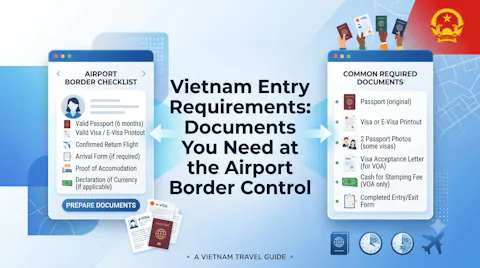
Vietnam Entry Requirements: Documents You Need at the Airport Border Control
Preparing the correct travel documents before arriving in Vietnam helps ensure a smooth entry process. This guide explains Vietnam’s entry requirements, including passport validity, visa or visa exemption eligibility, immigration procedures, customs declarations, and supporting documents that may be requested at airport or land border checkpoints. Whether you are traveling for tourism or business, understanding what to prepare before departure can save time and avoid unnecessary delays. Go Visit Vietnam provides practical guidance for entering Vietnam with confidence.
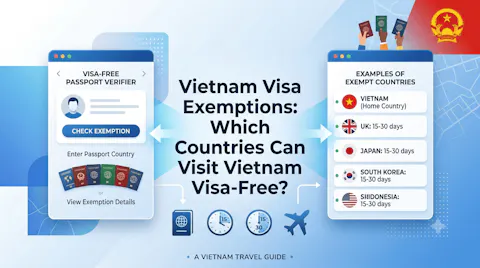
Vietnam Visa Exemptions: Which Countries Can Visit Vietnam Visa-Free?
Planning a trip to Vietnam? Find out whether your country qualifies for Vietnam’s visa exemption program and learn how long you can stay without a visa. This guide explains visa-free entry policies, eligibility requirements, permitted stay durations, and important travel considerations before arriving in Vietnam. Whether you are visiting for a short holiday or planning a longer journey, understanding Vietnam’s visa exemption rules helps you prepare with confidence. Go Visit Vietnam provides practical information for international travelers planning their visit.