
Vietnam Visa for US Citizens 2026: E-Visa Requirements and Application Guide
US citizens generally need a visa to enter Vietnam. This 2026 guide explains how to apply for a Vietnam e-visa, what documents you need, current visa fees, processing times, entry requirements, and common application mistakes. Learn how to use the official Vietnam e-visa system, prepare your US passport and photo, choose single or multiple entry, and check your visa before traveling. Get practical tips to make your Vietnam visa application simple and avoid common problems before departure.

On this page
- Do US Citizens Need a Visa for Vietnam?
- Vietnam E-Visa Requirements for US Citizens
- Passport Requirements for Vietnam
- Vietnam E-Visa Photo Requirements
- How to Apply for a Vietnam E-Visa From the USA
- How Much Is a Vietnam Visa for US Citizens?
- How Long Does a Vietnam E-Visa Take?
- Can US Citizens Get a 90-Day Vietnam Visa?
- Vietnam Single-Entry vs. Multiple-Entry E-Visa
- Where Can US Citizens Enter Vietnam With an E-Visa?
- What Happens When You Arrive in Vietnam?
- Vietnam Pre-Arrival Declaration for US Travelers
- Do You Need a Visa for a Short Trip to Vietnam?
- Can US Citizens Extend a Vietnam E-Visa?
- Can You Enter Vietnam With a Different Passport?
- Common Vietnam E-Visa Mistakes to Avoid
- Vietnam Entry Requirements Checklist for US Citizens
- Tips for US Travelers Visiting Vietnam
- Official Vietnam E-Visa Information
- Conclusion
If you are a US citizen planning a trip to Vietnam, you generally need a visa before traveling. For most travelers, the Vietnam e-visa is the simplest option because the application can be completed online before departure.
Vietnam e-visas can be issued for up to 90 days and may allow either single or multiple entries, depending on the visa issued. Before applying, check your passport, prepare the required documents, and make sure the information on your application matches your passport exactly.
This guide explains the Vietnam visa requirements for US citizens, how to apply for an e-visa, current government fees, processing times, entry procedures, and common mistakes to avoid.
Do US Citizens Need a Visa for Vietnam?
Yes. US citizens traveling on ordinary US passports generally need a visa to enter Vietnam.
The Vietnam e-visa is the main online option for American travelers visiting Vietnam for tourism and many other permitted purposes. You can apply before leaving the United States and receive the approved e-visa electronically.
Vietnam e-visas can be issued for a maximum of 90 days and may be:
- Single entry
- Multiple entry
Your approved e-visa will show the permitted validity period and entry conditions. Always check these details before traveling.
If your itinerary includes leaving Vietnam and returning during the same trip, a multiple-entry e-visa may be more suitable than a single-entry visa.
Vietnam E-Visa Requirements for US Citizens
Before starting your application, prepare the information and documents required by the Vietnam Immigration system.
You will generally need:
- A valid US passport
- A digital image of your passport information page
- A recent passport-style photograph
- Your personal information
- Your intended entry date
- Your temporary address in Vietnam
- Your intended entry point
- Your intended exit information
- A payment card for the government visa fee
Your passport should meet Vietnam's current validity requirements. The US Department of State currently advises travelers to have at least six months of passport validity beyond their arrival date.
Check your passport before applying. If it is close to expiration, renewing it before submitting the e-visa application can help avoid problems.

Passport Requirements for Vietnam
Your passport is the most important document in your Vietnam visa application.
Before submitting your application, check that:
- Your passport is valid for your planned trip.
- Your personal information is clearly readable.
- The passport has sufficient blank pages for immigration stamps.
- The passport is not damaged.
- The passport number is entered exactly as shown.
- Your name and date of birth match your passport.
If you recently renewed your passport, apply for the Vietnam e-visa using the new passport that you will actually use to enter Vietnam.
Your e-visa is associated with the passport information submitted in the application. You should travel with the same passport used for the visa application.
Vietnam E-Visa Photo Requirements
The application requires a digital passport-style photograph and an image of your passport information page.
Make sure your photograph is clear and recent. Follow the current technical requirements displayed on the official Vietnam e-visa application system when uploading your image.
For the best chance of a smooth application:
- Look directly toward the camera.
- Use a clear, well-lit photograph.
- Avoid glasses if the current application requirements prohibit them.
- Make sure your face is clearly visible.
- Avoid blurry or heavily edited photographs.
- Use the required digital file format and size.
Your passport information page should also be sharp and readable. Avoid reflections, shadows, cropped edges, or low-resolution images.
Because technical requirements can change, check the official application portal before submitting your files.
How to Apply for a Vietnam E-Visa From the USA
Applying for a Vietnam e-visa is an online process. You do not normally need to visit a Vietnamese embassy simply to submit a standard e-visa application.
Step 1: Check Your Passport
Make sure your US passport meets the current Vietnam entry requirements and will remain valid for your trip.
If your passport is about to expire, consider renewing it before applying.
Step 2: Use the Official Vietnam E-Visa System
Use the official Vietnam Immigration e-visa system rather than an unknown third-party website.
Be careful when searching online because commercial visa agencies may appear alongside official government websites. These services may charge additional fees for submitting an application on your behalf.
If you apply yourself, use the official government system and verify the website address before entering passport or payment information.
Step 3: Enter Your Personal Information
Complete the application using the information shown on your passport.
Check carefully:
- Full name
- Date of birth
- Nationality
- Sex
- Passport number
- Passport issue date
- Passport expiry date
Do not rush through this section. A small mistake in your passport number or personal information can cause problems with the issued visa.
Step 4: Enter Your Vietnam Travel Information
You will also provide information about your planned trip, including your intended arrival date and temporary address in Vietnam.
For the accommodation address, travelers can generally provide the address of their first hotel or other planned accommodation.
If you are traveling around Vietnam, you do not need to list every hotel you will use during your entire trip. Follow the information requested by the current application form.
Step 5: Select Your Entry Point
Vietnam e-visas can be used at designated international airports, land border crossings, and seaports listed by the immigration system.
Choose an entry point that matches your travel plans.
If you are flying from the United States to Vietnam, common international gateways include:
- Noi Bai International Airport in Hanoi
- Tan Son Nhat International Airport in Ho Chi Minh City
- Da Nang International Airport
If your itinerary changes after receiving your e-visa, check the current immigration rules before traveling rather than assuming that every change is automatically permitted.
Step 6: Upload Your Documents
Upload your passport information page and photograph according to the technical requirements shown by the official application system.
Before submitting, open the uploaded files and make sure they are clear and complete.
Step 7: Review the Application
This is one of the most important steps.
Compare every field with your physical passport before submitting the application.
Pay particular attention to:
- Passport number
- Full name
- Date of birth
- Nationality
- Passport expiry date
- Entry date
- Entry point
Submitting incorrect information can result in delays or require a new application.
Step 8: Pay the Vietnam E-Visa Fee
Pay the applicable government processing fee through the official system.
Save your payment information and application registration code after submitting the application.
Step 9: Check Your Application Status
Keep your registration code because you may need it to check the status of your application.
Do not assume that payment alone means your visa has been approved.
Wait for the official result and download your e-visa after it has been issued.
Step 10: Print Your E-Visa
Once your e-visa is approved, download and print it.
Carry the printed e-visa together with the passport used for the application when traveling to Vietnam.
Keeping a digital backup on your phone or in secure cloud storage is also a useful precaution.

How Much Is a Vietnam Visa for US Citizens?
The current government e-visa fees are:
- US$25 for a single-entry e-visa
- US$50 for a multiple-entry e-visa
These are government processing fees.
The official Vietnam Immigration system states that the e-visa fee is non-refundable, so review your application carefully before making payment.
Visa fees and application procedures can change. Always verify the current fee on the official government portal before submitting your payment.
How Long Does a Vietnam E-Visa Take?
Vietnam e-visas are generally processed within 3–5 working days, although processing can take longer depending on application volume, holidays, or problems with the submitted information.
For this reason, avoid applying immediately before your flight.
A practical approach is to submit your application at least one to two weeks before departure, giving yourself additional time if a correction or new application becomes necessary.
During busy travel periods and Vietnamese public holidays, allow extra time.
Can US Citizens Get a 90-Day Vietnam Visa?
Yes. Vietnam e-visas can be issued for up to 90 days.
Depending on the visa issued, the e-visa can allow either:
- A single entry, or
- Multiple entries
The exact validity dates printed on your approved e-visa determine when you can enter and how long the visa remains valid.
Do not assume that approval automatically gives you the maximum 90-day period. Check the dates shown on the actual e-visa before traveling.
Vietnam Single-Entry vs. Multiple-Entry E-Visa
Choose the entry type according to your itinerary.
A single-entry e-visa may be sufficient if you plan to enter Vietnam once and remain in the country throughout your trip.
A multiple-entry e-visa may be more appropriate if you plan to leave Vietnam and return during the visa's validity period.
For example, a traveler visiting Vietnam, continuing to another Southeast Asian country, and then returning to Vietnam may need a multiple-entry visa.
Always check the exact conditions on your approved e-visa.
Where Can US Citizens Enter Vietnam With an E-Visa?
Vietnam e-visas can be used at designated entry points approved by the Vietnamese immigration authorities.
These include selected:
- International airports
- Land border crossings
- Seaports
If you are flying from the United States, Hanoi, Ho Chi Minh City, and Da Nang are among the most common arrival points for international travelers.
Before departure, verify that your planned entry point is included in the current list of e-visa entry points.
What Happens When You Arrive in Vietnam?
After arriving at a Vietnamese international airport, follow the signs to immigration.
Have these documents ready:
- Your valid US passport
- Your printed Vietnam e-visa
The immigration officer will check your documents and process your entry.
Before leaving the immigration area, check your passport and entry information carefully. Make sure the permitted stay and entry date are consistent with your travel plans.
Keep your passport secure throughout your trip because you will need it for hotels, domestic travel, border crossings, and departure from Vietnam.
Vietnam Pre-Arrival Declaration for US Travelers
Travelers entering Vietnam by air may also need to complete a pre-arrival declaration before arrival.
Requirements and procedures can change, so check the latest instructions from Vietnamese authorities before your departure.
Do not confuse a pre-arrival declaration with a visa. If you need a Vietnam e-visa, completing an arrival form does not replace the visa requirement.
Checking both requirements before your flight can help prevent avoidable problems at the airport.
Do You Need a Visa for a Short Trip to Vietnam?
Yes, US passport holders generally need a visa even for a short tourist trip.
The length of your trip does not automatically make you exempt from the visa requirement.
For example, if you are visiting Vietnam for:
- 5 days
- 10 days
- 2 weeks
- 1 month
you should still check the applicable visa requirement for US citizens before traveling.
The Vietnam e-visa provides a convenient online option for many short-term visitors.
Can US Citizens Extend a Vietnam E-Visa?
Do not assume that you can simply extend your e-visa after entering Vietnam.
The US Department of State currently advises that Vietnam does not allow travelers to renew or extend an e-visa while they are in the country.
If you expect to stay longer than the period granted by your visa, research your options before traveling and make sure your immigration status remains valid.
Never overstay your authorized period.
Can You Enter Vietnam With a Different Passport?
Your Vietnam e-visa is connected to the passport information used in your application.
You should therefore enter and leave Vietnam using the same passport associated with your e-visa.
This is particularly important for travelers who:
- Hold dual citizenship
- Have more than one passport
- Renewed their passport after applying
- Travel frequently between countries
If your passport changes after your e-visa has been issued, check with the appropriate Vietnamese authorities before traveling.
Common Vietnam E-Visa Mistakes to Avoid
Many visa problems are caused by simple application errors.
Incorrect Passport Number
Check every letter and number carefully.
A mistake in the passport number can make the approved visa unusable.
Incorrect Name
Enter your name exactly according to the current application instructions and your passport.
Do not casually shorten your name or leave out information because it appears inconvenient.
Incorrect Entry Date
Check the date you plan to arrive in Vietnam before submitting the application.
If your travel dates change significantly, verify whether your existing e-visa remains suitable.
Poor-Quality Photograph
Use a clear photograph that meets the current technical requirements.
Blurry, dark, or incorrectly formatted files can create application problems.
Poor Passport Scan
The passport information page must be clear and readable.
Make sure the entire required page is visible and free from glare.
Choosing the Wrong Entry Point
Check your intended airport, land border, or seaport against the current approved e-visa entry-point list.
Applying Through an Unofficial Website
Search results may contain commercial visa agencies that look similar to government websites.
If you want to apply yourself, verify that you are using the official Vietnamese government e-visa system.
Vietnam Entry Requirements Checklist for US Citizens
Before flying to Vietnam, review this checklist:
- Valid US passport
- Passport meets current validity requirements
- Vietnam e-visa approved
- E-visa dates checked
- Name and passport number checked
- Entry point confirmed
- Printed copy of e-visa
- Digital backup of e-visa
- Flight and accommodation information available
- Current pre-arrival requirements checked
- Travel insurance documents saved if applicable
Keeping all important travel documents together makes airport check-in and immigration easier.
Tips for US Travelers Visiting Vietnam
Getting your visa is only the first step in preparing for Vietnam.
A few additional precautions can make your trip easier.
Keep Your Passport Secure
Your passport is your most important travel document. Keep it protected and avoid leaving it unattended.
Save Copies of Important Documents
Keep digital copies of your:
- Passport
- E-visa
- Travel insurance
- Flight information
- Hotel bookings
Store copies somewhere you can access them if your phone or luggage is lost.
Check Your Visa Before Flying
Do not wait until you reach the airport to discover an incorrect passport number or visa date.
Review your approved e-visa several days before departure.
Allow Extra Time
Although e-visas are commonly processed within several working days, unexpected delays can occur.
Applying early gives you time to correct problems without putting your flight at risk.
Check Official Information Before Travel
Vietnam's immigration procedures and entry requirements can change.
Always verify the latest requirements with Vietnamese immigration authorities and official US government travel information before departure.
Official Vietnam E-Visa Information
When applying for a Vietnam e-visa, use the official Vietnamese government immigration system rather than relying exclusively on third-party websites.
The official system provides information about:
- E-visa applications
- Application status
- Current fees
- Entry points
- Application requirements
- Visa validity
Because immigration rules can change, official government information should take priority over older travel articles, social media posts, or unofficial visa websites.
Conclusion
For most US citizens, getting a Vietnam visa is a straightforward online process when the application is completed carefully.
The Vietnam e-visa is the main option for many American travelers and can be issued for up to 90 days with either single or multiple entry, depending on the visa granted.
Before traveling, make sure your passport meets the current requirements, prepare a clear passport image and photograph, enter your information accurately, pay the correct government fee, and check your approved e-visa before departure.
Most importantly, use the official Vietnam Immigration system and verify current entry requirements before your trip.
With your visa and travel documents prepared in advance, you can spend less time worrying about immigration paperwork and more time exploring Vietnam—from the streets of Hanoi and historic Hoi An to the beaches of Da Nang and the markets of Ho Chi Minh City.

By Roy Trinh
Editor
Roy Trinh is a travel writer and destination expert at Go Visit Vietnam, dedicated to helping travelers discover the beauty, culture, and diversity of Vietnam. Through well-researched travel guides, practical itineraries, local insights, and authentic recommendations, Roy shares valuable information to inspire memorable journeys across the country. From vibrant cities and breathtaking landscapes to regional cuisine and cultural heritage, every guide is created to help visitors experience Vietnam with confidence and curiosity.
Frequently Asked Questions About Vietnam Visa for US Citizens
Do US citizens need a visa to visit Vietnam?
Yes. US citizens traveling on ordinary US passports generally need a visa to enter Vietnam. The Vietnam e-visa is the main online option for many American travelers.
How can US citizens apply for a Vietnam visa?
US citizens can apply for a Vietnam e-visa online through the official Vietnamese immigration system. Applicants need to provide passport information, a passport photo, travel details, and pay the applicable government fee.
How long can US citizens stay in Vietnam with an e-visa?
A Vietnam e-visa can be issued for up to 90 days. Depending on the visa issued, it may allow either single or multiple entry. Always check the validity dates printed on your approved e-visa.
How much is a Vietnam e-visa for US citizens?
The current government e-visa fee is US$25 for single entry and US$50 for multiple entry. The fee is non-refundable, so carefully check your application before submitting payment.
How long does a Vietnam e-visa take for US citizens?
Vietnam e-visas are generally processed within 3–5 working days, although processing can take longer because of application volume, holidays, or problems with the submitted information. Applying at least one to two weeks before departure provides additional time if an issue occurs.
What documents do US citizens need for a Vietnam e-visa?
Applicants generally need a valid US passport, a digital passport information page, a recent passport-style photograph, personal information, travel details, and a payment method for the government fee.
How long must a US passport be valid to enter Vietnam?
US travelers should make sure their passport meets Vietnam's current validity requirements. The US Department of State currently advises travelers to have at least six months of passport validity beyond their arrival date.
Can US citizens get a multiple-entry Vietnam e-visa?
Yes. Vietnam e-visas can be issued as either single-entry or multiple-entry visas. A multiple-entry visa may be useful if your itinerary involves leaving Vietnam and returning during the visa's validity period.
Can US citizens get a 90-day Vietnam visa?
Yes. Vietnam e-visas can be issued for up to 90 days. The actual validity period and number of permitted entries are determined by the e-visa issued to the traveler.
Can US citizens apply for a Vietnam visa on arrival?
US travelers should not rely on the old visa-on-arrival process for a normal tourist trip. The Vietnam e-visa is the more relevant online option for travelers who need advance authorization. Check current Vietnamese immigration rules before traveling.
Advertising box
Explore More Vietnam Visa & Entry Guides
Find everything you need to know before entering Vietnam, from e-Visa applications and visa exemptions to passport requirements, customs regulations, airport arrival procedures, and practical travel tips. Our comprehensive guides help you prepare for a smooth, hassle-free journey from the moment you arrive.

Vietnam Visa for Australian Citizens 2026: E-Visa Requirements and Application Guide
Australian citizens generally need a visa to travel to Vietnam. This practical 2026 guide explains the Vietnam e-visa process for Australian passport holders, including eligibility, passport and photo requirements, application steps, fees, processing times, entry points, and common mistakes to avoid. Learn how to apply through the official Vietnamese immigration system, check your application details, prepare for arrival, and make sure your travel documents are ready before flying from Australia to Vietnam.
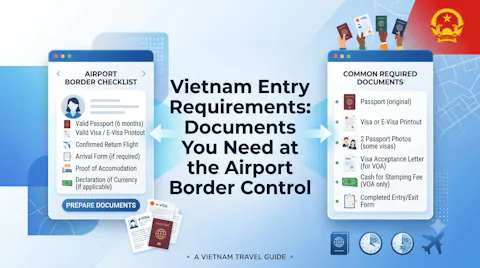
Vietnam Entry Requirements: Documents You Need at the Airport Border Control
Preparing the correct travel documents before arriving in Vietnam helps ensure a smooth entry process. This guide explains Vietnam’s entry requirements, including passport validity, visa or visa exemption eligibility, immigration procedures, customs declarations, and supporting documents that may be requested at airport or land border checkpoints. Whether you are traveling for tourism or business, understanding what to prepare before departure can save time and avoid unnecessary delays. Go Visit Vietnam provides practical guidance for entering Vietnam with confidence.
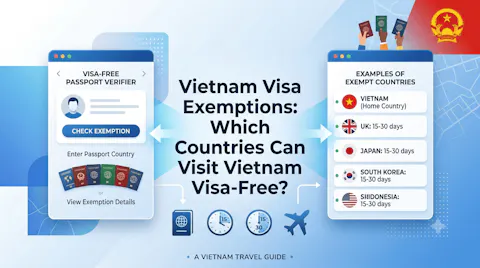
Vietnam Visa Exemptions: Which Countries Can Visit Vietnam Visa-Free?
Planning a trip to Vietnam? Find out whether your country qualifies for Vietnam’s visa exemption program and learn how long you can stay without a visa. This guide explains visa-free entry policies, eligibility requirements, permitted stay durations, and important travel considerations before arriving in Vietnam. Whether you are visiting for a short holiday or planning a longer journey, understanding Vietnam’s visa exemption rules helps you prepare with confidence. Go Visit Vietnam provides practical information for international travelers planning their visit.
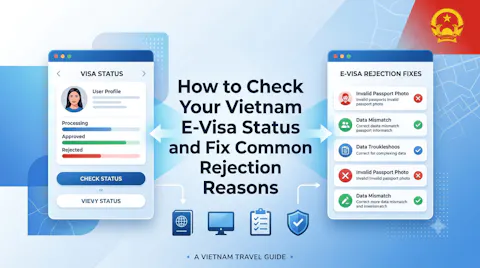
How to Check Your Vietnam E-Visa Status and Fix Common Rejection Reasons
Waiting for your Vietnam E-Visa approval? This guide explains how to check your Vietnam E-Visa status online, understand the application process, and identify common reasons why an application may be delayed or rejected. Learn practical solutions for correcting passport information, photo requirements, personal details, and supporting documents before reapplying. Go Visit Vietnam provides helpful visa guidance to make your application smoother and help you prepare confidently for your upcoming trip to Vietnam.