
Hidden Gems in Vietnam: Best Places to Visit Away From the Crowds
Looking to explore beyond Vietnam’s famous tourist attractions? Discover hidden gems across the country, from peaceful mountain villages and untouched islands to scenic waterfalls, remote national parks, and authentic local communities. These lesser-known destinations offer unique experiences, stunning natural beauty, and opportunities to connect with local culture away from busy tourist hotspots. Whether you enjoy adventure, nature, or cultural discovery, Go Visit Vietnam introduces inspiring places that reveal a quieter and more authentic side of Vietnam.

On this page
- Y Ty, Lào Cai — Where the Clouds Come to Rest
- Mù Cang Chải Backcountry, Yên Bái — Past the Photography Crowd
- Phong Nha Outskirts, Quảng Bình — The Caves They Haven't Named Yet
- Kon Tum, Central Highlands — Timber Churches and Living Villages
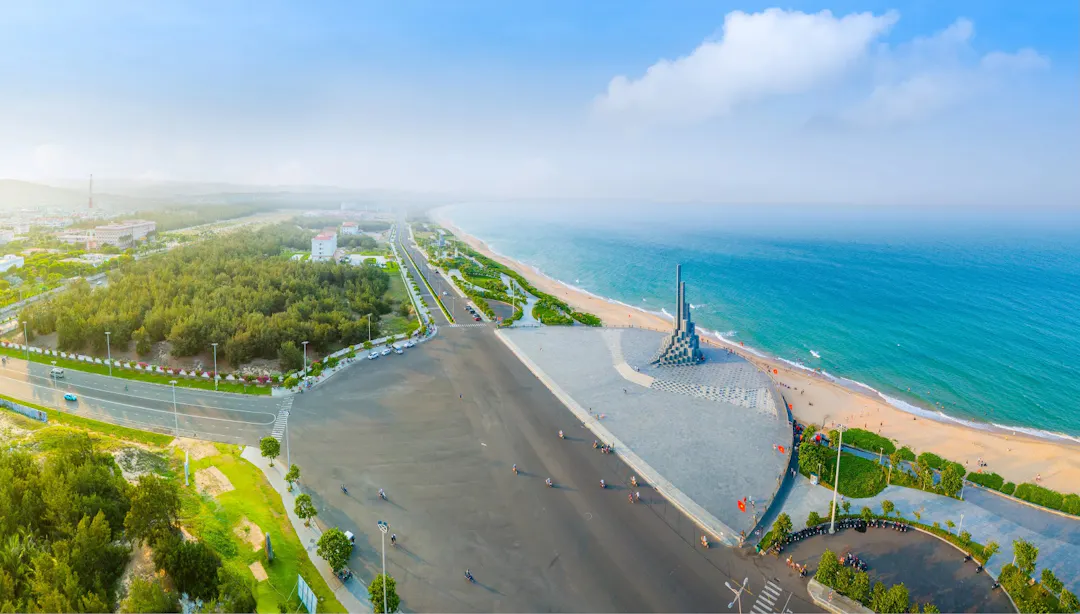
- Tuy Hòa & Phú Yên Coast — Basalt, Boats, and No Resorts
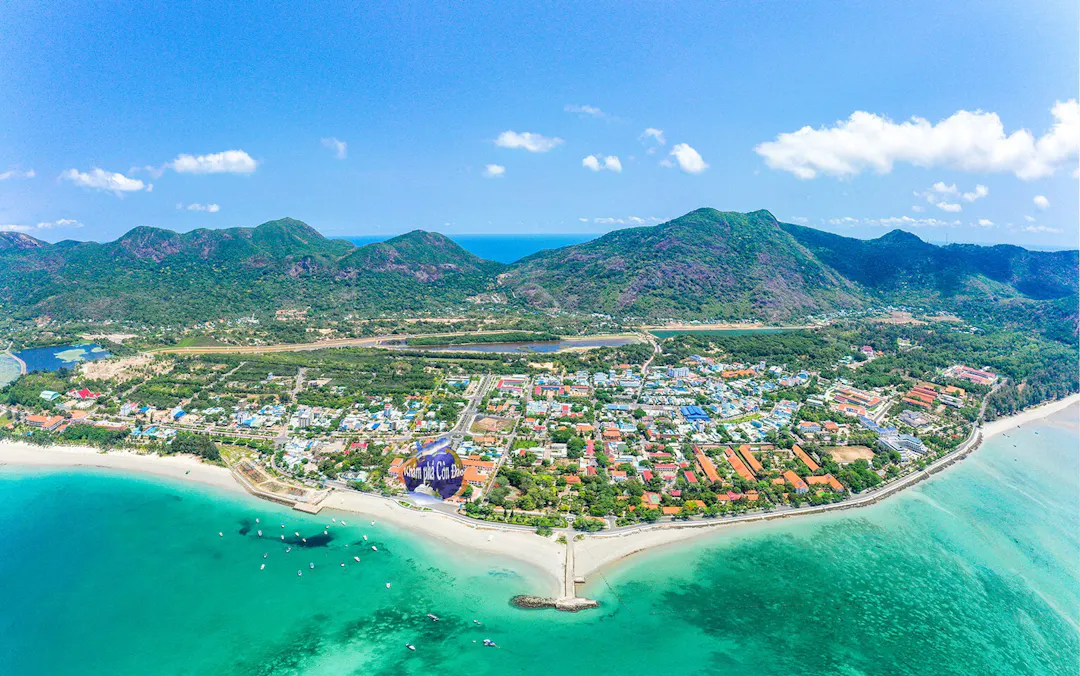
- Côn Đảo Islands, Bà Rịa-Vũng Tàu — Where Conservation Meets History
- Traveling Responsibly in Fragile Places
The version of Vietnam that fills most travel feeds is real — but it's also curated. Ha Long Bay's limestone karsts photographed from a junk boat deck. Hội An's lanterns reflected on the Thu Bồn River at golden hour. Sa Pa's terraced hillsides seen from the window of a weekend train from Hanoi. These are genuinely beautiful places. They are also, increasingly, places where the experience of discovery has been replaced by the experience of queuing.
There is another Vietnam operating quietly behind all of it. A Vietnam where the road surface turns to red clay and your bus driver navigates by instinct rather than GPS signal. Where a Hà Nhì grandmother waves you into her courtyard not because she expects payment but because hospitality is structural to how her community functions. Where the silence on a mountain ridge at dawn is so complete you hear your own breathing.
This guide maps six of those places — a deliberate spread across north, center, and south, chosen not for Instagram aesthetics but for depth of experience. Some require advance planning and permits. Some test your appetite for basic amenities and zero English signage. All of them reward the traveler who shows up prepared, moves slowly, and pays attention.
These are not secrets that will stay secret forever. But right now, they're still close enough to raw that you'll feel the difference.
Y Ty, Lào Cai — Where the Clouds Come to Rest
The Place
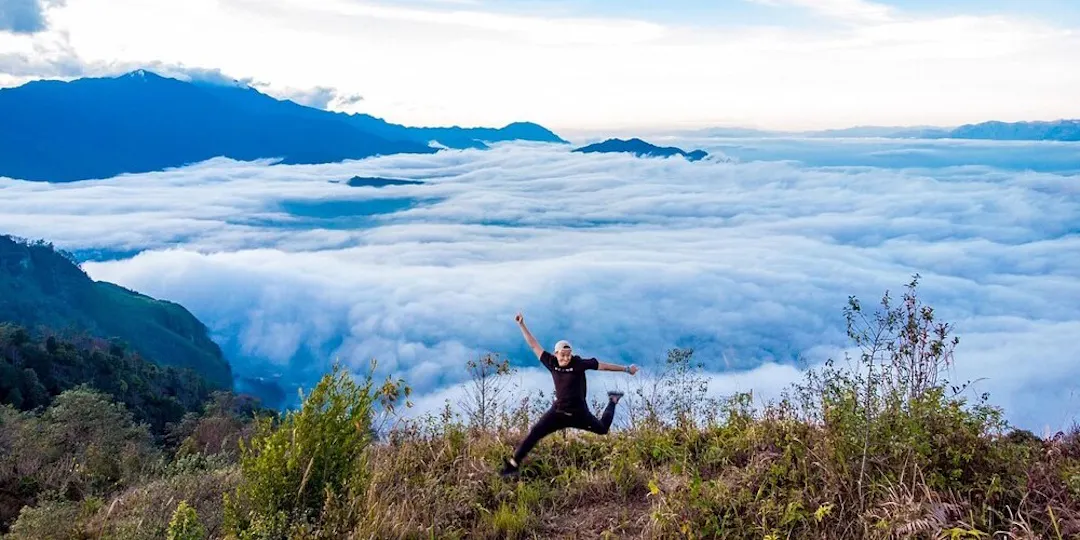
Y Ty sits in the far northwest corner of Lào Cai Province, pressed against the Chinese border at around 2,000 meters elevation. The road up from Bát Xát district headquarters is paved but narrow, winding through terraces of cardamom and rice that catch fog in their folds from October through March. On certain mornings — usually between late October and January — the valley below Y Ty fills with cloud to the level of a white lake, and the village sits above it on an island of green. Local travel photographers call it "cloud hunting." The Hà Nhì people who actually live here call it Tuesday.
What Makes It Special
Y Ty's cultural landscape is ethnically distinct from the Hmong-dominated highland areas further west. The dominant communities here are Hà Nhì Đen (Black Hà Nhì) and Phù Lá, recognizable by the indigo-dyed clothing that the women still wear daily — not for tourists, but because they've always worn it. The architecture of Hà Nhì "earthen mushroom houses" (nhà trình tường) — thick rammed-earth walls, low overhanging roofs — is found almost nowhere else in Vietnam at this density.
Insider Tips
The cloud inversion phenomenon is weather-dependent and genuinely unpredictable. Come with flexible dates if possible, and ask your homestay host the night before whether conditions look promising — they read the local atmosphere better than any app.
The weekly Sunday market at Y Ty is the real draw for cultural immersion: vendors walk down from higher hamlets, trade happens in several minority languages simultaneously, and the fried pork rice (cơm rang thịt lợn) sold from a woman's coal stove near the market entrance costs about 20,000 VND and is one of the better meals in the northwest.
Know Before You Go
- Permit required: Y Ty sits in a border zone — a border area permit (giấy phép khu vực biên giới) is required for foreign nationals. Arrange this through your accommodation host in advance, or through a Lào Cai-based tour operator. It typically takes 3–5 working days to process.
- Getting there: From Lào Cai city, hire a motorbike driver or private car to Bát Xát (40 km), then continue to Y Ty (another 55 km). The road is sealed but steep; allow 3 hours minimum.
- Best time: Late October to early January for cloud inversions; May–June for the pre-harvest green terraces.
- Accommodation: Basic homestays in the village, typically providing a mattress, blanket, and evening meal for $10–$15 per night. Hot water is not guaranteed. Bring a sleeping bag liner.
Mù Cang Chải Backcountry, Yên Bái — Past the Photography Crowd
The Place
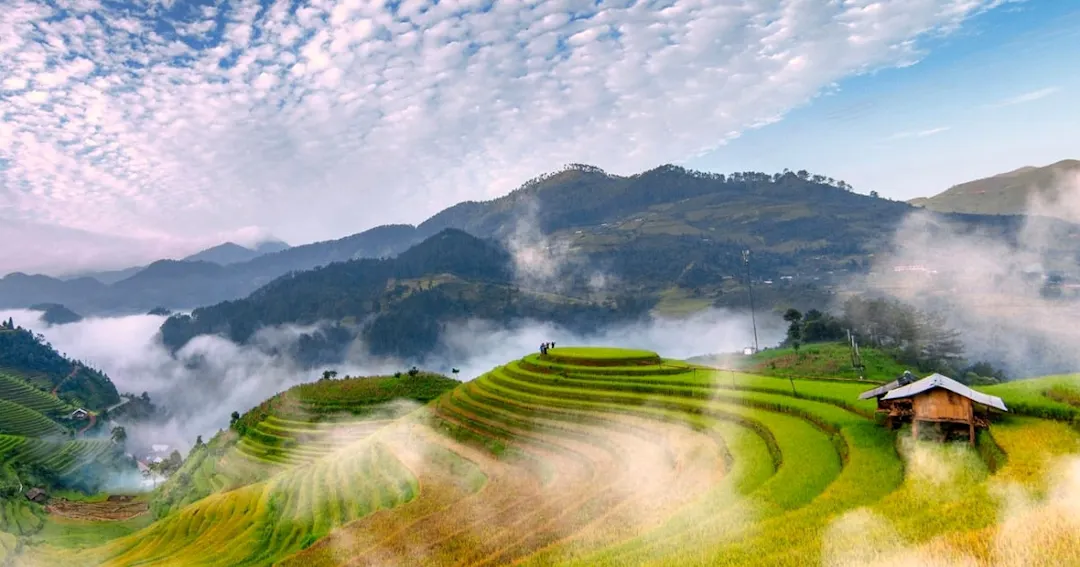
Most travelers who reach Mù Cang Chải do so for the terraced landscapes around La Pán Tẩn and Chế Cu Nha — and those terraces are worth every photograph taken of them. But the circuit ends at the viewpoints. The valley hamlets below — Nậm Có, Dế Xu Phình, the upper settlements accessible only by foot trail — see almost no foreign visitors, even during the September-October harvest peak.
Down there, the terraces aren't a backdrop. They're a food system. Women in Hmong dress move through the water-filled paddies planting or harvesting depending on the month, and the sound of the valley is the sound of agricultural work: water moving through clay channels, the thwack of a scythe, children chasing ducks out of the grain.
What Makes It Special
The Hmong communities in Mù Cang Chải's backcountry maintain a level of cultural continuity that the more-accessible villages closer to Sa Pa have largely traded for guesthouse income. Textile production using traditional indigo-dyeing methods is still practiced in household workshops; you can sometimes watch the process if invited.
The trekking here isn't manicured. Trails follow irrigation bunds through active rice paddies, cross streams on single-log bridges, and climb steep forest edges without signage. Hiring a local Hmong guide isn't optional — it's the ethical choice, the navigational necessity, and the only way to understand what you're actually walking through.
Insider Tips
Bring small gifts appropriate for a homestay welcome — fresh fruit, instant coffee sachets, or children's school supplies. Do not hand out sweets or money to children directly; it encourages dependency behavior that local community leaders have repeatedly asked visitors to stop.
The best light on the terraces falls between 6:30 and 8:30am. Sleep at an in-valley homestay rather than driving up from the town at dawn — you'll already be there when the mist clears.
Know Before You Go
- Getting there: From Hanoi, take a sleeper bus to Mù Cang Chải town (8–9 hours, ~$12). From town, hire a motorbike driver or arrange with your homestay for trail access.
- Guide hire: Essential for backcountry treks. Budget $25–$40/day for a local Hmong guide; arrange through Mù Cang Chải town guesthouses or community-based tourism contacts.
- Best time: Mid-September to mid-October (golden harvest); May–June (water-filled terraces, vivid green).
- Accommodation: Village homestays are rustic but memorable — shared sleeping space on wooden platforms, family-cooked meals of black chicken soup and rice wine.
Phong Nha Outskirts, Quảng Bình — The Caves They Haven't Named Yet
The Place
Phong Nha-Kẻ Bàng National Park's mainstream caves — Phong Nha, Paradise, Dark Cave — have been absorbed into the international tourism circuit. Son Doong, the world's largest cave, requires a $3,000 expedition permit and a year-long waiting list. But the karst system underlying Quảng Bình province contains over 300 identified cave systems, the majority of which have no tourist infrastructure, no lights, and no queues.
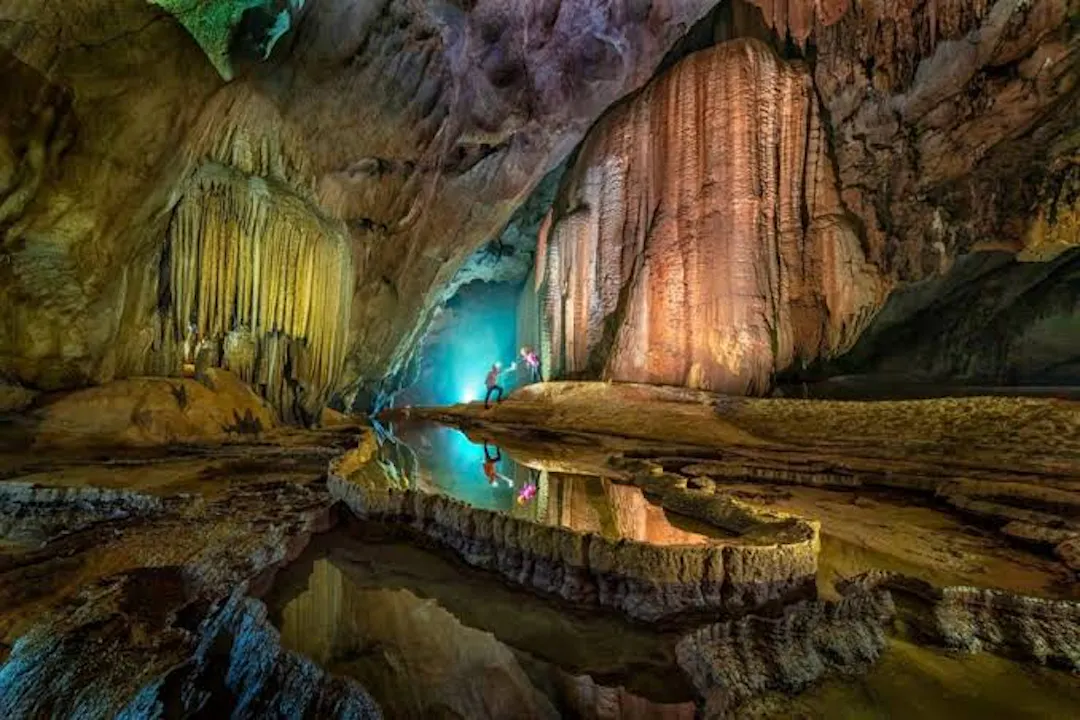
Operators running adventure caving experiences beyond the mainstream circuit take small groups into caves that lack formal names in English — passages requiring wetsuit entry through submerged sections, chambers with active cave pearls forming on the floor, rivers moving silently under karst mountains that from the surface look like ordinary limestone hills.
What Makes It Special
The geology here is Palaeozoic limestone, 400+ million years old, and the cave formations reflect that age in scale and complexity. Spelunking beyond the lit caves involves navigation by headlamp through formations that have never been touched by a tourist's hand — stalactites intact, cave pearls undisturbed, gour pools still holding their geometry.
The secondary jungle outside the cave systems is also underexplored: Phong Nha's buffer zone trails pass through primary forest with old-growth canopy, endemic langur populations, and river systems where you can swim between limestone walls with zero other visitors present.
Insider Tips
Book adventure caving experiences exclusively through Oxalis Adventure or Jungle Boss — both are internationally vetted operators with trained cave guides, safety equipment, and Leave No Trace protocols. Do not book any "off-trail cave tour" from unlicensed street touts; cave collapse risk is real and the park has had incidents.
The 45km Ho Chi Minh Highway trail bike ride through the park's buffer zone (bookable as a guided day tour) reveals landscapes that no conventional tourist transport accesses.
Know Before You Go
- Getting there: Fly Hanoi or HCMC to Đồng Hới airport (the closest hub), then 45 minutes by taxi to Phong Nha village.
- Best time: February to August (dry season for the central region). Avoid September–November — flooding is genuine and cave tours are suspended.
- Accommodation: Phong Nha village has an established guesthouse scene ranging from basic dorms to riverside boutique rooms.
> Read more: Phong Nha - Ke Bang National Park, Son Doong Cave
Kon Tum, Central Highlands — Timber Churches and Living Villages
The Place
While Đà Lạt handles the Central Highlands' tourist traffic with flower gardens and cable cars, Kon Tum, 200 km further north, operates in near-complete obscurity to international visitors. The town itself is modest and unhurried. The surrounding villages of Bahnar and Jarai ethnic communities are anything but ordinary.
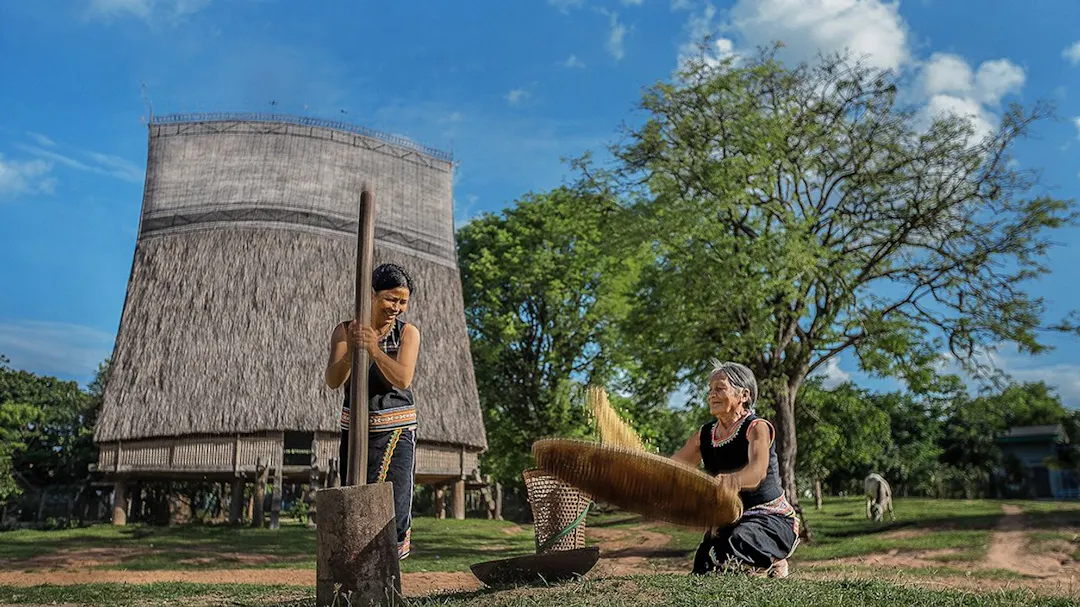
The Bahnar communal house (nhà rông) — a towering wooden structure with a blade-sharp roofline rising 20–25 meters — anchors every village's social architecture. They're not preserved artifacts; they're active spaces where community decisions are made and ceremonies held. Sitting inside one at dusk, watching smoke curl up toward the carved ridgepole, is a more genuinely immersive cultural experience than most museum exhibits on the planet.
What Makes It Special
The Kon Tum wooden seminary (Tiểu Chủng Viện Kon Tum) — a French-built timber mission church from 1913, constructed entirely in Bahnar architectural style — is one of the most architecturally singular religious buildings in Vietnam. It receives perhaps fifteen foreign visitors a week. The Bahnar villages within 30km of Kon Tum — Kon Klor, Plei Tơ Nghia — welcome respectful visitors with advance coordination through local guides.
The regional cuisine is also genuinely distinct: roasted river fish wrapped in banana leaf, bamboo-tube rice, and fermented rice wine drawn through long communal straws at traditional ceremonies.
Know Before You Go
- Getting there: Fly to Pleiku (Gia Lai province), then 50km by taxi or bus to Kon Tum. Or take a bus direct from Đà Nẵng (5 hours) or Đà Lạt (5–6 hours).
- Best time: November to April (dry season).
- Guide: Hire a local guide for village visits — approaching Bahnar and Jarai villages without introduction is culturally inappropriate and practically ineffective.
- Accommodation: Kon Tum has a handful of clean midrange guesthouses. No luxury options — which is entirely appropriate.
Tuy Hòa & Phú Yên Coast — Basalt, Boats, and No Resorts
The Place
The coastline of Phú Yên province — anchored by the modest city of Tuy Hòa — is where Vietnam's coast looks the way it looked before beach development arrived. The defining geological feature is Gành Đá Đĩa: a headland of perfectly hexagonal basalt columns formed by ancient volcanic cooling, stacked vertically like a pipe organ at the sea's edge. It's a formation comparable to Northern Ireland's Giant's Causeway, with a fraction of the visitor count.
The fishing villages north and south of Tuy Hòa run on tidal schedules. Dawn brings the boats in; the fish auction on the beach happens before 7am, conducted in a rapid local dialect with a pace that makes commodity trading floors seem relaxed.
Insider Tips
Rent a motorbike in Tuy Hòa and follow the coast road north to Mũi Điện — the easternmost point of mainland Vietnam, marked by a 1890s-era French lighthouse on a headland above the South China Sea. Almost no one goes there. The view south down the coastline on a clear morning is unobstructed for 40km.
Eat at the market stalls near the Tuy Hòa fish wharf for breakfast: bún cá (fish noodle soup) with fresh-caught tuna costs 25,000 VND and is the provincial dish done at its honest best.
Know Before You Go
- Getting there: Direct flights from Hanoi and HCMC to Tuy Hòa (Đông Tác) airport; or train from Da Nang (3.5 hours).
- Best time: January to August.
- Accommodation: Small local hotels in Tuy Hòa town; beach guesthouses at Bãi Xép fishing village (made famous in the Vietnamese film "Tôi thấy hoa vàng trên cỏ xanh") are excellent value.
Côn Đảo Islands, Bà Rịa-Vũng Tàu — Where Conservation Meets History
The Place
Côn Đảo is not undiscovered — it has an airport and a few luxury resorts. What it remains is uncommercialised at scale, largely because the Vietnamese government has maintained strict development controls on the island chain. The result is a national park where hawksbill and green sea turtles still nest on the beaches between June and September, where coral reefs remain genuinely healthy, and where the forest cover on the main island is primary jungle.
The historical dimension adds unexpected gravity. Côn Sơn island operated Vietnam's most notorious prison complex from French colonial rule through the Vietnam War — the "tiger cages" where political prisoners were held in open-air concrete cells are preserved as a museum. The experience is sobering and essential context for understanding why the Vietnamese relationship with foreign presence carries the texture it does.
Insider Tips
Book a guided turtle nesting patrol through the Côn Đảo National Park office (not through hotel concierges who add significant markups). The patrol runs from June to September, departing around 9pm and tracking nesting females on Đầm Trầu beach. Watching a 120kg hawksbill turtle excavate her egg chamber by moonlight is not a wildlife experience with a direct comparison anywhere in Southeast Asia.
Bring reef-safe sunscreen — the national park monitors compliance seriously, and regular sunscreen damages the coral systems that make the diving here worth doing.
Know Before You Go
- Getting there: Direct flights from HCMC (50 minutes) and from Cần Thơ. Daily high-speed ferries from Vũng Tàu operate in calm-sea months.
- Best time: October to June for diving and general travel; June–September for turtle nesting season.
- Accommodation: A mix of luxury eco-resorts (Six Senses Côn Đảo for maximum comfort), midrange guesthouses, and national park bungalows near the turtle beaches.
> Read more: Con Dao Island
Traveling Responsibly in Fragile Places
Every destination in this guide exists in a state of fragile equilibrium — between accessibility and preservation, between cultural continuity and the economic pull of tourism revenue.
That equilibrium is your responsibility as much as anyone's.
The practical version of responsible travel in these places looks like this: hiring local guides rather than relying on outside tour operators who extract income without reinvestment. Eating at family-run stalls rather than expat-owned cafés in emerging destinations. Asking before photographing people, and accepting refusal without argument. Staying longer in fewer places rather than moving daily and treating communities as backdrop rather than destination.
The Hà Nhì woman in Y Ty, the Bahnar elder in Kon Tum, the turtle researcher on Côn Đảo beach — they are not there to perform Vietnam for you. They are living in it. The most meaningful travel experiences happen at the point where you stop being an observer and start being a respectful guest.
Go to these places. Go slowly. Leave them better than the tourist infrastructure you skipped to find them.
Frequently Asked Questions About Vietnam’s Hidden Gems
What are hidden gems in Vietnam?
Hidden gems are lesser-known destinations that receive fewer tourists but offer unique natural landscapes, authentic local culture, peaceful beaches, mountain villages, waterfalls, and memorable travel experiences away from crowded attractions.
Are Vietnam’s hidden destinations difficult to reach?
Some hidden gems require longer travel times or multiple forms of transportation, while others are surprisingly easy to access from nearby cities. Planning ahead and checking local transport options can make the journey much smoother.
When is the best time to visit Vietnam’s hidden gems?
The ideal time depends on the destination. Mountain areas are generally best during the dry season, while coastal and island destinations are most enjoyable during periods of calm weather and clear skies. Always check regional weather before traveling.
Why should I visit places away from the crowds?
Less-visited destinations often provide a more peaceful atmosphere, authentic cultural experiences, beautiful natural scenery, and opportunities to support local communities while avoiding the busiest tourist hotspots.
How can I travel responsibly when visiting hidden places in Vietnam?
Respect local customs, avoid littering, support locally owned businesses, minimize plastic waste, stay on marked trails, and follow conservation rules in protected areas. Responsible travel helps preserve these special destinations for future visitors and local communities.
Advertising box