
Son Doong Cave
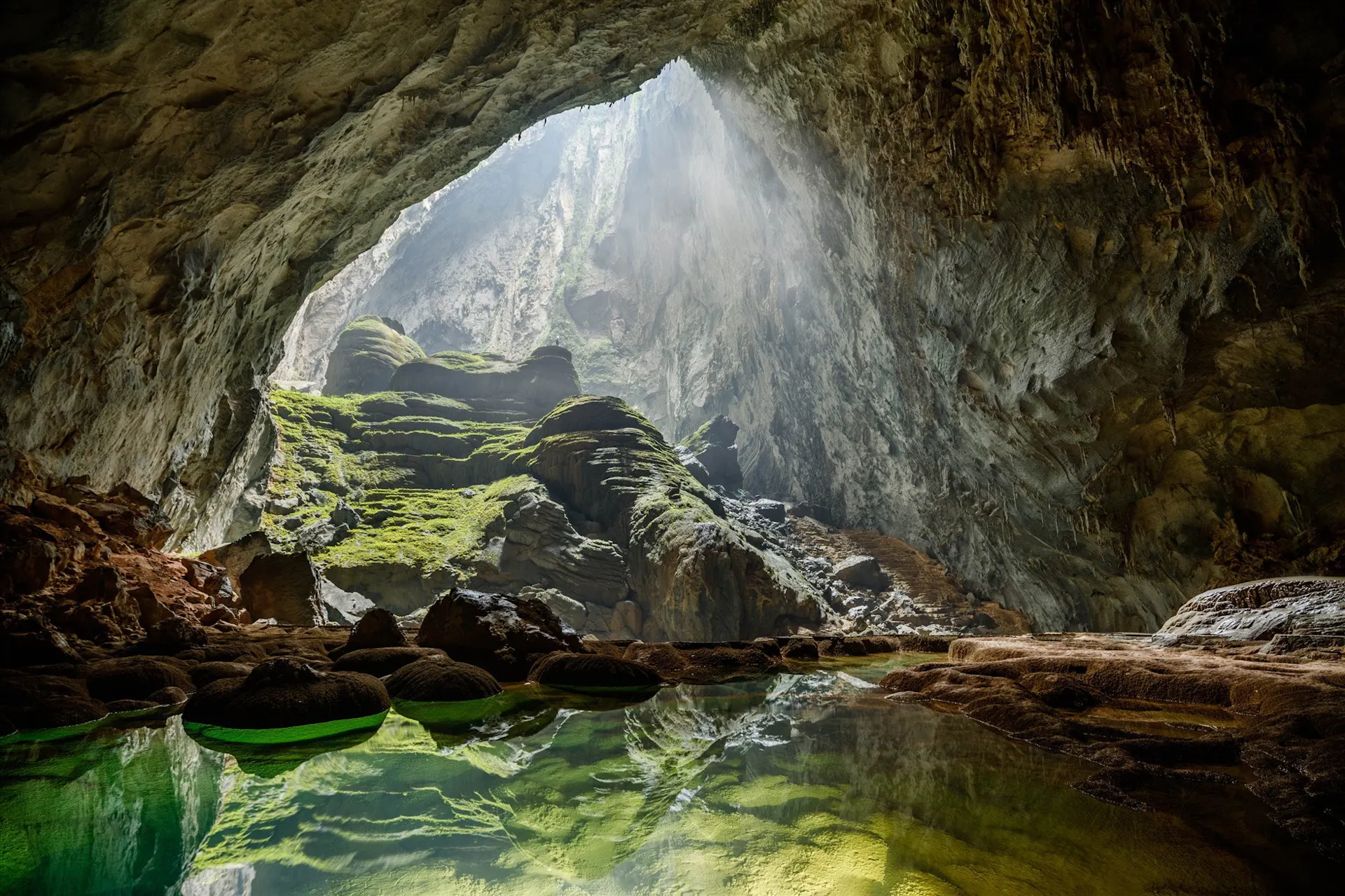
Son Doong Cave is one of Vietnam’s greatest natural wonders and the world’s largest known cave by volume, located in Phong Nha-Ke Bang National Park, Quang Binh Province. With enormous underground chambers, unique ecosystems, rivers, and stunning rock formations, Son Doong offers an extraordinary adventure unlike anywhere else. Accessible through guided expeditions, the cave attracts explorers from around the world seeking a once-in-a-lifetime experience. Go Visit Vietnam introduces the beauty, history, and adventure of this remarkable underground wonder.
About Son Doong Cave
Son Doong Cave is one of the world's most extraordinary natural wonders, located in Phong Nha-Ke Bang National Park in Quang Binh Province, central Vietnam. Famous for its enormous passages, underground river, jungle, towering stalagmites, and unique cave ecosystem, Son Doong offers one of the most remarkable adventure experiences in Vietnam.
The cave is famous for its immense scale. In some sections, the underground chambers are large enough to contain a modern city building. However, visiting Son Doong is not a conventional sightseeing experience. Access requires a demanding multi-day expedition through remote forest and underground terrain, making it a destination for experienced adventure travelers.
What Is Son Doong Cave?
Son Doong, meaning "Mountain River Cave," is part of the extensive limestone cave system of Phong Nha-Ke Bang.
The cave was first discovered by a local man named Ho Khanh in 1990 and was later surveyed by British cave explorers in 2009.
Its enormous chambers and unusual underground environment quickly attracted international attention.
Today, Son Doong is considered one of the most spectacular cave systems on Earth.
The World's Largest Cave Passage
Son Doong is widely recognized for having the largest known cave passage by volume.
The cave stretches for several kilometers and contains chambers of extraordinary dimensions.
Its ceiling rises hundreds of meters in places, while some sections are wide enough to create their own weather systems.
The scale is difficult to understand until visitors stand inside the cave.
Underground Jungle
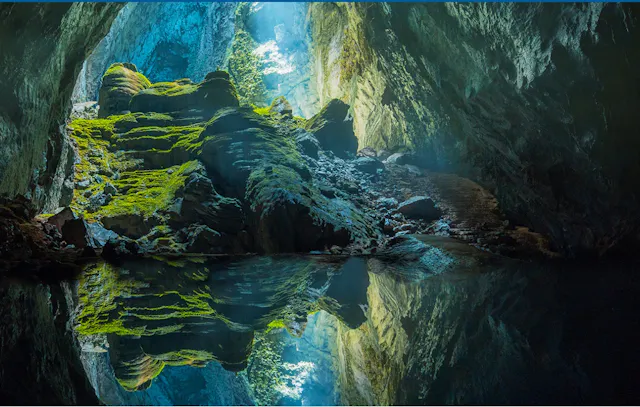
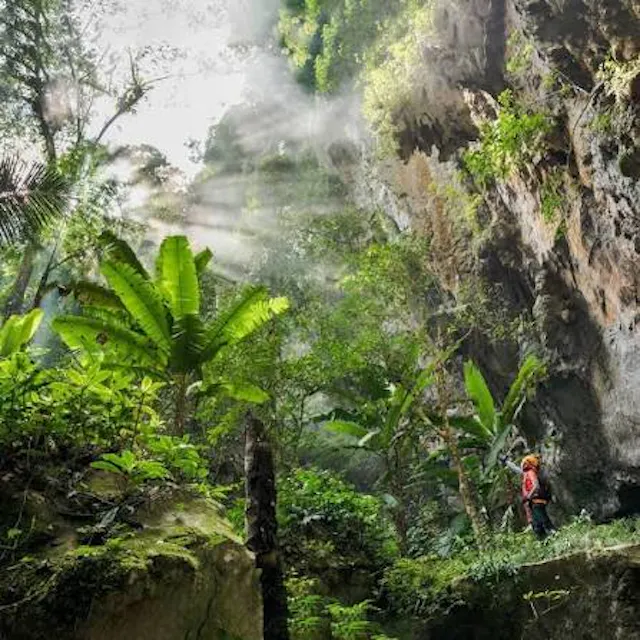
One of Son Doong's most remarkable features is its underground jungle.
Large collapses in the cave ceiling, known as dolines, allow sunlight and rainwater to enter.
Over time, vegetation has grown inside these openings, creating patches of forest within the cave.
This combination of darkness, sunlight, water, and vegetation produces an environment rarely found anywhere else.
Underground River
A powerful underground river flows through parts of Son Doong.
The river has played an important role in shaping the cave over geological time.
Expedition routes may involve walking alongside or crossing sections of the underground water system.
Water levels can change depending on weather and seasonal conditions, which is one reason professional guides and strict safety procedures are essential.
Giant Stalagmites
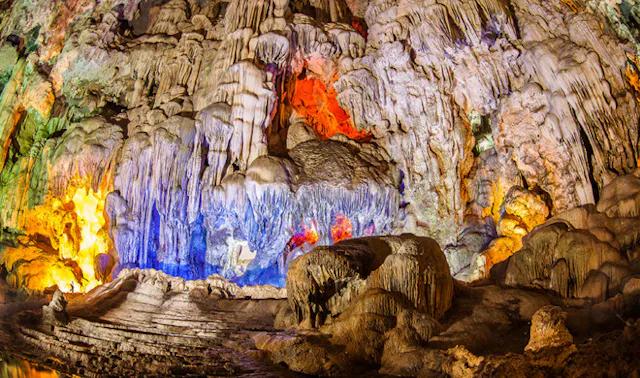
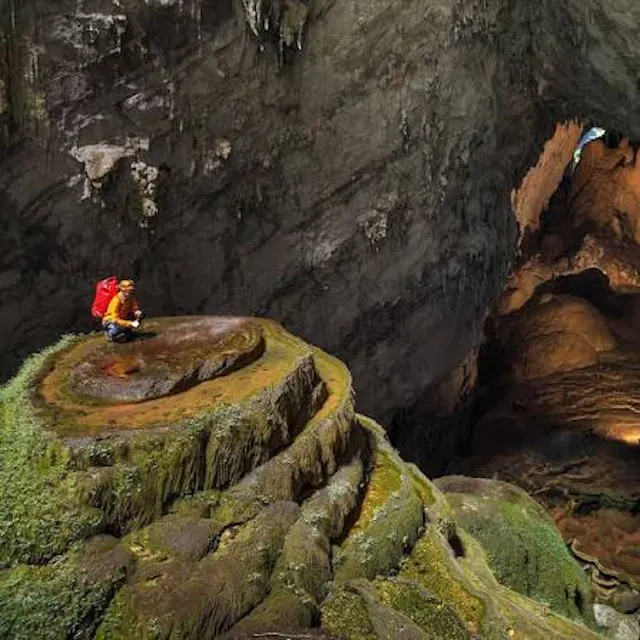
Son Doong contains enormous stalagmites and other limestone formations.
Some formations rise more than 70 meters, creating spectacular natural structures within the cave.
Mineral-rich water has slowly deposited limestone over thousands or millions of years.
Visitors are prohibited from touching or damaging these formations because they are extremely fragile and cannot be replaced within a human lifetime.
Cave Pearls
Another unusual feature of Son Doong is its collection of cave pearls.
These small rounded formations develop when mineral-rich water repeatedly deposits layers of calcite around grains of sand or other small particles.
They are relatively rare and demonstrate the variety of geological processes taking place inside the cave.
Exploring Son Doong
Visiting Son Doong requires a multi-day expedition.
The journey typically includes trekking through dense forest, crossing rivers, climbing rocky terrain, and navigating underground passages.
Participants should have a good level of physical fitness and be comfortable with challenging outdoor conditions.
Professional expedition teams provide guides, safety equipment, meals, camping facilities, and logistical support.
Camping Inside the Cave
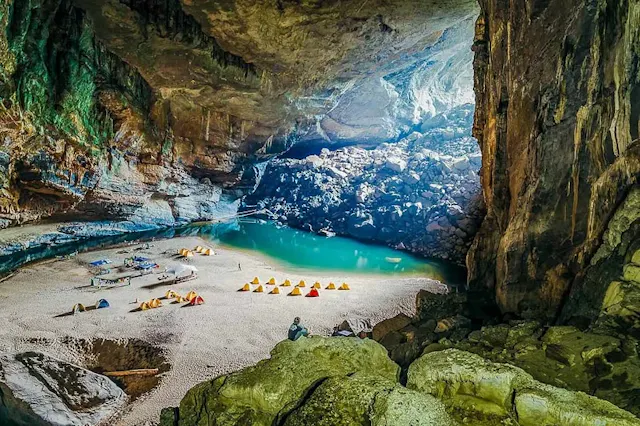
One of the most memorable parts of the Son Doong experience is camping underground.
Designated campsites are located within enormous chambers surrounded by limestone walls.
After sunset, the darkness and scale of the cave create an atmosphere unlike ordinary camping.
The experience allows travelers to appreciate the cave's natural environment over several days rather than simply passing through it.
Wildlife and Cave Ecosystem
Son Doong contains a specialized ecosystem influenced by darkness, water, humidity, and sunlight entering through collapsed sections.
Small organisms and cave-adapted species live within the underground environment.
The surrounding Phong Nha-Ke Bang forest also contains diverse wildlife.
Because the ecosystem is fragile, expedition operators place strong emphasis on minimizing environmental impact.
Best Time to Visit Son Doong
Son Doong expeditions operate only during suitable periods of the year.
Weather and water levels are major factors in determining whether expeditions can safely enter the cave.
The exact operating season may vary, so travelers should check current information directly with the authorized expedition operator before planning a trip.
Reservations are usually required well in advance because the number of visitors is strictly limited.
How to Visit Son Doong Cave
Son Doong is not a cave that travelers can visit independently.
Access is controlled through authorized expedition tours with trained guides and safety teams.
Travelers generally begin their journey from the Phong Nha area before trekking into the national park.
Because the expedition requires multiple days and substantial preparation, visitors should plan transportation, accommodation, and physical preparation well in advance.
Responsible Cave Tourism
Son Doong is an extremely sensitive natural environment.
Strict visitor limits and expedition rules help protect the cave from excessive tourism.
Travelers should follow all guide instructions, avoid touching formations, carry waste out of the cave, and never leave designated routes.
Responsible tourism is essential to preserving Son Doong for future generations.
Why Visit Son Doong Cave?
Son Doong Cave offers an extraordinary combination of massive underground chambers, rivers, jungle, giant stalagmites, cave pearls, and remote wilderness.
Its immense scale and unique ecosystem make it unlike almost any other natural attraction in Vietnam.
For adventurous travelers prepared for a challenging multi-day expedition, Son Doong provides a once-in-a-lifetime opportunity to explore one of the world's most remarkable underground landscapes while experiencing the pristine natural environment of Phong Nha-Ke Bang National Park.
Son Doong Cave in Frames – The World’s Largest Underground Wonder
Explore the breathtaking beauty of Son Doong Cave through a collection of images showcasing its enormous underground chambers, ancient limestone formations, underground rivers, and unique natural ecosystems. From dramatic cave landscapes and towering stalactites to lush vegetation growing beneath natural skylights, the gallery captures the extraordinary scale, mystery, and untouched beauty of one of Vietnam’s greatest natural wonders.
Discover More About Son Doong Cave
Continue exploring the incredible world of Son Doong Cave with expert travel guides, trekking tips, tour planning advice, nearby attractions, and fascinating stories about the world's largest cave. Whether you're preparing for the expedition or simply dreaming of visiting, these articles will help you uncover more of Phong Nha's breathtaking underground wonders.
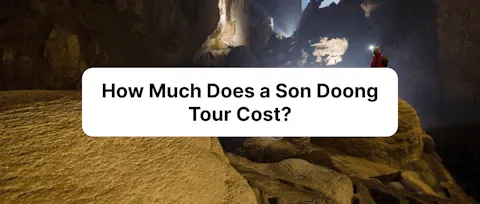
How Much Does a Son Doong Tour Cost? (And Is It Worth $3,000?)↗
A journey to Son Doong Cave is one of the world's most exclusive adventure experiences, but it comes with a premium price tag. With limited permits, expert guides, safety teams, camping equipment, meals, and conservation fees included, the expedition typically costs around US$3,000 per person. This guide explains exactly what you're paying for, why the tour is so expensive, and whether exploring the world's largest cave is truly worth the once-in-a-lifetime investment.
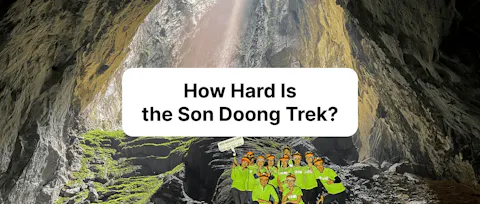
How Hard Is the Son Doong Trek? Fitness Requirements & Preparation Guide↗
The Son Doong expedition is one of Vietnam's most demanding adventure experiences, requiring several days of trekking through dense jungle, river crossings, steep climbs, and rugged cave terrain. While you don't need to be a professional athlete, participants should have good physical fitness, endurance, and confidence hiking in challenging conditions. This guide explains the trek's difficulty, fitness expectations, training recommendations, and practical preparation tips to help you safely complete the unforgettable journey into the world's largest cave.
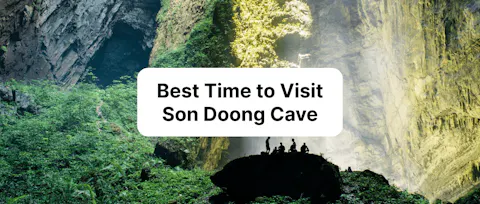
Best Time to Visit Son Doong Cave: Weather, Seasons, and Tour Schedules↗
Choosing the right season is essential for an unforgettable Son Doong Cave adventure. Due to weather conditions and conservation efforts, expeditions operate only during a limited period each year. Understanding rainfall patterns, temperatures, river levels, and tour availability will help you plan the perfect trip. This guide explains the best months to visit Son Doong, what weather to expect, when tours are available, and how seasonal conditions influence trekking safety and the overall experience inside the world's largest cave.
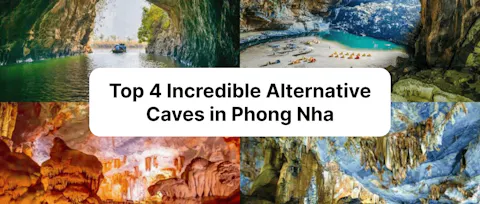
Can't Book Son Doong? Top 4 Incredible Alternative Caves in Phong Nha↗
Son Doong Cave may be the world's largest cave, but limited permits mean many travelers miss the opportunity to visit. Fortunately, Phong Nha – Ke Bang National Park is home to dozens of spectacular caves that offer equally memorable adventures. From the massive chambers of Hang En and the breathtaking formations of Paradise Cave to underground rivers and jungle expeditions in Tu Lan, these incredible alternatives deliver unforgettable experiences while showcasing the extraordinary natural beauty of central Vietnam.

Inside Son Doong Cave: 5 Mind-Blowing Wonders Found Nowhere Else on Earth↗
Hidden beneath the limestone mountains of Phong Nha – Ke Bang National Park, Son Doong Cave contains extraordinary natural wonders unlike anywhere else on Earth. Massive cave chambers, lush underground jungles, towering skylights, giant cave pearls, and unique ecosystems have made it one of the world's greatest geological discoveries. This guide explores five incredible features that make Son Doong more than just the world's largest cave—it is one of the most spectacular natural environments ever found.
How To Get There – Son Doong Cave
Bus and coach
Travelers can take buses or sleeper coaches to Phong Nha, Quang Binh Province from major cities such as Hanoi, Da Nang, or Ho Chi Minh City. From Phong Nha town, visitors must join an official Son Doong expedition tour, which includes transportation to the trekking starting point.
Train
The nearest railway station is Dong Hoi Railway Station. Travelers can take trains from Hanoi, Da Nang, or Ho Chi Minh City to Dong Hoi, then continue by taxi or shuttle to Phong Nha. The journey from Dong Hoi to Phong Nha takes around 45–60 minutes.
Driving
Driving to Son Doong Cave requires reaching Phong Nha-Ke Bang National Park first. Visitors can travel by private car or motorbike to Phong Nha, then join an organized expedition. The cave itself can only be accessed through licensed tour operators due to conservation regulations.
Flying
The nearest airport is Dong Hoi Airport, located in Quang Binh Province. Travelers can fly from major Vietnamese cities, then transfer by taxi or private vehicle to Phong Nha town before starting the Son Doong expedition.
Frequently Asked Questions About Son Doong Cave
What is Son Doong Cave famous for?
Son Doong Cave is famous for being the world’s largest known cave by volume. It features enormous underground chambers, rivers, unique ecosystems, giant stalactites, and spectacular natural formations unlike anywhere else in the world.
Where is Son Doong Cave located?
Son Doong Cave is located in Phong Nha-Ke Bang National Park, Bo Trach District, Quang Binh Province, Vietnam. The cave is surrounded by ancient limestone mountains and protected rainforest landscapes.
Can visitors explore Son Doong Cave without a tour?
No, visitors cannot explore Son Doong Cave independently. Due to safety and conservation requirements, all visits must be arranged through an official expedition tour with professional guides and support teams.
What is the best time to visit Son Doong Cave?
The best time to visit Son Doong Cave is usually from January to August when weather conditions are suitable for trekking and cave exploration. Tours are limited each year to protect the natural environment.
How difficult is the Son Doong Cave expedition?
The Son Doong Cave expedition is a challenging multi-day adventure that includes trekking through forests, crossing rivers, climbing rocky terrain, and camping inside the cave. It is best suited for travelers with good physical fitness and a spirit of adventure.
Advertising box
Explore More Caves in Vietnam
From world-famous underground giants to hidden limestone caverns, Vietnam is home to some of the most spectacular caves on Earth. Discover breathtaking cave systems, adventure treks, underground rivers, and natural wonders across Phong Nha, Quang Binh, Ha Long Bay, and beyond with our complete Vietnam cave travel guides.
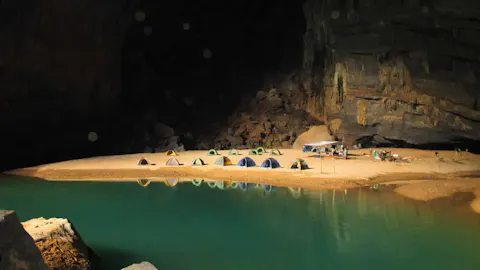
Hang En Cave
Hang En Cave is one of Vietnam’s most spectacular cave destinations, located in Phong Nha-Ke Bang National Park, Quang Binh Province. Known as one of the largest caves in the world, Hang En features enormous chambers, underground rivers, unique limestone formations, and breathtaking natural scenery. The cave offers an unforgettable adventure through forests, valleys, and ancient landscapes. Go Visit Vietnam introduces the beauty, trekking experience, and travel highlights of Hang En Cave for explorers seeking a unique journey into Vietnam’s underground wonders.
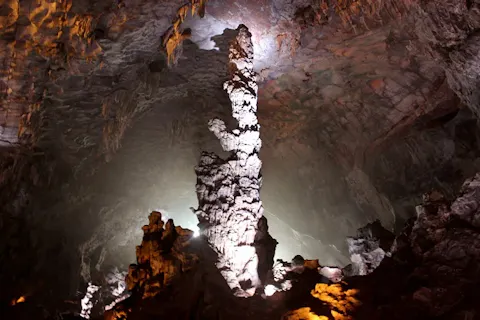
Dau Go Cave
Dau Go Cave is one of the most remarkable caves in Ha Long Bay, Vietnam, known for its impressive size, ancient limestone formations, and fascinating history. Located on Dau Go Island, the cave features three large chambers filled with unique stalactites and stalagmites shaped by millions of years of natural processes. Visitors can explore its mysterious underground beauty while enjoying Ha Long Bay’s spectacular scenery. Go Visit Vietnam introduces the history, highlights, and travel experiences of this iconic natural attraction.
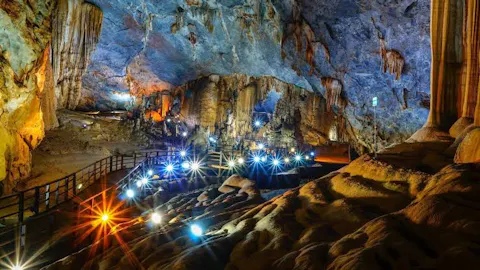
Paradise Cave
Paradise Cave, also known as Thien Duong Cave, is one of the most beautiful caves in Vietnam, located inside Phong Nha-Ke Bang National Park in Quang Binh Province. Famous for its impressive length, spectacular limestone formations, and peaceful underground atmosphere, the cave offers a breathtaking journey into nature’s hidden world. Visitors can explore wooden walkways surrounded by stunning stalactites and stalagmites shaped over millions of years. Go Visit Vietnam introduces the beauty, history, and travel experiences of this remarkable natural attraction.
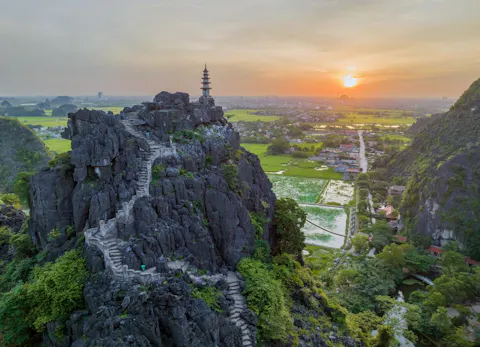
Mua Cave
Mua Cave is one of the most iconic viewpoints in Ninh Binh, Vietnam, offering breathtaking panoramic views of limestone mountains, rice fields, and the beautiful Tam Coc landscape. Located near Trang An and Tam Coc, Mua Cave is famous for its 500-step climb leading to the stunning Dragon Mountain viewpoint. Visitors can enjoy spectacular scenery, photography opportunities, and a peaceful natural atmosphere. Go Visit Vietnam introduces the highlights, travel tips, and unforgettable experiences of this must-visit destination in northern Vietnam.