
Dau Go Cave
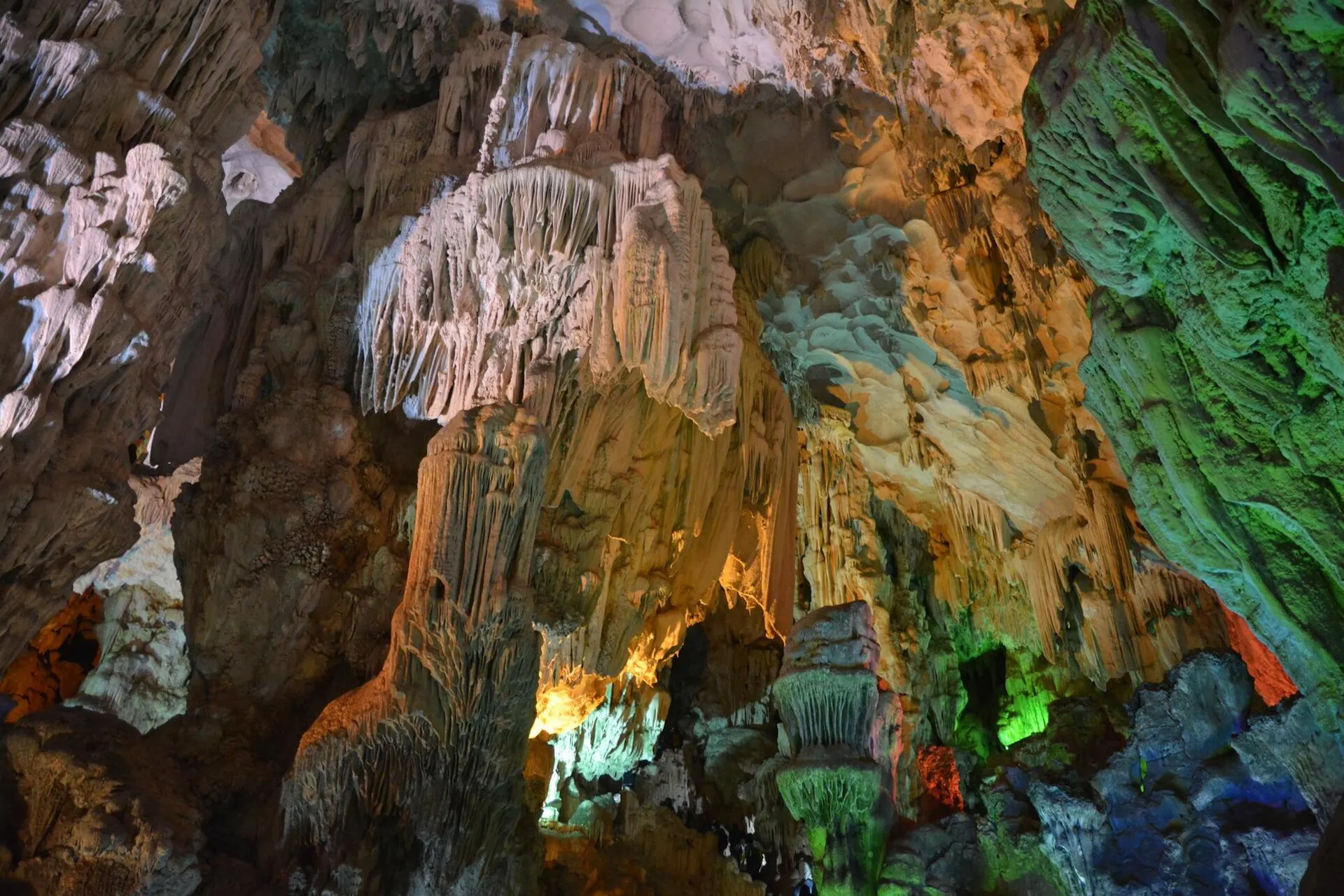
Dau Go Cave is one of the most remarkable caves in Ha Long Bay, Vietnam, known for its impressive size, ancient limestone formations, and fascinating history. Located on Dau Go Island, the cave features three large chambers filled with unique stalactites and stalagmites shaped by millions of years of natural processes. Visitors can explore its mysterious underground beauty while enjoying Ha Long Bay’s spectacular scenery. Go Visit Vietnam introduces the history, highlights, and travel experiences of this iconic natural attraction.
About Dau Go Cave
Dau Go Cave is one of the most famous caves in Ha Long Bay, northern Vietnam. Known for its impressive limestone formations, spacious chambers, and fascinating historical legends, the cave is a popular stop on boat tours through the bay.
Located on Dau Go Island, the cave combines Vietnam's dramatic karst landscape with stories connected to the country's history. Its large entrance, unusual stalactites and stalagmites, and relatively accessible interior make it an interesting destination for travelers exploring Ha Long Bay.
What Is Dau Go Cave?
Dau Go Cave, written as Dong Dau Go in Vietnamese, is a limestone cave located on Dau Go Island in Ha Long Bay.
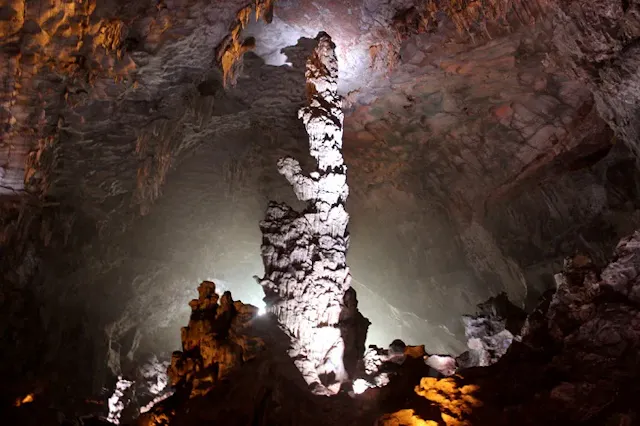
The cave consists of several large chambers filled with stalactites, stalagmites, columns, and other natural formations.
Its name is commonly translated as "Wooden Stakes Cave."
The name is associated with a historical story involving wooden stakes used by Vietnamese forces during a battle against invading forces on the Bach Dang River.
The Legend of Wooden Stakes
One of the most famous stories associated with Dau Go Cave dates back to the 13th century.
According to Vietnamese historical tradition, General Tran Hung Dao used sharpened wooden stakes as part of a strategy to defeat the Mongol-Yuan fleet on the Bach Dang River.
The stakes were hidden beneath the river's surface and became an important element of the military strategy.
Local legend connects the cave and the surrounding area with the preparation or storage of wooden stakes, contributing to the name Dau Go.
The story gives the natural attraction an additional historical dimension.
The Cave Entrance
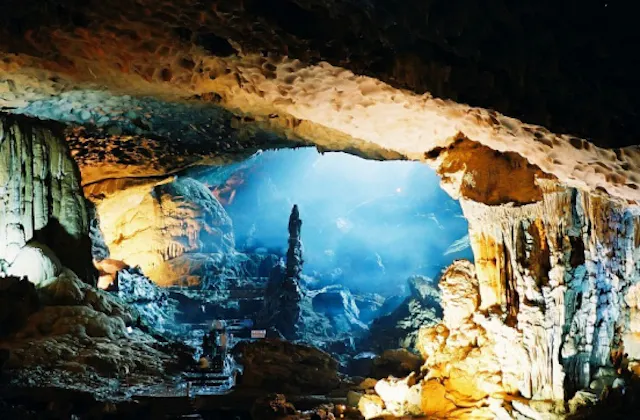
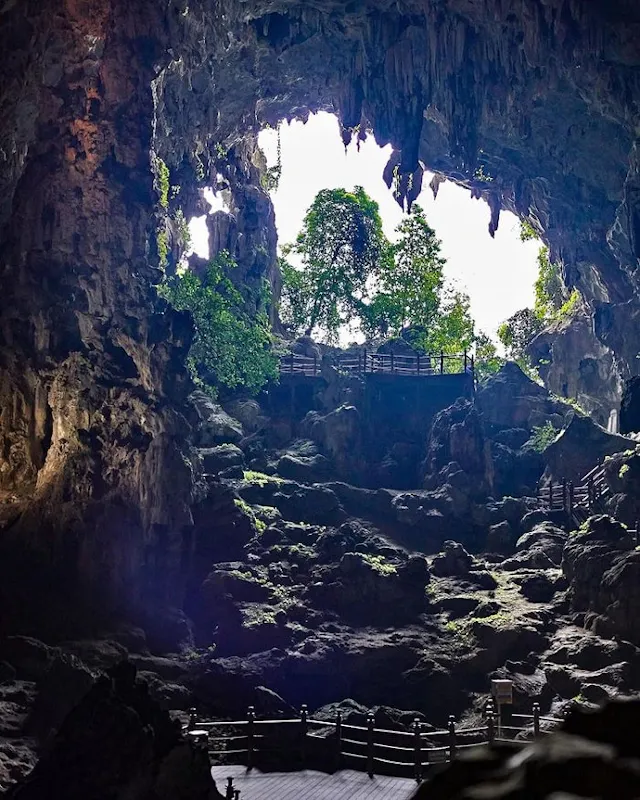
The entrance to Dau Go Cave is relatively large and can be seen from the water.
Visitors climb a series of steps from the boat landing area toward the cave entrance.
The surrounding vegetation and towering limestone cliffs create a dramatic approach.
From inside the entrance, travelers can look back toward Ha Long Bay and see the contrast between the dark cave interior and the bright blue water outside.
Inside Dau Go Cave
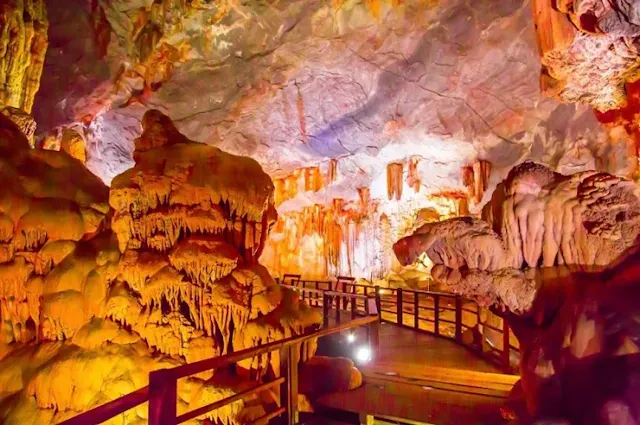
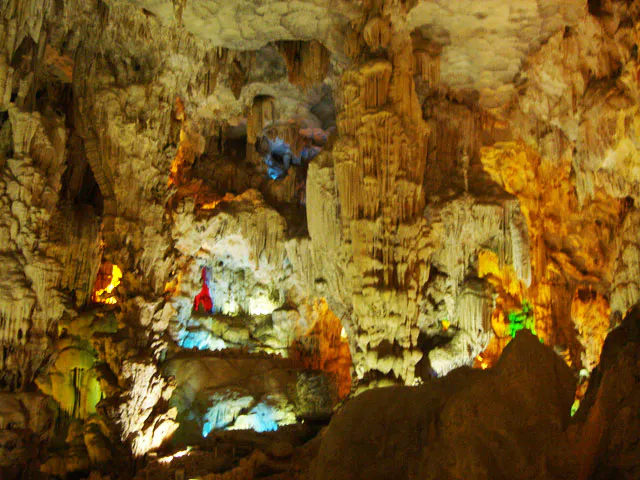
The cave contains several large chambers connected by passages.
The interior is filled with limestone formations created over long periods through the movement of mineral-rich water.
Stalactites hang from the ceiling while stalagmites rise from the ground.
Some formations have been given descriptive names based on shapes that resemble animals, plants, or other objects.
These interpretations are part of the storytelling tradition surrounding many Vietnamese caves.
Limestone Formations
Dau Go's formations demonstrate the geological processes that have shaped Ha Long Bay.
Water slowly dissolves limestone and carries minerals through cracks and cavities.
Over long periods, minerals are deposited to form stalactites, stalagmites, curtains, and columns.
The variety of shapes and textures makes the cave particularly interesting for travelers interested in geology and natural landscapes.
Visitors should avoid touching the formations because cave surfaces are extremely sensitive to oils and dirt from human contact.
Ha Long Bay Landscape
Dau Go Cave is part of the broader Ha Long Bay karst landscape, famous for hundreds of limestone islands and islets rising dramatically from the sea.
The cave's location provides an opportunity to experience both the underground and above-water sides of the region.
Travelers can combine a cave visit with cruising, kayaking, photography, and sightseeing among the limestone islands.
How to Visit Dau Go Cave
Dau Go Cave is generally visited as part of a Ha Long Bay boat cruise.
Most cruises depart from Ha Long International Cruise Port, Tuan Chau, or other designated ports depending on the itinerary.
Travelers typically reach the cave by boat before climbing the steps to the entrance.
Because cruise routes and schedules vary, visitors should check whether Dau Go Cave is included in their chosen itinerary.
Best Time to Visit
Dau Go Cave can be visited throughout the year, but weather conditions can influence the overall Ha Long Bay experience.
March to May and September to November are often comfortable periods for sightseeing, with moderate temperatures and generally favorable conditions.
Summer can be hot and humid and may bring tropical storms.
Winter can be cooler and cloudy, although the cave itself remains a year-round attraction.
What to Bring
Comfortable walking shoes are recommended because visitors need to climb stairs and walk on potentially damp surfaces.
A camera is useful for photographing the cave and surrounding bay.
Light clothing is suitable during warmer months, while a light jacket can be useful during cooler weather.
Travelers should also bring drinking water and follow instructions from their cruise guide.
Responsible Cave Tourism
Dau Go Cave is part of a sensitive natural and cultural landscape.
Visitors should stay on designated paths, avoid touching cave formations, and never remove rocks or other natural materials.
Litter should be disposed of properly, and travelers should follow local regulations regarding photography and access.
Responsible behavior helps preserve the cave and the wider Ha Long Bay environment.
Nearby Attractions
A visit to Dau Go Cave can easily be combined with other Ha Long Bay attractions.
Depending on the cruise route, travelers may also visit Thien Cung Cave, Titop Island, Luon Cave, Sung Sot Cave, or participate in kayaking activities.
The exact attractions included depend on the cruise itinerary and current local regulations.
Why Visit Dau Go Cave?
Dau Go Cave offers travelers a fascinating combination of limestone geology, dramatic cave formations, Vietnamese history, and Ha Long Bay scenery.
Its connection with the legendary wooden stakes of the Bach Dang River gives the cave an additional cultural dimension beyond its natural beauty.
For travelers exploring Ha Long Bay, visiting Dau Go Cave provides a chance to step inside the limestone landscape while learning about the history and legends that have shaped the identity of northern Vietnam.
Dau Go Cave in Frames – Ancient Limestone Formations & Underground Beauty
Explore the stunning beauty of Dau Go Cave through a collection of images showcasing its विशाल limestone chambers, unique stalactites, and natural rock formations shaped over millions of years. From the cave’s impressive entrance to its mysterious underground landscapes, the gallery captures the history, geological wonder, and peaceful atmosphere that make Dau Go Cave one of the most remarkable attractions in Ha Long Bay.
How To Get There – Dau Go Cave
Bus and coach
Travelers can take buses or coaches to Ha Long City, Quang Ninh Province from Hanoi and other major cities. From Ha Long, visitors can continue to Tuan Chau Harbor or Bai Chay Harbor to join a Ha Long Bay cruise that includes Dau Go Cave in its itinerary.
Train
There is no direct train to Dau Go Cave. Travelers can take a train to nearby destinations such as Ha Long or Uong Bi areas, then continue by taxi or local transport to the harbor for a boat tour to the cave.
Driving
Driving is a convenient option for reaching Dau Go Cave through Ha Long City. From Hanoi, the journey takes around 2.5–3 hours by car via the Hanoi–Ha Long Expressway. Visitors then park near the harbor and continue by cruise boat.
Flying
The nearest airport is Van Don International Airport in Quang Ninh Province. Travelers can fly to Van Don, then take a taxi or private transfer to Ha Long City and continue with a Ha Long Bay cruise to reach Dau Go Cave.
Frequently Asked Questions About Dau Go Cave
What is Dau Go Cave famous for?
Dau Go Cave is famous for its impressive size, ancient limestone formations, and historical significance in Ha Long Bay. The cave features three large chambers filled with unique stalactites and stalagmites shaped by millions of years of natural processes.
Where is Dau Go Cave located?
Dau Go Cave is located on Dau Go Island in Ha Long Bay, Ha Long City, Quang Ninh Province, Vietnam. It is part of many popular Ha Long Bay cruise routes and can be reached by boat.
How do you visit Dau Go Cave?
Visitors can explore Dau Go Cave as part of a Ha Long Bay cruise or boat tour. Most tours include transportation from the harbor, allowing travelers to visit the cave along with other famous attractions in the bay.
What is the best time to visit Dau Go Cave?
The best time to visit Dau Go Cave is from October to April when the weather in Ha Long Bay is cooler and more comfortable for sightseeing. Daytime visits provide the best lighting inside the cave.
How long does it take to explore Dau Go Cave?
Most visitors spend around 30–60 minutes exploring Dau Go Cave. This is enough time to walk through the main chambers, admire the limestone formations, and learn about the cave’s natural and historical stories.
Advertising box
Explore More Caves in Vietnam
From world-famous underground giants to hidden limestone caverns, Vietnam is home to some of the most spectacular caves on Earth. Discover breathtaking cave systems, adventure treks, underground rivers, and natural wonders across Phong Nha, Quang Binh, Ha Long Bay, and beyond with our complete Vietnam cave travel guides.
Son Doong Cave
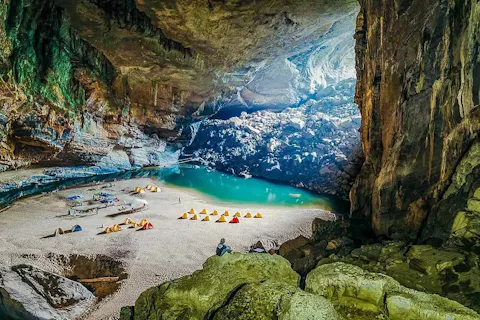
Son Doong Cave is one of Vietnam’s greatest natural wonders and the world’s largest known cave by volume, located in Phong Nha-Ke Bang National Park, Quang Binh Province. With enormous underground chambers, unique ecosystems, rivers, and stunning rock formations, Son Doong offers an extraordinary adventure unlike anywhere else. Accessible through guided expeditions, the cave attracts explorers from around the world seeking a once-in-a-lifetime experience. Go Visit Vietnam introduces the beauty, history, and adventure of this remarkable underground wonder.
Hang En Cave
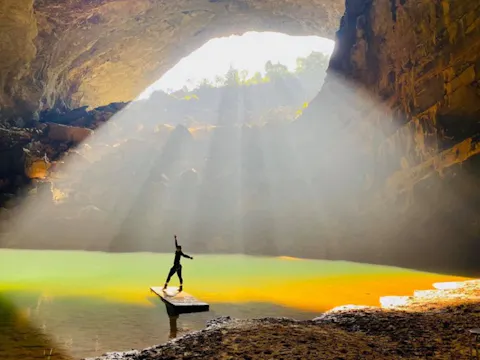
Hang En Cave is one of Vietnam’s most spectacular cave destinations, located in Phong Nha-Ke Bang National Park, Quang Binh Province. Known as one of the largest caves in the world, Hang En features enormous chambers, underground rivers, unique limestone formations, and breathtaking natural scenery. The cave offers an unforgettable adventure through forests, valleys, and ancient landscapes. Go Visit Vietnam introduces the beauty, trekking experience, and travel highlights of Hang En Cave for explorers seeking a unique journey into Vietnam’s underground wonders.

Mua Cave
Mua Cave is one of the most iconic viewpoints in Ninh Binh, Vietnam, offering breathtaking panoramic views of limestone mountains, rice fields, and the beautiful Tam Coc landscape. Located near Trang An and Tam Coc, Mua Cave is famous for its 500-step climb leading to the stunning Dragon Mountain viewpoint. Visitors can enjoy spectacular scenery, photography opportunities, and a peaceful natural atmosphere. Go Visit Vietnam introduces the highlights, travel tips, and unforgettable experiences of this must-visit destination in northern Vietnam.
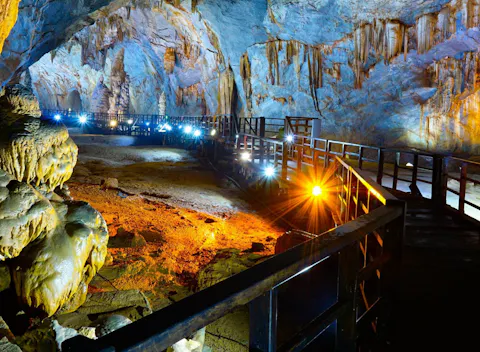
Paradise Cave
Paradise Cave, also known as Thien Duong Cave, is one of the most beautiful caves in Vietnam, located inside Phong Nha-Ke Bang National Park in Quang Binh Province. Famous for its impressive length, spectacular limestone formations, and peaceful underground atmosphere, the cave offers a breathtaking journey into nature’s hidden world. Visitors can explore wooden walkways surrounded by stunning stalactites and stalagmites shaped over millions of years. Go Visit Vietnam introduces the beauty, history, and travel experiences of this remarkable natural attraction.