
Mua Cave
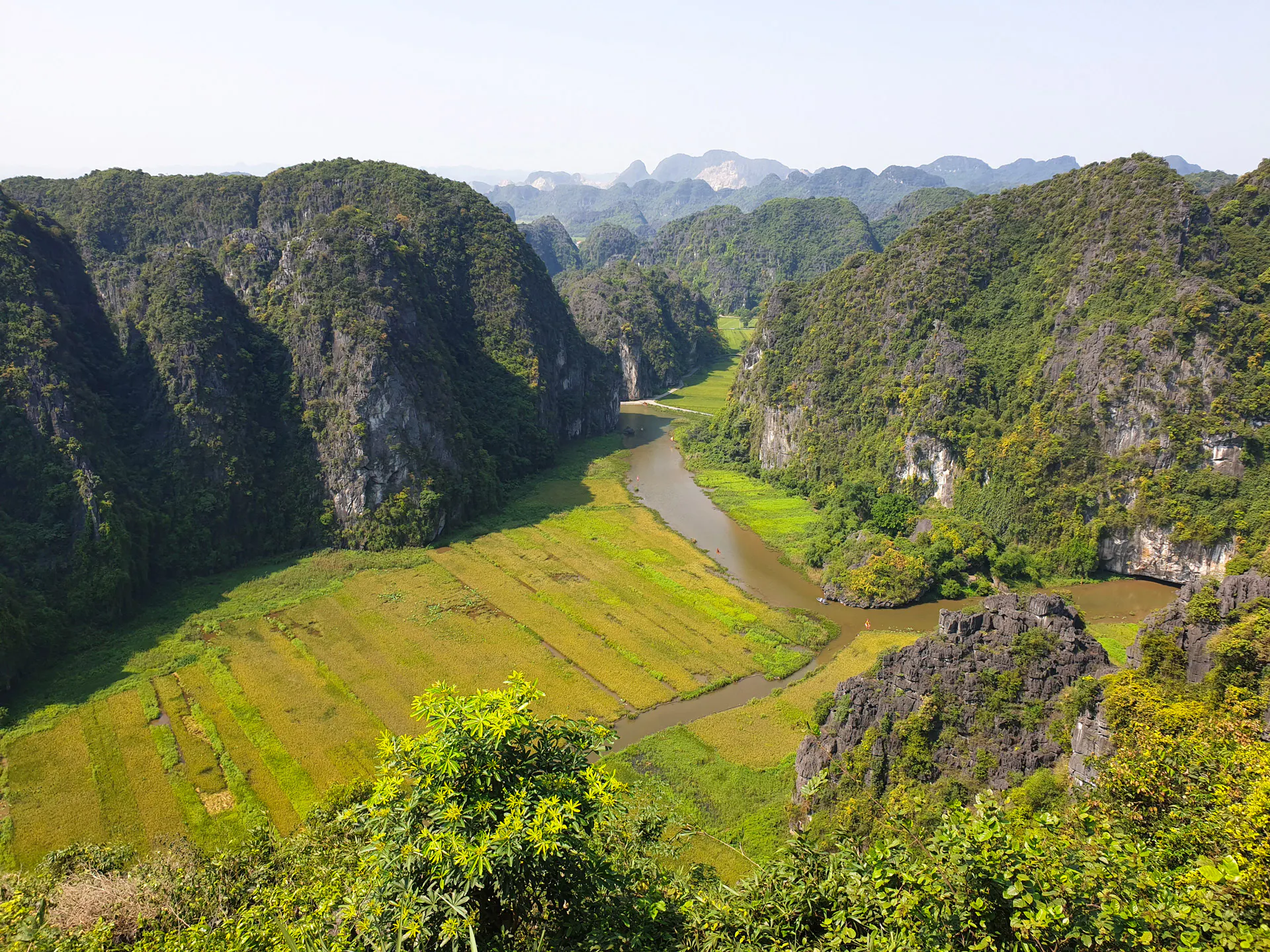
Mua Cave is one of the most iconic viewpoints in Ninh Binh, Vietnam, offering breathtaking panoramic views of limestone mountains, rice fields, and the beautiful Tam Coc landscape. Located near Trang An and Tam Coc, Mua Cave is famous for its 500-step climb leading to the stunning Dragon Mountain viewpoint. Visitors can enjoy spectacular scenery, photography opportunities, and a peaceful natural atmosphere. Go Visit Vietnam introduces the highlights, travel tips, and unforgettable experiences of this must-visit destination in northern Vietnam.
About Mua Cave
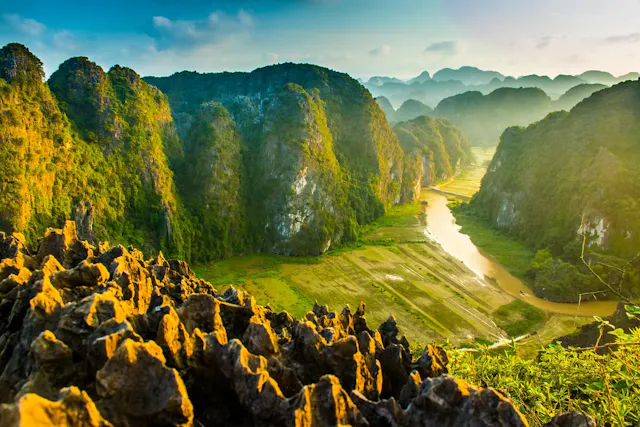
Mua Cave, or Hang Mua, is one of the most spectacular viewpoints in Ninh Binh, northern Vietnam. Located at the foot of Mua Mountain, the attraction is famous for its steep stone staircase, panoramic views over the limestone karst landscape, and sweeping vistas of rice fields and winding waterways.
Although the cave itself is relatively modest compared with the enormous caves of Phong Nha, the real highlight of Hang Mua is the climb to the mountain summit. For travelers exploring Ninh Binh, Mua Cave offers one of the best elevated viewpoints for seeing the dramatic landscape that has made the region famous.
What Is Mua Cave?
Mua Cave is a natural cave and mountain attraction located in Khe Dau Ha Village, Hoa Lu, Ninh Binh.
The site is part of the limestone karst landscape surrounding the Trang An region.
At the base of the mountain, visitors can explore the cave before beginning the climb toward the summit.
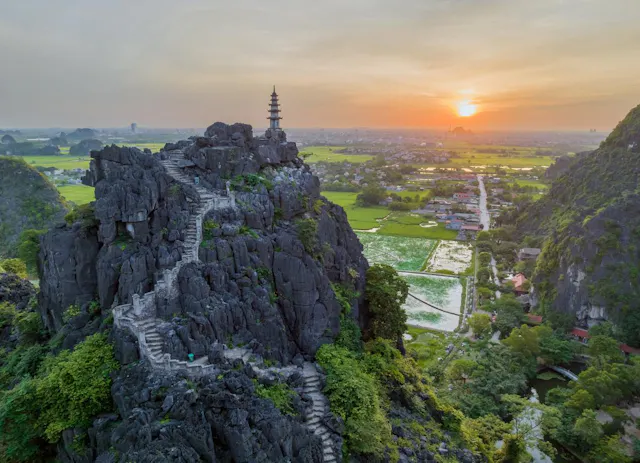
The attraction is particularly famous for its stone staircase, which leads to elevated viewpoints overlooking the surrounding countryside.
The Famous Stone Staircase
The staircase is the defining feature of Mua Cave.
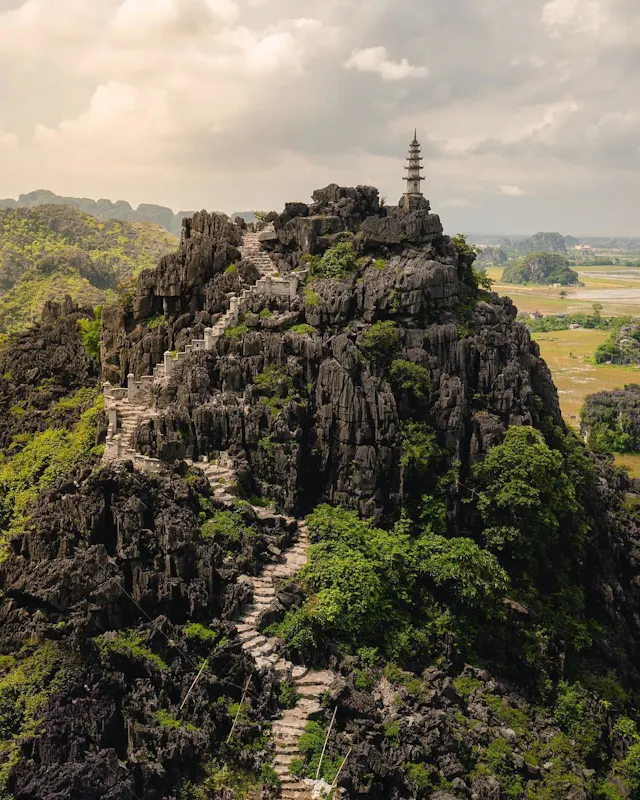
Visitors climb several hundred stone steps carved into the mountainside, passing decorative stone railings and dragon sculptures along the route.
The climb can be physically demanding because of the steep sections and uneven steps.
However, the effort is rewarded with increasingly impressive views as the elevation increases.
Comfortable shoes, water, and sun protection are recommended.
The Dragon Viewpoint
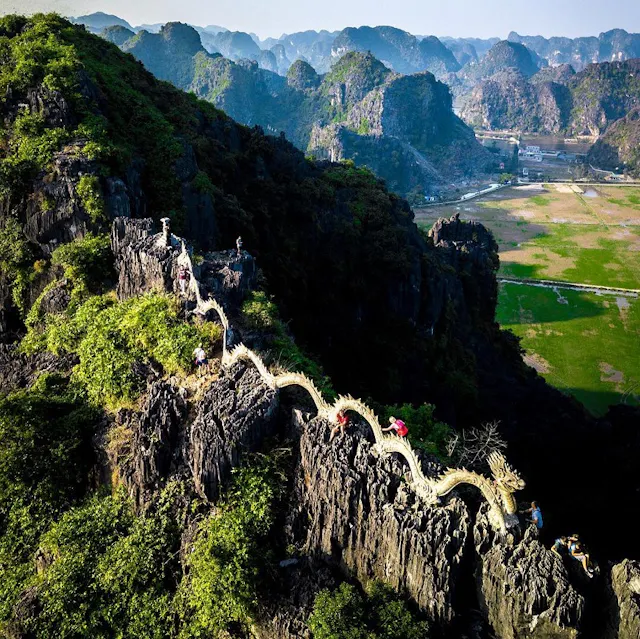
At the summit, visitors encounter a dramatic stone dragon sculpture stretching along the ridge.
The dragon has become one of the most recognizable symbols of Hang Mua.
From this elevated ridge, travelers can enjoy panoramic views across Ninh Binh's limestone mountains and valleys.
The viewpoint is particularly impressive when the surrounding rice fields are green or golden.
Panoramic Views of Ninh Binh
The main reason travelers visit Mua Cave is the view from above.
From the summit, visitors can see an extraordinary landscape of limestone karst peaks, rice fields, rivers, and villages.
The winding waterways below create striking patterns between the mountains.
The scenery demonstrates why Ninh Binh is often described as one of Vietnam's most beautiful natural landscapes.
Tam Coc and the Ngo Dong River
One of the most memorable views from Mua Mountain looks toward the Tam Coc area.
The Ngo Dong River winds through the limestone mountains and rice fields below.
During the rice-growing season, the landscape can change dramatically depending on the color of the fields.
Seeing the river from above provides a completely different perspective from taking a traditional boat trip through Tam Coc.
Mua Cave and the Trang An Landscape
Mua Cave is located close to several major Ninh Binh attractions.
Travelers can easily combine a visit with Tam Coc, Trang An Scenic Landscape Complex, Bich Dong Pagoda, and Hoa Lu Ancient Capital.
This makes Hang Mua particularly convenient for travelers planning a one- or two-day Ninh Binh itinerary.
A common itinerary includes a morning boat trip followed by the Mua Cave climb later in the day.
The Cave
Despite its name, the cave itself is not the primary attraction.
Mua Cave is located at the base of the mountain and can be explored before or after the climb.
The cave is associated with local legends and the history of the surrounding area.
Compared with the mountain viewpoint, however, the cave is relatively small and requires much less time to explore.
Best Time to Visit Mua Cave
The best time to visit depends on weather, crowds, and the appearance of the surrounding rice fields.
April to June can be particularly attractive because rice fields may display vibrant green or golden colors depending on the harvest cycle.
The cooler months from October to March can provide more comfortable hiking conditions.
Early morning is generally recommended for avoiding the strongest heat and reducing the chance of large crowds.
Sunrise and Sunset
Mua Cave is especially popular around sunrise and sunset.
Early morning provides cooler temperatures and softer light over the karst mountains.
Late afternoon can produce beautiful warm light across the valleys and rice fields.
Travelers should allow enough time for the climb and descent rather than arriving too close to sunset.
How to Get to Mua Cave
Mua Cave is located around 5 kilometers from Ninh Binh city center and close to Tam Coc.
Visitors can reach the site by bicycle, motorcycle, taxi, private car, or organized tour.
Cycling is particularly enjoyable because the surrounding countryside contains rice fields, canals, and limestone mountains.
The attraction is also easily accessible from Hanoi as part of a day trip, although staying overnight in Ninh Binh allows travelers to explore the area at a more relaxed pace.
What to Bring
Visitors should wear comfortable shoes suitable for steep stone steps.
Water is essential, especially during warm weather.
A hat, sunscreen, and lightweight clothing can also make the climb more comfortable.
A camera or smartphone is highly recommended because the summit provides some of Ninh Binh's best panoramic views.
Responsible Travel
Visitors should stay on designated paths and avoid climbing onto unstable rocks or restricted areas.
The mountain can become slippery after rain, so travelers should take extra care during wet conditions.
Respect the religious and cultural elements of the site, avoid littering, and help keep the natural landscape clean.
Why Visit Mua Cave?
Mua Cave offers travelers one of the most rewarding panoramic viewpoints in Ninh Binh.
The combination of a challenging mountain climb, dramatic limestone peaks, winding rivers, rice fields, and the famous dragon ridge creates a memorable experience.
For travelers exploring northern Vietnam, Hang Mua is an excellent addition to a Ninh Binh itinerary and a particularly rewarding destination for hiking, photography, and experiencing the spectacular karst scenery of the Red River Delta.
Mua Cave in Frames – Stunning Views Over Ninh Binh’s Limestone Valley
Discover the breathtaking beauty of Mua Cave through a curated collection of images showcasing its iconic Dragon Mountain viewpoint, winding 500-step stone staircase, golden rice fields, and dramatic limestone landscapes. From sunrise over the Tam Coc valley to panoramic mountain views and peaceful natural surroundings, the gallery captures the most unforgettable moments of one of Ninh Binh’s most photogenic and iconic destinations.

How To Get There – Mua Cave
Bus and coach
Travelers can take buses or limousine vans from Hanoi to Ninh Binh, with frequent daily departures. The journey takes around 2–2.5 hours. From Ninh Binh city or Tam Coc area, visitors can continue by taxi, motorbike, or local transfer to Mua Cave.
Train
Trains from Hanoi to Ninh Binh Railway Station run regularly and take about 2–2.5 hours. From the station, Mua Cave is around 5–7 km away and can be reached easily by taxi or motorbike.
Driving
Driving from Hanoi is a convenient option via the Phap Van – Cau Gie – Ninh Binh Expressway, taking around 2 hours. Parking is available near the entrance of Mua Cave for private vehicles and motorbikes.
Flying
The nearest airport is Noi Bai International Airport (Hanoi). From the airport, travelers can take a taxi, shuttle bus, or private car to Ninh Binh, then continue to Mua Cave.
Frequently Asked Questions About Mua Cave
What is Mua Cave famous for?
Mua Cave is famous for its panoramic viewpoint on Dragon Mountain, offering breathtaking views over Tam Coc, rice fields, and limestone karsts. It is one of the most photographed destinations in Ninh Binh.
How many steps are there to reach the top of Mua Cave?
There are approximately 500 stone steps leading to the summit of Dragon Mountain. The climb can be steep, but it rewards visitors with one of the best viewpoints in Vietnam.
What is the best time to visit Mua Cave?
The best time to visit is early morning or late afternoon. Sunrise and sunset provide the most beautiful lighting for photography and offer a cooler, more comfortable climbing experience.
Is Mua Cave suitable for all travelers?
Mua Cave is suitable for most travelers with moderate fitness. While the climb is challenging due to the steep steps, it is manageable with breaks and proper footwear.
How do you get to Mua Cave?
Mua Cave is located in Ninh Binh, about 2 hours from Hanoi. Travelers can arrive by bus, train, or car to Ninh Binh, then continue by taxi, motorbike, or bicycle to the site.
Advertising box
Explore More Caves in Vietnam
From world-famous underground giants to hidden limestone caverns, Vietnam is home to some of the most spectacular caves on Earth. Discover breathtaking cave systems, adventure treks, underground rivers, and natural wonders across Phong Nha, Quang Binh, Ha Long Bay, and beyond with our complete Vietnam cave travel guides.
Son Doong Cave
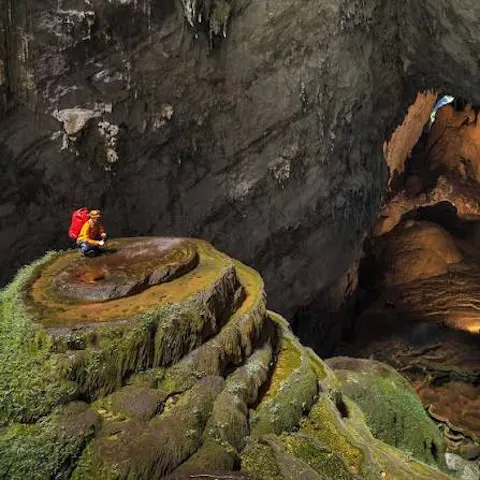
Son Doong Cave is one of Vietnam’s greatest natural wonders and the world’s largest known cave by volume, located in Phong Nha-Ke Bang National Park, Quang Binh Province. With enormous underground chambers, unique ecosystems, rivers, and stunning rock formations, Son Doong offers an extraordinary adventure unlike anywhere else. Accessible through guided expeditions, the cave attracts explorers from around the world seeking a once-in-a-lifetime experience. Go Visit Vietnam introduces the beauty, history, and adventure of this remarkable underground wonder.
Hang En Cave
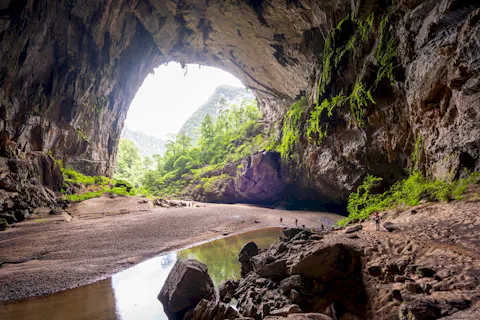
Hang En Cave is one of Vietnam’s most spectacular cave destinations, located in Phong Nha-Ke Bang National Park, Quang Binh Province. Known as one of the largest caves in the world, Hang En features enormous chambers, underground rivers, unique limestone formations, and breathtaking natural scenery. The cave offers an unforgettable adventure through forests, valleys, and ancient landscapes. Go Visit Vietnam introduces the beauty, trekking experience, and travel highlights of Hang En Cave for explorers seeking a unique journey into Vietnam’s underground wonders.
Dau Go Cave
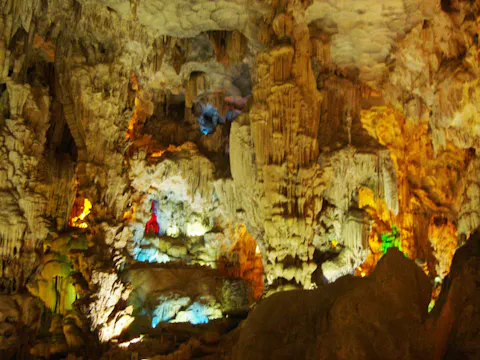
Dau Go Cave is one of the most remarkable caves in Ha Long Bay, Vietnam, known for its impressive size, ancient limestone formations, and fascinating history. Located on Dau Go Island, the cave features three large chambers filled with unique stalactites and stalagmites shaped by millions of years of natural processes. Visitors can explore its mysterious underground beauty while enjoying Ha Long Bay’s spectacular scenery. Go Visit Vietnam introduces the history, highlights, and travel experiences of this iconic natural attraction.
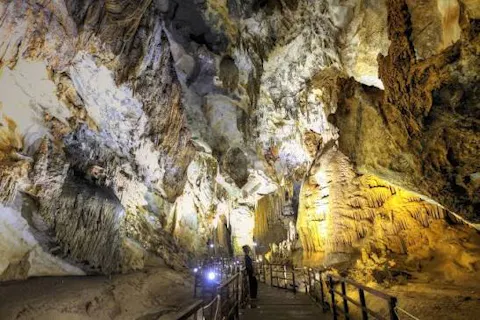
Paradise Cave
Paradise Cave, also known as Thien Duong Cave, is one of the most beautiful caves in Vietnam, located inside Phong Nha-Ke Bang National Park in Quang Binh Province. Famous for its impressive length, spectacular limestone formations, and peaceful underground atmosphere, the cave offers a breathtaking journey into nature’s hidden world. Visitors can explore wooden walkways surrounded by stunning stalactites and stalagmites shaped over millions of years. Go Visit Vietnam introduces the beauty, history, and travel experiences of this remarkable natural attraction.