
How Much Does a Son Doong Tour Cost? (And Is It Worth $3,000?)
A journey to Son Doong Cave is one of the world's most exclusive adventure experiences, but it comes with a premium price tag. With limited permits, expert guides, safety teams, camping equipment, meals, and conservation fees included, the expedition typically costs around US$3,000 per person. This guide explains exactly what you're paying for, why the tour is so expensive, and whether exploring the world's largest cave is truly worth the once-in-a-lifetime investment.
On this page
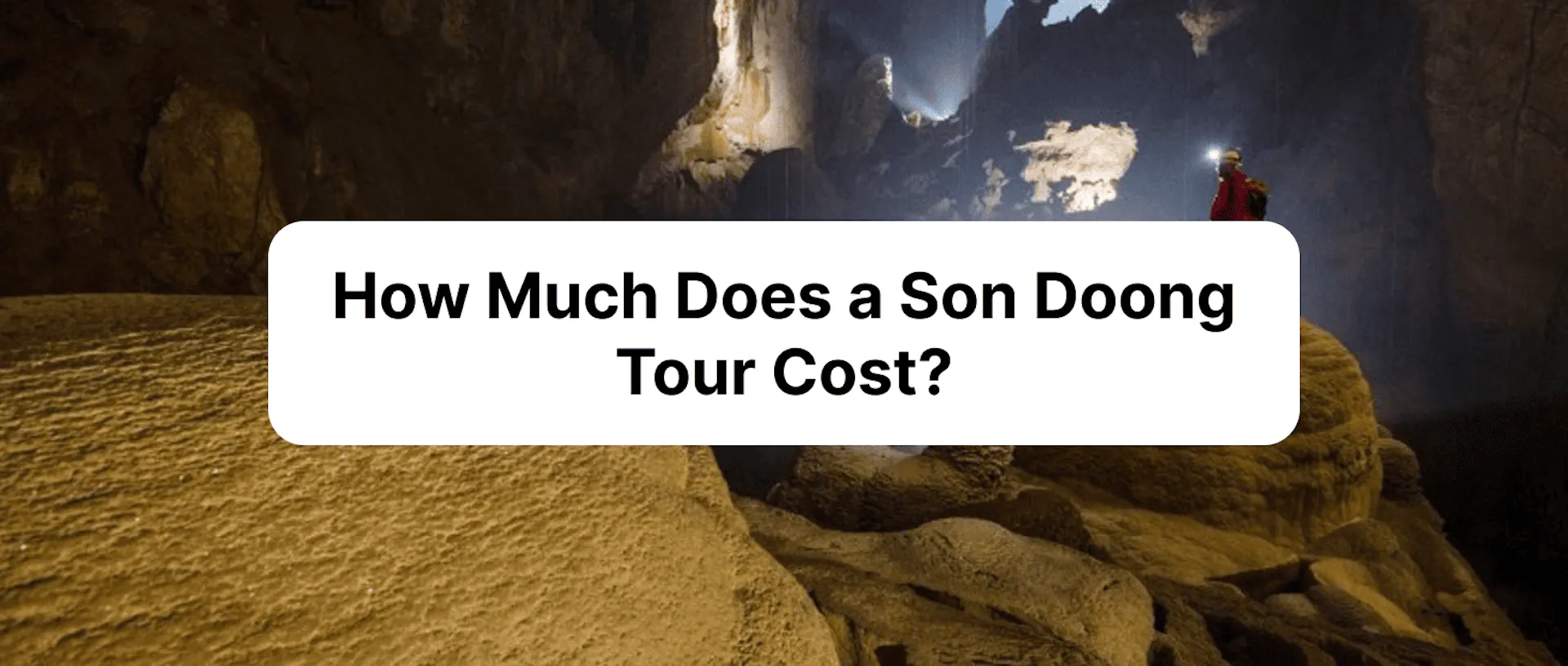
To stand at the precipice of Hang Sơn Đoòng and stare down into its colossal, gaping maw is to experience an acute, humbling recalibration of scale. You are stepping into a subterranean void so incredibly massive that it comfortably houses entire ancient jungles thriving beneath collapsed skylines, and features an independent meteorological microclimate where isolated weather systems form entirely underground. However, accessing this unparalleled geological marvel requires overcoming a significant financial and logistical barrier. For the elite adventure traveler, the pressing question frequently arises: what exactly is the Son Doong tour cost, and can any cave expedition genuinely justify a staggering three-thousand-dollar price tag? While this high-figure investment for a multi-day trek initially commands serious scrutiny, a rigorous, unvarnished examination of the expedition economics reveals a fascinating truth. When you factor in the uncompromising ecological preservation mandates, the massive human support infrastructure required for survival, and the deployment of peerless safety engineering deep within the earth, it becomes explicitly clear that the Son Doong cave expedition price 2026 is not an arbitrary luxury markup. It is, in fact, a vital, heavily regulated investment directly funding the protection of the planet's most fragile and awe-inspiring subterranean wilderness.
The Financial Breakdown – Where Does the $3,000 Go?
Analyzing the Multi-Day Expedition Fee
To understand the economics of the most expensive adventure tour Vietnam offers, one must perform a transparent, authoritative breakdown of exactly what this standard fee covers. The $3,000 cost (approximately 79,500,000 VND, subject to exchange rate fluctuations) is heavily regulated and distributed across a complex logistical network. A significant portion of this fee is immediately allocated to the government and the Phong Nha-Ke Bang National Park. This includes a mandatory $600 entrance and environmental service fee, alongside an additional management and supervision fee levied by the park authorities. The remainder of the capital directly funds the intense operational mechanics of the tour itself. This includes specialized, imported camping gear engineered to withstand the damp, abrasive cave environment, alongside high-powered caving lights and sophisticated water filtration systems. Furthermore, the financial outlay covers the incredible luxury of having dedicated expedition chefs who utilize portable stoves to prepare complex, high-caloric, multi-course meals—ranging from fresh vegetables to heavily marinated meats—served hot deep inside the isolated jungle and cavern campsites, ensuring the physical and psychological endurance of the expedition members.
The Economics of Strict Carrying Capacities
The most critical factor driving the high per-person cost is the absolute, uncompromising limit imposed on annual visitor numbers. To ensure the bảo tồn hệ sinh thái (ecological preservation) of this incredibly fragile subterranean environment, the Vietnamese government and Oxalis Adventure—the sole, exclusive license holder for the cave—strictly cap the carrying capacity at a mere 1,000 visitors per year. Furthermore, the cave is completely closed to human traffic from September through December to allow the local ecosystem to naturally regenerate and to avoid the catastrophic flooding of the monsoon season. Because the total supply of permits is incredibly finite, the per-capita cost must be sufficiently high to sustain the massive year-round operational infrastructure, fund continuous scientific monitoring by geological experts, and support the local economic ecosystem. This pricing model successfully transforms the expedition from mass tourism—which has structurally degraded other Southeast Asian heritage sites—into a sustainable, high-yield conservation model that actively protects the resource it showcases.
Why Son Doong Costs What It Does: The Logistics of Extremes
The Massive Human Support Infrastructure
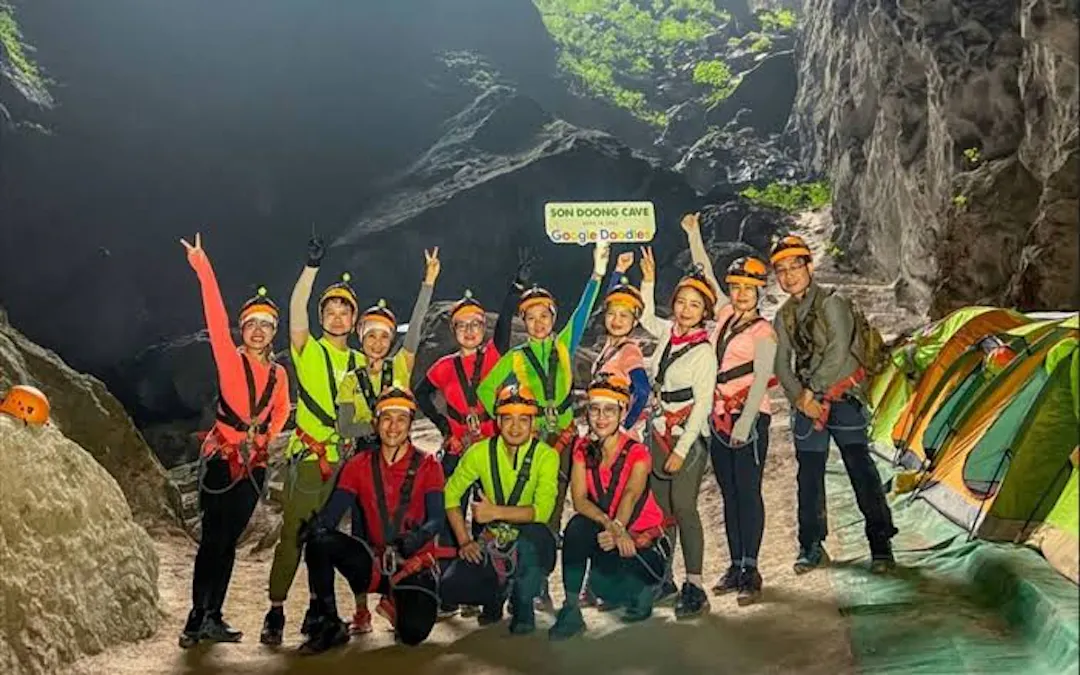
The sheer logistical reality of operating safely inside the world's largest cave necessitates a staggering ratio of support staff to travelers. To safely escort a strictly limited group of just ten paying guests, Oxalis deploys an enormous entourage of roughly thirty highly trained professionals. This dedicated team includes an international caving and safety expert (often affiliated with the British Cave Research Association), a lead English-speaking tour guide, five specialized safety assistants, two dedicated camp chefs, a national park ranger, and an incredibly resilient đội ngũ porter (porter team) consisting of up to twenty local men from the surrounding villages. This porter team performs an almost superhuman logistical feat, manually carrying up to 600 kilograms of specialized equipment, heavy food rations, and human waste out of the cave across jagged, razor-sharp limestone terrain and roaring underground rivers in basic sandals. A significant portion of your $3,000 fee directly ensures that these local communities are provided with ethical, sustainable employment, drastically reducing their historical reliance on illegal logging and poaching within the national park's core zone.
International Safety Standards and Gear
Descending into an environment completely devoid of natural light and cellular connectivity requires an uncompromised commitment to peerless safety engineering. The financial investment in technical infrastructure is immense. Oxalis exclusively imports professional-grade mountaineering and caving equipment directly from France, the UK, and Switzerland. The expedition fee covers the mandatory use of specialized climbing harnesses, heavy-duty static ropes, locking carabiners, and highly specialized rescue equipment. Navigating the cave requires executing a terrifying 80-meter vertical descent down a sheer rock face right at the entrance, followed days later by ascending the infamous "Great Wall of Vietnam"—a towering, 90-meter high calcite barrier near the exit. To execute these highly technical maneuvers safely, the operator maintains a massive array of safety lines and heavily trains their safety assistants in advanced first aid and complex rope rescue techniques. Furthermore, the guides carry sophisticated satellite communication arrays to maintain contact with the surface world in the event of a medical emergency. The cost reflects this absolute refusal to compromise on the physical safety of the explorers in one of the most remote, unforgiving environments on the planet.
Is It Worth $3,000? Evaluating the Transformative Experience
The Unrivaled Subterranean Ecosystem
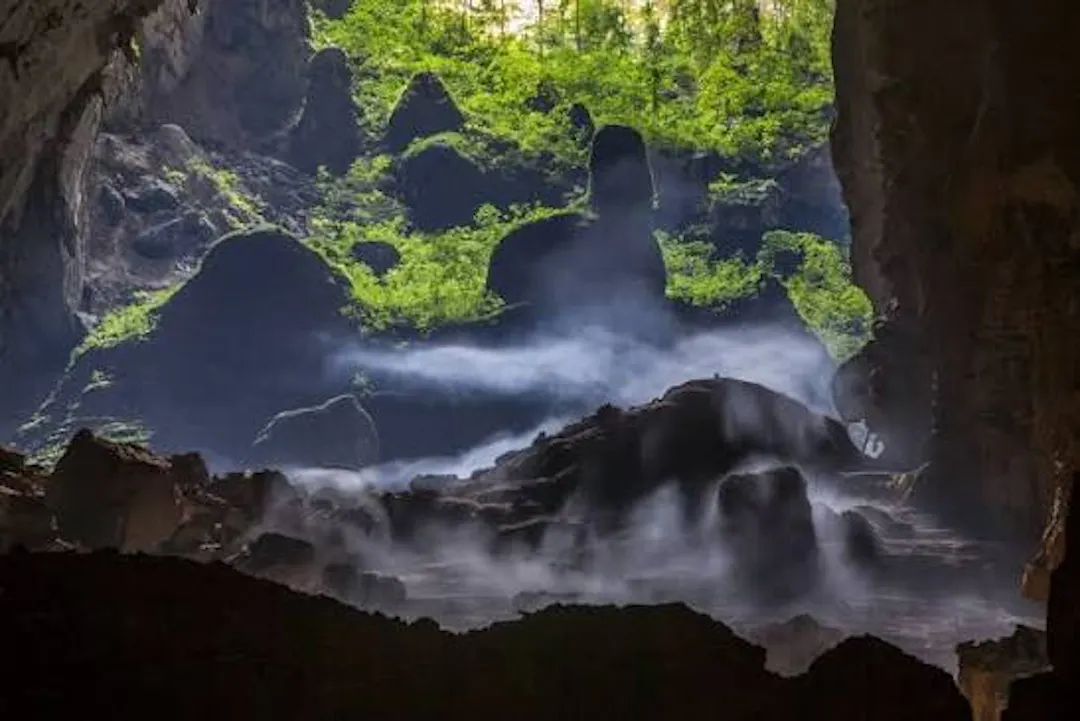
When directly addressing the question, "is Son Doong tour worth it," one must evaluate the profound psychological and visual value of the experience. It is not an exaggeration to state that entering this cave is akin to exploring an alien planet. The absolute highlight of the expedition occurs when travelers reach the two massive dolines (collapsed sinkholes). Here, intense columns of sunlight pierce the subterranean darkness, breathing life into a dense, primordial rainforest—often referred to as the "Garden of Edam"—growing hundreds of meters below the surface of the earth. You will sleep in specialized tents pitched directly on pristine, subterranean sandy beaches, watching mist and fully formed clouds drift through the cavernous ceiling above you. The geological formations are staggering; you will encounter towering stalagmites reaching up to 80 meters high and rare cave pearls the size of baseballs. For the dedicated geographer and adventure photographer, witnessing these impossibly rare geological anomalies firsthand justifies the financial investment entirely.
Exclusivity, Rarity, and Personal Achievement
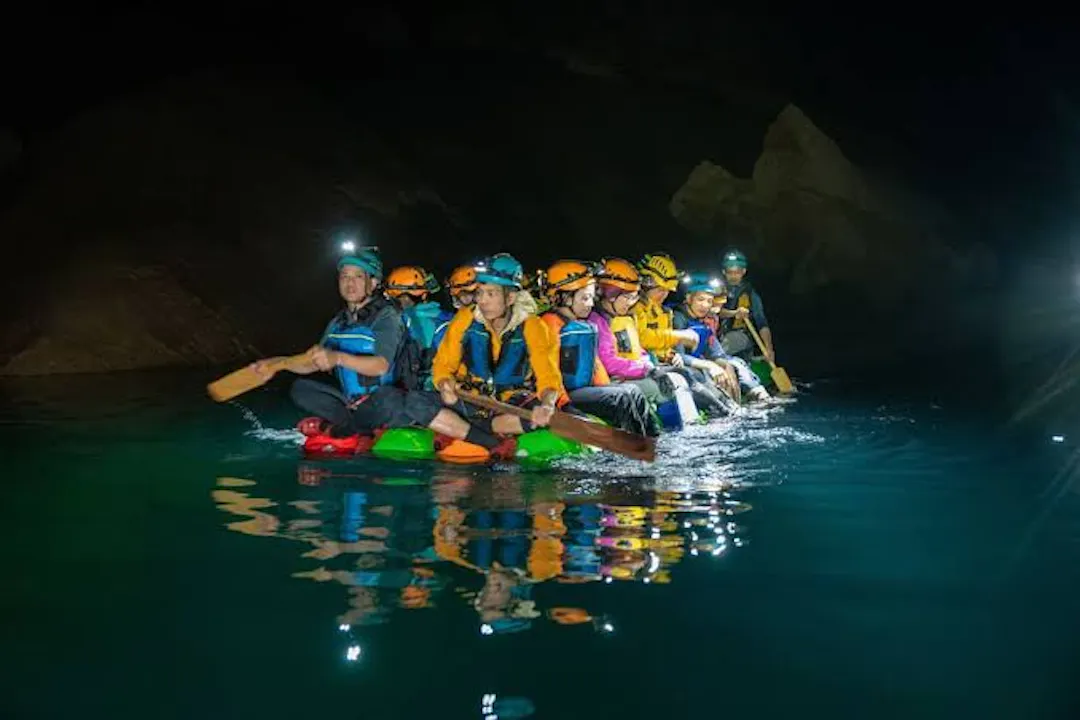
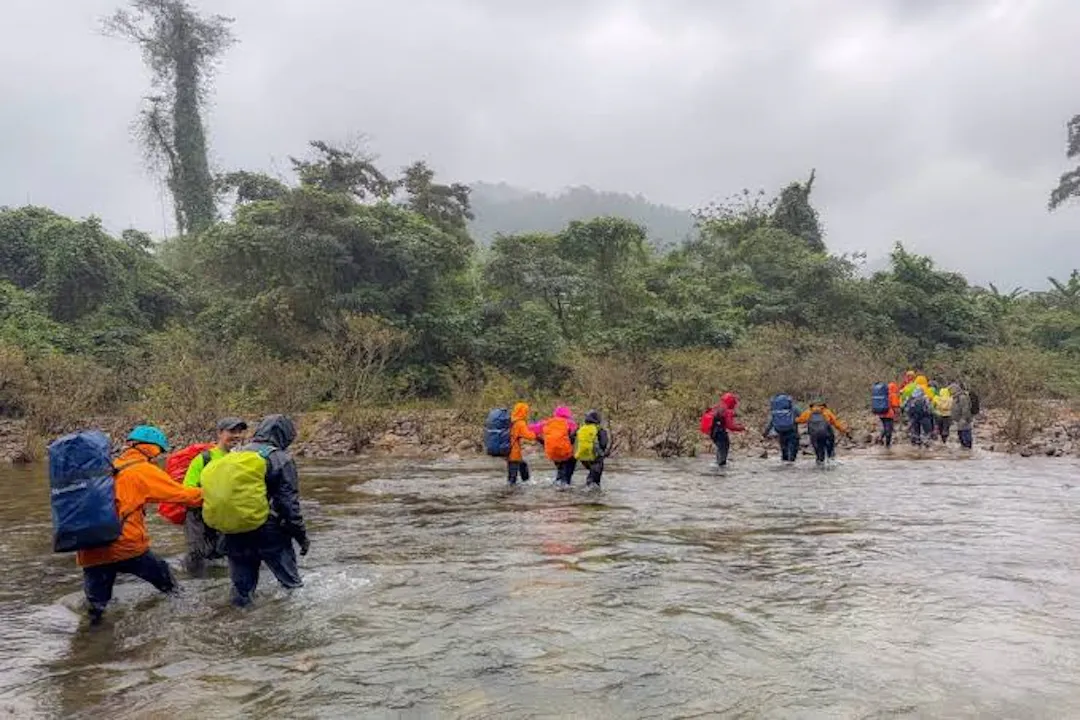
Furthermore, the $3,000 price tag secures a level of absolute exclusivity and personal achievement that is rapidly vanishing in the modern era of hyper-accessible global travel. By implementing a strict quota through the hệ thống kiểm soát giấy phép (permit control system), the authorities guarantee that you will never encounter another tourist group while inside the cave. The high cost acts as a necessary barrier to entry, preserving the pristine, eerie solitude of the underground wilderness. However, this is not a luxury glamping retreat. The experience demands grueling physical exertion, requiring participants to endure suffocating jungle humidity, cross fast-flowing rivers, scale muddy vertical inclines, and camp in primitive conditions for days. The financial cost is merely the entry fee; the true price of the expedition is paid in sweat and endurance, ensuring that only those genuinely dedicated to raw, unfiltered exploration are granted the immense privilege of witnessing the cavern's depths.
Navigating the Booking Labyrinth – Securing Your Permit
The Art of Booking Years in Advance
If you have reconciled the financial investment and possess the physical endurance required, the final hurdle involves navigating the notoriously difficult Oxalis Son Doong booking guide. Due to the intense, global demand generated by prominent international media features and the severely restricted permit supply, the expedition routinely sells out months, and frequently a full year, in advance. The booking cycle is highly competitive. Authorized permits are generally released for the upcoming calendar year during the late summer months (typically August). Prospective explorers must monitor the official Oxalis website relentlessly and be prepared to transfer the full $3,000 payment immediately upon securing a date, as tentative holds are strictly not permitted. If you are inflexible regarding your travel dates, you must literally plan this expedition a year ahead of your arrival in Vietnam.
Physical Preparation and Medical Clearance
Securing the financial transaction is only the first step; finalizing your Son Doong permit and safety requirements involves a rigorous vetting process. Because the physical demands of the trek are categorized as "Level 6 - Hard," Oxalis mandates that all prospective guests submit a detailed, comprehensive medical history and physical fitness questionnaire. You must be able to prove that you engage in regular cardiovascular training, are comfortable hiking long distances over heavily uneven terrain with a loaded pack, and are entirely free of debilitating phobias regarding heights or enclosed spaces. The technical consulting team will heavily scrutinize your submission, and they reserve the absolute right to reject applicants who do not meet the stringent health prerequisites. If approved, you must spend the months leading up to your departure actively physically training, specifically focusing on stair-climbing endurance and core strength, to ensure you do not become a dangerous liability to the safety team once deep underground.
Conclusion
Ultimately, evaluating the precise Son Doong tour cost requires shifting your perspective away from standard tourism metrics. This $3,000 expenditure transcends a simple vacation expense; it represents an authoritative masterclass in sustainable, highly engineered adventure travel. By actively funding essential conservation efforts, supporting local indigenous employment, and ensuring uncompromising safety standards, this fee protects the very existence of the cave. If you are financially prepared and physically capable of enduring the grueling subterranean logistics, I strongly encourage you to enter the booking labyrinth early, secure your exclusive permit, and embark upon the ultimate, transformative journey beneath the earth.
Read more: Son Doong Cave
Frequently Asked Questions About Son Doong Tour Costs
How much does a Son Doong Cave tour cost?
A standard Son Doong expedition costs approximately US$3,000 per person. Prices may vary slightly depending on the operator and season, but they generally include permits, guides, accommodation during the expedition, meals, camping equipment, porters, and safety support.
Why is the Son Doong tour so expensive?
The high cost reflects the complexity of the expedition. Only a limited number of visitors are allowed each year, and every tour requires experienced guides, safety experts, porters, environmental protection measures, and extensive logistical planning to preserve the cave.
Is the Son Doong tour worth the money?
For adventure travelers, many consider it a once-in-a-lifetime experience. Son Doong offers landscapes unlike anywhere else on Earth, including enormous cave chambers, underground jungles, and unique ecosystems that cannot be accessed independently.
Can I visit Son Doong without joining a guided tour?
No. Independent visits are not permitted. All visitors must join an officially licensed expedition operated under strict environmental and safety regulations to protect the cave and ensure visitor safety.
How far in advance should I book a Son Doong expedition?
It's recommended to book 6–12 months in advance, as permits are extremely limited and tours often sell out quickly, especially during Vietnam's peak travel season.
Advertising box
Discover More About Son Doong Cave
Continue exploring the incredible world of Son Doong Cave with expert travel guides, trekking tips, tour planning advice, nearby attractions, and fascinating stories about the world's largest cave. Whether you're preparing for the expedition or simply dreaming of visiting, these articles will help you uncover more of Phong Nha's breathtaking underground wonders.
How Hard Is the Son Doong Trek? Fitness Requirements & Preparation Guide
The Son Doong expedition is one of Vietnam's most demanding adventure experiences, requiring several days of trekking through dense jungle, river crossings, steep climbs, and rugged cave terrain. While you don't need to be a professional athlete, participants should have good physical fitness, endurance, and confidence hiking in challenging conditions. This guide explains the trek's difficulty, fitness expectations, training recommendations, and practical preparation tips to help you safely complete the unforgettable journey into the world's largest cave.
Best Time to Visit Son Doong Cave: Weather, Seasons, and Tour Schedules
Choosing the right season is essential for an unforgettable Son Doong Cave adventure. Due to weather conditions and conservation efforts, expeditions operate only during a limited period each year. Understanding rainfall patterns, temperatures, river levels, and tour availability will help you plan the perfect trip. This guide explains the best months to visit Son Doong, what weather to expect, when tours are available, and how seasonal conditions influence trekking safety and the overall experience inside the world's largest cave.
Can't Book Son Doong? Top 4 Incredible Alternative Caves in Phong Nha
Son Doong Cave may be the world's largest cave, but limited permits mean many travelers miss the opportunity to visit. Fortunately, Phong Nha – Ke Bang National Park is home to dozens of spectacular caves that offer equally memorable adventures. From the massive chambers of Hang En and the breathtaking formations of Paradise Cave to underground rivers and jungle expeditions in Tu Lan, these incredible alternatives deliver unforgettable experiences while showcasing the extraordinary natural beauty of central Vietnam.

Inside Son Doong Cave: 5 Mind-Blowing Wonders Found Nowhere Else on Earth
Hidden beneath the limestone mountains of Phong Nha – Ke Bang National Park, Son Doong Cave contains extraordinary natural wonders unlike anywhere else on Earth. Massive cave chambers, lush underground jungles, towering skylights, giant cave pearls, and unique ecosystems have made it one of the world's greatest geological discoveries. This guide explores five incredible features that make Son Doong more than just the world's largest cave—it is one of the most spectacular natural environments ever found.