
Best Time to Visit Son Doong Cave: Weather, Seasons, and Tour Schedules
Choosing the right season is essential for an unforgettable Son Doong Cave adventure. Due to weather conditions and conservation efforts, expeditions operate only during a limited period each year. Understanding rainfall patterns, temperatures, river levels, and tour availability will help you plan the perfect trip. This guide explains the best months to visit Son Doong, what weather to expect, when tours are available, and how seasonal conditions influence trekking safety and the overall experience inside the world's largest cave.
On this page
- The Annual Closure – Why Tours Stop from September to December
- Early Season Mastery – January to March (Cool Climates and Sunbeams)
- Mid-Season Dynamics – April to May (Warm Waters and Spring Vitality)
- Peak Summer Expeditions – June to August (Crystal Waters and Intense Heat)
- Strategic Planning and Booking Alignment
- Conclusion
To stand before the colossal mouth of Hang Sơn Đoòng is to witness a profound meteorological theater where the fierce, torrential surface monsoons of Central Vietnam clash against an ancient, self-contained climatic rhythm ruling the world’s largest subterranean cavern. Planning an expedition into this geological titan is not a casual calendar choice or a matter of booking a standard holiday; it requires strict, unyielding alignment with the annual operating window enforced by park authorities and Oxalis Adventure to delicately balance human safety with the fragile regeneration of the cave's subterranean ecosystem. As an expedition leader and cave climatologist who has spent decades mapping the extreme environmental dynamics of the Phong Nha-Ke Bang karst system, I have witnessed how the shifting calendar profoundly alters the interior physics of the cave. From the crystalline light shafts piercing the towering dolines in early spring to the thunderous aquatic flows of mid-summer, understanding the best time to visit Son Doong Cave is the ultimate key to unlocking a safe, transformative, and scientifically awe-inspiring subterranean journey.
The Annual Closure – Why Tours Stop from September to December
The Fury of the Central Vietnamese Monsoon
To comprehend why expeditions are strictly halted during the final third of the year, one must analyze the brutal meteorological reality of the Central Vietnamese monsoon cycle. From September through December, the region is battered by intense tropical storms, typhoons, and relentless regional rainfall that dumps meters of water across the limestone mountain ranges. Because Son Doong is fundamentally a massive, active river cave featuring a powerful underground river system, these torrential surface deluges trigger rapid, catastrophic hydrological surges. Historical flood lines and high-water marks etched near the ceilings prove that floodwaters inside the main caverns and neighboring chambers can rise by an astonishing ninety to one hundred meters during peak typhoon events. Operating commercial expeditions during this high-risk window would expose travelers and local support teams to life-threatening flash floods, violent currents, and inescapable entrapment deep underground, making total seasonal closure an absolute, non-negotiable safety mandate.
Ecological Recovery and Conservation Mandates
Beyond the immediate life-safety hazards posed by the autumn storms, the mandatory four-month closure serves an equally vital ecological purpose: ensuring the strict hệ sinh thái phục hồi (ecosystem recovery) of the cave environment. The human footprint, even when managed with the utmost care by professional conservation-minded operators, inevitably introduces foreign organic matter, mild soil compaction along campsites, and microscopic disruptions to delicate micro-habitats. Shutting down all human access from September to December allows the subterranean flora, fauna, cave-adapted invertebrates, and fragile mud formations to rest, rebalance, and regenerate without any pressure from foot traffic. This strategic pause protects the integrity of the fragile biosphere, ensuring that the cave remains pristine, biologically active, and scientifically protected for generations to come. It represents a masterclass in sustainable tourism management, proving that the Son Doong tour season schedule is governed as much by biological ethics as it is by physical meteorology.
Early Season Mastery – January to March (Cool Climates and Sunbeams)
Navigating the Crisp Highland Air
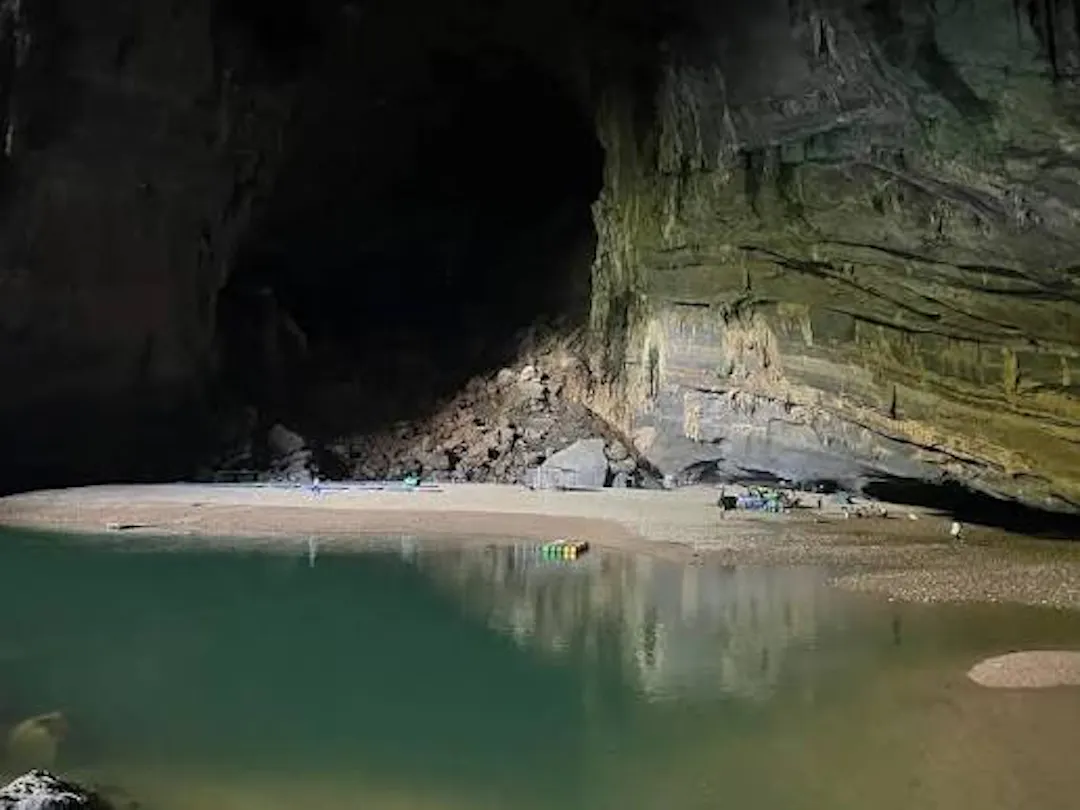
When the gates officially reopen in January, the early part of the operating window introduces explorers to a refreshingly crisp, cool highland microclimate across Quang Binh province. Trekking through the dense tropical jungle during January, February, and March exposes travelers to ambient daytime temperatures that are significantly milder than the scorching heat of mid-summer, effectively keeping physical exhaustion and thermal stress at bay during steep, lung-burning jungle ascents. However, because the outside air can occasionally dip sharply during northern cold fronts, participants must pack adequate thermal base layers for nighttime camping. Inside the cave, the ambient temperature stabilizes at a comfortable, constant range, but the initial transition from the brisk surface air into the subterranean depths provides an invigorating, highly refreshing physical contrast that energizes endurance hikers.
The Elusive Phenomenon of Subterranean Sunbeams
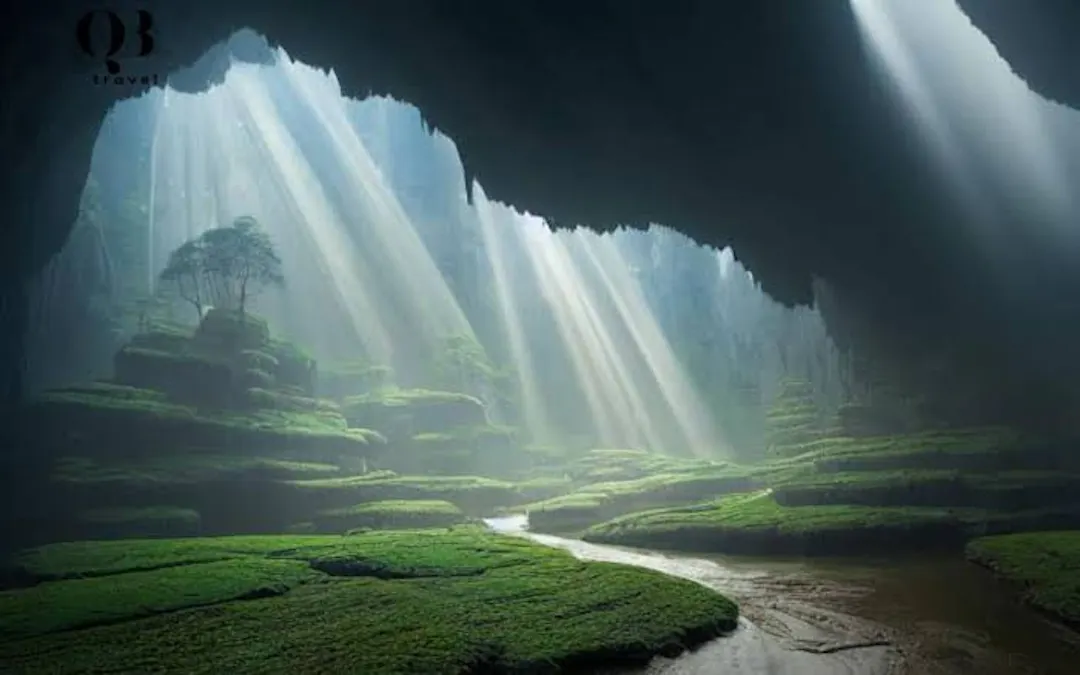
For professional photographers, nature enthusiasts, and visual artists, the early months of the year represent the absolute best time to visit Son Doong Cave due to a very specific, magical optical phenomenon: the alignment of the luồng ánh sáng (subterranean sunbeams). During January, February, and March, the solar trajectory and low angle of the winter sun allow direct shafts of brilliant daylight to pierce deep through the colossal collapsed ceilings of the massive dolines—specifically Doline 1 and Doline 2. These intense, ethereal pillars of light cut directly through the damp, misty atmosphere of the underground cavern, illuminating floating dust motes, towering stalagmites, and the subterranean jungle with cinematic dramatic flair. Catching these rare, cascading sunbeams requires patience and precise seasonal timing, offering a once-in-a-lifetime photographic window that completely transforms the dark cavern into an illuminated temple of stone and light.
Mid-Season Dynamics – April to May (Warm Waters and Spring Vitality)
The Transition to Warmth and Aquatic Comfort
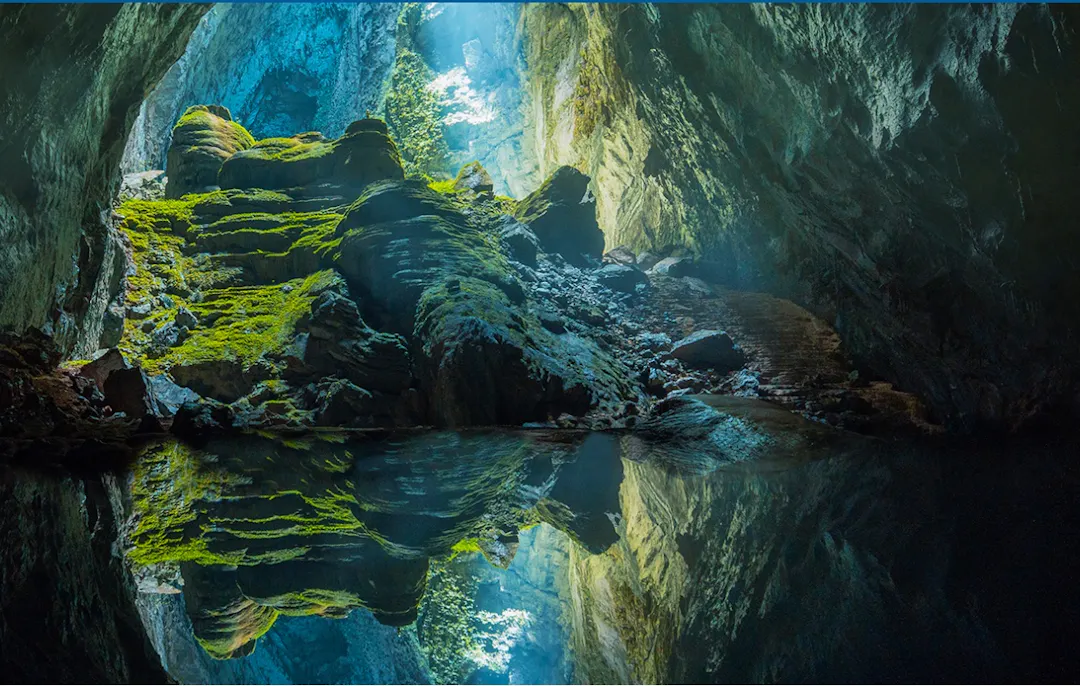
As the calendar advances into April and May, the regional climate undergoes a predictable, highly pleasant meteorological transition. The harsh bite of winter completely fades, replaced by stable, moderately warm spring weather patterns across the national park. This gradual warming of both ambient surface air and subterranean river water makes the frequent river crossings and underground swimming sections exceptionally comfortable for expedition participants. Wading through waist-deep subterranean streams or taking a restorative evening dip near the campsites becomes an absolute pleasure rather than a chilling endurance test. The atmospheric humidity inside the massive chambers begins to find a stable equilibrium, and the transition of the solar trajectory brings broader daylight penetration across different sectors of the cavern floor, enhancing overall visibility during complex rock scrambles and boulder field traversals.
Spring Flora and Ephemeral Waterfalls
The surface approaches to the cave during April and May showcase a stunning biological awakening. The surrounding jungle canopy erupts into vibrant spring vitality, featuring countless indigenous flowering plants, blooming orchids, and lush undergrowth that blanket the steep limestone karst slopes. While the interior of Son Doong remains an ancient, timeless realm largely insulated from surface botany (save for the unique doline rainforests), the journey to and from the cave entrances becomes a rich botanical exploration. Seasonal spring rains, while mild and non-threatening compared to the autumn monsoons, occasionally feed ephemeral waterfalls cascading down the outer karst walls, adding a dynamic layer of sound and visual beauty to the jungle trekking phases of the expedition before the intense heat of peak summer arrives.
Peak Summer Expeditions – June to August (Crystal Waters and Intense Heat)
Maximizing Crystal-Clear River Visibility
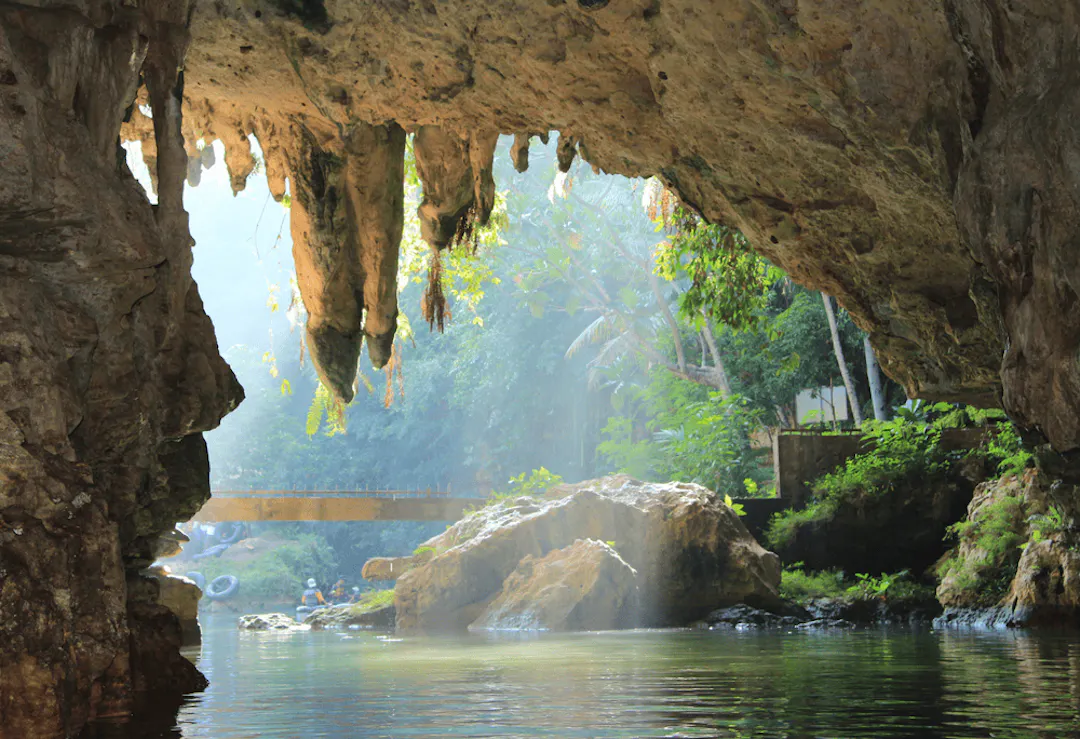
Entering the peak summer months of June, July, and August brings complete atmospheric stability to the region, characterized by prolonged dry spells, baking sunshine, and exceptionally clear weather patterns. From a hydrological standpoint, this is a phenomenal time for underwater visibility. Because prolonged dry weather eliminates surface runoff and soil erosion, the underground rivers flowing through Son Doong run remarkably clear, sparkling with a striking turquoise hue that accentuates the profound depth of the subterranean pools. Furthermore, summer is famously prime time for observing massive formations of cave clouds and rolling atmospheric mist generated by the thermal interaction between the cool interior air and the scorching heat outside, often swirling magnificently around the massive sinkhole openings.
Battling Surface Heat and High Endurance Demands
However, prospective travelers evaluating the Son Doong weather by month must prepare honestly for the grueling physical demands of the peak summer surface climate. Exterior daytime temperatures across Central Vietnam frequently soar past thirty-six to thirty-eight degrees Celsius, accompanied by intense tropical humidity. Navigating the initial jungle trekking phases prior to entering the cool, stable embrace of the cave (which stubbornly maintains a comfortable twenty-two to twenty-five degrees Celsius year-round) requires immense cardiovascular endurance and strict hydration discipline. Expedition leaders must enforce rigorous pacing strategies, mandatory electrolyte replacement, and proactive rest cycles to prevent heat exhaustion during the sun-baked ascent and descent phases, ensuring that participants remain physically resilient before entering the thermal sanctuary of the deep subterranean chambers.
Strategic Planning and Booking Alignment
Matching Your Preferences to the Calendar
Choosing the precise week for your expedition ultimately depends on matching your personal aesthetic desires and environmental preferences with the shifting seasonal calendar. If your primary objective is capturing iconic, award-winning photographs of the elusive subterranean sunbeams cutting through the mist, you must target the narrow, highly competitive window between January and March, accepting cooler surface mornings in exchange for unmatched optical drama. Conversely, if your ideal adventure involves swimming in crystal-clear turquoise underground rivers and experiencing the surreal visual phenomenon of cave clouds drifting through massive dolines under warm, stable skies, booking a slot during the mid-summer months of June through August will deliver your desired experience. Because Oxalis Adventure strictly limits total annual permits to protect the ecosystem, aligning your preferred meteorological window with the rapid booking cycle—often opening a full year in advance—is essential to securing your spot.
Conclusion
Ultimately, selecting the optimal time for your subterranean expedition elevates the journey from a standard physical challenge into a profound, harmonious alignment with nature's ancient rhythm. By understanding the strict meteorological boundaries that dictate why tours operate exclusively from January to August while resting during the storm-battered autumn closure, you gain a deeper appreciation for the delicate balance sustaining the world's largest cave. Do not leave your journey to chance; review the seasonal windows, match your photographic and climatic preferences to the calendar, and secure your permit well in advance to experience Hang Sơn Đoòng at its absolute meteorological zenith.
Read more: Son Doong Cave
Frequently Asked Questions About Visiting Son Doong Cave
When is the best time to visit Son Doong Cave?
The best time to visit Son Doong Cave is between January and August, when the weather is generally drier and expedition tours operate. February to April is particularly popular thanks to pleasant temperatures and comfortable trekking conditions.
Why can't I visit Son Doong Cave year-round?
Son Doong Cave closes during the rainy season, typically from September to December, due to heavy rainfall, flooding, and safety concerns. Seasonal closures also help protect the cave's fragile ecosystem.
How far in advance should I book a Son Doong tour?
It's recommended to book 6–12 months in advance. Tour availability is limited because only a small number of permits are issued each year to preserve the cave and maintain a high-quality visitor experience.
What is the weather like during the trekking season?
During the expedition season, daytime temperatures usually range from 20–30°C (68–86°F). Conditions inside the cave are cooler and more humid, while weather outside may vary depending on the month and local rainfall.
Can tours be cancelled because of the weather?
Yes. Although tours operate during the dry season, extreme weather such as heavy rain or flash flood risks may lead operators to postpone or cancel expeditions for safety. It's always wise to allow some flexibility in your travel plans.
Advertising box
Discover More About Son Doong Cave
Continue exploring the incredible world of Son Doong Cave with expert travel guides, trekking tips, tour planning advice, nearby attractions, and fascinating stories about the world's largest cave. Whether you're preparing for the expedition or simply dreaming of visiting, these articles will help you uncover more of Phong Nha's breathtaking underground wonders.
How Much Does a Son Doong Tour Cost? (And Is It Worth $3,000?)
A journey to Son Doong Cave is one of the world's most exclusive adventure experiences, but it comes with a premium price tag. With limited permits, expert guides, safety teams, camping equipment, meals, and conservation fees included, the expedition typically costs around US$3,000 per person. This guide explains exactly what you're paying for, why the tour is so expensive, and whether exploring the world's largest cave is truly worth the once-in-a-lifetime investment.
How Hard Is the Son Doong Trek? Fitness Requirements & Preparation Guide
The Son Doong expedition is one of Vietnam's most demanding adventure experiences, requiring several days of trekking through dense jungle, river crossings, steep climbs, and rugged cave terrain. While you don't need to be a professional athlete, participants should have good physical fitness, endurance, and confidence hiking in challenging conditions. This guide explains the trek's difficulty, fitness expectations, training recommendations, and practical preparation tips to help you safely complete the unforgettable journey into the world's largest cave.
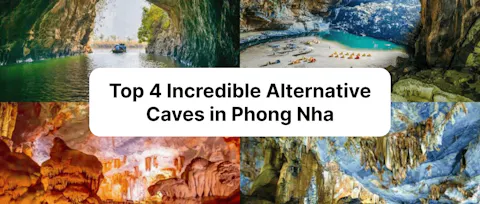
Can't Book Son Doong? Top 4 Incredible Alternative Caves in Phong Nha
Son Doong Cave may be the world's largest cave, but limited permits mean many travelers miss the opportunity to visit. Fortunately, Phong Nha – Ke Bang National Park is home to dozens of spectacular caves that offer equally memorable adventures. From the massive chambers of Hang En and the breathtaking formations of Paradise Cave to underground rivers and jungle expeditions in Tu Lan, these incredible alternatives deliver unforgettable experiences while showcasing the extraordinary natural beauty of central Vietnam.

Inside Son Doong Cave: 5 Mind-Blowing Wonders Found Nowhere Else on Earth
Hidden beneath the limestone mountains of Phong Nha – Ke Bang National Park, Son Doong Cave contains extraordinary natural wonders unlike anywhere else on Earth. Massive cave chambers, lush underground jungles, towering skylights, giant cave pearls, and unique ecosystems have made it one of the world's greatest geological discoveries. This guide explores five incredible features that make Son Doong more than just the world's largest cave—it is one of the most spectacular natural environments ever found.