
How to Travel from Hanoi to Sapa by Train: The Ultimate Master Guide
Traveling from Hanoi to Sapa by train is one of the most comfortable and scenic ways to reach Vietnam’s famous mountain destination. This guide explains train routes, ticket types, sleeper cabin options, travel times, booking advice, and how to continue from Lao Cai Railway Station to Sapa town. Whether you are planning a relaxing overnight journey or your first trip to northern Vietnam, Go Visit Vietnam provides practical information to help you enjoy a smooth and memorable rail adventure.

On this page
At 10pm on any given evening at Ga Hà Nội, something quietly extraordinary is happening. The noise and heat of the capital — the motorbike horns, the street food smoke, the compressed energy of six million people occupying a city not built for them — recedes behind the station gates. Platform 3 is loading the overnight train north. In nine hours, passengers who fell asleep in the Red River Delta will wake up to the Hoàng Liên Sơn mountain range materializing outside their window, mist moving through pine valleys at 1,500 meters elevation.
This is the Hanoi to Sapa train route — one of the most iconic overnight rail journeys in Southeast Asia and, for most independent travelers, the most sensible way to reach Vietnam's highland capital. It is significantly safer than the competing overnight highway coach, removes the need to pay for a hotel night in Hanoi, and delivers you to the north's mountain landscape in time for a full day's activity.
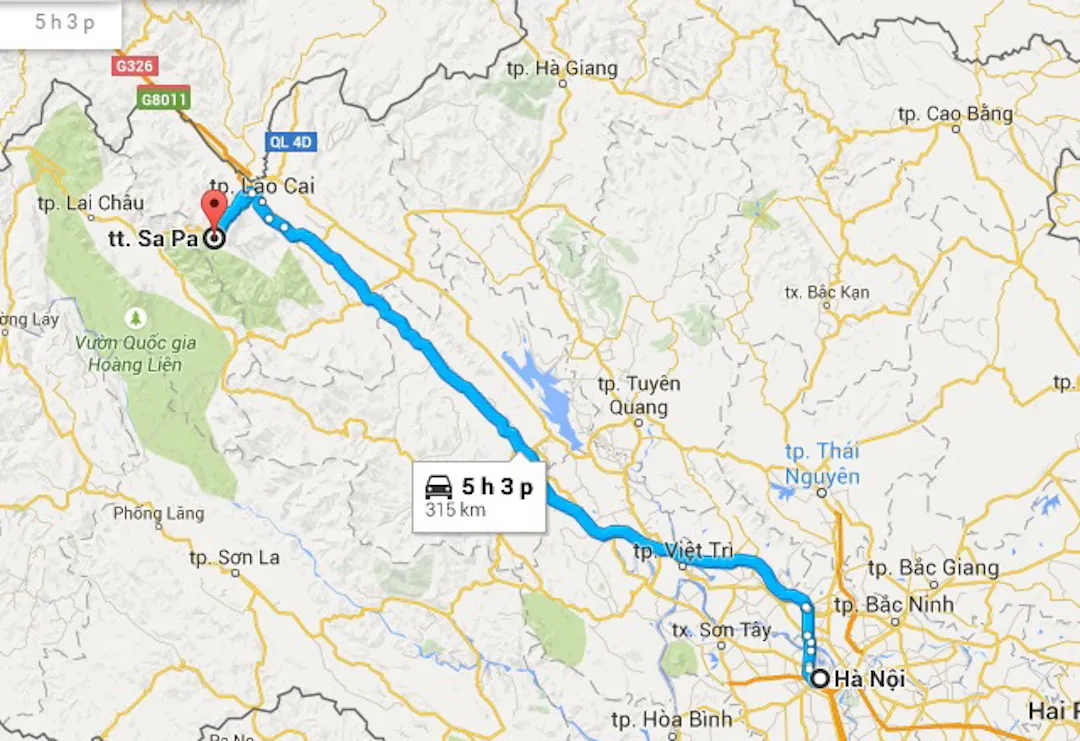
What most travel forums fail to tell you is that the train does not actually stop at Sapa. It stops at Lào Cai, a border town 35 kilometers below Sapa in the valley. Understanding that distinction — and planning the transfer accordingly — is the single most important logistical fact in this guide. Everything else follows from knowing what you're actually booking.
Demystifying the Train System: State vs. Private Luxury Carriages
The structure of overnight train travel to Lào Cai confuses first-timers because multiple brand names appear to be running competing services. They are not. Understanding how this system actually works will save you from both overpaying and under-researching.
The Core Infrastructure
Every overnight train on the Hanoi–Lào Cai corridor is mechanically operated by Vietnam Railways (VNR) — the state-owned rail authority. The locomotive, the track, the crew, the timetable, and the physical train itself all fall under VNR. There is no competing private rail operator running separate trains. The SP1 and SP3 services are VNR services, and they are the only overnight trains on this route.
What private operators have done is negotiate the right to attach their own custom-fitted carriages to these state trains. The private carriage travels on the same rails, departs from the same platform at the same time, and arrives at the same station as every other carriage on that train. What differs is entirely the interior experience and the service layer.
Standard VNR Carriages
The standard VNR sleeper on this route offers 4-berth soft sleeper compartments (the recommended tier for international travelers) and 6-berth hard sleeper compartments (budget tier, less privacy).
In a standard 4-berth soft sleeper, you can expect:
- Padded vinyl berths with a thin blanket and pillow
- A small table between lower berths
- Overhead lighting and a basic reading light
- Air conditioning that is centrally controlled and occasionally over-enthusiastic
- A shared carriage-end toilet (functional, varying cleanliness)
Pricing for standard VNR 4-berth soft sleeper berths runs approximately $20–$30 USD per person each way, depending on berth position (lower berths command a slight premium and are more comfortable for sitting upright during waking hours).
For travelers on tight budgets or those who simply need to get from A to B, standard VNR is entirely adequate. For couples, families, or anyone who values sleep quality, clean bathroom access, and the kind of welcome that turns transit into experience, the private carriages represent a fundamentally different product.
Private Luxury Tourist Carriages
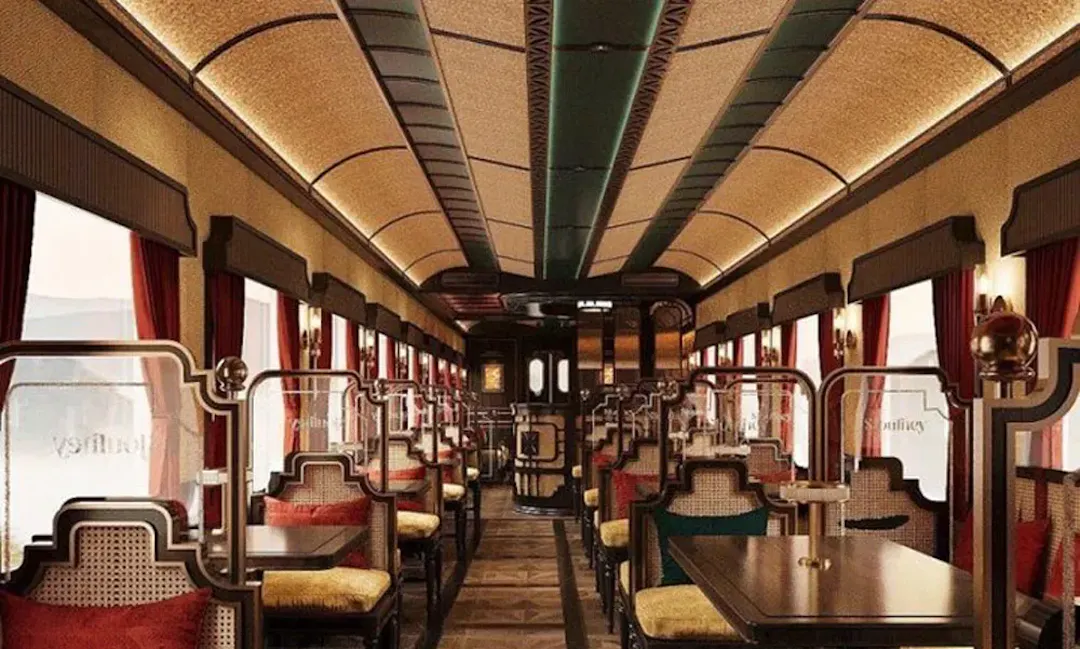
Several hospitality brands have invested in converting or custom-building carriages that attach to the SP1/SP3 trains. The quality gap between these and standard VNR is significant and immediately apparent when you step on board.
Common features across premium private operators:
- Enclosed 2-berth or 4-berth cabins with locking doors (privacy that standard VNR carriages don't offer)
- Solid wood paneling and designed interiors replacing the utilitarian VNR fit-out
- High-quality bedding with hotel-grade pillows and duvets
- Individual reading lamps and USB/power outlets at every berth
- Dedicated Western-style en-suite or carriage toilet, cleaned and maintained by the operator's own staff
- Welcome amenities: bottled water, snacks, sometimes a complimentary small meal
Victoria Express is the longest-established premium operator on this route and the benchmark against which others are measured — historic interiors, consistent service, and a well-maintained cabin product that justifies its position at the top of the price range.
Chapa Express is the most practical choice for most international travelers: clean modern cabins, reliable service, and — critically — access to the Chapa VIP lounge at Lào Cai station for arriving passengers (shower, breakfast, luggage storage before the Sapa transfer — more on this in Section 4).
Sapaly, VicSapa, and Tonkin Heritage occupy competitive mid-range positioning with similarly refurbished interiors and strong guest review records.
Train Schedules, Routes, and Booking Mechanics
Timetables
The two overnight services operating the Hanoi–Lào Cai corridor are designated SP3 and SP1, running on alternating nights with slightly different departure times. The approximate operating schedule:
- SP3: Departs Ga Hà Nội at approximately 22:00, arrives Lào Cai at approximately 06:00 (8-hour journey)
- SP1: Departs Ga Hà Nội at approximately 21:40, arrives Lào Cai at approximately 05:30–06:00
Return services (Lào Cai to Hanoi) depart in the early-to-mid evening, typically 20:00–21:30, arriving back in Hanoi around 05:00–06:30 the following morning.
Exact departure times shift seasonally and with schedule revisions. Always verify current timetables at booking rather than relying on times cited in any guide — including this one.
Booking Infrastructure
For state VNR carriages: The official booking domain is dsvn.vn — Vietnam Railways' own ticketing platform. It is functional but can be challenging for international travelers to navigate, particularly for non-Vietnamese payment cards, and the interface is not optimized for English-language users.
The recommended platform for international travelers: Vexere.com.
Vexere aggregates both VNR standard tickets and private carriage inventory onto a single, English-language interface with several advantages that matter practically:
- Visual seat/berth maps showing real-time availability so you can select your exact berth position before confirming
- Transparent pricing — the total cost including any booking fee is displayed before payment confirmation, with no hidden surcharges appearing at checkout
- International credit and debit card processing (Visa, Mastercard, PayPal) without requiring a Vietnamese bank card or local phone verification
- PDF/QR code ticket delivery to your email within minutes of booking
For private operator carriages specifically (Victoria Express, Chapa, Sapaly, etc.), you can also book directly on each operator's own website — often with slightly better pricing on promotional dates and easier modification of bookings. If you have a preferred operator, check their direct site alongside Vexere before confirming.
Booking timeline: Weekend departures (Friday and Saturday nights) sell out private carriage inventory 2–3 weeks ahead during peak seasons (September–November, March–April, and national holiday periods). Book at least 10–14 days in advance for any weekend or holiday travel. Weeknight departures are generally available within 7 days.
Step-by-Step Departure Day Walkthrough at Ga Hà Nội
Finding the Right Entrance
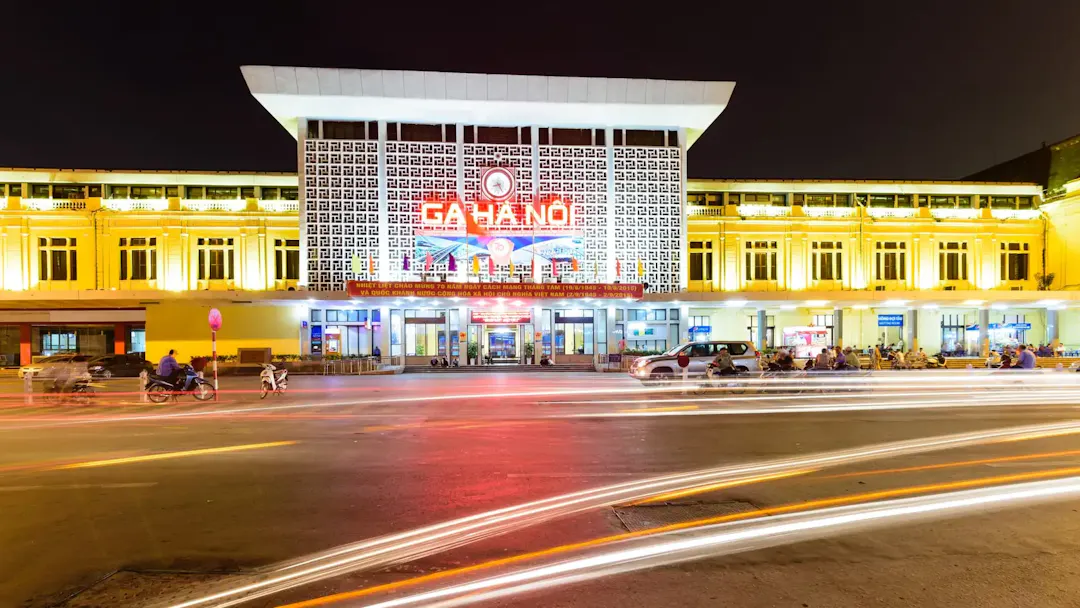
Hanoi Railway Station (Ga Hà Nội) has multiple entrances, and arriving at the wrong one adds unnecessary stress before an overnight journey. For the Lào Cai overnight train, use the entrance at 120 Lê Duẩn Street — the northern-facing entrance designated for trains departing toward Lào Cai, Hải Phòng, and northern destinations. This entrance has clear English-language signage directing passengers to the correct ticketing and platform areas for the Lào Cai services.
Arrival Timing and Platform Process
Arrive at the station 45–60 minutes before departure. This allows time to locate your platform, pass through the ticket verification gates, and board without rushing — particularly important if you have luggage to stow.
The platform gates at Ga Hà Nội now use automated QR code scanning. Your booking confirmation PDF or QR code displayed on your smartphone works perfectly at these gates — at 100% screen brightness. You do not need to print a paper ticket. The scanner reads the QR within 1–2 seconds; keep the code at full brightness before approaching the reader to prevent scanning delays.
Once through the gates, platform staff can direct you to your specific carriage number. Private carriage operators typically have their own staff at the platform identifying their passengers by name — particularly for Victoria Express and Chapa, which operate a meet-and-greet boarding service.
Cabin Dynamics and Practical Survival Tips
Luggage: Soft-shell bags and backpacks fit efficiently in the under-berth storage compartment below lower bunks, and on overhead racks. Hard-shell rolling suitcases (particularly 28" and above) present genuine storage challenges in both VNR and private carriage configurations — if traveling with hard luggage, lower berths provide the most storage flexibility. Request lower berths at booking.
Bed length: Berths on both VNR and private carriages are approximately 180cm (5 feet 10 inches) in usable length. Travelers above this height should book lower berths and sleep diagonally — upper berths have a ceiling that reduces the usable diagonal further.
Power and connectivity: Private carriages uniformly offer USB charging points and standard outlets at each berth. VNR standard carriages vary — older rolling stock may have only carriage-end outlets. Bring a portable power bank regardless.
Air conditioning: Controlled centrally in VNR carriages (you cannot adjust it individually). Private operators typically allow per-cabin adjustment. Bring a light layer regardless of the season — the mountains are significantly cooler than Hanoi, and train AC often overcorrects.
Noise and sleep: The track between Hanoi and Lào Cai passes through several urban stops in the first 2 hours. Earplugs are a practical addition for light sleepers. By midnight, most passengers are settled and the ambient noise drops to the steady rhythm of the track.
Arriving at Lào Cai Station & Navigating the Sapa Transfer
The Dawn Arrival
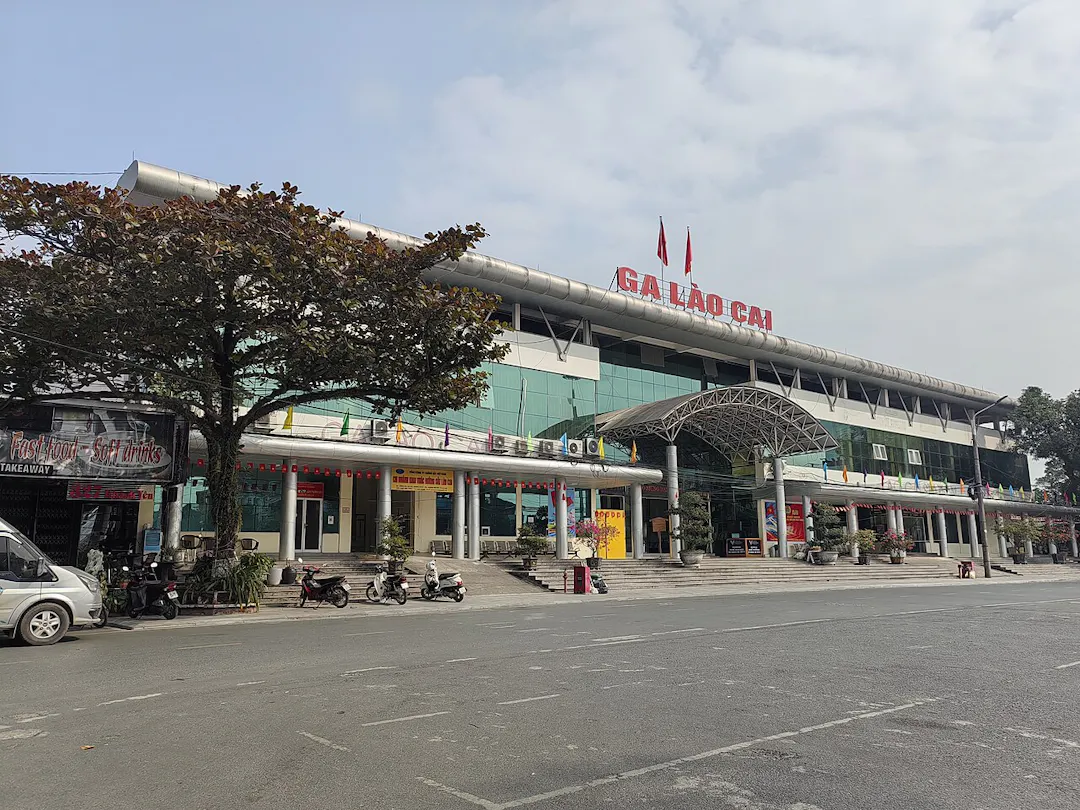
The train pulls into Lào Cai Station as the sky lightens over the Hoàng Liên Sơn range — typically between 5:30 and 6:15am depending on the service. Passengers emerging from private carriage compartments often find themselves stepping off the train into cooler mountain air with fog moving through the valley below. It is one of the better arrivals in Southeast Asian rail travel.
Lào Cai itself is a functional border town with limited tourist infrastructure. You are not yet at Sapa. The mountain town sits 35 kilometers uphill from the station, accessed via a winding road that climbs from approximately 300 meters elevation to 1,500 meters. Transfer time runs 45–60 minutes depending on road conditions and traffic.
The Three Transfer Options to Sapa
Option 1: Local Public Bus The cheapest option at approximately 50,000–80,000 VND (~$2–$3 USD). Buses depart from outside the station when full. Expect limited luggage space, minimal English communication, and a longer journey time due to local stops. Best for: solo budget travelers with light packs and full flexibility.
Option 2: Shared Minivan or Coach The default choice for most independent travelers. Shared minivans (seating 9–14 passengers) and scheduled coaches load outside the station immediately after train arrival and run directly to Sapa town center. Cost: approximately 80,000–150,000 VND ($3–$6 USD) per person. Journey time: 50–65 minutes. Best for: most solo travelers and small groups.
Option 3: Pre-Booked Private Car or Transfer The correct choice for families with children, travelers with large luggage, or those who have booked accommodation outside Sapa town center (in the Cat Cat or Lao Chai valley areas, for example). Private cars seat 4–7 passengers and can be booked through your accommodation, through Vexere, or directly with operators in Sapa. Cost: approximately $25–$45 USD for the vehicle. Best for: families, couples on luxury itineraries, or anyone arriving with significant luggage.
The Early Morning Check-In Reality
Hotels in Sapa operate standard check-in from 14:00. Guests arriving from the overnight train at 7–8am face a 6–7 hour window before their room is available — a manageable situation with planning, a brutal one without.
The Chapa Express VIP Lounge at Lào Cai station is the solution that most guides omit entirely. Chapa Express passengers receive complimentary access to this facility, which provides: hot showers, western toilets, a breakfast menu, luggage storage, and a comfortable waiting area. For Chapa Express passengers, this makes the Lào Cai-to-Sapa timing entirely non-stressful — shower, eat, store bags, transfer to Sapa, explore until check-in. For travelers on other operators, Lào Cai has a small number of local cafés near the station that open early for breakfast and allow luggage storage informally for a small fee.
Book Early, Arrive Right
The Hanoi to Sapa train is not merely the most practical way to reach the highlands — for travelers who choose a private luxury carriage, it is genuinely one of the most memorable elements of a Vietnam itinerary. Turning an overnight transit into a warm, comfortable cabin experience with mountain scenery at sunrise is the kind of travel detail that outlasts the photographs.
The formula is straightforward: book a private carriage on Vexere or directly with your preferred operator 10–14 days before travel, use the 120 Lê Duẩn entrance at Ga Hà Nội, arrive 45 minutes early, and pre-arrange your Lào Cai-to-Sapa transfer before departure.
Planning the overnight to Sapa and unsure which carriage fits your group size and budget? Drop your travel dates and party composition in the comments — we'll give you a specific operator recommendation based on current availability and pricing.
Guide last updated: 2025. Train schedules and private carriage operator availability are subject to seasonal change. Verify current timetables at dsvn.vn and operator websites before booking.
Frequently Asked Questions About Traveling from Hanoi to Sapa by Train
Can I travel directly from Hanoi to Sapa by train?
No. Trains from Hanoi terminate at Lao Cai Railway Station, which is about 35 km from Sapa Town. From Lao Cai, travelers continue to Sapa by shuttle bus, taxi, or private transfer.
How long does the train journey from Hanoi to Lao Cai take?
The overnight train journey usually takes 7 to 8 hours, depending on the train service and schedule. Most travelers depart Hanoi in the evening and arrive in Lao Cai early the following morning.
Should I choose a sleeper cabin or a regular seat?
Sleeper cabins are the most popular option, especially for overnight travel. They provide greater comfort, allowing passengers to rest before arriving in northern Vietnam. Soft sleeper cabins are generally recommended for tourists.
How do I get from Lao Cai Station to Sapa?
After arriving at Lao Cai Railway Station, visitors can take a shuttle bus, taxi, shared minivan, or private transfer to Sapa Town. The journey usually takes 45 to 60 minutes, depending on traffic and weather conditions.
Is traveling to Sapa by train better than taking a bus?
It depends on your travel style. Trains provide a comfortable overnight experience with sleeper cabins and avoid long hours on mountain roads during the night. Buses are generally faster because they travel directly to Sapa Town, while trains offer a more relaxed and memorable journey.
Advertising box