
Best Time to Visit Vietnam: The Ultimate Month-by-Month Regional Guide
Vietnam is a year-round destination, but the best time to visit depends on where you plan to travel. From the cool mountain landscapes of the north to the tropical beaches of the central coast and the warm Mekong Delta in the south, each region has its ideal season. This guide explains Vietnam's weather patterns, monthly travel conditions, regional climates, and major festivals to help you choose the perfect time for sightseeing, outdoor adventures, beach holidays, and cultural experiences.

On this page
Planning a trip to Southeast Asia often operates on a simplified assumption of year-round tropical warmth, but Vietnam violently defies this stereotype. Stretching over 1,600 kilometers in a dramatic S-shape along the eastern edge of the Indochinese Peninsula, the country traverses multiple latitudes and is influenced by two distinct monsoon systems. Because of this complex geography, determining the best time to visit Vietnam requires scientific precision rather than vague assumptions.
When packing for this nation, misunderstanding the local microclimates is a critical logistical error. A traveler assuming uniform weather might pack linen shorts for a freezing northern mountain winter, or mistakenly book a luxury beach holiday on the central coast during a Category 4 typhoon. There is no single "perfect month" where the entire country bathes in flawless, blue-sky sunshine. When one region is bone-dry and temperate, another is often facing extreme heatwaves or torrential flooding. This definitive, meteorologically precise guide will demystify Vietnam's fragmented weather systems, equipping you with the empirical data needed to navigate the varying climates, avoid severe weather events, and engineer an optimal cross-country itinerary.
The Three Climate Zones Demystified
To accurately pinpoint the best time to visit Vietnam, you must first divide the nation into three structural meteorological pillars: the North, the Center, and the South. Each of these zones operates on an entirely distinct atmospheric timeline, completely isolated from the weather events of its neighboring regions.
Northern Vietnam (Hanoi, Ha Long Bay, Sapa, Ha Giang)
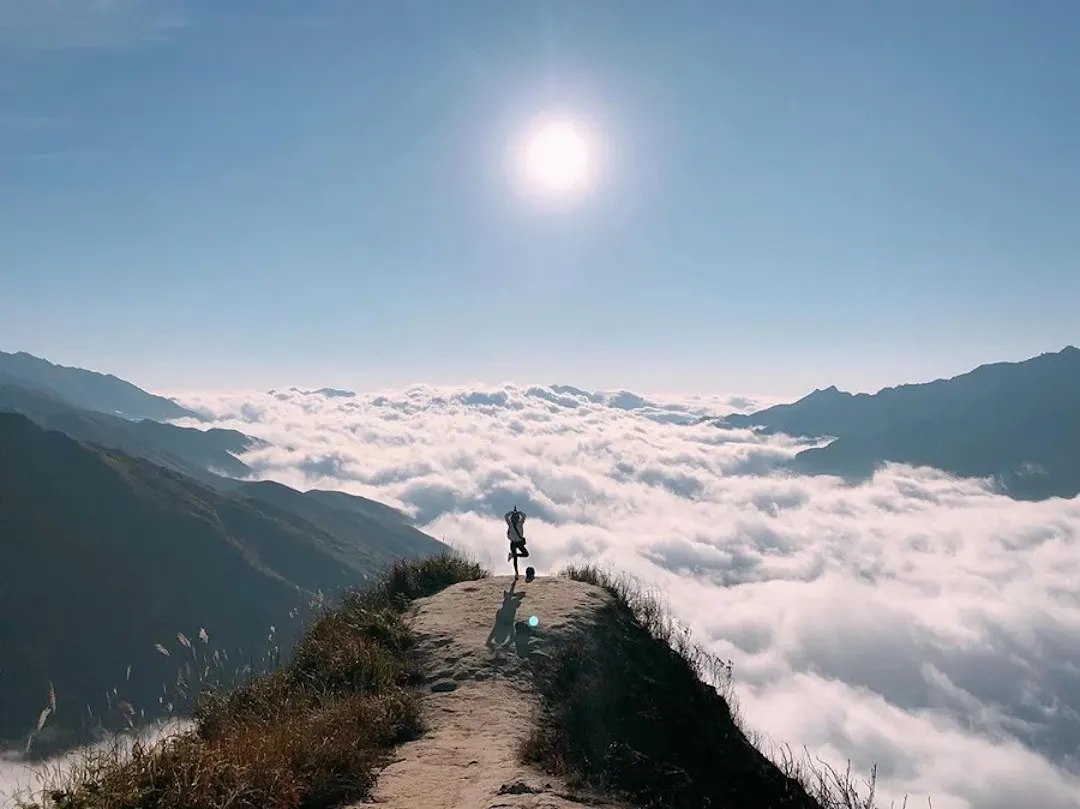
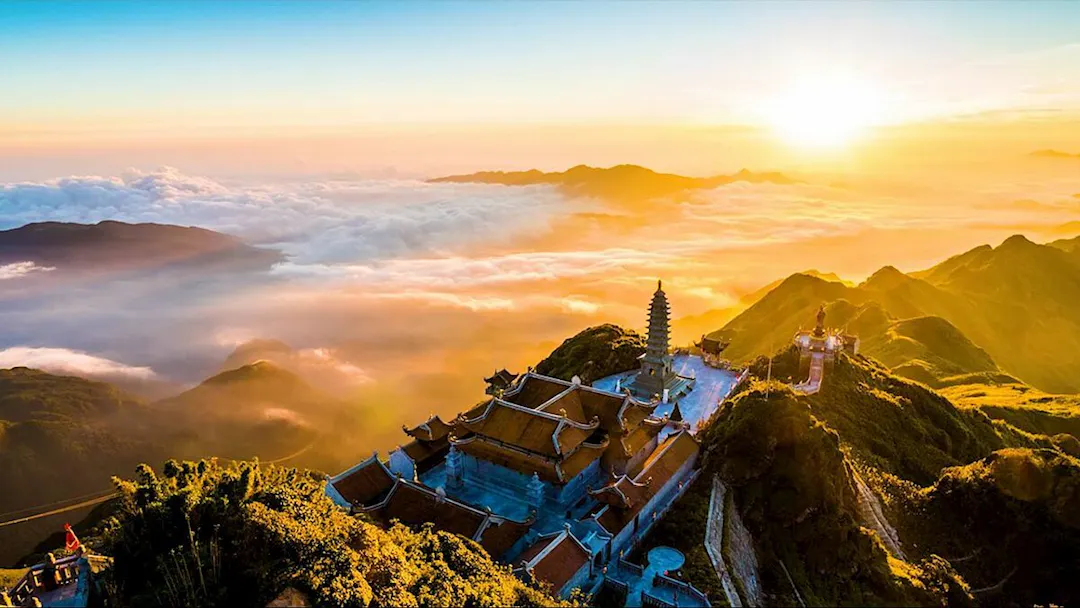
Unlike the tropical south, Northern Vietnam experiences a true four-season climate driven by cold continental air masses descending from China and Siberia. From December through February, the region enters a legitimate winter. Temperatures in Hanoi frequently drop below 10°C (50°F) under a persistent blanket of damp, bone-chilling drizzle. In the high-altitude mountain frontiers like Sapa and Ha Giang, nighttime temperatures can plunge below freezing, occasionally bringing frost and light snow.
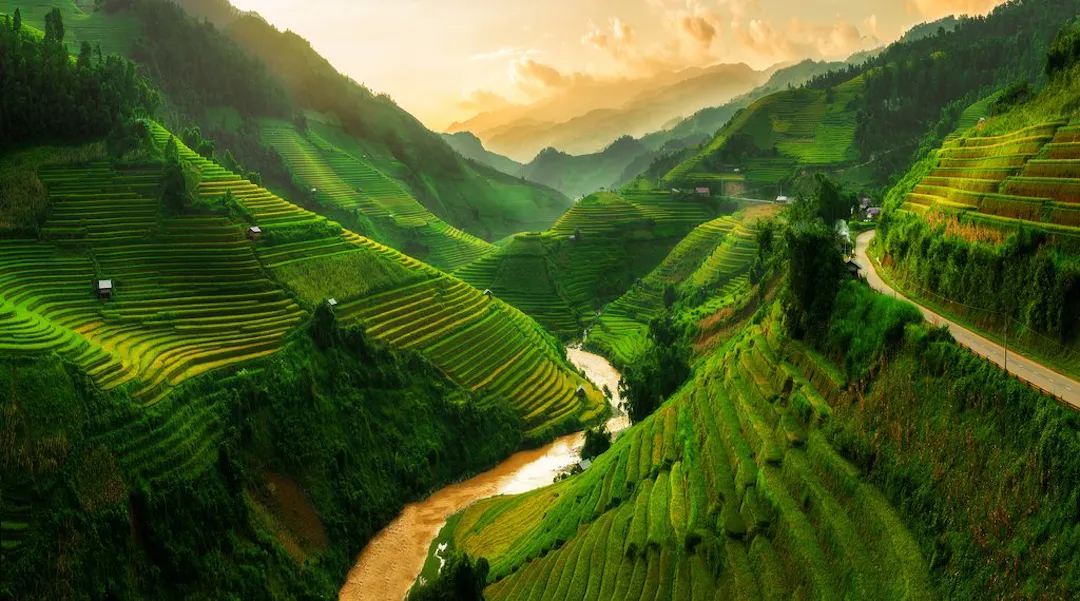
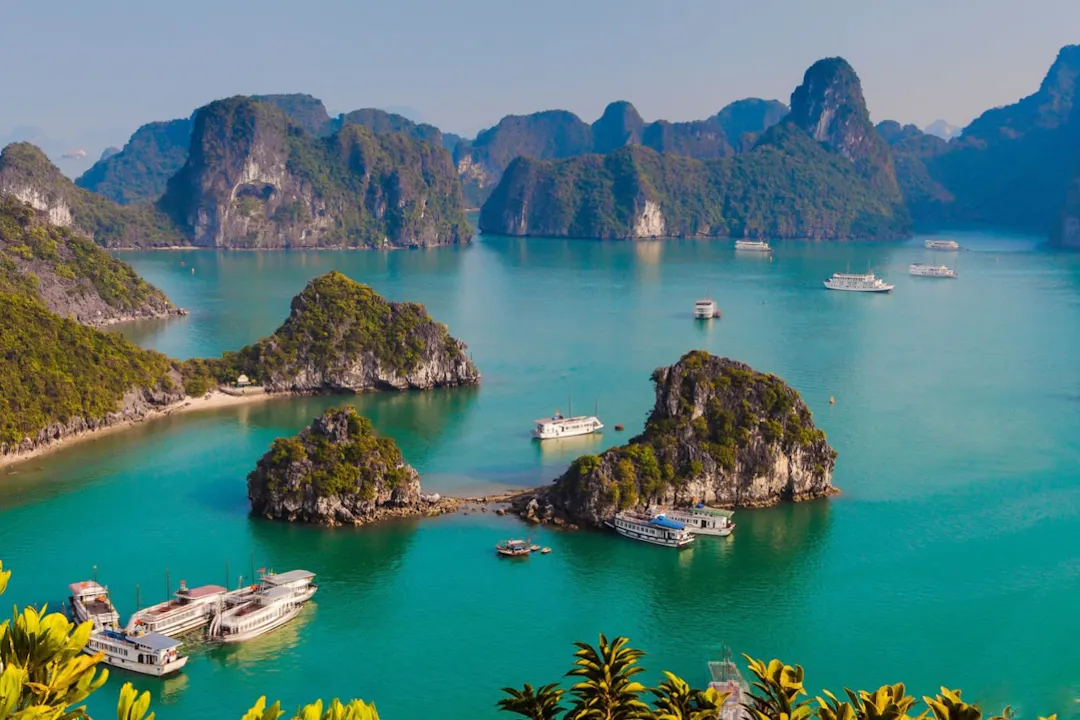
Conversely, the northern summer (May to August) is oppressively hot, characterized by high humidity and heavy rainfall that triggers localized landslides. If you are searching for the absolute best month to visit hanoi and halong bay, the answer lies strictly in the transitional shoulder seasons. March to April (Spring) and September to November (Autumn) offer meteorological perfection: crisp air, low humidity, and beautifully clear skies that illuminate the limestone karsts of the Tonkin Gulf.
Central Vietnam (Hue, Da Nang, Hoi An, Nha Trang, Quy Nhon)
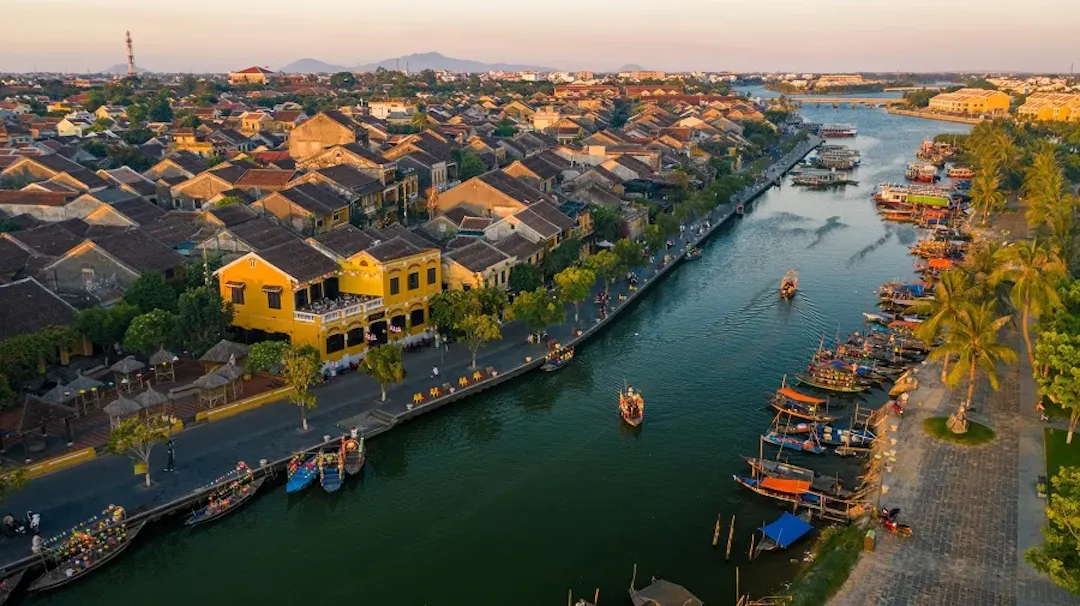
Central Vietnam operates on a delayed, highly localized weather pattern protected by the Truong Son mountain range. This geographical barrier creates a unique microclimate. While the northern and southern regions are inundated by the summer monsoon starting in May, the central coast remains incredibly dry, sunny, and hot all the way through August.
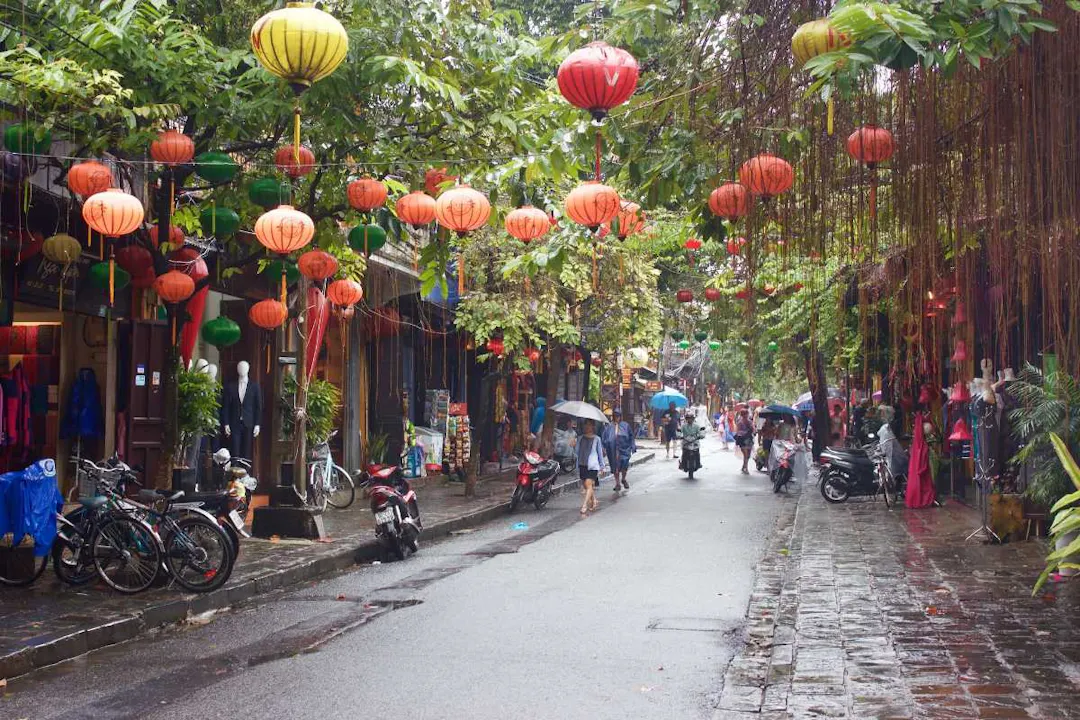
However, this climatic delay exacts a heavy toll later in the year. It is crucial to understand the severe reality of the vietnam typhoon season. From September through December, the central provinces become the primary impact zone for massive cyclonic storms born in the South China Sea. During these months, Hoi An's ancient town frequently experiences severe river flooding that submerges the ground floors of buildings, while Da Nang and Nha Trang face relentless rain, red-flagged beaches, and dangerously rough surf. Traveling to the central coast during late autumn requires a high tolerance for canceled flights and aquatic hazards.
Southern Vietnam (Ho Chi Minh City, Mekong Delta, Phu Quoc, Con Dao)
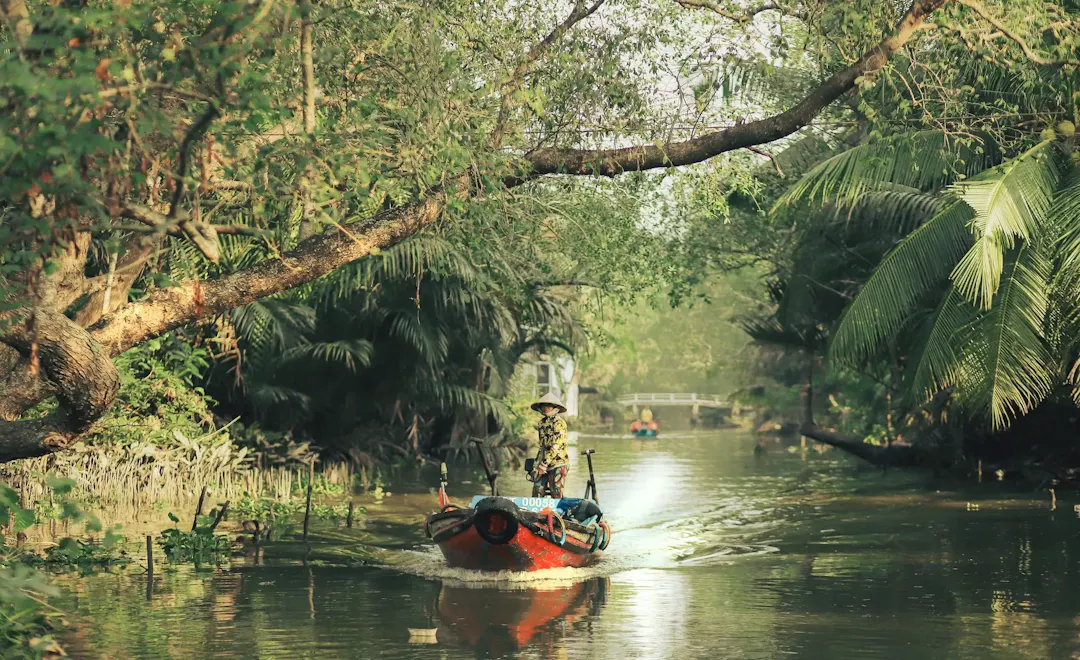
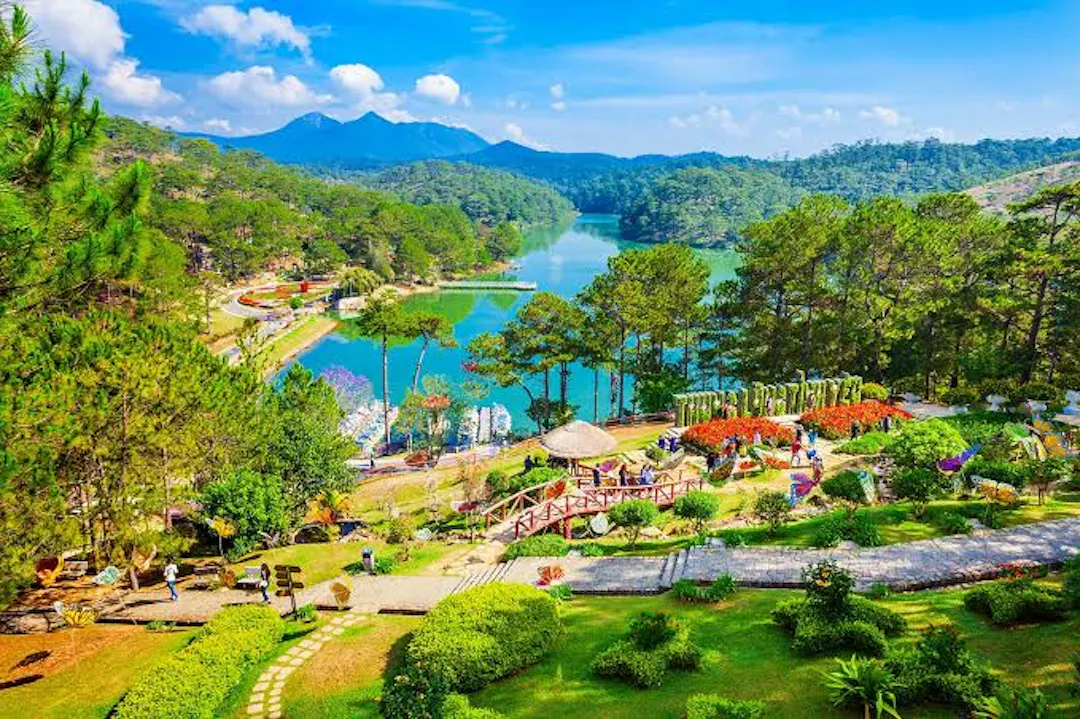
Southern Vietnam adheres to a classic, highly predictable tropical monsoon climate consisting of two binary seasons, with temperatures remaining consistently between 28°C and 34°C (82°F–93°F) year-round. Understanding the vietnam rainy season months here is straightforward: the wet season runs from May through October. However, southern rain is not a continuous, day-long drizzle; it typically manifests as a massive, torrential downpour in the late afternoon that clears the humidity and lasts for roughly an hour.
The true dry season spans from November through April. If your itinerary involves island hopping, securing the phu quoc dry season window (December to March) is paramount. During this period, the Gulf of Thailand is shielded from the monsoon winds, resulting in flat, glassy, turquoise waters and zero rainfall—ideal conditions for diving, high-end resort stays, and unhindered exploration of the Mekong Delta's sprawling waterways.
Month-by-Month Climatological Breakdown
To synthesize this complex climatological data, use the following narrative breakdown of vietnam travel weather by month. This detailed chronological operational overview tracks atmospheric patterns across all three climate zones simultaneously to isolate key weather anomalies.
January
- Northern Vietnam: Legitimate winter conditions. Expect cold, cloudy days with frequent mountain mists and temperatures hovering between 10°C and 15°C (50°F–59°F).
- Central Vietnam: Transitional weather. The intense autumn rains begin to taper off, yielding cooler, breezy days with occasional light showers around Hue and Da Nang.
- Southern Vietnam: Peak tropical perfection. Blue skies, non-existent rainfall, and comfortable humidity define the entire region.
- Overall Verdict: Good. An excellent time for southern exploration, though heavy layers are mandatory for northern mountain trekking.
February
- Northern Vietnam: Continued cold temperatures combined with a persistent, damp gray drizzle (mưa phùn). High altitude regions remain bitterly cold.
- Central Vietnam: Markedly warming up. The weather transitions into beautifully dry, pleasant days ideal for exploring imperial architecture.
- Southern Vietnam: Hot, intensely dry, and completely clear. Water conditions across offshore islands are incredibly calm.
- Overall Verdict: Good. Logistically excellent for coastal travel, though travelers must navigate major domestic holiday surges.
March
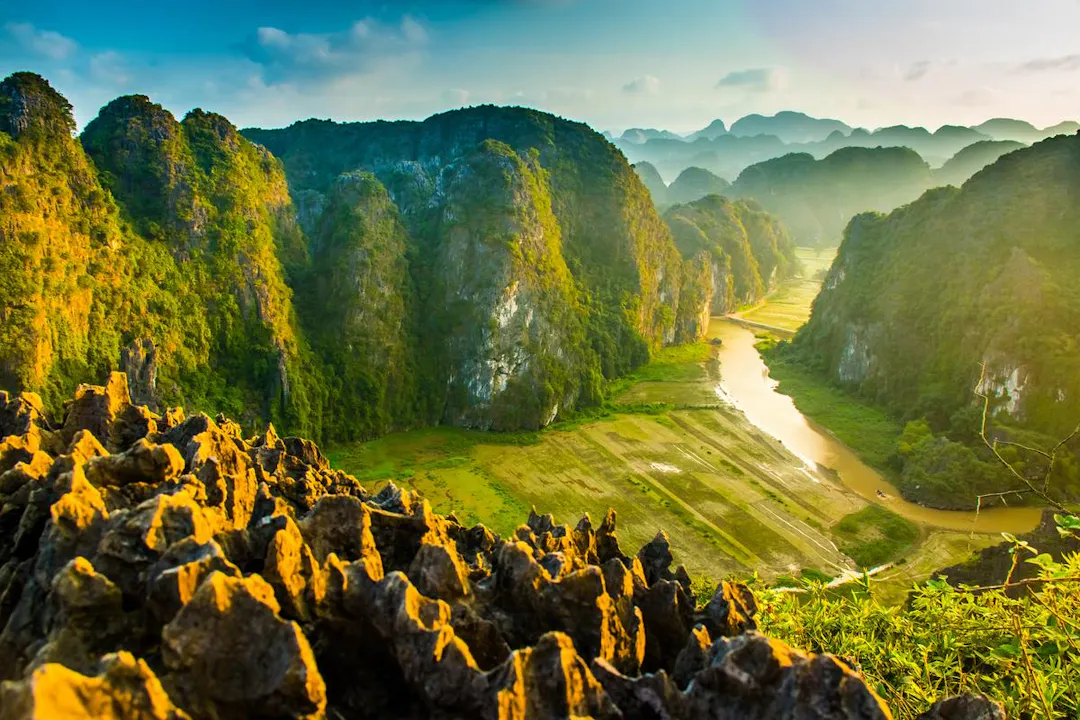
- Northern Vietnam: A premier spring transition. Temperatures rise comfortably, fog dissipates, and wild flowers bloom across the northern highlands.
- Central Vietnam: Superb beach conditions. Endless sunshine, minimal wind, and excellent water visibility dominate the coast.
- Southern Vietnam: Increasingly hot but remains entirely dry. The Mekong Delta experiences high water clarity and easy navigation.
- Overall Verdict: Excellent. This is arguably the absolute best month for a complete cross-country itinerary.
April
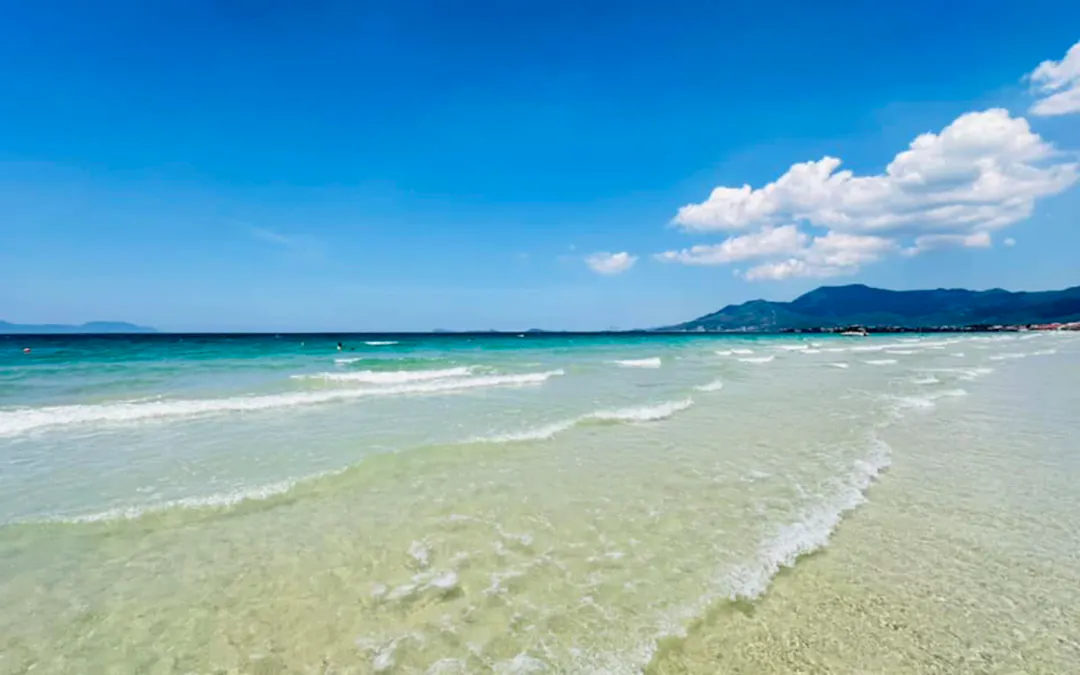
- Northern Vietnam: Warm, spectacularly clear, and dry. This represents the ultimate sweet spot for cruising through the emerald waters of Halong Bay.
- Central Vietnam: Hot, cloudless, and dry. Perfect for diving around Cham Island or lounging on Da Nang's expansive sandy shorelines.
- Southern Vietnam: The absolute peak of the pre-monsoon heatwave. Temperatures frequently exceed 38°C (100°F) in urban centers with high humidity.
- Overall Verdict: Excellent. Ideal for northern trekking and central beach holidays before the summer monsoon activates.
May
- Northern Vietnam: Rapidly warming up as the region enters its summer cycle. Expect a notable increase in humidity and sudden evening thunderstorms.
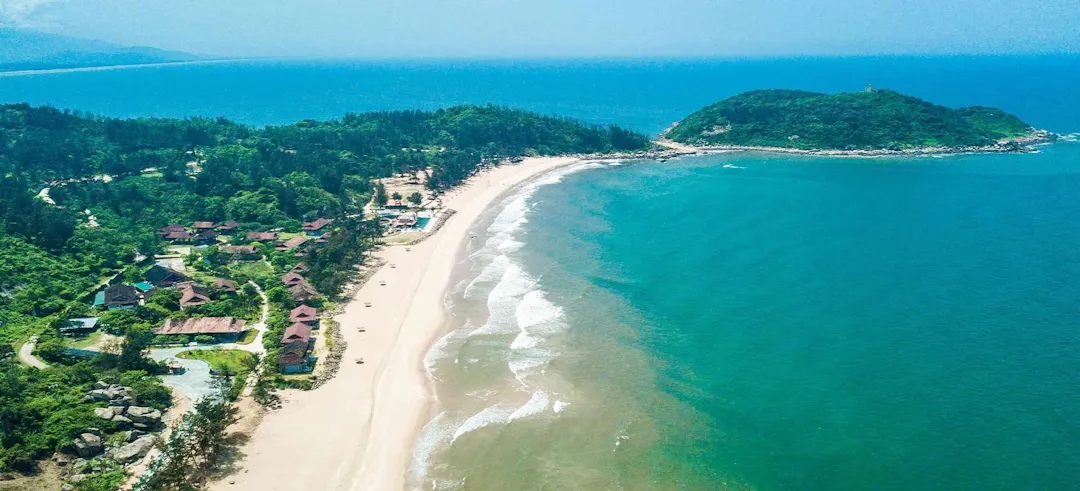
- Central Vietnam: Intensely hot and completely dry. The sea remains flat, offering prime conditions for luxury beach resort operations.
- Southern Vietnam: The official commencement of the southwest monsoon. Humidity spikes, bringing predictable, heavy afternoon downpours.
- Overall Verdict: Good. A solid choice for budget-conscious travelers who can easily plan around brief afternoon rains.
June
- Northern Vietnam: High summer conditions. The weather is characterized by oppressive, tropical heatwaves interlinked with torrential downpours.
- Central Vietnam: Remains exceptionally dry, sunny, and scorching hot, serving as the country's primary sanctuary from heavy rains.
- Southern Vietnam: Fully entrenched in the wet season. Heavy convective rain storms occur daily, occasionally causing temporary urban street flooding.
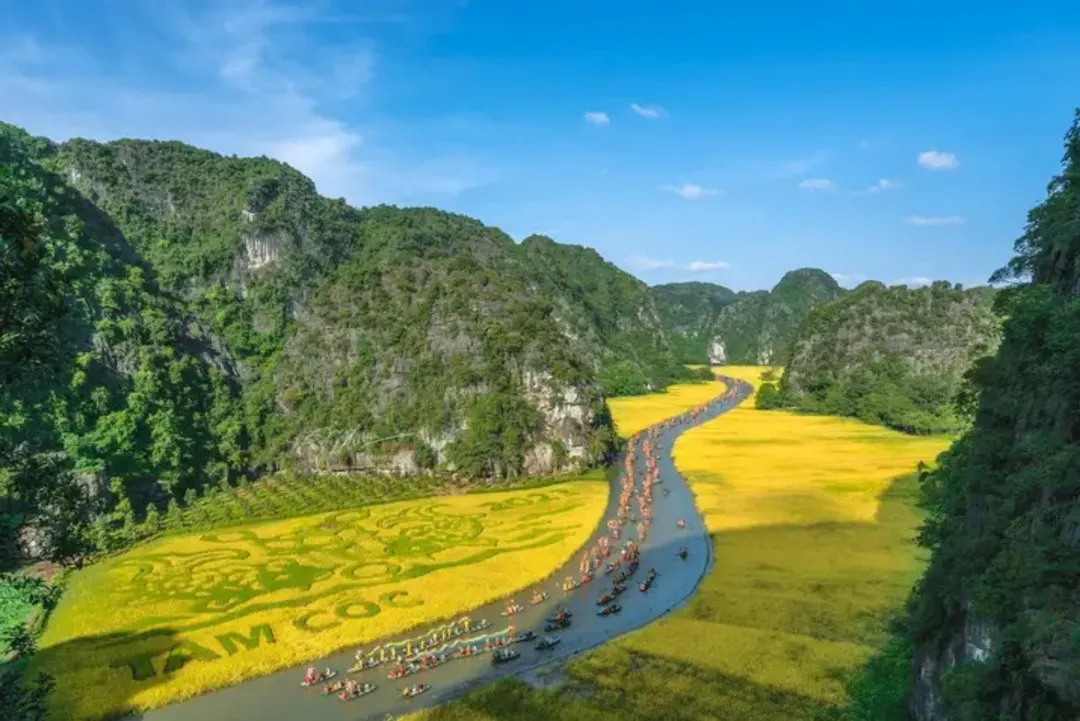
- Overall Verdict: Avoid for cross-country trips, unless your itinerary is explicitly restricted to central coastal resorts.
July
- Northern Vietnam: Peak rainy season. The region faces severe, unpredictable downpours, a high risk of mountain landslides, and frequent cruise cancellations.
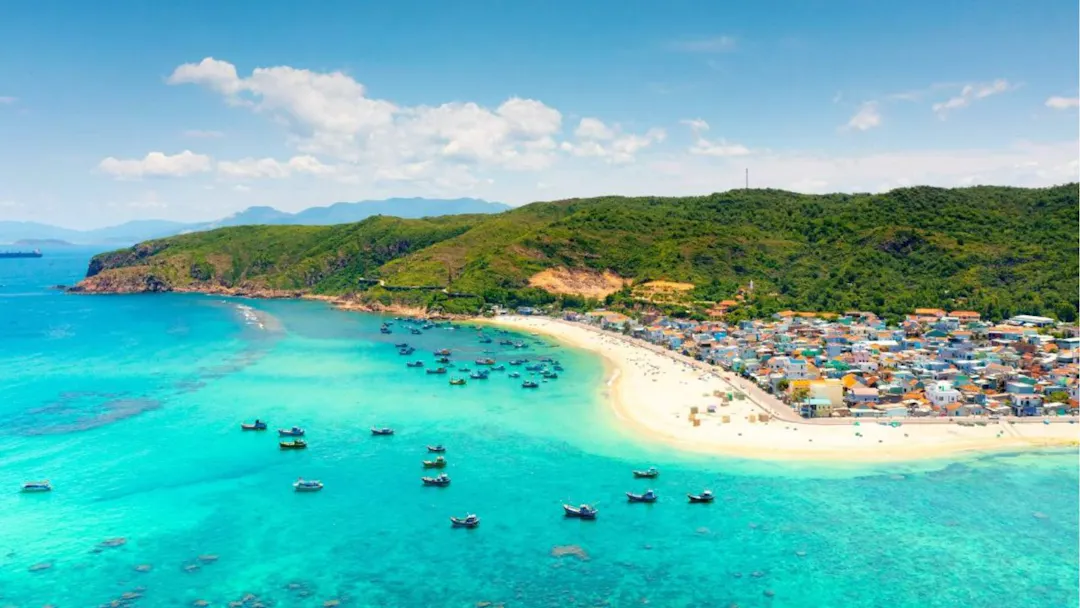
- Central Vietnam: Continued dry, bright, and intensely hot weather. It remains the only reliably dry region in the country during mid-summer.
- Southern Vietnam: Consistently wet and humid. Expect dark, cloud-heavy afternoons accompanied by prolonged monsoon downpours.
- Overall Verdict: Avoid. Heavy precipitation maps across two-thirds of the country, compounded by intense local domestic summer vacation crowds.
August
- Northern Vietnam: The heavy summer rains begin a gradual decline. Temperatures remain high, but clear, post-rain vistas become common.
- Central Vietnam: The long dry season draws to a definitive close. Late afternoon showers begin to emerge as the wind directions prepare to shift.
- Southern Vietnam: Sustained tropical wet season conditions, featuring high humidity and regular, heavy afternoon cloudbursts.
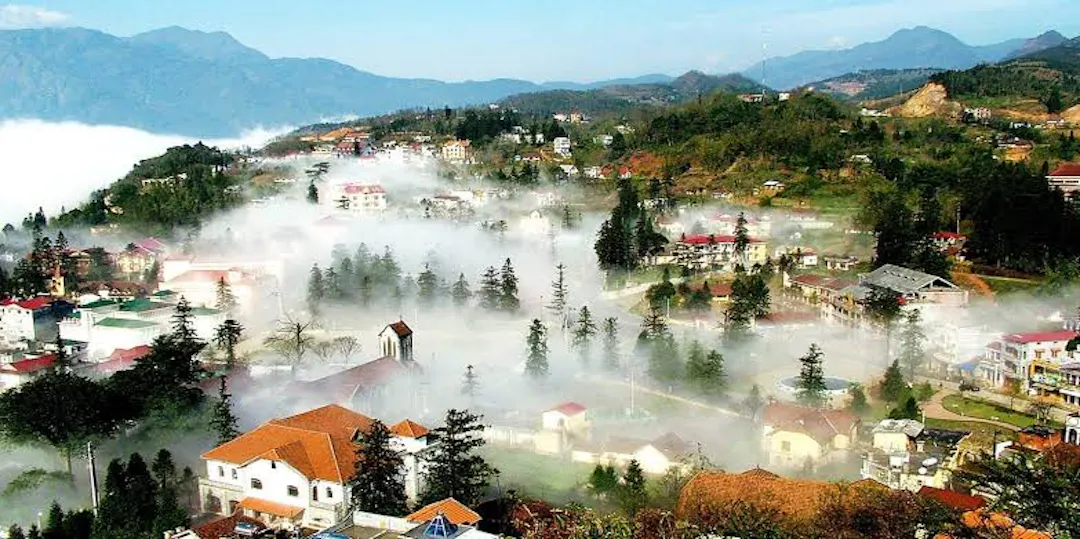
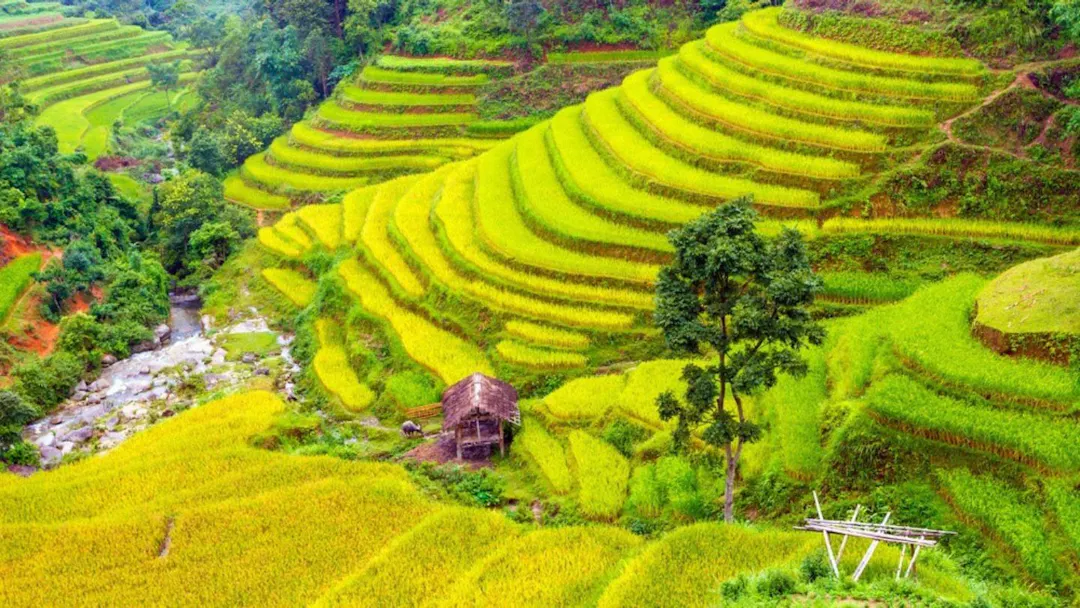
- Overall Verdict: Good. A highly strategic window specifically for witnessing the magnificent golden rice harvests of Sapa.
September
- Northern Vietnam: Autumn arrives. The air cools dramatically, the humidity drops, and the sky clears, offering beautiful mountain visibility.
- Central Vietnam: A high-risk period. The region officially enters the dangerous typhoon window, bringing torrential rain and high maritime surf.
- Southern Vietnam: This represents the statistical peak of the southern rainy season, with widespread, long-lasting downpours.
- Overall Verdict: Good, provided your travel footprint is strictly restricted to Hanoi, Halong Bay, and the far northern mountain loops.
October
- Northern Vietnam: Spectacular autumn weather. Crisp, cool breezes, virtually zero rainfall, and stunningly clear atmospheric conditions define the zone.
- Central Vietnam: Severe monsoon conditions. Torrential cyclonic rains cause regular flooding in Hoi An and completely shut down maritime activities.
- Southern Vietnam: The southwest monsoon begins to rapidly lose strength, leading to a marked decrease in afternoon rainfall.
- Overall Verdict: Good. Perfect for northern exploration and early southern arrivals, but the central coast must be entirely bypassed.
November
- Northern Vietnam: Cool, dry, and invigorating. Winter begins to settle in, providing clear, crisp conditions across the capital city.
- Central Vietnam: Persistent heavy rainfall and rough sea states continue to challenge coastal logistics and outdoor exploration.
- Southern Vietnam: The triumphant return of the dry season. Blue skies return, humidity drops significantly, and island waters clear up.
- Overall Verdict: Excellent. A phenomenal month to combine a northern cultural itinerary with a southern tropical escape.
December
- Northern Vietnam: Fully entered winter. High-altitude mountain passes experience extreme cold, while the lowlands face crisp, dry days.
- Central Vietnam: The heavy autumn monsoon rains finally begin to taper off, replaced by cool, overcast, and breezy conditions.
- Southern Vietnam: Flawless tropical holiday weather. Flat seas, blazing sunshine, and low humidity create peak resort conditions.
- Overall Verdict: Good. Highly popular for winter holiday travel, though advanced bookings are required to combat premium pricing.
Traveling During Peak vs. Shoulder vs. Low Seasons
Understanding the raw meteorological metrics is only half the battle; calculating the best time to visit Vietnam also requires evaluating the economic and logistical realities of global tourism cycles.
High Season (November to March)
This is the undeniable peak of international tourism across the Indochinese Peninsula. Driven by travelers escaping freezing Western winters and capitalizing on the flawless dry weather in the southern provinces, demand spikes dramatically. If you choose to travel during these months, you will experience the country at its absolute busiest. Flight prices into the major hubs and luxury resort rates in the western coves of Phu Quoc inflate by upwards of 40%. Popular historical sites will be heavily crowded. Advanced logistical booking—often three to six months prior—is absolutely mandatory for securing high-end boutique accommodation or premium cabins on luxury overnight cruises.
Shoulder Seasons (April–May & September–October)
For the savvy, strategically minded traveler, the shoulder seasons represent the ultimate sweet spot. During these periods of atmospheric transition, you can frequently capture highly favorable, dry weather in at least two of the three climate zones while encountering a massive drop in tourist density. Economically, this is highly advantageous. Five-star properties and domestic airlines routinely drop their rates by 20% to 30% to maintain occupancy. Exploring the country during these months allows for deep, unhurried cultural immersion without the claustrophobia of peak-season crowds.
Low/Monsoon Season (June to August)
Traveling during the low season requires a calculated tolerance for humidity and sudden atmospheric disruption. The summer months see intense rainfall across the North and South, paired with stifling humidity. However, there are unique advantages for the intrepid traveler. The central coast boasts exceptional beach weather during this window. Furthermore, the torrential northern rains transform the terraced mountains into an impossibly vibrant, lush green that photographers covet. Luxury travel becomes highly affordable, and iconic heritage sites are largely devoid of international tourists.
Special Cultural Calendars: Planning Around Major Holidays
When finalizing your calendar calculations, weather is not the only variable; the nation's profound cultural calendar can drastically alter your logistical capabilities and on-the-ground experience.
The Tet Festival (Lunar New Year) Factor
Tet Nguyen Dan is the most critical holiday in the Vietnamese calendar, typically falling in late January or early to mid-February. It is vital to understand that Tet is not merely a single-day celebration; it is a massive week-long national migration. Millions of citizens move from urban employment centers back to their ancestral provinces. During the days leading up to the festival, domestic flights, trains, and sleeper buses are completely sold out. Once the holiday officially begins, major cities like Hanoi and Ho Chi Minh City virtually empty out. While witnessing the spectacular flower markets is culturally enriching, tourists will face entirely shuttered museums, closed retail markets, and a complete cessation of standard tourist infrastructure.

Sapa Rice Harvest Timing
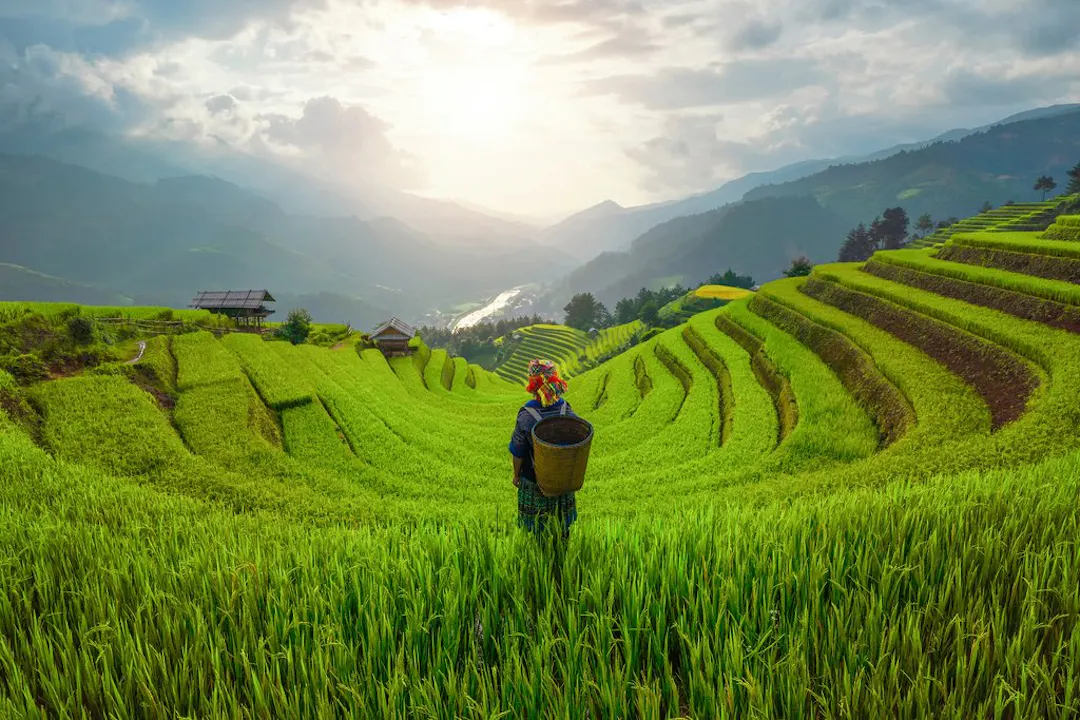
For visual purists, witnessing the golden rice terraces of the northern mountains is a premier travel objective. Unlike the deltas, the high-altitude fields of Sapa and Mu Cang Chai only yield a single harvest per year. To capture the iconic views of brilliant yellow, cascading terraces before they are stripped bare, your timing must be mathematically precise. The optimal window occurs strictly between late August and mid-September. Arrive in July, and the fields are purely green; arrive in October, and you will find nothing but barren mud.
Conclusion
Mastering the climatic nuances of this spectacular country is the key to unlocking its full potential. The ultimate rule of thumb is this: if your objective is to travel the entire length of the country while encountering the lowest possible percentage of rain and extreme heat, the absolute best time to visit Vietnam falls within the transitional windows of March to April or October to November.
Do not leave your travel logistics to generalized assumptions, and never underestimate the disruptive power of a central coast typhoon. Drop your specific bucket list destinations and your available travel timeline in the comments section below. I will personally analyze your geographical footprint and calculate the exact mathematical window for your ideal, weather-proof itinerary.
Advertising box
Frequently Asked Questions About the Best Time to Visit Vietnam
The best time to visit Vietnam is generally from March to April and September to November, when temperatures are pleasant and rainfall is relatively low in many parts of the country. However, the ideal travel period depends on which region you plan to visit.
Yes. Vietnam stretches over 1,600 kilometers from north to south, creating distinct climate zones. Northern Vietnam experiences four seasons, Central Vietnam has a tropical monsoon climate with varying rainy seasons, while Southern Vietnam remains warm year-round with dry and wet seasons.
The rainy season varies by region. Southern Vietnam typically experiences rain from May to October, while Central Vietnam often sees its heaviest rainfall between September and December. Northern Vietnam usually has summer rains from May to August.
For beach holidays, the best months are generally February to August along much of Vietnam's central coastline. Trekking and hiking are most enjoyable during the cooler, drier months from October to April, especially in mountainous regions such as Sapa, Ha Giang, and Cao Bang.
Absolutely. Traveling during the low season often means fewer crowds, lower accommodation prices, and greener landscapes. Although occasional rain showers are common in some regions, many destinations remain enjoyable, and flexible travelers can benefit from better deals and a more relaxed experience
Advertising box
Help Us Stay Free
By checking out our sponsors and partners above, you are helping us keep this site alive and free. Every single click counts — thank you for being an amazing reader!