
How Much Cash to Bring to Vietnam for 2 Weeks? Budget Breakdown & ATM Tips
Planning a 2-week trip to Vietnam? This guide helps you estimate how much cash to bring, based on daily travel costs, accommodation, food, transportation, and activities. It also explains ATM usage, currency exchange tips, and whether you should rely on cash or cards while traveling in Vietnam. Understanding your budget in advance helps you avoid overspending and travel with confidence. Go Visit Vietnam provides a practical breakdown to help you manage your money efficiently during your Vietnam adventure.
On this page
You've booked the flights. The itinerary is taking shape. And then the anxiety hits: do I carry $500 in cash, or $2,000? Will ATMs work when I need them? Should I just bring USD?
This is the financial planning question every Vietnam-bound traveler wrestles with — and most guides either underprepare you with vague ranges or catastrophize into "bring everything in cash, trust nothing." Neither serves you well.
Here's the honest answer to how much cash to bring to Vietnam for 2 weeks: it depends almost entirely on your travel style and itinerary, but there is a precise framework that eliminates the guesswork. This guide breaks down exactly what you need by budget tier, which ATMs charge fees and which don't, where to get the best exchange rates, and how to avoid the note-confusion scams that catch first-timers off guard every single day.
Vietnam still runs predominantly on physical Vietnamese Dong (VND). Cards work in more places than they used to — but the moment you step off the tourist circuit into a local market, a street food alley, a mountain homestay, or a traditional taxi, cash is king without exception. Understanding this dual economy before you land is the single most financially protective thing you can do.
The Golden Rule of Cash vs. Card in Vietnam
Vietnam's payment landscape has evolved significantly in Hanoi and Ho Chi Minh City's urban cores. Grab (the dominant ride-hailing app) accepts in-app card payments. Most upscale hotels process Visa and Mastercard without issue. Supermarket chains like WinMart, Co.opmart, and Lotte Mart have modern POS terminals. Circle K and FamilyMart convenience stores take cards. Fine dining restaurants in tourist districts accept them too.
But the moment you step outside those environments, cash is non-negotiable:
- Street food stalls and bánh mì vendors: Cash only, always
- Traditional wet markets (Bến Thành, Đồng Xuân, Hội An Central Market): Cash only
- Local buses, sleeper coaches, and motorbike taxis (xe ôm): Cash only
- Remote homestays on the Ha Giang Loop, in Sapa villages, or in the Mekong Delta: Cash only
- Entry fees for temples, heritage sites, and caves: Almost always cash
- Small island ferries and rural boat trips: Cash only
Critical warning about USD: While USD is informally accepted in some tourist-heavy areas, using it for daily transactions is a financial mistake. Street vendors and small shops that do accept dollars apply their own conversion rate — typically 5–10% below the real market rate. Always transact in VND. Your money goes significantly further.
The practical rule of thumb from extended in-country experience: use your card wherever it's seamlessly accepted, and keep a rolling VND cash buffer of approximately 1,500,000–2,000,000 VND ($60–$80 USD equivalent) accessible at all times for the inevitable cash-only situations that arise daily.

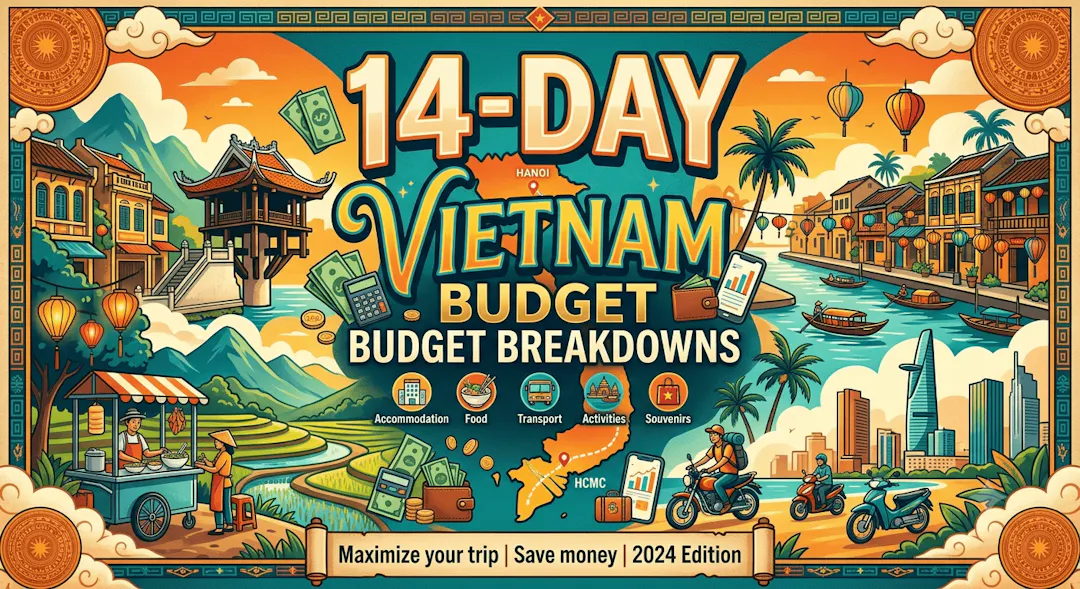
14-Day Vietnam Budget Breakdowns
Here is a realistic, field-tested cost framework for three distinct traveler profiles across a 14-day trip. All USD figures use an approximate rate of 25,000 VND = $1 USD.
Tier 1: The Backpacker / Budget Traveler
This traveler moves efficiently — dormitory beds or budget private rooms in hostels ($8–$15/night), eats almost exclusively at street stalls and local restaurants (30,000–80,000 VND per meal), uses local buses and the occasional Grab motorbike, and keeps paid activities limited to a few key experiences.
Daily breakdown:
- Accommodation: 200,000–375,000 VND (~$8–$15)
- Food (3 meals + drinks): 150,000–250,000 VND (~$6–$10)
- Local transport: 50,000–150,000 VND (~$2–$6)
- Activities/entry fees: 50,000–200,000 VND (~$2–$8)
- Miscellaneous (water, sunscreen, laundry): 50,000–100,000 VND (~$2–$4)
Daily total: ~$20–$43 USD 14-day total: approximately $280–$600 USD
The vast majority of this budget is cash-driven. Street food, local buses, market shopping, and guesthouse top-ups are almost exclusively VND transactions. Recommended cash portion: 80–85% of total budget in VND.
A realistic starting cash amount upon arrival: $250–$300 USD equivalent in VND, with planned ATM withdrawals topping up every 3–4 days.
Tier 2: The Flashpacker / Mid-Range Traveler
This is the most common profile for international tourists: boutique hotels or 3–4 star properties ($35–$80/night), a mix of local restaurants and tourist-friendly eateries, organized day tours, regular Grab car use for convenience, and a few splurge experiences (cooking class, boat cruise, guided trek).
Daily breakdown:
- Accommodation: 875,000–2,000,000 VND (~$35–$80)
- Food (3 meals + coffee/drinks): 300,000–600,000 VND (~$12–$24)
- Transport (Grab cars, one internal flight): ~200,000–400,000 VND/day averaged (~$8–$16)
- Activities and tours: 200,000–600,000 VND (~$8–$24)
- Shopping, tips, miscellaneous: 200,000–500,000 VND (~$8–$20)
Daily total: ~$71–$164 USD 14-day total: approximately $1,000–$2,300 USD
Cards handle hotel deposits, Grab rides, and supermarket runs effectively here. But tours, market shopping, tipping guides, street coffee, and local transport still demand VND cash daily. Recommended cash portion: 50–60% of total budget.
A realistic arrival cash amount: $400–$500 USD equivalent in VND, supplemented by 2–3 ATM withdrawals during the trip.
Tier 3: The Luxury / Comfort Traveler
Five-star resorts and heritage hotels ($150–$500+/night), fine dining with wine, private drivers for intercity transfers, premium Ha Long or Lan Ha Bay cruises, spa treatments, and airport lounge access. This traveler's card gets the heaviest workout.
Daily breakdown:
- Accommodation: 3,750,000–12,500,000 VND (~$150–$500)
- Food and beverages: 600,000–2,000,000 VND (~$24–$80)
- Private transport: 500,000–1,500,000 VND/day average (~$20–$60)
- Activities/tours/spa: 500,000–2,500,000 VND (~$20–$100)
- Shopping and miscellaneous: 500,000–2,000,000 VND (~$20–$80)
Daily total: ~$234–$820 USD 14-day total: approximately $3,300–$11,500 USD
Most large-ticket expenses here process on card without friction. However, even luxury travelers need VND cash for tips, market purchases, street snacks, small temple entry fees, and incidentals. Recommended cash portion: 20–30% of total budget.
A practical arrival cash amount: $300–$500 USD equivalent in VND, with the remainder charged to card.
Essential ATM Guide & Fee Breakdown
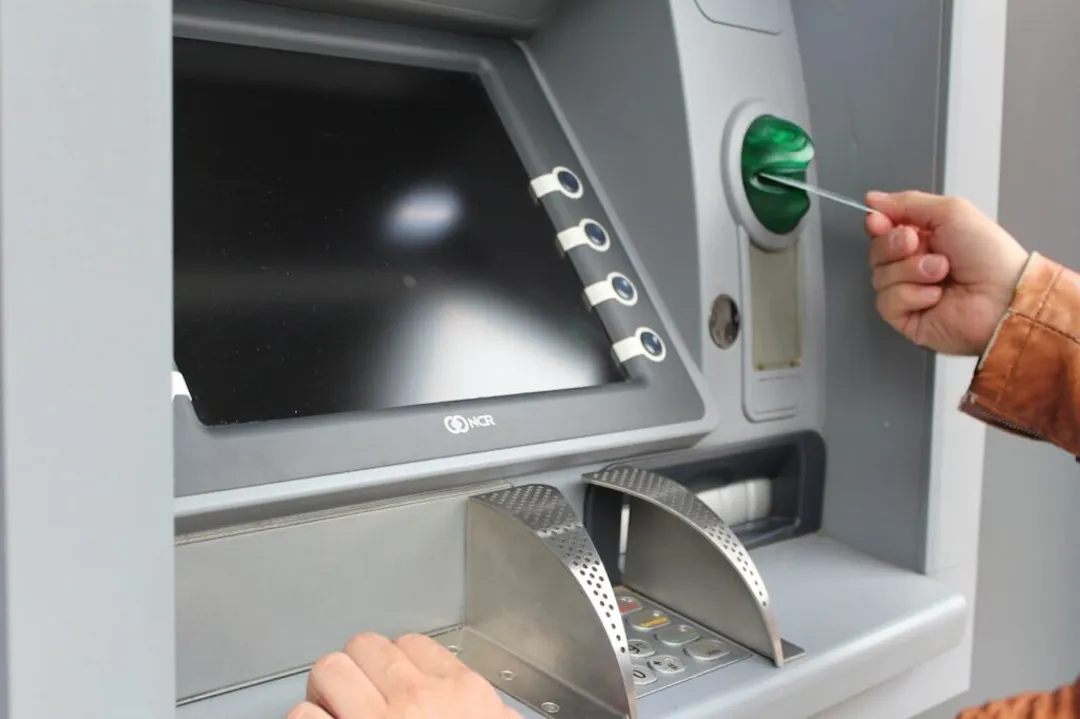
Understanding Vietnam's ATM infrastructure is critical to answering how much cash to bring to Vietnam for 2 weeks accurately — because the ATM network supplements your carried cash, and knowing how to use it without losing money to fees is non-trivial.
Which Banks to Use
Low-fee / fee-free options:
- TPBank and VPBank are consistently the most favorable for international cardholders. Both banks frequently offer zero or minimal local ATM fees, and both support higher per-transaction withdrawal limits — typically up to 5,000,000 VND (~$200 USD) per transaction, with some machines allowing up to 10,000,000 VND per session.
Standard-fee banks:
- Vietcombank, BIDV, and Agribank are ubiquitous and reliable, but charge local ATM fees in the range of 22,000–55,000 VND per transaction (~$0.90–$2.20). With a lower per-transaction limit (often 2,000,000–3,000,000 VND), you may need multiple withdrawals to get enough cash — compounding the fees.
Practical strategy: Locate a TPBank or VPBank ATM upon arrival, withdraw a larger sum in one transaction to minimize fee frequency, and plan subsequent withdrawals at the same banks.
Dynamic Currency Conversion (DCC) — The Hidden Trap
This is one of the most financially damaging mistakes a traveler in Vietnam can make, and it happens in complete silence at the ATM screen.
After entering your withdrawal amount, many Vietnamese ATMs display a prompt offering to convert the amount into your home currency at their own exchange rate. The screen typically reads: "Would you like to be charged in USD (or AUD/EUR/GBP) at today's guaranteed rate?"
Always select "No" — charge in VND.
This is called Dynamic Currency Conversion. The ATM operator's conversion rate is typically 3–5% worse than your home bank's interbank rate. On a $200 withdrawal, that's $6–$10 in silent losses per transaction, compounding throughout your trip. The word "guaranteed" is not a benefit — it's a sales term for a worse rate.
ATM Physical Safety
- Use ATMs inside bank branches during business hours wherever possible — they are monitored by security and have significantly lower skimming risk than standalone street machines
- Cover the keypad with your free hand when entering your PIN — a basic habit that eliminates shoulder-surfing risk
- Inspect the card slot briefly before inserting your card; a loose or unusually bulky slot is a red flag for a skimming device
- Avoid unbranded ATM booths in busy tourist areas, particularly in Bui Vien (Ho Chi Minh City) and Ta Hien (Hanoi)
Exchanging Cash: Where to Get the Best Rates
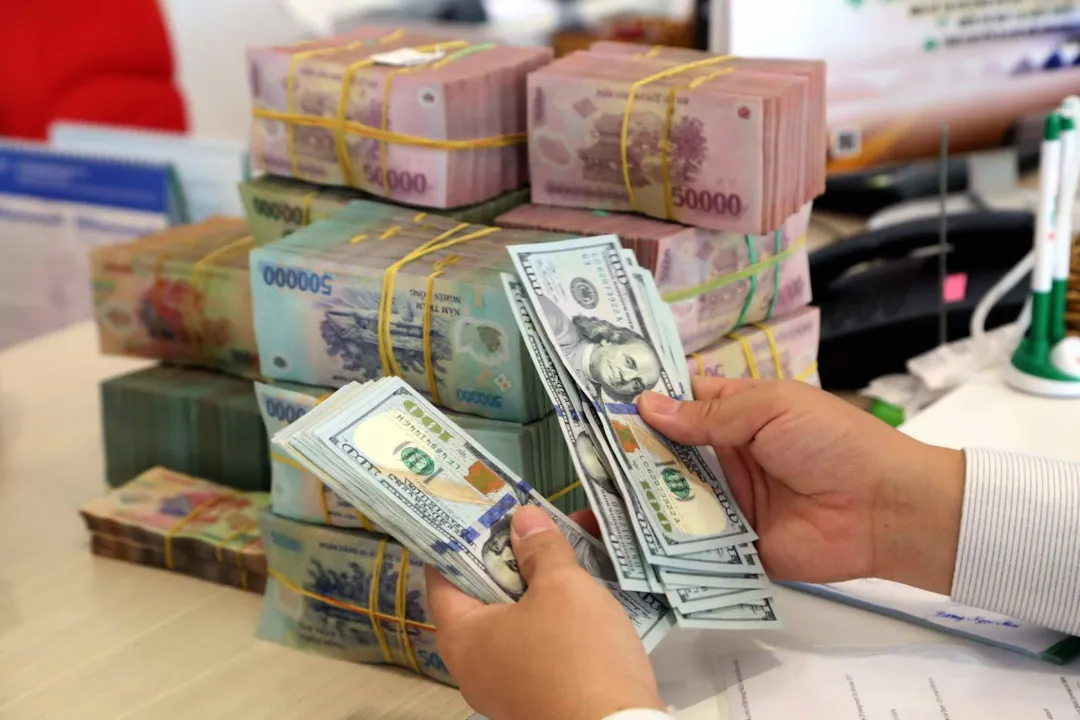
If you're carrying foreign currency — USD, EUR, AUD, GBP — to exchange into VND, where you do it makes a meaningful difference.
Airport Exchange Booths
Convenient for getting initial cash before your taxi to the hotel, but expect rates 5–8% below the mid-market rate. Exchange the minimum needed for your first day ($50–$80 USD equivalent) and find a better rate once you're settled.
Gold Shops — The Best Rates in the Country
This is insider knowledge that most generic travel guides omit entirely. Vietnam's traditional gold and foreign exchange shops (tiệm vàng) legally exchange foreign currency and consistently offer the closest rates to the interbank rate available to retail customers.
- In Ho Chi Minh City: Ha Tam gold shop and the cluster of exchange shops near Bến Thành Market are well-established and trusted
- In Hanoi: Hàng Bạc Street (the traditional gold and silver street in the Old Quarter) has multiple competitive exchange counters
These shops require no bank account and process exchanges quickly. They are legal, widely used by locals and long-term expats, and typically beat bank rates by 1–3%.
Traditional Bank Branches
Reliable and safe, with regulated rates. More bureaucratic (passport required, forms to fill), and rates are slightly below gold shops. Useful as a fallback when gold shops are closed.
Banknote condition is strictly enforced: Vietnamese exchange counters — banks and gold shops alike — will reject or heavily discount foreign currency notes that are torn, written on with ink, heavily worn, folded with permanent creases, or from older series (pre-2006 USD notes in particular). Bring only crisp, clean, modern notes.
Practical Cash Management & Scam Prevention
The Confusing Zeroes Problem
Vietnam's polymer banknotes are beautifully designed — and dangerously easy to misread under low light or when you're jet-lagged and rushing. Two note pairs cause the most real-world confusion:
- 20,000 VND (blue) vs. 500,000 VND (blue-green/cyan): These share a similar cool-toned palette and are easily mixed up. The 500,000 VND note is worth 25x more.
- 10,000 VND (red-brown) vs. 200,000 VND (red): Similar colour family, different denomination. Again, 20x difference in value.
Develop the habit of sorting your wallet by denomination each time you withdraw. Count notes deliberately when receiving change. Honest mistakes happen on both sides — but the confusion flows primarily in the vendor's favour when it does.
Tipping Culture
Tipping is not culturally mandatory in Vietnam the way it is in the US, but it is genuinely appreciated and increasingly expected in tourism-facing roles:
- Tour guides: 100,000–200,000 VND per day per person (~$4–$8) is appropriate
- Private drivers: 50,000–100,000 VND per day
- Spa and massage therapists: 50,000–100,000 VND per session
- Restaurant staff: Not expected at street stalls; rounding up the bill or leaving 30,000–50,000 VND at sit-down restaurants is a kind gesture
Split Your Cash Across Multiple Locations
Never carry your full two-week cash budget in a single wallet. Use your hotel safe for reserve funds, carry a daily spending amount in a front pocket or money belt, and keep a small emergency note hidden separately from your main wallet. This single habit limits your maximum realistic loss from theft or accidental loss to one day's spending.
Your Vietnam Cash Strategy, Summarized
For most international travelers, the answer to how much cash to bring to Vietnam for 2 weeks lands between $300–$500 USD in VND upon arrival, supplemented by 2–4 strategic ATM withdrawals at TPBank or VPBank throughout the trip. Backpackers skew cash-heavy; luxury travelers skew card-heavy — but everyone needs accessible VND every single day.
What's your travel style, and which cities are you hitting? Drop your itinerary and device/card details in the comments — if you're unsure how much cash to arrive with or whether your home bank card works fee-free at Vietnamese ATMs, ask below and we'll give you a specific answer.
Guide last updated: 2025. All VND/USD figures use an approximate rate of 25,000 VND = $1 USD. Exchange rates fluctuate — verify the current rate before travel at xe.com or Google Finance.

By Roy Trinh
Editor
Roy Trinh is a travel writer and destination expert at Go Visit Vietnam, dedicated to helping travelers discover the beauty, culture, and diversity of Vietnam. Through well-researched travel guides, practical itineraries, local insights, and authentic recommendations, Roy shares valuable information to inspire memorable journeys across the country. From vibrant cities and breathtaking landscapes to regional cuisine and cultural heritage, every guide is created to help visitors experience Vietnam with confidence and curiosity.
Frequently Asked Questions About Vietnam Travel Budget (2 Weeks)
How much cash should I bring to Vietnam for 2 weeks?
For a 2-week trip, budget travelers may need around $400–$700 USD, mid-range travelers around $700–$1,200 USD, and luxury travelers $1,500+ USD, depending on accommodation, food, activities, and travel style.
Should I bring cash or use ATMs in Vietnam?
It is best to use a combination of both. Bring some cash for emergencies and small expenses, and use ATMs in Vietnam to withdraw local currency as needed for convenience and safety.
Is Vietnam a cash-based country?
Yes, Vietnam is still largely cash-based, especially in local markets, street food stalls, and rural areas. However, cards are accepted in hotels, restaurants, and larger businesses in cities.
Are ATMs easy to find in Vietnam?
Yes, ATMs are widely available in cities, airports, tourist areas, and shopping centers. Most international cards are accepted, but withdrawal fees may vary depending on the bank.
Is it safe to carry cash in Vietnam?
Yes, it is generally safe, but travelers should use common precautions such as carrying only what they need daily, using a money belt, and keeping cash secure in hotels or lockers.
Advertising box
Related Travel Tips
Explore more practical Vietnam travel tips, from getting around and managing your budget to understanding local customs, choosing the best time to visit, staying safe, and making the most of your trip.

Is Vietnam Safe to Travel Alone? Safety Tips for Solo & Female Travelers
Vietnam is considered one of Southeast Asia’s most welcoming destinations for solo travelers, including women exploring the country independently. This guide covers personal safety, transportation, accommodation, scams to avoid, cultural etiquette, and practical advice for traveling confidently across Vietnam. Whether you are backpacking through the mountains, visiting vibrant cities, or relaxing on tropical islands, understanding local customs and basic safety tips can help you enjoy a smooth and memorable journey. Go Visit Vietnam helps you travel independently with confidence.

Is It Safe to Backpack Alone in Vietnam? An Honest Solo Travel Guide
Vietnam is one of Southeast Asia’s most popular backpacking destinations, attracting independent travelers from around the world. This honest guide explores what it’s really like to backpack alone in Vietnam, covering personal safety, transportation, accommodation, local customs, scams to avoid, and practical travel advice. Whether you are traveling on a budget, exploring mountain villages, visiting bustling cities, or relaxing on tropical beaches, Go Visit Vietnam helps you prepare for a safe, enjoyable, and unforgettable solo backpacking adventure.

What to Wear When Visiting Temples in Vietnam: The Ultimate Dress Code Guide
Visiting temples is an important part of experiencing Vietnam’s rich cultural and spiritual heritage. Wearing appropriate clothing shows respect for local customs and creates a more meaningful travel experience. This guide explains what to wear when visiting temples in Vietnam, including recommended outfits, cultural etiquette, items to avoid, and practical tips for exploring religious sites comfortably. Whether you visit ancient pagodas, Buddhist temples, or historic shrines, Go Visit Vietnam helps you prepare with confidence and respect for local traditions.