
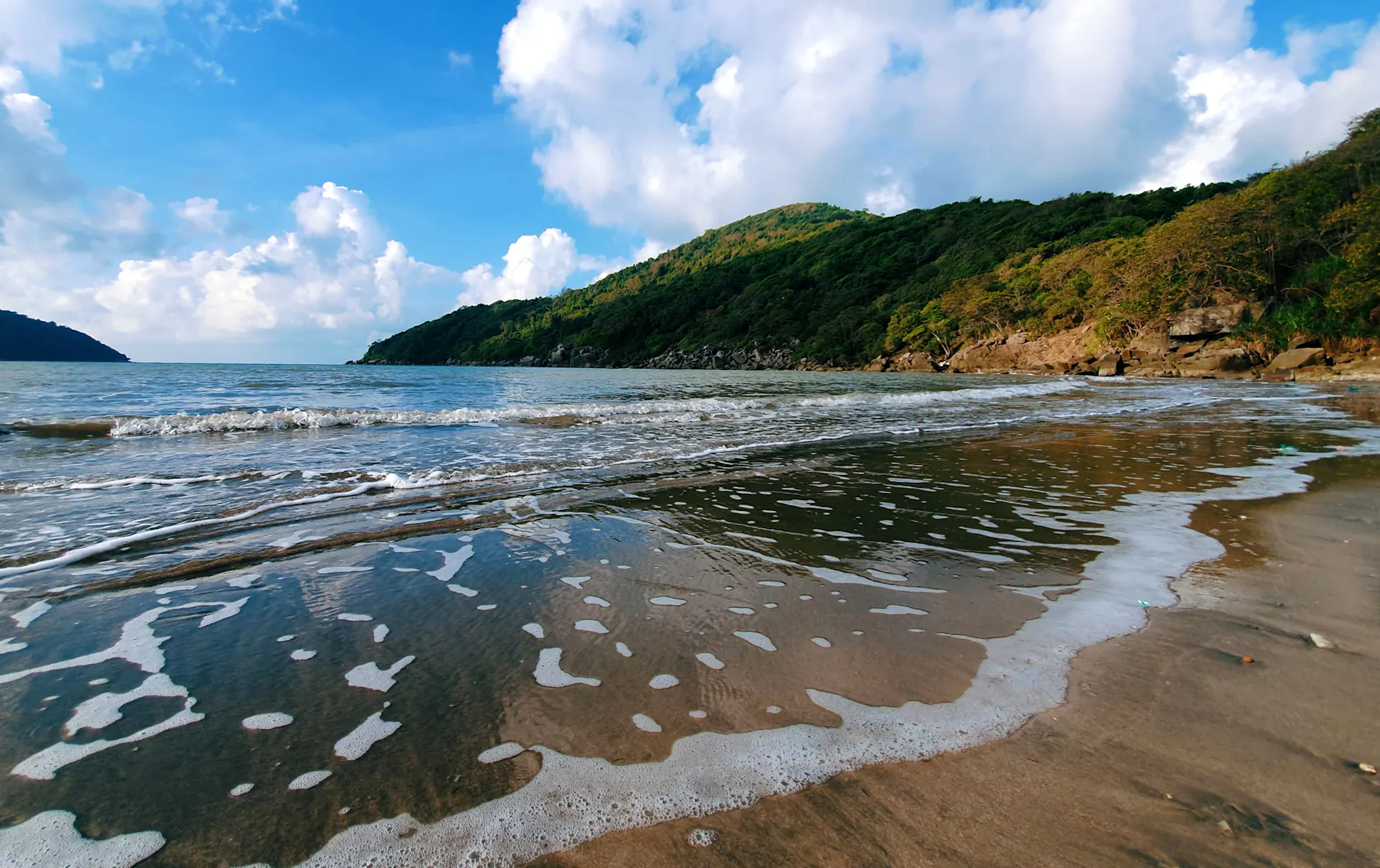
Hon Khoai Island
Hon Khoai Island is one of Ca Mau's most beautiful hidden destinations, located off the southern coast of Vietnam. Surrounded by clear blue waters and covered in lush tropical forest, the island offers breathtaking scenery, historic landmarks, quiet beaches, and excellent hiking opportunities. Visitors can explore the iconic French-built lighthouse, discover unique rock formations, enjoy fresh seafood, and experience the peaceful atmosphere of one of Vietnam's least-visited island escapes.
About Hon Khoai Island
Hon Khoai Island is a remote and scenic island destination off the southern coast of Ca Mau Province, Vietnam's southernmost region. Known for its forested hills, rocky coastline, clear coastal waters, and historic lighthouse, the island offers travelers a glimpse of the wild and relatively untouched landscapes of Vietnam's southern sea.
Located far from major tourist centers, Hon Khoai is very different from popular beach destinations such as Phu Quoc or Nha Trang. Its appeal lies in its rugged natural scenery, maritime history, and remote atmosphere.
What Is Hon Khoai Island?
Hon Khoai, also known as Hon Khoai Island, is the largest island in the Hon Khoai archipelago, located in the southern waters of Ca Mau Province.
The island is characterized by forest-covered hills, rocky slopes, coastal cliffs, and small beaches.
Its remote location has helped preserve much of its natural environment.
The surrounding waters are also important to local fishing communities and maritime activities in the southernmost part of Vietnam.
A Remote Southern Island
Hon Khoai is one of the destinations that demonstrates the geographical diversity of southern Vietnam.
While much of Ca Mau is characterized by mangrove forests, rivers, wetlands, and low-lying coastal landscapes, Hon Khoai rises dramatically from the sea.
The contrast between the island's forested hills and surrounding ocean creates a distinctive landscape.
For travelers interested in exploring lesser-known destinations, this remote setting is part of Hon Khoai's attraction.
Forests and Natural Landscapes
Much of Hon Khoai is covered by tropical forest.
Dense vegetation grows across the island's hills and slopes, creating a green landscape that contrasts with the rocky coastline.
Walking through the island provides opportunities to observe tropical plants, birds, insects, and other wildlife.
Because the island is a sensitive natural environment, visitors should remain on established routes and avoid disturbing plants and animals.
Rocky Coastline
Hon Khoai's coastline features rocky formations, small coves, and stretches of sandy shore.
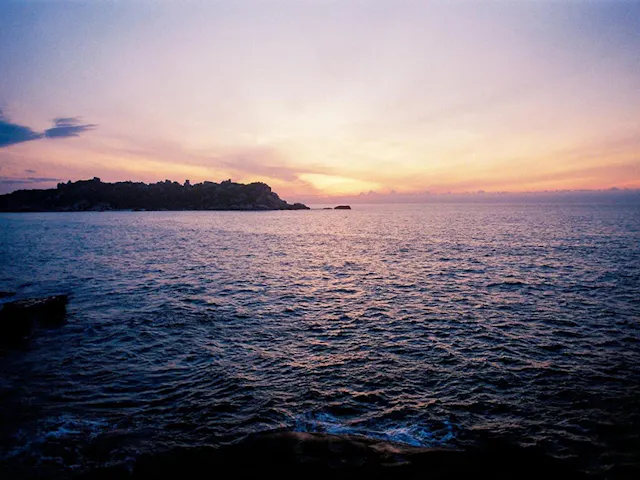
The surrounding sea can appear particularly beautiful during calm weather, when sunlight reflects across the water.
The island's elevated terrain also creates viewpoints overlooking the surrounding ocean and neighboring islands.
Rather than extensive resort beaches, Hon Khoai offers a more rugged coastal experience.
Hon Khoai Lighthouse
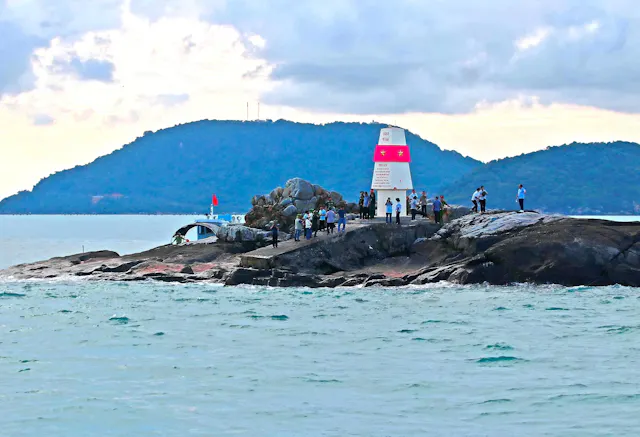
One of the island's most important landmarks is the Hon Khoai Lighthouse.
Built during the French colonial period, the lighthouse has played an important role in guiding ships through the waters around the southern tip of Vietnam.
Its elevated location provides broad views over the sea and surrounding islands.
The lighthouse is also closely associated with the maritime history of Ca Mau and remains one of Hon Khoai's most recognizable landmarks.
Historical Significance
Hon Khoai has an important place in Vietnam's modern history.
The island is associated with Nguyen Van Troi? No—the best-known historical figure connected with the island is Phan Ngoc Hien, who led an uprising against French colonial authorities in 1940.
Phan Ngoc Hien and his comrades captured the lighthouse and took part in the broader Nam Ky Khoi Nghia uprising.
Today, historical sites and memorials on the island commemorate this period and its role in Vietnam's struggle for independence.
Exploring the Island
Exploring Hon Khoai generally involves walking through forested terrain, climbing slopes, and visiting historical and natural landmarks.
The island is not designed around large-scale tourism infrastructure.
Visitors should therefore be prepared for a more basic outdoor experience.
Comfortable shoes, drinking water, sun protection, and insect repellent are useful when exploring the island.
Wildlife and Marine Environment
The island's forests provide habitat for various species of birds, insects, reptiles, and other small animals.
The surrounding marine environment also supports fish and other coastal species.
Hon Khoai's position in the southern waters of Vietnam gives it ecological importance beyond its relatively small land area.
Visitors should avoid collecting shells, plants, rocks, or other natural materials.
Fishing Culture
Fishing is closely connected with life around Hon Khoai and the southern coast of Ca Mau.
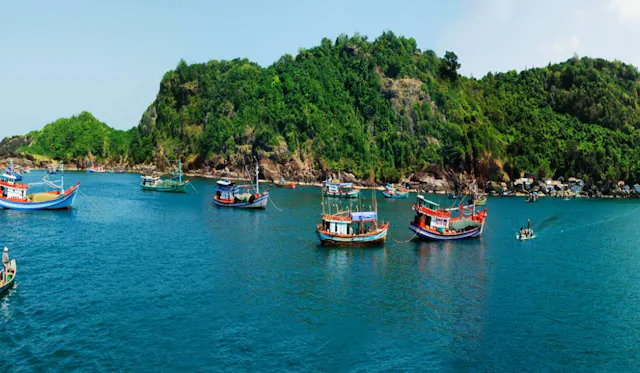
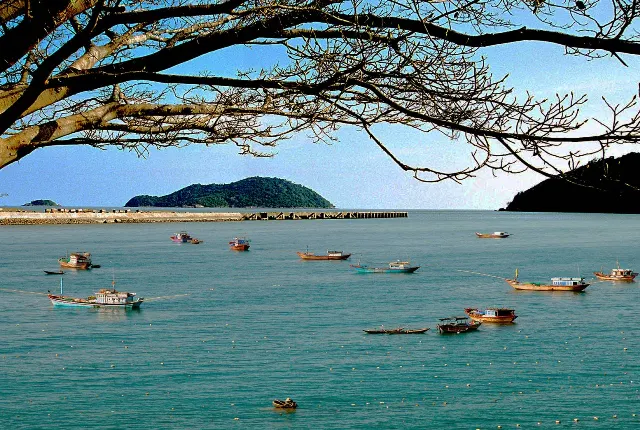
Local fishermen use the surrounding waters for their livelihoods, and boats are an important part of the island's coastal landscape.
Travelers may encounter fishing vessels and observe aspects of the maritime culture that remains important to communities in Vietnam's southernmost region.
Best Time to Visit Hon Khoai Island
The best time to visit is generally during the dry season from December to April, when conditions are often more favorable for travel and outdoor exploration.
The rainy season can bring heavy rainfall, stronger winds, and rougher seas.
Because Hon Khoai is a remote island, sea conditions are particularly important.
Travelers should check weather forecasts and local transportation conditions before planning a trip.
How to Get to Hon Khoai Island
Hon Khoai is located approximately 15 kilometers from the southern coast of Ca Mau, near the waters around Mui Ca Mau.
Access is more complicated than reaching Vietnam's major tourist islands.
Visitors generally need to arrange boat transportation and should confirm current access regulations before traveling.
Because the island has strategic and conservation significance, some areas may have restricted access.
Responsible Travel
Hon Khoai is a remote and environmentally sensitive destination.
Visitors should follow local regulations, respect restricted areas, avoid littering, and never disturb wildlife or historical structures.
Travelers should also avoid leaving plastic waste behind and should take personal rubbish with them whenever appropriate.
Supporting responsible local services can help ensure that tourism has a positive impact on the surrounding communities and environment.
Why Visit Hon Khoai Island?
Hon Khoai Island offers a rare combination of remote coastal scenery, tropical forest, maritime heritage, historic landmarks, and southern Vietnamese culture.
Its lighthouse, rugged coastline, forested hills, and isolated location make it very different from Vietnam's more developed island destinations.
For adventurous travelers interested in discovering the lesser-known landscapes of southern Vietnam, Hon Khoai provides an opportunity to explore one of the country's most remote island environments and learn more about the natural and historical heritage of Ca Mau.
Hon Khoai Island Photo Gallery
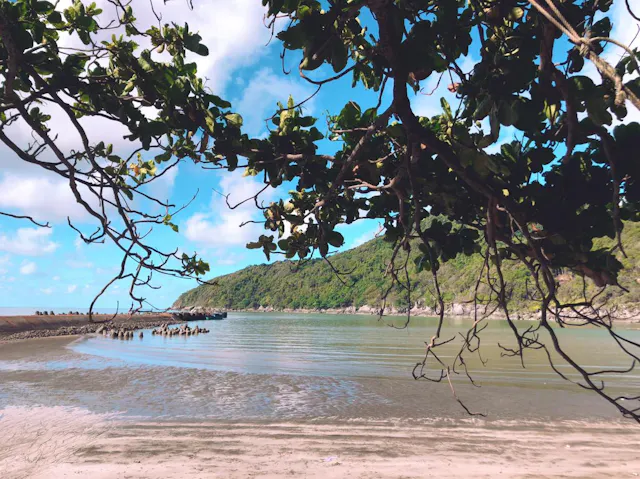
Browse stunning images of Hon Khoai Island, featuring its historic lighthouse, lush tropical forests, dramatic granite cliffs, crystal-clear waters, peaceful beaches, scenic hiking trails, and breathtaking coastal landscapes that make this hidden island one of Ca Mau's most beautiful natural treasures.
How to Get There - Hon Khoai Island
Bus and coach
Travelers can take a long-distance coach from Ho Chi Minh City to Ca Mau City. From there, continue by local bus, taxi, or private transfer to the coastal departure point in Ngoc Hien District, where speedboats or local boats operate to Hon Khoai Island depending on weather conditions.
Train
There is currently no railway service to Ca Mau. Visitors traveling by train can stop in Ho Chi Minh City and continue the journey by coach, private car, or domestic flight before transferring to the island by boat.
Driving
Driving is a convenient option for exploring the Mekong Delta before reaching Hon Khoai Island. Follow National Highway 1A to Ca Mau, then continue south toward Ngoc Hien District. Secure parking is available near most boat departure points before boarding a boat to the island.
Flying
The fastest way to reach Hon Khoai Island is by flying to Ca Mau Airport (CAH) from Ho Chi Minh City. From the airport, travel by road to Ngoc Hien District and take a boat to the island. Boat schedules may vary depending on sea and weather conditions.
Frequently Asked Questions About Hon Khoai Island
Where is Hon Khoai Island located?
Hon Khoai Island lies approximately 14 kilometers off the coast of Ngoc Hien District in Ca Mau Province, southern Vietnam. It is one of the southernmost islands in the country and is accessible by boat from the mainland.
How do I get to Hon Khoai Island?
Most visitors travel to Ca Mau City first, then continue to a boat departure point in Ngoc Hien District. From there, speedboats or local boats provide access to the island, with schedules depending on weather and sea conditions.
What are the main attractions on Hon Khoai Island?
The island is famous for its historic French-built lighthouse, tropical forest trails, panoramic viewpoints, unique granite rock formations, peaceful beaches, and rich natural environment that is ideal for hiking and sightseeing.
When is the best time to visit Hon Khoai Island?
The dry season, typically from December to April, offers calmer seas and more pleasant weather, making boat travel, hiking, and outdoor exploration more enjoyable. Boat departures may be limited during rough weather.
Can I stay overnight on Hon Khoai Island?
Tourism facilities on Hon Khoai Island are limited, and most visitors explore the island as a day trip. If you plan to stay overnight, it's advisable to arrange accommodation or permits in advance through local authorities or licensed tour operators.
Advertising box