
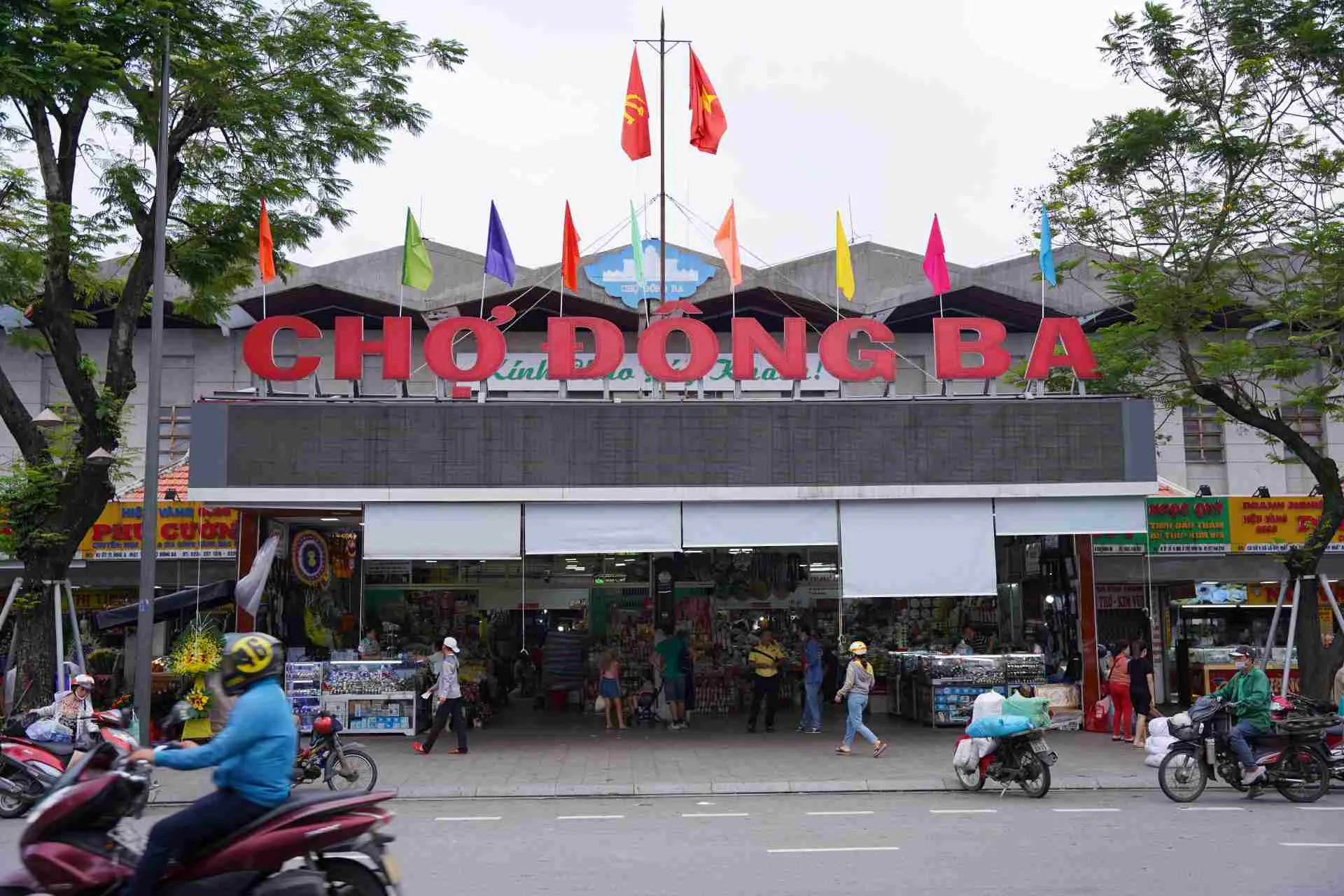
Dong Ba Market
Dong Ba Market is the largest and most historic marketplace in Hue, offering visitors an authentic taste of central Vietnamese culture. Located beside the Perfume River, the market is famous for fresh produce, traditional handicrafts, local specialties, and iconic Hue street food. From colorful conical hats and handmade souvenirs to delicious dishes such as bún bò Huế and bánh bèo, Dong Ba Market provides an unforgettable shopping and culinary experience in Vietnam's former imperial capital.

About Dong Ba Market
Dong Ba Market is the largest and most famous traditional market in Hue, central Vietnam. Located beside the Perfume River near the historic center of the former imperial capital, the market is an important place to experience local food, traditional products, clothing, handicrafts, and everyday Vietnamese life.
With a history of more than a century, Dong Ba Market has become closely connected with Hue's cultural identity. For travelers, it offers much more than shopping. Exploring its busy aisles provides an opportunity to discover Hue's distinctive cuisine, regional specialties, and traditional market culture.
What Is Dong Ba Market?
Dong Ba Market is a large traditional marketplace serving local residents and visitors in Hue.
The market occupies a prominent location along Tran Hung Dao Street, near the northern bank of the Perfume River.
Inside, visitors can find hundreds of stalls selling fresh food, spices, clothing, household goods, handicrafts, souvenirs, and local specialties.
The market is particularly interesting for travelers who want to observe everyday life beyond Hue's famous imperial monuments.
History of Dong Ba Market
Dong Ba Market has a long history dating back to the late 19th century.
The market's present location was established during the reign of Emperor Thanh Thai in the late 19th century.
Over the decades, the market developed into one of Hue's most important commercial centers.
Its long history means that Dong Ba is more than a shopping destination. It is part of the city's social and cultural heritage and has witnessed major changes in Hue throughout the modern era.
The Market's Architecture
The main market building has several floors and a distinctive traditional market layout.
The surrounding area extends beyond the central building, with additional stalls and shops lining nearby streets.
Inside, narrow aisles create a lively atmosphere as vendors display their products in compact spaces.
The colorful arrangement of food, clothing, spices, souvenirs, and household goods provides plenty of opportunities for photography and exploration.
Hue's Local Food
Food is one of the biggest reasons travelers visit Dong Ba Market.
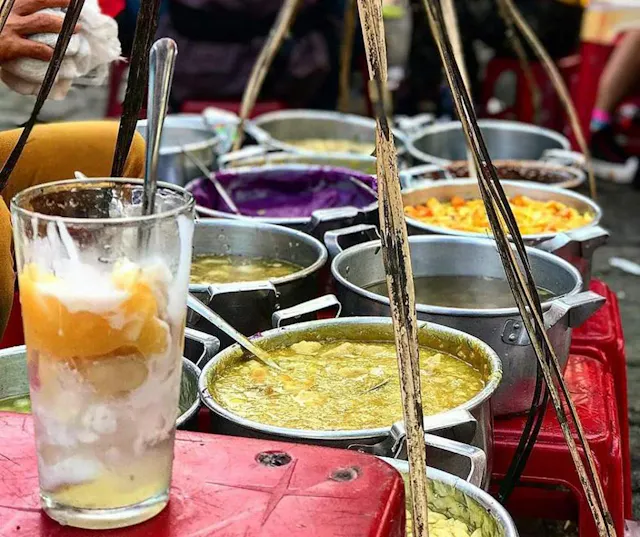
The market contains numerous small food stalls serving classic dishes associated with Hue.
Visitors may find Bun Bo Hue, Banh Beo, Banh Nam, Banh Loc, Com Hen, Nem Lui, and other regional specialties.
These dishes are often served in simple surroundings, allowing travelers to experience authentic local flavors at affordable prices.
Bun Bo Hue
One of Hue's most famous dishes is Bun Bo Hue, a spicy beef noodle soup made with rice noodles, beef, herbs, and a flavorful broth.
Trying Bun Bo Hue at a local market provides an opportunity to experience the dish in the city where it originated.
The flavors can vary between vendors, so travelers may want to explore several stalls to discover their preferred version.
Hue Cakes
Dong Ba Market is also an excellent place to discover Hue's traditional steamed rice cakes.
Popular examples include Banh Beo, Banh Nam, and Banh Loc.
These small dishes are often served with fish sauce, shrimp, herbs, or other toppings.
Their delicate textures and distinctive flavors reflect the refined food traditions associated with Hue.
Local Specialties and Souvenirs
Beyond prepared food, Dong Ba Market sells many specialties that visitors can take home.
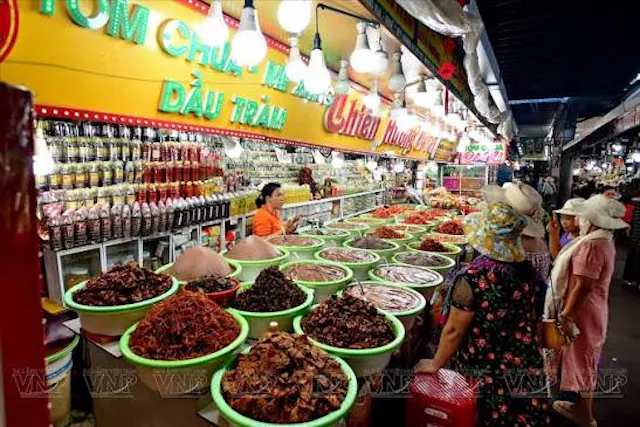
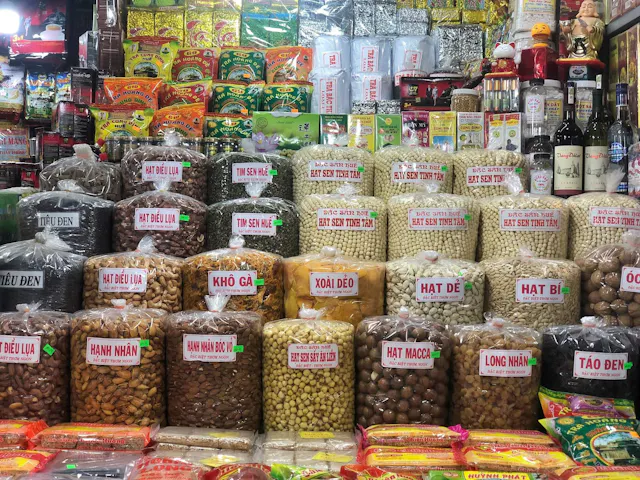
These may include Hue chili paste, fermented shrimp paste, sesame products, dried seafood, tea, spices, and traditional sweets.
The market also has stalls selling handicrafts, conical hats, textiles, clothing, and souvenirs.
Travelers interested in Vietnamese food culture can spend considerable time exploring the specialty sections.
Shopping at Dong Ba Market
Visitors can find a wide range of everyday products at the market.
Clothing, shoes, bags, household items, kitchenware, fresh produce, and seafood are all commonly available.
The market is primarily used by local residents, so it provides a more authentic shopping environment than tourist-oriented souvenir stores.
Prices may vary between vendors, and polite bargaining is common for some products.
Experiencing Local Life
One of the best reasons to visit Dong Ba Market is the opportunity to observe everyday life in Hue.
Vendors prepare food, arrange fresh produce, negotiate prices, and interact with regular customers throughout the day.
The market offers a glimpse into how food and goods move through the local community.
Travelers who take time to explore beyond the main tourist areas can gain a deeper understanding of Hue's social and culinary culture.
Best Time to Visit
Dong Ba Market can be visited throughout the day, but morning is one of the best times to experience its freshest and busiest atmosphere.
Early visitors can see fresh seafood, meat, vegetables, herbs, and fruit arriving at the market.
The food stalls are also active during breakfast and lunchtime.
Late afternoon can be another interesting time to visit, although individual stalls may have different operating hours.
How to Get to Dong Ba Market
Dong Ba Market is located near the center of Hue and is easy to reach by taxi, ride-hailing service, bicycle, motorcycle, or private car.
It is also within walking distance of several attractions around the Perfume River and the Imperial City area.
The market can easily be included in a sightseeing itinerary alongside the Imperial City of Hue, Truong Tien Bridge, Thien Mu Pagoda, and the Perfume River.
Tips for Visiting Dong Ba Market
Visitors should keep valuables secure because the market can become crowded.
Comfortable shoes are useful because exploring the market involves considerable walking.
When shopping, compare prices between stalls and bargain politely when appropriate.
For food, choose busy stalls with a high turnover of ingredients, particularly when buying fresh or cooked products.
Visitors should also ask before photographing vendors or private activities.
Why Visit Dong Ba Market?
Dong Ba Market offers travelers an authentic introduction to Hue's food culture, traditional products, local commerce, and everyday life.
From bowls of Bun Bo Hue and delicate Hue cakes to regional specialties, handicrafts, and fresh produce, the market reveals a side of the former imperial capital that cannot be experienced through monuments alone.
For anyone exploring Hue, Dong Ba Market is an essential stop for discovering the flavors, traditions, and lively local character of central Vietnam.
Dong Ba Market Photo Gallery
Explore the vibrant atmosphere of Dong Ba Market through photos featuring its historic riverside setting, bustling market stalls, colorful local products, traditional handicrafts, fresh ingredients, and the famous Hue street food that has made this iconic marketplace a must-visit destination.

How To Get There Dong Ba Market
Bus and coach
Hue is well connected to major cities such as Da Nang, Hoi An, Hanoi, and Ho Chi Minh City by long-distance buses and coaches. Most services arrive at Hue Central Bus Station, from where Dong Ba Market is around a 10–15 minute taxi or ride-hailing trip.
Train
Travelers arriving at Hue Railway Station can reach Dong Ba Market in approximately 10 minutes by taxi or about 20–25 minutes on foot. The scenic train journey along Vietnam's central coast is one of the country's most popular rail routes.
Driving
Dong Ba Market is easily accessible by car via the streets of central Hue. Public parking areas are available nearby, although traffic around the market becomes busier during the morning and late afternoon.
Flying
The nearest airport is Phu Bai International Airport (HUI), located about 15 km south of Hue city center. Airport shuttles, taxis, private transfers, and ride-hailing services reach Dong Ba Market in approximately 25–35 minutes.
Frequently Asked Questions About Dong Ba Market
What is Dong Ba Market famous for?
Dong Ba Market is famous for its authentic Hue street food, local specialties, fresh produce, traditional handicrafts, conical hats, and souvenirs. It has been the city's main marketplace for more than a century and remains one of Hue's most iconic landmarks.
What local dishes should I try at Dong Ba Market?
Popular dishes include bún bò Huế, bánh bèo, bánh nậm, bánh lọc, cơm hến, and a variety of traditional Hue desserts. The market is one of the best places to sample authentic central Vietnamese cuisine.
Can I bargain at Dong Ba Market?
Yes. Bargaining is common when buying clothing, souvenirs, handicrafts, and accessories. However, prices for fresh food and produce are generally fixed since they primarily serve local customers.
How much time should I spend visiting Dong Ba Market?
Most visitors spend 1–2 hours exploring the market. If you also plan to sample local food and visit nearby attractions such as the Imperial City or Trang Tien Bridge, allow half a day for a more relaxed experience.
Is Dong Ba Market suitable for international visitors?
Absolutely. Dong Ba Market is one of Hue's most popular attractions for international travelers. It offers an authentic local atmosphere, delicious regional cuisine, and an excellent opportunity to shop for traditional Vietnamese products and souvenirs.
Advertising box
Discover More Markets & Local Life in Vietnam
Continue exploring Vietnam through its lively traditional markets, colorful floating markets, vibrant night bazaars, and authentic local neighborhoods. From sampling regional street food and shopping for handmade crafts to experiencing everyday Vietnamese culture, these guides will help you uncover the unique character and local traditions that make every destination across Vietnam unforgettable.
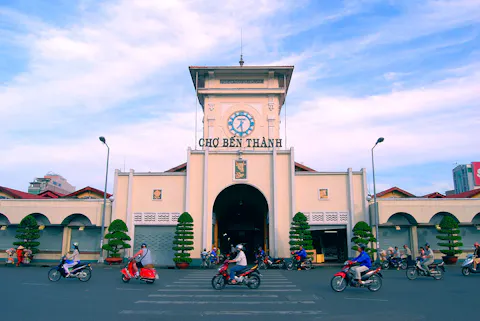
Ben Thanh Market
Ben Thanh Market is one of Ho Chi Minh City's most famous landmarks and a must-visit destination for shopping, street food, and local culture. Located in the heart of District 1, the historic market offers everything from traditional handicrafts and souvenirs to fresh produce, clothing, coffee, and authentic Vietnamese cuisine. By day, visitors can browse hundreds of stalls, while the nearby night market comes alive after sunset. This guide covers everything you need to know before visiting Ben Thanh Market.

Cai Rang Floating Market
Cai Rang Floating Market is the largest and most famous floating market in Vietnam, offering an unforgettable glimpse into life along the Mekong Delta. Every morning, hundreds of boats gather to trade fresh fruit, vegetables, local specialties, and delicious floating breakfasts. Visitors can explore the market by traditional boat, enjoy authentic regional cuisine, and experience one of Vietnam's most unique cultural traditions. A visit to Cai Rang is a highlight of any journey through the vibrant Mekong Delta.
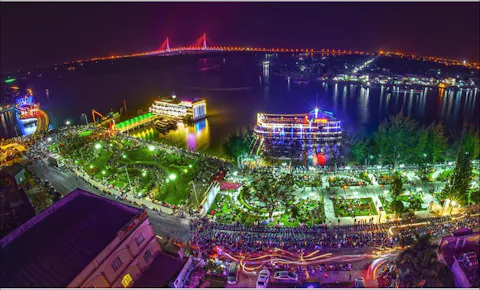
Ninh Kieu Wharf
Situated on the banks of the Hau River, Ninh Kieu Wharf is one of Can Tho's most iconic landmarks and a gateway to exploring the Mekong Delta. The scenic riverside promenade is popular for leisurely walks, sunset views, local cafés, floating restaurants, and evening river cruises. With nearby markets, cultural attractions, and vibrant nightlife, Ninh Kieu Wharf offers the perfect introduction to the charm, hospitality, and unique river culture of southern Vietnam.
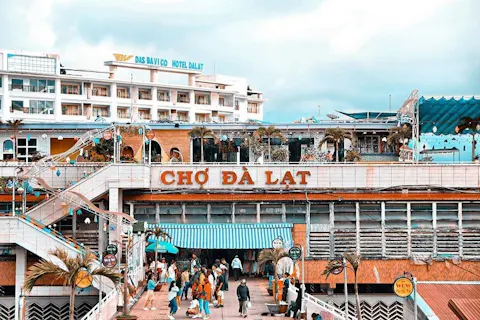
Da Lat Market
Located in the center of Da Lat, Da Lat Market is the city's busiest shopping and culinary hub, famous for fresh vegetables, strawberries, flowers, local snacks, and the lively night market atmosphere. Visitors can sample authentic highland street food, shop for local specialties, and experience the everyday rhythm of Da Lat life. Whether you're looking for souvenirs, regional delicacies, or a memorable evening stroll, Da Lat Market is an essential stop on any trip to Vietnam's charming mountain city.
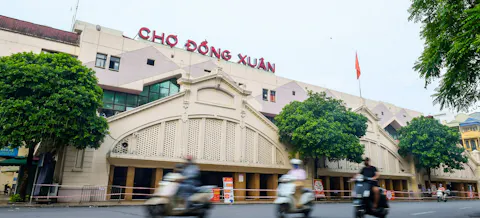
Dong Xuan Market
Located at the northern edge of Hanoi's Old Quarter, Dong Xuan Market is the capital's largest traditional market and one of its busiest commercial centers. Housed in a historic French-era building, the market offers everything from textiles and household goods to local specialties and delicious street food. Whether you're searching for authentic Vietnamese products, exploring Hanoi's vibrant trading culture, or enjoying the nearby night market, Dong Xuan Market provides an unforgettable glimpse into the city's daily life and rich heritage.