
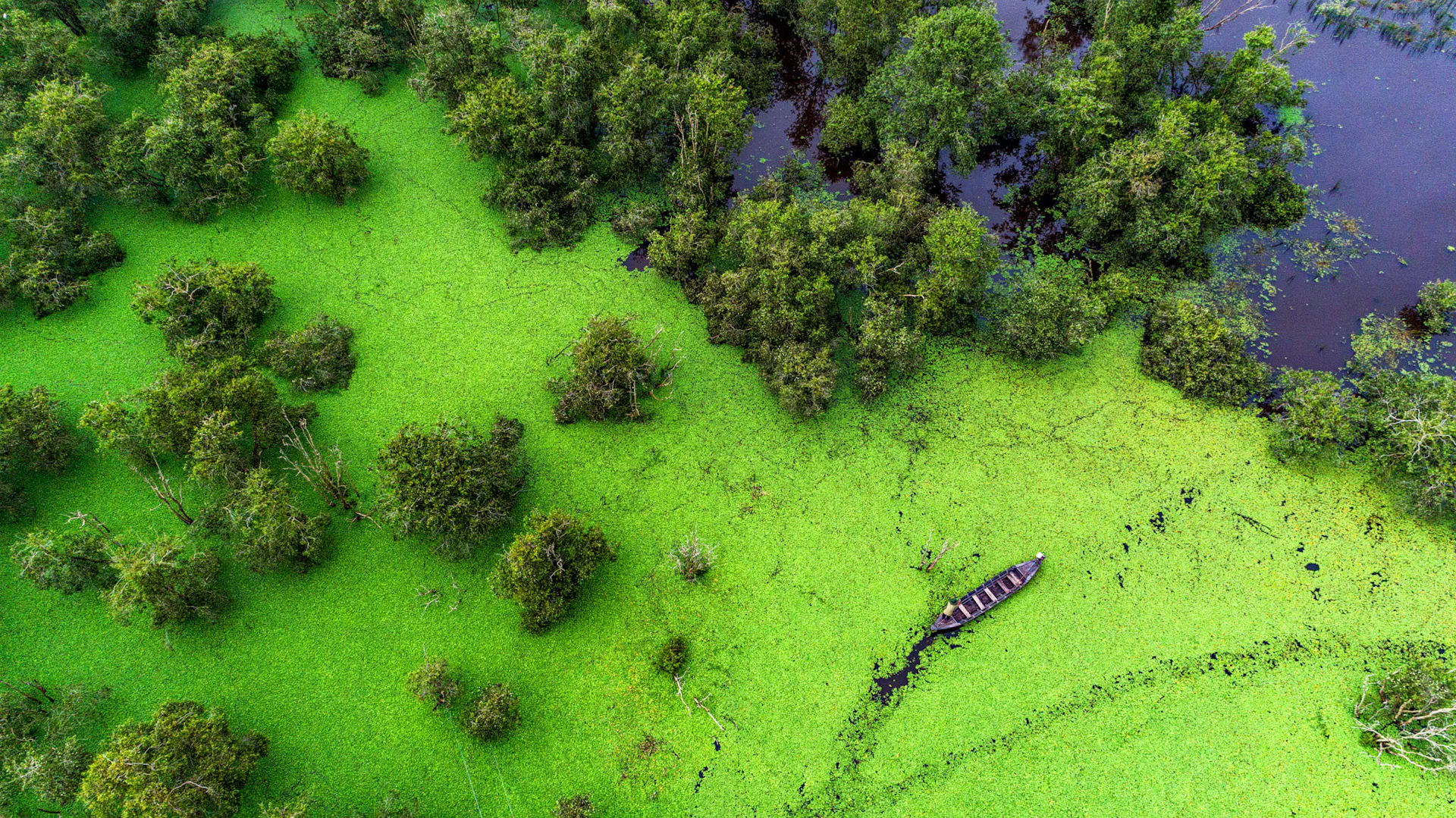
Tram Chim National Park
Tram Chim National Park is a famous wetland nature reserve located in Dong Thap Province, Vietnam, within the Mekong Delta region. Recognized as a Ramsar site, the park is home to diverse ecosystems, lotus fields, floodplains, and rare bird species such as the iconic Sarus crane. Visitors can enjoy boat tours, bird watching, and peaceful nature exploration. Go Visit Vietnam introduces the beauty, wildlife, and eco-tourism experiences of Tram Chim National Park for travelers seeking authentic Mekong Delta nature.

About Tram Chim National Park
Tram Chim National Park is one of the most important wetland destinations in the Mekong Delta, located in Dong Thap Province in southern Vietnam. Famous for its vast seasonal wetlands, grasslands, melaleuca forests, lotus ponds, and diverse birdlife, the park offers travelers an opportunity to experience one of the region's most distinctive natural environments.
Covering a large area of low-lying wetlands, Tram Chim is particularly well known for its importance as a habitat for waterbirds, including the endangered Sarus crane. For travelers interested in nature, photography, birdwatching, and the quieter side of the Mekong Delta, Tram Chim provides a rewarding alternative to the region's more famous floating markets.
What Is Tram Chim National Park?
Tram Chim National Park is a protected wetland area in Tam Nong District, Dong Thap Province.
The landscape consists of seasonally flooded grasslands, canals, melaleuca forests, lotus-covered waterways, and open wetlands.
Water levels change throughout the year, influencing the appearance of the landscape and the distribution of wildlife.
This seasonal cycle is an important part of the park's ecological character.
The Wetland Landscape
Tram Chim is part of the wider Plain of Reeds, a vast low-lying region in the Mekong Delta.
During the wet season, large areas of the park become flooded, creating extensive feeding and breeding grounds for aquatic species.
When water levels decrease, grasslands and wetlands become more visible.
The changing relationship between land and water gives Tram Chim a different appearance depending on the time of year.
Birdwatching at Tram Chim
Birdwatching is one of the main reasons travelers visit the park.
Tram Chim provides habitat for numerous species of waterbirds and other wildlife.
Visitors may encounter herons, egrets, storks, kingfishers, ducks, cormorants, and many other birds depending on the season.
The park's extensive waterways and open wetlands make it particularly suitable for observing birds from boats and designated viewpoints.
Sarus Cranes
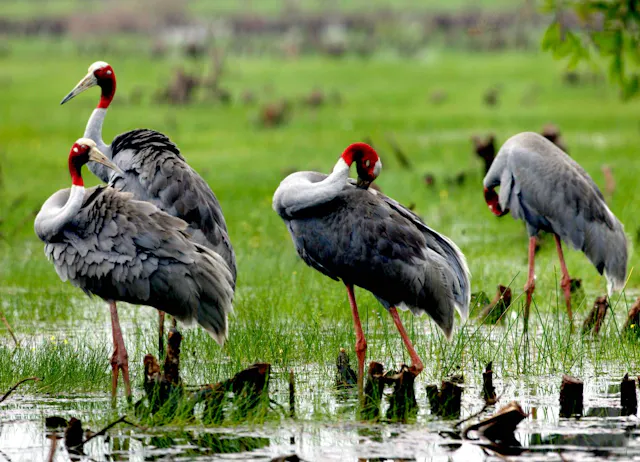
One of Tram Chim's most famous inhabitants is the Sarus crane, one of the world's tallest flying birds.
The species has become an important symbol of the park's conservation efforts.
Sarus cranes are migratory and their presence varies according to season and environmental conditions.
Seeing them in the wild requires patience and favorable conditions, so sightings cannot be guaranteed.
Visitors should avoid making loud noises or approaching wildlife too closely.
Exploring the Park by Boat
Boat trips are one of the best ways to experience Tram Chim.
Local tours take visitors through canals and wetlands, providing close views of aquatic vegetation, grasslands, forests, and birds.
The slow movement of the boats allows travelers to appreciate the peaceful atmosphere of the delta.
Depending on water levels and the season, different routes may be available.
Lotus and Water Plants
Lotus flowers and other aquatic plants are important features of the Tram Chim landscape.
During suitable periods, lotus ponds can add vibrant colors to the wetlands.
Other floating and emergent plants provide food and shelter for fish, insects, and birds.
The combination of open water, green vegetation, and seasonal flowers creates excellent opportunities for photography.
Melaleuca Forests
Melaleuca, or cajuput trees, grow in parts of Tram Chim's wetland environment.
These trees are adapted to seasonal flooding and form small forests within the wider landscape.
The combination of melaleuca woodland and open wetlands provides different habitats for wildlife.
Visitors can observe these forests from boats or designated routes while learning about the ecological diversity of the Plain of Reeds.
Best Time to Visit Tram Chim
The park can be visited throughout the year, but the experience changes considerably with the seasons.
The flood season, generally from around August to November, can provide particularly attractive conditions for exploring the wetlands by boat.
During the cooler months, birdwatching can also be rewarding as migratory birds visit the region.
Travelers interested specifically in Sarus cranes should check current local information because their presence is seasonal.
How to Get to Tram Chim National Park
Tram Chim is located in Tam Nong District, Dong Thap Province, in the Mekong Delta.
Travelers can reach the park by road from Cao Lanh, Dong Thap's provincial capital.
Private cars, motorcycles, taxis, and organized tours can be used depending on the itinerary.
Because the park is located outside major cities, arranging transportation in advance is recommended.
Things to Do at Tram Chim
The main activity is exploring the wetland by boat.
Visitors can also photograph birds and landscapes, observe aquatic plants, explore designated walking areas, and learn about wetland conservation.
Nature enthusiasts may want to bring binoculars and a camera with a suitable zoom lens.
Early morning and late afternoon can provide better temperatures and softer light for photography.
Responsible Travel
Tram Chim is a sensitive wetland ecosystem, so visitors should follow conservation rules.
Travelers should remain on designated routes, avoid disturbing birds and other wildlife, keep noise levels low, and take rubbish away with them.
Using local guides can also provide a better understanding of the ecosystem while supporting conservation and community-based tourism.
Nearby Attractions
Tram Chim can be combined with other destinations in Dong Thap and the Mekong Delta.
Travelers can explore Sa Dec, Xeo Quyt Relic Area, Gao Giong Ecotourism Site, lotus-growing areas, local villages, and traditional agricultural landscapes.
A trip to Tram Chim can therefore form part of a broader itinerary focused on wetlands, rural life, food, and culture.
Why Visit Tram Chim National Park?
Tram Chim National Park offers travelers a fascinating opportunity to experience the wetlands, birdlife, seasonal landscapes, and ecological diversity of the Mekong Delta.
Its waterways, lotus ponds, melaleuca forests, grasslands, and bird habitats create a peaceful natural environment far removed from busy cities.
For travelers interested in birdwatching, photography, nature, and sustainable tourism, Tram Chim is one of the best places in southern Vietnam to discover the unique wetland ecosystems of the Mekong Delta.
Tram Chim National Park in Frames – Wetlands, Birds & Mekong Delta Nature
Explore the serene beauty of Tram Chim National Park through a curated collection of images showcasing vast wetlands, lotus fields, flooded grasslands, and rich birdlife of the Mekong Delta. From graceful Sarus cranes and migratory birds to peaceful boat journeys through narrow waterways and seasonal landscapes, the gallery captures the unique ecosystem and tranquil atmosphere of this Ramsar-listed wetland. Discover the harmony of water, wildlife, and nature that makes Tram Chim one of Vietnam’s most important and picturesque bird sanctuaries.



How To Get There – Tram Chim National Park
Bus and coach
Travelers can take buses from Ho Chi Minh City, Can Tho, or other Mekong Delta provinces to Cao Lanh City or Tam Nong District (Dong Thap Province). From there, visitors can continue by taxi, motorbike, or local transfer to Tram Chim National Park.
Train
There is no direct train to Tram Chim National Park. The nearest major railway stations are in Ho Chi Minh City or Long Xuyen (An Giang area). From these stations, travelers continue by bus or private car to Dong Thap Province and Tam Nong District.
Driving
Driving is a convenient option for reaching Tram Chim National Park. Visitors can travel by car or motorbike from Ho Chi Minh City or nearby Mekong Delta provinces via National Highway 1A or regional roads. The journey takes around 4–6 hours depending on departure point.
Flying
The nearest airport is Can Tho International Airport. From the airport, travelers can take a taxi or private car to Dong Thap Province and then continue to Tram Chim National Park, usually taking around 3–4 hours in total travel time.
Frequently Asked Questions About Tram Chim National Park
What is Tram Chim National Park famous for?
Tram Chim National Park is famous for its vast wetlands, seasonal floodplains, lotus fields, and rich birdlife, especially the rare Sarus crane. It is one of the most important bird sanctuaries in Vietnam.
Where is Tram Chim National Park located?
Tram Chim National Park is located in Tam Nong District, Dong Thap Province, in the Mekong Delta region of southern Vietnam. It is about 150 km from Ho Chi Minh City.
What is the best time to visit Tram Chim National Park?
The best time to visit Tram Chim National Park is from December to May when the weather is dry and ideal for bird watching. The flooding season (August–November) is also beautiful for boat tours and wetland scenery.
How do you get to Tram Chim National Park?
Travelers can reach Tram Chim National Park by bus, car, or flight to Can Tho, then continue by road to Dong Thap Province and Tam Nong District. The final journey is usually done by taxi or private transfer.
What activities can visitors enjoy at Tram Chim National Park?
Visitors can enjoy boat tours through wetlands, bird watching, photography, exploring lotus fields, observing wildlife, and experiencing the peaceful natural landscapes of the Mekong Delta ecosystem.
Advertising box