
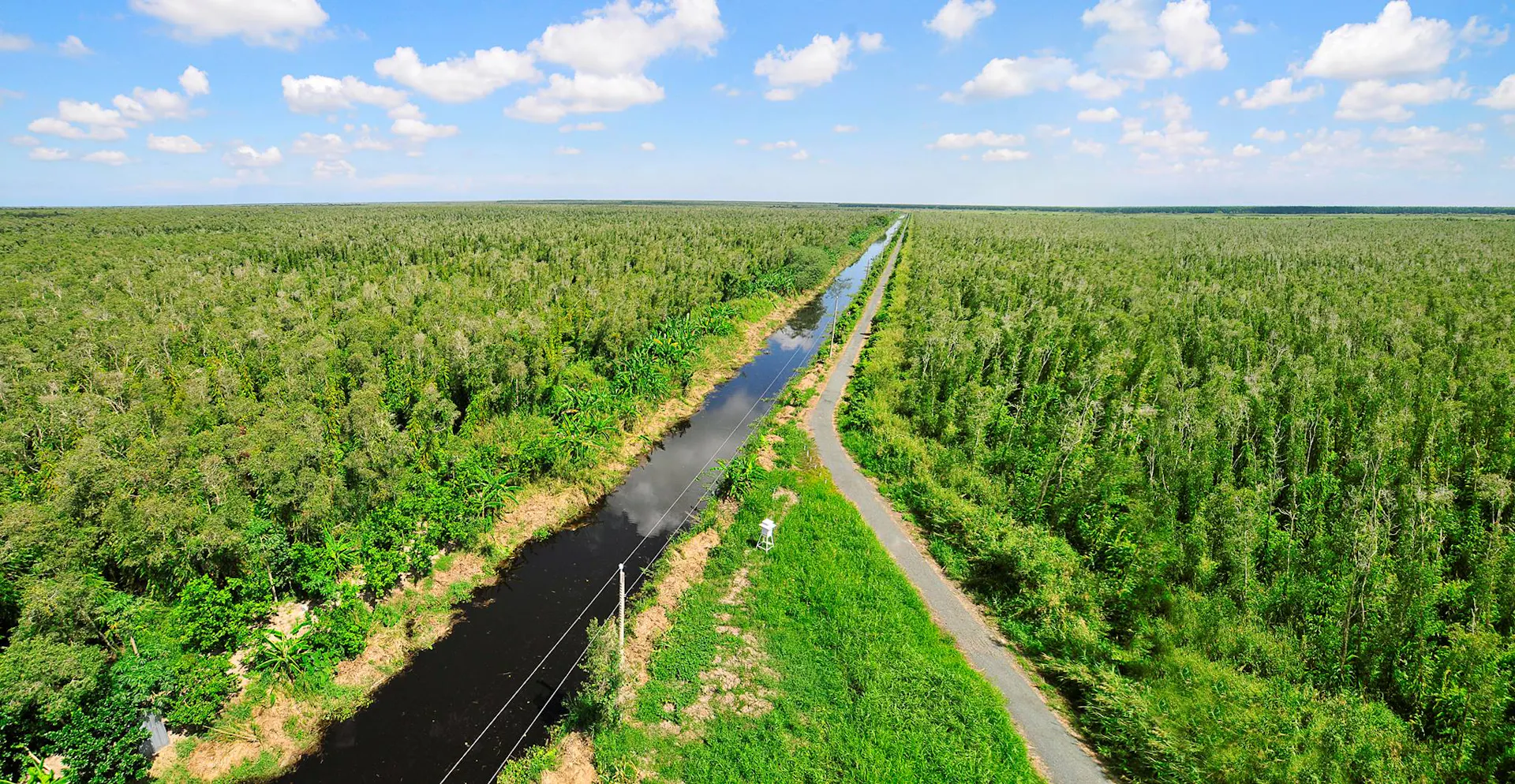
U Minh Ha National Park
U Minh Ha National Park is one of Vietnam's most remarkable wetland ecosystems, located in Ca Mau Province in the Mekong Delta. Famous for its ancient peat swamp forests, diverse wildlife, rich birdlife, and unique freshwater habitats, the park offers unforgettable ecotourism experiences. Visitors can explore tranquil waterways, observe native flora and fauna, learn about the region's conservation efforts, and experience one of southern Vietnam's most valuable natural landscapes. This guide provides everything you need to know before visiting U Minh Ha National Park.
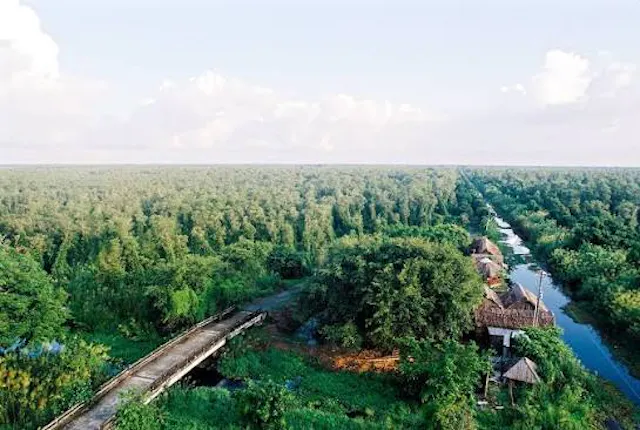
About U Minh Ha National Park
U Minh Ha National Park is a distinctive wetland destination in Ca Mau Province, at the southernmost end of Vietnam. Known for its vast melaleuca forests, peatland ecosystems, waterways, and rich biodiversity, the park offers travelers an opportunity to explore one of the most unusual natural landscapes in the Mekong Delta.
Unlike the agricultural landscapes and floating markets that attract many visitors to southern Vietnam, U Minh Ha provides a quieter experience centered on forests, wetlands, wildlife, and traditional life in the region's waterways. It is an especially interesting destination for travelers interested in nature, birdwatching, photography, and Vietnam's southern ecosystems.
What Is U Minh Ha National Park?
U Minh Ha National Park is a protected natural area in the western part of Ca Mau Province.
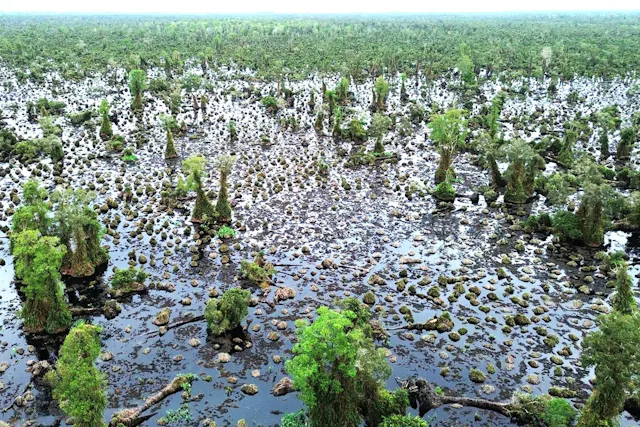
The park is characterized by melaleuca forests growing on peat-rich wetland terrain.
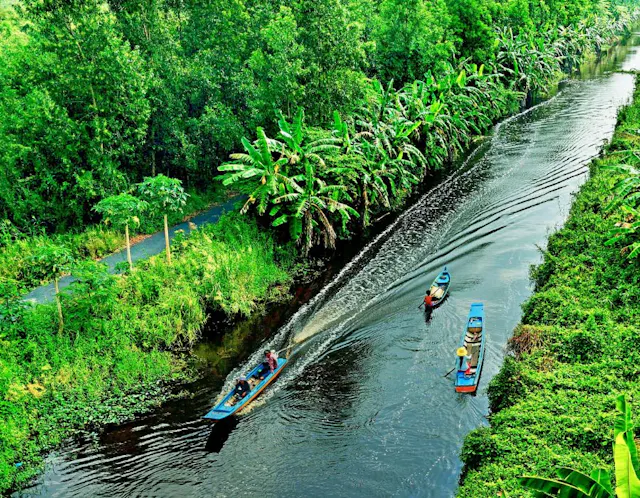
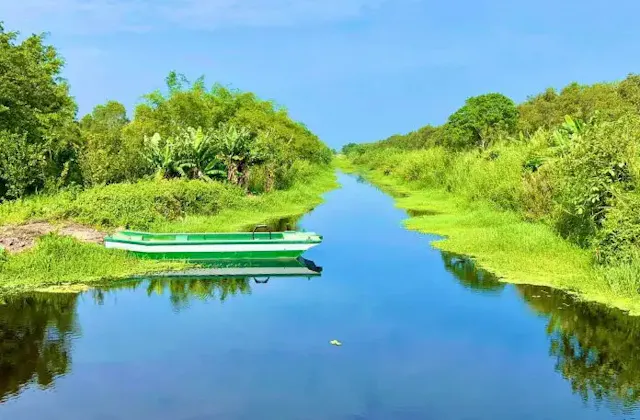
Water channels run through parts of the forest, creating habitats for fish, birds, reptiles, and other wetland species.
The park is part of the broader U Minh region, which is historically known for its extensive wetland forests and distinctive ecological environment.
The Melaleuca Forest
Melaleuca trees, locally known as cajuput trees, are the defining feature of U Minh Ha.
They are well adapted to the wet conditions of the region and form extensive forests across the park.
The tall, slender trees create a distinctive landscape that changes with water levels and seasonal conditions.
Traveling through or around the forest provides a peaceful experience, with birdsong, waterways, and dense vegetation replacing the noise of urban areas.
Peatland Ecosystem
One of U Minh Ha's most important ecological characteristics is its peatland environment.
Layers of partially decomposed organic material accumulate in the wetland over long periods, creating peat soils that support specialized plant communities.
This ecosystem is environmentally important but also vulnerable to drought and fire.
Water management and conservation are therefore essential to protecting the forest and maintaining its biodiversity.
Wildlife and Birdwatching
U Minh Ha provides habitat for a wide range of wildlife.
Visitors may encounter birds, fish, reptiles, amphibians, insects, and other species adapted to wetland environments.
Birdwatching is one of the most rewarding activities for nature enthusiasts.
Depending on the season and location, visitors may see egrets, herons, storks, kingfishers, and other wetland birds.
Wildlife sightings vary naturally, so travelers should remain quiet and patient when exploring the park.
Exploring the Park
Visitors can explore designated areas of U Minh Ha by walking along forest paths, visiting observation points, or joining local excursions.
Some areas can be accessed by boat or other small watercraft, depending on current conditions and park regulations.
The experience is generally more focused on nature observation than intensive sightseeing.
Travelers should follow designated routes and local conservation rules to minimize their impact on the environment.
The Southern Mekong Delta Landscape
U Minh Ha provides an opportunity to understand the ecological diversity of the Mekong Delta.
The delta is often associated with rice paddies, fruit orchards, canals, and floating markets, but its wetlands and forests are equally important.
U Minh Ha demonstrates how water, peat, forests, and wildlife interact within the southern landscape.
Visiting the park can therefore add an ecological dimension to a broader Mekong Delta itinerary.
Local Life Around U Minh Ha
Communities surrounding the park have traditionally depended on the region's natural resources.
Fishing, small-scale agriculture, beekeeping, and forest-related activities have all played roles in local livelihoods.
Honey production is particularly associated with melaleuca forests because bees collect nectar from flowering trees.
Local products can provide travelers with a connection to the traditional economy of the region.
Best Time to Visit U Minh Ha
The best time to visit depends on the experience travelers want.
The dry season from around December to April generally offers easier road travel and more stable weather, but water levels can be lower.
The rainy season can produce greener landscapes and higher water levels, although heavy rain may affect outdoor activities.
Because peat forests are vulnerable to fire during dry periods, some areas may have restricted access when fire risk is high.
Travelers should check current conditions before visiting.
How to Get to U Minh Ha National Park
U Minh Ha National Park is located in U Minh District, Ca Mau Province.
Travelers can reach the area by road from Ca Mau City, which is the most convenient base for exploring the park.
Private cars, motorcycles, taxis, and organized tours can be used depending on the itinerary.
Because public transportation options around the park may be limited, arranging transportation in advance is recommended.
Things to Do at U Minh Ha
Nature observation is the main activity.
Visitors can explore forest landscapes, observe birds, photograph waterways, visit observation areas, and learn about the region's wetland ecology.
Some local experiences may also introduce visitors to traditional honey collection and other forest-related activities.
The park is best enjoyed at a relaxed pace rather than as a destination for a packed schedule.
Conservation and Responsible Travel
U Minh Ha is a sensitive wetland ecosystem, so responsible tourism is important.
Visitors should remain on designated paths, avoid disturbing wildlife, take rubbish with them, and follow park regulations.
During periods of high fire risk, access restrictions should be respected.
Protecting the peatland and melaleuca forest helps preserve an important habitat for future generations.
Why Visit U Minh Ha National Park?
U Minh Ha National Park offers travelers a rare opportunity to experience the melaleuca forests, peatlands, waterways, and wildlife of Vietnam's southern wetlands.
Its quiet atmosphere and distinctive ecosystem make it very different from the region's more famous floating markets and agricultural destinations.
For travelers interested in nature, birdwatching, photography, conservation, and off-the-beaten-path experiences, U Minh Ha is a rewarding destination for discovering another side of the Mekong Delta.
U Minh Ha National Park Photo Gallery
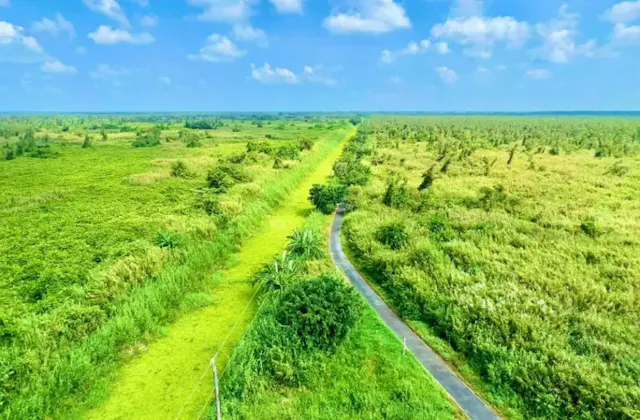
Explore our photo gallery showcasing the untouched beauty of U Minh Ha National Park. Discover peaceful melaleuca forests, winding waterways, rich birdlife, observation towers, diverse wildlife, vibrant wetlands, traditional fishing activities, and the unique landscapes that make this protected area one of the Mekong Delta's most remarkable natural destinations.
How To Get There U Minh Ha National Park
Bus and coach
Long-distance coaches operate daily between Ho Chi Minh City and Ca Mau City, the main gateway to U Minh Ha National Park. From Ca Mau City, visitors can continue by local bus, taxi, or private vehicle to U Minh District and the park entrance.
Train
There is no railway service to Ca Mau Province. Travelers arriving by train can travel to Ho Chi Minh City first, then continue by coach or domestic flight to Ca Mau.
Driving
Driving is a convenient way to reach the park. From Ho Chi Minh City, follow National Highway 1A through the Mekong Delta to Ca Mau City before continuing northwest toward U Minh District. The total journey usually takes 8–10 hours, depending on traffic conditions.
Flying
The quickest option is to take a domestic flight from Ho Chi Minh City to Ca Mau Airport. From the airport, U Minh Ha National Park can be reached in approximately 45–60 minutes by car or taxi.
Frequently Asked Questions About U Minh Ha National Park
What is U Minh Ha National Park famous for?
U Minh Ha National Park is famous for its rare peat swamp forest, extensive melaleuca woodlands, rich biodiversity, birdlife, and peaceful waterways. It is one of the Mekong Delta's most important protected natural ecosystems.
What activities can I enjoy at U Minh Ha National Park?
Visitors can enjoy boat tours through the forest, birdwatching, wildlife photography, walking nature trails, climbing observation towers, learning about wetland conservation, and experiencing the peaceful atmosphere of the park.
When is the best time to visit U Minh Ha National Park?
The dry season, from December to April, offers pleasant weather and easier access to most areas of the park. The rainy season brings lush green landscapes and excellent opportunities to observe wildlife and aquatic ecosystems.
How do I get to U Minh Ha National Park?
Most visitors travel to Ca Mau City by flight or coach before continuing by car, taxi, or local transport to U Minh District. Guided tours are also available from Ca Mau City.
Is U Minh Ha National Park suitable for families?
Yes. The park is suitable for families, nature lovers, birdwatchers, and photographers. Gentle walking trails, observation towers, and relaxing boat trips make it an enjoyable destination for visitors of all ages.
Advertising box