
Yok Don National Park
Yok Don National Park is one of Vietnam’s largest and most unique protected areas, located in Dak Lak Province in the Central Highlands. Famous for its dry deciduous forest, rich wildlife, and elephant conservation programs, the park offers an authentic safari-style nature experience. Visitors can explore forest trails, observe wild animals, and discover the cultural heritage of local ethnic communities. Go Visit Vietnam introduces the attractions, biodiversity, and eco-tourism experiences of Yok Don National Park for nature and adventure lovers.
About Yok Don National Park
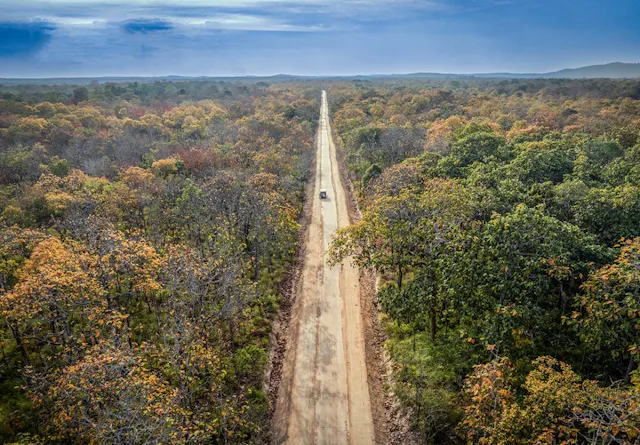
Yok Don National Park is one of Vietnam's largest protected natural areas and an important destination for experiencing the forests and wildlife of the Central Highlands. Located in Dak Lak Province, the park is known for its dry dipterocarp forests, the Srepok River, diverse wildlife, and distinctive highland landscapes.
Unlike Vietnam's humid tropical forests, Yok Don is characterized by a seasonal dry forest ecosystem. During the dry season, many trees lose their leaves, creating an open woodland landscape that is particularly distinctive in the Central Highlands. The park also has strong connections with local communities and traditional elephant culture.
What Is Yok Don National Park?
Yok Don National Park is a protected forest area in western Dak Lak, close to the Cambodian border.
The park covers a large landscape dominated by dry dipterocarp forests, rivers, grasslands, and seasonal wetlands.
Its natural environment supports numerous species of plants and animals.
The park is particularly important for conservation because it protects one of Vietnam's remaining large areas of relatively intact dry forest.
The Dry Dipterocarp Forest
The dry dipterocarp forest is one of Yok Don's most distinctive characteristics.
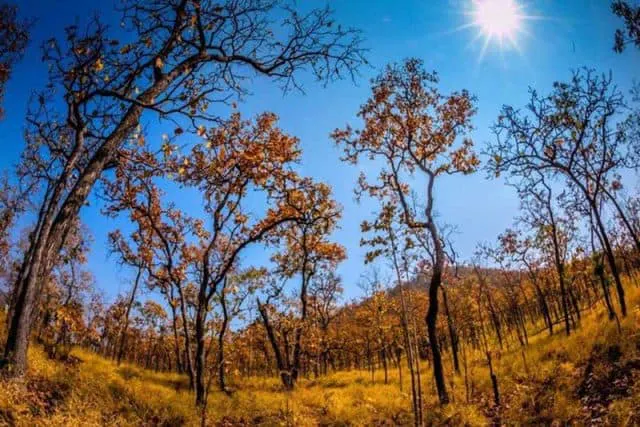
Unlike dense evergreen forests, these woodlands can appear relatively open, with widely spaced trees and grasses growing beneath them.
During the dry season, many trees lose their leaves, creating a golden and brown landscape.
When the rainy season arrives, the forest becomes greener and more vibrant.
This seasonal transformation gives Yok Don a character unlike many other national parks in Vietnam.
Wildlife and Biodiversity
Yok Don provides habitat for a wide range of wildlife.
The park has historically been associated with species such as Asian elephants, gaur, deer, wild boar, primates, reptiles, and numerous bird species.
Some populations are rare or threatened, making conservation particularly important.
Because the park is large and wildlife can move freely through the forest, sightings are never guaranteed.
Visitors should focus on the experience of exploring the natural environment rather than expecting to see specific animals.
Asian Elephants
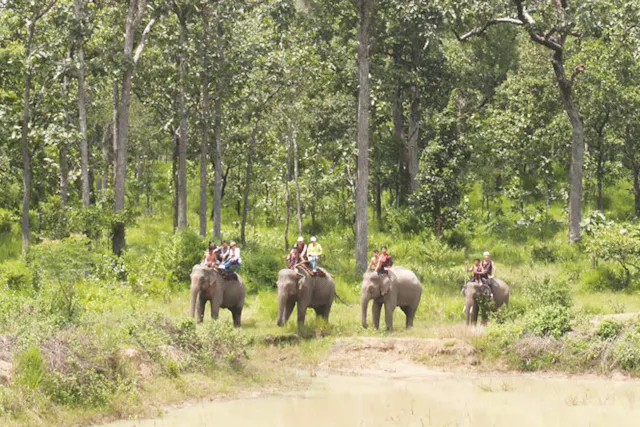
Elephants are closely connected with the cultural identity of the Central Highlands and the history of communities around Yok Don.
Historically, elephants were used for transportation, forestry, and other activities.
Today, responsible elephant conservation focuses increasingly on allowing elephants to behave naturally rather than providing entertainment based on riding or performances.
Travelers interested in elephants should choose ethical experiences that prioritize animal welfare and conservation.
The Srepok River
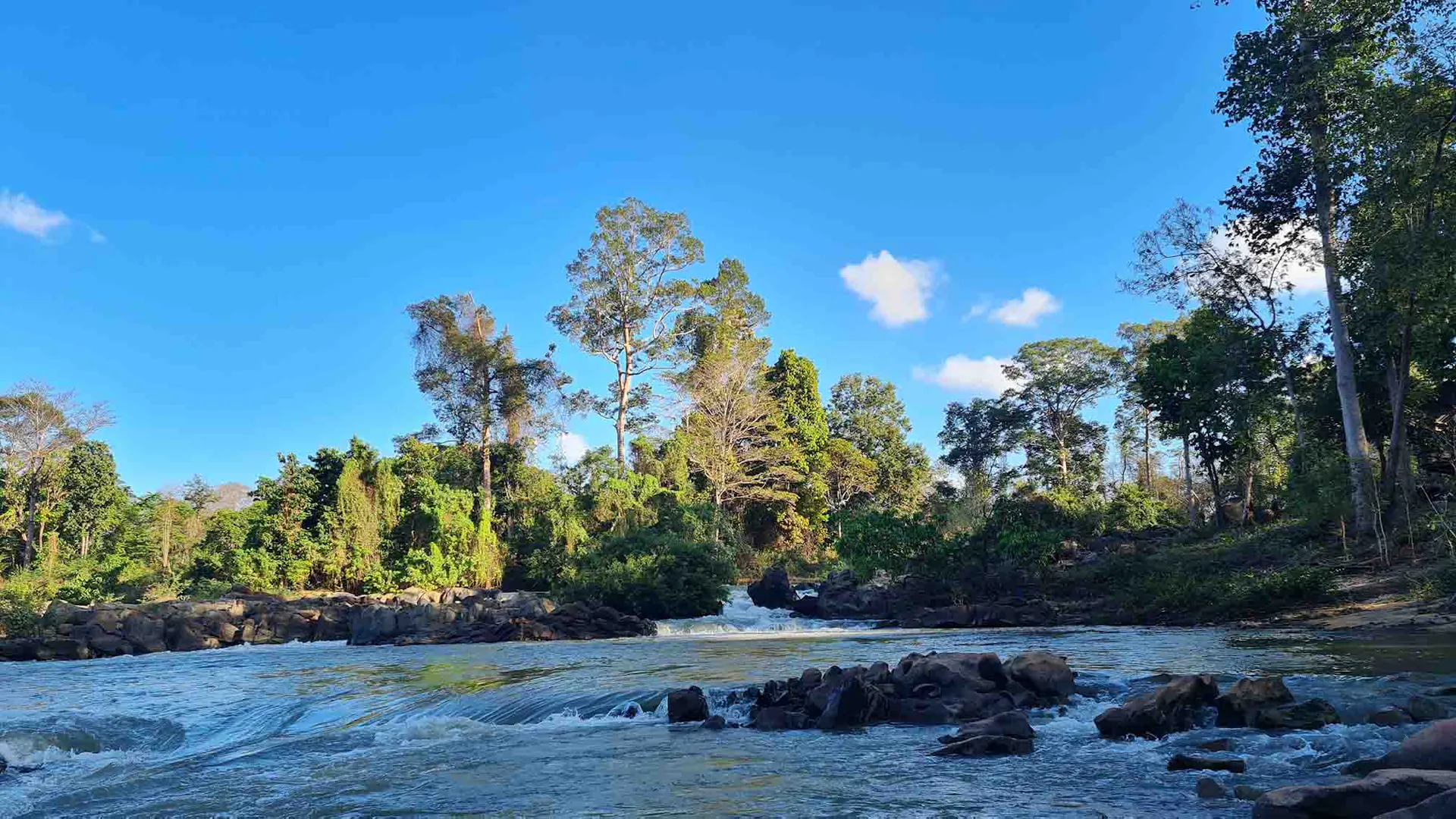
The Srepok River is an important geographical feature of Yok Don National Park.
The river flows through the Central Highlands before continuing into Cambodia.
It provides water for wildlife and contributes to the ecological diversity of the surrounding landscape.
Visitors can enjoy views of the river and explore nearby areas as part of nature and cultural excursions.
The river also provides an important connection between the park and local communities.
Hiking and Forest Exploration
Hiking is one of the best ways to experience Yok Don.
Trails pass through dry forests, grasslands, and areas surrounding the park's mountains and waterways.
Walking through the open woodland provides a different experience from hiking in dense rainforest.
Local guides can help visitors identify plants, animal tracks, birds, and other signs of wildlife.
Longer walks should be planned carefully because temperatures can become high during the dry season.
Birdwatching
Yok Don is an interesting destination for birdwatchers.
Its combination of dry forest, river environments, grasslands, and seasonal wetlands creates habitats for many bird species.
Visitors may encounter hornbills, woodpeckers, kingfishers, eagles, and other forest and river birds.
Early mornings are generally the best time for birdwatching because temperatures are cooler and wildlife tends to be more active.
Local Ethnic Cultures
The area around Yok Don is home to several ethnic communities, including Ede and M'Nong communities.
Traditional houses, weaving, farming, music, and village customs contribute to the cultural character of the Central Highlands.
Visitors can learn about local traditions through community-based tourism, homestays, and guided cultural experiences.
Respect for local customs is important when visiting villages or participating in cultural activities.
Coffee and Central Highlands Agriculture
Dak Lak is one of Vietnam's most important coffee-producing regions.
Travelers visiting Yok Don can combine a national park trip with experiences related to the region's coffee culture.
Coffee plantations, local cafés, and agricultural landscapes provide opportunities to learn how coffee has become an important part of the Central Highlands economy and identity.
Best Time to Visit Yok Don
The best time depends on the experience travelers want.
The dry season from November to April provides easier road and trail conditions, but temperatures can be hot and the forest may appear dry.
The rainy season from May to October brings greener vegetation and more water to the landscape, although heavy rain can make some routes difficult.
For hiking, early morning is recommended throughout the year.
How to Get to Yok Don National Park
Yok Don is located in Buon Don District, Dak Lak Province, approximately 40–50 kilometers from Buon Ma Thuot.
Travelers can reach the park by motorcycle, private car, taxi, or organized tour from the city.
Because the park is extensive, visitors should plan their route and confirm entrance points and available activities before traveling.
Responsible Travel
Yok Don is an important conservation area, so responsible tourism is essential.
Visitors should follow park regulations, stay on designated routes, avoid feeding or approaching wildlife, and take all rubbish with them.
Elephant experiences should be chosen carefully, with priority given to programs that allow animals to live and behave naturally.
Supporting local guides and community-based tourism can also contribute to conservation and local livelihoods.
Why Visit Yok Don National Park?
Yok Don National Park offers a distinctive experience of Vietnam's Central Highlands, combining dry forests, rivers, wildlife, elephant conservation, and local cultural traditions.
Its open woodland landscape is very different from the dense tropical forests found elsewhere in Vietnam.
For travelers interested in nature, wildlife, hiking, ethical elephant experiences, and the culture of the Central Highlands, Yok Don is an excellent destination for discovering one of Vietnam's most unique national park environments.
Yok Don National Park in Frames – Wild Forests, Safari Nature & Central Highlands Life
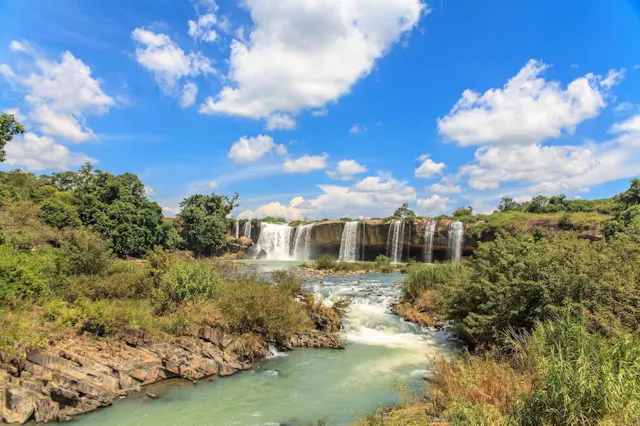
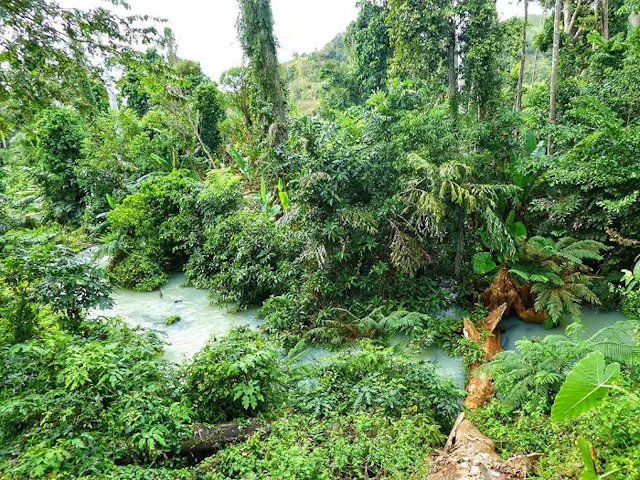
Explore the raw beauty of Yok Don National Park through a curated collection of images showcasing vast dry deciduous forests, open grasslands, wild rivers, and rich wildlife of Vietnam’s Central Highlands. From elephant conservation areas and bird-rich ecosystems to scenic Serepok River landscapes and cultural moments of local ethnic communities, the gallery captures the authentic safari-like atmosphere and natural wilderness that make Yok Don one of Vietnam’s most unique national parks.
How To Get There – Yok Don National Park
Bus and coach
Travelers can take buses from major cities such as Ho Chi Minh City, Da Nang, or Nha Trang to Buon Ma Thuot City (Dak Lak Province). From Buon Ma Thuot, visitors continue by taxi, local bus, or private transfer to Yok Don National Park, which is about 40–50 km away.
Train
There is no direct train to Yok Don National Park. The nearest railway stations are in Nha Trang or Da Nang. From there, travelers can take a bus or flight to Buon Ma Thuot and continue by road to the park.
Driving
Driving is a flexible option for reaching Yok Don National Park. Visitors can travel by car or motorbike to Buon Ma Thuot via National Highway routes through the Central Highlands. From the city center, it takes around 1–1.5 hours to reach the park entrance.
Flying
The nearest airport is Buon Ma Thuot Airport (Dak Lak). From the airport, travelers can take a taxi or private car to Yok Don National Park, with a travel time of approximately 1–1.5 hours.
Frequently Asked Questions About Yok Don National Park
What is Yok Don National Park famous for?
Yok Don National Park is famous for its dry deciduous forest, rich wildlife, elephant conservation programs, bird watching, and unique safari-like landscapes in Vietnam’s Central Highlands.
Where is Yok Don National Park located?
Yok Don National Park is located in Buon Don District, Dak Lak Province, near Buon Ma Thuot City in Vietnam’s Central Highlands.
What is the best time to visit Yok Don National Park?
The best time to visit Yok Don National Park is during the dry season from November to April when weather conditions are ideal for wildlife observation and forest exploration.
How do you get to Yok Don National Park?
Travelers can reach Yok Don National Park by flying or taking a bus to Buon Ma Thuot City, then continuing by taxi or private vehicle to the park, which is about 40–50 km away.
What activities can visitors enjoy at Yok Don National Park?
Visitors can enjoy guided forest walks, wildlife watching, bird watching, boat trips on the Serepok River, exploring dry forest landscapes, and learning about elephant conservation and local ethnic culture.
Advertising box