
Buu Long Pagoda
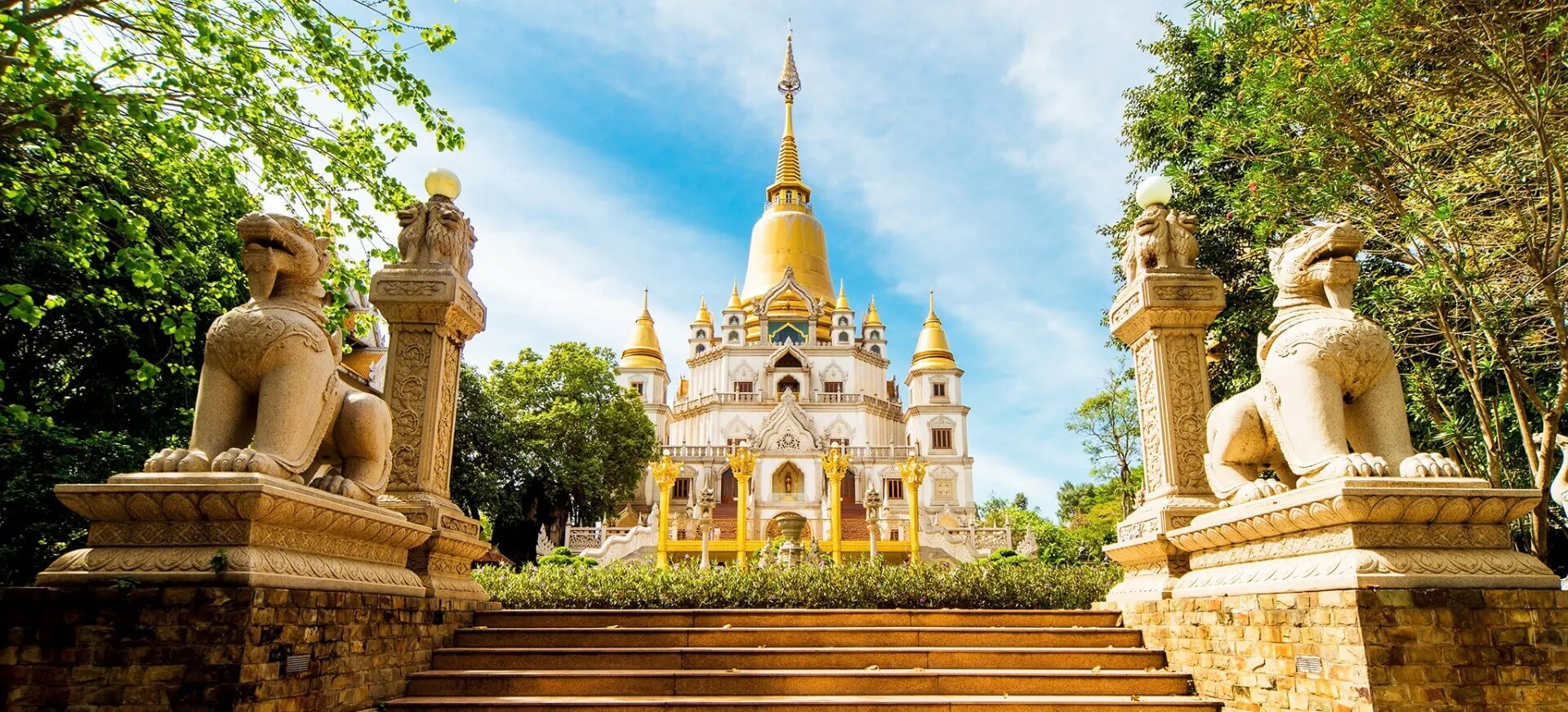
Buu Long Pagoda is one of Ho Chi Minh City’s most beautiful Buddhist landmarks, famous for its unique Thai-inspired architecture, peaceful gardens, and serene atmosphere. Located in Thu Duc City, the pagoda combines Vietnamese, Thai, and Indian Buddhist influences, creating a distinctive cultural experience. Visitors can admire the impressive Gotama Cetiya stupa, explore elegant temple spaces, and enjoy panoramic views surrounded by nature. Go Visit Vietnam introduces the history, architecture, and spiritual beauty of this hidden gem in Southern Vietnam.
Buu Long Pagoda – A Peaceful Buddhist Sanctuary with Unique Thai-Inspired Architecture
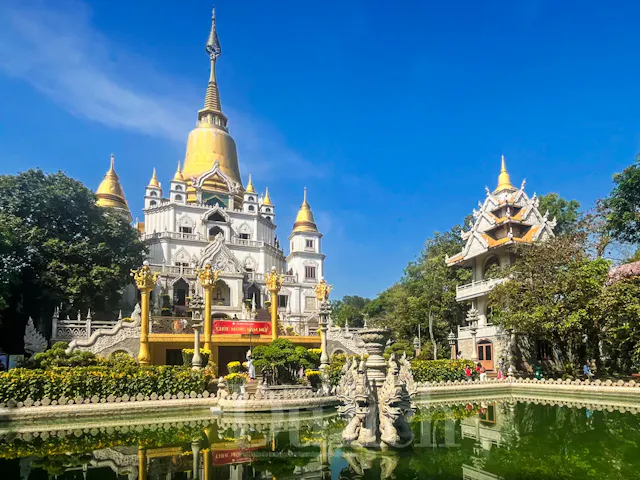
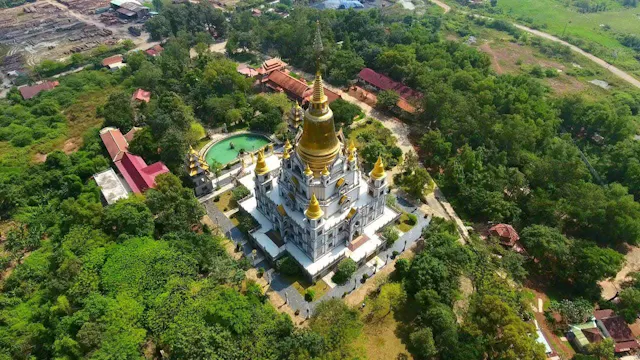
Buu Long Pagoda is one of the most distinctive Buddhist temples in southern Vietnam, known for its striking architecture, peaceful gardens, and connection with Theravada Buddhism. Located in Thu Duc City, Ho Chi Minh City, the pagoda sits on a hill surrounded by trees and overlooks a small lake, creating a tranquil setting away from the busy center of the metropolis.
With its golden towers, elaborate details, and Thai and Southeast Asian architectural influences, Buu Long Pagoda offers travelers a different experience from the more traditional Vietnamese pagodas found throughout Ho Chi Minh City.
What Is Buu Long Pagoda?
Buu Long Pagoda, officially known as Buu Long Buddhist Monastery, is a Buddhist temple associated with the Theravada tradition.
The pagoda was established in the mid-20th century and has developed into an important Buddhist center in southern Vietnam.
Unlike many Vietnamese temples that follow Mahayana Buddhist traditions, Buu Long reflects the architectural and religious influence of Theravada Buddhism, giving it a distinctive appearance.
The temple is also known for its peaceful environment and emphasis on meditation and spiritual practice.
The Golden Stupa
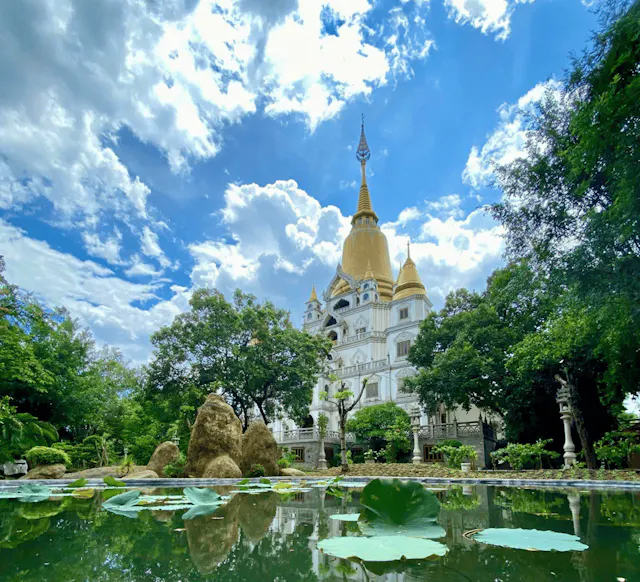
The most recognizable feature of Buu Long Pagoda is its magnificent golden stupa, which rises above the surrounding gardens.
The structure is often compared visually with Buddhist architecture found in Thailand, Myanmar, and other parts of Southeast Asia.
Its white and golden exterior, pointed towers, ornate details, and symmetrical design make it one of the most photographed Buddhist landmarks in Ho Chi Minh City.
The stupa becomes especially impressive when viewed from the gardens and surrounding lake.
Theravada Buddhist Architecture
Buu Long's architecture differs noticeably from many Vietnamese pagodas.
The design incorporates elements associated with Theravada Buddhist architecture, including rounded and pointed stupas, decorative finials, layered roofs, and elaborate ornamental details.
The influence of Southeast Asian Buddhist traditions is particularly visible in the temple's exterior forms.
This architectural combination makes Buu Long an interesting destination for travelers interested in the diversity of Buddhist traditions in Vietnam.
A Peaceful Setting
One of the defining characteristics of Buu Long Pagoda is its natural setting.
The temple is surrounded by mature trees, landscaped gardens, and a peaceful lake.
The greenery creates a strong contrast with the dense urban environment of Ho Chi Minh City.
Visitors can walk around the grounds, admire the architecture, sit quietly in the gardens, and enjoy the calm atmosphere.
The setting also makes the pagoda popular with photographers and travelers looking for a quieter attraction.
Buddhist Spiritual Life
Buu Long is an active religious institution rather than simply a historic monument.
Monks live and practice within the monastery, and Buddhist followers visit for prayer, meditation, religious study, and ceremonies.
The temple's peaceful environment supports contemplation and meditation.
Visitors should therefore treat the complex as a functioning place of worship and maintain a respectful attitude while exploring the grounds.
Meditation and Mindfulness
Meditation is an important part of Theravada Buddhist practice, and Buu Long is associated with the cultivation of mindfulness and spiritual discipline.
The quiet surroundings make the pagoda particularly suitable for visitors who want to experience a peaceful side of Ho Chi Minh City.
Although tourists can explore designated areas, they should avoid disturbing monks or worshippers during religious activities.
Architectural Details
Beyond the main stupa, Buu Long contains many decorative details worth observing.
Visitors can see intricate carvings, Buddhist symbols, ornamental columns, statues, and carefully designed roof elements.
The combination of white surfaces, golden decorations, and colorful details creates a visually distinctive style.
Walking around the complex rather than focusing only on the main building allows visitors to appreciate the architecture more fully.
Photography at Buu Long Pagoda
Buu Long is one of the most visually impressive temples in Ho Chi Minh City.
The golden stupa, gardens, lake, and surrounding trees create numerous opportunities for photography.
Early morning and late afternoon can provide softer natural light and more comfortable temperatures.
Visitors should follow any photography restrictions and avoid photographing people during private religious activities without permission.
Best Time to Visit
Buu Long Pagoda can be visited throughout the year.
The dry season from December to April is generally convenient for exploring the outdoor grounds.
Morning visits are particularly pleasant because temperatures are cooler and the atmosphere is usually peaceful.
Visitors should check current opening arrangements before traveling, as access to certain areas may depend on religious activities.
How to Get to Buu Long Pagoda
Buu Long Pagoda is located in Long Binh Ward, Thu Duc City, in the eastern part of Ho Chi Minh City.
It is considerably farther from central District 1 than many major tourist attractions.
Travelers can reach the pagoda by taxi, ride-hailing service, motorcycle, or private car.
Because of its location, it is best combined with other attractions in Thu Duc City rather than treated as a quick stop between central District 1 landmarks.
Why Visit Buu Long Pagoda?
Buu Long Pagoda offers travelers an opportunity to experience Theravada Buddhist culture, Southeast Asian-inspired architecture, and a peaceful natural environment within Ho Chi Minh City.
Its magnificent golden stupa, landscaped gardens, tranquil lake, and distinctive architectural style make it one of the city's most memorable religious landmarks.
For travelers looking beyond the usual central attractions, Buu Long provides a quieter and more contemplative experience while showcasing the remarkable diversity of Buddhist traditions found in Vietnam.
Buu Long Pagoda in Frames – Thai-Inspired Architecture & Peaceful Buddhist Beauty
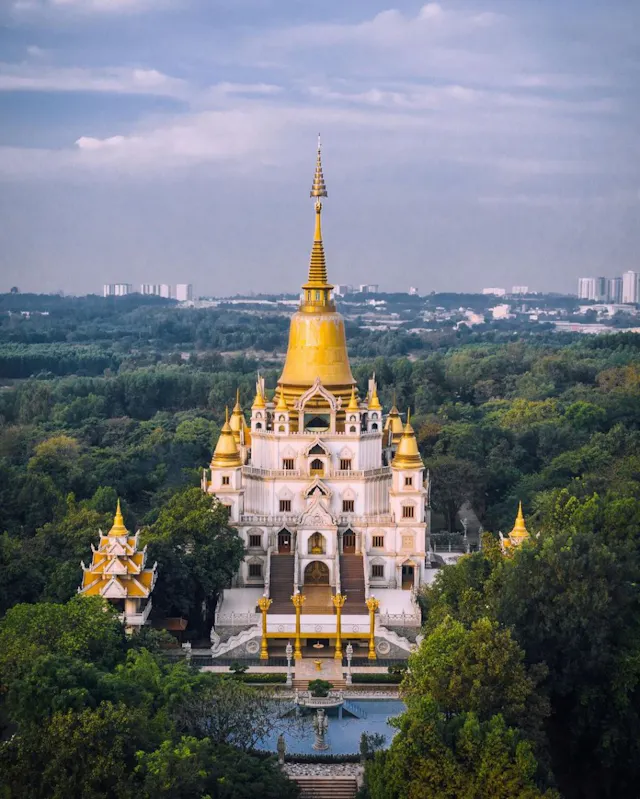
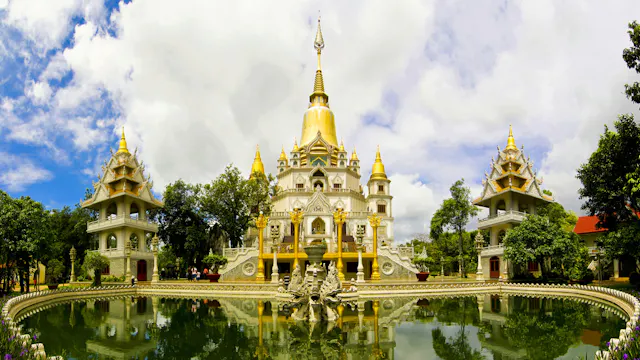
Explore the beauty of Buu Long Pagoda through a collection of images showcasing its stunning white stupa, elegant Buddhist architecture, peaceful gardens, and natural surroundings along the Dong Nai River. From the impressive Gotama Cetiya structure to traditional temple details and tranquil landscapes, the gallery captures the unique cultural blend, spiritual atmosphere, and architectural charm of one of Ho Chi Minh City’s most remarkable pagodas.
How To Get There – Buu Long Pagoda
Bus and coach
Public buses are an affordable way to reach Buu Long Pagoda from central Ho Chi Minh City. Travelers can take local bus routes toward Thu Duc City and continue with a short walk, taxi, or ride-hailing service to the pagoda. This option is suitable for visitors who want to experience local transportation.
Train
There is no direct train to Buu Long Pagoda. Travelers arriving by train can reach Saigon Railway Station in District 3, then continue by taxi, Grab, or private vehicle to Thu Duc City. The journey usually takes around 40–60 minutes depending on traffic.
Driving
Driving is one of the most convenient ways to visit Buu Long Pagoda. From central Ho Chi Minh City, the pagoda is around 20–25 km away and can be reached by car or motorbike via major roads. The route is easy to follow and parking is available near the entrance.
Flying
The nearest airport is Tan Son Nhat International Airport. From the airport, visitors can take a taxi, private transfer, or ride-hailing service directly to Buu Long Pagoda. The travel time is usually around 45–60 minutes depending on traffic conditions.
Frequently Asked Questions About Buu Long Pagoda
What is Buu Long Pagoda famous for?
Buu Long Pagoda is famous for its unique Thai-inspired Buddhist architecture, peaceful surroundings, and the impressive Gotama Cetiya Stupa. The pagoda represents a blend of Vietnamese, Thai, and Indian Buddhist influences.
Where is Buu Long Pagoda located?
Buu Long Pagoda is located at 81 Nguyen Xien Street, Long Binh Ward, Thu Duc City, Ho Chi Minh City. It is situated on a hill overlooking the Dong Nai River, about 20–25 km from central Ho Chi Minh City.
What is the best time to visit Buu Long Pagoda?
The best time to visit is in the morning or late afternoon when the weather is cooler and the lighting is ideal for photography. Weekdays are usually quieter and more peaceful than weekends.
Is there an entrance fee to visit Buu Long Pagoda?
No, visiting Buu Long Pagoda is free. Visitors can explore the temple grounds, gardens, and architectural highlights without an entrance ticket. Donations are optional for those who wish to support the pagoda.
How long does it take to visit Buu Long Pagoda?
Most visitors spend around 1–2 hours exploring Buu Long Pagoda. Travelers can admire the stupa, take photos, enjoy the peaceful atmosphere, and combine the visit with other attractions in Thu Duc City.
Advertising box