
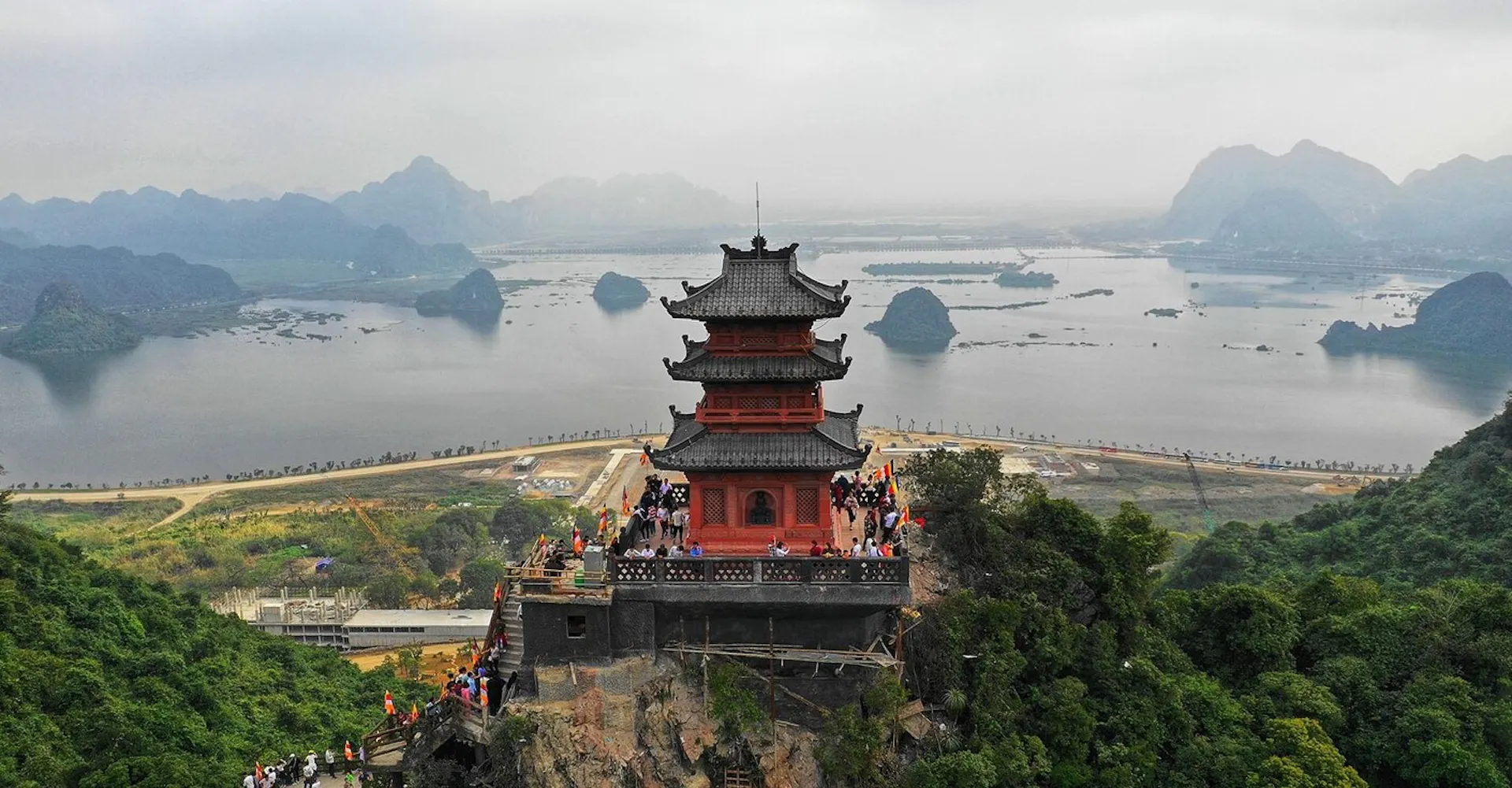
Huong Pagoda
Huong Pagoda is one of Vietnam’s most important Buddhist destinations, located among the limestone mountains and peaceful waterways of Huong Son, Hanoi. Known as a sacred pilgrimage site, the complex features ancient temples, caves, and stunning natural landscapes that attract visitors seeking spirituality, culture, and tranquility. Experience a scenic boat journey, explore historic pagodas, and discover the traditions behind one of Vietnam’s largest religious festivals. Go Visit Vietnam guides you through the history, beauty, and spiritual meaning of Huong Pagoda.
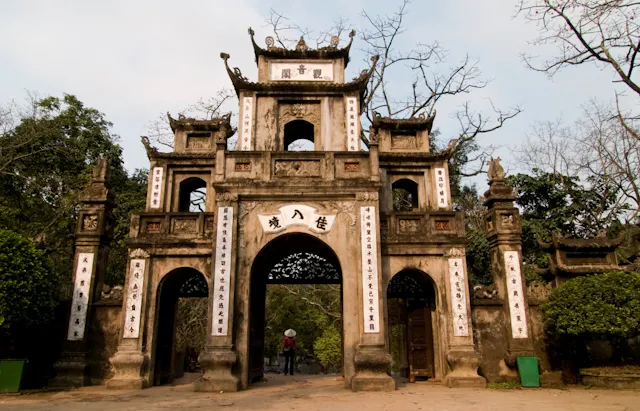
About Huong Pagoda
Huong Pagoda, also known as the Perfume Pagoda, is one of Vietnam's most famous Buddhist pilgrimage destinations. Located in My Duc District, Hanoi, the complex is spread across a spectacular limestone mountain landscape along the Yen River. Rather than being a single temple, Huong Pagoda refers to a large network of temples, shrines, caves, and religious sites surrounded by forested mountains.
The destination is particularly famous for its annual pilgrimage season, when thousands of Vietnamese visitors travel to the area to pray, make offerings, and participate in traditional Buddhist ceremonies.
What Is Huong Pagoda?
Huong Pagoda is a large Buddhist and religious complex situated approximately 60 to 70 kilometers southwest of central Hanoi.
The complex includes numerous temples and shrines located around Huong Son Mountain.
Among the most important sites are Thien Tru Pagoda, Huong Tich Cave, Giai Oan Pagoda, and Long Van Pagoda.
The combination of religious architecture, caves, rivers, and limestone mountains makes Huong Pagoda one of the most distinctive cultural landscapes near Hanoi.
Huong Tich Cave
The spiritual center of the pilgrimage area is Huong Tich Cave.
The cave is located high on Huong Tich Mountain and contains Buddhist and natural formations that have attracted pilgrims for centuries.
Visitors can reach the cave by hiking up the mountain or, depending on current operations, using a cable car for part of the journey.
The cave's dramatic interior and religious significance make it one of the highlights of a visit to Huong Pagoda.
Thien Tru Pagoda
Thien Tru Pagoda is one of the first major religious sites visitors encounter after traveling along the Yen River.
The temple is surrounded by mountains and forest and serves as an important center for worship and pilgrimage.
Its traditional architecture, courtyards, bells, Buddhist statues, and surrounding landscape create a peaceful atmosphere.
For many visitors, Thien Tru is an important stop before continuing toward Huong Tich Cave.
The Yen River Boat Journey
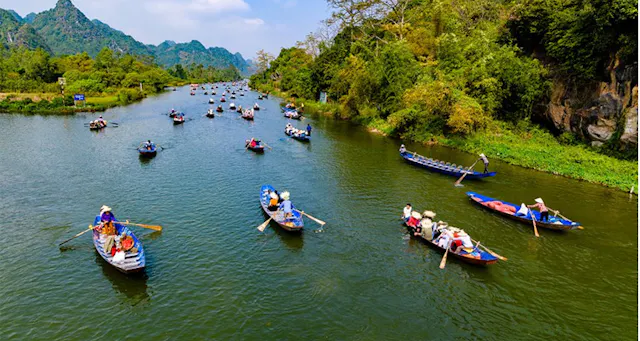
One of the most memorable parts of visiting Huong Pagoda is traveling by boat along the Yen River.
Traditional boats carry visitors through a scenic landscape of limestone mountains, rice fields, waterways, and forest.
The journey can be particularly beautiful during spring when the surrounding vegetation is green and the pilgrimage season is underway.
The boat trip also provides a slower and more peaceful way to experience the natural landscape.
Huong Pagoda Festival
The Huong Pagoda Festival is one of the largest and most important religious festivals in northern Vietnam.
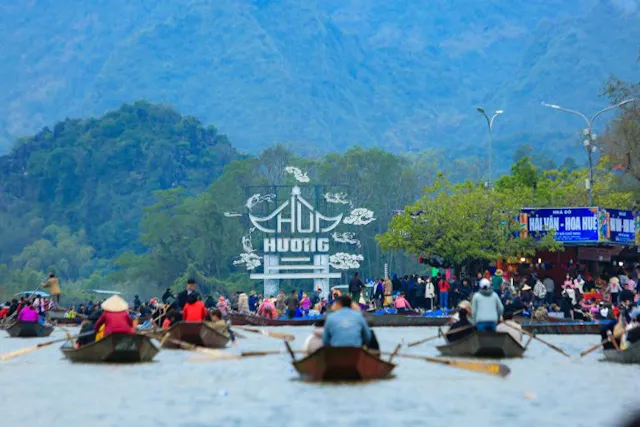
The festival traditionally takes place during the first months of the lunar year and attracts large numbers of pilgrims.
Visitors come to pray for health, happiness, prosperity, and good fortune.
The festival combines Buddhist rituals, traditional customs, boat journeys, mountain walks, and local food.
Travelers visiting during this period should expect significant crowds and busy transportation.
Buddhist Pilgrimage
Huong Pagoda has been an important pilgrimage destination for centuries.
For Vietnamese Buddhists and other visitors, traveling to the temples and caves is itself part of the spiritual experience.
Pilgrims may burn incense, make offerings, pray, and visit sacred sites throughout the complex.
The journey through the mountains and along the river creates a strong connection between the religious experience and the natural landscape.
Limestone Mountains and Natural Scenery
The Huong Son landscape is characterized by limestone mountains, forests, streams, caves, and valleys.
These geological formations create a dramatic backdrop for the temples and religious sites.
The surrounding scenery changes throughout the year, with spring bringing lush vegetation and festival activity, while other seasons offer quieter trails and fewer visitors.
Nature is therefore an important part of the Huong Pagoda experience.
Hiking at Huong Pagoda
Visitors who enjoy walking can explore several mountain paths around the complex.
The route toward Huong Tich Cave includes stairs and steep sections, making comfortable footwear important.
Hiking allows travelers to experience the forest, viewpoints, caves, and smaller religious sites along the way.
Those who prefer a less demanding journey can use available cable car services where appropriate.
Best Time to Visit
The most famous time to visit Huong Pagoda is during the spring pilgrimage season, generally around February to April depending on the lunar calendar.
This period offers the most vibrant cultural experience but also attracts the largest crowds.
For travelers seeking a quieter visit, other months may provide a more relaxed atmosphere.
Cooler months are generally more comfortable for hiking, while weather conditions should always be considered before planning outdoor activities.
How to Get to Huong Pagoda
Huong Pagoda is located approximately 60 to 70 kilometers southwest of Hanoi.
Visitors can travel by private car, taxi, organized tour, or other road transportation to the Huong Son area.
Once there, visitors typically travel by boat along the Yen River before continuing to the temples and mountain sites.
The journey from central Hanoi generally requires several hours, especially during the festival season.
What to Expect When Visiting
Huong Pagoda is a large pilgrimage landscape rather than a single attraction.
Visitors should expect a combination of boat travel, walking, temple visits, mountain paths, and potentially long periods outdoors.
Comfortable footwear, sun protection, drinking water, and modest clothing are recommended.
During festival periods, the area can become extremely busy, so travelers should allow extra time for transportation and sightseeing.
Why Visit Huong Pagoda?
Huong Pagoda offers travelers a unique combination of Vietnamese Buddhist culture, pilgrimage traditions, mountain scenery, caves, and river landscapes.
The journey along the Yen River, the historic temples, and the dramatic Huong Tich Cave make the destination much more than a conventional temple visit.
For travelers interested in spirituality, Vietnamese culture, nature, hiking, and traditional festivals, Huong Pagoda is one of the most rewarding cultural excursions from Hanoi and an important destination for understanding Vietnam's living Buddhist traditions.
Huong Pagoda in Frames – Sacred Caves, Mountain Rivers & Spiritual Landscapes
Explore the beauty of Huong Pagoda through a stunning collection of images featuring limestone mountains, peaceful rivers, ancient temples, and sacred caves. From the scenic boat journey along Yen Stream to the iconic Huong Tich Cave and tranquil pagoda complexes hidden in nature, the gallery captures the spiritual atmosphere, cultural heritage, and breathtaking landscapes of one of Vietnam’s most important pilgrimage destinations.
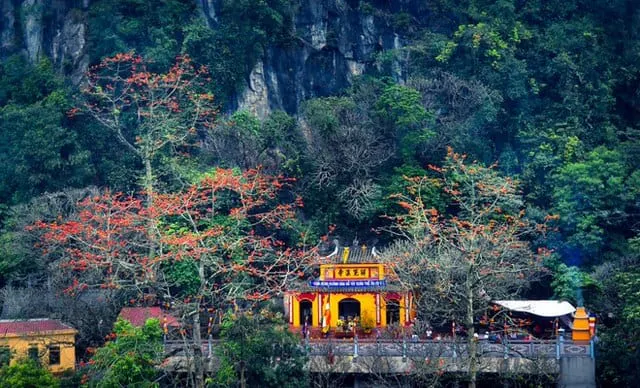
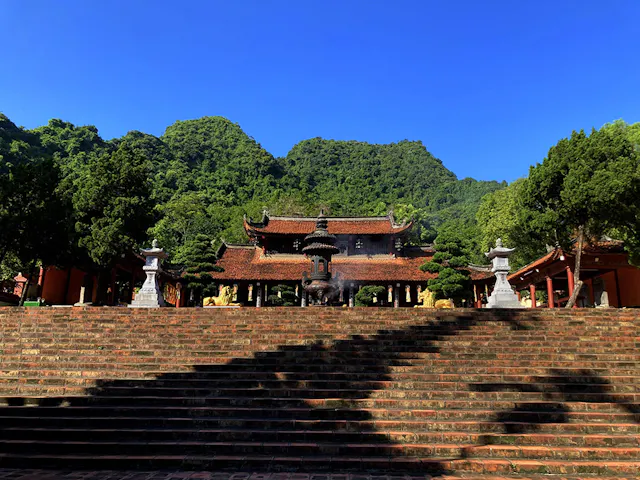
How To Get There – Huong Pagoda
Bus and coach
Buses are a popular and budget-friendly way to reach Huong Pagoda from Hanoi. Travelers can take buses or shared coaches from Hanoi city center or My Dinh Bus Station to My Duc District, then continue by taxi or local transport to the Yen Stream boat pier. This is a convenient option for independent travelers.
Train
There is no direct train to Huong Pagoda. The nearest railway access is Hanoi Railway Station, from where visitors can continue the journey by bus, taxi, or private car to My Duc District. Train travel is suitable for those combining Huong Pagoda with other Northern Vietnam destinations.
Driving
Driving is one of the most flexible ways to visit Huong Pagoda. From Hanoi, the journey takes about 1.5–2 hours via major roads to My Duc District. Visitors can park near the boat station and continue the trip by boat into the pagoda complex.
Flying
The nearest airport is Noi Bai International Airport (Hanoi). From the airport, travelers can take a taxi, private transfer, or ride-hailing service to Huong Pagoda. The total travel time is approximately 2–2.5 hours depending on traffic conditions.
Frequently Asked Questions About Huong Pagoda
What is Huong Pagoda famous for?
Huong Pagoda is famous as one of Vietnam’s largest Buddhist pilgrimage complexes, known for its sacred temples, caves, mountain landscapes, and spiritual atmosphere. It is especially popular during the annual Huong Pagoda Festival in spring.
Where is Huong Pagoda located?
Huong Pagoda is located in Huong Son Commune, My Duc District, about 60 km southwest of Hanoi. The site is surrounded by limestone mountains, rivers, and peaceful countryside scenery.
What is the best time to visit Huong Pagoda?
The best time to visit is from January to April, especially during the Huong Pagoda Festival season. This period offers pleasant weather, cultural activities, and a vibrant spiritual atmosphere.
How do you get to Huong Pagoda?
Visitors typically travel from Hanoi by bus, car, or taxi to My Duc District, then continue by boat along Yen Stream to reach the pagoda complex. The boat journey is an important and scenic part of the experience.
How long does it take to visit Huong Pagoda?
A full visit usually takes half a day to one full day depending on the route and activities. Travelers often combine boat trips, hiking, and exploring multiple temples and caves within the complex.
Advertising box