
Truc Lam Monastery Da Lat
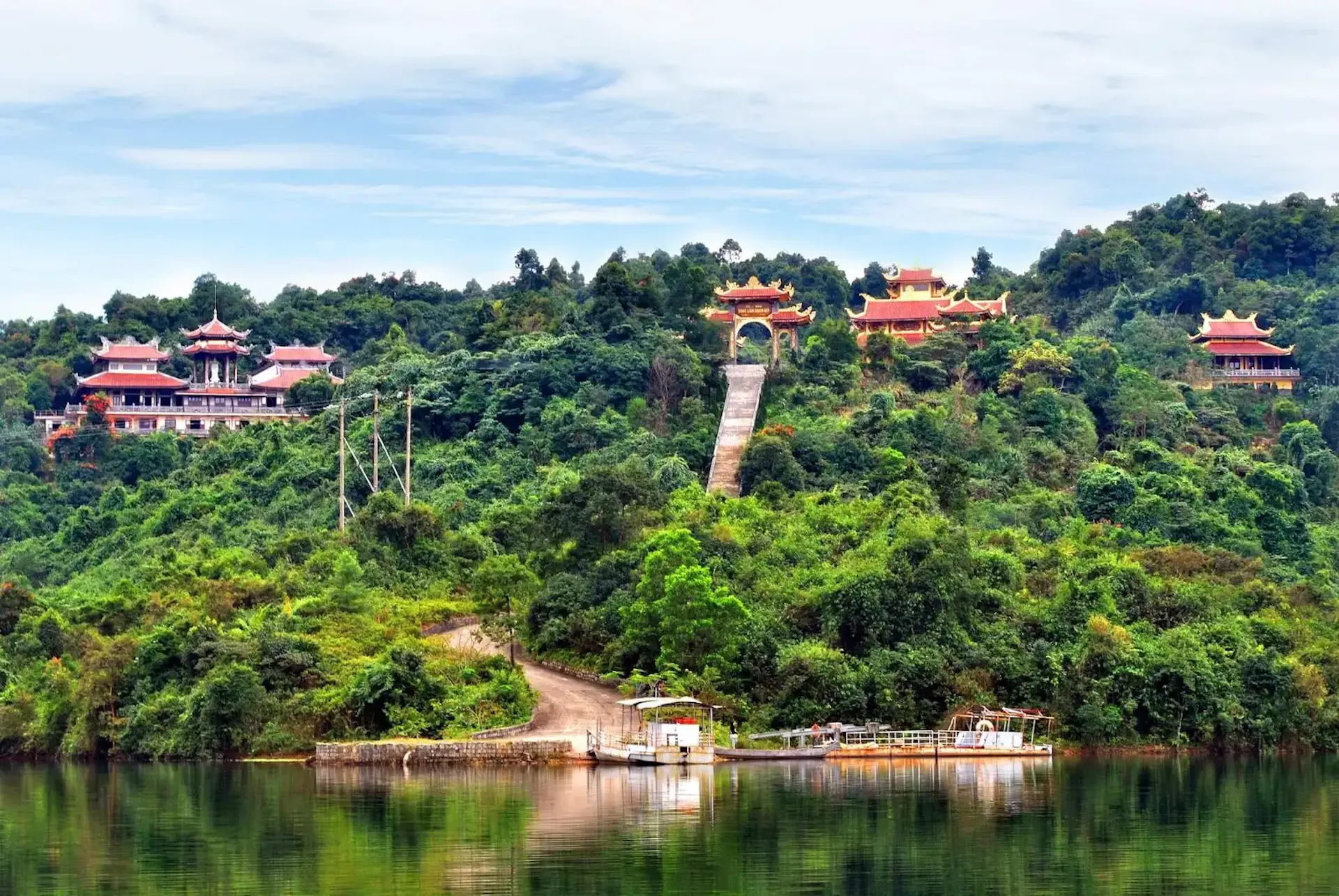
Truc Lam Monastery is one of Da Lat’s most beautiful spiritual destinations, located on Phung Hoang Mountain overlooking the peaceful Tuyen Lam Lake. Known as one of Vietnam’s largest Zen Buddhist monasteries, it offers a serene atmosphere surrounded by pine forests, gardens, and mountain landscapes. Visitors can explore traditional Buddhist architecture, enjoy peaceful scenery, and experience a moment of relaxation away from the city. Go Visit Vietnam introduces the history, beauty, and spiritual charm of Truc Lam Monastery Da Lat.
Truc Lam Monastery Da Lat – A Peaceful Zen Sanctuary Amid Highland Nature
Truc Lam Monastery Da Lat, also known as Truc Lam Zen Monastery, is one of the most beautiful Buddhist destinations in the Central Highlands of Vietnam. Located on Phung Hoang Mountain, overlooking the peaceful Tuyen Lam Lake, the monastery combines traditional Vietnamese Buddhist architecture with the pine-covered landscapes for which Da Lat is famous.
Surrounded by forests, gardens, mountains, and cool highland air, Truc Lam Monastery offers visitors a peaceful place to experience Vietnamese Zen Buddhism while enjoying some of the most scenic landscapes around Da Lat.
What Is Truc Lam Monastery?
Truc Lam Monastery is a Zen Buddhist monastery belonging to the Truc Lam Yen Tu Zen tradition.
The monastery was established in the early 1990s and has become an important center for Buddhist practice, meditation, and spiritual study in Vietnam.
Unlike many historic pagodas in Vietnam, Truc Lam Monastery is relatively modern. Its importance comes from its religious role, traditional architecture, beautiful setting, and connection with the revival of Vietnamese Zen Buddhism.
Truc Lam Zen Buddhism
The monastery follows the Truc Lam Zen tradition, which has roots in Vietnamese Buddhism and is strongly associated with King Tran Nhan Tong of the Tran Dynasty.
After giving up the throne, Tran Nhan Tong became a Buddhist practitioner and helped establish the Truc Lam Zen tradition in northern Vietnam.
The tradition emphasizes meditation, mindfulness, spiritual discipline, and the integration of Buddhist practice with everyday life.
Truc Lam Monastery in Da Lat represents a modern continuation of this Vietnamese Zen heritage.
Location on Phung Hoang Mountain
The monastery is situated on Phung Hoang Mountain, overlooking Tuyen Lam Lake.
Its elevated location provides beautiful views of the surrounding pine forests, mountains, and water.
The natural environment contributes significantly to the monastery's peaceful atmosphere.
Visitors can enjoy the landscape while walking through the temple grounds, making the destination appealing to both spiritual travelers and nature lovers.
Tuyen Lam Lake
Tuyen Lam Lake is one of Da Lat's most scenic natural attractions and lies directly below the monastery.
The lake is surrounded by pine forests and rolling hills, creating a tranquil setting that contrasts with the busy center of Da Lat.
From the monastery, visitors can enjoy views across the lake and surrounding mountains.
The combination of the monastery, lake, and forest makes this one of the most photographed landscapes in the Da Lat area.
Traditional Vietnamese Architecture
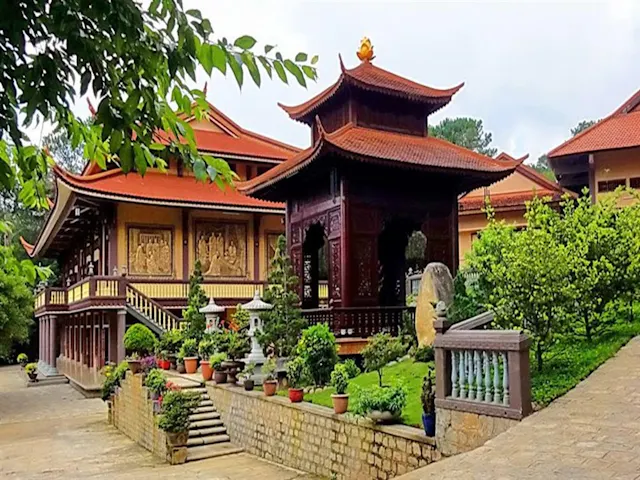
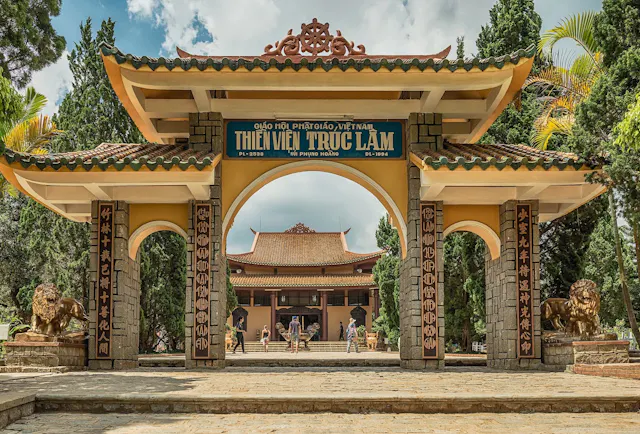
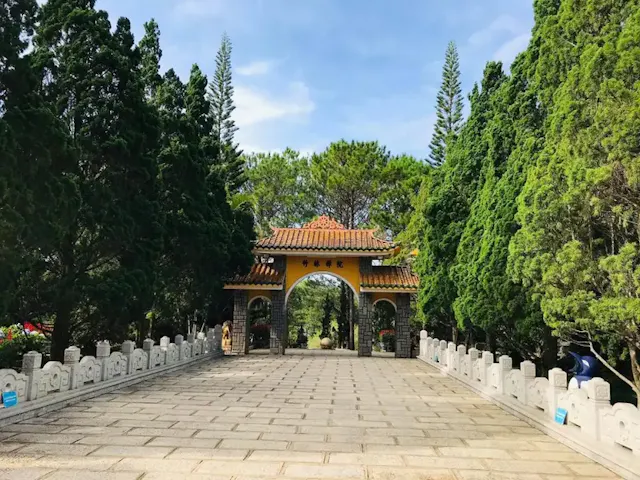
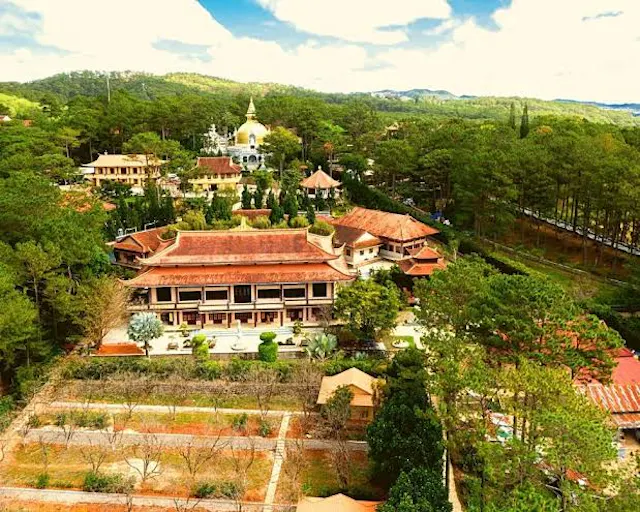
The monastery features traditional Vietnamese Buddhist architecture with tiled roofs, wooden structures, decorative gates, courtyards, and carefully designed gardens.
The main buildings are arranged around spacious courtyards and landscaped areas.
Architectural details include curved rooflines, Buddhist statues, ornamental carvings, and traditional decorative motifs.
The design creates a strong sense of harmony between the buildings and their natural surroundings.
Main Temple
The main temple is the spiritual heart of the monastery.
Inside, visitors can observe Buddhist statues, ceremonial objects, incense, and traditional religious decorations.
The space is used for Buddhist ceremonies, meditation, prayer, and religious study.
Visitors should remain quiet and respectful when entering the temple, particularly when monks or worshippers are engaged in religious activities.
Monastery Gardens
The gardens surrounding Truc Lam Monastery are another major attraction.
They contain colorful flowers, ornamental plants, trees, stone features, and peaceful walking paths.
Da Lat is famous for its flowers and cool climate, and the monastery's gardens reflect this natural character.
Visitors can spend time walking through the gardens and enjoying views of the surrounding mountains and lake.
Cable Car to Truc Lam Monastery
One of the most enjoyable ways to reach the monastery is by Da Lat cable car.
The cable car route provides panoramic views over Da Lat's pine forests, mountains, and valleys.
The journey is relatively short but offers a memorable perspective of the highland landscape.
Travelers can combine a cable car ride with a visit to the monastery and Tuyen Lam Lake for a relaxing half-day excursion.
A Peaceful Escape from Da Lat
Although Da Lat is known for its cafés, markets, flower gardens, and busy tourist areas, Truc Lam Monastery provides a quieter alternative.
The surrounding pine forest and mountain setting create a calm atmosphere that encourages visitors to slow down and appreciate the landscape.
It is an especially attractive destination for travelers interested in photography, nature, architecture, and cultural experiences.
Best Time to Visit
Truc Lam Monastery can be visited throughout the year because Da Lat has a relatively mild climate.
The dry season from November to April is generally convenient for outdoor sightseeing and offers a lower chance of heavy rain.
Morning visits are often ideal for cooler temperatures and clearer views across Tuyen Lam Lake.
During rainy periods, the surrounding forests can become especially green, although cloud and mist may reduce visibility.
How to Get to Truc Lam Monastery
The monastery is located approximately 5 to 7 kilometers from central Da Lat, depending on the route.
Visitors can reach it by taxi, motorcycle, private car, or organized tour.
The cable car from Da Lat provides another popular option.
Travelers can easily combine the monastery with Tuyen Lam Lake, Datanla Waterfall, and other attractions in the southern part of Da Lat.
Why Visit Truc Lam Monastery Da Lat?
Truc Lam Monastery offers a memorable combination of Vietnamese Zen Buddhism, traditional architecture, mountain scenery, pine forests, and Tuyen Lam Lake.
Its peaceful setting makes it one of the best places around Da Lat to escape the city's busier tourist areas and experience a more contemplative side of the Central Highlands.
For travelers interested in culture, spirituality, architecture, photography, and nature, Truc Lam Monastery is an essential stop on a Da Lat itinerary.
Truc Lam Monastery Da Lat in Frames – Zen Architecture, Pine Forests & Tuyen Lam Lake Views
Explore the peaceful beauty of Truc Lam Monastery Da Lat through a collection of images showcasing elegant Buddhist architecture, tranquil gardens, pine-covered mountains, and scenic views of Tuyen Lam Lake. From serene temple spaces and traditional details to the natural landscapes surrounding the monastery, the gallery captures the harmony between spirituality, culture, and the refreshing beauty of Da Lat’s highlands.

How To Get There – Truc Lam Monastery Da Lat
Bus and coach
Travelers can reach Da Lat by bus from major cities such as Ho Chi Minh City, Nha Trang, and other Central Highlands destinations. From Da Lat city center, visitors can continue by local bus, taxi, or ride-hailing service to Truc Lam Monastery near Tuyen Lam Lake. Bus travel is a popular budget-friendly option for reaching Da Lat.
Train
Da Lat does not have direct train connections from most major cities. Visitors can take trains to nearby railway stations such as Nha Trang Railway Station, then continue by bus or private transfer to Da Lat. The historic Da Lat Railway Station is mainly used for short tourist train experiences rather than long-distance travel.
Driving
Driving to Truc Lam Monastery offers flexibility and beautiful highland scenery. From Da Lat city center, the monastery is around 7–8 km away and can be reached in about 20 minutes by car or motorbike. The route passes through pine forests and offers scenic views of the surrounding landscape.
Flying
The nearest airport is Lien Khuong International Airport, located about 30 km from Da Lat city. Travelers can take domestic flights from major Vietnamese cities, then continue by taxi, private transfer, or shuttle service to Truc Lam Monastery.
Frequently Asked Questions About Truc Lam Monastery Da Lat
What is Truc Lam Monastery Da Lat famous for?
Truc Lam Monastery is famous as one of Vietnam’s largest Zen Buddhist monasteries, known for its peaceful atmosphere, traditional architecture, beautiful gardens, and stunning views of Tuyen Lam Lake and the surrounding mountains.
Where is Truc Lam Monastery located?
Truc Lam Monastery is located on Phung Hoang Mountain, about 7–8 km from Da Lat city center in Lam Dong Province. It overlooks the scenic Tuyen Lam Lake and is surrounded by pine forests and highland landscapes.
What is the best time to visit Truc Lam Monastery Da Lat?
The best time to visit is during the morning or late afternoon when the weather is cool and the atmosphere is peaceful. Da Lat’s dry season from November to April is ideal for sightseeing and enjoying clear mountain views.
Is there an entrance fee to visit Truc Lam Monastery?
No, visiting Truc Lam Monastery is free. Travelers can explore the temple grounds, gardens, and viewpoints without an entrance ticket. Optional services such as the cable car ride may require additional fees.
How long does it take to visit Truc Lam Monastery?
Most visitors spend around 1–2 hours exploring the monastery, taking photos, and enjoying the peaceful surroundings. If combined with nearby attractions such as Tuyen Lam Lake or the cable car experience, the visit can take half a day.
Advertising box