
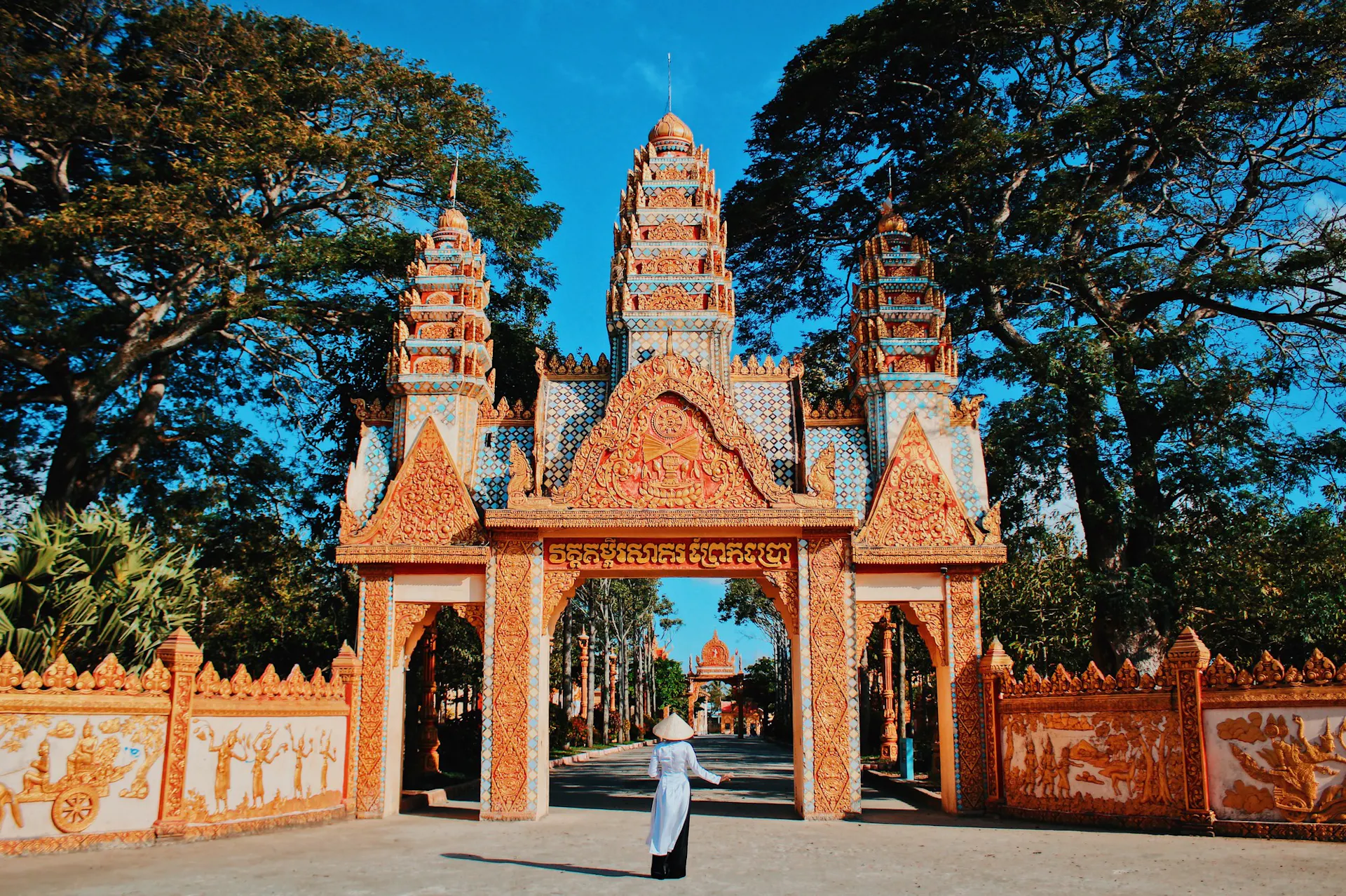
Xiem Can Pagoda
Xiem Can Pagoda is one of the most impressive Khmer Buddhist temples in Southern Vietnam, located in Bac Lieu Province. Known for its colorful architecture, intricate decorations, and peaceful spiritual atmosphere, the pagoda reflects the rich cultural heritage of the Khmer community in the Mekong Delta. Visitors can admire traditional temple designs, learn about Buddhist traditions, and experience the unique blend of culture, history, and religion. Go Visit Vietnam introduces the beauty and significance of this remarkable cultural landmark in Southern Vietnam.
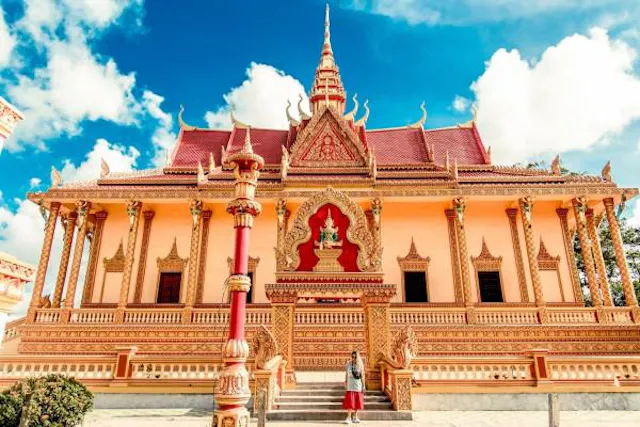
Xiem Can Pagoda – A Khmer Buddhist Heritage Gem in the Mekong Delta
Xiem Can Pagoda is one of the most important Khmer Buddhist temples in Vietnam and one of the most remarkable cultural landmarks in the Mekong Delta. Located in Bac Lieu Province, approximately 10 kilometers from Bac Lieu City, the pagoda is renowned for its impressive Khmer architecture, colorful decorative details, and deep connection to the spiritual and cultural life of the local Khmer community.
For travelers interested in culture, religion, architecture, and ethnic heritage, Xiem Can Pagoda offers a unique opportunity to experience a different side of Vietnam beyond its major cities and famous tourist destinations.
What Is Xiem Can Pagoda?
Xiem Can Pagoda is a Theravada Buddhist temple belonging to the Khmer ethnic community of southern Vietnam.
The temple serves not only as a place of worship but also as a center for education, cultural preservation, community gatherings, and traditional festivals.
The name "Xiem Can" is derived from the Khmer language, reflecting the region's long-standing Khmer heritage.
Today, the pagoda remains one of the largest and most significant Khmer religious sites in the Mekong Delta.
Khmer Culture in Southern Vietnam
The Mekong Delta is home to a large Khmer population whose history in the region dates back centuries.
Khmer communities have preserved their own language, religious traditions, festivals, music, dance, and architectural styles while contributing to the cultural diversity of Vietnam.
Xiem Can Pagoda is an excellent place to learn about this heritage and understand the important role Buddhism plays in Khmer society.
Traditional Khmer Architecture
One of the most striking features of Xiem Can Pagoda is its architecture.
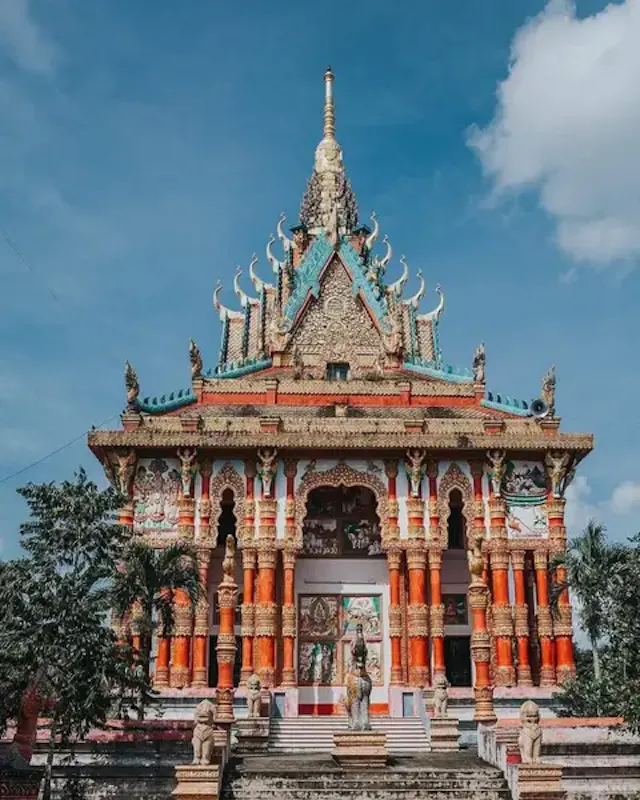
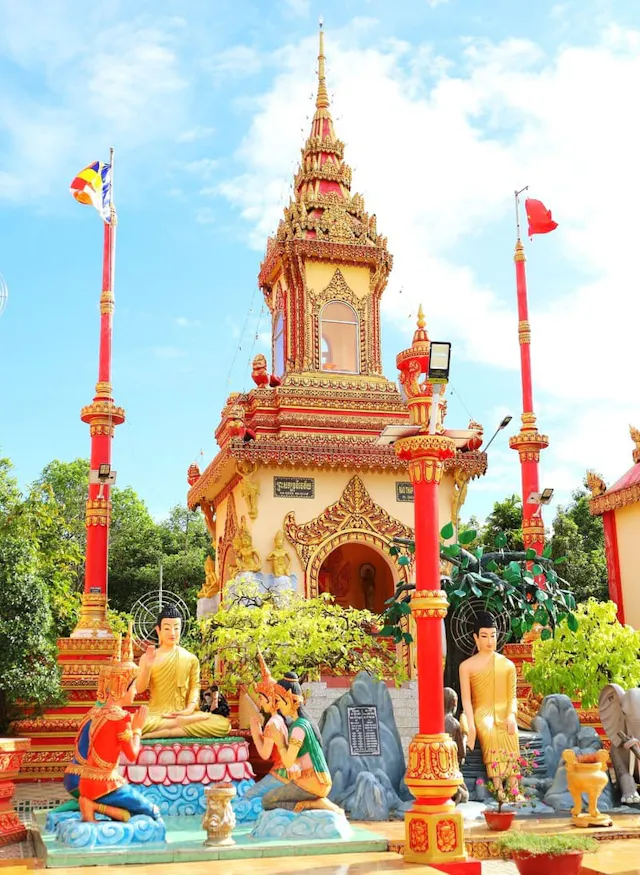
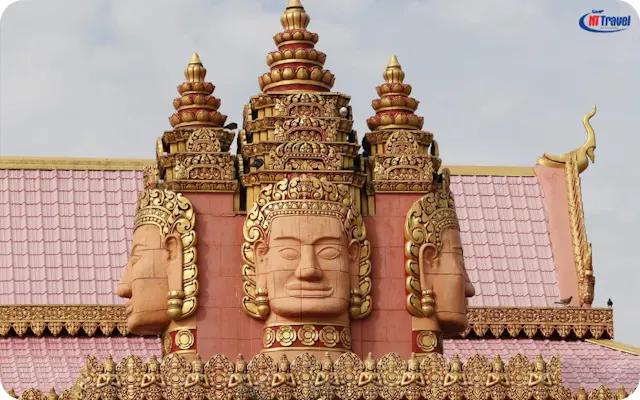
The complex showcases classic Khmer design elements, including multi-tiered roofs, ornate carvings, decorative columns, golden details, and elaborate gables.
The architecture is visually distinct from many Vietnamese and Chinese-influenced temples found elsewhere in the country.
Every part of the structure is richly decorated with symbolic motifs and religious imagery.
Main Prayer Hall
The central prayer hall is the heart of the temple complex.
Visitors entering the hall can admire intricate decorations, colorful murals, Buddhist statues, and traditional Khmer artistic elements.
The spacious interior provides a peaceful atmosphere for worship and meditation while also serving as a place for religious ceremonies and community gatherings.
Buddhist Symbolism
Many architectural details throughout the pagoda have symbolic meaning.
Mythical creatures, lotus motifs, naga serpents, celestial beings, and Buddhist imagery appear throughout the complex.
These decorative features reflect Buddhist teachings and Khmer artistic traditions while adding to the visual richness of the temple.
Visitors interested in religious symbolism will find many fascinating details to explore.
Temple Grounds
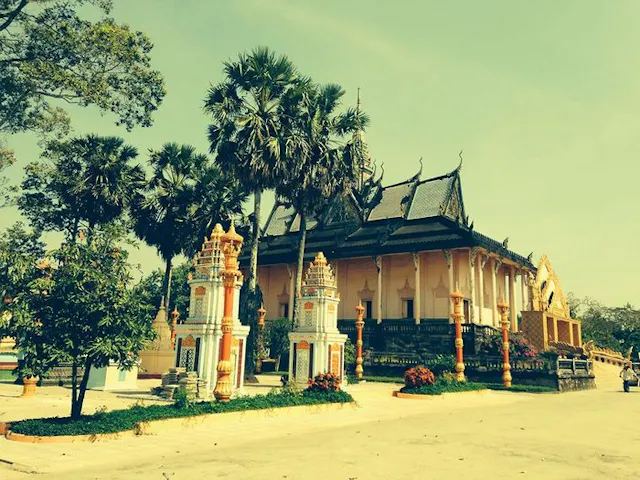
The pagoda occupies a large area surrounded by gardens, trees, and open courtyards.
The grounds create a tranquil environment that contrasts with the busy roads and urban areas nearby.
Visitors can walk through the complex, admire the architecture from different angles, and enjoy the peaceful atmosphere that characterizes many Buddhist temples.
Religious Life at Xiem Can
Xiem Can remains an active place of worship.
Monks live and study within the temple complex, and local residents regularly visit to pray, make offerings, and participate in religious ceremonies.
The temple continues to play an important role in preserving Khmer Buddhist traditions and educating younger generations about their cultural heritage.
Visitors should dress respectfully and behave appropriately while exploring the site.
Festivals and Celebrations
The pagoda becomes particularly vibrant during major Khmer Buddhist festivals.
Events such as Chol Chnam Thmay (Khmer New Year), Sene Dolta, and Ok Om Bok attract worshippers and visitors from across the region.
During these celebrations, the temple hosts ceremonies, cultural performances, traditional music, and community activities that showcase the richness of Khmer culture.
Art and Decorative Details
Xiem Can is often praised for its artistic beauty.
The buildings feature intricate carvings, colorful paintwork, decorative sculptures, and carefully crafted architectural elements.
Many visitors spend time photographing the temple because of its vibrant colors and impressive design.
The combination of gold, red, blue, and green decorative details creates a particularly striking visual impression.
Best Time to Visit
Xiem Can Pagoda can be visited throughout the year.
The dry season from December to April generally offers comfortable weather for exploring the temple grounds and nearby attractions.
Travelers interested in cultural experiences may choose to visit during Khmer festivals, although the site can be busier during these periods.
Morning and late afternoon are often pleasant times to visit due to cooler temperatures and softer lighting.
How to Get to Xiem Can Pagoda
The pagoda is located approximately 10 kilometers east of Bac Lieu City.
Visitors can reach the site by taxi, motorcycle, private car, or organized tour.
Because it is relatively close to the city, Xiem Can can easily be combined with other attractions in Bac Lieu Province, including coastal destinations, historic houses, and cultural sites.
Why Visit Xiem Can Pagoda?
Xiem Can Pagoda offers travelers a unique opportunity to experience the Khmer cultural heritage of the Mekong Delta.
Its magnificent architecture, active religious life, artistic details, and connection to local traditions make it one of the most distinctive temples in southern Vietnam.
For visitors seeking cultural diversity, architectural beauty, and a deeper understanding of Vietnam's ethnic communities, Xiem Can Pagoda is one of the most rewarding attractions to visit in Bac Lieu Province and the wider Mekong Delta region.
Xiem Can Pagoda in Frames – Khmer Architecture, Spiritual Beauty & Cultural Heritage
Explore the beauty of Xiem Can Pagoda through a collection of images showcasing its colorful Khmer architecture, detailed carvings, sacred temple spaces, and peaceful surroundings in Bac Lieu. From traditional towers and Buddhist decorations to cultural details reflecting the heritage of the Khmer community in the Mekong Delta, the gallery captures the unique artistic style, spiritual atmosphere, and timeless beauty of this remarkable Vietnamese pagoda.
How To Get There – Xiem Can Pagoda
Bus and coach
Buses are a convenient and affordable way to reach Xiem Can Pagoda from Ho Chi Minh City, Can Tho, and other Mekong Delta destinations. Travelers can take coaches to Bac Lieu City Bus Station, then continue by taxi or local transport to the pagoda, which is located about 7 km from the city center.
Train
There is no direct train service to Bac Lieu. Travelers can take a train to Can Tho or nearby railway connections, then continue by bus, taxi, or private vehicle to Bac Lieu. This option is suitable for visitors combining Xiem Can Pagoda with a wider Mekong Delta journey.
Driving
Driving is one of the easiest ways to visit Xiem Can Pagoda. From Bac Lieu City, the pagoda can be reached in around 15–20 minutes by car or motorbike. Travelers from Ho Chi Minh City can drive through National Highway 1A, enjoying views of the Mekong Delta countryside along the way.
Flying
The nearest airport is Can Tho International Airport, located around 100 km from Bac Lieu. Visitors arriving by air can continue by taxi, private transfer, or bus to reach Xiem Can Pagoda. Flights to Can Tho are available from major Vietnamese cities.
Frequently Asked Questions About Xiem Can Pagoda
What is Xiem Can Pagoda famous for?
Xiem Can Pagoda is famous for its beautiful Khmer Buddhist architecture, colorful decorations, detailed carvings, and cultural significance. It is one of the largest and most impressive Khmer temples in Southern Vietnam, representing the traditions of the Khmer community in the Mekong Delta
Where is Xiem Can Pagoda located?
Xiem Can Pagoda is located in Vinh Trach Dong Commune, Bac Lieu City, Bac Lieu Province, Vietnam. It is about 7 km from the city center and is easily accessible by car, motorbike, or taxi.
What is the best time to visit Xiem Can Pagoda?
The best time to visit Xiem Can Pagoda is in the morning or late afternoon when the weather is cooler and the lighting is ideal for photography. Visitors can also experience local cultural events during Khmer festivals.
Is there an entrance fee to visit Xiem Can Pagoda?
No, Xiem Can Pagoda is free to visit. Travelers can explore the temple grounds, admire the architecture, and learn about Khmer Buddhist culture without paying an entrance fee. Donations are optional.
How long does it take to visit Xiem Can Pagoda?
Most visitors spend around 1–2 hours exploring Xiem Can Pagoda. This allows enough time to admire the temple architecture, take photos, enjoy the peaceful atmosphere, and learn about the cultural heritage of the Khmer community.
Advertising box