
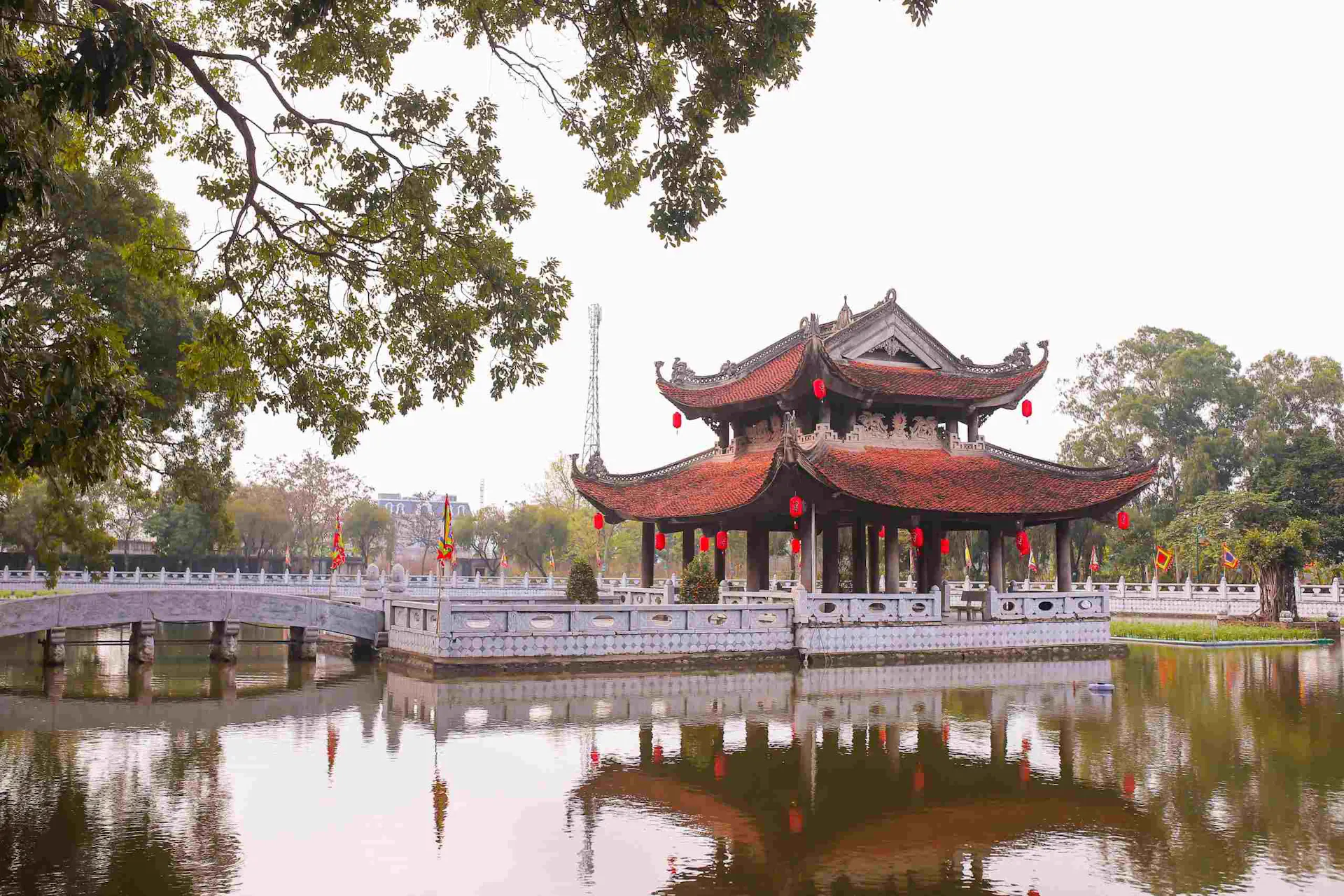
Bac Ninh Travel Guide
Bac Ninh is a culturally rich province in Northern Vietnam, widely known as the birthplace of Quan Ho folk singing, recognized by UNESCO as an intangible cultural heritage. Located near Hanoi, Bac Ninh is home to ancient pagodas, historical temples, and traditional villages that reflect the deep roots of Vietnamese culture. Visitors can explore spiritual sites like But Thap Pagoda and Do Temple while experiencing vibrant folk performances. With its heritage and traditions, Bac Ninh offers a unique cultural journey close to the capital.

About Bac Ninh
Bac Ninh is a culturally rich destination in Northern Vietnam, known for traditional Quan Ho folk singing, ancient pagodas, historic temples, traditional craft villages, and its location close to Hanoi. Following Vietnam's 2025 administrative reorganization, Bac Ninh has expanded through the merger with former Bac Giang Province, creating a larger destination that combines the historic Red River Delta with forested landscapes, fruit-growing areas, and cultural heritage sites.
The province offers travelers an opportunity to explore a quieter side of Northern Vietnam while remaining within easy reach of Hanoi. Its attractions range from centuries-old Buddhist temples and traditional villages to rural countryside, agricultural landscapes, and cultural festivals.
What Is Bac Ninh Known For?
Bac Ninh is best known for Quan Ho folk singing, Buddhist heritage, traditional crafts, temples, and historic villages.
The region has played an important role in Vietnamese culture for centuries. Its location in the Red River Delta placed it along important trade and cultural routes, contributing to a rich heritage of music, religion, handicrafts, and traditional architecture.
The expanded province also incorporates the former Bac Giang area, adding mountain landscapes, fruit orchards, and additional historical attractions.
Quan Ho Folk Singing
Quan Ho is perhaps the most distinctive cultural tradition associated with Bac Ninh.
This traditional Vietnamese folk music is performed through alternating songs between male and female singers, often involving carefully composed lyrics about love, friendship, rural life, and social relationships.
Quan Ho Bac Ninh was recognized by UNESCO as an Intangible Cultural Heritage of Humanity in 2009.
Visitors can experience performances during festivals or cultural events and learn how the tradition remains connected to local communities.
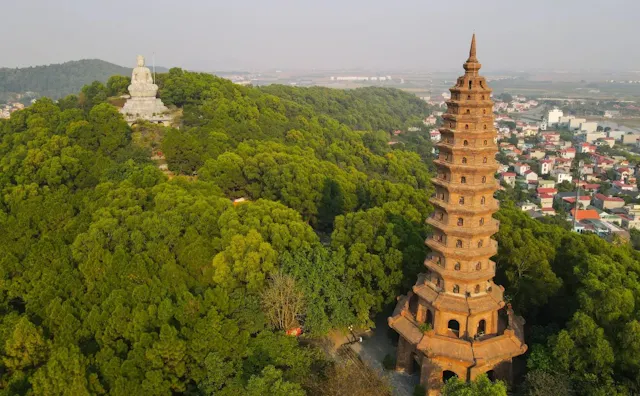
But Thap Pagoda
But Thap Pagoda is one of Northern Vietnam's most important Buddhist landmarks.
The historic pagoda is known for its traditional Vietnamese architecture, wooden sculptures, stone carvings, and religious artwork.
Its peaceful setting makes it an excellent destination for travelers interested in Vietnamese Buddhism, architecture, and traditional art.
Dau Pagoda
Dau Pagoda is another important religious site in the region.
It is traditionally regarded as one of Vietnam's oldest Buddhist centers and has strong connections with the early development of Buddhism in the Red River Delta.
The pagoda's history reflects the long cultural and religious development of Northern Vietnam.
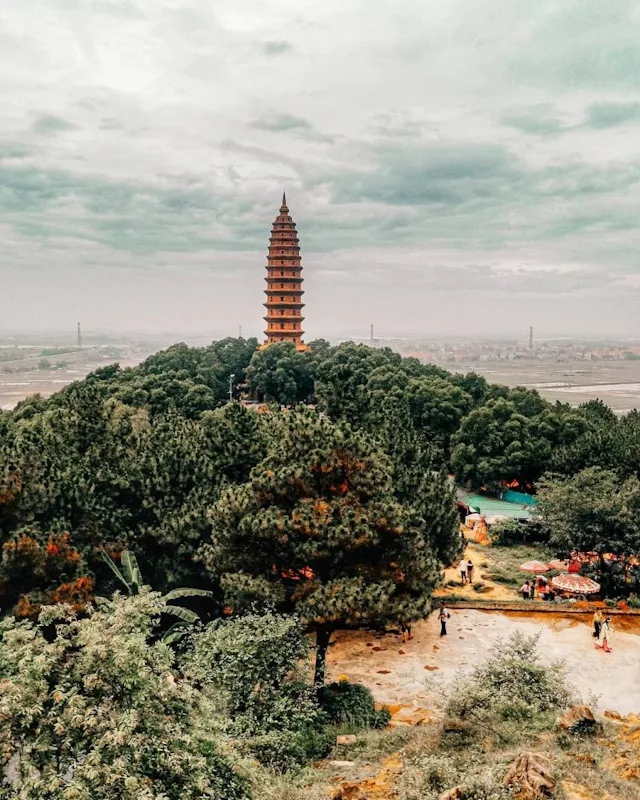
Phat Tich Pagoda
Located on Phat Tich Mountain, Phat Tich Pagoda is another notable destination.
The site combines religious architecture with elevated views of the surrounding countryside. The area is particularly interesting for travelers who want to experience the relationship between Buddhism, landscape, and traditional Vietnamese culture.
Traditional Craft Villages
Bac Ninh has a long tradition of handicraft production.
Villages throughout the region specialize in products such as ceramics, wood carving, bronze casting, painting, and traditional foods.
Visiting a craft village can provide travelers with an opportunity to see artisans working with traditional techniques and understand how handicrafts remain part of local economic and cultural life.
Dong Ho Folk Paintings
Dong Ho folk paintings are among the most famous traditional art forms associated with the region.
These woodblock prints traditionally depict scenes of Vietnamese rural life, animals, festivals, legends, and symbolic themes.
The colorful handmade prints provide insight into traditional Vietnamese beliefs and everyday life and have become an important part of the country's cultural heritage.
Rural Countryside
Beyond its cultural attractions, Bac Ninh offers peaceful Red River Delta countryside.
Rice fields, village roads, ponds, traditional houses, temples, and agricultural communities create landscapes that contrast with the urban environment of nearby Hanoi.
Cycling through rural areas can be a rewarding way to experience local life and discover small villages away from the main tourist routes.
Bac Giang's Natural Landscapes
The expanded Bac Ninh province also includes landscapes formerly associated with Bac Giang.
These areas introduce more varied terrain, including hills, forests, fruit orchards, and rural mountain scenery.
Visitors can explore agricultural areas known for seasonal fruit production, particularly the famous Luc Ngan lychee region.
Local Food
Bac Ninh's cuisine reflects the flavors and agricultural traditions of Northern Vietnam.
Local specialties include dishes made with rice, pork, noodles, vegetables, and seasonal agricultural products.
Travelers can also discover traditional snacks and foods associated with village festivals and local markets.
The expanded province adds further culinary diversity from the former Bac Giang region.
Festivals and Cultural Life
Festivals remain an important part of life in Bac Ninh.
Many villages organize annual celebrations connected to temples, pagodas, historical figures, agricultural traditions, and Quan Ho performances.
These events provide opportunities to see traditional costumes, music, rituals, games, and community activities.
Travelers interested in visiting during a festival should check local schedules because dates often follow the lunar calendar.
Best Time to Visit Bac Ninh
Bac Ninh can be visited throughout the year, but spring is particularly interesting because many traditional festivals take place during this period.
The cooler months from late autumn through spring can also be comfortable for sightseeing and cycling.
Visitors traveling during summer should prepare for hot and humid conditions, while the rainy season can bring occasional heavy rainfall.
How to Get to Bac Ninh
Bac Ninh is conveniently located northeast of Hanoi and can be reached by road or rail.
Its proximity to Hanoi makes it suitable for day trips as well as longer cultural itineraries.
Travelers can use buses, private cars, taxis, or trains depending on their starting point and destination.
Why Visit Bac Ninh?
Bac Ninh offers travelers a chance to experience Vietnamese traditional culture, music, religion, handicrafts, and rural life close to Hanoi.
Quan Ho folk singing provides the province with a unique cultural identity, while But Thap, Dau, and Phat Tich pagodas reveal its long Buddhist heritage. Traditional craft villages and Dong Ho paintings add another layer of cultural discovery.
With the expanded province now incorporating the landscapes and heritage of former Bac Giang, travelers can also explore fruit-growing regions, forests, hills, and rural communities. For visitors looking beyond Hanoi's main attractions, Bac Ninh offers an accessible and rewarding introduction to the cultural heart of Northern Vietnam.
Bac Ninh in Frames – Heritage, Folk Culture & Traditional Villages
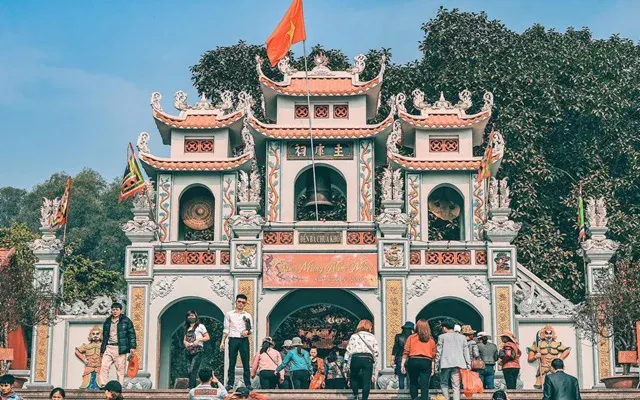
Explore the cultural beauty of Bac Ninh through a collection of images showcasing ancient temples, traditional craft villages, Quan Ho folk performances, and peaceful countryside landscapes. From the historic architecture of But Thap Pagoda and Do Temple to vibrant festivals and local traditions, the gallery captures the timeless heritage, artistic spirit, and authentic charm of one of Northern Vietnam’s most culturally significant provinces.

How To Get There Bac Ninh
Bus and coach
Bus and limousine services are the most popular and convenient way to reach Bac Ninh from Hanoi.
Frequent daily routes connect Hanoi with Bac Ninh City, Tu Son, and nearby districts, with affordable and comfortable options.
Typical travel times:
- 45 minutes – 1 hour from Hanoi
- 1.5–2 hours from Hai Phong
- 2–3 hours from nearby provinces
This is the easiest option for most travelers.
Train
Bac Ninh is connected to Hanoi by railway lines, though train services are limited.
Trains run from Hanoi Railway Station to Bac Ninh Station, offering a slow but scenic journey through the Red River Delta countryside.
Travel time:
- Around 1–1.5 hours from Hanoi
This option is suitable for travelers who prefer a relaxed and local travel experience.
Driving
Driving is the fastest and most flexible way to reach Bac Ninh.
Modern highways and national roads make the journey very smooth.
Estimated travel times:
- 45 minutes – 1 hour from Hanoi
- 1.5–2 hours from Hai Phong
- 2–3 hours from other northern provinces
Driving is ideal for travelers who want flexibility and easy access to villages and cultural sites.
Flying
Bac Ninh does not have its own airport.
The nearest airport is:
Noi Bai International Airport (HAN) – Hanoi, located about 30–40 km away
From the airport, travelers can reach Bac Ninh by:
- Taxi
- Limousine bus
- Private car
Total travel time is usually 45 minutes to 1 hour.
Frequently Asked Questions About Bac Ninh
Where is Bac Ninh located?
Bac Ninh is located in Northern Vietnam, in the Red River Delta region, just northeast of Hanoi. Its convenient location makes it an easy destination for short trips from the capital.
What is Bac Ninh famous for?
Bac Ninh is famous for Quan Ho folk singing, recognized by UNESCO as an intangible cultural heritage, as well as ancient temples, traditional craft villages, and historical sites such as But Thap Pagoda and Do Temple.
What is the best time to visit Bac Ninh?
The best time to visit Bac Ninh is from February to April and September to November when the weather is pleasant. Spring is also a great time to experience traditional festivals and Quan Ho cultural performances.
How can I travel to Bac Ninh from Hanoi?
Travelers can easily reach Bac Ninh from Hanoi by bus, train, taxi, or private car. The journey usually takes around 45 minutes to 1 hour, making it a convenient cultural day trip.
How many days should I spend in Bac Ninh?
A 1–2 day trip is enough to explore Bac Ninh’s cultural highlights, including temples, pagodas, Quan Ho villages, and traditional craft villages. It is also ideal for a short getaway from Hanoi.
Advertising box
Nearby Destinations to Explore from Bac Ninh
Explore the cultural heart of Northern Vietnam by discovering the destinations surrounding Bac Ninh. Visit the vibrant streets and historic landmarks of Hanoi, experience the traditional villages and countryside of Hung Yen, admire the limestone landscapes of Ninh Binh, or head to Quang Ninh for the world-famous Ha Long Bay. From ancient temples and centuries-old craft villages to UNESCO World Heritage sites, scenic waterways, and authentic Northern Vietnamese cuisine, these nearby destinations provide unforgettable experiences that perfectly complement your Bac Ninh travel itinerary.

Thai Nguyen Travel Guide
Thai Nguyen is a beautiful province in Northern Vietnam, famous for its vast green tea hills, ethnic diversity, and peaceful natural landscapes. Located near Hanoi, it is home to famous tea regions like Tan Cuong and scenic attractions such as Nui Coc Lake. Visitors can explore local villages, experience traditional tea culture, and enjoy relaxing countryside views. With its fresh air and authentic cultural experiences, Thai Nguyen is an ideal destination for travelers seeking nature, relaxation, and Vietnamese tea heritage.

Lang Son Travel Guide
Lang Son is a captivating mountain province in Northern Vietnam, located near the Chinese border and known for its dramatic limestone landscapes, caves, and rich cultural heritage. The region features famous attractions such as Mau Son Mountain, Tam Thanh Cave, and bustling border markets. Visitors can explore stunning natural scenery, discover historical sites, and experience the unique lifestyle of local ethnic communities. With its blend of nature, culture, and trade history, Lang Son offers an authentic Northern Vietnam travel experience.

Quang Ninh Travel Guide
Quang Ninh is one of Vietnam’s most iconic travel destinations, famous for the UNESCO World Heritage Site Ha Long Bay and its breathtaking limestone islands. Located in Northern Vietnam, the province offers spectacular coastal scenery, caves, beaches, and unique cultural experiences. Visitors can explore Ha Long Bay, Bai Tu Long Bay, local islands, and vibrant coastal cities while enjoying fresh seafood and marine adventures. With its extraordinary landscapes and rich heritage, Quang Ninh is a must-visit destination for travelers discovering Vietnam.

Hai Phong Travel Guide
Hai Phong is a dynamic coastal city in Northern Vietnam, combining urban energy, natural beauty, and rich maritime heritage. Known as the “City of Red Flamboyant Flowers,” Hai Phong is the gateway to stunning destinations such as Cat Ba Island and Lan Ha Bay. Visitors can explore beautiful beaches, limestone islands, historic landmarks, and enjoy fresh seafood while experiencing local culture. With its unique mix of city life and coastal adventures, Hai Phong is an ideal destination for travelers exploring Northern Vietnam.