
Ha Giang Travel Guide
Ha Giang is Vietnam's northernmost province, renowned for its spectacular mountain landscapes, winding roads, vibrant ethnic cultures, and the world-famous Ha Giang Loop. From conquering the breathtaking Ma Pi Leng Pass and cruising along the emerald Nho Que River to exploring traditional villages and the UNESCO-listed Dong Van Karst Plateau, Ha Giang offers unforgettable adventures. Whether you're planning a motorbike journey or a cultural escape, this complete travel guide will help you experience the very best of northern Vietnam.
About Ha Giang
Ha Giang is one of northern Vietnam's most spectacular destinations, famous for dramatic limestone mountains, deep valleys, winding mountain roads, terraced fields, and diverse ethnic cultures. Located in the country's far northeast, Ha Giang offers travelers an opportunity to experience some of Vietnam's most impressive landscapes while discovering traditional communities that have lived in the region for generations.
The destination is particularly famous for the Ha Giang Loop, a multi-day road journey through mountain passes, remote villages, and spectacular viewpoints. For adventurous travelers, Ha Giang combines outdoor exploration, cultural experiences, and some of the most memorable scenery in northern Vietnam.
What Is Ha Giang?
Ha Giang refers to both Ha Giang Province and its provincial capital.
The province borders China and is characterized by rugged mountains, limestone karst formations, narrow valleys, and highland communities.
Unlike more developed destinations such as Hanoi or Sapa, many parts of Ha Giang retain a remote and rural atmosphere.
The region is home to numerous ethnic communities, including the Hmong, Tay, Dao, Nung, Lo Lo, and Giay peoples.
Ha Giang Loop
The Ha Giang Loop is the region's most famous travel experience.
The route generally takes several days and passes through mountain towns, villages, valleys, and spectacular mountain passes.
Popular stops include Quan Ba, Yen Minh, Dong Van, and Meo Vac.
Travelers can complete the loop by motorcycle, car, or organized tour, depending on their experience and preferences.
The route involves steep roads, sharp curves, and changing weather, so safety and proper preparation are essential.
Ma Pi Leng Pass
Ma Pi Leng Pass is one of the most dramatic viewpoints on the Ha Giang Loop.
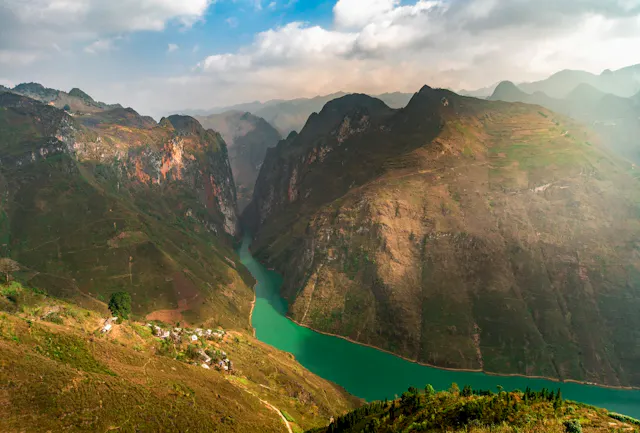
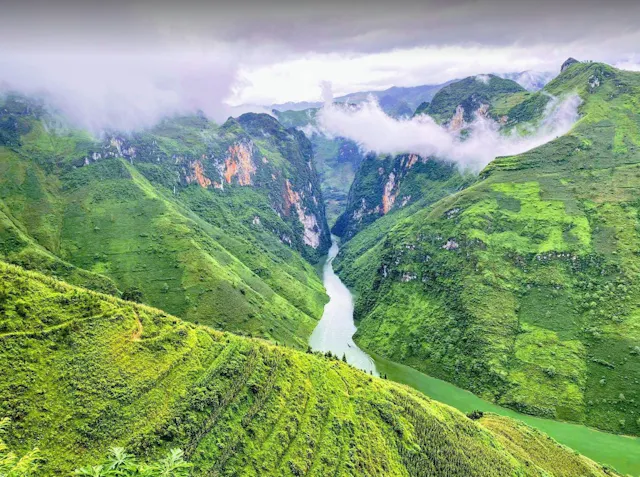
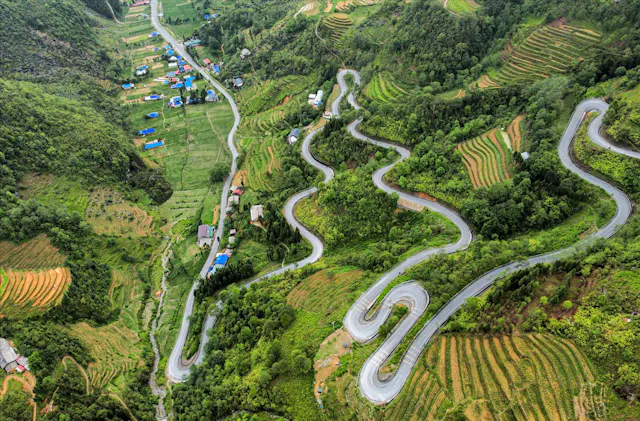
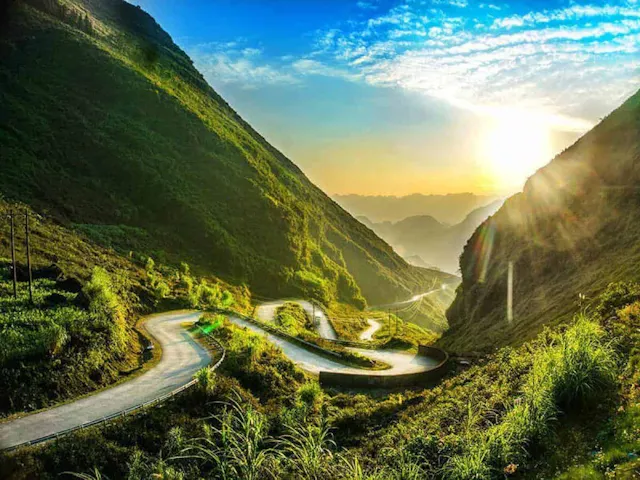
The mountain road winds along steep limestone cliffs overlooking the Nho Que River far below.
The combination of towering mountains, deep valleys, and winding roads creates an extraordinary landscape.
Visitors can stop at designated viewpoints to photograph the scenery and appreciate the scale of the surrounding mountains.
Nho Que River
The Nho Que River flows through the deep valleys of the Dong Van Karst Plateau.
Its turquoise-green water contrasts dramatically with the gray limestone mountains.
Boat trips can provide a different perspective of the surrounding cliffs and river gorge when operating conditions permit.
The river is particularly beautiful when viewed from elevated points along Ma Pi Leng Pass.
Dong Van Karst Plateau
The Dong Van Karst Plateau is one of Ha Giang's most important geological landscapes.
Recognized as a UNESCO Global Geopark, the plateau contains extensive limestone formations shaped by millions of years of geological processes.
The rugged terrain has influenced agriculture, architecture, transportation, and settlement patterns.
For travelers interested in geology and natural landscapes, the region offers an exceptional opportunity to explore Vietnam's karst environment.
Ethnic Minority Cultures
Ha Giang is home to many ethnic communities with distinctive languages, clothing, architecture, food traditions, and festivals.
The Hmong are particularly prominent in the mountainous areas, while Tay, Dao, Lo Lo, Nung, and other communities contribute to the region's cultural diversity.
Visiting villages and local markets can provide insight into everyday life in the highlands.
Travelers should approach cultural experiences respectfully and remember that these are living communities rather than tourist attractions.
Local Markets
Traditional markets are an important part of life in Ha Giang.
Weekly markets bring people from surrounding villages together to trade agricultural products, livestock, clothing, handicrafts, and food.
Markets can also serve as social gathering places where communities meet and exchange news.
Visitors may find markets particularly interesting because they provide a glimpse into everyday life beyond the main tourist routes.
Ha Giang's Mountain Villages
Small villages are scattered throughout the province's valleys and mountain slopes.
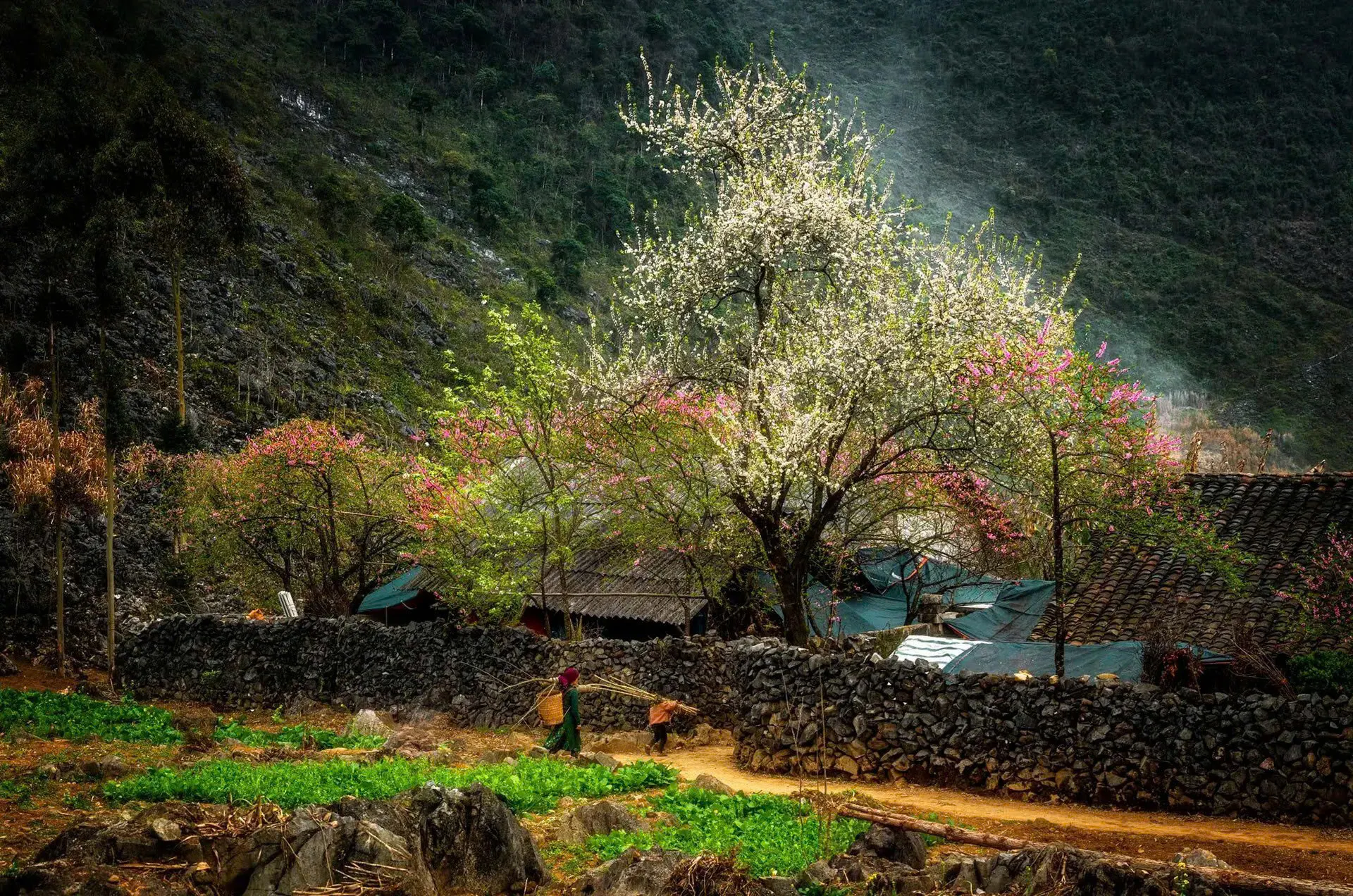
Traditional houses, terraced fields, stone fences, and livestock are common features of the rural landscape.
Some communities have developed homestays that allow travelers to stay with local families.
An overnight homestay can provide a more meaningful cultural experience than simply passing through a village during a road trip.
Ha Giang Food
Local cuisine reflects the region's mountain environment and ethnic diversity.
Travelers can try dishes such as thang co, a traditional Hmong specialty, as well as grilled meats, corn-based foods, rice dishes, local vegetables, and regional noodles.
Buckwheat is another distinctive crop associated with Ha Giang and is used in various local foods.
Travelers should keep an open mind when trying regional dishes because some traditional foods may differ significantly from familiar Vietnamese cuisine.
Buckwheat Flowers
Ha Giang is famous for its buckwheat flowers, which bloom across parts of the highlands.
During the flowering season, fields can become covered with pink, white, and purple flowers.
The landscape is particularly popular with photographers and domestic travelers.
The exact flowering period varies each year, but it generally occurs around October and November.
Best Time to Visit Ha Giang
Ha Giang can be visited throughout much of the year.
March to May offers pleasant spring conditions and green mountain landscapes.
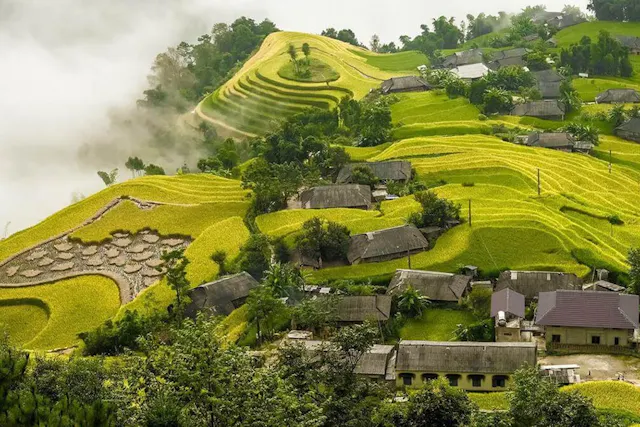
September to October is popular for seeing rice terraces and harvest landscapes.
October to November is associated with buckwheat flowers.
Winter can be cold, especially at higher elevations, while summer and early autumn can bring heavy rain and landslides.
How to Get to Ha Giang
Travelers generally reach Ha Giang by road from Hanoi.
Buses and sleeper buses are widely available, while private cars and organized transfers offer greater flexibility.
The journey from Hanoi usually takes several hours depending on traffic and transportation.
There is currently no commercial airport in Ha Giang, so road travel is the main option.
Exploring Ha Giang Safely
The Ha Giang Loop includes steep mountain roads, sharp bends, changing weather, and sections with limited infrastructure.
Travelers riding motorcycles should have appropriate experience, a valid license where required, proper protective equipment, and comprehensive travel insurance.
Those without significant riding experience may prefer an organized tour with an experienced local driver.
Weather conditions should always be checked before beginning a mountain journey.
Responsible Travel
Ha Giang's natural landscapes and ethnic communities require respectful tourism.
Visitors should avoid littering, damaging vegetation, or entering private agricultural land.
Ask permission before photographing people, homes, or ceremonies.
Choosing locally owned homestays, restaurants, guides, and transportation services can help tourism provide direct benefits to mountain communities.
Why Visit Ha Giang?
Ha Giang offers an extraordinary combination of limestone mountains, dramatic passes, turquoise rivers, ethnic cultures, traditional villages, local markets, and adventurous road journeys.
The Ha Giang Loop provides some of Vietnam's most spectacular mountain scenery, while the region's diverse communities offer opportunities for meaningful cultural discovery.
For travelers seeking adventure and landscapes beyond Vietnam's major tourist destinations, Ha Giang is one of the country's most rewarding destinations.
Ha Giang Photo Gallery
Experience the breathtaking beauty of Ha Giang through our curated photo gallery. Discover stunning images of towering limestone mountains, winding mountain passes, emerald rivers, terraced rice fields, vibrant ethnic villages, and unforgettable panoramic viewpoints. From the legendary Ha Giang Loop and Ma Pi Leng Pass to the Dong Van Karst Plateau, Nho Que River, and Lung Cu Flag Tower, these photos showcase the spectacular landscapes and rich cultural heritage that make Ha Giang one of Vietnam's most extraordinary travel destinations.
How to Get to Ha Giang
Bus and coach
Long-distance sleeper buses and limousine vans are the most popular ways to travel to Ha Giang. Daily departures are available from Hanoi, Sapa, Cao Bang, and several major cities in northern Vietnam. The journey from Hanoi typically takes 6 to 8 hours, with many overnight services allowing travelers to arrive early in the morning. Most buses stop at Ha Giang Bus Station, where taxis, motorbike rentals, and tour operators are readily available.
Train
There is no direct railway to Ha Giang. Travelers wishing to experience Vietnam's railway network can take the North–South Railway to Hanoi before continuing to Ha Giang by sleeper bus, limousine van, or private transfer. Because of the province's mountainous terrain, road transport remains the primary and most convenient option.
Driving
Driving to Ha Giang offers one of Vietnam's most scenic road trips. National highways connect the province with Hanoi and neighboring destinations, while well-maintained mountain roads provide breathtaking views of valleys, rivers, and limestone peaks. Renting a private car or booking a transfer is an excellent choice for families and travelers who prefer a comfortable journey through northern Vietnam.
Flying
Ha Giang does not have a commercial airport. The nearest airport is Noi Bai International Airport (HAN) in Hanoi, approximately 300 kilometers from Ha Giang City. From the airport, travelers can continue their journey by limousine van, sleeper bus, private transfer, or rental car. The combined journey usually takes 7 to 8 hours, depending on traffic and weather conditions.
Frequently Asked Questions About Ha Giang
What is Ha Giang famous for?
Ha Giang is famous for the legendary Ha Giang Loop, one of Southeast Asia's most scenic road trips. The province is renowned for its dramatic mountain passes, the UNESCO Global Geopark of Dong Van Karst Plateau, Ma Pi Leng Pass, the emerald Nho Que River, and the rich traditions of its ethnic minority communities. Its breathtaking landscapes and authentic cultural experiences make Ha Giang one of Vietnam's most remarkable destinations.
When is the best time to visit Ha Giang?
The best time to visit Ha Giang is from September to November and March to May. Autumn brings golden rice terraces and the famous buckwheat flower season, while spring offers pleasant temperatures, blooming flowers, and excellent conditions for sightseeing, trekking, and riding the Ha Giang Loop. Although winter can be cold, it also offers dramatic mountain scenery and fewer crowds.
How many days should I spend in Ha Giang?
Most travelers recommend spending 3 to 5 days in Ha Giang. This provides enough time to complete the Ha Giang Loop, visit Dong Van, Meo Vac, Ma Pi Leng Pass, Lung Cu Flag Tower, and enjoy cultural experiences in traditional ethnic villages. Travelers who enjoy hiking or exploring remote areas may wish to stay even longer.
Do I need a motorbike to explore Ha Giang?
No. While riding a motorbike is the most popular way to experience the Ha Giang Loop, it is not the only option. Travelers can join guided tours, hire a car with a private driver, or book an "easy rider" tour, where an experienced local driver takes you around the loop. These alternatives are ideal for visitors who are not confident riding on mountain roads or simply want to enjoy the scenery without driving.
Is Ha Giang worth visiting?
Absolutely. Ha Giang is widely regarded as one of Vietnam's most extraordinary destinations, offering spectacular mountain landscapes, winding scenic roads, vibrant ethnic cultures, and unforgettable outdoor adventures. Whether you're seeking breathtaking viewpoints, authentic local experiences, or one of the world's most iconic motorbike routes, Ha Giang delivers a unique journey unlike anywhere else in Vietnam.
Advertising box