
Mì Quảng: Vietnam's Turmeric Rice Noodle Dish
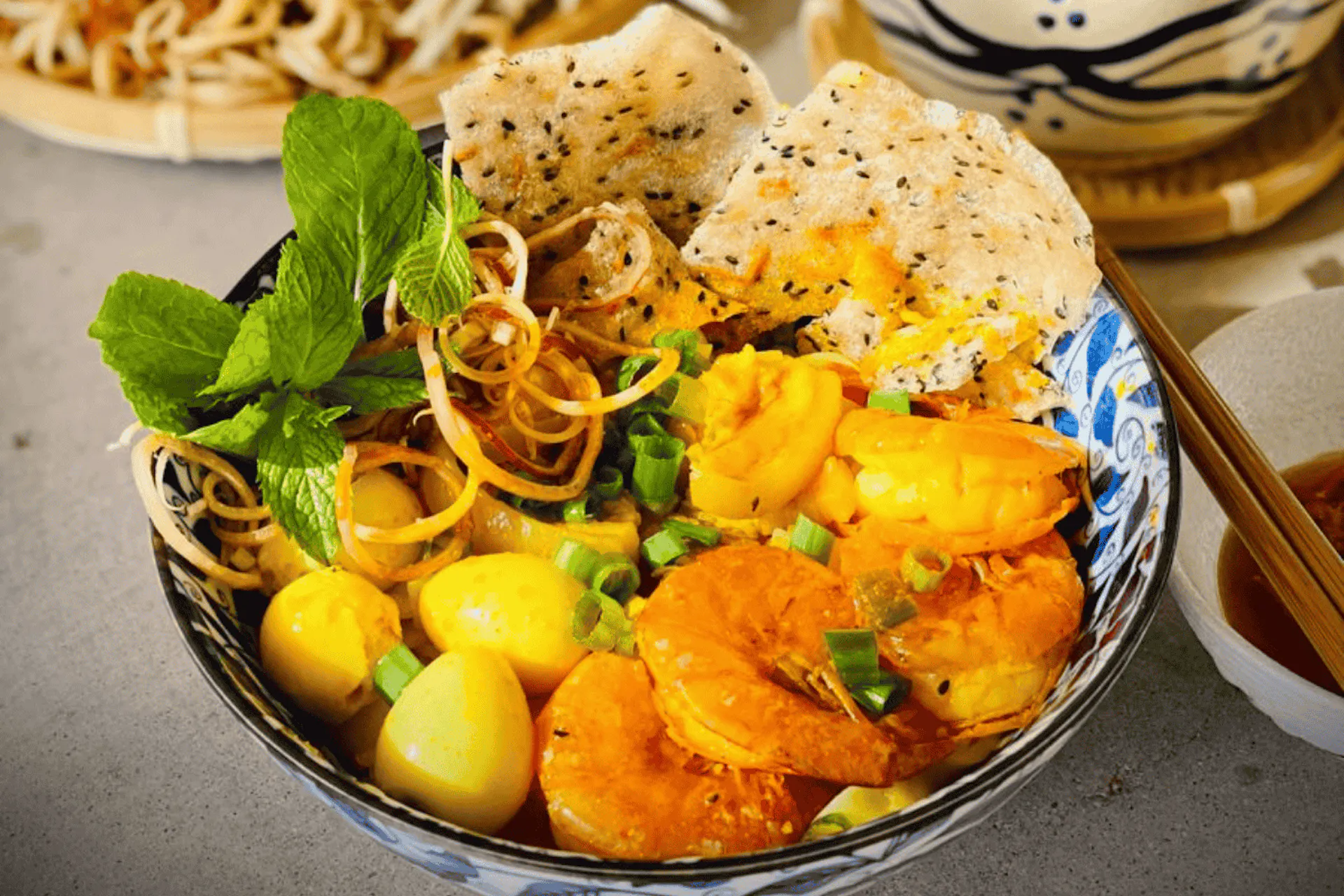
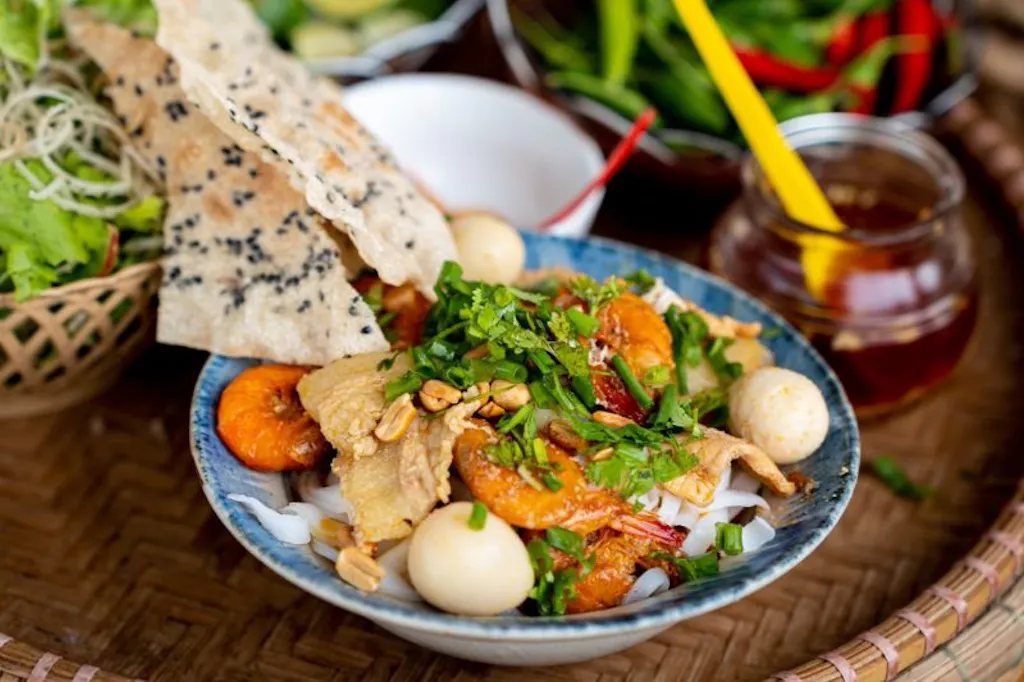
Mì Quảng is a distinctive noodle dish from Central Vietnam, especially associated with Quảng Nam and Đà Nẵng. It features wide rice noodles colored with turmeric and served with a small amount of rich, savory broth, shrimp, pork, chicken, or other toppings. Fresh herbs, peanuts, crispy rice crackers, and lime add contrasting textures and flavors. Unlike a typical noodle soup, Mì Quảng is served with just enough broth to coat the noodles, creating a balanced and flavorful dish that reflects the culinary traditions of Central Vietnam.
About Mi Quang
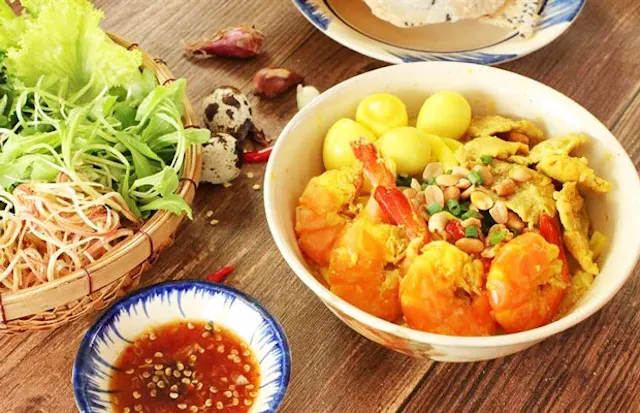
Mi Quang, known as Mì Quảng in Vietnamese, is a traditional noodle dish from Quang Nam Province in Central Vietnam. Recognized for its wide turmeric-tinted rice noodles, flavorful broth, fresh herbs, peanuts, and crunchy rice crackers, Mì Quảng is one of the most distinctive dishes of Central Vietnamese cuisine.
Unlike noodle soups that are served with a large amount of broth, Mì Quảng uses only a small quantity of intensely flavored liquid. This creates a dish that sits somewhere between a noodle soup and a saucy noodle dish. Its combination of bold flavors, fresh ingredients, and contrasting textures makes it a must-try food for travelers exploring Central Vietnam.
What Is Mì Quảng?
Mì Quảng consists of wide rice noodles served with a small amount of concentrated broth and a variety of toppings.
The noodles are usually yellow because turmeric is incorporated into the dough or cooking process. Depending on the recipe, the dish may contain shrimp, pork, chicken, frog, beef, or other proteins.
Fresh herbs, vegetables, roasted peanuts, and crispy rice crackers are commonly added before serving.
Rice Noodles
The wide rice noodles are one of the defining features of Mì Quảng.
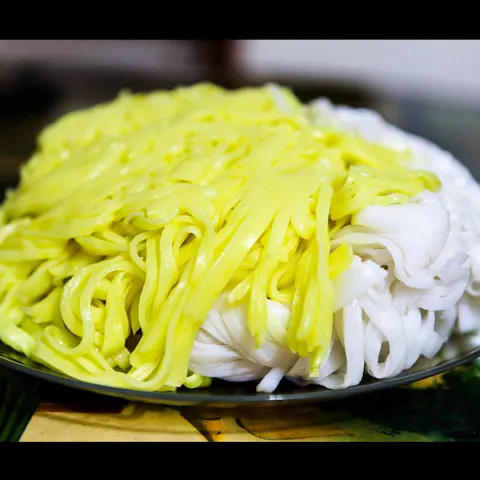
Made from rice flour, the noodles are broader and flatter than many Vietnamese noodle varieties. Their slightly chewy texture provides a substantial base for the toppings and concentrated broth.
The yellow color traditionally comes from turmeric, although the exact preparation can vary between vendors.
The Broth
The broth in Mì Quảng is intentionally limited.
Rather than filling the bowl with a large quantity of soup, cooks prepare a concentrated broth or sauce that coats the noodles and ingredients.
Depending on the recipe, the broth may be made with pork, shrimp, chicken, or other ingredients. It typically has a savory, slightly sweet, and aromatic flavor.
The smaller amount of liquid allows the noodles and toppings to remain the focus of the dish.
Shrimp and Pork
Shrimp and pork are among the most traditional toppings.
Shrimp contributes a naturally sweet seafood flavor, while pork adds richness and savory depth. The two ingredients work particularly well together with the turmeric noodles and concentrated broth.
Different regions and vendors may use different combinations of protein, allowing travelers to discover several interpretations of Mì Quảng.
Fresh Herbs and Vegetables
Fresh herbs are essential to the dish.
Common ingredients include lettuce, Vietnamese mint, basil, bean sprouts, banana blossom, and other local greens. These fresh components add fragrance, crunch, and brightness.
The vegetables also balance the richer elements of the noodles and broth, creating a more complex eating experience.
Peanuts and Rice Crackers
Roasted peanuts and crispy rice crackers provide two of the most recognizable textures in Mì Quảng.
Peanuts add nuttiness and crunch, while the large rice crackers become partially softened when mixed with the noodles and broth.
This contrast between chewy noodles, crunchy peanuts, crisp crackers, and tender meat or seafood is an important part of the dish's appeal.
What Does Mì Quảng Taste Like?
Mì Quảng has a bold, savory, and aromatic flavor.
The concentrated broth provides depth, while turmeric noodles contribute a mild earthy note. Shrimp and pork add richness, and fresh herbs provide brightness.
Roasted peanuts and rice crackers contribute nutty and crunchy textures, while chili can add heat.
The final flavor depends heavily on the local recipe and the balance of toppings, herbs, and seasoning.
Mì Quảng in Central Vietnam
Mì Quảng is closely connected to Quang Nam and Da Nang.
It is commonly eaten as an everyday breakfast, lunch, or casual meal in Central Vietnam. Local restaurants and family-run eateries often serve their own versions using regional ingredients.
For travelers, trying Mì Quảng in its home region provides an opportunity to experience an important part of Central Vietnamese food culture.
Mì Quảng and Vietnamese Food Culture
The dish reflects the resourceful character of Central Vietnamese cooking.
Instead of requiring a large amount of broth, Mì Quảng uses a concentrated liquid to flavor noodles and toppings. Fresh herbs and vegetables add volume and balance, while peanuts and rice crackers provide inexpensive but flavorful texture.
This combination creates a satisfying meal from relatively simple ingredients.
Where to Try Mì Quảng
Da Nang and Quang Nam are among the best places to try authentic Mì Quảng.
Travelers can find it at local breakfast restaurants, markets, family-run eateries, and casual noodle shops.
Hoi An is another convenient destination for experiencing Central Vietnamese cuisine, with many restaurants offering Mì Quảng alongside other regional specialties.
How to Eat Mì Quảng
Mì Quảng is usually served with all the main ingredients arranged together in a bowl.
Diners can mix the noodles, broth, herbs, peanuts, and toppings before eating. Fresh chili, lime, or additional herbs may be added according to personal preference.
The rice cracker can be broken into smaller pieces and mixed into the noodles for extra crunch.
Discover Mì Quảng
Mì Quảng is a distinctive expression of Central Vietnamese cuisine, combining wide turmeric-tinted rice noodles with concentrated broth, shrimp or meat, fresh herbs, roasted peanuts, and crispy rice crackers.
Its unusual balance of limited broth, bold seasoning, fresh vegetables, and contrasting textures makes it different from many other Vietnamese noodle dishes.
For travelers exploring Da Nang, Hoi An, or Quang Nam, trying a bowl of authentic Mì Quảng is an essential food experience and a delicious introduction to the culinary traditions of Central Vietnam.
Signature Ingredients of Mì Quảng
Mì Quảng is celebrated for its harmonious combination of colorful ingredients and contrasting textures. Every component—from the turmeric noodles to the fresh herbs and crispy rice crackers—plays an essential role in creating the dish’s unmistakable Central Vietnamese character.
Turmeric Rice Noodles↗
Wide, flat rice noodles lightly colored with turmeric form the heart of Mì Quảng. Their soft yet chewy texture pairs perfectly with the rich broth and gives the dish its distinctive golden appearance.
Shrimp, Pork & Flavorful Broth↗
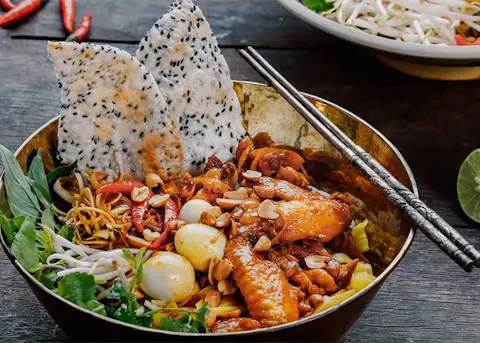
Traditional Mì Quảng is often topped with shrimp and pork, though chicken, beef, frog, fish, or duck are also common. A small amount of concentrated broth, slowly simmered with bones and spices, coats the noodles with rich, savory flavor without turning the dish into a soup.
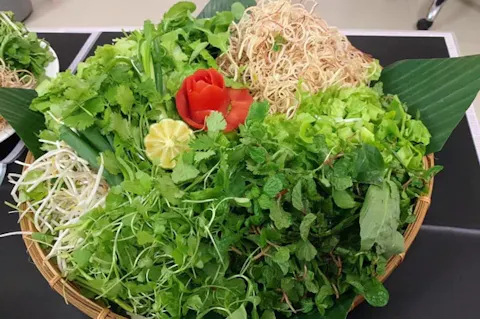
Fresh Herbs, Roasted Peanuts & Sesame Rice Crackers↗
Fresh lettuce, Vietnamese herbs, bean sprouts, roasted peanuts, and crispy sesame rice crackers add layers of freshness, crunch, and aroma. These accompaniments create the balanced textures and vibrant flavors that make Mì Quảng one of Central Vietnam’s most iconic dishes.
Frequently Asked Questions About Mì Quảng
What is Mì Quảng?
Mì Quảng is a traditional noodle dish from Quảng Nam Province in Central Vietnam. It features wide turmeric-colored rice noodles, a small amount of rich broth, fresh herbs, roasted peanuts, sesame rice crackers, and a choice of toppings such as shrimp, pork, chicken, beef, or fish.
How is Mì Quảng different from Phở?
Unlike Phở, which is served with plenty of clear broth, Mì Quảng contains only a small amount of concentrated broth that lightly coats the noodles. It also includes roasted peanuts, fresh herbs, and crispy sesame rice crackers, creating a much richer mix of textures.
Where did Mì Quảng originate?
Mì Quảng originated in Quảng Nam Province, near Da Nang, and is considered one of the defining dishes of Central Vietnamese cuisine. Today, it is enjoyed throughout Vietnam but remains most authentic in its birthplace.
What are the traditional toppings for Mì Quảng?
Classic versions include shrimp and pork, but many regional variations feature chicken, beef, frog, fish, duck, or even vegetarian ingredients. The dish is commonly finished with roasted peanuts, fresh herbs, sesame rice crackers, and sometimes boiled quail eggs.
Is Mì Quảng spicy?
The basic dish is not particularly spicy, but it is usually served with fresh chili or chili sauce so diners can adjust the heat to their preference. Many locals enjoy adding lime, fish sauce, and sliced chili to enhance the flavor.
Advertising box
Discover Vietnam's Regional Cuisine
Explore the rich diversity of Vietnamese food through regional specialties from north to south. Discover authentic local dishes, traditional recipes, street food favorites, fresh seafood, mountain delicacies, and iconic flavors that showcase the unique culinary heritage of every region across Vietnam.
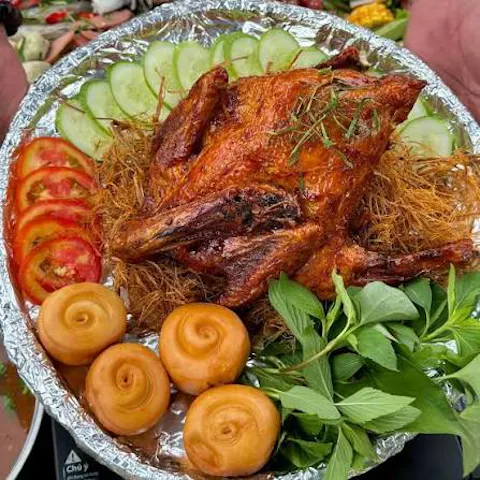
Gà Đốt Ô Thum (O Thum Burnt Chicken): A Rustic Culinary Gem of An Giang
Gà Đốt Ô Thum (O Thum Burnt Chicken) is one of An Giang's most distinctive culinary specialties, originating from the rural O Thum area in Tri Ton District. Prepared using free-range chicken roasted over high heat until the skin becomes beautifully charred and crispy, this rustic dish is celebrated for its smoky aroma, juicy meat, and rich flavor. Often served with fresh herbs, sticky rice, and flavorful dipping sauces, Gà Đốt Ô Thum offers visitors an authentic taste of the Mekong Delta's traditional countryside cuisine.
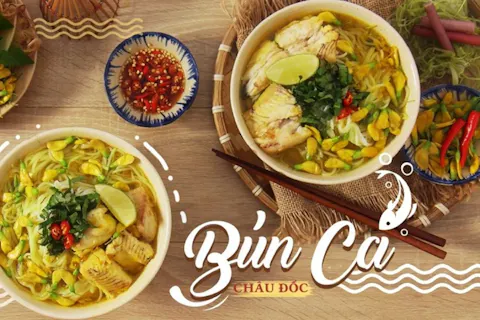
Bún Cá Châu Đốc (Chau Doc Fish Noodle Soup): An Giang's Iconic Mekong Delta Specialty
Bún Cá Châu Đốc (Chau Doc Fish Noodle Soup) is one of An Giang's most iconic culinary specialties, celebrated for its fragrant turmeric-infused broth, tender freshwater fish, fresh herbs, and authentic Mekong Delta flavors. Influenced by Vietnamese, Khmer, and Cham culinary traditions, this beloved dish offers a unique taste of southern Vietnam. Whether you're exploring Chau Doc or planning a food-focused journey through An Giang, Bún Cá Châu Đốc is a must-try local delicacy that showcases the region's rich cultural and culinary heritage.
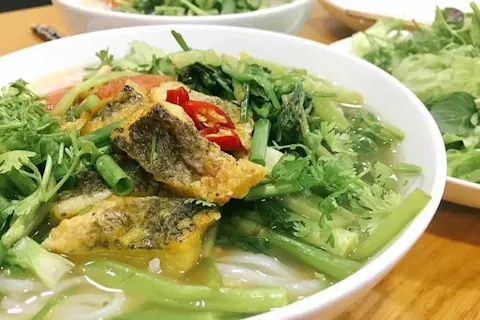
Bún Cá Rô Đồng: Vietnamese Freshwater Fish Noodle Soup
Bún Cá Rô Đồng is a traditional Vietnamese noodle soup featuring freshwater climbing perch, known locally as cá rô đồng, served with rice vermicelli and a flavorful broth. The fish is often prepared to create tender pieces with a naturally delicate flavor, while fresh herbs and vegetables add freshness and texture. Popular in northern and northern-central Vietnam, this rustic dish reflects the country's tradition of using locally sourced freshwater ingredients. Discover the ingredients, preparation, regional character, flavors, and cultural background of Bún Cá Rô Đồng.
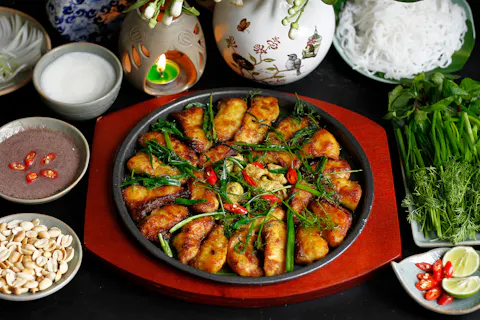
Chả Cá Lã Vọng: Hanoi's Turmeric Fish Dish
Chả Cá Lã Vọng is one of Hanoi's most famous traditional dishes, featuring pieces of fish marinated with turmeric and spices, then cooked with fresh dill and scallions. The sizzling fish is typically served with rice vermicelli, roasted peanuts, fresh herbs, and fermented shrimp paste known as mắm tôm. Rich, aromatic, and deeply savory, the dish combines the flavors of turmeric, herbs, grilled fish, and traditional Vietnamese seasonings. Discover its history, ingredients, preparation, and the traditional way to enjoy this iconic Hanoi specialty.