
Thang Co: Vietnam's Traditional Hmong Horse Meat Stew
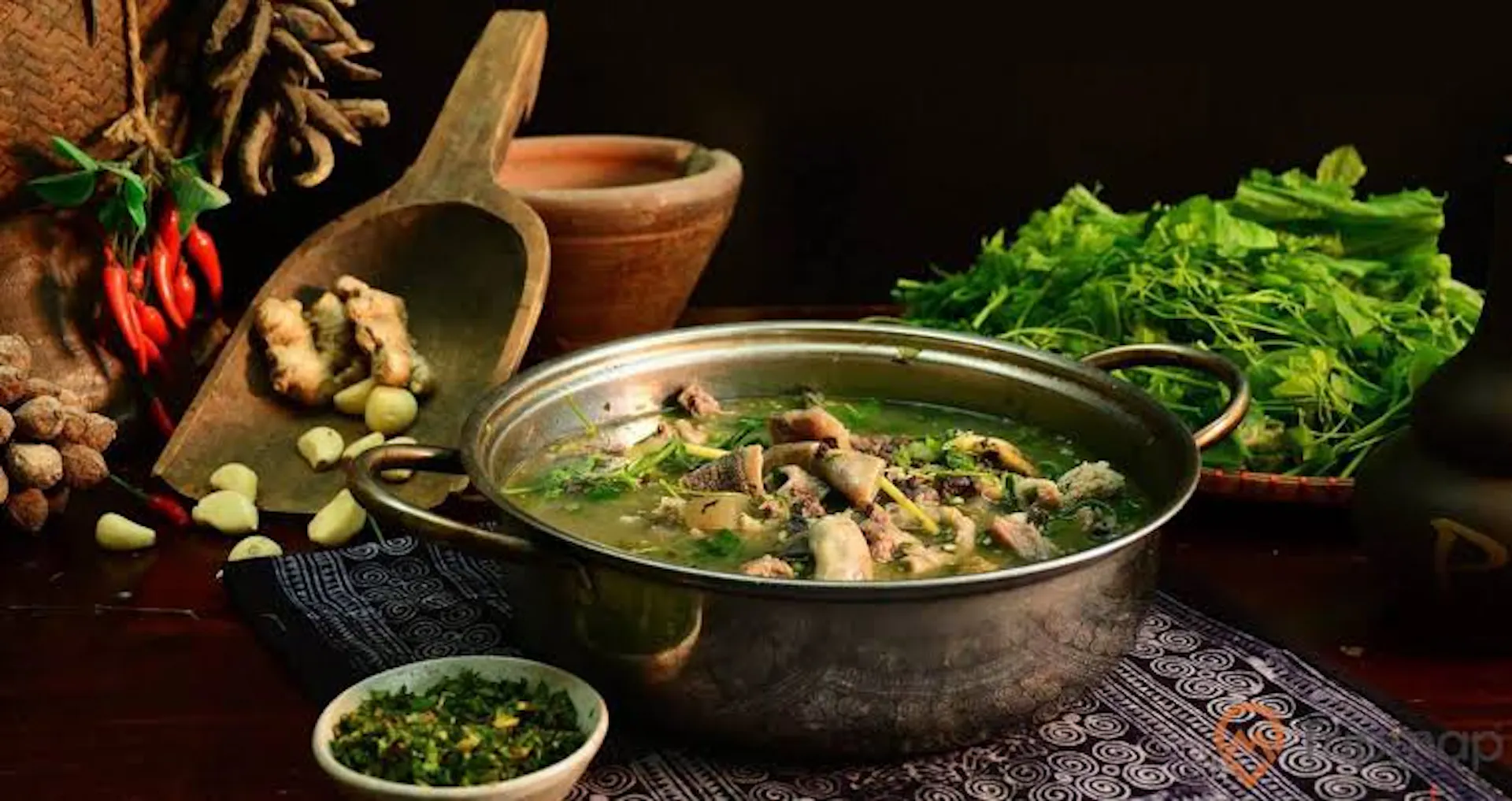
Thang Co is a traditional dish associated with the Hmong communities of northern Vietnam, particularly in mountainous destinations such as Ha Giang and Sapa. Traditionally prepared as a hearty stew using horse meat, offal, bones, aromatic herbs, and local spices, the dish has long been connected with communal meals and mountain markets. Its rich flavor and distinctive ingredients offer travelers an opportunity to explore the culinary traditions of Vietnam's ethnic communities. Discover the history, ingredients, preparation, regional variations, and cultural significance of Thang Co.
About Thang Co
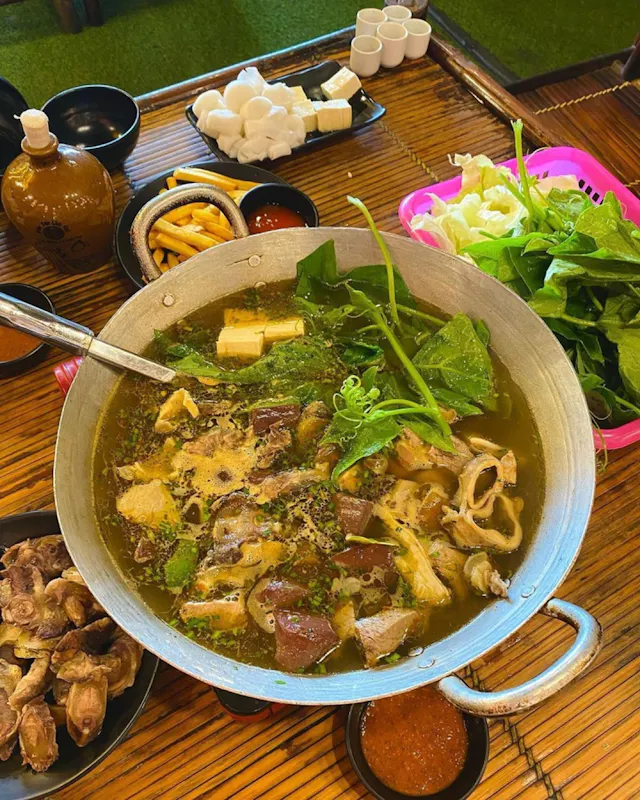
Thang Co is one of the most distinctive traditional dishes associated with the Hmong communities of northern Vietnam. Known for its rich broth, hearty ingredients, and aromatic mountain spices, this traditional stew is closely connected with local markets, festivals, communal gatherings, and everyday food culture in the northern highlands.
For travelers exploring destinations such as Ha Giang, Sapa, Lao Cai, and other mountainous areas, trying Thang Co offers an opportunity to experience a regional dish that reflects the traditions and environment of northern Vietnam.
What Is Thang Co?
Thang Co, written as Thắng Cố in Vietnamese, is traditionally a slow-cooked stew associated particularly with Hmong cuisine.
Historically, horse meat has been one of its defining ingredients, although modern versions may also use beef, buffalo, pork, or other meats depending on the location and local traditions.
The dish commonly includes meat, bones, and offal cooked together with aromatic herbs and spices.
Rather than being a simple meat soup, Thang Co is traditionally prepared as a communal dish and is closely associated with social gatherings and local markets.
The Origins of Thang Co
Thang Co is strongly associated with the Hmong communities of Vietnam's northern mountainous region.
Its origins are connected with traditional livestock-raising communities, where available animal products were used efficiently in cooking.
The dish developed as a practical and communal food, particularly suitable for gatherings where a large pot could be prepared and shared among many people.
Over time, Thang Co became closely associated with mountain markets and cultural events, where families and visitors could gather around a pot of stew while enjoying conversation and local drinks.
Traditional Ingredients
Traditional Thang Co is known for using a combination of meat, bones, and offal.
Horse meat is particularly associated with the traditional preparation, although the exact ingredients can vary between communities and restaurants.
Aromatic spices are essential to the dish's character. These can include ingredients such as đổi seeds, mắc khén, ginger, lemongrass, cardamom, and other locally used herbs and spices.
The combination creates a broth with a complex aroma and a warm, savory flavor.
Because recipes are often passed down through communities and families, there is no single standardized recipe for Thang Co.
How Thang Co Is Prepared
Traditional preparation involves simmering the ingredients together in a large pot.
Meat, bones, and other ingredients are cooked slowly to develop a rich broth, while herbs and spices contribute distinctive aromas.
The long cooking process helps soften tougher cuts of meat and allows the flavors of the ingredients to blend.
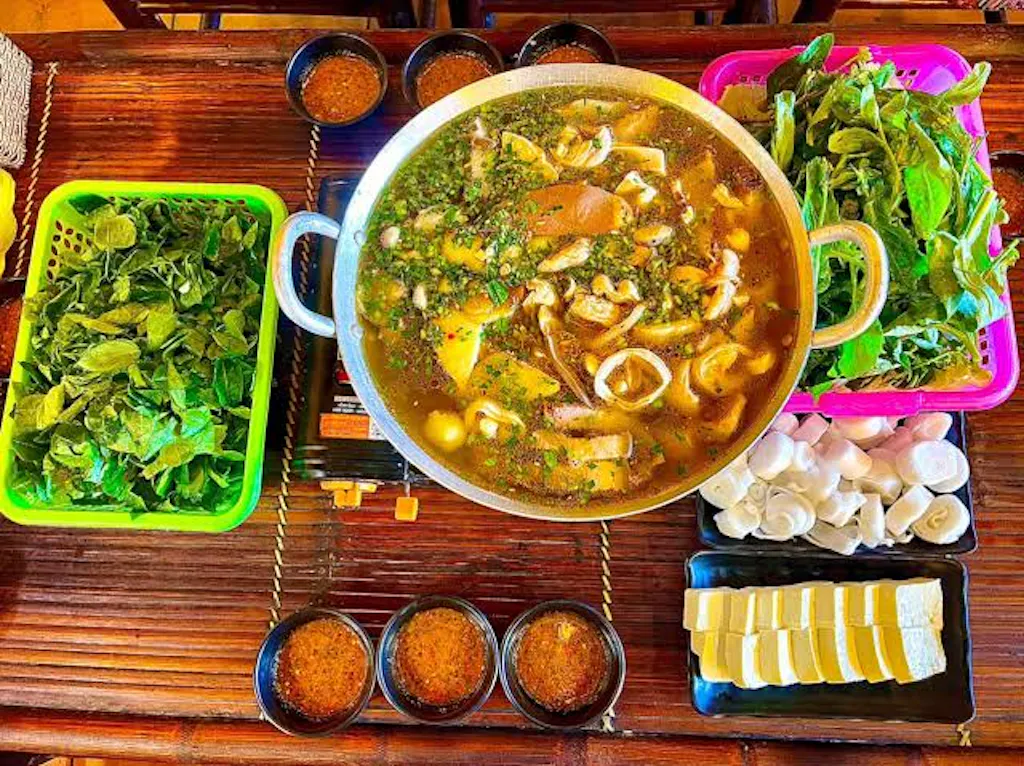
In traditional settings, the stew may remain over a fire or cooking station while diners gather around it.
This communal style of serving is an important part of the experience.
Thang Co in Northern Mountain Markets
Mountain markets are among the best places for travelers to encounter Thang Co.
Markets in destinations such as Ha Giang, Dong Van, Bac Ha, and Sapa can provide opportunities to see regional food traditions alongside local products, handicrafts, livestock, and agricultural goods.
For many communities, markets are important social spaces rather than simply places to buy and sell products.
Eating Thang Co in this environment can therefore provide more context than ordering the dish in a tourist-oriented restaurant.
Thang Co and Hmong Culture
Food plays an important role in cultural traditions, and Thang Co is particularly associated with communal gatherings.
Sharing a large pot of food creates a social experience where family members, friends, neighbors, and visitors can gather together.
The dish is therefore more than a combination of ingredients. It represents traditional cooking practices and the communal character of life in northern mountain communities.
Travelers should approach the dish as part of a living culture rather than simply an unusual food to photograph or sample.
What Does Thang Co Taste Like?
The flavor of Thang Co can vary considerably depending on the ingredients and preparation.
Traditional versions are generally savory, rich, aromatic, and strongly influenced by local herbs and spices.
The use of offal and bones can create a deeper flavor and distinctive texture.
For visitors unfamiliar with northern Vietnamese cuisine, the dish may taste very different from more internationally familiar Vietnamese dishes such as Phở or Bún Chả.
Its distinctive flavor is part of what makes Thang Co an interesting culinary experience.
Where to Try Thang Co
Travelers can look for Thang Co in northern mountain destinations, particularly in areas associated with Hmong communities.
Ha Giang is an excellent region for exploring the dish through local markets and traditional eateries.
Sapa also offers opportunities to try Thang Co, although restaurants may adapt traditional recipes to suit visitors.
Bac Ha and other highland market towns can provide additional opportunities to experience regional versions.
Availability and ingredients may vary, so travelers should ask about the preparation before ordering.
Tips for First-Time Visitors
If you are trying Thang Co for the first time, start with a small portion if you are unsure about the ingredients.
Ask the restaurant or vendor which meat and ingredients are included, particularly if you have dietary restrictions.
Some versions may contain offal or ingredients unfamiliar to international visitors.
Eating with local sauces, herbs, or other accompaniments can also provide a better understanding of how the dish is traditionally enjoyed.
Discover Northern Vietnam Through Food
Thang Co offers travelers a distinctive introduction to the culinary traditions of Vietnam's northern highlands.
Its combination of meat, herbs, spices, communal preparation, and market culture reflects the history and lifestyle of mountain communities.
For travelers visiting Ha Giang, Sapa, Bac Ha, or other northern destinations, trying Thang Co can become more than a meal. It is an opportunity to connect Vietnamese food with local markets, ethnic cultures, traditional cooking, and the landscapes of the northern mountains.
Exploring regional dishes such as Thang Co is one of the best ways to discover the cultural diversity that makes Vietnamese cuisine so fascinating.
Featured Ingredients in Thang Co
Thang Co is traditionally made with a combination of meat, offal, aromatic herbs, and distinctive mountain spices. The exact ingredients can vary between communities and regions, but these three components are central to understanding the dish's traditional character.
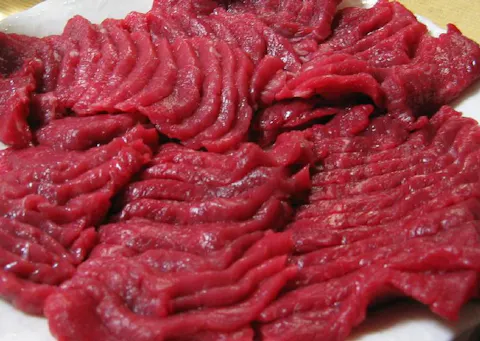
Horse Meat↗
Horse meat is the ingredient most strongly associated with traditional Thang Co. It provides the stew with a rich, savory flavor and hearty texture. Traditionally, different cuts may be cooked together slowly to create a deeply flavored communal dish.
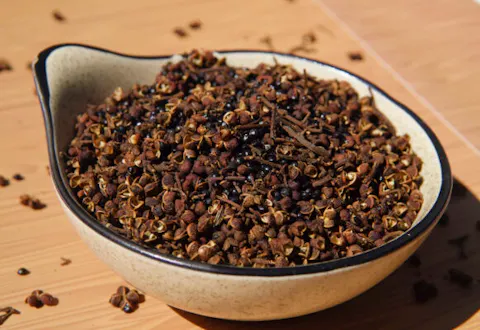
Mountain Spices↗
Local spices such as mắc khén, đổi seeds, ginger, and cardamom contribute Thang Co's distinctive aroma and warming flavor. These ingredients help create the complex taste that sets the northern mountain stew apart from more familiar Vietnamese soups and stews.
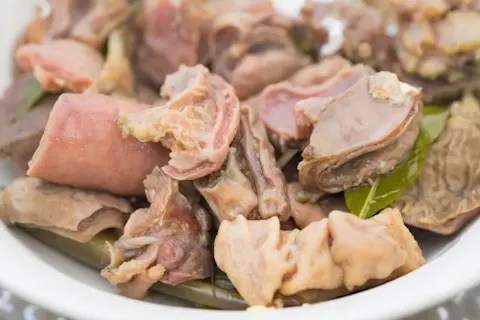
Offal and Bones↗
Traditional preparations may include various cuts of offal and bones alongside the meat. Slow cooking extracts flavor from the bones while giving the broth a rich character. Using different parts of the animal also reflects traditional cooking practices in northern mountain communities.
Frequently Asked Questions About Thang Co
What is Thang Co?
Thang Co (Thắng Cố) is a traditional stew associated with Hmong communities in northern Vietnam. Traditionally made with horse meat, bones, offal, herbs, and local spices, it is known for its rich broth and distinctive aromatic flavor. The dish is particularly associated with mountain markets and communal gatherings.
What meat is traditionally used in Thang Co?
Horse meat is traditionally associated with Thang Co and remains an important ingredient in many traditional preparations. However, some restaurants and local eateries may prepare versions using beef, buffalo, pork, or other meats. Travelers can ask about the ingredients before ordering if they want to try a traditional horse-meat version.
Where can I try Thang Co in Vietnam?
Thang Co is particularly associated with the northern mountain regions of Vietnam. Travelers can find it in destinations such as Ha Giang, Sapa, Lao Cai, Dong Van, and Bac Ha. Local markets and traditional eateries can provide a more authentic setting for experiencing the dish and its connection with northern mountain culture.
What does Thang Co taste like?
Thang Co generally has a rich, savory, and aromatic flavor. Its taste depends on the meat, herbs, spices, and cooking method used. Traditional versions may have a strong flavor because they can include offal and distinctive mountain spices such as mắc khén and đổi seeds. The taste can be quite different from familiar Vietnamese dishes such as Phở or Bún Chả.
Is Thang Co suitable for first-time visitors to Vietnam?
Thang Co can be an interesting choice for adventurous travelers who want to explore regional and ethnic cuisines. However, its traditional ingredients, including offal and horse meat, may be unfamiliar to some visitors. If you are trying it for the first time, ask about the ingredients and consider starting with a small portion to experience the dish comfortably.
Advertising box
Discover Vietnam's Regional Cuisine
Explore the rich diversity of Vietnamese food through regional specialties from north to south. Discover authentic local dishes, traditional recipes, street food favorites, fresh seafood, mountain delicacies, and iconic flavors that showcase the unique culinary heritage of every region across Vietnam.
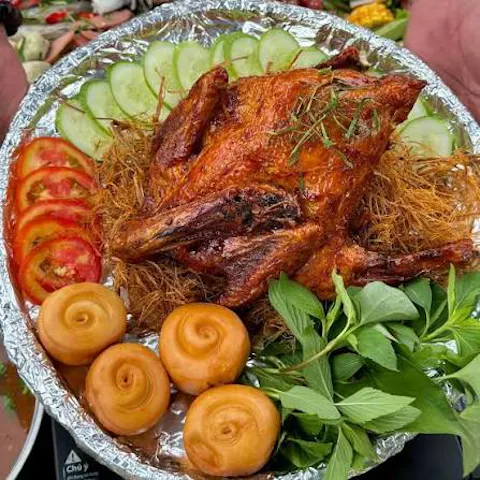
Gà Đốt Ô Thum (O Thum Burnt Chicken): A Rustic Culinary Gem of An Giang
Gà Đốt Ô Thum (O Thum Burnt Chicken) is one of An Giang's most distinctive culinary specialties, originating from the rural O Thum area in Tri Ton District. Prepared using free-range chicken roasted over high heat until the skin becomes beautifully charred and crispy, this rustic dish is celebrated for its smoky aroma, juicy meat, and rich flavor. Often served with fresh herbs, sticky rice, and flavorful dipping sauces, Gà Đốt Ô Thum offers visitors an authentic taste of the Mekong Delta's traditional countryside cuisine.
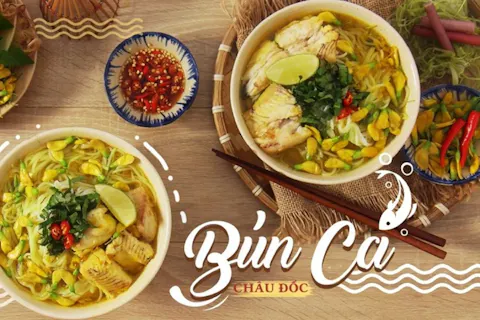
Bún Cá Châu Đốc (Chau Doc Fish Noodle Soup): An Giang's Iconic Mekong Delta Specialty
Bún Cá Châu Đốc (Chau Doc Fish Noodle Soup) is one of An Giang's most iconic culinary specialties, celebrated for its fragrant turmeric-infused broth, tender freshwater fish, fresh herbs, and authentic Mekong Delta flavors. Influenced by Vietnamese, Khmer, and Cham culinary traditions, this beloved dish offers a unique taste of southern Vietnam. Whether you're exploring Chau Doc or planning a food-focused journey through An Giang, Bún Cá Châu Đốc is a must-try local delicacy that showcases the region's rich cultural and culinary heritage.
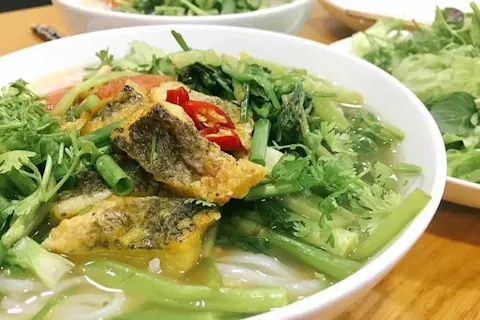
Bún Cá Rô Đồng: Vietnamese Freshwater Fish Noodle Soup
Bún Cá Rô Đồng is a traditional Vietnamese noodle soup featuring freshwater climbing perch, known locally as cá rô đồng, served with rice vermicelli and a flavorful broth. The fish is often prepared to create tender pieces with a naturally delicate flavor, while fresh herbs and vegetables add freshness and texture. Popular in northern and northern-central Vietnam, this rustic dish reflects the country's tradition of using locally sourced freshwater ingredients. Discover the ingredients, preparation, regional character, flavors, and cultural background of Bún Cá Rô Đồng.
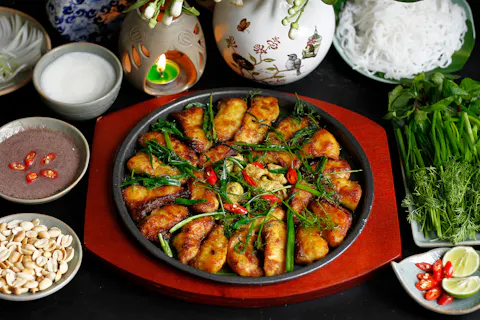
Chả Cá Lã Vọng: Hanoi's Turmeric Fish Dish
Chả Cá Lã Vọng is one of Hanoi's most famous traditional dishes, featuring pieces of fish marinated with turmeric and spices, then cooked with fresh dill and scallions. The sizzling fish is typically served with rice vermicelli, roasted peanuts, fresh herbs, and fermented shrimp paste known as mắm tôm. Rich, aromatic, and deeply savory, the dish combines the flavors of turmeric, herbs, grilled fish, and traditional Vietnamese seasonings. Discover its history, ingredients, preparation, and the traditional way to enjoy this iconic Hanoi specialty.