
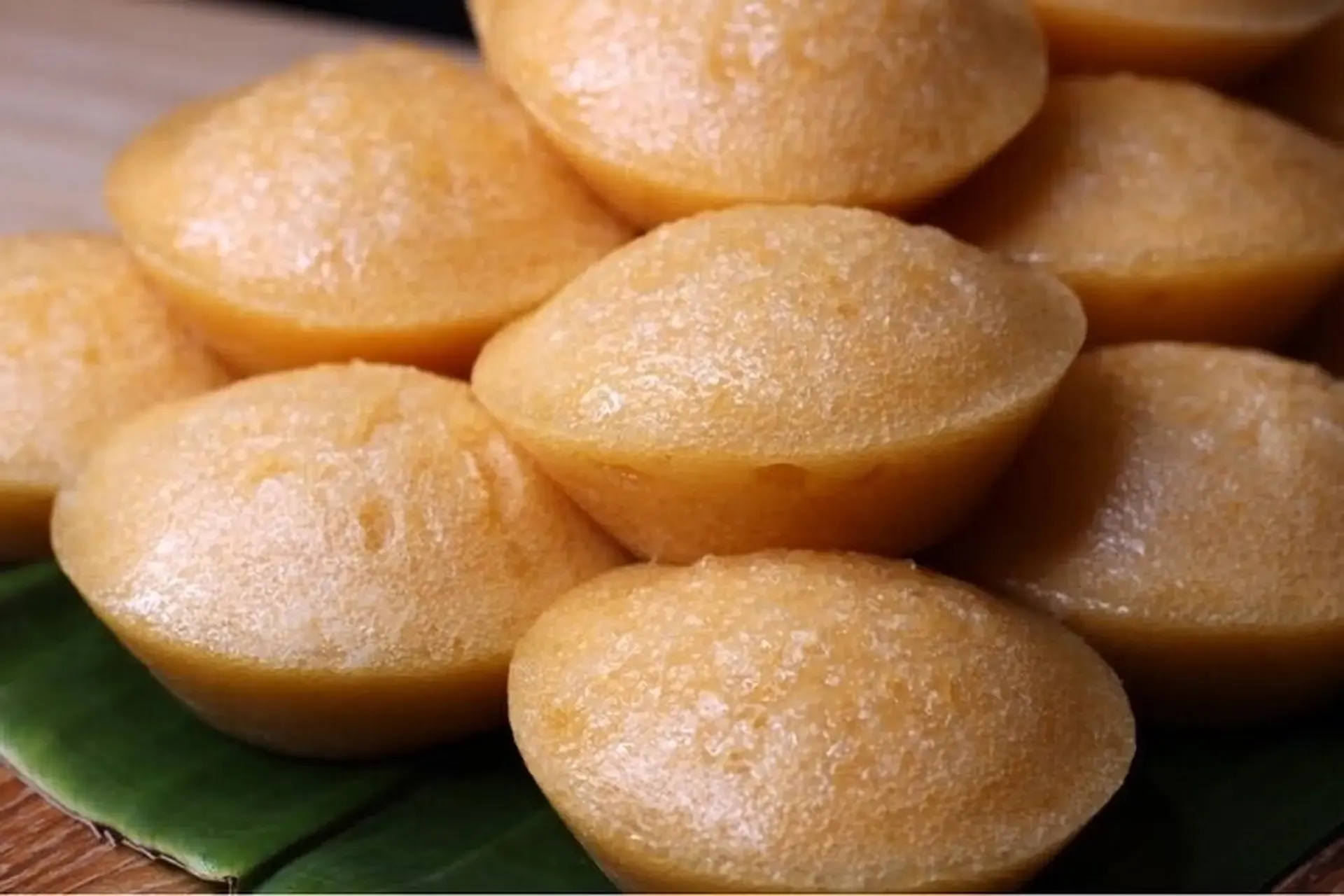
Bánh Bò Thốt Nốt: Vietnam's Palm Sugar Honeycomb Cake
Bánh Bò Thốt Nốt (Palmyra Sponge Cake) is one of An Giang's most iconic traditional desserts, renowned for its soft, airy texture and naturally sweet flavor from locally harvested palmyra palm sugar. Crafted using simple ingredients and time-honored techniques, this beloved cake reflects the culinary heritage of the Mekong Delta. Whether enjoyed as a snack, dessert, or local gift, Bánh Bò Thốt Nốt offers visitors an authentic taste of An Giang's rich food culture and the region's famous palmyra palms.
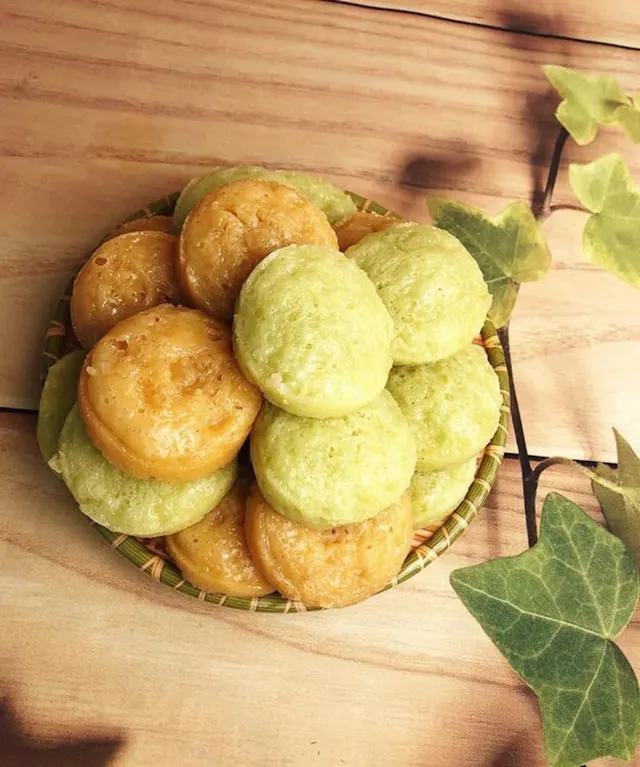
About Banh Bo Thot Not
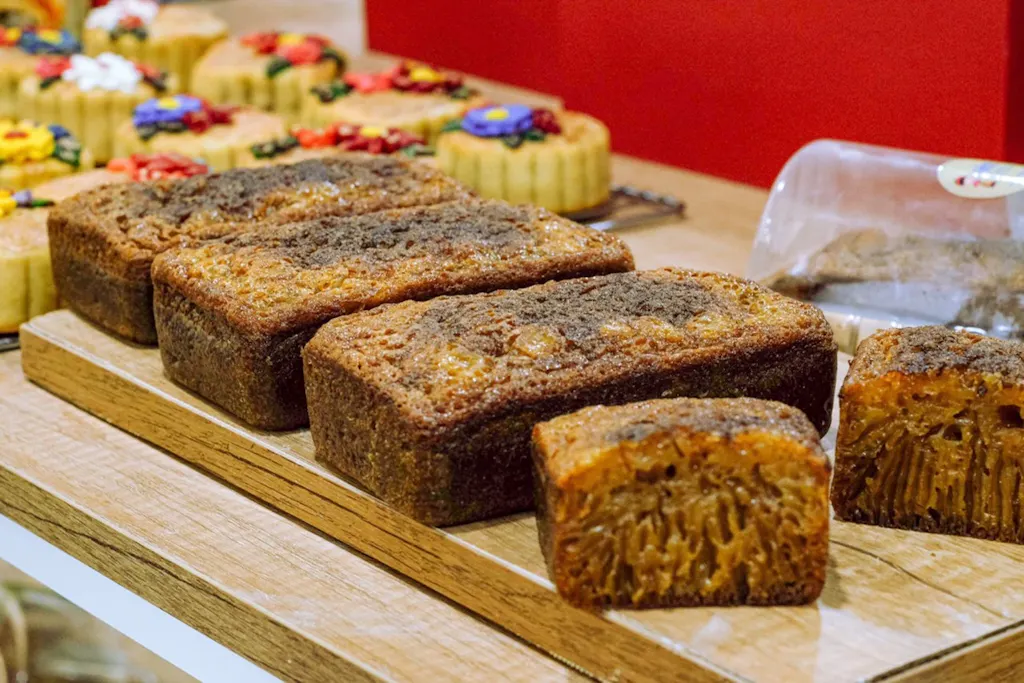
Banh Bo Thot Not is a traditional Vietnamese steamed rice cake known for its soft, airy texture, gentle sweetness, and distinctive caramel-like flavor from palm sugar. The specialty is strongly associated with An Giang Province in the Mekong Delta, where sugar palm trees are an important part of the local landscape and food culture.
Unlike many Vietnamese cakes made primarily with refined sugar, Banh Bo Thot Not uses naturally derived palm sugar, giving it a darker golden-brown color and a characteristic aroma. It is commonly enjoyed as a snack or dessert and is a popular specialty for travelers exploring Southern Vietnam.
What Is Banh Bo Thot Not?
Banh Bo Thot Not is a variation of Vietnamese Banh Bo, a fermented rice cake traditionally made from rice flour and other ingredients.
The addition of palm sugar gives this version its distinctive identity. The batter is steamed until it develops a light, porous structure filled with small air pockets.
The result is a soft and slightly chewy cake with a fragrant sweetness that makes it different from many other Vietnamese steamed desserts.
Palm Sugar
Palm sugar, known as duong thot not, is the defining ingredient of this cake.
It is traditionally produced from the sap of sugar palm trees, which are widely associated with the countryside of An Giang and the Seven Mountains region.
The sugar has a rich aroma and deeper flavor than ordinary white sugar. When incorporated into the cake batter, it creates the characteristic golden or amber color and subtle caramel-like taste of Banh Bo Thot Not.
Rice Flour
Rice flour provides the foundation of the cake.
It contributes a mild grain flavor and helps create the soft structure produced during steaming. The flour is combined with liquid and other ingredients to form a batter that is allowed to ferment before cooking.
Proper fermentation is important because it helps create the small air pockets that give Banh Bo its distinctive honeycomb-like texture.
Fermentation and Texture
One of the most recognizable characteristics of Banh Bo is its airy interior.
The batter undergoes fermentation before steaming, allowing bubbles to develop. When cooked, these bubbles create a porous structure throughout the cake.
A well-made Banh Bo Thot Not should be soft, slightly springy, and pleasantly chewy rather than dense.
The texture can vary depending on the recipe, fermentation time, and steaming technique.
What Does Banh Bo Thot Not Taste Like?
Banh Bo Thot Not has a mild, sweet, and aromatic flavor.
Palm sugar provides deeper caramel-like notes, while the rice flour contributes a subtle grain flavor. The cake itself is soft and slightly chewy, with a delicate sweetness rather than an intensely sugary taste.
Some versions may also have a light fermented aroma, which adds complexity to the overall flavor.
Coconut Milk
Coconut milk is sometimes served with Banh Bo Thot Not or incorporated into certain variations.
Its creamy texture and subtle sweetness complement the palm sugar and rice cake. Coconut-based toppings can make the dessert richer while adding another layer of tropical flavor.
However, recipes and serving styles vary between vendors and regions.
Banh Bo Thot Not in An Giang
An Giang is particularly famous for Banh Bo Thot Not.
The province's connection with sugar palm trees makes palm sugar an important local ingredient. Visitors traveling through areas such as Chau Doc and the Seven Mountains may encounter palm sugar products and traditional foods made with it.
Trying the cake in its region of origin provides an opportunity to connect the dessert with the agricultural landscape and culinary traditions of the Mekong Delta.
A Popular Vietnamese Snack
Banh Bo Thot Not can be enjoyed at local markets, bakeries, food stalls, and specialty shops.
It is commonly eaten as a casual snack or dessert and can also be purchased as a local specialty to take home.
Because it is relatively simple and portable, it is a convenient food for travelers exploring Southern Vietnam.
How Is Banh Bo Thot Not Served?
The cake is generally served at room temperature or slightly warm.
It can be enjoyed on its own to appreciate the aroma of palm sugar and the soft texture. Some versions may be accompanied by coconut milk, grated coconut, or other sweet toppings.
The cake is often cut into small pieces, making it easy to share.
Banh Bo Thot Not and Vietnamese Food Culture
This cake represents the close relationship between local ingredients and regional Vietnamese cuisine.
Palm sugar is not simply a sweetener in this dessert. It connects the food to the sugar palm trees and agricultural traditions of the Mekong Delta.
The use of fermentation and steaming also reflects traditional Vietnamese techniques for creating distinctive textures from simple ingredients.
Discover Banh Bo Thot Not
Banh Bo Thot Not is more than a sweet Vietnamese rice cake. Its soft, airy texture, fragrant palm sugar, and connection to An Giang's sugar palm culture make it a distinctive specialty of Southern Vietnam.
For travelers exploring the Mekong Delta, tasting Banh Bo Thot Not is a delicious way to discover local ingredients and traditional food traditions. Whether enjoyed fresh at a market or purchased as a regional specialty, this palm-sugar steamed cake offers a gentle sweetness and texture that captures a unique part of Vietnamese culinary culture.
The Essential Ingredients Behind Bánh Bò Thốt Nốt
Bánh Bò Thốt Nốt is loved for its naturally sweet flavor, light honeycomb texture, and fragrant aroma. These qualities come from a handful of carefully selected ingredients that have been used in traditional recipes for generations. Together, they create one of An Giang's most iconic and authentic desserts.
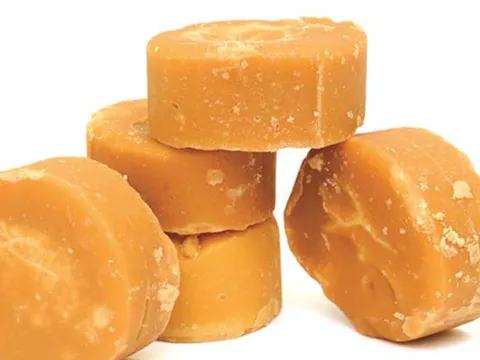
Palmyra Palm Sugar↗
Locally harvested palmyra palm sugar is the signature ingredient that gives the cake its beautiful golden color, delicate caramel-like sweetness, and subtle floral aroma. Produced from the sap of palmyra trees in An Giang, it offers a richer and more natural flavor than refined sugar.
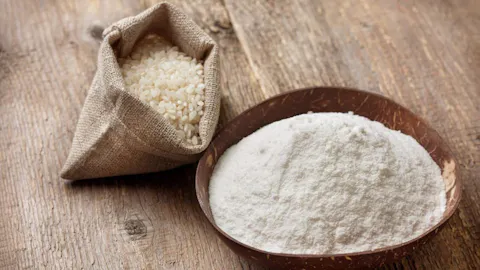
Rice Flour↗
High-quality rice flour forms the base of the cake, creating its soft, moist, and slightly chewy texture. During fermentation, the batter develops tiny air pockets that produce the characteristic honeycomb structure found in traditional Bánh Bò Thốt Nốt.
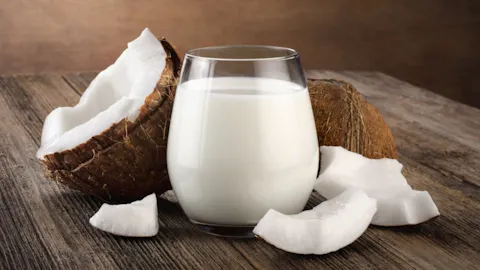
Fresh Coconut Milk↗
Creamy coconut milk adds richness, moisture, and a smooth tropical flavor that perfectly complements the sweetness of palmyra sugar. It also contributes to the cake's tender crumb and fragrant aroma, making every bite both light and satisfying.
Everything You Need to Know About Bánh Bò Thốt Nốt
What is Bánh Bò Thốt Nốt?
Bánh Bò Thốt Nốt, or Palmyra Sponge Cake, is a traditional Vietnamese sponge cake from An Giang Province. It is made with rice flour, coconut milk, yeast, and natural palmyra palm sugar, giving it a soft honeycomb texture and a rich caramel-like sweetness.
What makes Bánh Bò Thốt Nốt different from regular sponge cake?
Unlike Western-style sponge cakes, Bánh Bò Thốt Nốt is naturally fermented to create its signature airy honeycomb texture. The use of palmyra palm sugar also gives it a distinctive golden color, floral aroma, and deeper flavor that cannot be achieved with refined sugar.
Why is palmyra palm sugar used in the cake?
Palmyra palm sugar is a specialty of An Giang, particularly in the Tri Ton and Tinh Bien districts. It provides natural sweetness, a subtle caramel flavor, and an authentic regional character, making it the defining ingredient of Bánh Bò Thốt Nốt.
Where can I buy authentic Bánh Bò Thốt Nốt?
Authentic Bánh Bò Thốt Nốt is widely available in Chau Doc, Tri Ton, Tinh Bien, local markets, roadside shops, and specialty food stores throughout An Giang. Many travelers also purchase it as a popular local souvenir to take home.
Is Bánh Bò Thốt Nốt suitable for vegetarians?
Traditional Bánh Bò Thốt Nốt is generally vegetarian-friendly because it is made from rice flour, coconut milk, palmyra palm sugar, and yeast. However, if you have specific dietary requirements or allergies, it is always a good idea to check the ingredients with the seller before purchasing.
Advertising box
Related Street Food in Vietnam
Discover more of Vietnam's vibrant street food culture through iconic local dishes, from savory noodle bowls and crispy snacks to fresh rolls and regional specialties. Explore the flavors, ingredients, cooking traditions, and stories behind popular Vietnamese street foods, and find new dishes to try as you travel across the country.
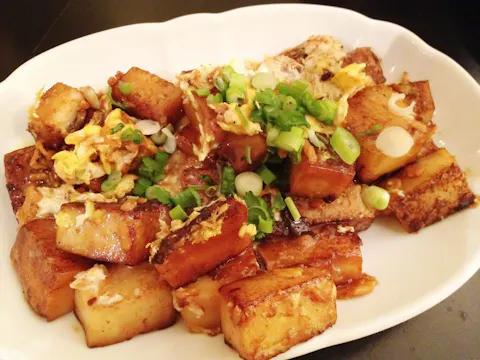
Bột Chiên: Vietnam's Crispy Fried Rice Cake
Bột Chiên is a popular Vietnamese street food made from cubes of rice flour cake fried until crisp on the outside while remaining soft and chewy inside. The golden pieces are usually cooked with eggs, green onions, and savory seasonings, then served with a sweet and tangy dipping sauce and shredded green papaya. Especially popular in Southern Vietnam, Bột Chiên is an affordable and satisfying snack enjoyed at street stalls and local eateries. Discover its ingredients, preparation, flavors, history, and traditional ways to enjoy it.
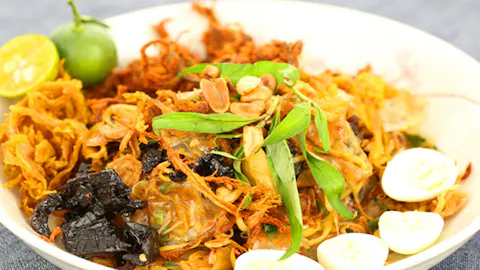
Bánh Tráng Nướng: Vietnam's Grilled Rice Paper
Bánh Tráng Nướng is a popular Vietnamese street food made by grilling thin rice paper over charcoal or heat until crisp, then adding toppings such as egg, scallions, dried shrimp, Vietnamese sausage, and savory sauces. Often nicknamed “Vietnamese pizza” because of its round shape and layered toppings, it combines a crispy base with rich, savory, and aromatic flavors. Particularly popular in Da Lat and other Vietnamese cities, Bánh Tráng Nướng is an affordable street snack and a must-try for travelers exploring Vietnam's vibrant food culture.
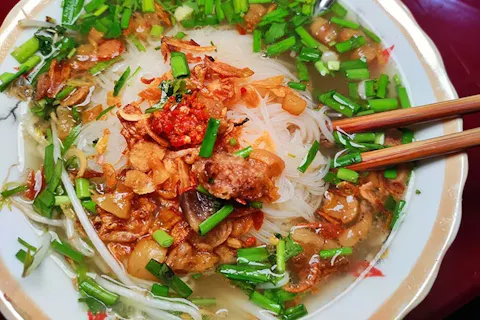
Hủ Tiếu: Vietnam's Southern Noodle Soup
Hủ Tiếu is a popular noodle dish from southern Vietnam, known for its light yet flavorful broth, chewy noodles, fresh herbs, vegetables, pork, shrimp, and seafood. Depending on the region and preparation, Hủ Tiếu can be served as a comforting noodle soup or as dry noodles tossed with savory sauce. Popular varieties include Hủ Tiếu Nam Vang and Hủ Tiếu Mỹ Tho, each with distinctive ingredients and flavors. Discover the history, ingredients, regional variations, and traditional ways to enjoy this beloved Southern Vietnamese specialty.
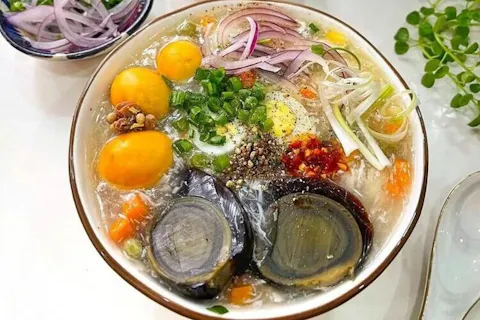
Súp Cua: Vietnam's Vietnamese Crab Soup
Súp Cua is a popular Vietnamese crab soup known for its thick, silky texture and savory combination of crab meat, eggs, mushrooms, corn, and flavorful broth. Often finished with black pepper, cilantro, and other Vietnamese seasonings, the soup offers a comforting balance of delicate seafood flavor and rich umami. Commonly served as a quick snack, appetizer, or light meal, Súp Cua is especially popular at street food stalls and casual eateries in southern Vietnam. Discover its ingredients, flavors, preparation, and place in Vietnamese food culture.