
Cơm Tấm: Vietnam's Broken Rice Dish
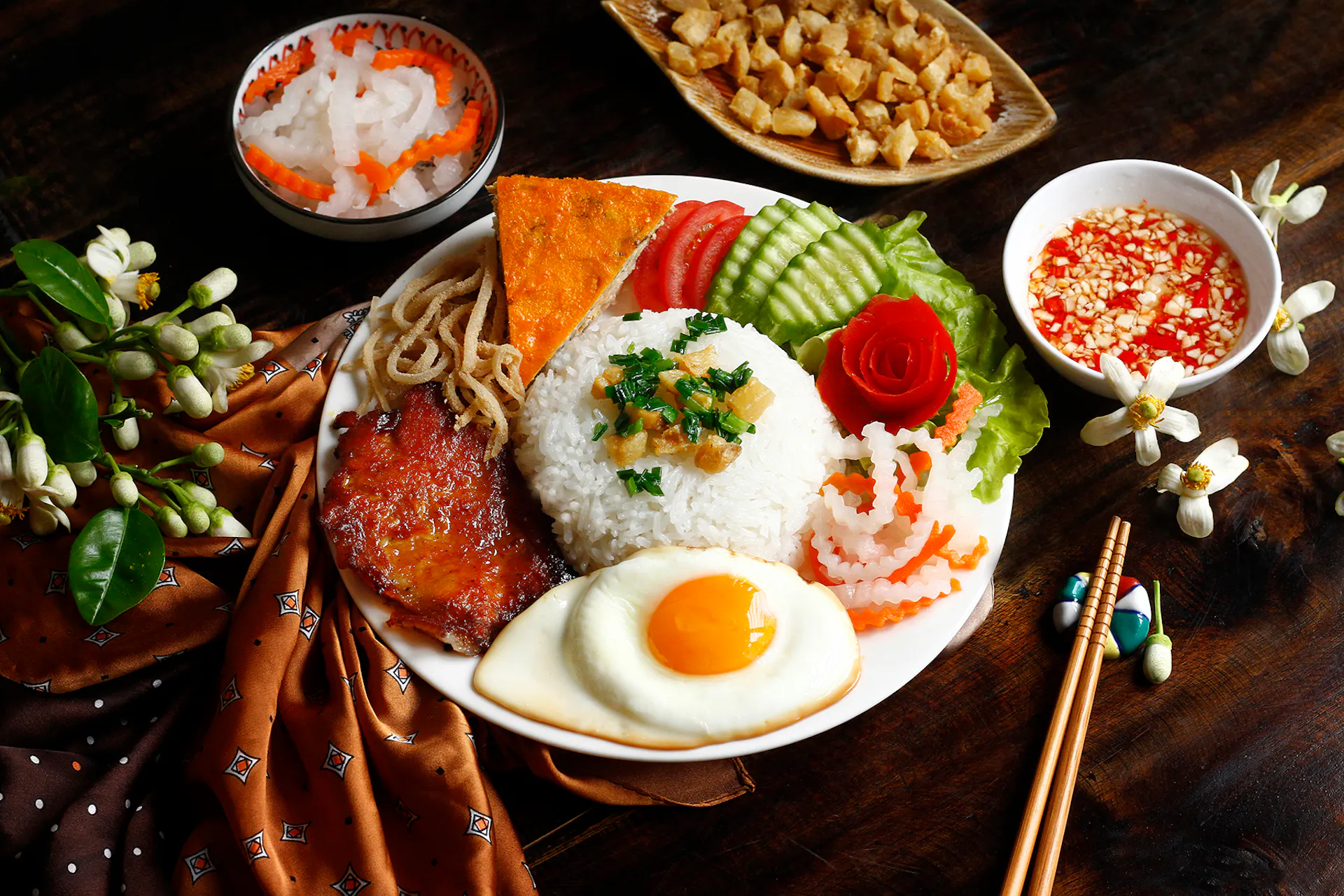
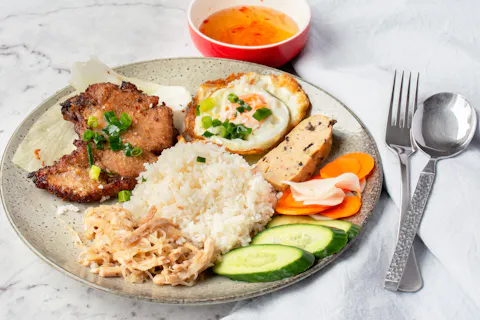
Cơm Tấm, often called Vietnamese broken rice, is one of southern Vietnam's most beloved everyday dishes. Traditionally associated with Saigon, it features steamed broken rice served with grilled pork, savory fish sauce, pickled vegetables, cucumber, and toppings such as pork skin or steamed egg meatloaf. The smoky aroma of grilled pork combined with soft rice and sweet-and-savory nước mắm creates a distinctly Vietnamese flavor. This guide explores what Cơm Tấm is, its ingredients, history, regional variations, and how to enjoy it in Vietnam.
About Com Tam
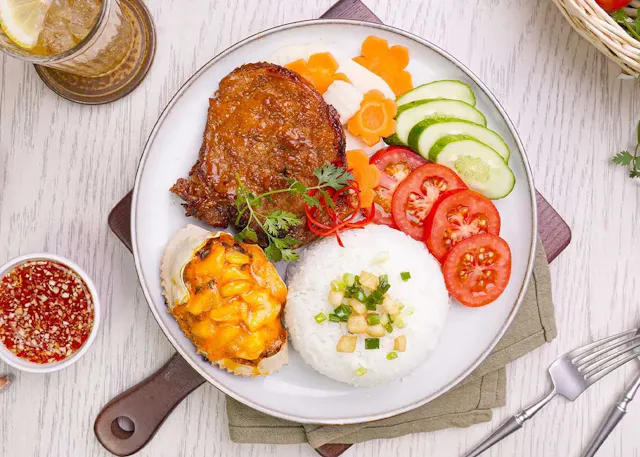
Com Tam, known as Cơm Tấm in Vietnamese, is one of the most popular everyday dishes in Southern Vietnam. Often translated as “broken rice,” the dish is made with small grains of fractured rice and traditionally served with grilled pork, steamed egg meatloaf, pickled vegetables, cucumber, green onions, and Vietnamese fish sauce.
Closely associated with Ho Chi Minh City, Com Tam has become an iconic part of Southern Vietnamese food culture. It is commonly enjoyed for breakfast, lunch, or dinner, with street-side restaurants and local eateries serving their own combinations of grilled meats and toppings.
What Is Com Tam?
Com Tam literally means broken rice.
The rice grains are smaller than regular long-grain rice because they are broken during the milling process. Traditionally, these fragments were considered less valuable, but Vietnamese cooks transformed them into the foundation of a delicious and satisfying meal.
Today, Com Tam is no longer considered a humble dish. It has become one of the signature foods of Southern Vietnam.
Broken Rice
The small rice grains give Com Tam its distinctive texture.
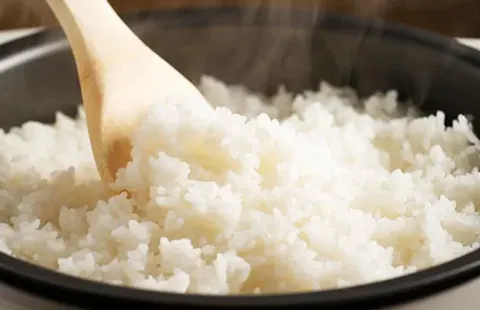
When cooked, broken rice is soft and slightly chewy, with a delicate texture that pairs particularly well with grilled meat and savory sauces.
The rice provides a mild foundation that allows the stronger flavors of the grilled pork, fish sauce, pickles, and other toppings to stand out.
Grilled Pork
Grilled pork is one of the most recognizable toppings.
Known as suon nuong, the pork chop is typically marinated with fish sauce, sugar, garlic, shallots, and other seasonings before being grilled over charcoal.
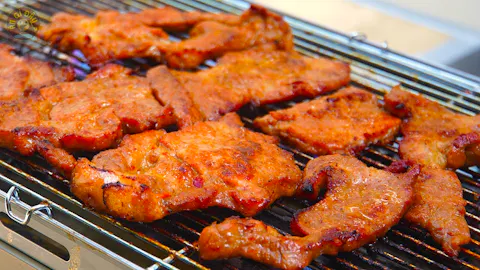
The grilling process creates a smoky aroma and caramelized edges while keeping the meat tender and flavorful.
The combination of warm broken rice and freshly grilled pork is central to the classic Com Tam experience.
Steamed Egg Meatloaf
Another traditional topping is cha trung, a savory steamed egg meatloaf.
It is commonly made with eggs, ground pork, glass noodles, wood ear mushrooms, and seasonings. The mixture is steamed until firm and then cut into slices or portions.
Its soft texture and savory flavor provide a pleasant contrast to the smoky grilled pork.
Fish Sauce
A sweet and savory fish sauce dressing brings the dish together.
The sauce is typically made with fish sauce, sugar, water, garlic, and chili. Depending on the recipe, lime juice or other acidic ingredients may also be included.
The sauce is usually drizzled over the rice and toppings, adding salty, sweet, savory, and spicy flavors.
Pickled Vegetables
Pickled vegetables provide freshness and acidity.
Carrots and daikon are commonly prepared with vinegar, sugar, and salt. Cucumber slices may also be served alongside the rice.
These fresh and pickled ingredients balance the richness of grilled pork and create a lighter contrast within the meal.
Green Onion Oil
Green onion oil, known as mo hanh, is another common topping.
Chopped green onions are combined with hot oil to create a fragrant mixture that is spooned over the rice or grilled pork.
Its fresh onion aroma and mild richness complement the smoky meat and savory fish sauce.
What Does Com Tam Taste Like?
Com Tam combines smoky, savory, sweet, tangy, and fresh flavors.
The broken rice is soft and mild, while grilled pork provides a rich and smoky character. Steamed egg meatloaf adds a tender, savory element, while fish sauce contributes sweetness and umami.
Pickled vegetables, cucumber, and green onions provide freshness and balance.
The result is a simple but satisfying meal with several contrasting flavors and textures.
Com Tam in Ho Chi Minh City
Com Tam is deeply connected to Ho Chi Minh City's street food culture.
Small restaurants and street-side stalls can be found throughout the city, often displaying rows of grilled pork and other ingredients near the entrance.
The aroma of pork grilling over charcoal is a familiar part of the city's food scene, particularly around lunchtime and in the evening.
Regional Variations
Although Com Tam is strongly associated with Southern Vietnam, variations can be found in other parts of the country.
Different restaurants may offer grilled chicken, shredded pork skin, pork meatballs, eggs, or other toppings.
One popular combination is Com Tam Suon Bi Cha, featuring grilled pork, shredded pork skin, and steamed egg meatloaf. It is considered one of the classic versions of the dish.
Where to Try Com Tam
Ho Chi Minh City is one of the best destinations for trying traditional Com Tam.
Travelers can find it at local markets, street food stalls, family-run restaurants, and casual eateries throughout the city.
For an authentic experience, look for busy local restaurants where pork is grilled continuously throughout the day. The smoky aroma from the grill is often an unmistakable sign that Com Tam is being prepared fresh.
How to Eat Com Tam
Com Tam is usually served as a complete plate with rice, grilled pork, vegetables, and other toppings.
Diners can pour fish sauce over the rice and meat before mixing different ingredients together. Pickled vegetables and cucumber can be eaten between bites to refresh the palate.
The dish is best enjoyed while the grilled pork and rice are still warm.
Discover Com Tam
Com Tam is more than a simple rice dish. It represents the creativity and everyday character of Southern Vietnamese cuisine.
Soft broken rice, smoky grilled pork, steamed egg meatloaf, green onion oil, pickled vegetables, and sweet-savory fish sauce come together to create a flavorful and satisfying meal.
For travelers visiting Ho Chi Minh City, trying a plate of authentic Com Tam is an essential Vietnamese food experience. Whether enjoyed at a busy street stall or a traditional local restaurant, Com Tam offers a delicious taste of Southern Vietnam's vibrant culinary culture.
You have not enough Humanizer words left. Upgrade your Surfer plan.
Featured Ingredients of Cơm Tấm
Cơm Tấm combines fragrant broken rice with smoky grilled pork and traditional Vietnamese toppings to create one of southern Vietnam's most recognizable rice dishes. These three key components form the foundation of a classic Cơm Tấm plate.
Broken Rice↗
Broken rice, known as cơm tấm, is the defining ingredient of the dish. These small fragments of rice grains have a softer, slightly delicate texture when cooked compared with whole rice grains. Traditionally considered a humble ingredient, broken rice has become an essential part of southern Vietnamese cuisine and gives Cơm Tấm its distinctive identity.
Grilled Pork↗
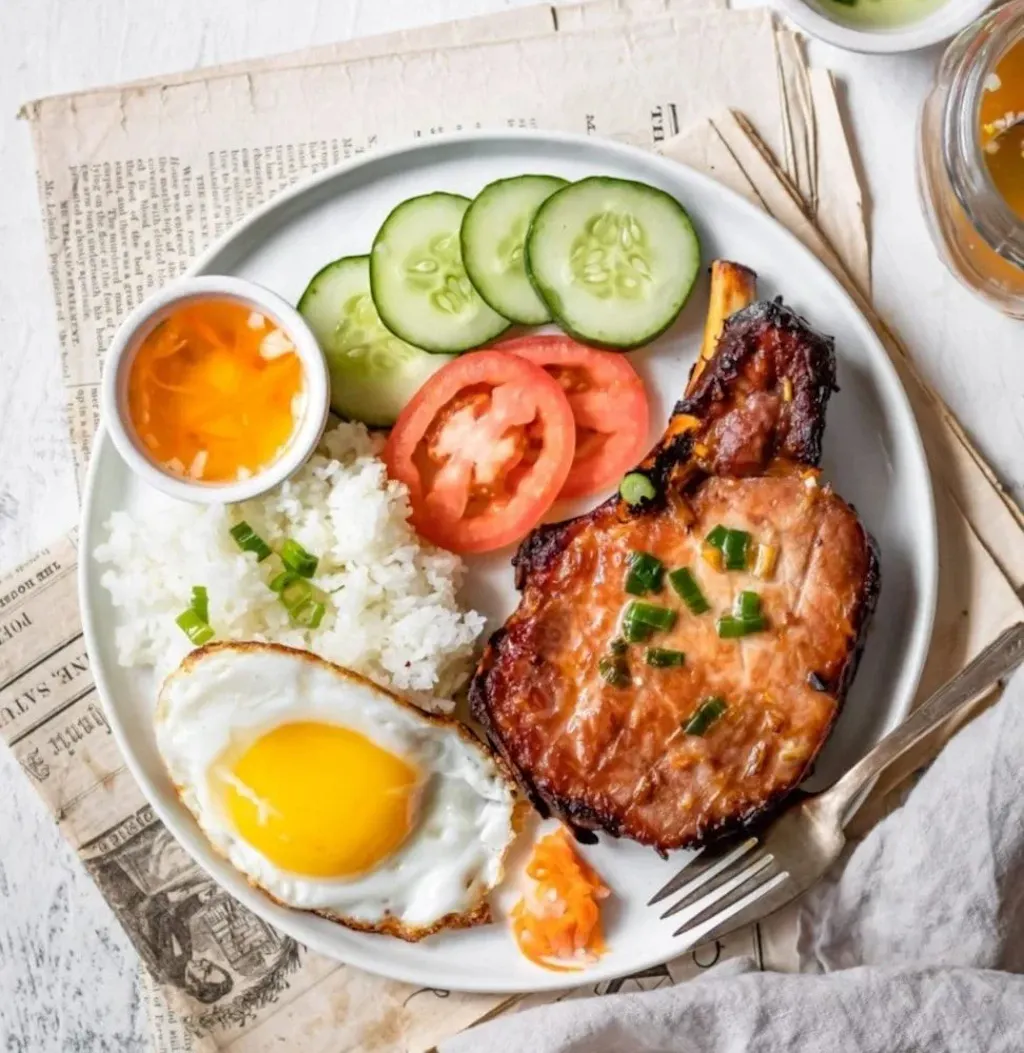
Grilled pork, or sườn nướng, is one of the most popular toppings served with Cơm Tấm. Pork is typically marinated with fish sauce, sugar, garlic, shallots, and other seasonings before being grilled over charcoal. The heat creates smoky aromas and caramelized edges while keeping the meat tender and savory.
Nước Mắm & Traditional Toppings↗
A flavorful nước mắm dressing brings the different ingredients together. The sauce commonly combines fish sauce, sugar, lime juice or vinegar, garlic, and chili to create a balanced sweet, salty, sour, and spicy flavor. Traditional toppings such as bì, chả trứng, pickled vegetables, cucumber, and scallion oil add contrasting textures and freshness.
Related Com Tam Articles
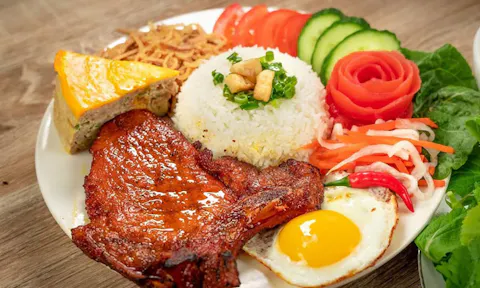
Explore more guides about Com Tam, from its traditional ingredients and grilled pork to its history, regional variations, nutrition, and the best ways to experience this iconic Vietnamese broken rice dish.
Frequently Asked Questions About Cơm Tấm
What is Cơm Tấm?
Cơm Tấm, also written as Com Tam, is a Vietnamese broken rice dish traditionally associated with southern Vietnam, especially Ho Chi Minh City. A classic plate typically combines steamed broken rice with grilled pork, nước mắm, pickled vegetables, cucumber, and toppings such as bì or chả trứng. It is a popular everyday meal and an important part of southern Vietnamese food culture.
What is Cơm Tấm made of?
The main ingredient is broken rice, which has a distinctive soft texture. A traditional plate often includes charcoal-grilled pork, known as sườn nướng, along with Vietnamese fish sauce dressing, pickled vegetables, cucumber, and scallion oil. Depending on the restaurant, additional toppings such as bì, chả trứng, or a fried egg may also be served.
What does Cơm Tấm taste like?
Cơm Tấm has a balanced combination of savory, sweet, smoky, salty, and slightly sour flavors. The grilled pork provides a rich charcoal aroma and caramelized flavor, while the broken rice is mild and soft. Nước mắm adds a sweet and savory taste, while pickled vegetables and fresh cucumber provide acidity and freshness that balance the richer ingredients.
Where did Cơm Tấm originate?
Cơm Tấm is strongly associated with southern Vietnam and is particularly famous in Saigon, now officially known as Ho Chi Minh City. Broken rice was historically a humble and affordable ingredient, but it gradually became an important part of the region's food culture. Today, Cơm Tấm is enjoyed throughout Vietnam, although Saigon remains especially well known for its grilled pork versions.
How do you eat Cơm Tấm?
Cơm Tấm is usually served as a complete plate with broken rice, grilled pork, vegetables, pickles, and other toppings. Nước mắm is poured over the rice and meat according to personal preference, or used as a dipping sauce. Mix the rice, pork, sauce, and vegetables together in each bite to enjoy the contrast between smoky meat, soft rice, fresh vegetables, and tangy seasoning.
Advertising box
Related Vietnamese Dishes
Explore more of Vietnam's rich culinary heritage with these delicious regional specialties. From comforting noodle soups and fresh seafood dishes to iconic street food favorites, discover authentic flavors that perfectly complement your journey beyond.
Bun Thit Nuong: Vietnam's Grilled Pork Noodle Bowl
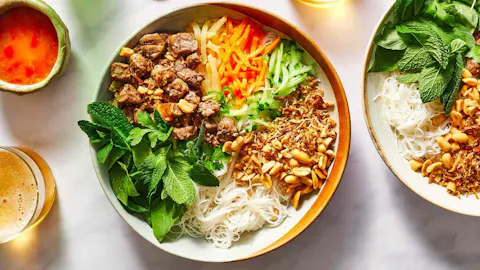
Bun Thit Nuong is a popular Vietnamese grilled pork noodle bowl that combines smoky charcoal-grilled pork with rice vermicelli, fresh herbs, crunchy vegetables, pickled carrots and daikon, crushed peanuts, and a flavorful fish sauce dressing. Found throughout Vietnam, the dish offers a refreshing balance of savory, sweet, sour, salty, and spicy flavors. This guide explores what Bún Thịt Nướng is, its ingredients, regional variations, how it is traditionally served, and where travelers can try this classic Vietnamese street food.
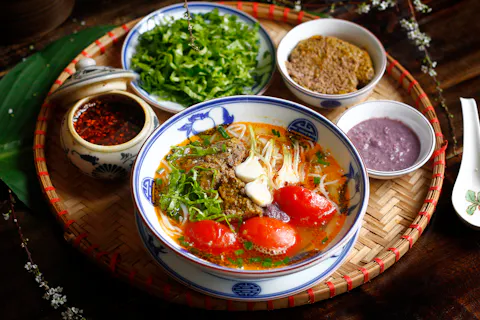
Bun Rieu
Bun Rieu is a beloved Vietnamese noodle soup famous for its flavorful crab-based broth, tomato richness, and refreshing combination of herbs and toppings. Originating from Northern Vietnam, this traditional dish features soft rice vermicelli, crab paste, tofu, pork, and fresh vegetables. With its unique balance of sweet, savory, and slightly tangy flavors, Bun Rieu represents the diversity and creativity of Vietnamese cuisine. Discover the ingredients, traditions, and local experiences behind one of Vietnam’s most iconic comfort foods.
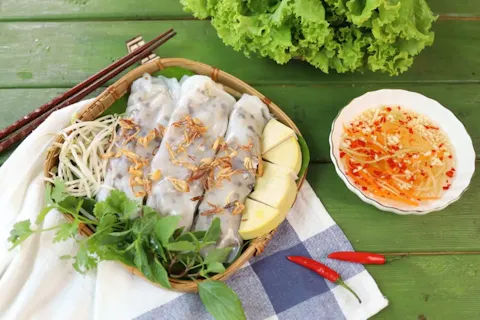
Banh Cuon
Banh Cuon is a popular Vietnamese dish known for its delicate steamed rice sheets, savory fillings, and light yet flavorful taste. Originating from Northern Vietnam, this traditional specialty is made by steaming thin rice batter and filling it with minced pork, mushrooms, and herbs. Served with Vietnamese fish sauce, fried shallots, and fresh herbs, Banh Cuon offers a perfect balance of softness, aroma, and freshness. Discover the story, ingredients, and cultural charm behind one of Vietnam’s favorite breakfast dishes.
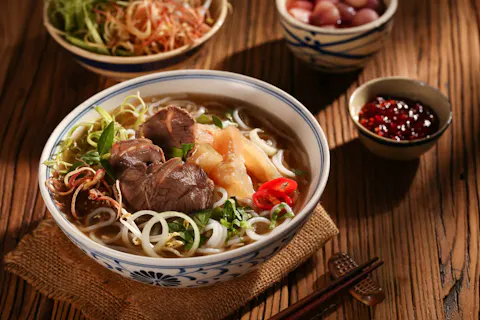
Bun Bo Hue
Bun Bo Hue is one of Vietnam’s most iconic dishes, originating from the ancient imperial city of Hue. Famous for its rich and aromatic beef broth, spicy chili flavor, lemongrass fragrance, and thick rice noodles, this dish represents the unique culinary traditions of Central Vietnam. A traditional bowl of Bun Bo Hue combines beef, pork, herbs, and fresh vegetables to create a perfect balance of savory, spicy, and refreshing flavors. Discover the history and authentic taste behind this beloved Vietnamese specialty.