
Bánh Căn vs Bánh Khọt: What's the Difference?
Bánh Căn and Bánh Khọt are two popular Vietnamese savory rice cakes that look similar but taste and cook differently. Bánh Căn is closely associated with Central Vietnam and is traditionally cooked in clay molds with little or no oil, creating a soft, airy texture. Bánh Khọt is a Southern specialty fried in an oiled metal mold, producing a crisp, golden exterior. Compare their ingredients, toppings, cooking methods, dipping sauces, regional origins, and traditional ways to enjoy these iconic Vietnamese street foods.
On this page
- Bánh Căn vs Bánh Khọt: The Main Difference
- What Is Bánh Căn?
- What Is Bánh Khọt?
- Bánh Căn vs Bánh Khọt: Cooking Method
- Bánh Căn vs Bánh Khọt: Texture
- Bánh Căn vs Bánh Khọt: Ingredients
- Bánh Căn vs Bánh Khọt: Toppings
- Bánh Căn vs Bánh Khọt: Dipping Sauces
- How to Eat Bánh Căn
- How to Eat Bánh Khọt
- What Do Bánh Căn and Bánh Khọt Have in Common?
- Where Does Bánh Căn Come From?
- Where Does Bánh Khọt Come From?
- Bánh Căn vs Bánh Khọt: Which One Should You Try?
- Where to Try Bánh Căn in Vietnam
- Where to Try Bánh Khọt in Vietnam
- Final Verdict
Bánh Căn and Bánh Khọt are two popular Vietnamese savory rice cakes that look remarkably similar but have important differences. Both are small, round cakes cooked in multi-cup molds and commonly topped with ingredients such as shrimp or eggs. However, Bánh Căn is most closely associated with Central and South-Central Vietnam and is traditionally cooked with little or no oil, while Bánh Khọt is a Southern specialty fried in an oiled metal pan.
The result is a noticeable difference in texture, flavor, toppings, sauces, and the way each dish is eaten.
If you are exploring Vietnamese street food, understanding the difference between Bánh Căn vs Bánh Khọt can help you know what to order and what to expect when visiting different regions of Vietnam.
Bánh Căn vs Bánh Khọt: The Main Difference
The easiest way to distinguish Bánh Căn from Bánh Khọt is their cooking method.
Bánh Căn is traditionally cooked in small clay or terracotta molds using little or no oil. The cakes are generally soft and airy inside, with lightly toasted edges.
Bánh Khọt is cooked in an oiled metal or cast-iron mold. The oil creates a crisp, golden exterior while the center remains softer and richer.
The regional difference is also important. Bánh Căn is strongly associated with Central and South-Central Vietnam, while Bánh Khọt is particularly popular in Southern Vietnam, especially around Vũng Tàu.
Both are rice-based cakes, but they offer very different eating experiences.
What Is Bánh Căn?
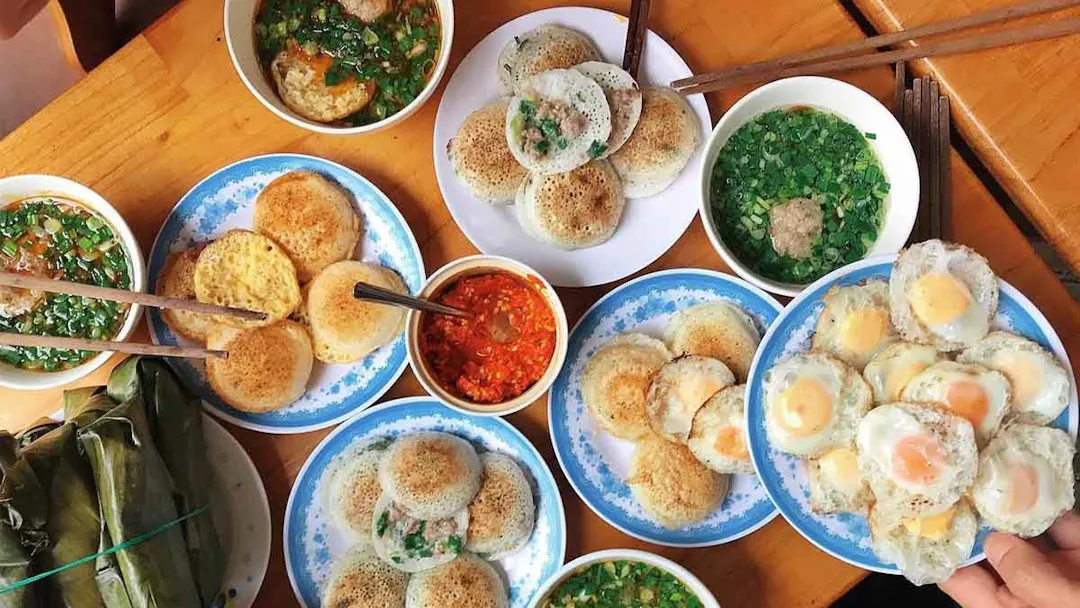
Bánh Căn is a small Vietnamese savory rice cake traditionally cooked in a round clay mold. It is particularly popular in Central and South-Central Vietnam, including Ninh Thuận, Bình Thuận, Khánh Hòa, and Đà Lạt.
The batter is primarily made from rice that is soaked and ground into a thin mixture. The batter is poured into small circular molds and cooked until set.
Depending on the region and vendor, Bánh Căn can be topped with:
- Shrimp
- Squid
- Quail eggs
- Chicken eggs
- Minced pork
- Scallions
Traditional Bánh Căn is generally cooked with little or no oil, although modern recipes and individual vendors may use slightly different techniques.
The finished cakes are usually soft and airy inside with lightly toasted edges. Because the rice cake itself has a relatively mild flavor, the accompanying dipping sauce is an important part of the dish.
Bánh Căn may be served with seasoned fish sauce, mắm nêm, xíu mại broth, green mango, or other regional accompaniments.
What Is Bánh Khọt?
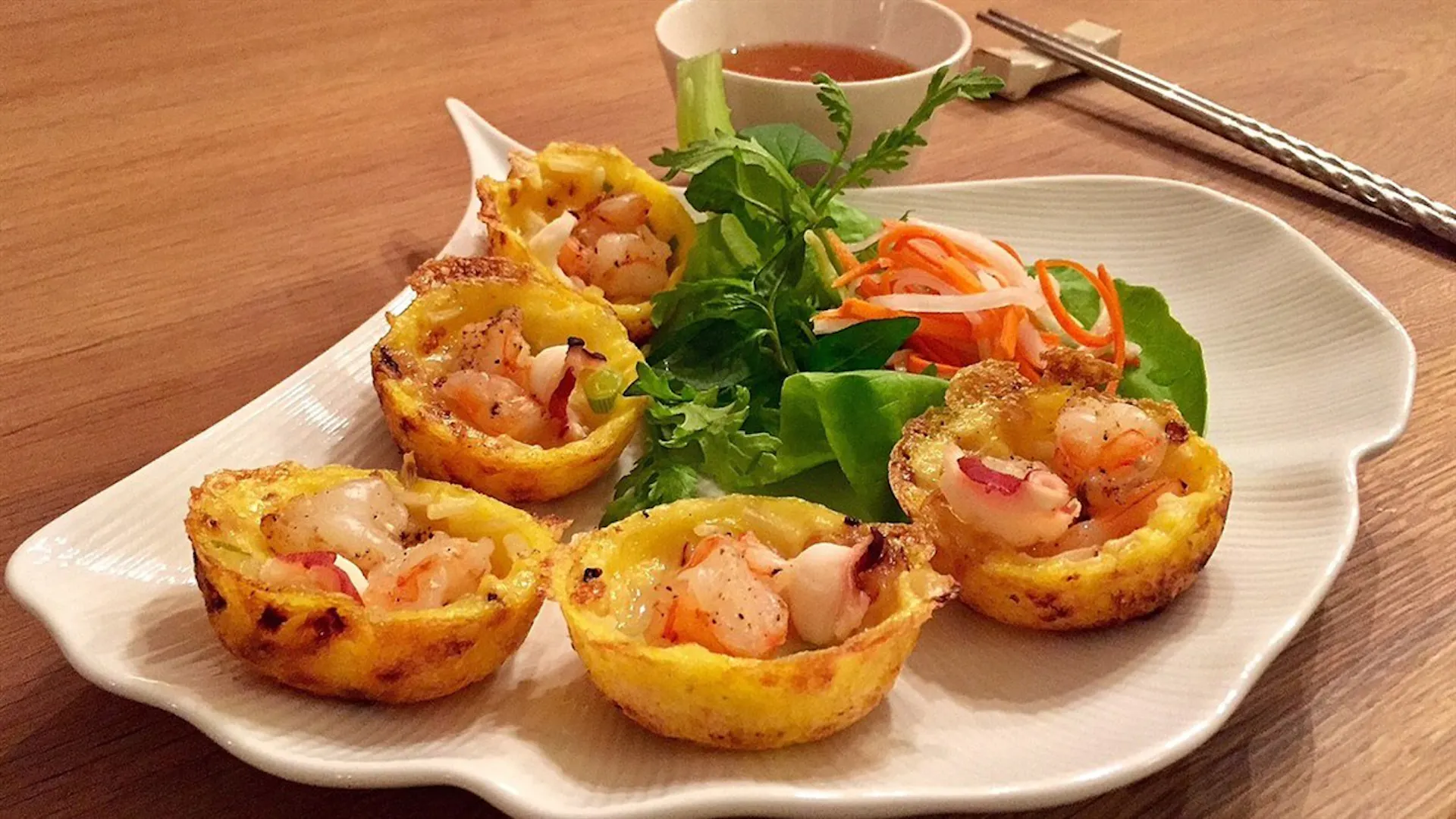
Bánh Khọt is a small, round Vietnamese savory cake strongly associated with Southern Vietnam.
The dish is particularly famous in Bà Rịa–Vũng Tàu and can also be found throughout Ho Chi Minh City and other southern destinations.
Like Bánh Căn, Bánh Khọt is prepared in a multi-cup mold. However, the cooking process is very different.
The molds are coated with oil before the rice-based batter is added. The hot oil fries the batter, creating the characteristic crisp and golden edges.
Many Southern versions also use coconut milk in the batter, giving Bánh Khọt a richer flavor and aroma.
Shrimp is one of the most recognizable toppings. The cakes may also be finished with scallion oil and dried shrimp, depending on the local recipe.
Bánh Khọt is usually served with fresh herbs, lettuce, pickled vegetables, and sweet-and-sour fish sauce.
Bánh Căn vs Bánh Khọt: Cooking Method
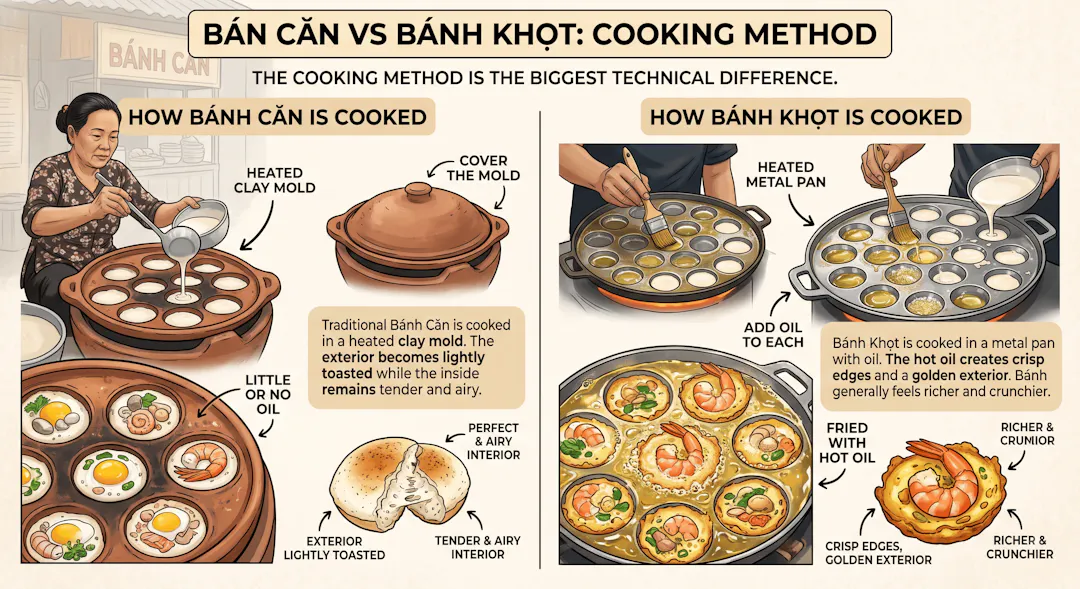
The cooking method is the biggest technical difference between the two dishes.
How Bánh Căn Is Cooked
Traditional Bánh Căn is cooked in a heated clay mold containing several small circular cavities.
The cook pours rice batter into each cavity and covers the mold while the cakes cook. Eggs, seafood, pork, or other toppings can be added during the cooking process.
Because the cakes are cooked with little or no oil, they do not develop the deep-fried crust associated with Bánh Khọt.
Instead, the exterior becomes lightly toasted while the inside remains tender and airy.
How Bánh Khọt Is Cooked
Bánh Khọt is cooked in a metal or cast-iron pan with oil.
The cook heats the mold and adds oil to each small cavity before pouring in the batter. Shrimp and other toppings are then added while the cakes fry.
The hot oil creates crisp edges and a golden exterior.
This is why Bánh Khọt generally feels richer and crunchier than Bánh Căn.
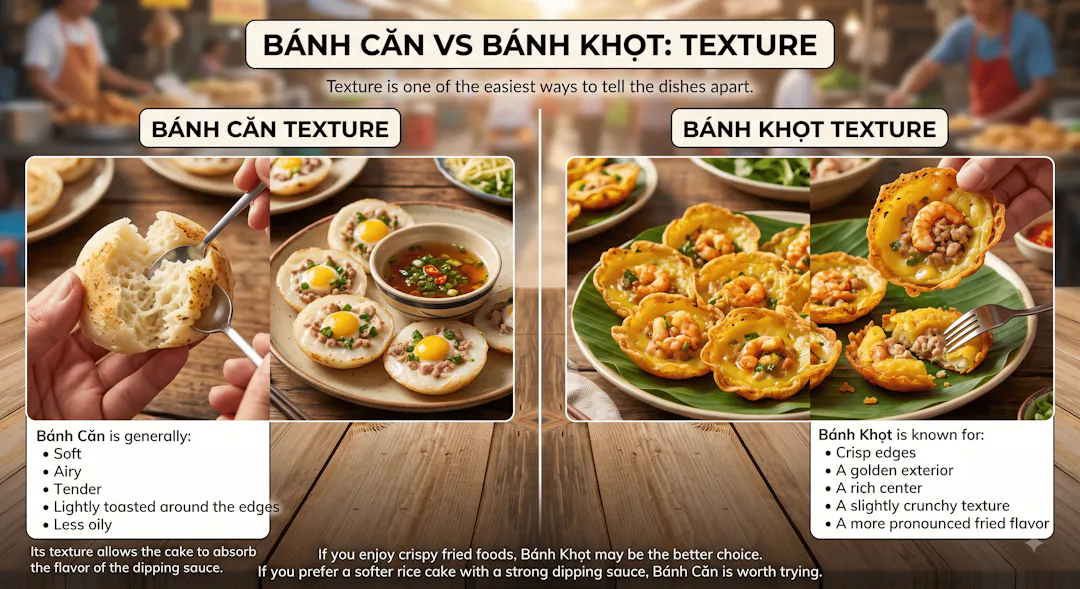
Bánh Căn vs Bánh Khọt: Texture
Texture is one of the easiest ways to tell the dishes apart.
Bánh Căn Texture
Bánh Căn is generally:
- Soft
- Airy
- Tender
- Lightly toasted around the edges
- Less oily
Its texture allows the cake to absorb the flavor of the dipping sauce.
Bánh Khọt Texture
Bánh Khọt is known for:
- Crisp edges
- A golden exterior
- A rich center
- A slightly crunchy texture
- A more pronounced fried flavor
If you enjoy crispy fried foods, Bánh Khọt may be the better choice.
If you prefer a softer rice cake with a strong dipping sauce, Bánh Căn is worth trying.
Bánh Căn vs Bánh Khọt: Ingredients
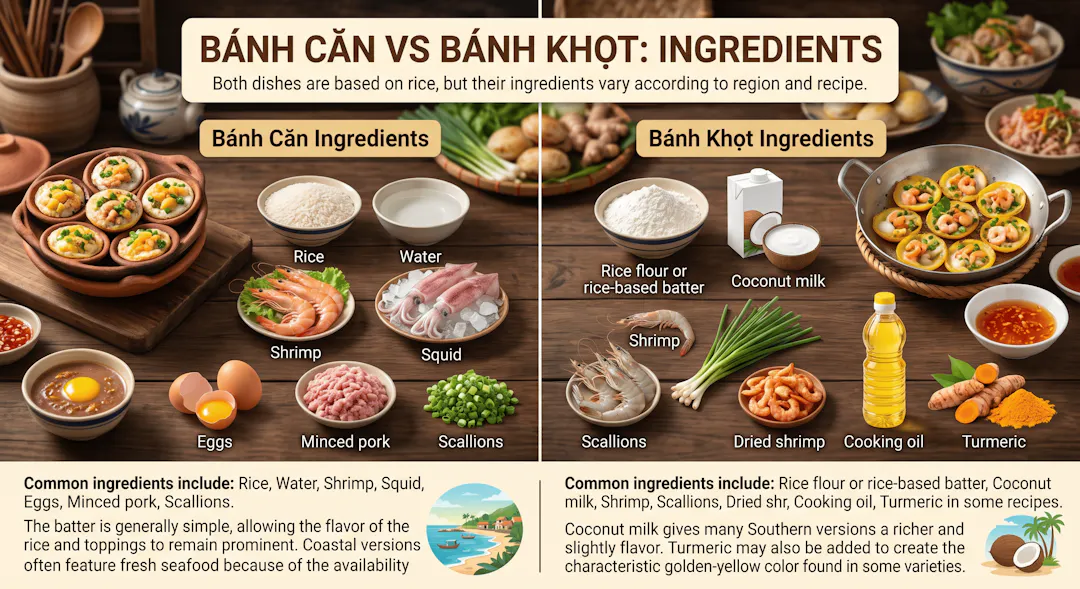
Both dishes are based on rice, but their ingredients vary according to region and recipe.
Bánh Căn Ingredients
Common ingredients include:
- Rice
- Water
- Shrimp
- Squid
- Eggs
- Minced pork
- Scallions
The batter is generally simple, allowing the flavor of the rice and toppings to remain prominent.
Coastal versions often feature fresh seafood because of the availability of shrimp and squid.
Bánh Khọt Ingredients
Common ingredients include:
- Rice flour or rice-based batter
- Coconut milk
- Shrimp
- Scallions
- Dried shrimp
- Cooking oil
- Turmeric in some recipes
Coconut milk gives many Southern versions a richer and slightly creamy flavor.
Turmeric may also be added to create the characteristic golden-yellow color found in some varieties.
Bánh Căn vs Bánh Khọt: Toppings
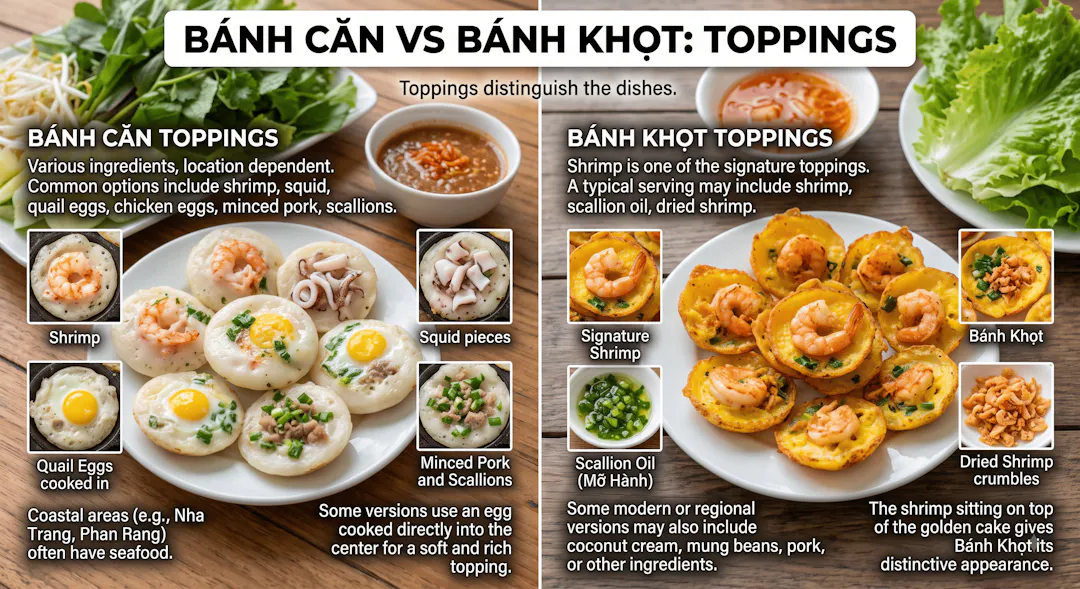
The toppings provide another useful way to distinguish the two dishes.
Bánh Căn Toppings
Bánh Căn can be topped with a variety of ingredients depending on the location.
Common options include shrimp, squid, quail eggs, chicken eggs, minced pork, and scallions.
In coastal areas such as Nha Trang and Phan Rang, seafood toppings are especially common.
Some versions use an egg cooked directly into the center of the cake, creating a soft and rich topping.
Bánh Khọt Toppings
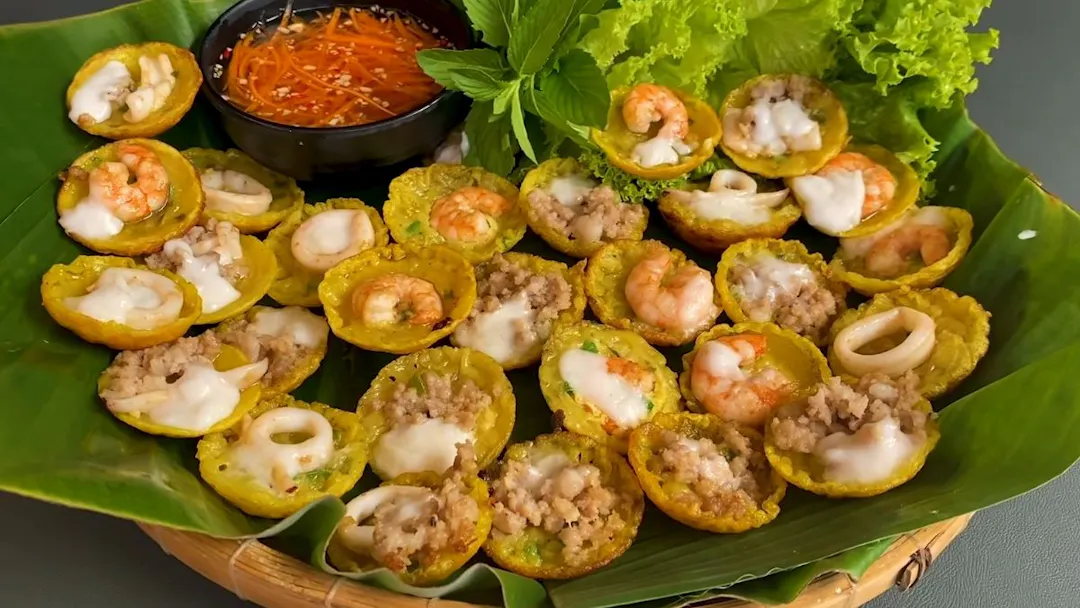
Shrimp is one of the signature toppings for Bánh Khọt.
A typical serving may include shrimp, scallion oil, and dried shrimp.
Some modern or regional versions may also include coconut cream, mung beans, pork, or other ingredients.
The shrimp sitting on top of the golden cake gives Bánh Khọt its distinctive appearance.
Bánh Căn vs Bánh Khọt: Dipping Sauces
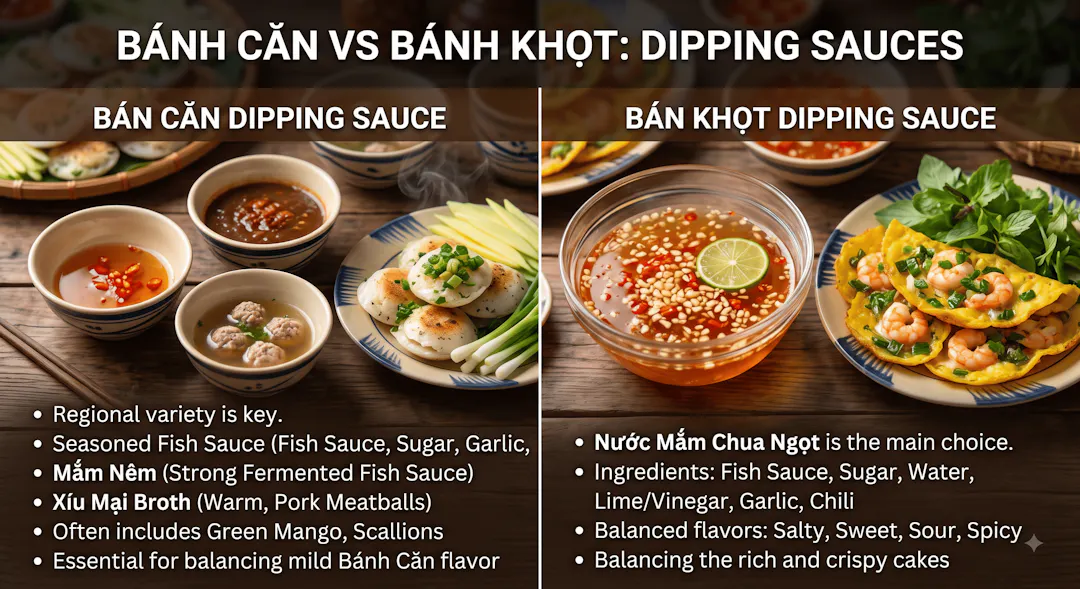
The dipping sauce is an important part of both dishes, but the styles can be quite different.
Bánh Căn Dipping Sauce
Depending on the region, Bánh Căn may be served with several types of sauce.
Seasoned fish sauce is commonly prepared with fish sauce, sugar, garlic, chili, and other ingredients.
Mắm nêm is a stronger fermented fish sauce associated with Central Vietnamese cuisine and can provide a particularly bold flavor.
Xíu mại broth is another popular accompaniment in some destinations. It is typically served warm with small pork meatballs.
Some versions also include green mango, scallions, or other local ingredients.
Because Bánh Căn has a relatively mild flavor, the sauce plays an important role in bringing the dish together.
Bánh Khọt Dipping Sauce
Bánh Khọt is commonly served with nước mắm chua ngọt, a sweet-and-sour Vietnamese fish sauce.
The sauce typically combines fish sauce with sugar, water, lime juice or vinegar, garlic, and chili.
Its salty, sweet, sour, and spicy flavors balance the rich and crispy cakes.
How to Eat Bánh Căn
Bánh Căn is best eaten immediately after it comes off the mold.
A typical serving comes with a small bowl of dipping sauce and may include herbs, green mango, scallions, or other vegetables.
To enjoy Bánh Căn like a local:
- Pick up a freshly cooked cake while it is still hot.
- Add herbs or green mango if they are provided.
- Dip the cake into the accompanying sauce.
- Let the sauce soak into the warm rice cake.
- Eat it immediately while the texture is at its best.
Some vendors serve two cakes together, while others serve several individual cakes on a plate.
The combination of soft rice cake, savory toppings, fresh herbs, and dipping sauce creates the characteristic Bánh Căn experience.
How to Eat Bánh Khọt
Bánh Khọt is often enjoyed with lettuce, mustard greens, herbs, and pickled vegetables.
A typical serving may include:
- Lettuce
- Mustard greens
- Vietnamese herbs
- Pickled carrot
- Pickled daikon
- Green papaya
- Sweet-and-sour fish sauce
To eat it, place a Bánh Khọt inside a lettuce or mustard leaf. Add fresh herbs and a little pickled vegetable, then wrap the ingredients together.
Dip the wrap into the sweet-and-sour fish sauce before eating.
The combination of crispy rice cake, shrimp, fresh herbs, crunchy vegetables, and tangy fish sauce gives Bánh Khọt a much more complex texture than eating the cake alone.
What Do Bánh Căn and Bánh Khọt Have in Common?
Although Bánh Căn and Bánh Khọt are different dishes, they share several characteristics.
Both are:
- Small, round Vietnamese rice cakes
- Cooked in multi-cup molds
- Made primarily from rice-based batter
- Commonly topped with seafood or eggs
- Popular Vietnamese street foods
- Usually served hot
- Accompanied by dipping sauces
- Often served with fresh herbs or vegetables
Their similar appearance is one reason travelers sometimes assume they are the same dish.
The biggest distinction is the way they are cooked.
Where Does Bánh Căn Come From?
Bánh Căn is strongly associated with Central and South-Central Vietnam.
It is particularly popular in:
- Ninh Thuận
- Bình Thuận
- Khánh Hòa
- Đà Lạt
Phan Rang in Ninh Thuận is especially well known for Bánh Căn.
The dish can also be found in Nha Trang and other coastal destinations, where seafood toppings are common.
Different cities and vendors may use different toppings, sauces, and cooking techniques, so trying Bánh Căn in more than one destination can reveal interesting regional variations.
Where Does Bánh Khọt Come From?
Bánh Khọt is strongly associated with Southern Vietnam, particularly the coastal region around Bà Rịa–Vũng Tàu.
Vũng Tàu is one of the best-known destinations for this specialty.
Bánh Khọt is also widely available in Ho Chi Minh City and other parts of Southern Vietnam.
Its combination of fried rice batter, shrimp, coconut flavors, fresh herbs, and sweet fish sauce reflects many characteristics of Southern Vietnamese cuisine.
Bánh Căn vs Bánh Khọt: Which One Should You Try?
Your choice depends mainly on texture and flavor preferences.
Choose Bánh Căn If You Prefer:
- Soft and airy rice cakes
- Lighter flavors
- Seafood toppings
- Strong savory dipping sauces
- Central Vietnamese cuisine
- Clay-mold cooking
- Less oily street food
Choose Bánh Khọt If You Prefer:
- Crispy fried food
- Richer flavors
- Coconut-infused batter
- Shrimp toppings
- Fresh herbs and lettuce
- Sweet-and-sour fish sauce
- Southern Vietnamese cuisine
If you are traveling through Vietnam, trying both is highly recommended. Their similar appearance makes the contrast in texture, cooking method, and flavor particularly interesting.
Where to Try Bánh Căn in Vietnam
For Bánh Căn, consider looking for local versions in Phan Rang, Nha Trang, and Đà Lạt.
Phan Rang is particularly associated with the dish and offers many local variations.
Nha Trang is another excellent destination because its coastal location means seafood toppings are common.
Đà Lạt has also developed its own popular Bánh Căn culture, making it a favorite breakfast and evening street food for visitors exploring the city.
Where to Try Bánh Khọt in Vietnam
For Bánh Khọt, Vũng Tàu is one of the most famous places to try the dish.
You can also find Bánh Khọt throughout Ho Chi Minh City and other southern destinations.
For a more local experience, look for busy stalls where the cakes are cooked to order. Watching the vendor pour the batter, add shrimp, and remove the crispy cakes from the mold is part of the experience.
Final Verdict
Bánh Căn and Bánh Khọt may look similar, but they are not the same dish.
Bánh Căn is the softer and lighter option, traditionally associated with Central and South-Central Vietnam and cooked in clay molds with little or no oil.
Bánh Khọt is the crispier and richer option, strongly associated with Southern Vietnam and cooked in an oiled metal mold, often with shrimp and coconut milk.
Both dishes demonstrate how Vietnamese regional cuisine can transform simple rice batter into completely different specialties.
If you are exploring Vietnam's food culture, try Bánh Căn in places such as Phan Rang, Nha Trang, or Đà Lạt, then compare it with Bánh Khọt in Vũng Tàu or Southern Vietnam. Tasting both side by side is one of the best ways to understand the difference between Central and Southern Vietnamese street food.

By Roy Trinh
Editor
Roy Trinh is a travel writer and destination expert at Go Visit Vietnam, dedicated to helping travelers discover the beauty, culture, and diversity of Vietnam. Through well-researched travel guides, practical itineraries, local insights, and authentic recommendations, Roy shares valuable information to inspire memorable journeys across the country. From vibrant cities and breathtaking landscapes to regional cuisine and cultural heritage, every guide is created to help visitors experience Vietnam with confidence and curiosity.
Frequently Asked Questions
Are Bánh Căn and Bánh Khọt the same?
No. They are similar-looking Vietnamese rice cakes, but they differ in cooking method, texture, toppings, sauces, and regional associations. Bánh Căn is generally cooked with little or no oil in clay molds, while Bánh Khọt is fried in an oiled metal mold.
Which is crispier, Bánh Căn or Bánh Khọt?
Bánh Khọt is generally crispier because it is fried in oil. Bánh Căn is usually softer and airier, with lightly toasted edges.
Is Bánh Khọt made with coconut milk?
Many Southern-style Bánh Khọt recipes use coconut milk, giving the batter a richer flavor. However, recipes vary by region and vendor.
Is Bánh Căn fried?
Traditional Bánh Căn is generally cooked in clay molds with little or no oil rather than being deep-fried. Some modern preparations may use oil, so the exact method can vary.
What is Bánh Căn made from?
Bánh Căn is primarily made from rice-based batter. Depending on the recipe, it can be topped with shrimp, squid, eggs, pork, scallions, or other ingredients.
What is Bánh Khọt made from?
Bánh Khọt is made from rice-based batter and may contain coconut milk and turmeric. Shrimp, scallions, dried shrimp, and other savory toppings are commonly used.
What sauce is served with Bánh Căn?
Bánh Căn can be served with seasoned fish sauce, mắm nêm, xíu mại broth, or other regional dipping sauces.
What sauce is served with Bánh Khọt?
Bánh Khọt is commonly served with sweet-and-sour Vietnamese fish sauce, fresh herbs, lettuce, and pickled vegetables.
Which is better, Bánh Căn or Bánh Khọt?
Neither is objectively better. Choose Bánh Căn if you prefer softer rice cakes and savory dipping sauces. Choose Bánh Khọt if you prefer crispy, richer cakes with shrimp, herbs, and sweet-and-sour fish sauce.
Advertising box