
How to Order and Eat Hu Tieu Like a Local in Vietnam
Navigating Vietnam’s vibrant street food scene requires more than just pointing at a menu. This comprehensive gastronomic guide unlocks the unspoken rituals of ordering and enjoying Hu Tieu like a true local. From choosing between classic soup (nước) and rich dry-tossed (khô) variants to selecting noodle starches, customizing proteins, and mastering tabletop condiments, discover how to approach street stalls with complete confidence and savor every layer of Southern Vietnam's iconic noodle soup.
On this page
Stepping into a packed, neighborhood street stall in Ho Chi Minh City at sunrise is an immediate, intoxicating introduction to the true rhythm of southern Vietnamese life. The sharp clatter of chopsticks meeting ceramic bowls, the rhythmic hiss of a massive cauldron of simmering pork bone broth, and the rich, toasted aroma of fried garlic oil floating through the humid morning air construct an inviting culinary stage. For many international travelers, navigating these fast-paced, unpretentious eateries can feel slightly overwhelming, often leading them to passively accept whatever standard bowl the vendor decides to serve. However, mastering this essential Vietnamese Hu Tieu guide requires stepping beyond simple pointing and gestures. Moving past language barriers to embrace the nuanced art of customizing, ordering, and seasoning your meal transforms a simple breakfast into an empowering cultural exchange. By learning the unspoken rules of the street stall, you unlock the true soul of southern comfort food, discovering exactly how to order Hu Tieu with absolute confidence and consume it with the fluid, effortless fluency of a lifelong resident of Non nước Việt Nam.
Decoding the Menu – Understanding Noodle Styles and Broth Options
The Choice Between Nước (Soup) and Khô (Dry)
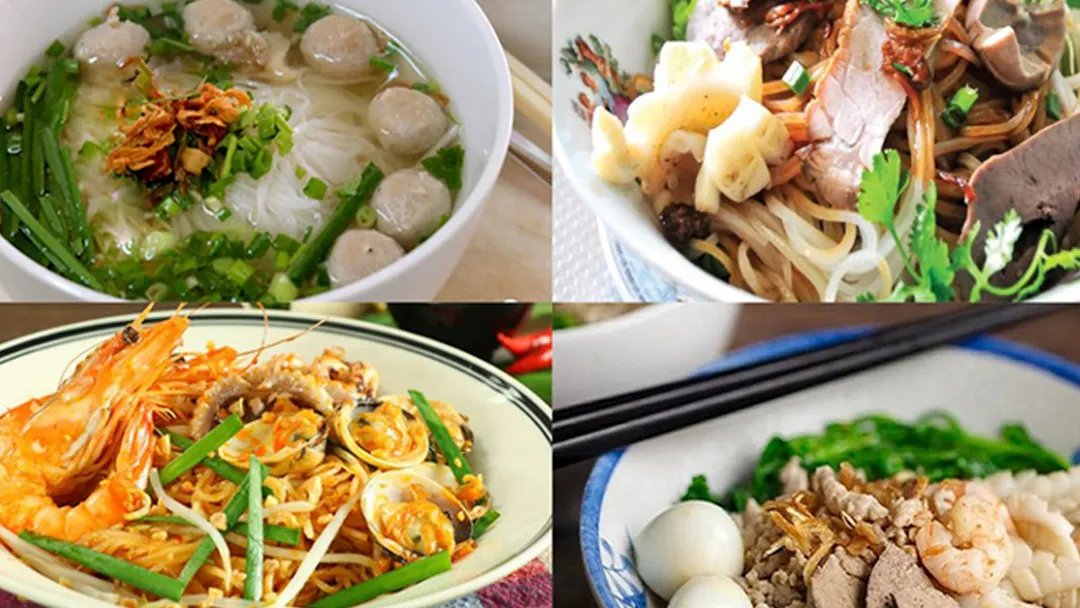
The absolute fundamental decision when learning how to eat Hu Tieu begins with choosing the delivery method of your noodles. Every traditional vendor will immediately expect you to declare whether you prefer your bowl served as hủ tiếu nước (soup) or hủ tiếu khô (dry). Understanding the profound difference between Hu Tieu, Nuoc and Hu Tieu Kho is essential for shaping your dining experience. When you select the classic soup variant, your blanched noodles and proteins are submerged in a piping-hot, crystal-clear broth that has been simmered for hours with pork leg bones, dried squid, and rock sugar. This produces a comforting, delicate, and deeply savory soup that warms the palate. Conversely, opting for the dry variant delivers an entirely different gastronomic experience. In a dry bowl, the blanched noodles are kept separate from the liquid and tossed directly in a glossy, house-made savory-sweet sauce composed of dark soy sauce, oyster sauce, fried shallot oil, and subtle spices. The hot broth is then served on the side in a separate small bowl, packed with fresh scallions and cilantro, allowing you to alternate between intensely flavored noodles and cleansing sips of savory broth.
Selecting Your Noodle Foundation
Once you have selected between soup and dry preparation, the next crucial step in eating Hu Tieu like a local involves choosing your preferred starch foundation. Traditional stalls do not limit you to a single, uniform noodle type; instead, they offer a textural spectrum designed to absorb sauces and broths differently. The undisputed classic choice across the southern provinces is bánh dai, a thin, translucent rice noodle infused with tapioca starch that offers a resilient, delightfully elastic chew. If you prefer a softer, more traditional rice noodle that melts tenderly in the mouth, you should request bánh mềm, which closely resembles the flat rice strands found in northern pho. For those seeking a richer, more substantial mouthfeel, vendors routinely stock mì vắt, fresh yellow wheat egg noodles that provide a firm, toothsome bite. Intrepid local diners frequently order a hybrid bowl known as hủ tiếu mì, combining both chewy translucent rice noodles and yellow egg noodles in the same bowl to experience a captivating play of contrasting textures with every single bite.
Navigating the Ordering Process Like an Insider
Mastering Street Food Etiquette and Seating Dynamics
Approaching a bustling neighborhood quán ăn (eatery) requires observing basic street food etiquette to ensure a smooth, seamless interaction. Upon arrival, do not stand passively waiting to be formally greeted or seated by a host; observe where an open plastic stool is available, sit down promptly, and make direct eye contact with the busy vendor or floor assistant. To communicate your order effectively without language friction, you can utilize a concise Hu Tieu ordering guide in Vietnam built on a few essential Vietnamese terms. When the vendor turns toward you, simply state your preferred noodle texture, your choice of protein, and whether you want it dry or as a soup. For example, saying cho một tô hủ tiếu khô thập cẩm informs the cook that you would like a dry-style bowl with all the house combination proteins. If you prefer a standard soup bowl with soft rice noodles and pork, you would say cho một tô hủ tiếu nước bánh mềm. Speaking these short, precise phrases demonstrates immediate respect for the local food culture and guarantees your order is prepared exactly to your liking.
Customizing Your Bowl with Protein and Garnishes
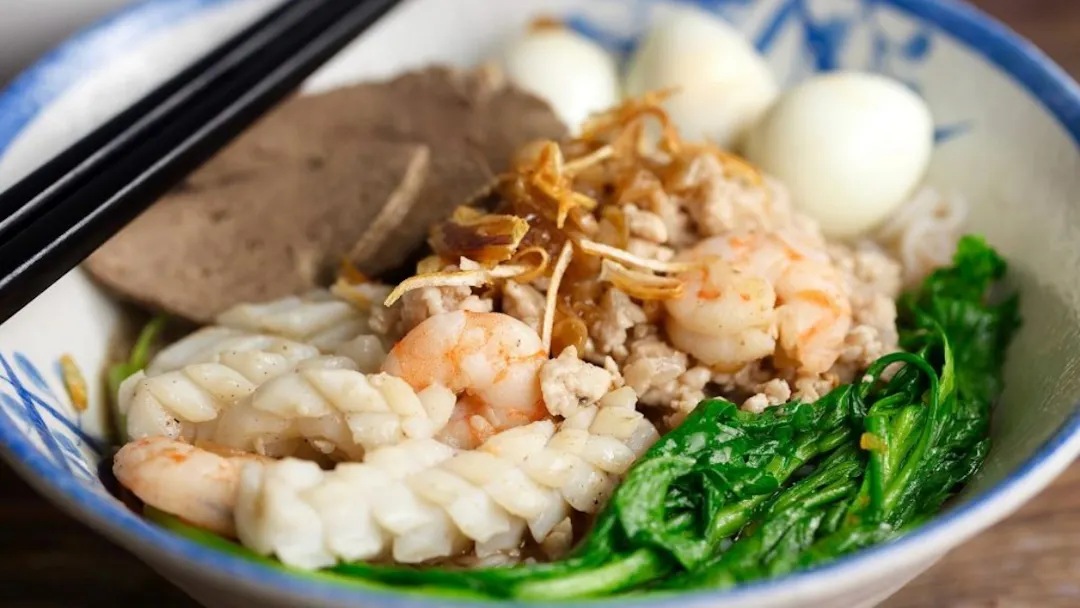
The beauty of southern street food lies in its absolute adaptability, offering endless options for how to customize Hu Tieu like a local. Standard combination bowls, known as thập cẩm, typically come loaded with a generous assortment of proteins, including thinly sliced poached pork loin, savory minced pork patties, quail eggs, and sweet poached prawns. However, seasoned local eaters frequently tailor their bowls to highlight specific cuts that match their personal cravings. If you are an enthusiast of rich, gelatinous textures, you can request xương, which adds a massive, slow-simmered pork leg bone to your bowl, swimming in the rich broth. If you prefer delicate seafood, you can order tôm mực, specifying a combination of fresh tiger prawns and tender, scored squid curls. For those who enjoy traditional offal, requesting tim gan adds tender slices of poached pork heart and creamy pork liver, introducing a rich, mineral depth that perfectly complements the sweet, aromatic pork broth.
The Ritual of Seasoning – Balancing Flavors at the Table
The Tabletop Condiment Symphony
When your steaming bowl is placed onto the stainless steel table, the culinary process is only half complete. The hallmark of southern Vietnamese street food culture is the active participation of the diner in achieving ideal gustatory balance. Every table features a crowded caddy containing an array of fresh condiments, representing essential tips for ordering food in Vietnam local spots. Before taking your first bite, inspect the condiment tray: you will find fresh lime wedges (chanh), sliced red bird's-eye chilies (ớt), house-pickled garlic slices, chili oil paste, sweet hoisin sauce, premium fish sauce, and a small jar of white sugar. The local ritual of seasoning involves systematically adjusting these elements to craft a harmonized sweet, sour, salty, and spicy profile. Squeeze a fresh lime wedge directly into the broth to cut through the richness of the pork fat, add a small spoon of pickled garlic to introduce a sharp, bright acidity, and scatter a few slices of fresh red chili across the top for an immediate, fiery punch.
The Dual-Bowl Ritual for Dry Hu Tieu
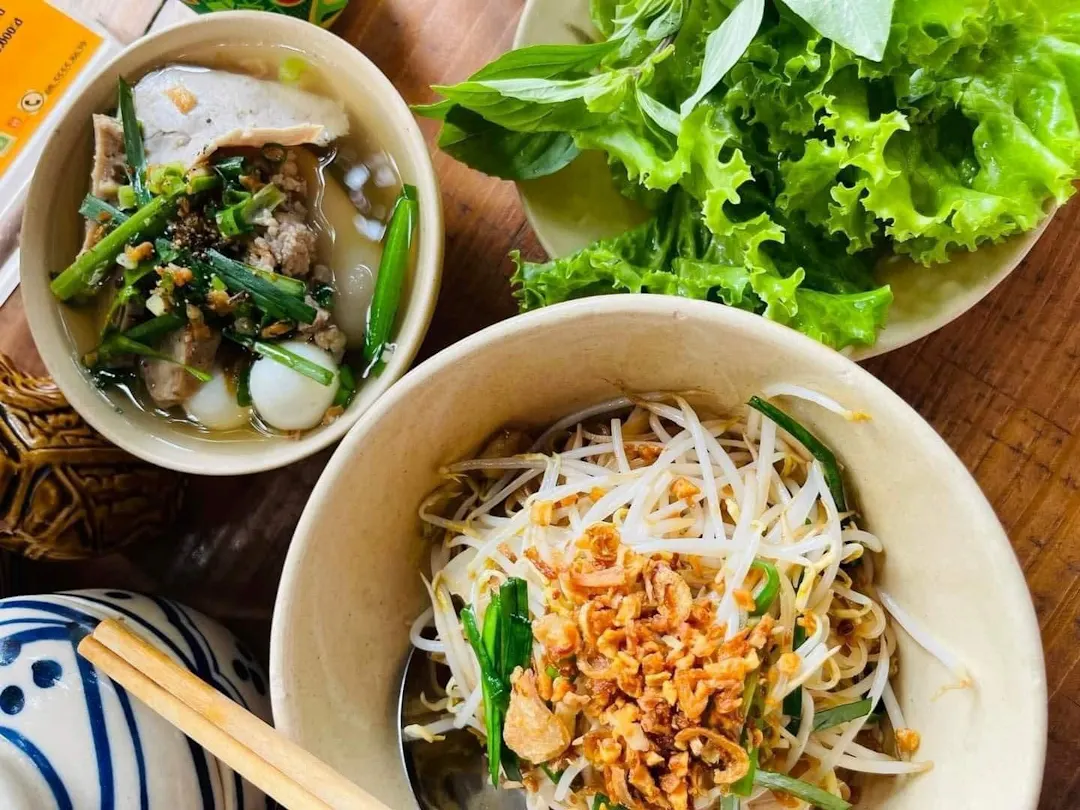
If you have ordered dry-style noodles (hủ tiếu khô), executing the proper dining method requires following a traditional dual-bowl technique, widely considered the absolute best way to eat Hu Tieu noodle soup. When the vendor serves a dry order, you will receive two distinct containers: a large bowl holding the dark, sauce-coated noodles topped with fried shallots, crushed peanuts, and proteins, alongside a smaller secondary bowl brimming with clear, piping-hot bone broth. Begin by using your chopsticks and spoon to thoroughly toss the noodles, ensuring the thick, savory house sauce evenly coats every single strand. Take a bite of the intensely flavored, chewy noodles, savoring the concentrated sweet and savory notes. Immediately follow that bite with a soothing, warm spoon of clear broth from the secondary bowl to cleanse your palate. This rhythmic alternation between the rich, saucy noodles and the clean, comforting broth creates an interactive dining experience that elevates the meal into a masterful study in contrasting temperatures, textures, and flavor intensities.
Cultural Etiquette and Dining Protocols
Navigating Shared Spaces and Hygiene Realities
Dining at a bustling local street stall requires adhering to unspoken social customs that reflect deep cultural respect and mutual courtesy among diners. Because seating space at street-side stalls is exceptionally limited, sharing a long stainless steel table or a cluster of plastic stools with complete strangers is standard practice. Maintain a polite, unobtrusive demeanor, keeping your personal belongings compact and off neighboring chairs. Regarding hygiene, it is standard practice across Vietnam to wipe down your chopsticks and metal soup spoon with a clean paper napkin provided on the table before eating. When disposing of used napkins, lime rinds, or squeezed chili stems, look beneath the table for a small plastic waste basket; if one is present, discard your trash directly into the bin rather than leaving a cluttered pile on the dining surface. When you have finished your meal, capture the attention of the vendor or floor assistant, gesture toward your table, and say tính tiền to request your total, having physical cash ready in small denominations for a swift, polite transaction.
Regional Variations in Eating Habits
As you travel beyond the sprawling urban districts of Ho Chi Minh City into the agrarian provinces of the Mekong Delta, you will notice subtle shifts in how locals consume their daily noodles. In urban centers like Saigon, the dining pace is fast, kinetic, and efficient, catered to busy office commuters and late-night workers who value rapid service and bold, concentrated flavor profiles. Conversely, in historical delta hubs like My Tho, Sa Dec, or Can Tho, the dining experience slows down significantly. In these rural provinces, stalls often open early in the morning alongside quiet river canals, where diners linger over their bowls while slowly sipping ice-cold green tea (trà đá). The regional broths in the delta tend to feature a slightly sweeter finish, derived from the generous use of local rock sugar and fresh coconut water in the base stock. Observing and adapting to these regional nuances allows you to appreciate the vast cultural diversity embedded within a single, extraordinary noodle dish.
Conclusion and Cultural Appreciation
Ultimately, learning how to order Hu Tieu and consuming it like a local transforms an everyday street meal into a memorable encounter with the living culture of Southern Vietnam. By mastering the distinction between soup and dry preparations, selecting your ideal noodle textures, confidently customizing your toppings, and actively balancing tabletop condiments, you step into the shoes of a seasoned resident. The true magic of Vietnamese street food is not merely found in the complex, slow-simmered broths or the perfectly blanched noodles, but in the vibrant, open-air atmosphere of the stalls where these meals are shared. Armed with these insider insights, step up to your nearest neighborhood stall with absolute confidence, take your seat on a low plastic stool, order your customized bowl, and immerse yourself in one of the world's truly magnificent culinary traditions.
Read more: Hủ Tiếu Gõ
Frequently Asked Questions
What is the difference between "hủ tiếu nước" and "hủ tiếu khô"?
Hủ tiếu nước is the classic soup preparation where the blanched rice noodles, proteins, and fresh herbs are served submerged in a piping-hot, clear pork bone and dried seafood broth. Hủ tiếu khô is the dry variation where the noodles are tossed in a savory-sweet, house-made dark soy and oyster sauce, while the boiling broth is served on the side in a separate small bowl.
How do I specify my noodle texture preference when ordering?
You can tell the vendor your preferred starch option when placing your order. Request bánh dai for thin, translucent rice-tapioca noodles with a distinct springy chew, bánh mềm for soft, flat rice noodles similar to pho, or mì vắt for fresh yellow wheat egg noodles. If you want a combination of chewy rice and egg noodles in one bowl, order hủ tiếu mì.
How do I pronounce "hủ tiếu" correctly so vendors understand me?
In Southern Vietnam, "hủ tiếu" is pronounced phonetically as "hoo-tyoo" (or "hoo-tew"), using a soft dipping-and-rising tone on "hủ". When ordering at a local stall, simply saying "Cho một tô hủ tiếu" ("Give me one bowl of hu tieu") with a polite smile will be immediately understood by the cook.
What condiments should I add to my bowl at the table?
Local dining etiquette encourages customizing your bowl to strike a personal sweet, sour, salty, and spicy balance. Standard tabletop condiments include fresh lime wedges (chanh) to cut through fat, pickled garlic slices for acidity, fresh bird's-eye chilies (ớt) or chili paste for heat, and a dash of fish sauce (nước mắm) or sweet hoisin sauce to adjust salinity and depth.
How do I request the check and pay at a street food stall?
When you have finished your meal, capture the attention of the vendor or assistant, gesture toward your table, and say "tính tiền" (teen-tyen), which means "check, please." At informal street stalls, payment is made in cash directly to the vendor after your total is calculated, ideally using smaller bill denominations like 20,000 or 50,000 VND.
Advertising box