
Khanh Hoa Food Guide
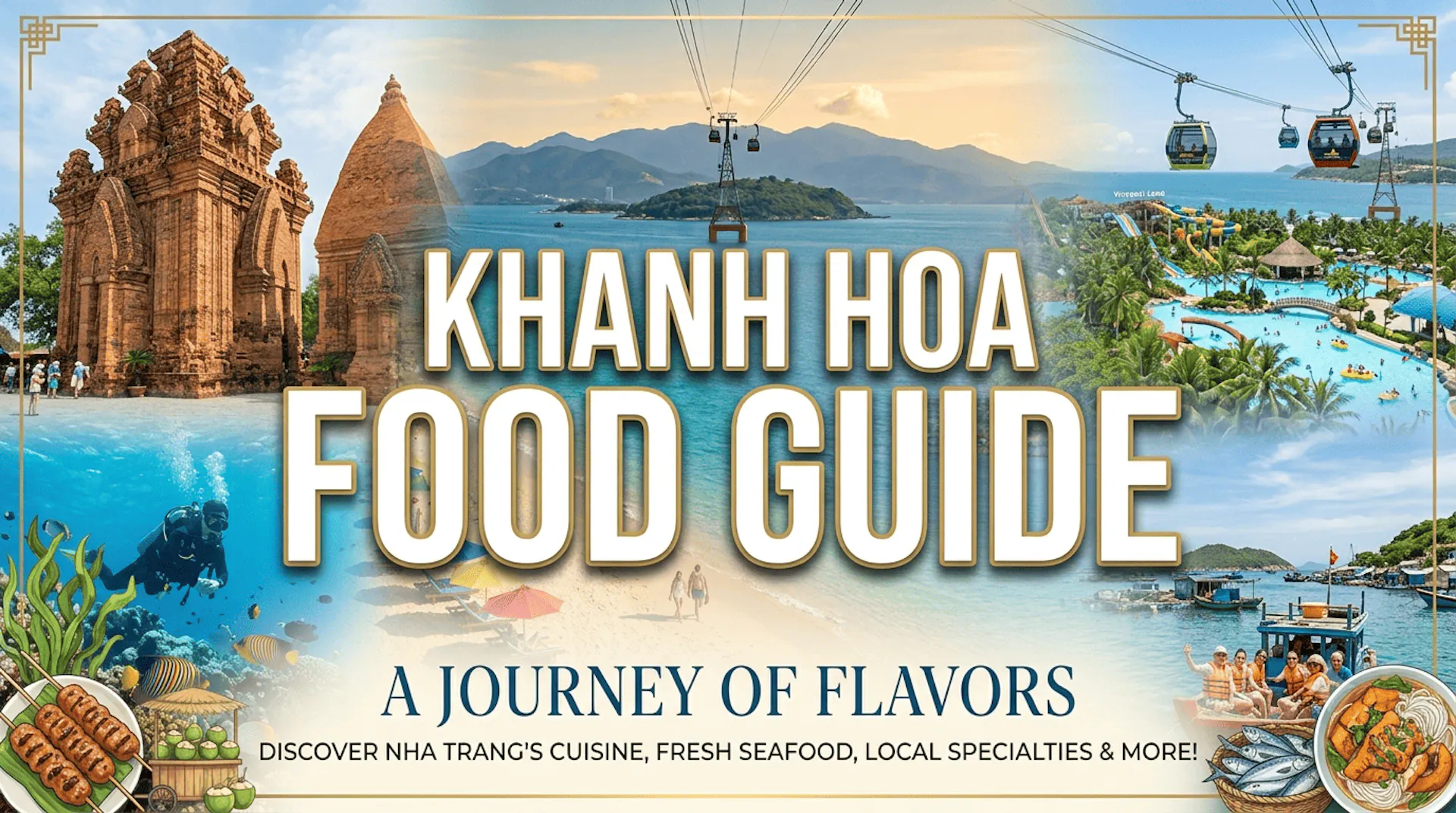
Khanh Hoa is one of Vietnam's top culinary destinations, celebrated for its exceptionally fresh seafood, distinctive coastal specialties, and vibrant street food culture. Visitors can enjoy grilled lobster, fish noodles, jellyfish noodles, seafood hotpot, fresh shellfish, and many regional delicacies served in local markets and seaside restaurants. From traditional family-run eateries to lively night markets overlooking the beach, every meal reflects the province's rich maritime heritage. This Khanh Hoa Food Guide introduces the must-try dishes and unforgettable flavors of Vietnam's beautiful central coast.
On this page
To arrive in Khánh Hòa is to enter a coastal landscape where the culinary identity is as fluid and layered as the turquoise tides of the South China Sea. For the professional culinary anthropologist, the seasoned food critic, and the intrepid traveler, this province represents far more than the standard, resort-facing image of sun-drenched beaches and luxury hotel buffets. It is a gastronomic frontier where the relentless bounty of the maritime ecosystem intersects with a refined, royal-influenced culinary tradition that has been meticulously preserved for centuries. This exhaustive khanh hoa food guide serves as an authoritative map to a cuisine that rejects the homogenization of modern industrial food in favor of honest, community-driven preparation. Every dish found here—from the translucent, clean-cut broths of the early morning fish markets to the charcoal-infused, fermented aromatics of the Ninh Hòa countryside—reflects a sophisticated understanding of the province’s unique coastal geography. By navigating the smoky, hearth-cooked rituals of the seaside stalls and the quiet, family-run kitchens that define the local palate, you will uncover a culinary heritage built upon the gifts of the bay and the artisanal precision of the province's most revered producers. This is a cuisine of resilience, complex umami profiles, and a profound, cultural respect for the ingredients provided by the deep-water currents and the protected, high-altitude islands alike.
The Coastal Icons: Foundations of the Khanh Hoa Food Guide
The gastronomic identity of the region is anchored by a set of foundational dishes that reflect the historical necessity and environmental abundance of the Central Coast. These meals are not merely culinary selections; they are rigorous cultural artifacts that demand specific, hyper-local ingredients and a commitment to preparation techniques that have remained largely impervious to the pressures of rapid, globalized modernization.
Bún Cá Nha Trang: The Morning Ritual
The undisputed sovereign of the local breakfast palate is Bún cá Nha Trang, a noodle soup that serves as the quintessence of the coastal morning ritual. The integrity of this dish is found in the extreme clarity of its broth, which is meticulously prepared by simmering fresh, locally harvested sea fish—often sailfish or mackerel—until the liquid achieves a delicate, oceanic sweetness that is entirely devoid of heavy fats. This broth is not an exercise in intensity, but one of balance, highlighting the natural, clean salinity of the bay. The soup is served with thin, springy rice vermicelli and topped with expertly crafted steamed fish cakes, which provide a firm, savory contrast to the light broth. What truly elevates this dish, however, is the mandatory inclusion of fresh, crisp vegetables and aromatic herbs, ranging from shredded banana flower to sharp, pungent basil. These elements are designed to be submerged briefly into the broth, where they soften and release their aromatic oils, creating a meal that is both profoundly restorative and representative of the province’s maritime foraging tradition. To consume a bowl of Bún cá Nha Trang at a high-turnover street stall as the first fishing boats return to the pier is to engage with the very soul of the coastal region, understanding that the simplicity of the preparation is an act of supreme confidence in the quality of the raw catch.
Nem Nướng Ninh Hòa: A Grilled Masterpiece
The Nem nướng Ninh Hòa stands as a sophisticated masterpiece of fermented pork craftsmanship that elevates the humble sausage to a high art form. Originating from the Ninh Hòa district, this specialty is characterized by the precise fermentation of finely minced, high-quality pork, which is blended with a secret ratio of fat and spices before being molded onto lemongrass or bamboo skewers. The grilling process is a study in charcoal-infused aromatics, as the skewers are seared over an open hearth until the casing becomes taut, golden, and permeated with a subtle, smoky sweetness. The sensory experience of this dish is inherently interactive; it is served with a sprawling array of fresh herbs, pickled radishes, and thin, pliable rice paper. Diners are expected to construct their own rolls, layering the hot, savory sausage with the crunch of raw vegetables, the tartness of the pickles, and the herbal complexity of the greens. The final, essential component is the dipping sauce—a velvety, nutty, and slightly sweet reduction that binds the contrasting elements into a singular, cohesive bite. This dish demonstrates the local culinary mastery of balancing heavy, rich proteins with the vibrant, sharp acidity of the coastal garden, creating a texture profile that is both decadent and surprisingly refreshing.
Bánh Căn and the Coastal Breakfast
While the mini-pancake tradition exists throughout the southern coastline, the Bánh căn of Khánh Hòa represents a specific, coastal refinement that is deeply ingrained in the local breakfast culture. These bite-sized delicacies are prepared in traditional clay molds placed over a glowing charcoal fire, a process that imparts a distinct, mineral-rich character to the crispy rice-flour exterior. The batter, which often incorporates a hint of local coconut milk, is poured into the molds, topped with tiny, fresh quail eggs or local squid, and cooked until the edges achieve a perfectly golden, honeycomb-like crunch. Unlike the variations found in the southern delta, the version prepared here is often served with a savory, onion-infused dipping broth that includes tender meatballs or a slow-braised fish stock. Dipping the piping-hot, crispy cake into the warm broth creates a textural phenomenon—a sudden, rapid transition from brittle crunch to soft, savory satisfaction. This is a dish that requires immediate consumption, best enjoyed while standing at the stall, allowing the steam of the broth and the intensity of the charcoal smoke to form a sensory backdrop to the meal. It is a quintessential, working-man’s breakfast that underscores the province’s dedication to high-quality, street-level culinary execution.
The Imperial Legacy: Yến Sào (Bird’s Nest)
Beyond the street-side vitality of the morning rituals lies the highly specialized, imperial-grade world of Yến sào (bird's nest). The history of the swallows' nests in Khánh Hòa is not just a commercial endeavor; it is a profound, centuries-old maritime heritage that connects the province to the historical trade routes of the imperial courts of Vietnam and East Asia.
The Craft of the Swiftlet Harvesters
The historical significance of the swiftlet nests in Khánh Hòa is tied to the unique, limestone-cliff geography of the outer islands, where the birds construct their nests in dark, treacherous, and inaccessible caverns. The traditional harvesting methods are a testament to human courage and a deep, biological understanding of the swiftlet’s life cycle. Harvesters utilize ancient, bamboo-based climbing techniques to ascend these near-vertical, ocean-facing cliffs, navigating the constant threat of the tides and the sheer, unstable height of the cavern walls. This is an industry defined by its intense, specialized labor and its reliance on traditional, low-impact harvesting cycles that ensure the survival of the colonies. To understand Yến sào is to understand the maritime expertise of the local communities who have spent generations navigating the treacherous interface between the land and the ocean to secure this rare, high-protein delicacy. It is a legacy that distinguishes Khánh Hòa from other coastal provinces, elevating its maritime output to a level of imperial-grade prestige that is recognized throughout the world.
Culinary Applications of Yến Sào
The preparation of Yến sào is an exercise in culinary restraint and the preservation of its medicinal and nutritional integrity. Because the delicacy consists entirely of the solidified, protein-rich saliva of the swiftlet, the goal of the chef is to soften the raw nest while maintaining its signature, gelatinous texture. This is achieved through a patient, double-steaming process, typically in a small ceramic vessel, where the nest is gently hydrated with rock sugar and perhaps a hint of lotus seed or ginseng. The result is a dish that is subtle, clear, and exceptionally delicate, carrying a clean, slightly floral finish that is unlike any other savory or sweet delicacy. The expertise required to treat such a premium product lies in the ability to balance the heat and the timing; even a slight deviation can result in the breakdown of the nest’s structure, rendering the texture mushy and losing the essence of the ingredient. Consuming Yến sào is an act of deep cultural appreciation, an experience that bridges the gap between the raw, dangerous labor of the island harvesters and the refined, quiet elegance of the imperial-influenced highland dining room.
Maritime Bounty and Local Foraging
The geographical definition of Khánh Hòa is its sea; thus, the quality of the seafood available in the province is a direct reflection of the water quality, the currents, and the benthic health of the bays. From the deep-water lobsters harvested near Vịnh Vân Phong to the delicate, seasonal jellyfish of the coastal shallows, the maritime foraging tradition is the primary driver of the province’s culinary innovation.
Fresh Seafood: From Bay to Table
The geography of the seafood in Khánh Hòa is categorized by the specific bathymetry of the coastal bays. In the protected, deep-water environments such as the basins surrounding Cam Ranh, the cold-water influx and the stable salinity allow for the cultivation and harvest of exceptionally high-grade crustaceans, most notably the local rock lobster. The flavor of this seafood is defined by a clean, sweet, and firm profile that is a direct result of the bay’s excellent water quality and minimal industrial runoff. To dine on this seafood, one must prioritize the high-turnover, ocean-side establishments that source directly from the daily boat landings. The preparation is typically simple, relying on steam or charcoal-fire searing to highlight the natural, maritime umami of the catch, avoiding the use of heavy, masking sauces that are common in less specialized coastal regions. This commitment to the integrity of the raw ingredient—the ability to taste the ocean in every bite—is the hallmark of the local seafood culinary culture.
Gỏi Sứa: The Texture of the Sea
The Gỏi sứa (jellyfish salad) provides a profound example of how the province’s culinary masters utilize even the most challenging, texture-heavy ingredients. Jellyfish is a fundamental component of the local maritime diet, harvested during the peak seasonal cycles when the populations are most robust. The preparation of the jellyfish is a multi-stage process that focuses entirely on achieving a crisp, cartilaginous, and refreshing bite. The jellyfish is cleaned, salted, and soaked to remove excess salinity, then dressed with a high-acid blend of lime juice, fish sauce, and fresh chili. The result is a texture that is remarkably similar to a thin, crunchy vegetable, which perfectly absorbs the bright, zesty marinade. This salad is often tossed with a variety of fresh, garden-harvested herbs, roasted peanuts, and fried shallots, creating a complex interaction between the coolness of the sea and the warmth of the garden. It is a dish that speaks to the local maritime lifestyle, an appreciation for the textural nuance of the ingredients that have been harvested from the immediate coastal waters.
Practical Culinary Logistics and Etiquette
Executing a seamless, authoritative expedition through the culinary landscape of Khánh Hòa requires a pragmatic shift in expectation from the rapid-service culture of the urban centers to the family-oriented, traditional pace of the coastal districts. When seeking out the most authentic eateries, rely on the "boat-to-table" principle; any stall that is consistently frequented by the local fishing community—where the menu is handwritten or absent, and the primary ingredients are listed based on the morning’s catch—is an immediate, high-authority indicator of quality. These family-run establishments, often tucked away in the quiet, residential outskirts of the fishing ports, are the true custodians of the province’s culinary history. They do not cater to the aesthetic preferences of the international tourism market; they cater to the palate of the locals, ensuring that the preparation is uncompromising, authentic, and rooted in the ancestral spice profiles of the region.
Regarding etiquette, dining in this province is inherently a respectful, community-oriented activity. Coastal dining is frequently conducted in spaces that are humble and unadorned, where the focus is entirely on the freshness and the quality of the communal platter. It is a space that demands ease, patience, and a lack of pretense. Whether you are in a bustling, salt-air market stall or a more refined, family-run garden restaurant, the protocol remains consistent: show patience, respect the "slow-food" preparation of the traditional recipes, and always express genuine, visible gratitude. The artisans who maintain these recipes are the keepers of the province’s coastal heritage, and they take immense pride in the labor they invest in their traditional, hearth-cooked broths and their careful, artisanal preparations. By approaching every meal with an appreciation for this investment of time and skill, you ensure that your culinary journey is not just a collection of meals, but a respectful engagement with the living, enduring culture of the Central Coast.
Conclusion: Finalizing Your Journey Through the Flavors of Khanh Hoa
Khánh Hòa offers one of the most sophisticated, maritime-focused, and intellectually satisfying culinary landscapes in Vietnam. By refusing to conform to the commercial pressures of mass tourism, the province has successfully guarded the integrity of its regional foodways, from the intricate, dew-kissed art of the fish cake preparation to the clean, aromatic umami of the local maritime broths. As you conclude your reading of this definitive khanh hoa food guide, consider the depth of the gastronomic history you are about to encounter. Are you most eager to experience the smoky, charcoal-infused intensity of the local grilled sausages, or does the prospect of participating in the meditative, refined, and aromatically complex rituals of the morning fish soup provide the primary motivation for your journey into the heart of the Central Coast? Which regional delicacy—the legendary grilled sausage or the classic, morning fish noodle soup—are you most excited to document first in your own coastal culinary experience?
> Read more: Khanh Hoa Travel Guide

By Roy Trinh
Editor
Roy Trinh is a travel writer and destination expert at Go Visit Vietnam, dedicated to helping travelers discover the beauty, culture, and diversity of Vietnam. Through well-researched travel guides, practical itineraries, local insights, and authentic recommendations, Roy shares valuable information to inspire memorable journeys across the country. From vibrant cities and breathtaking landscapes to regional cuisine and cultural heritage, every guide is created to help visitors experience Vietnam with confidence and curiosity.
Frequently Asked Questions About Khanh Hoa Food Guide
What food is Khanh Hoa famous for?
Khanh Hoa is famous for its fresh seafood, bun cha ca (fish cake noodle soup), bun sua (jellyfish noodle soup), grilled lobster, seafood hotpot, oysters, squid, and a variety of coastal specialties unique to Nha Trang and the surrounding region.
Where can I try authentic local food in Khanh Hoa?
Visitors can enjoy authentic cuisine at local seafood restaurants, Nha Trang Night Market, traditional eateries, fishing villages, beachfront restaurants, and neighborhood food stalls throughout Khanh Hoa.
Is seafood in Khanh Hoa worth trying?
Absolutely. Khanh Hoa is one of Vietnam's best destinations for seafood. Fresh lobster, shrimp, crab, oysters, clams, squid, and fish are caught daily and served in restaurants across the province.
Is Khanh Hoa a good destination for food lovers?
Yes. Khanh Hoa combines fresh coastal ingredients with traditional Central Vietnamese recipes, making it a paradise for food lovers seeking authentic seafood, local specialties, and vibrant street food experiences.
What food souvenirs should I buy in Khanh Hoa?
Popular food souvenirs include dried seafood, fish sauce, dried squid, bird's nest products, seafood snacks, local sweets, and specialty sauces available in local markets and specialty stores throughout Khanh Hoa.
Advertising box