
What Is Banh Cuon? Vietnam's Steamed Rice Rolls Explained
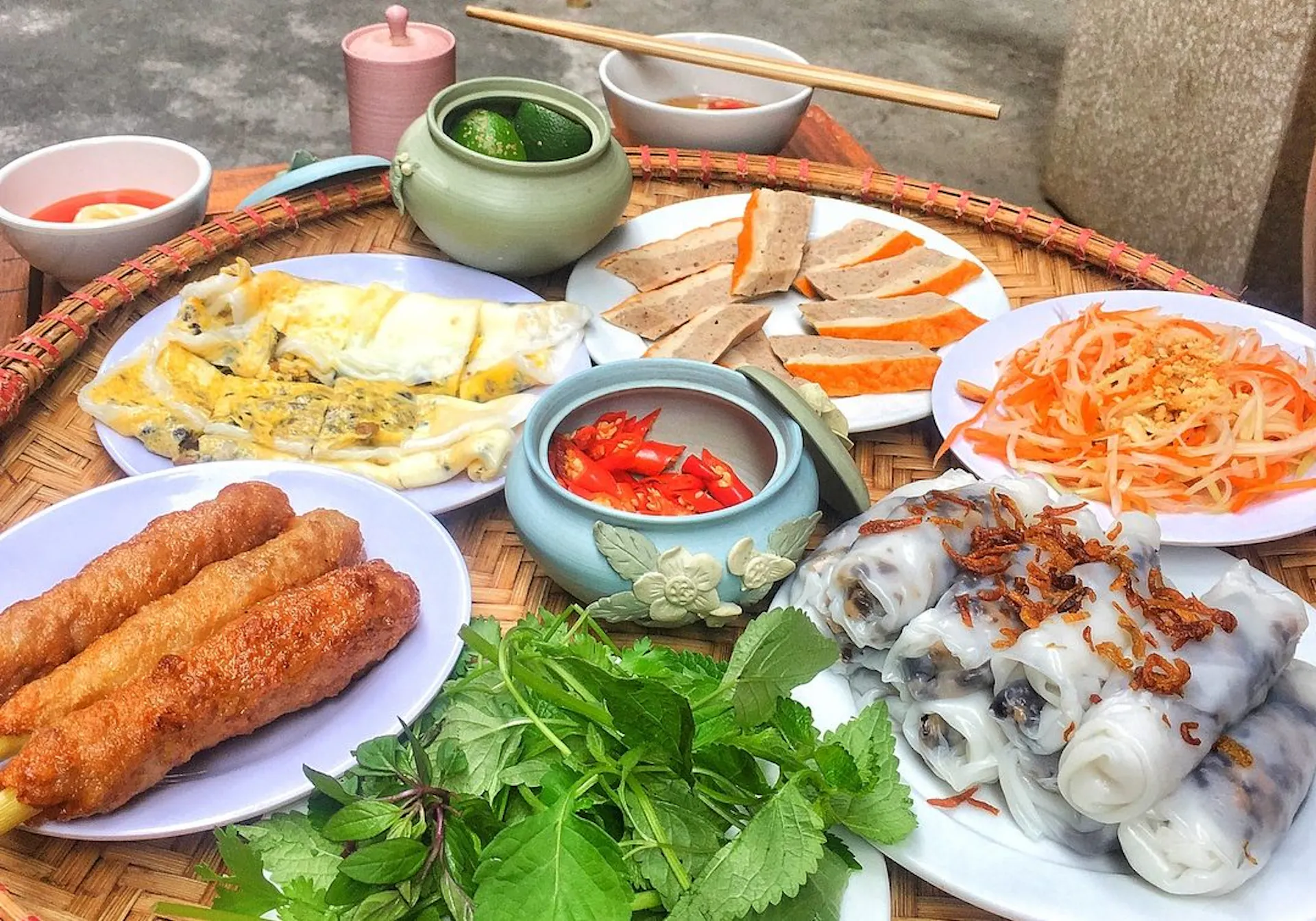
Banh Cuon is a popular Vietnamese dish made from thin, steamed rice sheets rolled around a savory filling of minced pork and wood-ear mushrooms. Soft, silky, and lightly savory, these Vietnamese rice rolls are commonly topped with fried shallots and served with Vietnamese ham, fresh herbs, vegetables, and a light fish sauce dipping sauce. Often enjoyed for breakfast, Banh Cuon is especially associated with Hanoi and northern Vietnam. Discover what Banh Cuon is made of, how it tastes, how it is prepared, and how to eat it.
On this page
- What Is Banh Cuon?
- What Is Banh Cuon Made Of?
- What Does Banh Cuon Taste Like?
- How Is Banh Cuon Made?
- Why Is Banh Cuon So Thin?
- What Is Served With Banh Cuon?
- What Is Banh Cuon Dipping Sauce?
- How to Eat Banh Cuon
- Banh Cuon as a Vietnamese Breakfast
- Banh Cuon and Hanoi
- Regional Variations of Banh Cuon
- Banh Cuon vs. Banh Uot
- Is Banh Cuon Healthy?
- Is Banh Cuon Gluten-Free?
- Is Banh Cuon Vegetarian?
- Where to Try Banh Cuon in Vietnam
- Final Thoughts
Banh Cuon is a popular Vietnamese dish made from thin, steamed rice sheets rolled around a savory filling, usually minced pork and wood-ear mushrooms. The soft rice rolls are commonly served with fried shallots, Vietnamese ham, fresh herbs, vegetables, and a light fish sauce dipping sauce.
Often enjoyed as breakfast or a light meal, Banh Cuon is especially associated with Hanoi and northern Vietnam. Watching a vendor spread rice batter over a steaming cloth, lift each delicate sheet, add the filling, and roll it by hand is also an important part of the Banh Cuon experience.
What Is Banh Cuon?
Banh Cuon is a Vietnamese steamed rice roll made from a thin layer of fermented or soaked rice batter. The batter is spread over a stretched cloth above boiling water, steamed for a few seconds, then lifted and filled before being rolled.
The most familiar version contains:
- Thin steamed rice sheets
- Minced pork
- Wood-ear mushrooms
- Fried shallots
- Vietnamese ham (cha lua)
- Fresh herbs
- Bean sprouts or vegetables
- Vietnamese fish sauce
Unlike fried spring rolls, Banh Cuon is soft, delicate, and steamed rather than fried. The rice sheet has a mild flavor that allows the savory filling, herbs, crispy shallots, and dipping sauce to stand out.
What Is Banh Cuon Made Of?
The ingredients can vary by region and restaurant, but several components appear in many traditional versions.
Rice Flour and Rice Batter
The rice sheet is made from a thin batter based primarily on rice. Rice is soaked and ground or combined with rice flour and water to create a smooth liquid batter. The batter needs the right consistency: too thick and the finished sheet becomes heavy; too thin and it can tear when lifted from the steamer. Some recipes also use a small amount of tapioca or other starch to give the sheets additional flexibility.
The finished rice sheet should be:
- Thin
- Soft
- Slightly chewy
- Smooth
- Flexible enough to roll
Minced Pork
Minced pork is the most common savory filling. The pork is usually seasoned with ingredients such as fish sauce, shallots, pepper, and salt before being cooked. It adds a savory and slightly rich flavor to the otherwise mild rice sheet.
Wood-Ear Mushrooms
Wood-ear mushrooms, known as nấm mèo in Vietnamese, are finely chopped and cooked with the pork. They are especially valued for their slightly crunchy, springy texture. The combination of soft rice sheet, tender pork, and crunchy mushroom makes the filling more interesting than pork alone.
Fried Shallots
Crispy fried shallots are one of the most recognizable toppings for Banh Cuon.
They provide:
- Crunch
- Sweet onion flavor
- Aroma
- A contrast to the soft rice rolls
They are usually scattered over the rolls immediately before serving.
Vietnamese Ham
Many servings of Banh Cuon include slices of chả lụa, a traditional Vietnamese pork sausage. Chả lụa has a firm, smooth texture and mild savory flavor, making it a natural companion to the delicate rice rolls.
Fresh Herbs and Vegetables
Fresh herbs and vegetables help balance the soft rice rolls and savory filling.
Depending on the restaurant, you may find:
- Vietnamese mint
- Cilantro
- Vietnamese balm
- Bean sprouts
- Cucumber
- Lettuce
- Pickled vegetables
What Does Banh Cuon Taste Like?
Banh Cuon has a mild, savory flavor with a soft and slightly chewy texture. The steamed rice sheet itself is delicate and lightly flavored. It provides a neutral base for the filling and dipping sauce. The pork adds savory richness, while wood-ear mushrooms contribute a subtle earthy flavor and pleasant crunch. Fried shallots bring a sweet, toasted aroma, while fresh herbs provide a refreshing contrast.
The dipping sauce adds another layer of flavor, typically combining:
- Salty fish sauce
- Sweet sugar
- Sour lime juice or vinegar
- Garlic
- Chili
As a result, a typical bite of Banh Cuon can be soft, savory, aromatic, crunchy, fresh, and slightly sweet and sour at the same time.
How Is Banh Cuon Made?
Making Banh Cuon requires more skill than its simple appearance suggests.
1. Prepare the Rice Batter
Rice is soaked and ground with water, or rice flour is mixed with water to create a thin batter. The batter should be smooth and fluid enough to spread into a very thin layer.
2. Prepare the Filling
Minced pork is cooked with chopped wood-ear mushrooms, shallots, pepper, and seasonings. The filling is kept relatively dry so that excess moisture does not make the rice sheets difficult to roll.
3. Heat the Steamer
A large pot of water is brought to a boil. A tightly stretched cloth is placed over the top of the pot, creating the traditional steaming surface.
4. Spread the Batter
The vendor quickly spreads a thin layer of rice batter across the hot cloth. This requires speed and experience because the batter begins cooking almost immediately.
5. Steam the Rice Sheet
A lid is placed over the batter for a few seconds. Steam cooks the thin layer until it becomes soft, smooth, and flexible.
6. Lift and Fill
The cooked rice sheet is carefully removed from the cloth and transferred to a work surface. A small amount of pork and mushroom filling is placed inside.
7. Roll
The sheet is folded and rolled into a neat cylinder. Several rolls are arranged together on a plate before toppings and accompaniments are added.
Why Is Banh Cuon So Thin?
The thin rice sheet is one of the defining characteristics of Banh Cuon. The batter is spread directly over the steaming cloth in a very thin layer. Because it cooks through steam rather than direct frying, it develops a soft and flexible texture.
The sheet needs to be thin enough to remain delicate but strong enough to hold the filling. This balance is one reason experienced Banh Cuon vendors can produce much more consistent results than beginners.
What Is Served With Banh Cuon?
Banh Cuon is usually served as a complete plate rather than as plain rice rolls.
Chả Lụa
Slices of Vietnamese steamed pork sausage provide a firmer and meatier texture.
Fried Shallots
Crispy shallots add aroma and crunch to the soft rice rolls.
Fresh Herbs
Herbs such as cilantro, Vietnamese mint, and Vietnamese balm add freshness.
Vegetables
Bean sprouts, cucumber, lettuce, and pickled vegetables may accompany the rolls.
Nước Chấm
The dipping sauce is essential to the overall flavor. Instead of making the rice rolls heavily seasoned, Vietnamese cuisine often uses a light dipping sauce to provide the main combination of salty, sweet, sour, and spicy flavors.
What Is Banh Cuon Dipping Sauce?
Banh Cuon is commonly served with nước chấm, a light Vietnamese fish sauce-based dipping sauce.
A typical sauce may contain:
- Fish sauce
- Water
- Sugar
- Lime juice or vinegar
- Garlic
- Chili
The sauce is generally lighter than straight fish sauce because Banh Cuon has a delicate flavor. The balance is important. Too much fish sauce can overwhelm the rice rolls, while a properly balanced nước chấm enhances the pork, mushrooms, herbs, and fried shallots.
In some traditional northern preparations, cà cuống may be used to add a distinctive aromatic note, although it is uncommon in most modern servings.
How to Eat Banh Cuon
Eating Banh Cuon is simple, but there are a few things worth knowing if you want to enjoy it like a local.
1. Pick Up a Rice Roll
Use chopsticks to pick up one of the rolls. Because the rice sheet is soft, handle it gently so the filling stays inside.
2. Dip It in Nước Chấm
Dip the roll into the fish sauce mixture or add a little sauce with each bite.
3. Add Herbs and Toppings
Enjoy the roll with fresh herbs, fried shallots, vegetables, and a slice of chả lụa.
4. Combine the Textures
A good bite combines the soft rice sheet with savory pork, crunchy mushroom, crispy shallots, fresh herbs, and tangy dipping sauce. This contrast is an important part of the appeal of Banh Cuon.
Banh Cuon as a Vietnamese Breakfast
Banh Cuon is strongly associated with Vietnamese breakfast, particularly in northern Vietnam. In Hanoi, small Banh Cuon restaurants and street stalls can become busy during the morning as locals stop for a quick and filling meal.
Unlike a heavy breakfast, Banh Cuon feels relatively light because the main component is steamed rice rather than fried dough. It is also prepared fresh throughout the morning, with vendors often making each rice sheet immediately before serving.
For travelers, an early-morning Banh Cuon meal offers an easy way to experience everyday Vietnamese food culture rather than only dishes prepared for tourists.
Banh Cuon and Hanoi
Hanoi is particularly famous for Banh Cuon.
The northern style tends to emphasize:
- Thin rice sheets
- Subtle seasoning
- Minced pork and mushrooms
- Vietnamese ham
- Fried shallots
- Fresh herbs
- Light fish sauce
One of the best-known traditional styles is associated with Thanh Trì, an area of Hanoi historically connected with Banh Cuon.
Traditional Thanh Trì-style Banh Cuon can be simpler than the filled versions commonly found in modern restaurants, emphasizing the texture and delicate flavor of the steamed rice sheets.
Regional Variations of Banh Cuon
Banh Cuon changes as you travel across Vietnam. Local ingredients and eating traditions influence the filling, toppings, sauce, and presentation.
Northern Banh Cuon
Northern versions are particularly associated with Hanoi and Thanh Trì. They generally emphasize delicate rice sheets, savory pork fillings, Vietnamese ham, herbs, and a balanced fish sauce. The flavors are relatively restrained compared with some southern Vietnamese dishes.
Central Vietnamese Variations
Central Vietnam has its own rice-sheet dishes and regional interpretations. Some variations include eggs, different meats, or richer accompaniments.
In places where local seafood is abundant, fillings may also reflect regional ingredients. The flavors can be more strongly seasoned depending on the locality.
Southern Banh Cuon
Southern versions can be more generous with vegetables and toppings. Some restaurants use sweeter dipping sauces and larger portions, reflecting broader southern Vietnamese preferences for sweet and savory flavor combinations.
The fillings may also incorporate locally available vegetables and other ingredients.
Banh Cuon vs. Banh Uot
Banh Cuon and Banh Uot are closely related Vietnamese rice-sheet dishes, but they are not exactly the same.
Banh Cuon
- Usually rolled
- Often contains minced pork and mushrooms
- Served with fish sauce
- Commonly topped with fried shallots
- Often served with chả lụa and herbs
Banh Uot
- Usually served as plain steamed rice sheets
- Generally has no filling
- Can be topped with herbs, fried shallots, pork, or other ingredients
- Often served with fish sauce or other savory accompaniments
Both dishes are based on thin steamed rice batter, but their presentation and fillings distinguish them.
Is Banh Cuon Healthy?
Banh Cuon can be part of a balanced meal, particularly when served with fresh herbs and vegetables. The rice sheets provide carbohydrates, while pork and Vietnamese ham provide protein. Fresh herbs and vegetables add fiber and micronutrients.
However, the nutritional profile depends on the portion and toppings. Large amounts of pork, sausage, fried shallots, or sweet fish sauce can increase the meal's calories, fat, sodium, or sugar.
For a lighter meal, choose a serving with plenty of herbs and vegetables and use the dipping sauce moderately.
Is Banh Cuon Gluten-Free?
Traditional Banh Cuon is primarily made from rice flour, which naturally contains no gluten.
However, recipes and restaurant preparation methods can vary. If you have celiac disease or need to avoid gluten strictly, ask about all ingredients used in the batter, filling, sauces, and preparation area.
The rice sheet itself is generally gluten-free, but the complete dish should still be checked.
Is Banh Cuon Vegetarian?
Traditional Banh Cuon is usually not vegetarian. The classic filling contains pork, and the dipping sauce commonly contains fish sauce.
Vegetarian restaurants may create versions using:
- Mushrooms
- Tofu
- Vegetables
- Vegetarian protein
- Vegetarian fish sauce alternatives
If you follow a vegetarian diet, ask about both the filling and dipping sauce before ordering.
Where to Try Banh Cuon in Vietnam
For travelers interested in authentic Banh Cuon, Hanoi is one of the best places to start. Look for small local restaurants or morning food stalls where the rice sheets are made fresh in front of customers.
Watching the vendor spread the batter over the steaming cloth is part of the experience. You can also find Banh Cuon in many other Vietnamese cities, including Ho Chi Minh City and destinations throughout northern, central, and southern Vietnam.
The experience varies from one region to another, making Banh Cuon a useful dish for exploring the diversity of Vietnamese cuisine.
Final Thoughts
Banh Cuon is one of Vietnam's most delicate and distinctive rice dishes. Thin steamed rice sheets surround a savory filling of pork and wood-ear mushrooms, while fried shallots, Vietnamese ham, herbs, vegetables, and fish sauce create layers of contrasting flavor and texture.
Its appeal comes partly from its simplicity. The rice sheet is soft and mild, allowing the filling and dipping sauce to provide most of the flavor. At the same time, the preparation requires considerable skill: the batter must be right, the steaming time must be precise, and each sheet must be lifted without tearing.
For travelers visiting Vietnam, trying Banh Cuon in Hanoi is a particularly rewarding food experience. Watch the vendor make the rice sheet, enjoy it fresh from the steamer, add the herbs and crispy shallots, and dip each bite into nước chấm. It is a simple but memorable introduction to the everyday food culture of Vietnam.
Read more: Bánh Cuốn: Vietnam's Steamed Rice Rolls

By Roy Trinh
Editor
Roy Trinh is a travel writer and destination expert at Go Visit Vietnam, dedicated to helping travelers discover the beauty, culture, and diversity of Vietnam. Through well-researched travel guides, practical itineraries, local insights, and authentic recommendations, Roy shares valuable information to inspire memorable journeys across the country. From vibrant cities and breathtaking landscapes to regional cuisine and cultural heritage, every guide is created to help visitors experience Vietnam with confidence and curiosity.
Frequently Asked Questions About Banh Cuon
What is Banh Cuon?
Banh Cuon is a Vietnamese dish made from thin steamed rice sheets rolled around a savory filling, commonly minced pork and wood-ear mushrooms.
What is Banh Cuon made of?
Banh Cuon is primarily made from rice flour or soaked rice, with common fillings including minced pork and wood-ear mushrooms. It is often served with fried shallots, Vietnamese ham, herbs, vegetables, and fish sauce.
What does Banh Cuon taste like?
Banh Cuon has a mild, savory flavor and a soft, slightly chewy texture. Pork and mushrooms provide the main savory flavors, while herbs, fried shallots, and fish sauce add freshness, aroma, crunch, and acidity.
Is Banh Cuon a breakfast food?
Yes. Banh Cuon is commonly eaten for breakfast in Vietnam, especially in Hanoi and northern Vietnam. It is also served as a light meal throughout the day.
How do you eat Banh Cuon?
Pick up a rice roll with chopsticks, dip it into nước chấm, and eat it with herbs, vegetables, fried shallots, and Vietnamese ham.
What is Banh Cuon served with?
Banh Cuon is commonly served with nước chấm, chả lụa, fried shallots, fresh herbs, bean sprouts, cucumber, and sometimes pickled vegetables.
Is Banh Cuon the same as Banh Uot?
No. Both are made from steamed rice batter, but Banh Cuon is typically rolled around a filling, while Banh Uot is generally served as unfilled steamed rice sheets.
Is Banh Cuon gluten-free?
Traditional Banh Cuon made primarily from rice flour is generally gluten-free, but other ingredients and sauces should be checked if you need to avoid gluten.
Advertising box