
Best Hiking Trails in Vietnam: The Ultimate Wilderness Trekking Guide
From misty mountain valleys to deep subterranean caves, Vietnam offers some of Southeast Asia's most spectacular trekking routes. This definitive wilderness guide explores the best hiking trails across the nation, including the terraced paths of Sapa, the steep vertical ascent of Mount Fansipan, the primeval jungle caves of Phong Nha, the rugged karst limestone peaks of Ha Giang, and the sweeping ridgelines of Ta Nang Phan Dung. Discover essential expedition logistics, seasonal insights, and cultural etiquette for your next mountain adventure.
On this page
- The Misty Terraces and Ethnic Homestays – Trekking in Sapa
- Conquering the Roof of Indochina – The Fansipan Hiking Trail
- Subterranean Jungles and Karst Valleys – Phong Nha Jungle Trekking
- The Untamed Northern Frontier – Ha Giang Trekking Tours
- Coastal Biospheres and Epic Wilderness Reaches
- Conclusion: Embrace the Wild Pathways of Vietnam
To step off the paved highways and into the rugged hinterlands of Vietnam is to enter a dramatic realm of unyielding geographical beauty. Extending across the eastern frontier of the Indochinese Peninsula, this terrain features vertical limestone karst towers piercing swirling mountain mists, ancient tropical rainforests concealing vast subterranean cave networks, and sweeping pine-covered ridgelines that trace remote provincial borders. For global adventurers and mountain enthusiasts, identifying the best hiking trails in Vietnam requires looking past standard tourist circuits to explore the authentic wilderness pathways of Non nước Việt Nam. Mastering the art of hiking in Vietnam involves understanding diverse microclimates, negotiating steep vertical ascents, and establishing respectful partnerships with indigenous mountain communities. Whether you are seeking the alpine challenge of high-altitude peaks or the humid depths of primitive jungle canopies, selecting the best places to hike in Vietnam rewards you with an unmatched, transformative connection to the raw beating heart of Southeast Asia.
The Misty Terraces and Ethnic Homestays – Trekking in Sapa
Navigating the Muong Hoa Valley Ridgelines
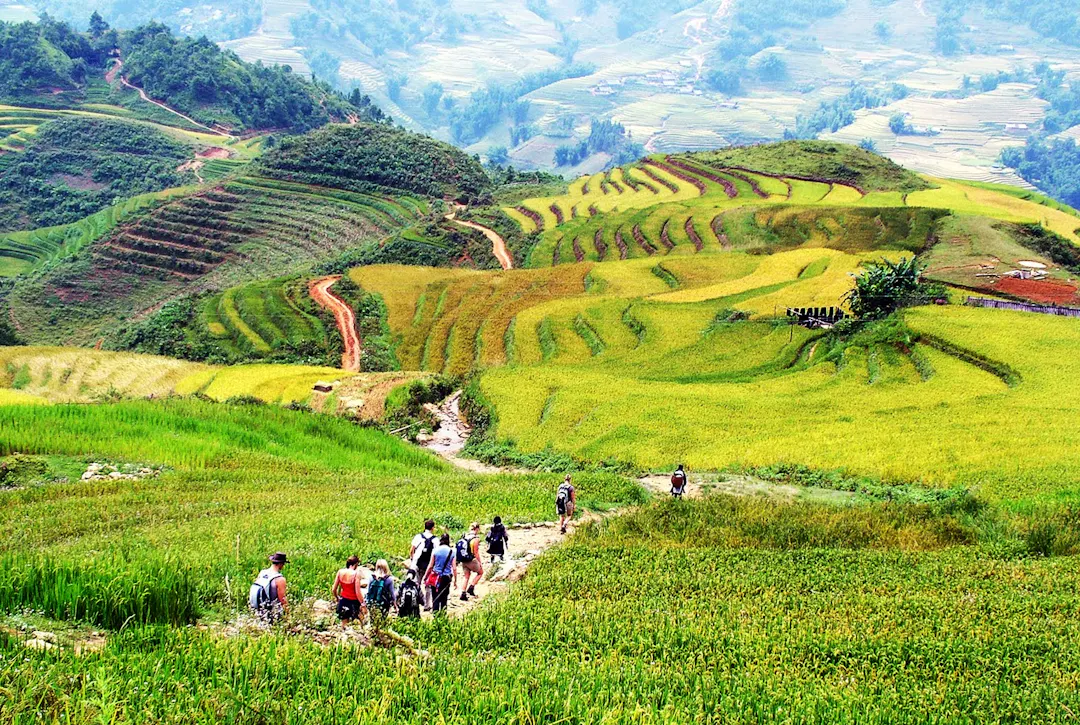
High in the northwestern highlands, the Hoang Lien Son mountain range descends dramatically into the emerald depths of the Muong Hoa Valley, creating a world-renowned landscape for trekking in Sapa. The topographical profile of these trails presents a challenging combination of steep mud-slicked singletrack, exposed ridgeline traverses, and ancient hand-carved agricultural terraces. Hikers embarking on multi-day Vietnam trekking routes through villages like Lao Chai, Ta Van, and Hau Thao must prepare for relentless elevation shifts, where narrow earthen paths cling precariously to mountain slopes. During the monsoon and shoulder seasons, torrential mountain rains transform these hillside trails into slick clay descents that demand sturdy waterproof boots, trekking poles, and precise footwork. Navigating these steep valley walls provides panoramic views of cascading rice terraces that step down thousands of feet toward the rushing waters of the Muong Hoa River below.
Cultural Immersion with Black Hmong and Dao Communities
Beyond the physical exertion, the true soul of trekking through the Sapa region lies in its deep integration with the indigenous Black Hmong and Red Dao ethnic minority communities. These native highlanders have cultivated these vertical landscapes for generations, developing an intimate understanding of the region's complex mountain topography and botanical resources. Engaging in ethical, community-based tourism by hiring local indigenous guides guarantees safe navigation through unmapped mountain passes while providing vital economic support directly to rural households. Spending the night in a traditional wood-and-bamboo village homestay (bản) offers a rare opportunity to experience authentic highland hospitality, sharing hearty home-cooked meals around open hearths and learning about age-old textile dyeing and herbal medicine traditions. This seamless blend of demanding physical trekking and rich cultural immersion sets Sapa apart as a cornerstone of any northern Vietnamese wilderness expedition.
Conquering the Roof of Indochina – The Fansipan Hiking Trail
The Physical Brutality and Alpine Triumph of Peak Ascent
Rising majestically to an elevation of 3,147 meters above sea level, the summit of Mount Fansipan stands as the undisputed Roof of Indochina. While a modern cable car now transports casual tourists to the peak, true wilderness purists undertake the physical triumph of the foot-based Fansipan hiking trail. Departing from the Tram Ton Pass trailhead at an elevation of 1,900 meters, the traditional multi-day climbing route demands exceptional physical stamina, cardiovascular endurance, and psychological fortitude. Hikers must climb steep bamboo forests, negotiate exposed granite rock faces using fixed metal ladders and ropes, and endure strenuous vertical climbs that test every muscle group. Altitude sickness, while generally mild below 3,500 meters, can manifest as dull headaches and fatigue; however, the primary physical challenge remains the steep, unrelenting vertical gain over technical, unpaved terrain.
Weather Volatility and Essential Expedition Logistics
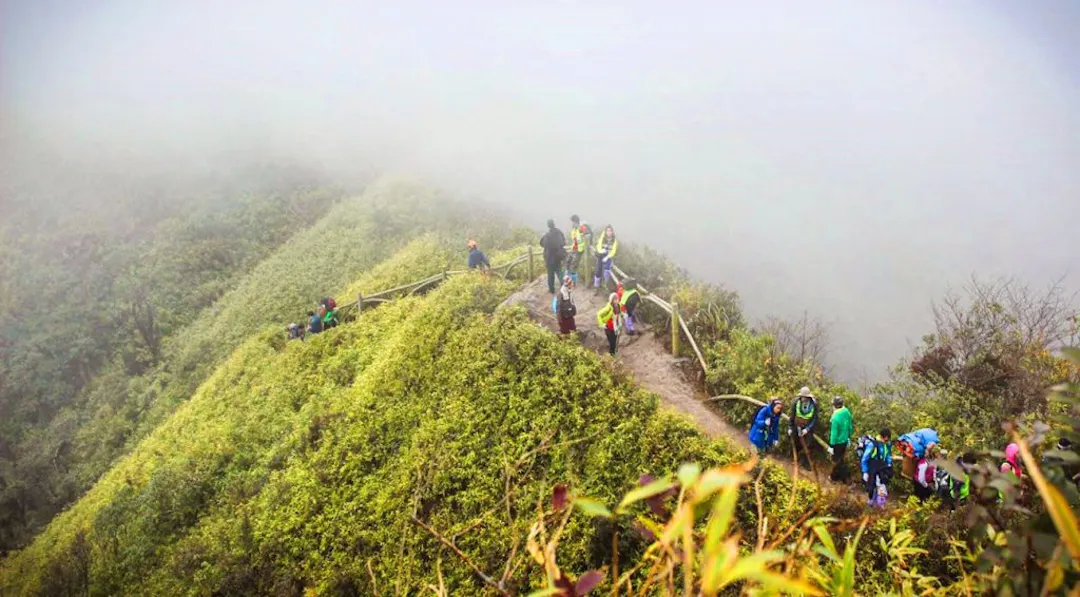
Executing a safe peak ascent on Fansipan requires meticulous planning and a deep respect for mountain microclimatic volatility. Temperatures near the summit can plummet below freezing during winter months, accompanied by howling winds, dense mountain fog, and driving rain that drastically reduces visibility. Hikers must carry technical expedition gear, including moisture-wicking thermal layers, waterproof hardshell jackets, high-energy food rations, and reliable headlamps. National park regulations strictly mandate that all climbers be accompanied by certified local guides and porters. These experienced highlanders carry heavy camp supplies, pitch overnight shelters at high-altitude wilderness camps at 2,800 meters, and prepare hot, nourishing meals. Reaching the windy, cloud-wreathed granite summit on foot after days of intense physical effort delivers a profound sense of alpine achievement that no mechanized cable car ride can ever match.
Subterranean Jungles and Karst Valleys – Phong Nha Jungle Trekking
Navigating Limestone Jungle Canopies and River Valleys
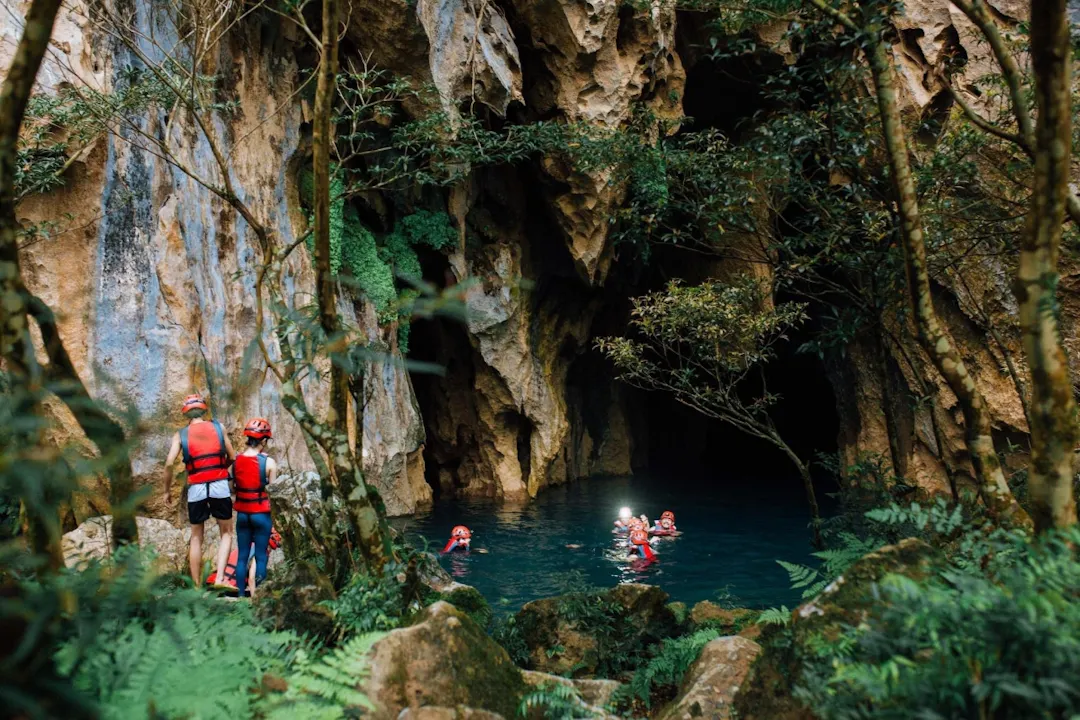
In the central province of Quang Binh, the ancient tropical rainforests and jagged limestone towers of Phong Nha-Ke Bang National Park conceal one of the world's most extraordinary subterranean wilderness environments. Engaging in Phong Nha jungle trekking immerses outdoor enthusiasts in a dense, primeval ecosystem where jagged karst formations are blanketed by lush green jungle canopies. Hikers embarking on multi-day expeditions through the Tu Lan Cave system, Hang En, or the legendary Son Doong must navigate sharp, razor-edged limestone rocks, wade through waist-deep underground rivers, and climb steep jungle ravines. The humid, tropical microclimate presents its own set of challenges, requiring hikers to manage hydration carefully, protect against jungle leeches, and maintain sure footing on mud-covered limestone boulders.
Conservation Ethics and Deep Cave Expeditions
Due to the ecological fragility of this UNESCO World Heritage biosphere, all trekking expeditions within Phong Nha-Ke Bang operate under strict environmental protection protocols. To preserve pristine subterranean cave formations, delicate bat colonies, and undisturbed forest floors, park authorities restrict access exclusively to authorized, eco-conscious expedition operators like Oxalis Adventures. Expeditions enforce a zero-impact leave-no-trace mandate, utilizing portable composting toilets, eco-friendly washing stations, and requiring all waste to be packed out of the jungle. Navigating these vast subterranean caverns—where massive limestone sinkholes allow beams of sunlight to illuminate underground jungles hundreds of feet below the surface—represents a world-class wilderness expedition that ranks among the most breathtaking outdoor adventures on earth.
The Untamed Northern Frontier – Ha Giang Trekking Tours
Scaling the Dong Van Karst Plateau
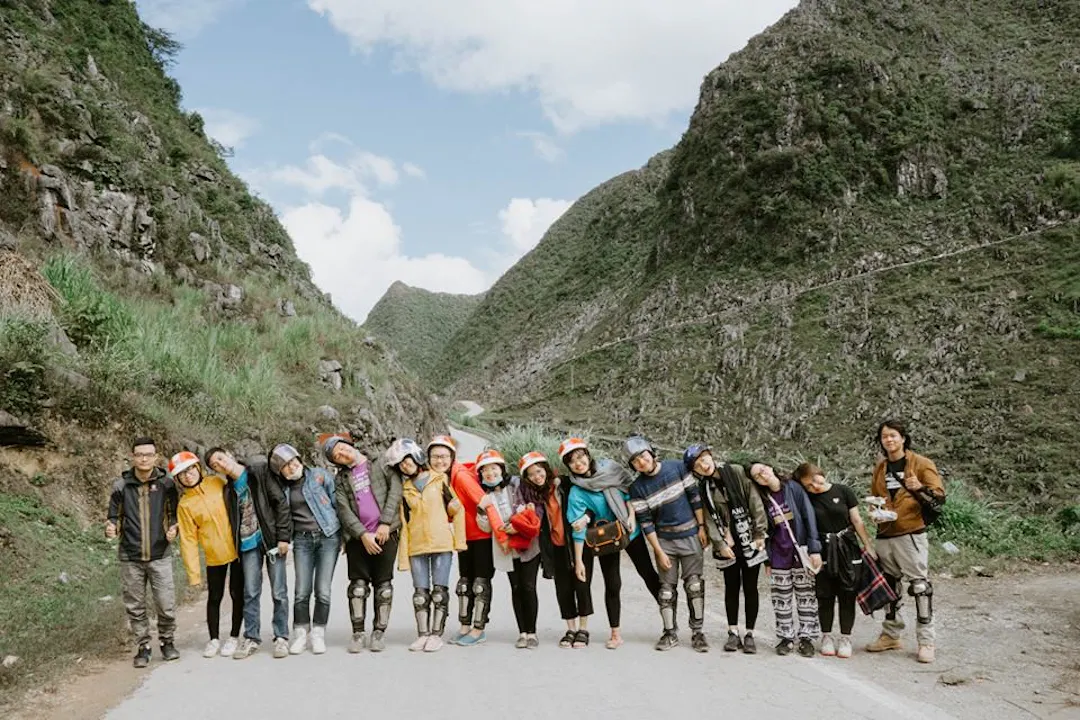
For travelers seeking raw, unadulterated mountain landscapes far removed from commercialized trail systems, participating in Ha Giang trekking tours offers an encounter with Vietnam's most dramatic northern frontier. Located along the Sino-Vietnamese border, the Dong Van Karst Plateau UNESCO Global Geopark is a stark, black limestone landscape defined by towering mountain passes and deep river canyons. Trekking through this remote region involves traversing narrow cliffside paths that hang high above the turquoise waters of the Nho Que River, specifically along the famous Tu San Canyon—the deepest gorge in Southeast Asia. The terrain here is intensely rocky and exposed, demanding sturdy, puncture-resistant footwear and constant concentration as you navigate loose scree and sharp limestone pinnacles (đèo).
Navigating Remote Terrain and Local Permits
The extreme geographical isolation of Ha Giang requires specialized logistical preparation and regulatory compliance. Due to its proximity to the international border, foreign hikers exploring rural border zones are legally required to obtain an official border travel permit issued by the Ha Giang Immigration Office or local police authorities. Trails throughout the province wind through remote settlements inhabited by Hmong, Tay, and Lo Lo ethnic communities, where English is non-existent and modern amenities are extremely sparse. Trekking independently without a knowledgeable local guide is hazardous due to unpredictable weather shifts, unmapped trail networks, and steep vertical drop-offs. Working alongside experienced local guides ensures proper permit acquisition, safe route navigation, and respectful cultural interactions within these fragile, isolated border communities.
Coastal Biospheres and Epic Wilderness Reaches
The Jungle-to-Coast Ascent in Cat Ba National Park
Shifting from the high northern mountains to the maritime frontiers of the Gulf of Tonkin, the Cat Ba National Park hike presents a unique tropical island trekking experience. Situated on Cat Ba Island along the edge of Lan Ha Bay, this trail cuts directly through a protected biosphere reserve encompassing dense rainforests, freshwater marshes, and dramatic limestone peaks. The primary cross-island trekking route covers roughly eighteen kilometers, leading hikers from the park headquarters at Trung Trang up steep, root-strangled jungle paths to the high vantage point of Ngu Lam Peak. Hikers must climb sharp limestone karst ridges using exposed tree roots for handholds before descending through humid bamboo forests into the remote coastal valley of Viet Hai village. This demanding jungle-to-coast trek rewards adventurers with a dramatic landscape transition, ending at a secluded coastal hamlet surrounded by towering limestone cliffs and calm emerald waters.
Surviving the Legendary Ta Nang Phan Dung Trek
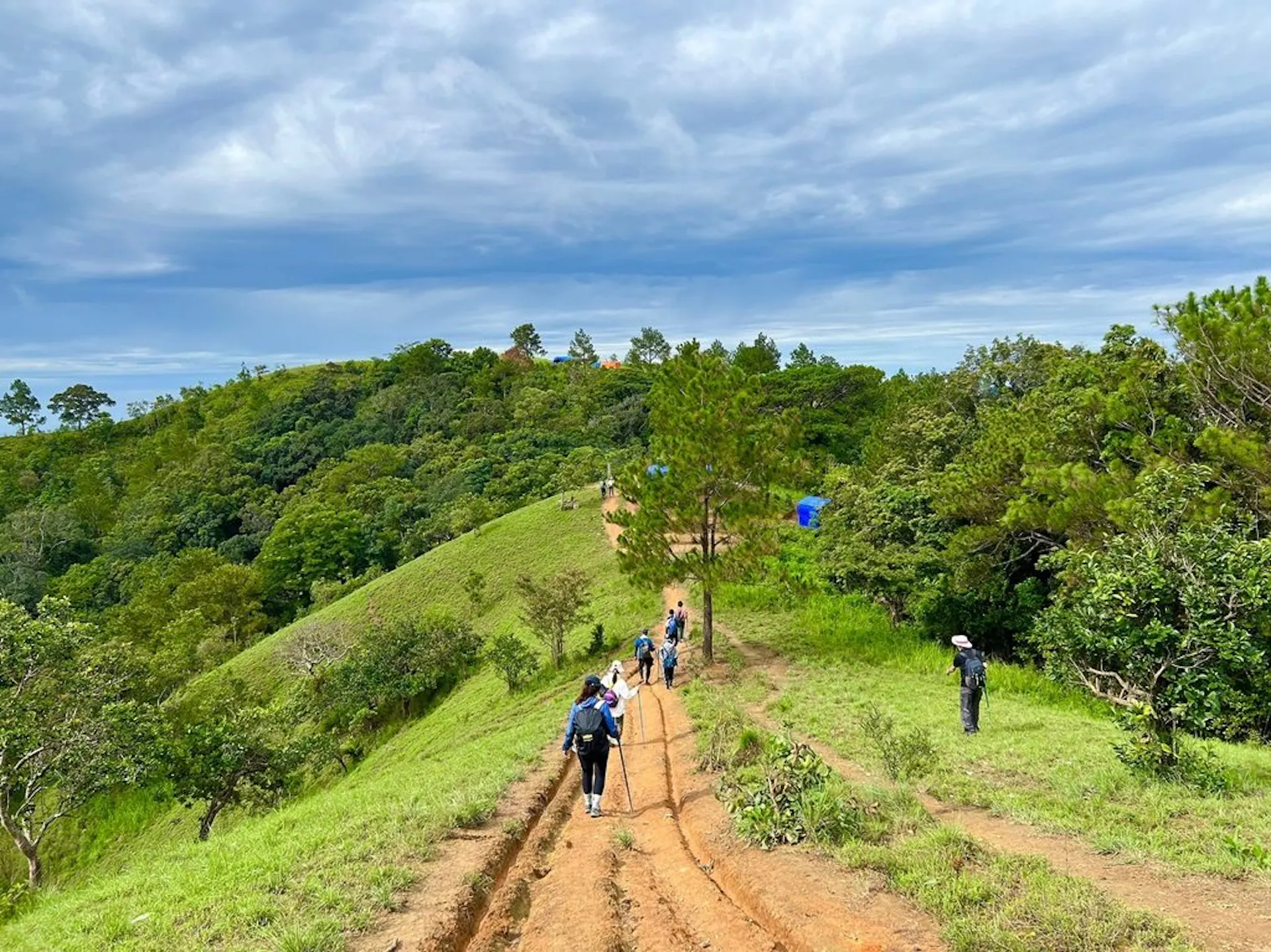
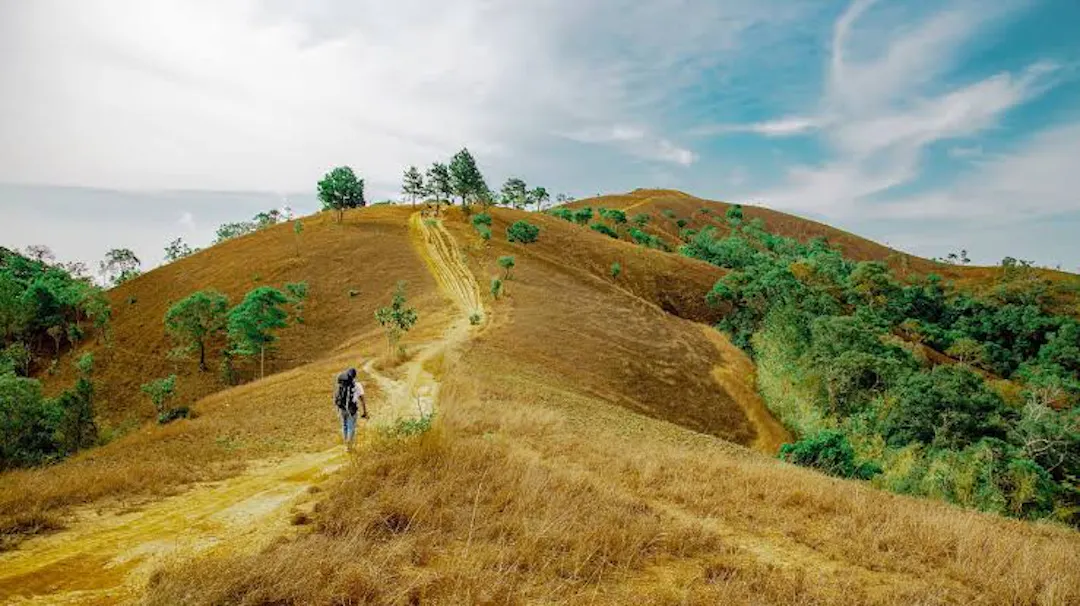
Stretching across three southern provinces from the central highlands down to the arid coastal plains, the Ta Nang Phan Dung trek is widely celebrated by local outdoor enthusiasts as one of the most visually stunning yet physically demanding multi-day trails in the country. Covering over fifty kilometers of wild, unpaved terrain, this epic trek takes hikers through rolling green pine forests, exposed grassy mountain ridgelines, and dense tropical river valleys. The primary logistical hazard along this route is navigation; the trail network features numerous intersecting logging tracks and livestock paths that can easily disorient hikers, leading to severe exposure risk. During the rainy season, the smooth grassy slopes become slick and treacherous, while swollen river crossings present serious flash flood hazards. Completing this multi-day trek requires total self-sufficiency, including carrying lightweight camping gear, portable water filtration systems, high-energy food supplies, and satellite navigation tools or a professional local guide. Reaching the high, wind-swept ridgelines as the morning mist clears over endless rolling hills makes this trek a bucket-list expedition for serious endurance hikers.
Conclusion: Embrace the Wild Pathways of Vietnam
Ultimately, embarking on a wilderness journey across the best hiking trails in Vietnam reveals a land of extraordinary natural beauty, profound cultural richness, and rewarding physical challenge. Whether you are navigating the misty rice terraces of Sapa, standing victorious atop the granite peak of Fansipan, exploring the primeval subterranean jungles of Phong Nha, scaling the dramatic limestone canyons of Ha Giang, or traversing the sweeping pine ridgelines of Ta Nang Phan Dung, each trail offers a unique encounter with the raw elements of Southeast Asia. To ensure a safe, sustainable, and memorable adventure, always prepare your physical conditioning, carry proper technical gear, respect fragile mountain ecosystems by following leave-no-trace ethics, and partner with licensed local guides who know these wilderness pathways intimately. Select your route, pack your boots, and launch your extraordinary Vietnamese trekking expedition today.

By Roy Trinh
Editor
Roy Trinh is a travel writer and destination expert at Go Visit Vietnam, dedicated to helping travelers discover the beauty, culture, and diversity of Vietnam. Through well-researched travel guides, practical itineraries, local insights, and authentic recommendations, Roy shares valuable information to inspire memorable journeys across the country. From vibrant cities and breathtaking landscapes to regional cuisine and cultural heritage, every guide is created to help visitors experience Vietnam with confidence and curiosity.
Frequently Asked Questions Best Hiking Trails in Vietnam
When is the best time of year for hiking and trekking in Vietnam?
The optimal window for trekking in Northern Vietnam (Sapa, Fansipan, Ha Giang) is from September to November and March to May, offering clear skies, manageable temperatures, and minimal rainfall. For Central Vietnam jungle treks (Phong Nha), the dry season runs from February to August, avoiding severe monsoon floods. In Southern Vietnam (Ta Nang-Phan Dung), the dry season from December to April provides safer, dry ridgeline conditions.
Do I need a local guide or permit to hike in Vietnam?
For major wilderness routes—including Mount Fansipan, deep Phong Nha jungle caves, and border zones in Ha Giang—local guides and official park or border permits are legally required. Even where permits are not mandated, hiring experienced local or indigenous guides (such as Black Hmong or Red Dao highlanders) is strongly recommended due to unmapped trail intersections, sudden microclimatic shifts, and language barriers in remote areas.
How physical fit do I need to be for multi-day treks like Fansipan or Ta Nang-Phan Dung?
Multi-day treks in Vietnam demand moderate to high cardiovascular endurance, leg strength, and agility. Trails often feature steep vertical gains, slick mud, river crossings, and technical scrambles over sharp limestone karst. Training with loaded backpack hikes, stair climbing, and core stability exercises for 6–8 weeks prior to your trip is essential for managing physical exertion safely.
How do I prevent leeches and manage humidity during tropical jungle hikes?
When trekking through humid jungle environments like Phong Nha or Cat Ba, wear high-cut, breathable hiking boots paired with dedicated anti-leech socks pulled up to your knees. Apply DEET-based insect repellent to your boots, socks, and exposed skin. Wearing lightweight, moisture-wicking long pants and shirts helps prevent insect bites and protects skin from sharp limestone rocks and abrasive jungle foliage.
What should I pack for an overnight mountain or jungle expedition in Vietnam?
Essential expedition gear includes a sturdy, broken-in pair of waterproof hiking boots, moisture-wicking synthetic clothing, a waterproof hardshell jacket, trekking poles, a reliable headlamp with extra batteries, a high-capacity portable power bank, water purification tablets or a portable filter, a basic wilderness first-aid kit, and dry bags to protect sensitive electronics from tropical downpours.
Advertising box
Explore More Outdoor Adventures in Vietnam
Vietnam is an outdoor paradise, offering far more than hiking and trekking. From kayaking through emerald bays and cycling scenic countryside roads to caving in world-famous national parks, canyoning down waterfalls, rock climbing on limestone cliffs, and wildlife watching in protected reserves, there are adventures for every type of traveler. Explore our collection of expert travel guides to discover Vietnam's best outdoor experiences, find inspiration for your next adventure, and plan unforgettable journeys across the country's mountains, forests, rivers, coastlines, and national parks.
Mountain Hiking in Vietnam: Best Peaks, Trails & Hiking Guide
Journey to the rugged northern frontier of Vietnam and conquer Southeast Asia's most majestic alpine peaks. This definitive high-altitude guide explores legendary summit trails across the Hoang Lien Son range, including Mount Fansipan, Ngu Chi Son, Ky Quan San, Lao Than, and the remote border wilderness of Pu Si Lung. Discover expert insights on vertical elevation profiles, technical scramble grades, seasonal weather windows, high-altitude gear requirements, and essential acclimatization protocols for an extraordinary mountain expedition.
Jungle Trekking in Vietnam: Best Rainforest Treks & National Parks
Step beneath ancient tropical canopies and discover the untouched wilderness of Southeast Asia with this ultimate rainforest expedition guide. From the vast subterranean cave networks and limestone karst valleys of Phong Nha-Kẻ Bàng to the thousand-year-old botanical archives of Cúc Phương, misty cloud forests of Bạch Mã, and coastal island reserves of Cát Bà, explore Vietnam’s premier national parks. Learn essential gear recommendations, survival strategies, microclimate navigation, and eco-conservation protocols for an unforgettable deep-jungle adventure.
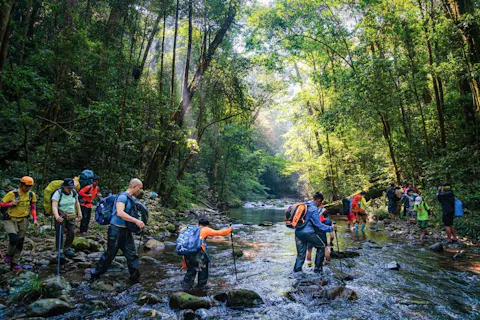
Easy Hikes in Vietnam for Beginners: Top Scenic & Family Trails
Exploring Vietnam’s stunning natural landscapes doesn't require technical climbing skills or grueling multi-day survival treks. This soft adventure travel guide highlights the country’s most accessible, beginner-friendly trails designed for novice walkers, active families, and leisure travelers. Discover gentle valley walks in Sapa and Mai Chau, pine-scented highland paths in Da Lat, coastal island boardwalks in Cat Ba, and misty cloud-forest loops in Bach Ma National Park, all offering breathtaking scenery with minimal physical strain.
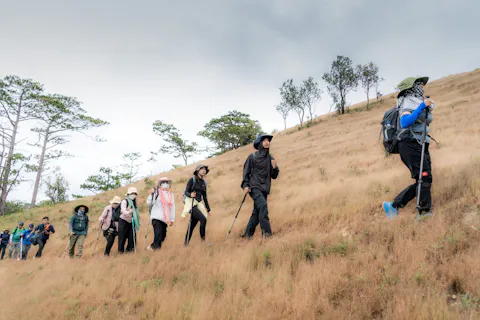
Best Trekking Routes in Vietnam: Top Multi-Day Treks & Adventures
Embark on an epic journey across Southeast Asia's most dramatic landscapes with this comprehensive guide to multi-day trekking in Vietnam. From the misty terraced valleys of Sapa and the steep granite peak of Mount Fansipan to the rugged karst pinnacles of Ha Giang, primeval jungle caverns of Phong Nha, and sweeping pine ridgelines of Ta Nang-Phan Dung, discover top wilderness itineraries, essential gear requirements, seasonal timing, and expert guidance for an unforgettable outdoor expedition.
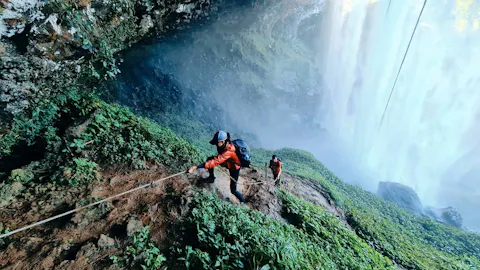
Hiking & Trekking in Vietnam: Best Trails, Routes & Travel Guide
Discover hiking and trekking in Vietnam through spectacular mountain trails, rice terraces, tropical forests, limestone karsts, national parks, and remote rural landscapes. From the famous Sapa and Fansipan trails to the rugged mountains of Ha Giang, jungle adventures in Phong Nha, and the scenic Ta Nang Phan Dung trek, Vietnam offers routes for different experience levels. Explore the best hiking destinations, trekking routes, seasons, difficulty levels, multi-day adventures, guided tours, safety advice, essential gear, and practical tips for planning your journey.
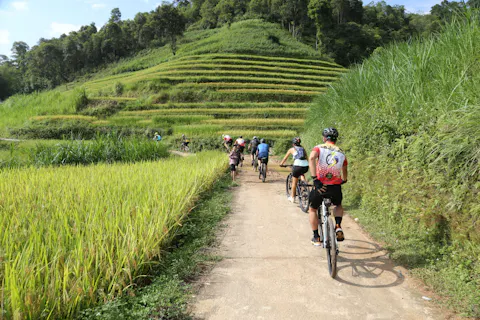
Cycling in Vietnam: Best Routes, Bike Tours & Travel Guide
Discover cycling in Vietnam through scenic mountain roads, peaceful countryside lanes, coastal routes, and vibrant river landscapes. From the challenging Ha Giang Loop and Hai Van Pass to the relaxed countryside of Ninh Binh, Hoi An, and the Mekong Delta, Vietnam offers cycling experiences for different fitness levels and travel styles. Explore the best cycling routes, recommended seasons, itineraries, bike tours, essential gear, safety advice, and practical tips for planning an unforgettable cycling adventure across Vietnam.