
Traveling to Vietnam During Tet Holiday: What to Expect and Useful Tips
Tet, Vietnam's Lunar New Year, is the country's most important holiday and one of its most fascinating cultural experiences. While colorful festivals, family traditions, flower markets, and festive decorations create a unique atmosphere, travelers should also prepare for business closures, busy transportation, and limited services. This guide explains what to expect during Tet, how to plan ahead, where to experience the celebrations, and practical tips to help you enjoy Vietnam's biggest annual festival with confidence.
On this page
Stepping onto the bustling, neon-lit avenues of Vietnam’s major urban centers just days before the arrival of the Lunar New Year reveals a nation undergoing an astonishing, hypnotic transformation. The frantic, ceaseless roar of millions of motorbikes that normally defines daily life gradually subsides, culminating in a profound, eerie quietude as the country exhales and enters Tết Nguyên Đán—the most sacred, deeply revered festival in the entire Vietnamese calendar. For international explorers, traveling to Vietnam during Tet Holiday offers an unparalled, highly intimate window into the spiritual soul, ancestral veneration, and communal warmth of the culture. However, this magnificent cultural spectacle simultaneously demands meticulous logistical foresight and profound operational adaptation. Navigating the country during this period exposes travelers to sweeping nationwide business closures, ghost-town cityscapes, and intense domestic travel gridlock as millions of citizens journey homeward. By understanding both the profound beauty of the festival's customs and the stark logistical realities of mass migration, you can transform a potentially disruptive trip into an unforgettable, deeply transformative cultural masterclass.
Decoding Tet – The Cultural Significance and Atmosphere
The Philosophy of Renewal and Ancestor Veneration
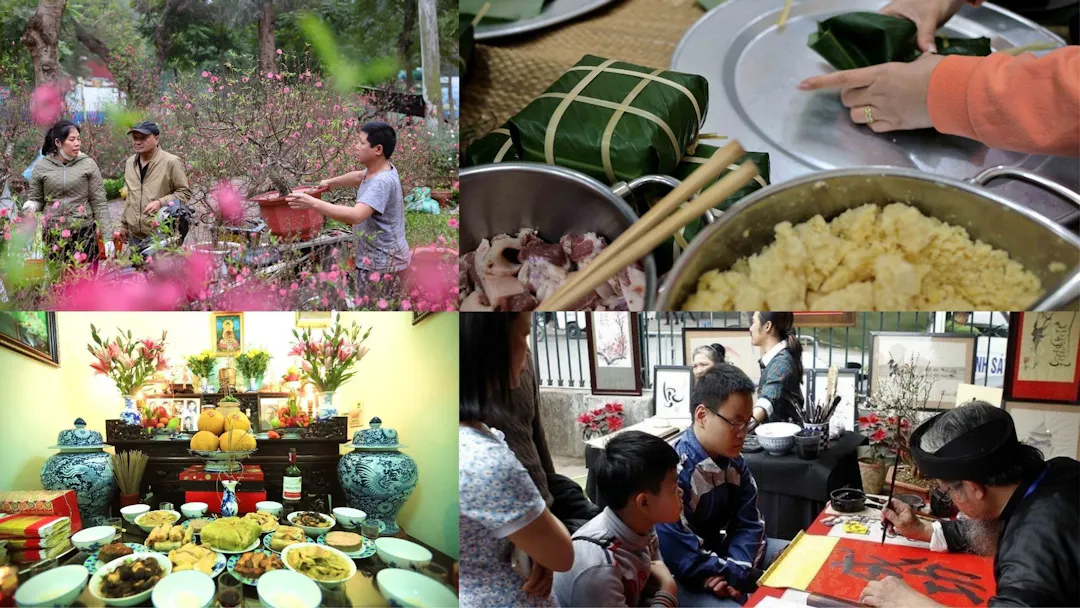
To truly comprehend the sociological impact of the Lunar New Year, one must examine the foundational philosophy of spiritual renewal and familial obligation that drives the entire celebration. Tet is not merely a holiday; it is a sacred, highly synchronized cosmic reset designed to bid farewell to the hardships of the past year and invite prosperity, health, and good fortune for the cycle ahead. Weeks prior to the official date, households engage in rigorous, symbolic cleaning of their homes to sweep away any lingering bad luck, repaint weathered walls, and settle lingering financial debts. At the heart of this celebration lies profound ancestral veneration. Families meticulously prepare their ancestral altars, laden with fresh fruit, burning incense, and elaborate offerings, inviting the spirits of deceased forebears to return and celebrate the new year alongside the living. This deep cultural veneration means that during the actual days of Tet, commercial endeavors, individual ambitions, and secular tourism take a definitive backseat to familial reunion and spiritual duty, rendering the holiday an intensely private, home-centered affair that requires outsiders to observe with respectful, quiet admiration.
The Visual Metamorphosis of the Streets
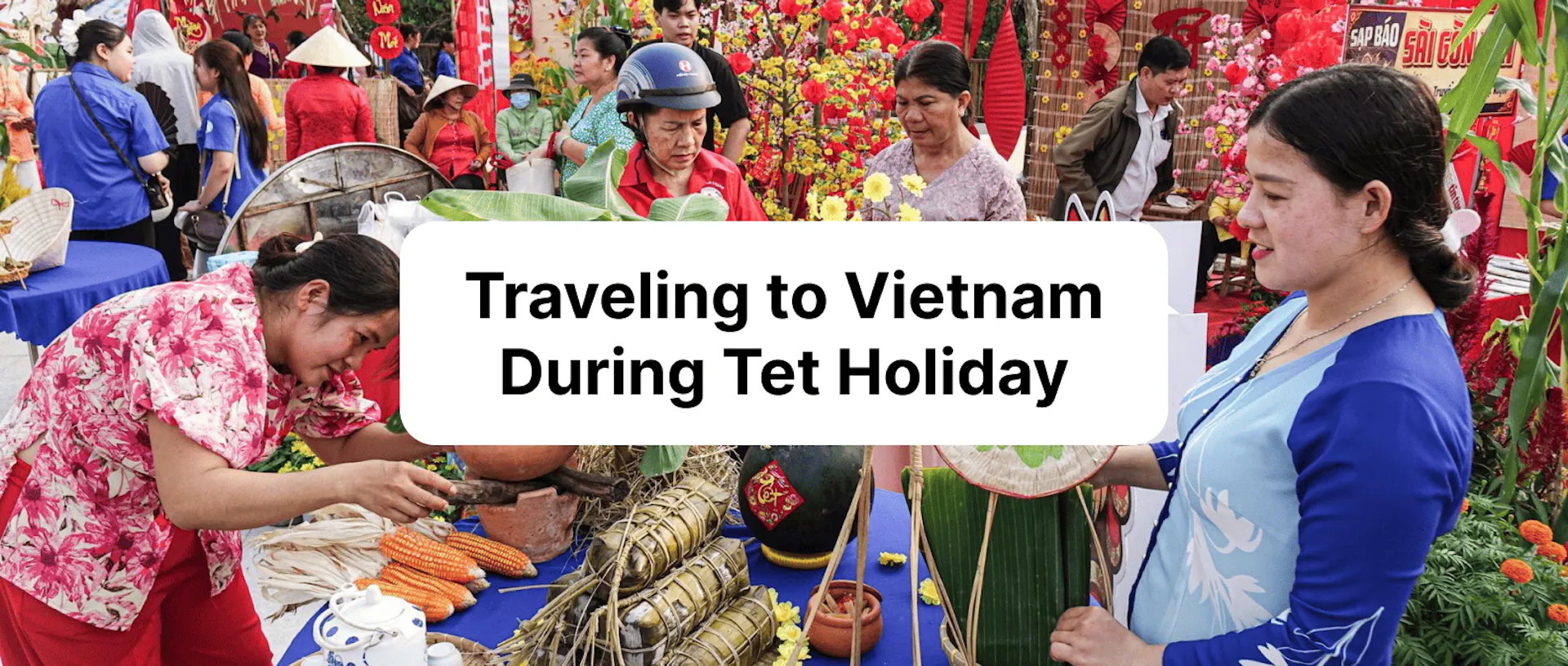
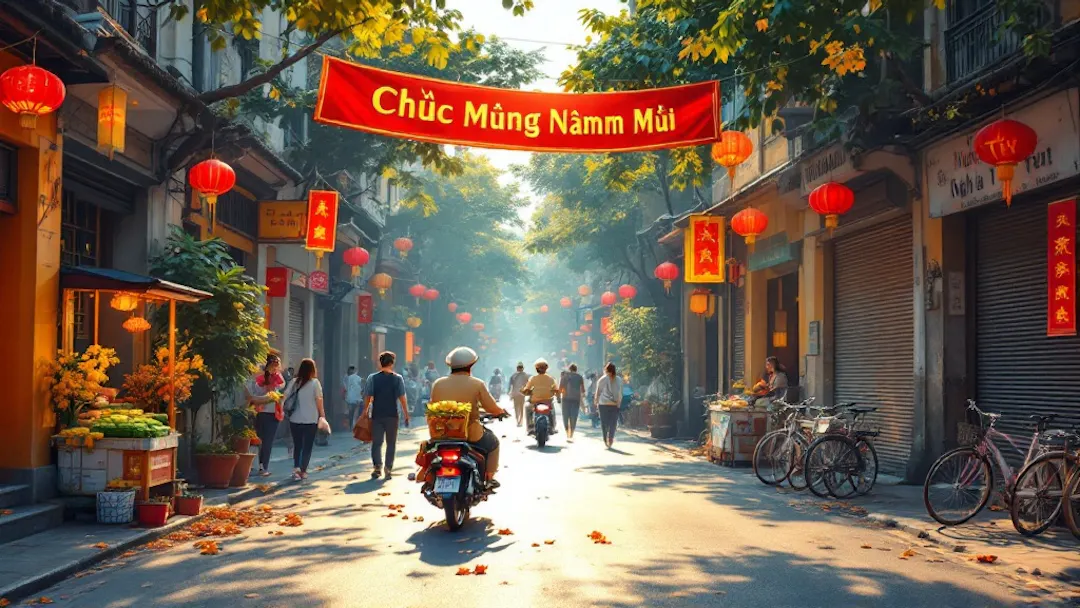
As the festival approaches, the physical streetscapes of Vietnam undergo a breathtaking, highly colorful visual metamorphosis. Urban thoroughfares and public squares explode with vibrant botanical displays as temporary flower markets emerge overnight, transforming concrete plazas into fragrant, living seas of color. In the northern provinces, families proudly display branches of blazing pink peach blossoms, known locally as hoa đào, which symbolize resilience, warmth, and new beginnings against the lingering winter chill. Conversely, the southern sector of the country is dominated by radiant yellow apricot blossoms, or hoa mai, whose delicate golden petals are believed to attract wealth and prosperity. Wandering through these crowded, festive open-air markets reveals towering pyramids of traditional holiday confectionery, sweet candied ginger known as mứt, and massive squares of bánh chưng—the iconic, labor-intensive square rice cakes wrapped in dong leaves and stuffed with pork and mung beans that represent the Earth in ancient Vietnamese cosmology. This vibrant street-level pageantry provides an extraordinary visual feast for the observant traveler, capturing the sensory pinnacle of local heritage before the quiet reverence of the holiday descends upon the cities.
The Logistical Reality – What Closes and What to Expect
Navigating Nationwide Closures and Ghost Towns
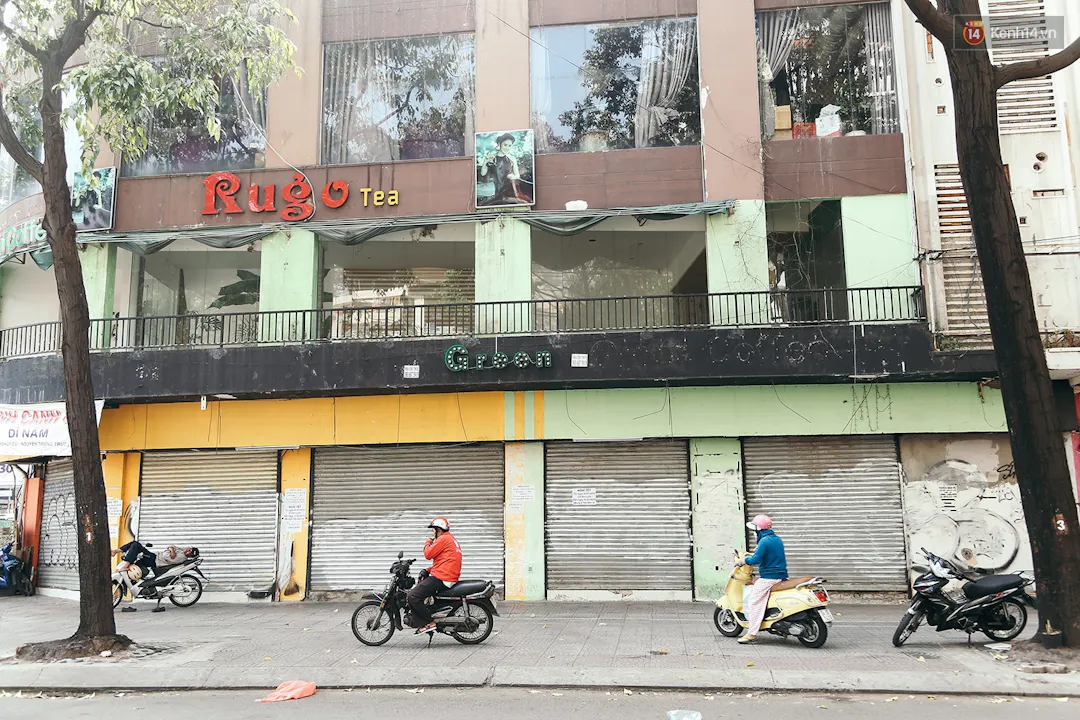
While the spiritual pageantry of the New Year is undeniably enchanting, anyone traveling to Vietnam during Tet Holiday must prepare for a stark, unvarnished operational reality: the country essentially shuts down. During the first three primary days of Tet, major urban hubs like Hanoi and Ho Chi Minh City experience a surreal transformation into peaceful ghost towns. The vast majority of local street food vendors, independent family-run restaurants, traditional markets, museums, and retail shops shutter their doors completely. Millions of urban workers and small-business owners pack their bags and travel về quê (return to their hometowns and ancestral villages) to reunite with their families, leaving the metropolitan streets devoid of their usual chaotic energy. For the unprepared tourist, this sudden vacuum of commerce can create severe logistical challenges regarding basic daily necessities, such as finding an open cafe for morning coffee or securing a warm meal, requiring proactive planning to avoid being stranded without provisions.
The Mass Migration and Transport Gridlock
Before the peaceful quietude of the holiday settles over the cities, the weeks immediately preceding and following Tet witness the largest, most intense domestic migration wave in Southeast Asia. This massive movement of people creates severe transport gridlock across every available infrastructure tier. Domestic flights, reunification express trains, and long-distance sleeper buses book out months in advance, often commanding heavily inflated holiday pricing. Attempting to secure a last-minute ticket across provincial lines during this bottleneck is virtually impossible. Furthermore, as the millions of migrating citizens flood the highways and transport hubs, traffic congestion reaches staggering proportions, turning standard overland journeys into grueling, multi-hour delays. Consequently, expert travel strategists strongly advise international visitors to remain stationary in a single destination during the core days of Tet, completely avoiding long-distance domestic transit entirely during the peak migration window.
Cultural Etiquette and Navigating Social Customs
Understanding the First Visitor (Xông Đất) and Superstitions
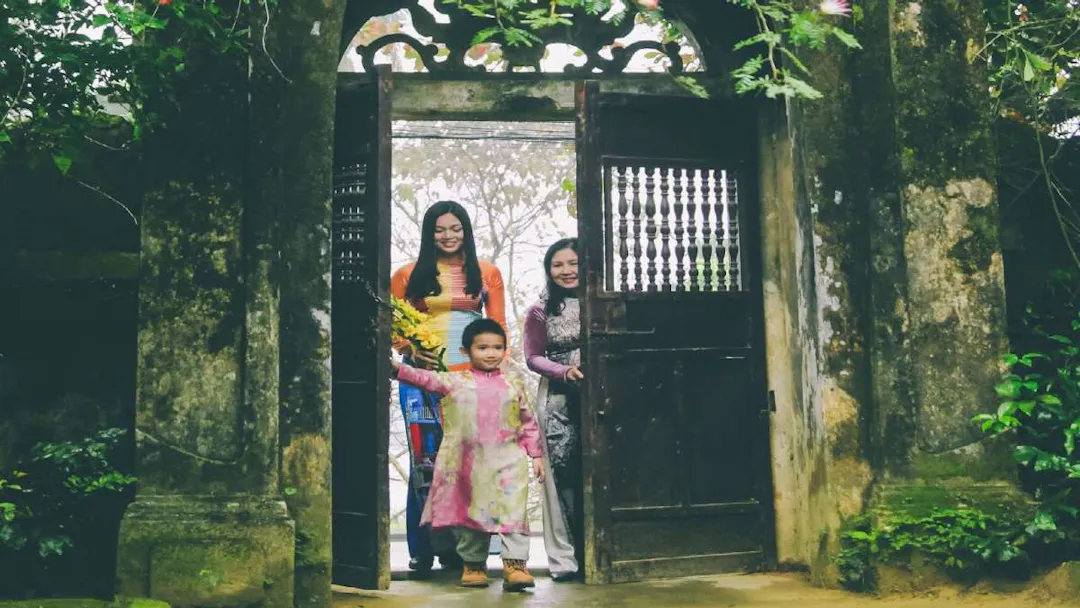
Immersing oneself in the social fabric of the New Year requires an intimate understanding of local customs and deeply ingrained superstitions that dictate human interaction during this sensitive period. One of the most fascinating traditions is the concept of xông đất, the ritual of the first visitor to step across a household's or business's threshold in the new year. According to local belief, the moral character, social standing, and fortune of this inaugural guest will mysteriously dictate the financial success and luck of the household for the entire upcoming year. Because of this immense symbolic weight, families carefully and intentionally pre-arrange their first visitor, inviting a respected, successful, or auspicious friend to enter their home precisely at midnight. As an international traveler, you should remain acutely aware that unexpected or uninvited visits to local homes during the morning of the first day of Tet can be culturally awkward or unwelcome, and you should always wait for a formal, explicit invitation before crossing a residential threshold.
The Tradition of Giving Red Envelopes (Lì Xì)
Another cornerstone of holiday etiquette revolves around the ubiquitous tradition of giving and receiving lì xì—the auspicious red envelopes containing small amounts of lucky money. Symbolizing wealth, good health, and the transference of positive energy, these crimson packets are traditionally handed to children and elderly family members as expressions of blessing and gratitude. While foreign tourists are rarely expected to actively distribute red envelopes in a traditional familial sense, understanding the underlying etiquette prevents social missteps. If you interact with hotel staff, local guides, or service workers who remain operational during the holiday, offering a modest, respectful tip wrapped in a polite smile is universally appreciated, though strictly framing it as a formal lì xì requires a nuanced grasp of local relationships. Above all, maintaining a gracious, calm, and positive demeanor throughout any minor holiday service delays fosters profound goodwill, ensuring your presence is welcomed with warmth.
Practical Survival Tips for Travelers During Tet
Stocking Up and Proactive Planning
Surviving and thoroughly enjoying the holiday period demands rigorous, proactive logistical planning long before your aircraft touches down on Vietnamese tarmac. To insulate yourself against widespread commercial closures, make certain your accommodations are fully booked well in advance at reputable establishments—preferably international hotels or large boutique properties that maintain operational kitchens to feed stranded guests. In the days immediately preceding Tet, visit local supermarkets to stock up on essential drinking water, dried snacks, and basic provisions to cover your needs when neighborhood convenience stores pull down their metal shutters. Furthermore, ensure you withdraw adequate quantities of physical đồng well ahead of time, as ATM machines in residential areas frequently run entirely out of cash due to the massive, multi-day banking closures and high holiday demand.
Embracing the Quiet Beauty of the Holiday
Rather than viewing the sweeping commercial closures and urban quietude as an insurmountable inconvenience, savvy travelers learn to reframe their expectations and actively embrace the unique, serene beauty of the holiday. The days of Tet offer an exceptionally rare, peaceful opportunity to photograph famous historical monuments, French colonial boulevards, and public parks entirely devoid of the usual heavy tourist crowds and roaring motor traffic. Wander through the quiet, tree-lined streets of Hanoi’s French Quarter or stroll beside the gently flowing canals of Saigon without the sensory assault of modern urban chaos. By adjusting your personal rhythm to mirror the reflective, unhurried pace of the local population, you unlock a deeply restorative, culturally rich travel experience that few fast-paced tourists ever get to witness.
Conclusion
Ultimately, experiencing the profound cultural resonance of traveling to Vietnam during Tet Holiday transforms a standard sightseeing vacation into a deeply immersive, unforgettable encounter with the living heritage of Southeast Asia. While navigating the sweeping nationwide business closures, mass domestic migration, and transport gridlock requires immense logistical discipline and advance preparation, the spiritual rewards are immeasurably vast. Witnessing the streets bloom with peach blossoms, observing heartfelt ancestral veneration, and embracing the peaceful quietude of the cities offers a perspective of Vietnam that money cannot buy. I strongly encourage you to plan your itinerary with tactical precision, respect the sacred rhythms of the Lunar New Year, and step confidently into an extraordinary celebration of life, family, and renewal.
Frequently Asked Questions About Traveling to Vietnam During Tet Holiday
Is Tet a good time to visit Vietnam?
Yes, if you're interested in experiencing Vietnamese culture. Tet offers beautiful decorations, traditional ceremonies, flower festivals, and a festive atmosphere. However, many businesses close temporarily, and transportation becomes much busier than usual.
Are restaurants and attractions open during Tet?
Many local restaurants, family-run shops, and smaller businesses close for several days during Tet. Major tourist attractions, larger hotels, convenience stores, and some restaurants generally remain open, although operating hours may be reduced.
Should I book transportation and accommodation in advance?
Absolutely. Tet is the busiest travel period of the year in Vietnam. Flights, trains, buses, and hotels often sell out weeks or even months in advance, so early booking is highly recommended.
Will prices increase during Tet?
Yes. Airfares, accommodation, and some transportation services are often more expensive during the Tet holiday because of increased demand. Booking early can help you secure better prices.
What are some Tet customs visitors should respect?
Visitors should dress respectfully when visiting temples, avoid loud behavior during family ceremonies, and greet people with kindness and good wishes. Accepting or giving small lucky red envelopes (lì xì) is a common tradition, although tourists are not expected to participate.
Advertising box
Seasonal Travel Guides for Vietnam
Discover the best places to visit in Vietnam throughout the year with expert seasonal travel guides. Explore weather insights, regional highlights, festivals, packing tips, and recommended activities for every season, helping you choose the perfect time to experience Vietnam at its very best.
Vietnam in July and August: How to Beat the Summer Heat and Monsoon Tips
July and August bring Vietnam's warmest temperatures, vibrant green landscapes, and occasional tropical showers. While some regions experience monsoon rains, others enjoy sunny beaches and spectacular natural scenery. This guide explains regional weather patterns, highlights the best destinations to visit during summer, and provides practical advice on avoiding heavy rain, staying comfortable in the heat, and planning flexible itineraries. With the right preparation, Vietnam's summer can be an exciting season filled with unique travel experiences.
Visiting Vietnam in February: Weather, Tet Holiday Impact & Best Routes
February is one of the most exciting months to visit Vietnam, combining pleasant weather with the vibrant atmosphere of the Lunar New Year season. Depending on the year, Tet celebrations may influence transportation, opening hours, and accommodation availability, making advance planning essential. This guide explains Vietnam's February weather by region, how Tet affects travel, the best destinations to visit, and recommended routes so you can enjoy cultural festivals, stunning landscapes, delicious food, and unforgettable experiences throughout the country.
Is 10 Days Enough for Vietnam? A Realistic Itinerary for First-Timers
Ten days is enough to experience many of Vietnam's highlights—if you plan your itinerary wisely. This practical guide helps first-time visitors choose the best route, balance travel time with sightseeing, and discover the country's most rewarding destinations. Whether you're interested in culture, nature, beaches, or food, you'll find realistic itinerary ideas, transportation advice, budgeting tips, and essential travel recommendations to help you enjoy an unforgettable 10-day adventure across Vietnam without feeling rushed.
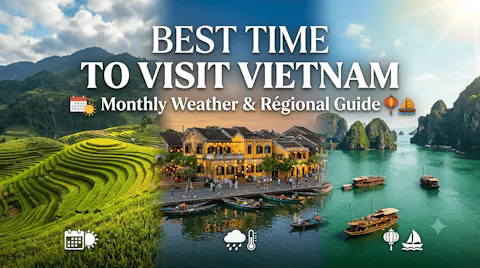
Best Time to Visit Vietnam: Best Months, Weather & Travel Seasons
Discover the best time to visit Vietnam with a practical month-by-month weather guide covering northern, central, and southern Vietnam. Learn which months offer the best conditions for beaches, trekking, sightseeing, cultural experiences, and a north-to-south itinerary. Find out when Vietnam’s rainy and dry seasons occur, how weather varies by region, and which months are best for different types of travelers. Use this guide to choose the right travel season and plan a more comfortable Vietnam trip.