
Cat Ba Island
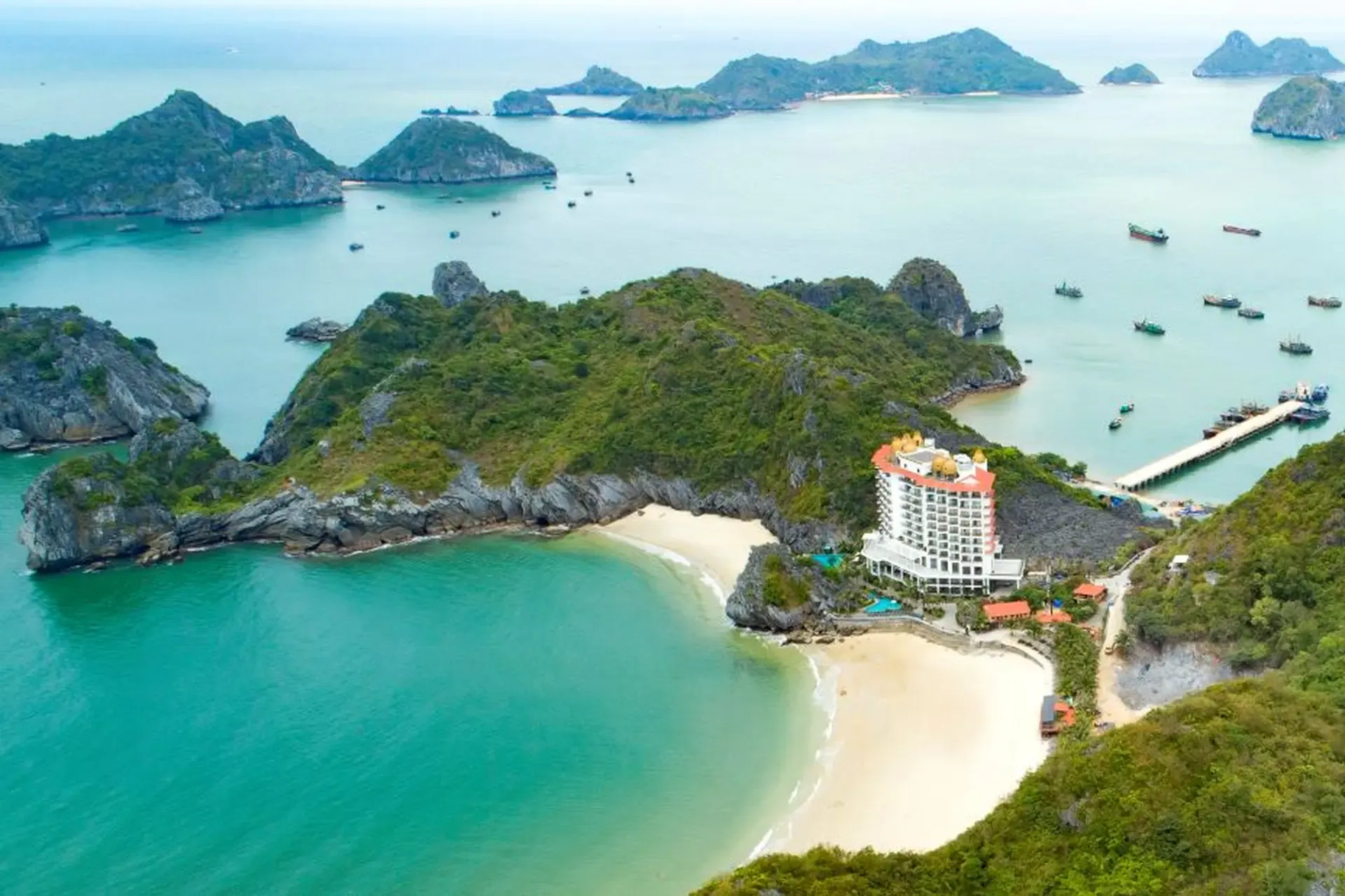
Cat Ba Island is one of Vietnam’s most popular island destinations, known for its dramatic limestone landscapes, beautiful beaches, and rich natural environment. Located near Ha Long Bay, the island offers a perfect combination of adventure, relaxation, and cultural experiences. Visitors can explore Cat Ba National Park, discover hidden beaches, enjoy boat trips through stunning bays, and experience local island life. Go Visit Vietnam introduces the attractions, activities, and travel experiences that make Cat Ba Island a must-visit destination in Vietnam.
About Cat Ba Island
Cat Ba Island is one of northern Vietnam's most spectacular island destinations, located in Hai Phong City in the Gulf of Tonkin. Known for limestone mountains, tropical forests, quiet beaches, fishing villages, and dramatic coastal scenery, Cat Ba offers a combination of outdoor adventure and island relaxation.
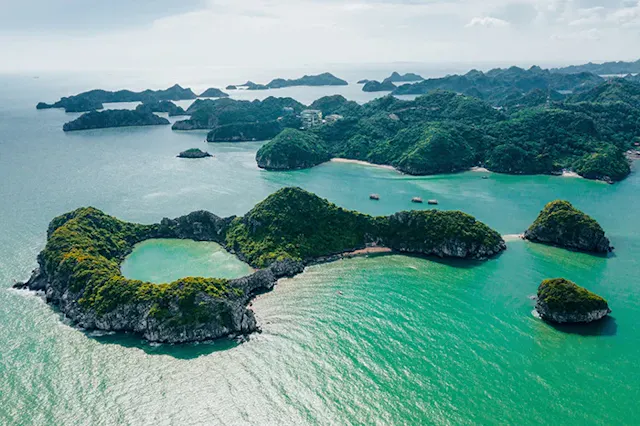
The island is also the gateway to Lan Ha Bay, a beautiful seascape filled with limestone islands and calm waters. Together with Cat Ba National Park and the surrounding marine environment, the area provides travelers with opportunities for hiking, kayaking, swimming, boat cruises, and exploring Vietnam's northern coast.
What Is Cat Ba Island?
Cat Ba is the largest island in the Cat Ba Archipelago, which consists of hundreds of islands and limestone islets.
The island is characterized by forest-covered mountains, steep limestone cliffs, hidden valleys, beaches, and coastal villages.
Much of the island's natural environment is protected within Cat Ba National Park, which covers both terrestrial and marine habitats.
Cat Ba Town serves as the main tourism center, with hotels, restaurants, boat operators, and transportation services.
Cat Ba National Park
Cat Ba National Park is one of the island's most important natural attractions.
The park protects tropical forests, limestone mountains, wetlands, coastal ecosystems, and marine habitats.
Several hiking routes allow visitors to explore the island's forests and karst landscape.
The park is also home to the endangered Cat Ba langur, one of the world's rarest primates.
Conservation programs focus on protecting the species and preserving the island's unique ecosystem.
Lan Ha Bay
One of Cat Ba's biggest attractions is its proximity to Lan Ha Bay.
Located southeast of Cat Ba Island, Lan Ha Bay contains hundreds of limestone islands and islets rising from calm turquoise waters.
The landscape is similar to Ha Long Bay but often feels quieter and less crowded.
Boat cruises, kayaking excursions, and swimming trips provide some of the best ways to experience the bay.
Kayaking Around Limestone Islets
Kayaking is one of the most popular activities around Cat Ba and Lan Ha Bay.
Travelers can paddle through calm waters, explore small lagoons, and navigate between limestone formations.
Some routes pass floating fishing villages and secluded beaches.
The experience provides a more intimate perspective of the karst landscape than a larger cruise boat.
Visitors should follow local safety instructions and wear life jackets when required.
Cat Ba's Beaches
Cat Ba has several beaches within easy reach of Cat Ba Town.
Cat Co 1, Cat Co 2, and Cat Co 3 are among the best-known beaches.
These beaches are surrounded by limestone hills and provide convenient places for swimming and relaxing.
For travelers seeking quieter coastal scenery, boat trips to smaller beaches around Lan Ha Bay can offer more secluded experiences.
Fishing Villages
Fishing has long been an important part of life around Cat Ba.
Floating communities and fishing boats can be found throughout the waters surrounding the island.
Travelers visiting Lan Ha Bay may see floating homes, fish farms, and boats used by local families.
These communities demonstrate how people have adapted their livelihoods to a landscape dominated by the sea.
Seafood on Cat Ba Island
Fresh seafood is an essential part of the Cat Ba experience.
Local restaurants serve crab, squid, shrimp, oysters, clams, fish, and other seafood harvested from surrounding waters.
Seafood restaurants are concentrated around Cat Ba Town and the harbor.
Travelers can enjoy simple grilled and steamed dishes or try local seafood hotpots and Vietnamese-style preparations.
Hospital Cave
Hospital Cave is one of Cat Ba's most interesting historical attractions.
During the Vietnam War, the cave was developed into a fortified medical facility.
Its natural limestone chambers were adapted to include treatment rooms, operating areas, and other facilities.
Today, visitors can explore the cave and learn about how natural caves were used for protection and military purposes during wartime.
Trung Trang Cave
Trung Trang Cave is another popular natural attraction on the island.
Located within the limestone landscape of Cat Ba National Park, the cave contains stalactites, stalagmites, and underground formations.
A visit to Trung Trang can be combined with hiking and other activities in the national park.
Exploring Cat Ba Island
Motorcycles, bicycles, taxis, and private vehicles can be used to explore Cat Ba.
Cycling can be particularly enjoyable on quieter roads outside Cat Ba Town.
Travelers can visit beaches, villages, caves, viewpoints, and national park areas during a road trip around the island.
Boat excursions are the best way to explore the surrounding archipelago and Lan Ha Bay.
Best Time to Visit Cat Ba
The best time to visit depends on the activities planned.
April to June is generally suitable for beach activities, hiking, kayaking, and sightseeing.
September and October can also provide pleasant conditions with fewer visitors.
Summer weekends can be busy, while tropical storms may occasionally affect boat trips.
Travelers should check weather forecasts before booking cruises or kayaking excursions.
How to Get to Cat Ba Island
Cat Ba is accessible from Hai Phong and other parts of northern Vietnam.
Travelers can reach the island by ferry, speedboat, or combined road-and-sea transportation.
A common route is through Dong Bai Ferry Terminal, which connects the mainland with Cat Ba.
Visitors can also travel through Hai Phong before continuing to the island by ferry or other services.
Responsible Tourism
Cat Ba's marine and forest ecosystems are environmentally sensitive.
Visitors should avoid littering, reduce plastic use, and never throw waste into the sea.
Travelers should avoid touching coral, disturbing wildlife, or feeding wild animals.
When visiting fishing communities, respect local residents and avoid photographing people or private property without permission.
Choosing responsible tour operators also helps support conservation efforts.
Why Visit Cat Ba Island?
Cat Ba Island offers an impressive combination of limestone mountains, tropical forests, beaches, caves, fishing villages, and spectacular bay scenery.
Its location beside Lan Ha Bay makes it especially attractive for kayaking and island-hopping, while Cat Ba National Park provides opportunities for hiking and wildlife experiences.
For travelers exploring northern Vietnam, Cat Ba provides an excellent alternative to a traditional beach holiday, combining outdoor adventure, marine landscapes, local seafood, and the unique natural heritage of Vietnam's Gulf of Tonkin.
Cat Ba Island in Frames – Discover Coastal Beauty & Natural Wonders
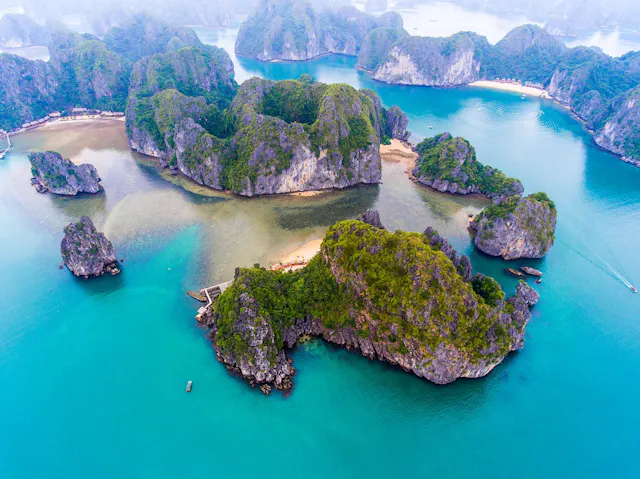
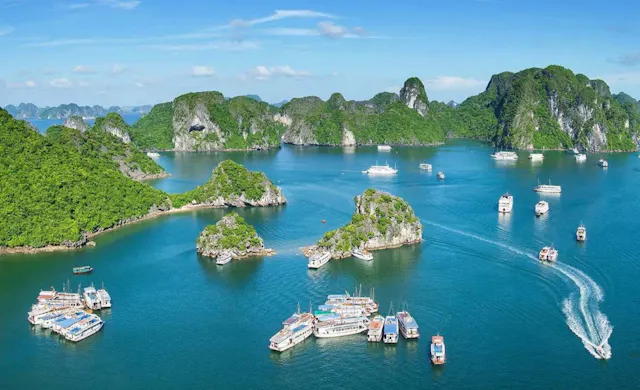
Explore the beauty of Cat Ba Island through a collection of images showcasing its stunning beaches, limestone islands, crystal-clear waters, and natural landscapes. From the peaceful shores of Cat Co Beach and the dramatic scenery of Lan Ha Bay to lush forests, fishing villages, and island adventures, the gallery captures the unique charm, outdoor experiences, and unforgettable moments of one of Vietnam’s most beautiful island destinations.
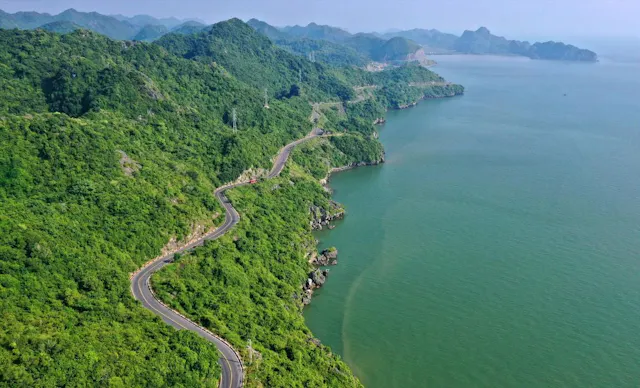

How To Get There – Cat Ba Island
Bus and coach
The most convenient way to reach Cat Ba Island is by bus or limousine service from Hanoi to Cat Ba. Many operators provide direct routes combining bus and ferry transfers, with the journey taking around 3–4 hours. Travelers can also go through Hai Phong and continue by ferry or speedboat to the island.
Train
Travelers can take a train from Hanoi to Hai Phong Railway Station, then transfer to taxi or local transport to Ben Binh Harbor or Got Pier. From there, ferries and speedboats operate regularly to Cat Ba Island.
Driving
Driving to Cat Ba Island involves traveling to Hai Phong or Got Pier, then taking a ferry that allows vehicles to cross to the island. The route from Hanoi takes around 2.5–3 hours by car, offering flexibility for travelers exploring northern Vietnam.
Flying
The nearest airport is Cat Bi International Airport (Hai Phong). Travelers can fly from major Vietnamese cities, then take a taxi or private transfer to the harbor and continue by ferry or speedboat to Cat Ba Island.
Frequently Asked Questions About Cat Ba Island
What is Cat Ba Island famous for?
Cat Ba Island is famous for its stunning limestone landscapes, beautiful beaches, Cat Ba National Park, and its location near Lan Ha Bay. The island offers a mix of nature, adventure, relaxation, and authentic local experiences.
Where is Cat Ba Island located?
Cat Ba Island is located in Cat Hai District, Hai Phong City, Vietnam. It is the largest island in the Cat Ba Archipelago and sits near Ha Long Bay, surrounded by hundreds of limestone islands.
What is the best time to visit Cat Ba Island?
The best time to visit Cat Ba Island is from April to October when the weather is warm and suitable for beaches, boat trips, kayaking, and outdoor activities. Spring and autumn offer comfortable conditions for sightseeing.
How do you get to Cat Ba Island?
Travelers can reach Cat Ba Island from Hanoi, Hai Phong, or nearby areas by bus, private car, or train to Hai Phong, then continue by ferry or speedboat. Direct bus services from Hanoi are also available.
What activities can visitors enjoy on Cat Ba Island?
Visitors can enjoy kayaking in Lan Ha Bay, hiking in Cat Ba National Park, relaxing at Cat Co Beach, exploring caves, visiting fishing villages, cycling around the island, and taking boat tours to discover the surrounding islands.
Advertising box
Explore More Islands in Vietnam
From tropical beach escapes and untouched coral reefs to volcanic landscapes and peaceful fishing villages, Vietnam's islands offer unforgettable experiences for every traveler. Discover hidden gems, island adventures, fresh seafood, marine wildlife, and breathtaking coastal scenery as you explore the country's most spectacular island destinations.
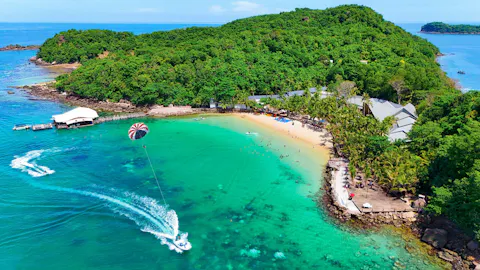
Phu Quoc Island
Phu Quoc Island is Vietnam’s largest island and one of the country’s most popular tropical destinations, known for its beautiful beaches, turquoise waters, luxury resorts, and diverse experiences. Located in Kien Giang Province, the island offers stunning natural landscapes, vibrant seafood culture, and exciting activities from snorkeling to island tours. Visitors can explore pristine coastlines, national parks, local markets, and cultural attractions. Go Visit Vietnam introduces the best attractions, travel tips, and unforgettable experiences of Phu Quoc Island.
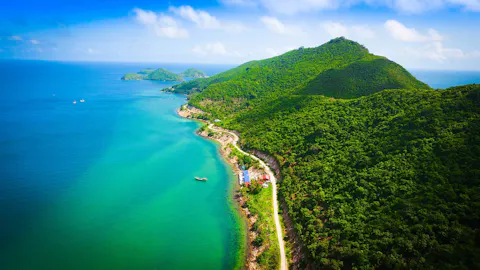
Nam Du Island
Nam Du Island is a stunning archipelago in Kien Giang Province, southern Vietnam, known for its crystal-clear waters, untouched beaches, and peaceful fishing villages. Often called a hidden paradise near Phu Quoc, Nam Du offers a perfect escape for island hopping, snorkeling, and exploring authentic local life. Visitors can enjoy scenic viewpoints, fresh seafood, and quiet coastal landscapes far from mass tourism. Go Visit Vietnam introduces the beauty, travel experiences, and must-see highlights of Nam Du Island.
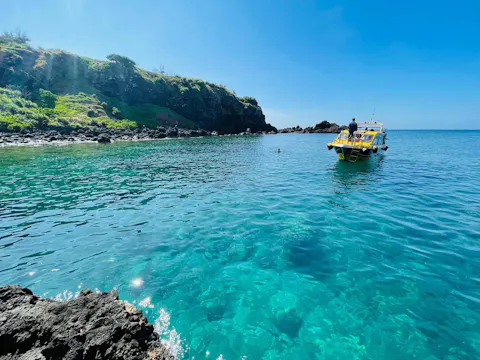
Phu Quy Island
Phu Quy Island is a stunning and peaceful island located in Binh Thuan Province, Vietnam, known for its crystal-clear waters, volcanic landscapes, and authentic fishing village life. This hidden gem offers travelers a quiet escape with beautiful beaches, coral-rich seas, scenic viewpoints, and fresh seafood experiences. Visitors can explore temples, coastal roads, and natural attractions while enjoying the island’s relaxed atmosphere. Go Visit Vietnam introduces the highlights, travel tips, and unforgettable experiences of Phu Quy Island.
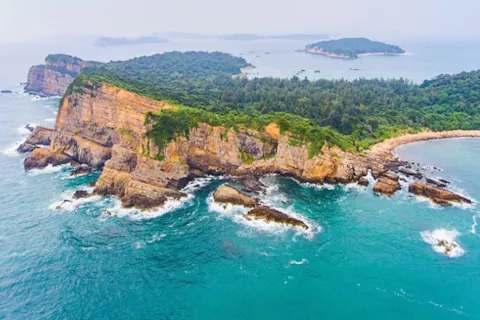
Co To Island
Co To Island is a beautiful coastal destination in Quang Ninh Province, Vietnam, known for its clear blue waters, white sandy beaches, and peaceful island atmosphere. Away from crowded tourist areas, Co To offers a relaxing escape with stunning landscapes, fresh seafood, and authentic local experiences. Visitors can explore scenic beaches, lighthouse viewpoints, fishing villages, and nearby islands while enjoying the natural beauty of northern Vietnam’s coastline. Go Visit Vietnam introduces the highlights, attractions, and travel experiences of this charming island destination.
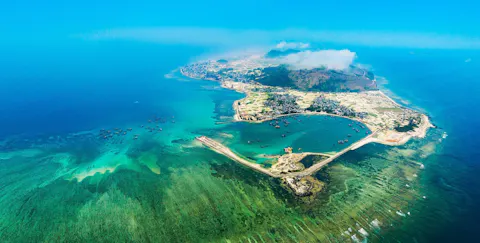
Ly Son Island
Ly Son Island is a unique volcanic island located in Quang Ngai Province, Central Vietnam, known for its dramatic cliffs, crystal-clear waters, and famous garlic fields. Often called the “Kingdom of Garlic,” Ly Son offers a rare combination of natural beauty, geological heritage, and local culture. Visitors can explore volcanic craters, pristine beaches, and historic temples while enjoying fresh seafood and peaceful island life. Go Visit Vietnam introduces the highlights, attractions, and unforgettable experiences of this hidden island gem in Vietnam.
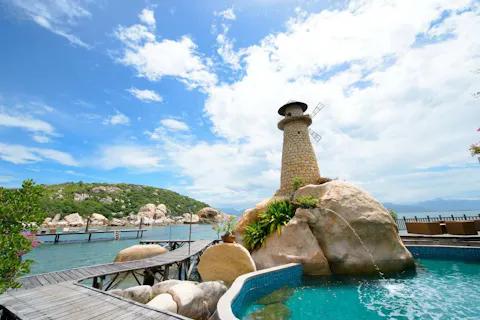
Binh Hung Island
Binh Hung Island is a beautiful hidden island destination in Khanh Hoa Province, Vietnam, known for its turquoise waters, untouched beaches, colorful coral reefs, and peaceful fishing village atmosphere. Located near Cam Ranh Bay, the island offers travelers a relaxing coastal escape with fresh seafood, snorkeling experiences, and stunning ocean scenery. Visitors can explore pristine beaches, traditional island life, and nearby natural attractions. Go Visit Vietnam introduces the beauty, activities, and unforgettable experiences of Binh Hung Island.
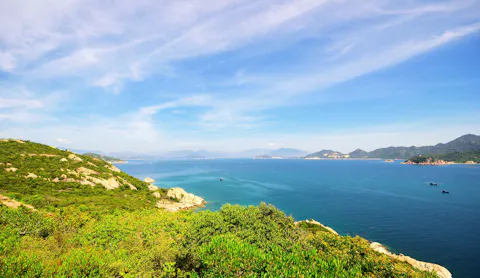
Binh Ba Island
Binh Ba Island is a charming coastal destination in Khanh Hoa Province, Vietnam, famous for its beautiful beaches, clear blue waters, and fresh seafood, especially lobster. Located near Cam Ranh Bay, the island offers visitors a peaceful escape with stunning ocean views, coral reefs, and authentic fishing village experiences. Travelers can enjoy swimming, snorkeling, exploring local life, and tasting delicious seafood specialties. Go Visit Vietnam introduces the attractions, experiences, and travel highlights of this unique island destination.
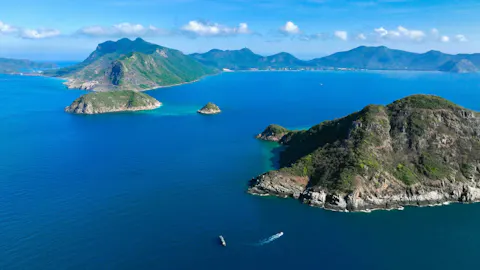
Con Dao Island
Con Dao Island is one of Vietnam’s most beautiful and peaceful island destinations, located off the southern coast of the country. Known for its pristine beaches, crystal-clear waters, coral reefs, national park, and rich historical heritage, Con Dao offers a unique blend of nature and culture. Visitors can explore untouched landscapes, discover marine life, relax on quiet beaches, and learn about the island’s history. Go Visit Vietnam introduces the attractions, experiences, and travel highlights of Con Dao Island.
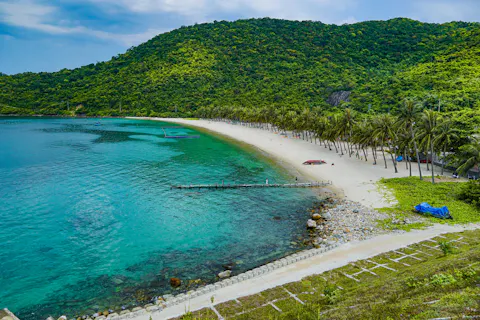
Lao Cham Island
Lao Cham Island is a beautiful island destination near Hoi An, Quang Nam Province, Vietnam, known for crystal-clear waters, coral reefs, peaceful beaches, and traditional fishing villages. As a UNESCO-recognized biosphere reserve, the island offers unforgettable experiences through snorkeling, diving, seafood discovery, and marine exploration. Visitors can enjoy natural landscapes, cultural heritage, and a relaxed island atmosphere away from the city. Go Visit Vietnam introduces the attractions, activities, and travel experiences of Lao Cham Island for travelers seeking nature and adventure.