
Lao Cham Island
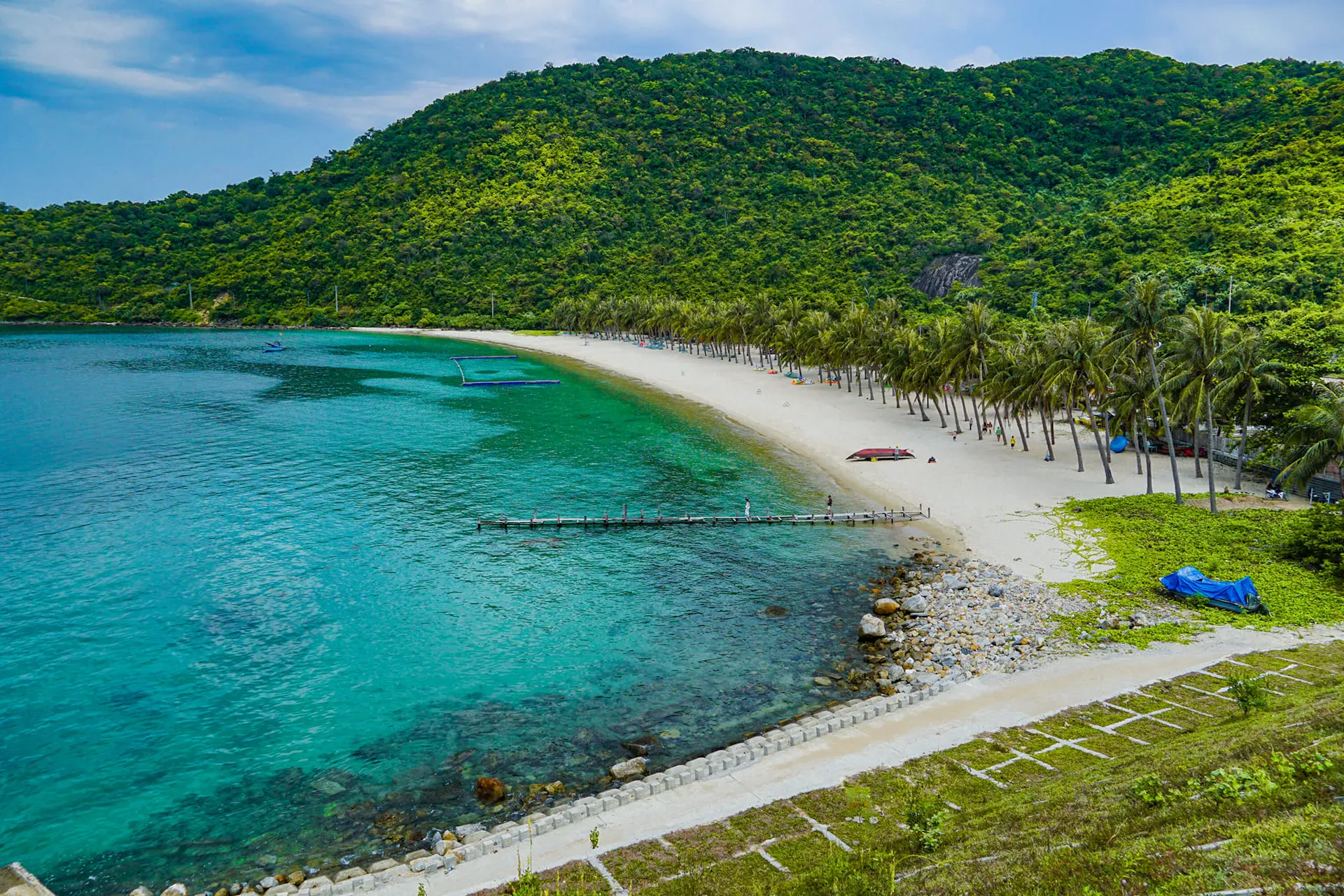
Lao Cham Island is a beautiful island destination near Hoi An, Quang Nam Province, Vietnam, known for crystal-clear waters, coral reefs, peaceful beaches, and traditional fishing villages. As a UNESCO-recognized biosphere reserve, the island offers unforgettable experiences through snorkeling, diving, seafood discovery, and marine exploration. Visitors can enjoy natural landscapes, cultural heritage, and a relaxed island atmosphere away from the city. Go Visit Vietnam introduces the attractions, activities, and travel experiences of Lao Cham Island for travelers seeking nature and adventure.
About Cham Islands
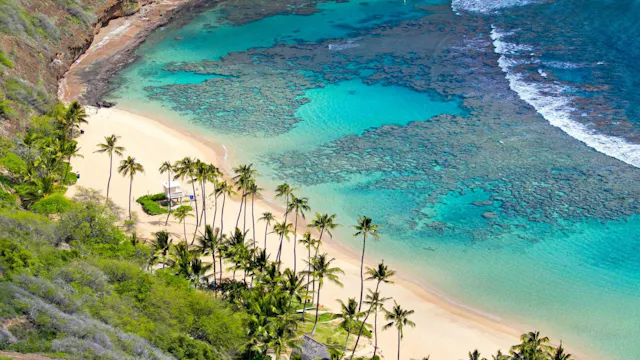
Cham Islands, known in Vietnamese as Cu Lao Cham, are a group of beautiful islands off the coast of Hoi An in Quang Nam Province, central Vietnam. Famous for clear waters, sandy beaches, coral reefs, tropical forests, and traditional fishing communities, the islands offer travelers a relaxing escape from the historic streets of Hoi An.
The archipelago combines marine biodiversity with local island culture, making it an excellent destination for travelers interested in snorkeling, diving, beaches, seafood, and outdoor activities.
What Are the Cham Islands?
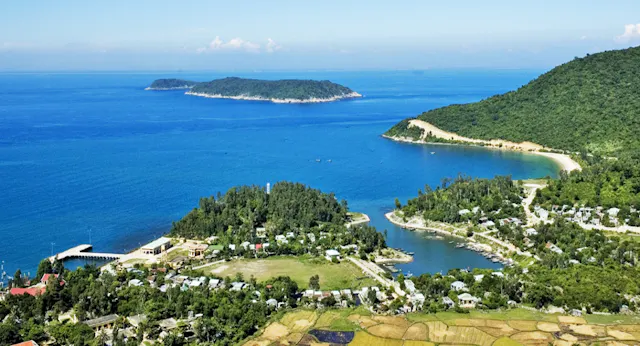
The Cham Islands are an archipelago consisting of several islands and smaller islets in the East Sea.
The largest and most developed island is Hon Lao, where most visitors arrive and where several local communities are located.
The islands are part of the Cu Lao Cham Marine Protected Area, which helps conserve important coastal and marine ecosystems.
Their location near Hoi An makes them one of the easiest island escapes to include in a central Vietnam itinerary.
Beaches and Coastal Scenery
Cham Islands are known for their attractive beaches and clear coastal waters.
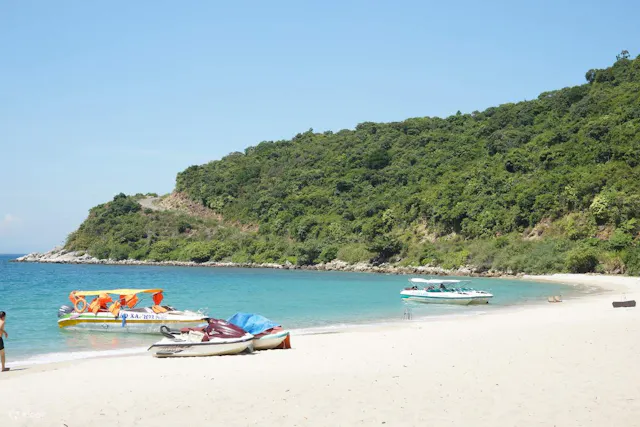
Bai Lang, Bai Ong, Bai Huong, and Bai Chong are among the best-known coastal areas.
Each beach has a slightly different character, ranging from areas with restaurants and local services to quieter stretches surrounded by vegetation.
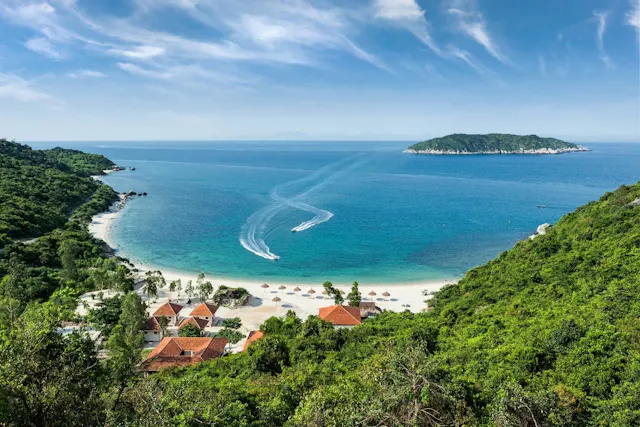
The combination of green hills, rocky coastlines, white or golden sand, and blue water creates a classic tropical island landscape.
Snorkeling and Diving
The waters surrounding the Cham Islands are among the main attractions for visitors.
Coral reefs and marine habitats support a variety of fish and other sea life.
Snorkeling trips allow travelers to explore shallow waters without requiring specialized diving experience.
Scuba diving is also available through local operators when conditions are suitable.
Marine activities depend heavily on weather and sea conditions, so visitors should follow local safety guidance.
Marine Biodiversity
The Cham Islands are recognized for their important marine ecosystems.
The surrounding waters contain coral reefs, seagrass habitats, fish, mollusks, and other marine organisms.
The marine protected area was established to help conserve these resources while supporting sustainable livelihoods for local communities.
Visitors can contribute to conservation by avoiding contact with coral, not collecting marine life, and minimizing plastic waste.
Cham Islands Marine Protected Area
The Cu Lao Cham Marine Protected Area is an important part of the islands' environmental identity.
Conservation programs focus on protecting marine habitats and supporting sustainable fishing and tourism.
The protected area demonstrates how tourism and environmental conservation can work together when visitor activities are carefully managed.
Travelers should respect regulations designed to protect the islands' marine ecosystems.
Traditional Fishing Villages
Cham Islands are home to communities with a long history of fishing and maritime activities.
Bai Huong is one of the best-known fishing villages and provides travelers with an opportunity to observe traditional island life.
Fishing boats, seafood markets, and local restaurants are part of the everyday landscape.
Visiting local communities can provide a deeper understanding of how residents depend on the surrounding sea.
Seafood on the Cham Islands
Fresh seafood is an important part of the island experience.
Restaurants and local eateries serve dishes featuring fish, squid, shrimp, crab, shellfish, and other seasonal catches.
Simple preparations often allow the freshness of the seafood to remain the focus.
Travelers can enjoy seafood after a morning of snorkeling or swimming while taking in views of the surrounding coast.
Cham Island Culture
The islands have a distinctive cultural history influenced by the communities that have lived along Vietnam's central coast for centuries.
Visitors can explore local temples, fishing villages, traditional homes, and other cultural sites.
The island communities retain strong connections with the sea, which remains central to local traditions and livelihoods.
Exploring by Motorcycle
Renting a motorcycle is one of the most convenient ways to explore Hon Lao.
Small roads connect several communities and beaches, while forested hills and coastal viewpoints provide opportunities to stop along the way.
Roads can be narrow and winding, so travelers should drive carefully and follow local traffic regulations.
For visitors who do not ride motorcycles, local taxis and organized tours are alternative options.
Best Time to Visit Cham Islands
The best time to visit is generally March to August, when weather and sea conditions are often more favorable for boat trips, swimming, snorkeling, and diving.
The later part of the year can bring stronger winds, rough seas, and heavy rainfall.
Because boat services depend on sea conditions, travelers should check the forecast before planning an island trip.
How to Get to Cham Islands
Cham Islands can be reached from Hoi An and nearby coastal ports.
Travelers can take a speedboat or other authorized boat service to the islands.
The journey generally takes less than an hour, depending on the type of boat and departure point.
Many visitors choose a day tour from Hoi An that combines transportation, snorkeling, meals, and beach activities.
Responsible Island Travel
The natural environment of Cham Islands is fragile.
Visitors should avoid single-use plastics, never throw rubbish into the sea, and avoid touching coral reefs.
Do not collect shells, coral, or marine animals as souvenirs.
Respect local communities and fishing activities, and choose tour operators that follow marine conservation guidelines.
Why Visit Cham Islands?
Cham Islands offer travelers a rewarding combination of beaches, coral reefs, snorkeling, seafood, tropical forests, and traditional island culture.
Their proximity to Hoi An makes them an easy addition to a central Vietnam itinerary.
For travelers looking to escape the mainland for a day or stay overnight in a quieter coastal environment, Cham Islands provide an opportunity to experience Vietnam's marine landscapes while discovering the traditional lifestyle of a small island community.
Lao Cham Island in Frames – Coral Reefs, Beaches & Coastal Island Life
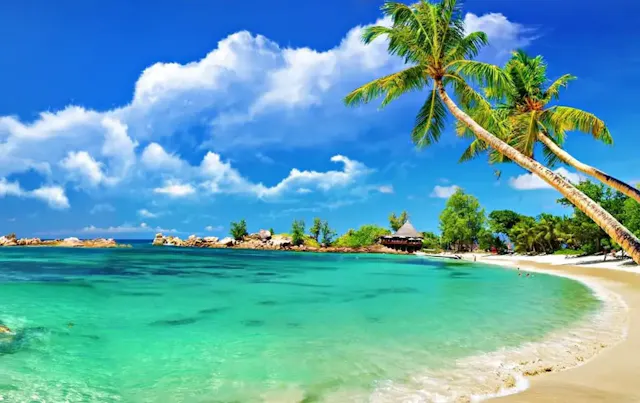
Explore the natural beauty of Lao Cham Island through a collection of images showcasing crystal-clear waters, colorful coral reefs, peaceful beaches, traditional fishing villages, and vibrant marine ecosystems. From snorkeling adventures and island boat trips to scenic coastal landscapes and local cultural moments, the gallery captures the charm and diversity of this UNESCO Biosphere Reserve near Hoi An. Discover the perfect blend of ocean beauty, island culture, and eco-tourism experiences that make Lao Cham Island one of Vietnam’s most stunning coastal destinations.
How To Get There – Lao Cham Island
Bus and coach
Travelers can take buses or limousine vans from Da Nang, Hue, or other central Vietnam cities to Hoi An City (Quang Nam Province). From Hoi An, visitors continue to Cua Dai Pier to take a speedboat or ferry to Lao Cham Island. Many tour packages include round-trip transportation from Da Nang or Hoi An.
Train
There is no direct train to Lao Cham Island. The nearest railway station is Da Nang Railway Station. From Da Nang, travelers can take a bus, taxi, or private car to Hoi An, then proceed to Cua Dai Pier for a boat transfer to the island.
Driving
Driving is a convenient option for reaching Hoi An. Visitors can travel by car or motorbike from Da Nang, Hue, or nearby provinces to Hoi An via coastal highways. From Hoi An, continue to Cua Dai Pier and take a speedboat to Lao Cham Island.
Flying
The nearest airport is Da Nang International Airport. From the airport, travelers can take a taxi or shuttle to Hoi An (about 45–60 minutes), then travel to Cua Dai Pier for a boat ride to Lao Cham Island.
Frequently Asked Questions About Lao Cham Island
What is Lao Cham Island famous for?
Lao Cham Island is famous for its crystal-clear waters, coral reefs, snorkeling and diving spots, peaceful beaches, and traditional fishing villages. It is also recognized as a UNESCO Biosphere Reserve.
Where is Lao Cham Island located?
Lao Cham Island is located about 15 km off the coast of Hoi An, Quang Nam Province, central Vietnam. It is part of the Cu Lao Cham Marine Protected Area.
What is the best time to visit Lao Cham Island?
The best time to visit Lao Cham Island is from March to August when the sea is calm, the weather is sunny, and conditions are ideal for swimming, snorkeling, and boat trips.
How do you get to Lao Cham Island?
Travelers can reach Lao Cham Island by going to Hoi An or Da Nang, then traveling to Cua Dai Pier and taking a speedboat or ferry to the island. The boat ride takes about 20–30 minutes.
What activities can visitors enjoy on Lao Cham Island?
Visitors can enjoy snorkeling, diving, swimming, boat tours, exploring fishing villages, relaxing on beaches, tasting fresh seafood, and discovering marine life in the protected coral reef areas.
Advertising box
Explore More Islands in Vietnam
From tropical beach escapes and untouched coral reefs to volcanic landscapes and peaceful fishing villages, Vietnam's islands offer unforgettable experiences for every traveler. Discover hidden gems, island adventures, fresh seafood, marine wildlife, and breathtaking coastal scenery as you explore the country's most spectacular island destinations.
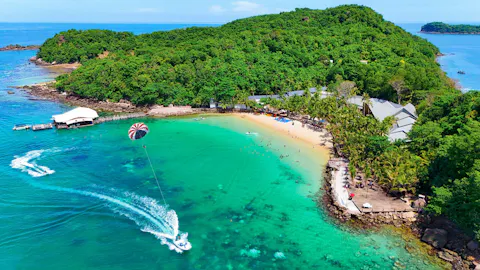
Phu Quoc Island
Phu Quoc Island is Vietnam’s largest island and one of the country’s most popular tropical destinations, known for its beautiful beaches, turquoise waters, luxury resorts, and diverse experiences. Located in Kien Giang Province, the island offers stunning natural landscapes, vibrant seafood culture, and exciting activities from snorkeling to island tours. Visitors can explore pristine coastlines, national parks, local markets, and cultural attractions. Go Visit Vietnam introduces the best attractions, travel tips, and unforgettable experiences of Phu Quoc Island.
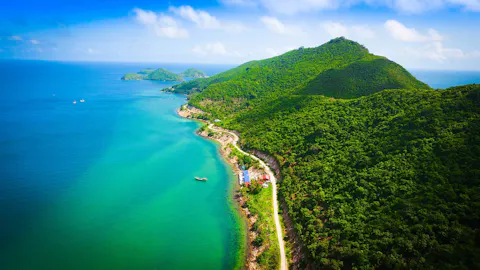
Nam Du Island
Nam Du Island is a stunning archipelago in Kien Giang Province, southern Vietnam, known for its crystal-clear waters, untouched beaches, and peaceful fishing villages. Often called a hidden paradise near Phu Quoc, Nam Du offers a perfect escape for island hopping, snorkeling, and exploring authentic local life. Visitors can enjoy scenic viewpoints, fresh seafood, and quiet coastal landscapes far from mass tourism. Go Visit Vietnam introduces the beauty, travel experiences, and must-see highlights of Nam Du Island.
Phu Quy Island
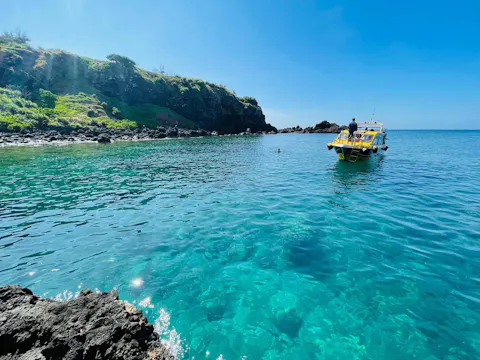
Phu Quy Island is a stunning and peaceful island located in Binh Thuan Province, Vietnam, known for its crystal-clear waters, volcanic landscapes, and authentic fishing village life. This hidden gem offers travelers a quiet escape with beautiful beaches, coral-rich seas, scenic viewpoints, and fresh seafood experiences. Visitors can explore temples, coastal roads, and natural attractions while enjoying the island’s relaxed atmosphere. Go Visit Vietnam introduces the highlights, travel tips, and unforgettable experiences of Phu Quy Island.
Cat Ba Island
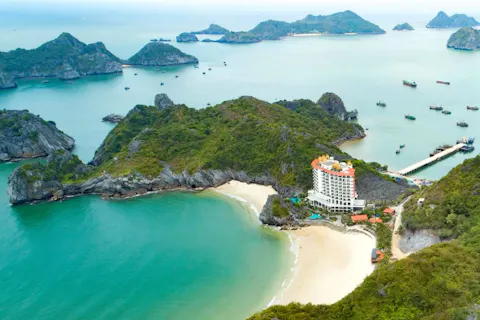
Cat Ba Island is one of Vietnam’s most popular island destinations, known for its dramatic limestone landscapes, beautiful beaches, and rich natural environment. Located near Ha Long Bay, the island offers a perfect combination of adventure, relaxation, and cultural experiences. Visitors can explore Cat Ba National Park, discover hidden beaches, enjoy boat trips through stunning bays, and experience local island life. Go Visit Vietnam introduces the attractions, activities, and travel experiences that make Cat Ba Island a must-visit destination in Vietnam.
Co To Island
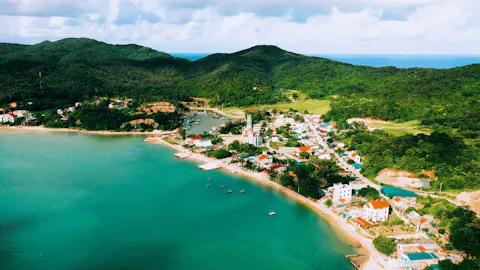
Co To Island is a beautiful coastal destination in Quang Ninh Province, Vietnam, known for its clear blue waters, white sandy beaches, and peaceful island atmosphere. Away from crowded tourist areas, Co To offers a relaxing escape with stunning landscapes, fresh seafood, and authentic local experiences. Visitors can explore scenic beaches, lighthouse viewpoints, fishing villages, and nearby islands while enjoying the natural beauty of northern Vietnam’s coastline. Go Visit Vietnam introduces the highlights, attractions, and travel experiences of this charming island destination.
Ly Son Island
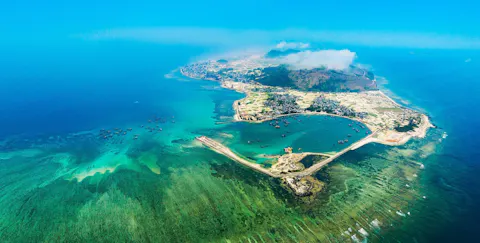
Ly Son Island is a unique volcanic island located in Quang Ngai Province, Central Vietnam, known for its dramatic cliffs, crystal-clear waters, and famous garlic fields. Often called the “Kingdom of Garlic,” Ly Son offers a rare combination of natural beauty, geological heritage, and local culture. Visitors can explore volcanic craters, pristine beaches, and historic temples while enjoying fresh seafood and peaceful island life. Go Visit Vietnam introduces the highlights, attractions, and unforgettable experiences of this hidden island gem in Vietnam.
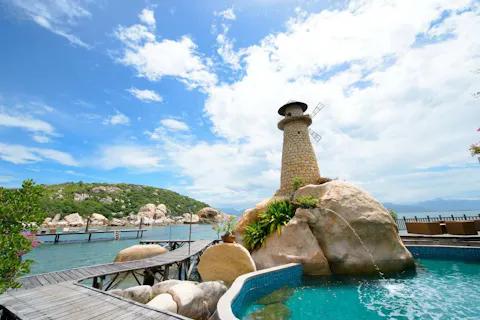
Binh Hung Island
Binh Hung Island is a beautiful hidden island destination in Khanh Hoa Province, Vietnam, known for its turquoise waters, untouched beaches, colorful coral reefs, and peaceful fishing village atmosphere. Located near Cam Ranh Bay, the island offers travelers a relaxing coastal escape with fresh seafood, snorkeling experiences, and stunning ocean scenery. Visitors can explore pristine beaches, traditional island life, and nearby natural attractions. Go Visit Vietnam introduces the beauty, activities, and unforgettable experiences of Binh Hung Island.
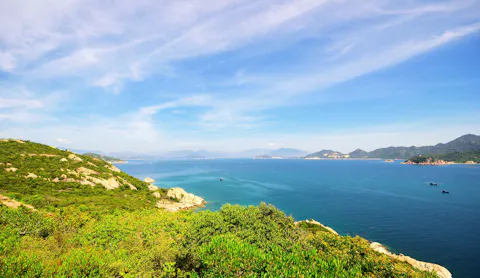
Binh Ba Island
Binh Ba Island is a charming coastal destination in Khanh Hoa Province, Vietnam, famous for its beautiful beaches, clear blue waters, and fresh seafood, especially lobster. Located near Cam Ranh Bay, the island offers visitors a peaceful escape with stunning ocean views, coral reefs, and authentic fishing village experiences. Travelers can enjoy swimming, snorkeling, exploring local life, and tasting delicious seafood specialties. Go Visit Vietnam introduces the attractions, experiences, and travel highlights of this unique island destination.
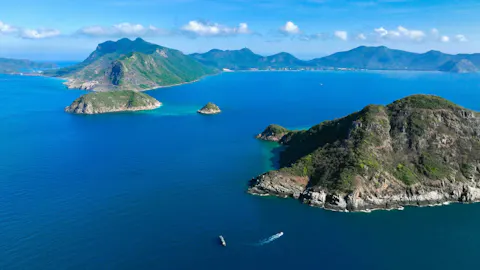
Con Dao Island
Con Dao Island is one of Vietnam’s most beautiful and peaceful island destinations, located off the southern coast of the country. Known for its pristine beaches, crystal-clear waters, coral reefs, national park, and rich historical heritage, Con Dao offers a unique blend of nature and culture. Visitors can explore untouched landscapes, discover marine life, relax on quiet beaches, and learn about the island’s history. Go Visit Vietnam introduces the attractions, experiences, and travel highlights of Con Dao Island.