
Hoi An Travel Guide
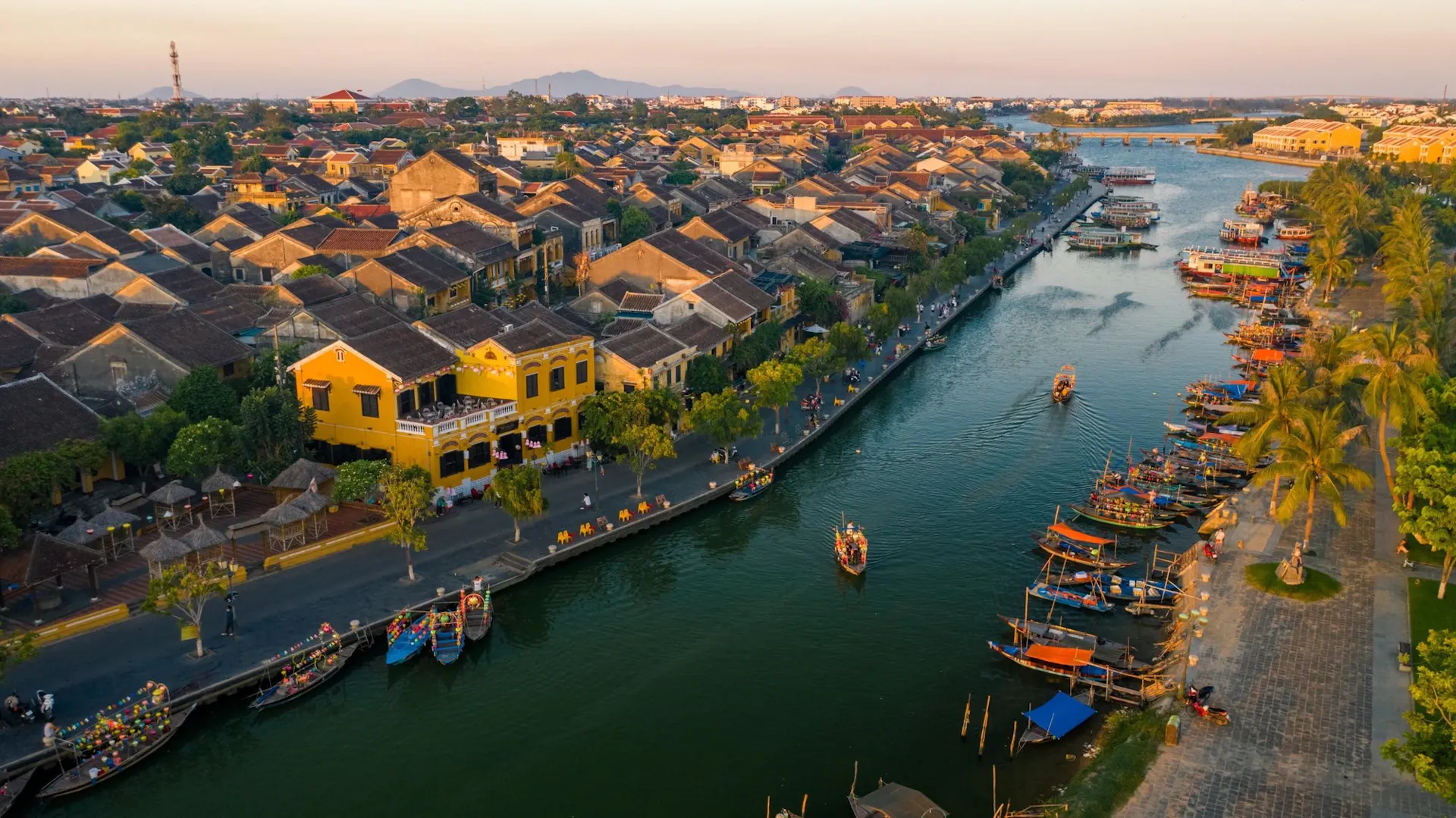
Hoi An is one of Vietnam's most enchanting destinations, renowned for its beautifully preserved Ancient Town, colorful lanterns, riverside charm, and rich cultural heritage. A UNESCO World Heritage Site, Hoi An offers visitors a unique blend of historic architecture, traditional cuisine, artisan workshops, and nearby beaches. Whether you're exploring centuries-old streets, enjoying a lantern-lit evening along the Thu Bon River, or taking a day trip to My Son Sanctuary, this comprehensive travel guide will help you experience the very best of Hoi An.
About Hoi An
Hoi An is one of Vietnam's most charming and historically significant destinations, located along the central coast in Quang Nam Province. Famous for its well-preserved Ancient Town, colorful lanterns, historic architecture, riverside atmosphere, traditional crafts, and distinctive cuisine, Hoi An offers travelers an immersive experience of Vietnam's cultural heritage.
Once an important international trading port, Hoi An developed through centuries of interaction between Vietnamese, Chinese, Japanese, and European communities. Today, its historic streets and buildings provide a remarkable window into the town's multicultural past.
What Is Hoi An?
Hoi An is a historic city near the Thu Bon River, approximately 30 kilometers south of Da Nang.
The city is best known for its Hoi An Ancient Town, a UNESCO World Heritage Site recognized for its exceptionally well-preserved historic urban landscape.
Yellow-painted buildings, wooden houses, temples, assembly halls, small shops, and narrow streets create the distinctive atmosphere that attracts visitors from around the world.
Hoi An Ancient Town
The Ancient Town is the heart of Hoi An's cultural heritage.
Walking through its pedestrian-friendly streets allows visitors to discover historic houses, family temples, Chinese assembly halls, traditional shops, cafés, restaurants, and craft businesses.
Many buildings retain architectural elements from different periods, reflecting Hoi An's history as an international trading port.
The area is particularly atmospheric in the evening when traditional lanterns illuminate the streets.
Japanese Covered Bridge
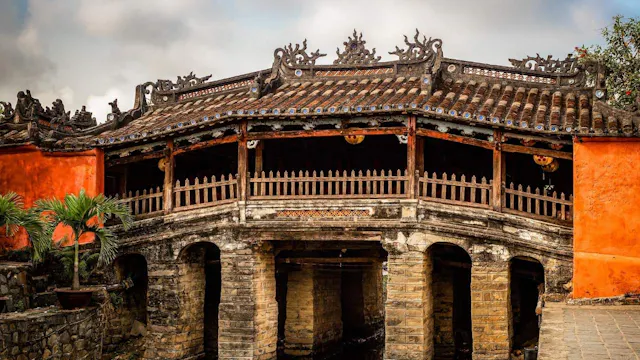
The Japanese Covered Bridge is one of Hoi An's most recognizable landmarks.
The historic bridge was built to connect Japanese and Chinese merchant communities living on opposite sides of a canal.
Its distinctive wooden structure and tiled roof have become an iconic symbol of Hoi An.
The bridge reflects the multicultural character of the old trading port and remains one of the city's most photographed sites.
Lanterns and Hoi An at Night
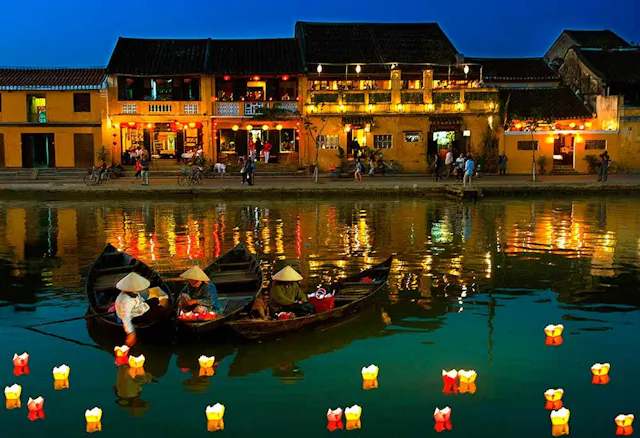
Lanterns are an important part of Hoi An's visual identity.
Colorful silk lanterns hang outside shops, restaurants, and historic buildings throughout the Ancient Town.
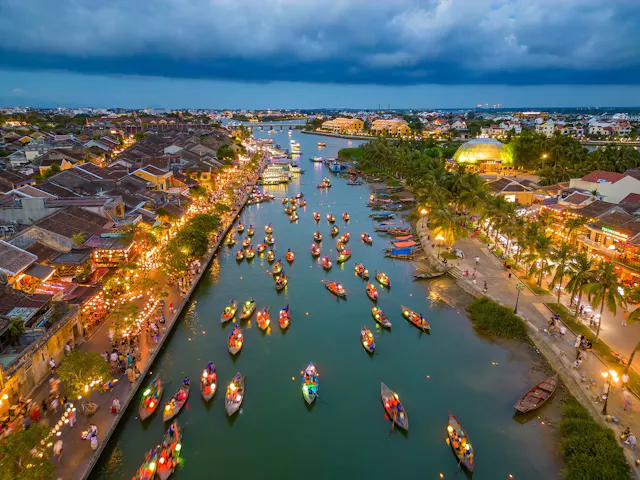
At night, the warm glow of lanterns creates a distinctive atmosphere along the streets and Thu Bon River.
During special lantern evenings, artificial lighting is reduced in parts of the Ancient Town, allowing traditional lanterns to become the main source of illumination.
Hoi An's Trading History
Hoi An developed as an important trading port from around the 15th to 19th centuries.
Merchants from China, Japan, Southeast Asia, and Europe visited the port to trade goods such as ceramics, silk, spices, and other products.
This international trade shaped the town's architecture, food, religious traditions, and cultural identity.
Many historic buildings still demonstrate the influence of these different communities.
Traditional Houses
Several historic merchant houses are open to visitors.
These houses typically combine residential, commercial, and worship spaces within narrow but deep buildings.
Wooden interiors, carved decorations, courtyards, ancestral altars, and traditional furniture provide insight into how prosperous merchant families once lived.
Visiting these houses helps travelers understand the architectural character of historic Hoi An.
Hoi An Tailors
Hoi An is famous for its tailoring industry.
Travelers can find numerous tailor shops offering custom-made suits, dresses, shirts, shoes, and other clothing.
Custom tailoring can often be completed relatively quickly, although quality and turnaround times vary between shops.
Visitors interested in ordering clothing should allow enough time for measurements, fittings, adjustments, and final collection.
Hoi An Cuisine
Food is an important part of the Hoi An experience.
Local specialties include Cao Lau, a noodle dish associated strongly with the city, as well as Mi Quang, White Rose dumplings, Banh Mi, and Hoi An-style rice dishes.
The city's markets and street food stalls also provide opportunities to sample snacks and traditional Vietnamese dishes.
Hoi An's cuisine reflects both local ingredients and the town's long history of cultural exchange.
Thu Bon River
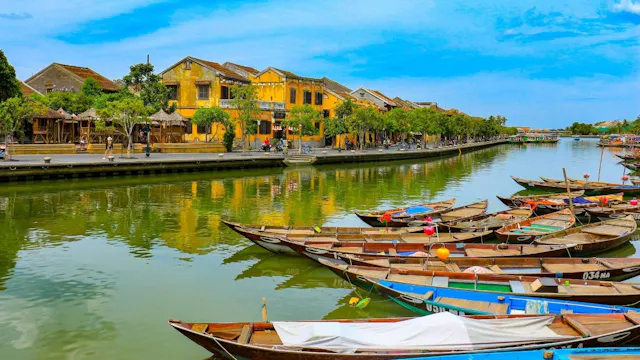
The Thu Bon River flows alongside Hoi An Ancient Town and has played an important role in the city's history.
Today, the river provides a scenic setting for boat trips, riverside walks, and evening activities.
Visitors can take short boat rides to see the town from the water or simply enjoy the atmosphere along the riverbanks.
Sunset can be an especially attractive time to explore this part of Hoi An.
Hoi An's Beaches
Although the Ancient Town is the main attraction, Hoi An also has access to several beaches.
An Bang Beach is one of the most popular, offering sandy shores, restaurants, and a relaxed coastal atmosphere.
Cua Dai Beach is another nearby beach area.
Visitors can easily combine cultural sightseeing in the morning with swimming or relaxing by the sea later in the day.
Tra Que Vegetable Village
Tra Que Vegetable Village lies near Hoi An and is known for traditional farming.
Local farmers cultivate herbs, vegetables, and other crops using traditional agricultural techniques.
Visitors can join activities such as cycling through the countryside, learning about farming, or participating in cooking experiences.
The village provides a peaceful contrast to the busy Ancient Town.
Best Time to Visit Hoi An
The best time to visit is generally from February to April, when temperatures are pleasant and rainfall is often relatively low.
May to August can be hot but is suitable for travelers interested in combining cultural sightseeing with beach activities.
The rainy season, particularly from September to January, can bring heavy rain and occasional flooding in low-lying parts of the Ancient Town.
How to Get to Hoi An
Hoi An does not have its own commercial airport.
The nearest major airport is Da Nang International Airport, approximately 30 kilometers away.
Travelers can reach Hoi An by taxi, private transfer, shuttle bus, or other road transportation from Da Nang.
The journey generally takes around 45 minutes to one hour depending on traffic.
Exploring Hoi An
The Ancient Town is best explored on foot or by bicycle.
Walking allows travelers to appreciate the historic architecture, small streets, shops, cafés, and riverside scenery at a relaxed pace.
Bicycles are particularly useful for exploring the surrounding countryside and villages.
Motorbike access in parts of the Ancient Town can be restricted at certain times, so visitors should follow local regulations.
Responsible Tourism
Hoi An's historic buildings and cultural traditions require careful protection.
Visitors should avoid damaging old structures, littering, or entering restricted areas.
When photographing local residents, craftspeople, or religious ceremonies, ask permission when appropriate.
Choosing locally owned businesses and purchasing authentic local crafts can help support the community and preservation of Hoi An's heritage.
Why Visit Hoi An?
Hoi An offers a remarkable combination of history, architecture, cuisine, lanterns, traditional crafts, riverside scenery, and nearby beaches.
Its UNESCO-listed Ancient Town provides a rare opportunity to walk through a historic trading port whose architectural character has survived for centuries.
For travelers exploring central Vietnam, Hoi An is an essential destination where cultural heritage, local food, traditional craftsmanship, and relaxed coastal living come together in one memorable experience.
Hoi An Photo Gallery
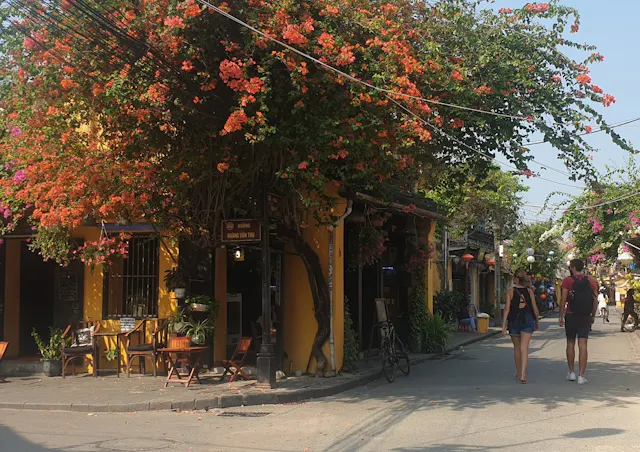
Step into the timeless beauty of Hoi An through our curated photo gallery. Explore stunning images of the UNESCO-listed Ancient Town, lantern-lit streets, historic merchant houses, and the iconic Japanese Covered Bridge. Discover the peaceful Thu Bon River, golden beaches, vibrant local markets, traditional basket boats, and nearby countryside landscapes. From colorful cultural festivals to authentic local cuisine and breathtaking sunsets, these photos showcase the unforgettable experiences that make Hoi An one of Vietnam's most charming and photogenic destinations.
How to Get to Hoi An
Bus and coach
Long-distance sleeper buses and limousine coaches connect Hoi An with major cities across Vietnam, including Hanoi, Hue, Da Nang, Nha Trang, and Ho Chi Minh City. Most buses stop at Hoi An Central Bus Station or nearby hotels, making transfers convenient for travelers. Luxury limousine services between Da Nang and Hoi An are especially popular thanks to their comfort, frequent departures, and travel time of approximately one hour.
Train
Hoi An does not have a railway station. The nearest station is Da Nang Railway Station, located about 30 kilometers away. Regular trains on Vietnam's North–South Railway connect Da Nang with Hanoi, Hue, Nha Trang, and Ho Chi Minh City. From the station, travelers can continue to Hoi An by taxi, shuttle bus, private transfer, or public bus, with the journey taking around 45 to 60 minutes.
Driving
Driving to Hoi An is an excellent option for travelers exploring Central Vietnam. Modern coastal roads connect the city with Da Nang, Hue, and Tam Ky, while scenic routes such as the famous Hai Van Pass provide breathtaking views along the journey. Private transfers and rental cars offer flexibility for visiting nearby attractions, beaches, and countryside villages at your own pace.
Flying
The fastest way to reach Hoi An is by flying to Da Nang International Airport (DAD), located approximately 30 kilometers north of the Ancient Town. The airport offers frequent domestic flights from Hanoi, Ho Chi Minh City, Hai Phong, Da Lat, Can Tho, and international flights from several Asian destinations. Airport shuttles, taxis, ride-hailing services, and private transfers are readily available, with the drive to Hoi An taking 45 to 60 minutes.
Frequently Asked Questions About Hoi An
What is Hoi An famous for?
Hoi An is famous for its beautifully preserved Ancient Town, a UNESCO World Heritage Site known for its lantern-lit streets, centuries-old merchant houses, and unique blend of Vietnamese, Chinese, Japanese, and European architecture. The city is also renowned for its tailor shops, vibrant night market, delicious local dishes such as Cao Lau and White Rose Dumplings, and nearby attractions including An Bang Beach and My Son Sanctuary.
When is the best time to visit Hoi An?
The best time to visit Hoi An is from February to August, when the weather is warm, dry, and perfect for exploring the Ancient Town, relaxing on nearby beaches, cycling through the countryside, and taking boat trips on the Thu Bon River. Travelers visiting during the monthly Lantern Festival can also enjoy one of Hoi An's most magical cultural experiences.
How many days should I spend in Hoi An?
A stay of 2 to 4 days is ideal for discovering Hoi An. This allows enough time to explore the Ancient Town, visit An Bang Beach, enjoy local cuisine, experience the lantern-lit evenings, shop for tailor-made clothing, and take day trips to attractions such as My Son Sanctuary or the Bay Mau Coconut Forest.
How do I get around Hoi An?
Hoi An is easy to explore thanks to its compact size. Walking is the best way to experience the Ancient Town, while bicycles are perfect for visiting nearby beaches, rice fields, and villages. Taxis, Grab, motorbike rentals, and private cars are also available for traveling to attractions outside the city center, including My Son Sanctuary and Da Nang.
Is Hoi An worth visiting?
Absolutely. Hoi An is one of Vietnam's most iconic travel destinations, offering a unique combination of history, culture, beaches, cuisine, and riverside charm. From wandering through lantern-filled streets and tasting authentic local specialties to relaxing on beautiful beaches and exploring nearby UNESCO heritage sites, Hoi An provides unforgettable experiences for couples, families, solo travelers, and cultural enthusiasts alike.
Advertising box
Related Cities In Vietnam
Explore more cities across Vietnam and discover the local dishes, street food, cultural traditions, and culinary specialties that make each destination unique. From the historic streets of Hanoi and Hue to the vibrant food scenes of Ho Chi Minh City and Da Nang, discover where Vietnam's most iconic flavors come from and find inspiration for your next food adventure.
Ha Giang Travel Guide
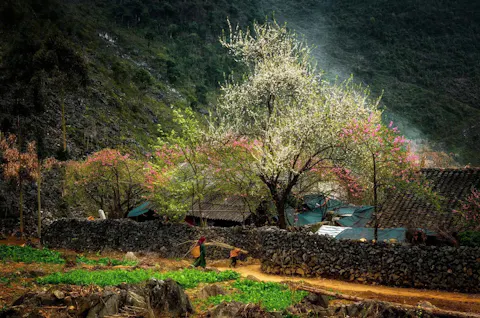
Ha Giang is Vietnam's northernmost province, renowned for its spectacular mountain landscapes, winding roads, vibrant ethnic cultures, and the world-famous Ha Giang Loop. From conquering the breathtaking Ma Pi Leng Pass and cruising along the emerald Nho Que River to exploring traditional villages and the UNESCO-listed Dong Van Karst Plateau, Ha Giang offers unforgettable adventures. Whether you're planning a motorbike journey or a cultural escape, this complete travel guide will help you experience the very best of northern Vietnam.

Da Lat Travel Guide
Da Lat is a picturesque mountain city in Vietnam's Central Highlands, famous for its cool climate, rolling pine forests, colorful flower gardens, and charming French colonial architecture. From scenic lakes and breathtaking waterfalls to bustling night markets and local coffee culture, Da Lat offers unforgettable experiences for every traveler. Whether you're seeking outdoor adventures, romantic escapes, or cultural discoveries, this comprehensive travel guide will help you explore the very best of Vietnam's beloved "City of Eternal Spring."

Quy Nhon Travel Guide
Quy Nhon is a charming coastal city in Binh Dinh Province, renowned for its unspoiled beaches, crystal-clear waters, rich cultural heritage, and laid-back atmosphere. From breathtaking coastal landscapes like Ky Co Beach and Eo Gio to fresh seafood, ancient Cham towers, and authentic local experiences, Quy Nhon offers something for every traveler. Whether you're planning a relaxing beach holiday, a cultural escape, or an outdoor adventure, this comprehensive travel guide will help you discover the very best of Quy Nhon.
Nha Trang Travel Guide
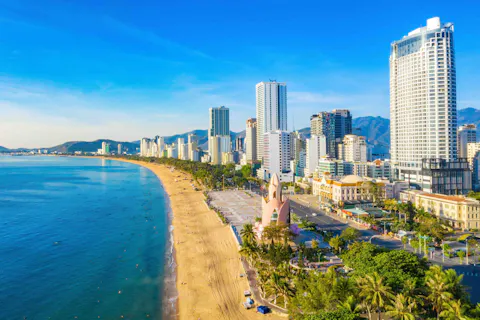
Nha Trang is a vibrant coastal city in south-central Vietnam, famous for its sandy beaches, turquoise waters, nearby islands, and fresh seafood. Whether you're planning a relaxing beach holiday, an island-hopping adventure, or a cultural getaway, Nha Trang offers a perfect mix of natural beauty, local cuisine, and exciting attractions. This guide covers the best things to do, where to stay, what to eat, and essential travel tips to help you plan an unforgettable trip.