
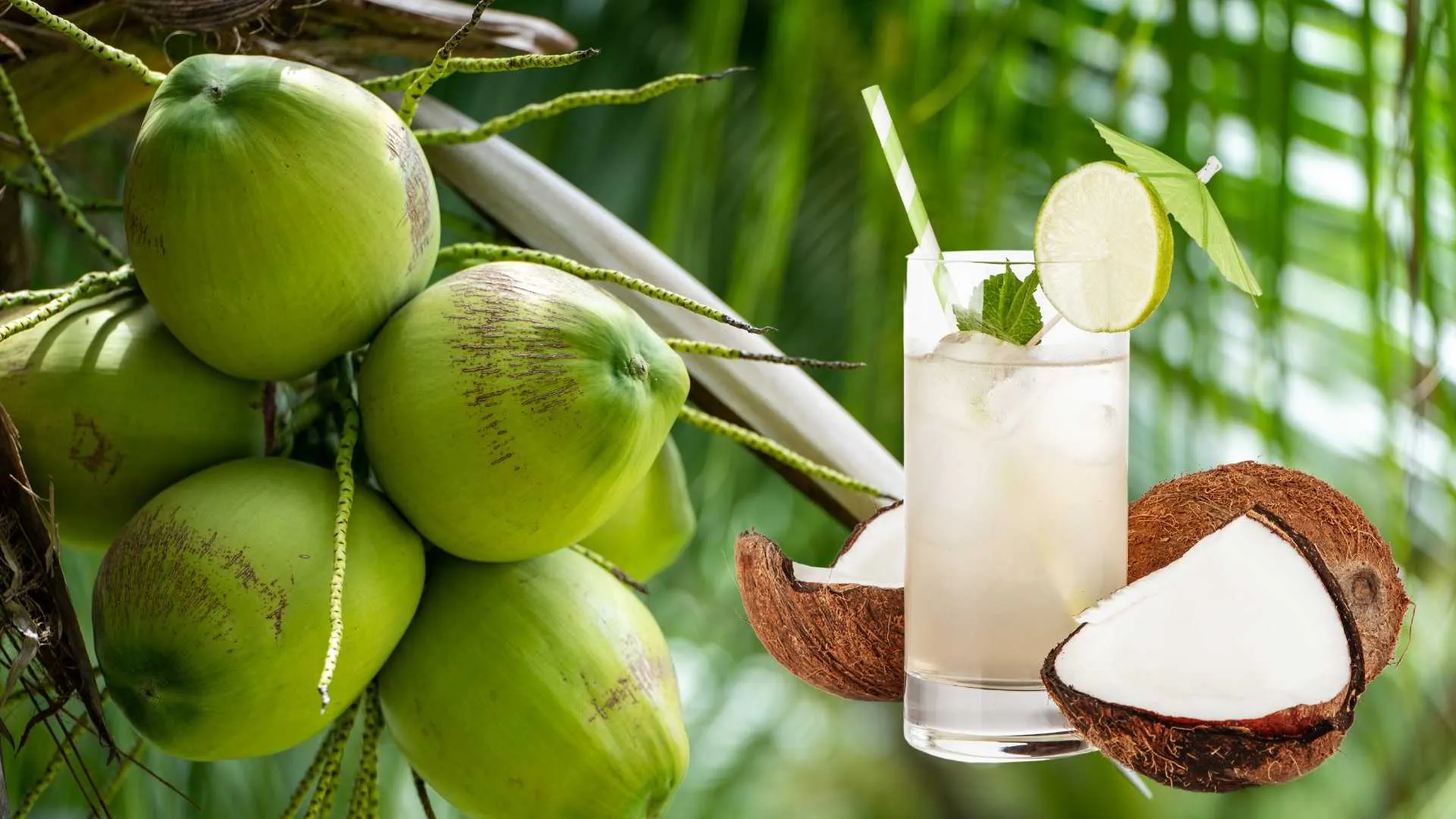
Fresh Coconut Water: A Refreshing Local Drink
Fresh coconut water is one of the simplest and most refreshing drinks to enjoy in Vietnam. Served directly from young green coconuts, it offers a naturally sweet, mildly floral flavor and is especially popular in hot weather. Travelers can find fresh coconut water at local markets, street stalls, restaurants, beaches, and roadside vendors across the country. Discover how coconut water is served in Vietnam, where to try it, what it tastes like, and why it is a favorite tropical drink.
About Fresh Coconut Water in Vietnam
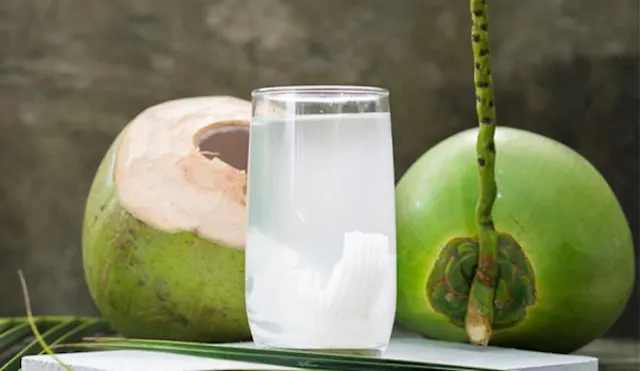
Fresh coconut water is one of the most refreshing local drinks in Vietnam, especially popular in the country's tropical southern and coastal regions. Served directly from a young coconut, this naturally sweet drink is simple, affordable, and closely connected to Vietnam's warm climate and abundant coconut-growing areas.
For travelers, drinking fresh coconut water is more than just a way to cool down. It is an easy opportunity to experience a familiar tropical ingredient in a distinctly Vietnamese setting, whether at a beachside stall, local market, roadside vendor, or casual restaurant.
What Is Fresh Coconut Water?
Fresh coconut water is the clear liquid found naturally inside young coconuts.
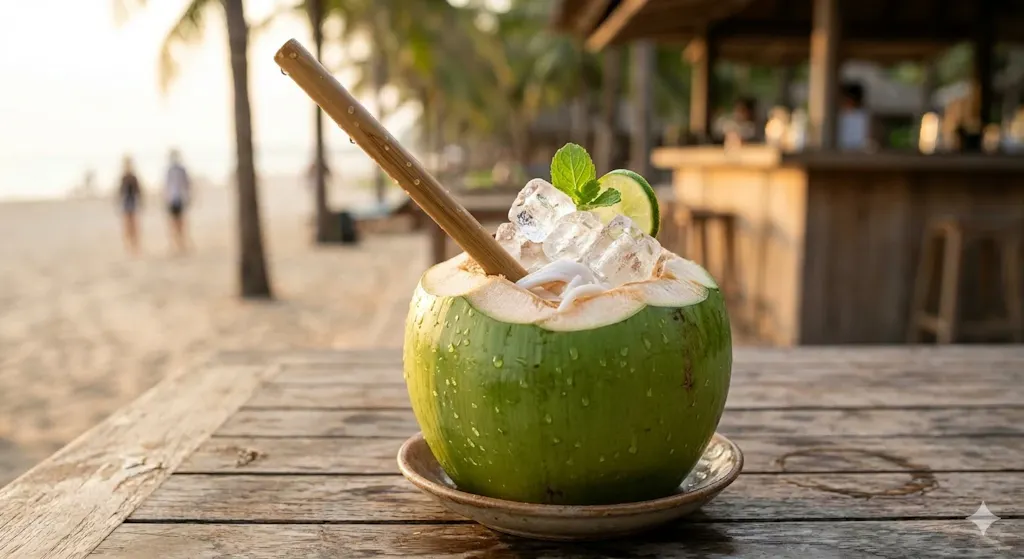
In Vietnam, vendors commonly use green coconuts that are opened with a knife before serving. A straw is often inserted directly into the coconut, allowing customers to drink the water straight from the fruit.
The flavor is usually mildly sweet, slightly nutty, and refreshing. Unlike many bottled beverages, fresh coconut water has a natural taste that can vary depending on the coconut's maturity and growing conditions.
How Is Coconut Water Served in Vietnam?
The simplest and most traditional way to enjoy coconut water is directly from the coconut.
A vendor cuts away part of the green outer shell, opens the top, and serves the coconut with a straw. Some places chill the coconuts before serving, while others add ice to make the drink especially cold.
After drinking the water, visitors can often use a spoon to scoop out the soft coconut flesh inside. This creates a simple two-part snack: refreshing coconut water followed by tender coconut meat.
What Does Fresh Coconut Water Taste Like?
Fresh coconut water has a naturally light and mildly sweet flavor.
Young coconuts generally contain plenty of liquid, while the coconut flesh remains soft and delicate. The taste is less intense than coconut milk and does not have the thick, creamy texture associated with coconut-based desserts.
The flavor can vary from coconut to coconut. Some are noticeably sweeter, while others have a lighter, more subtly nutty taste.
Coconut Water and Vietnamese Street Culture
Fresh coconut water is commonly found in Vietnam's casual food and drink culture.
Street vendors, local markets, roadside stalls, and small restaurants may sell whole coconuts throughout the day. Because coconuts are easy to serve without complicated preparation, they are a convenient drink for hot weather.
Travelers may also encounter coconut vendors near beaches, parks, tourist attractions, and busy outdoor areas.
Where to Try Fresh Coconut Water
Fresh coconut water can be found throughout Vietnam, particularly in areas where coconuts are widely grown.
The Mekong Delta is one of the country's most important coconut-growing regions. Provinces such as Ben Tre are particularly associated with coconut agriculture and coconut-based products.
Coastal destinations, including areas around Ho Chi Minh City, Da Nang, Nha Trang, Hoi An, and Phu Quoc, also commonly offer fresh coconuts to visitors.
Beachside stalls are especially enjoyable because the drink pairs naturally with Vietnam's warm tropical climate.
Coconut Water in Ben Tre
Ben Tre is often called one of Vietnam's coconut capitals.
The province is located in the Mekong Delta, where coconut palms grow extensively along rivers and canals.
Visitors exploring Ben Tre can see coconut plantations, visit small family-run workshops, and discover products made from different parts of the coconut.
Fresh coconut water is an obvious choice when exploring the region, offering a direct taste of one of its most important agricultural products.
Fresh Coconut Water vs. Coconut Milk
Fresh coconut water should not be confused with coconut milk.
Coconut water is the naturally occurring liquid inside a young coconut, while coconut milk is made by extracting liquid from grated mature coconut flesh.
Coconut water is light and refreshing, whereas coconut milk is thicker, richer, and commonly used in Vietnamese desserts, curries, sauces, and other dishes.
Both are important ingredients in Southeast Asian cuisine but offer very different flavors and textures.
When Is the Best Time to Drink It?
Fresh coconut water can be enjoyed throughout the year, but it is particularly appealing during Vietnam's hot and humid months.
A chilled coconut is especially refreshing after walking around a city, visiting a market, exploring the countryside, or spending time at the beach.
There is no complicated preparation involved, making it an easy drink to enjoy whenever you need something cool.
Tips for Travelers
When buying fresh coconut water from a street vendor, check that the coconut looks fresh and is stored appropriately.
If you prefer your drink cold, ask whether the coconut has been chilled or request ice.
It is also worth keeping in mind that sweetness naturally varies between coconuts. A fresh coconut may not taste exactly the same as packaged coconut water.
For a more authentic experience, try drinking directly from the coconut rather than choosing a bottled version.
Why Try Fresh Coconut Water in Vietnam?
Fresh coconut water is a simple but memorable part of Vietnam's tropical food and drink culture.
It combines the country's warm climate, abundant coconut agriculture, street-vendor traditions, and relaxed outdoor lifestyle in one refreshing experience.
Whether enjoyed at a bustling market in the Mekong Delta, beside a beach, or from a roadside stall during a journey through the countryside, a fresh coconut offers travelers an easy and delicious way to experience one of Vietnam's most familiar tropical drinks.
Featured Ingredients of Fresh Coconut Water
Fresh Coconut Water is naturally simple, with its refreshing flavor and soft texture coming directly from young coconuts. Unlike many prepared beverages, it does not require a long list of ingredients. The coconut itself provides the water, natural sweetness, and tender flesh that make this tropical drink so popular in Vietnam.
Young Green Coconut↗
Young green coconut is the essential ingredient of Fresh Coconut Water. It contains a generous amount of naturally occurring coconut water with a light, mildly sweet flavor. The tender coconut flesh inside can also be enjoyed after drinking the water.
Fresh Coconut Water↗
The clear liquid inside the young coconut is the main component of the drink. It is naturally refreshing and can be served chilled or at room temperature. Its flavor varies naturally depending on the coconut variety, maturity, and growing conditions.
Ice↗
Ice is an optional ingredient commonly used when serving Fresh Coconut Water. Adding ice makes the drink colder and especially refreshing in Vietnam's hot weather. Some vendors chill the whole coconut instead, allowing the natural coconut flavor to remain undiluted.
Fresh Coconut Water FAQs
What does fresh coconut water taste like?
Fresh coconut water has a naturally mild, slightly sweet, and refreshing flavor. The taste can vary depending on the coconut's variety, maturity, and growing conditions. Young coconuts generally provide plenty of light, sweet-tasting water.
Where can I find fresh coconut water in Vietnam?
Fresh coconut water is widely available at local markets, street stalls, roadside vendors, restaurants, and beach areas throughout Vietnam. It is particularly common in tropical regions such as the Mekong Delta and coastal destinations. Ben Tre is especially well known for its coconut-growing areas.
How is fresh coconut water served in Vietnam?
Fresh coconut water is usually served directly inside a young green coconut. Vendors cut open the top and add a straw so you can drink it straight from the fruit. Some vendors serve chilled coconuts or add ice for an extra-refreshing drink.
Can you eat the coconut after drinking the water?
Yes. Young coconuts contain soft, tender coconut flesh that can be scooped out and eaten with a spoon after drinking the water. The flesh has a mild coconut flavor and a soft, delicate texture.
Is fresh coconut water the same as coconut milk?
No. Fresh coconut water is the naturally occurring liquid inside a young coconut, while coconut milk is made by extracting liquid from grated mature coconut flesh. Coconut water is light and refreshing, whereas coconut milk is thicker and creamier and is commonly used in Vietnamese cooking and desserts.
Advertising box
Discover Vietnam's Local Drinks
Explore Vietnam's rich beverage culture through traditional coffee, fragrant teas, tropical fruit juices, herbal drinks, rice wine, and refreshing regional specialties. Discover the unique flavors, local traditions, and must-try drinks that accompany every unforgettable journey across Vietnam.
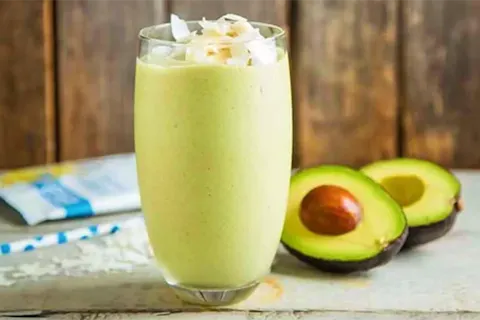
Sinh Tố Bơ: Vietnam's Creamy Avocado Smoothie
Sinh Tố Bơ is a popular Vietnamese avocado smoothie made by blending ripe avocado with milk, sweetened condensed milk, and ice. Rich, creamy, and naturally buttery, this refreshing drink combines the mild flavor of avocado with a touch of sweetness. Found at street drink stalls, local cafés, juice shops, and dessert shops throughout Vietnam, Sinh Tố Bơ is a favorite tropical beverage among locals and visitors. Discover its ingredients, preparation, flavor, popular variations, and why this creamy avocado smoothie is a must-try Vietnamese drink.
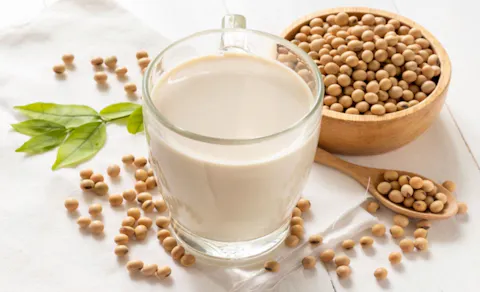
Sữa Đậu Nành: Vietnam's Traditional Fresh Soy Milk Drink
Sữa Đậu Nành is a popular Vietnamese soy milk drink made from freshly prepared soybeans, water, and often sugar. It is commonly served warm or chilled at local markets, street stalls, breakfast shops, and casual drink vendors throughout Vietnam. Smooth, creamy, and mildly nutty, Vietnamese soy milk is enjoyed as an affordable everyday beverage and can be paired with traditional snacks or breakfast foods. Some vendors offer variations flavored with pandan, sesame, or other ingredients, adding new aromas and textures to this familiar Vietnamese drink.
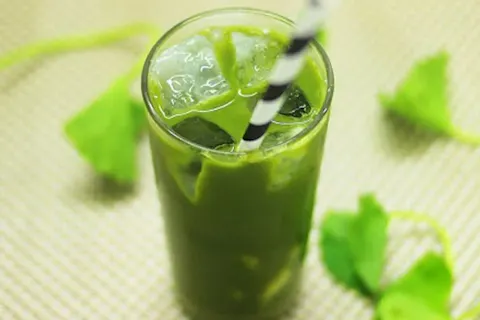
Nước Rau Má: Vietnam's Fresh Pennywort Juice Drink
Nước Rau Má is a refreshing Vietnamese drink made by blending fresh pennywort, also known as gotu kola, with water and often sugar or ice. Popular at street drink stalls, local markets, and casual juice shops, it has a distinctive green color and a fresh, mildly grassy flavor. Some versions are combined with coconut water, mung beans, or other ingredients for extra sweetness and texture. Widely enjoyed across Vietnam, Nước Rau Má is a simple introduction to the country's diverse tradition of fresh herbal and plant-based beverages.
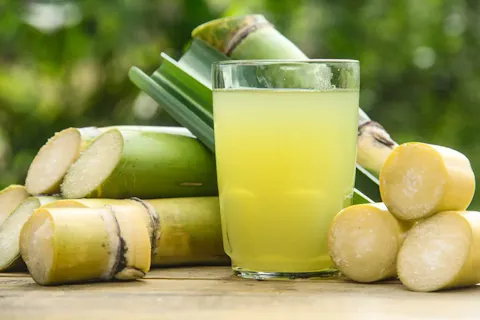
Nước Mía: Vietnam's Fresh Sugarcane Juice
Nước Mía is Vietnam's popular fresh sugarcane juice, made by pressing sugarcane stalks through a specialized machine to extract a naturally sweet and refreshing drink. It is commonly served chilled over ice, sometimes with a splash of lime or kumquat juice to add a bright citrus flavor. Widely available at street stalls, markets, and casual drink shops across Vietnam, Nước Mía is an affordable way to cool down in the tropical climate. Discover its ingredients, preparation, flavor, cultural popularity, and where to try it.